REVIEW · KRAKOW
From Krakow: Auschwitz Birkenau Small Group Tour with Pickup
Book on GetYourGuide →Operated by ComFort Tours Cracow · Bookable on GetYourGuide
Four a.m. starts a day you won’t forget. This Auschwitz-Birkenau trip from Krakow pairs door-to-door pickup with a live museum guide, so the story stays clear even when what you see is unbearable. You move through Auschwitz I, then ride a short distance to Auschwitz II-Birkenau for a second guided visit.
I like that you get hotel pickup and comfortable air-conditioned minivan transport, which matters a lot when your day starts before breakfast. I also like the time balance: you get a real guided pass through Auschwitz I and then Birkenau, instead of speeding through only half the experience.
The main drawback is scheduling reality: pickup can be extremely early, and the museum’s rules can mean long lines and fewer guarantees if you book late or close to departure. In other words, plan ahead so you’re not stuck waiting for hours.
In This Review
- Key takeaways before you go
- From Krakow in an Air-Conditioned Van: Early Pickup Made Manageable
- Auschwitz I: How the First 2 Hours Get You Oriented
- Auschwitz II-Birkenau: The 300-Building Reality Check
- Small Group Comfort vs. Museum Group Sizes
- Ticket-Line Help, Reservations, and Why Early Booking Really Matters
- What’s Included in the Price (and Where the Value Actually Comes From)
- How the Day Really Flows: Breaks, Walking, and Staying Together
- Who This Tour Fits Best (and Who Should Look Elsewhere)
- Book It or Pass? My Practical Take
- Quick decision checklist
- FAQ
- How long is the Auschwitz Birkenau tour from Krakow?
- Is the live guide provided in English?
- What time is pickup in Krakow?
- What do I need to bring to enter the museum?
- Is lunch included?
- Do I need to provide my full name for the booking?
Key takeaways before you go
- Door-to-door pickup (sometimes as early as 4 a.m.) makes the logistics easier, but you must be ready for an early start.
- Live English guidance in Auschwitz I and Birkenau helps you make sense of what you’re looking at.
- Focused time on both sites (about 2 hours at Auschwitz I and about 1.5 hours at Birkenau) keeps you from feeling lost or rushed.
- Birkenau’s scale is explained for you with a guided walk across a site made up of roughly 300 buildings.
- Ticket-line help can save major waiting time if your reservation is handled early and properly.
- Optional lunch is practical (wraps, fruit, chocolate, water) if you want something simple and included.
From Krakow in an Air-Conditioned Van: Early Pickup Made Manageable
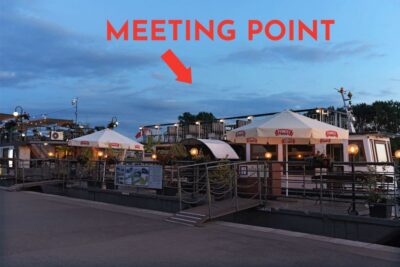
This tour is built around one simple idea: don’t waste your trip time figuring out transport to one of the most difficult places in Europe. Your day starts with a van ride from Krakow (about 1.5 hours each way), and you’re picked up from your hotel or a nearby agreed point depending on your option.
The real thing to understand is timing. Depending on your pickup choice, the start can land anywhere from very early morning up to midday, but the operation can also run with departures as early as 4 a.m. That’s not a problem with the tour so much as it’s the museum scheduling and reservation system doing what it does. If you’re sensitive to early mornings, treat this like a “must plan” day: set multiple alarms, eat something easy before pickup, and wear layers you can tolerate standing outside.
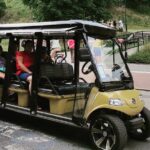
Small group transport is also part of the value. The van is air-conditioned, which you’ll appreciate in shoulder seasons and summer. And having a tour leader and driver coordinating things means you spend less time asking strangers where to go and more time following the flow.
You can also read our reviews of more tours and experiences in Krakow.
Auschwitz I: How the First 2 Hours Get You Oriented
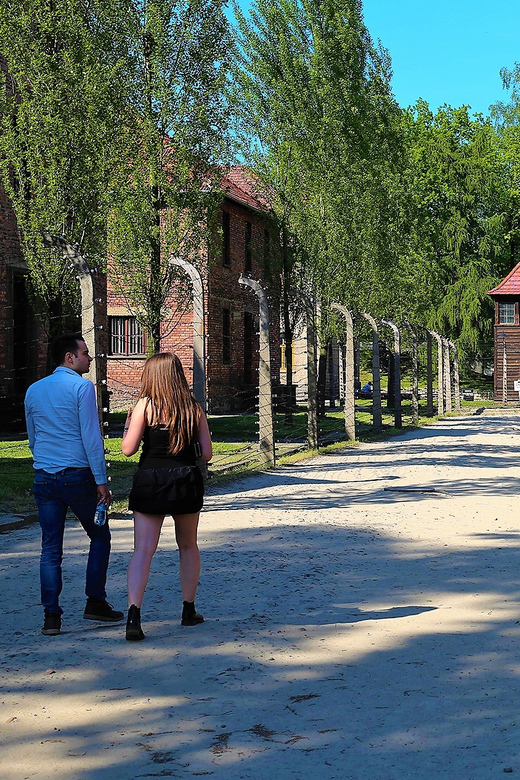
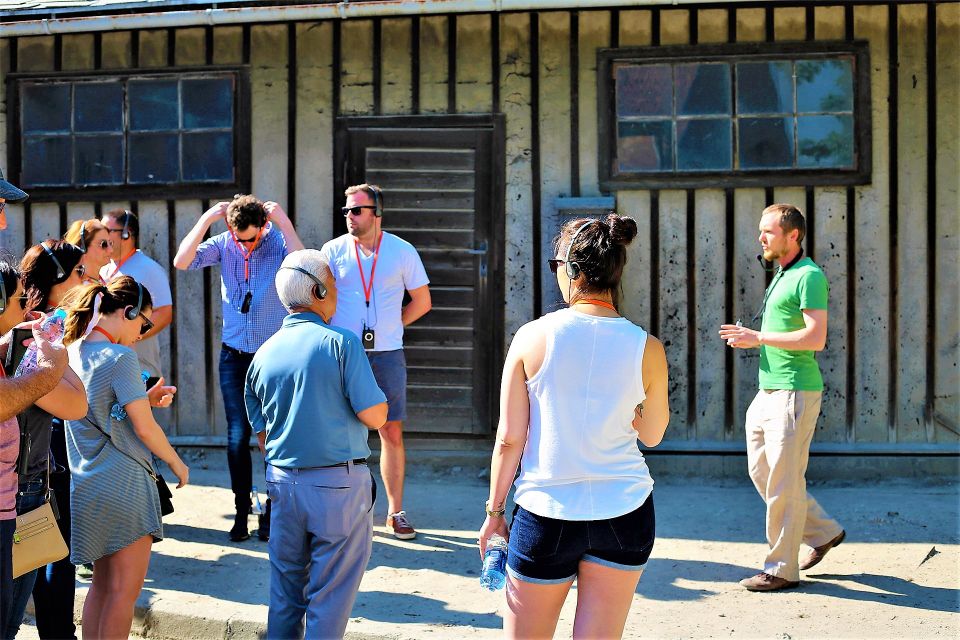
Auschwitz I is the heart of the story, and this tour gives it time. You’ll arrive, meet your museum guide, and get a guided walk for about 2 hours, plus a short break afterward (around 15–20 minutes depending on the schedule).
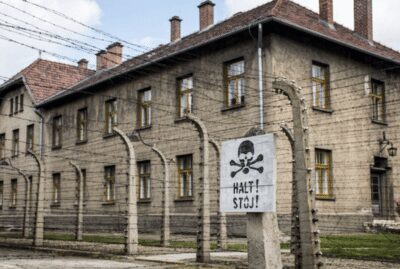
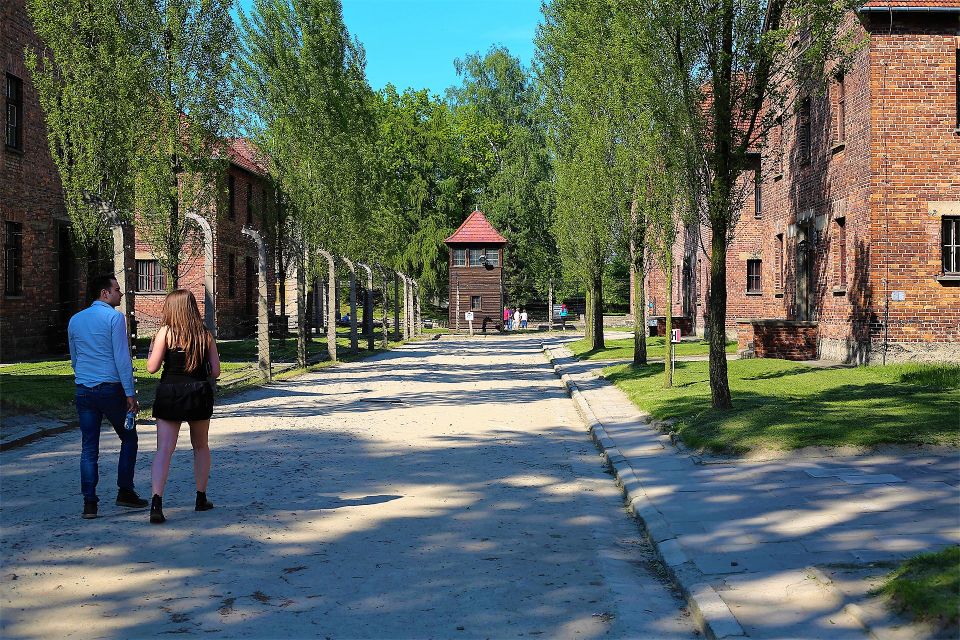
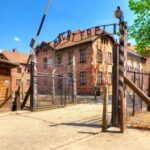
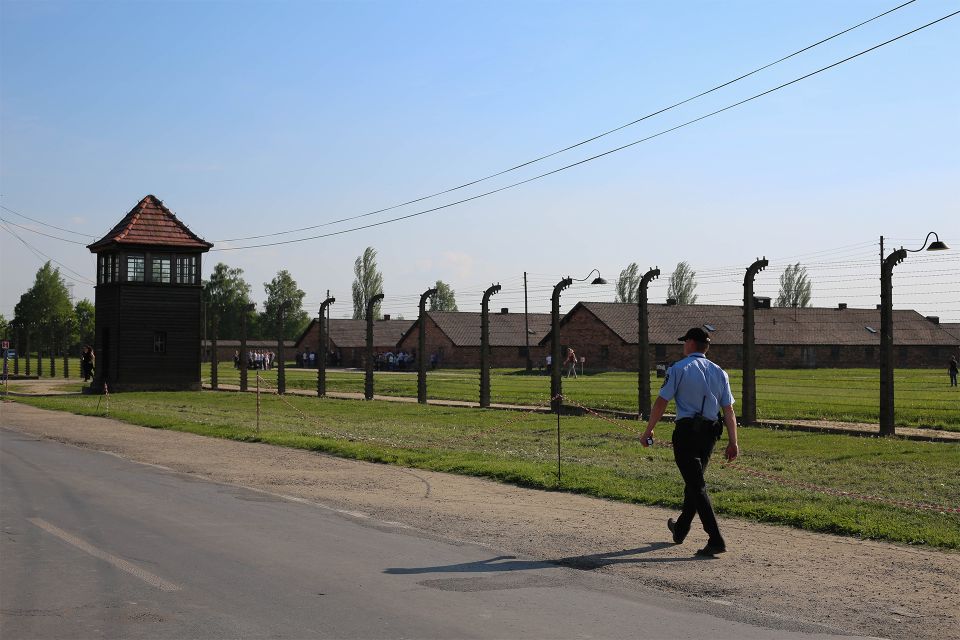
What makes Auschwitz I especially important is that it’s where you start seeing the machinery of persecution in a concentrated, structured way. With a licensed guide, you’ll look at details such as barbed wire fences, watchtowers, barracks, and the gallows, then move through areas associated with the camp’s terror, including gas chambers.
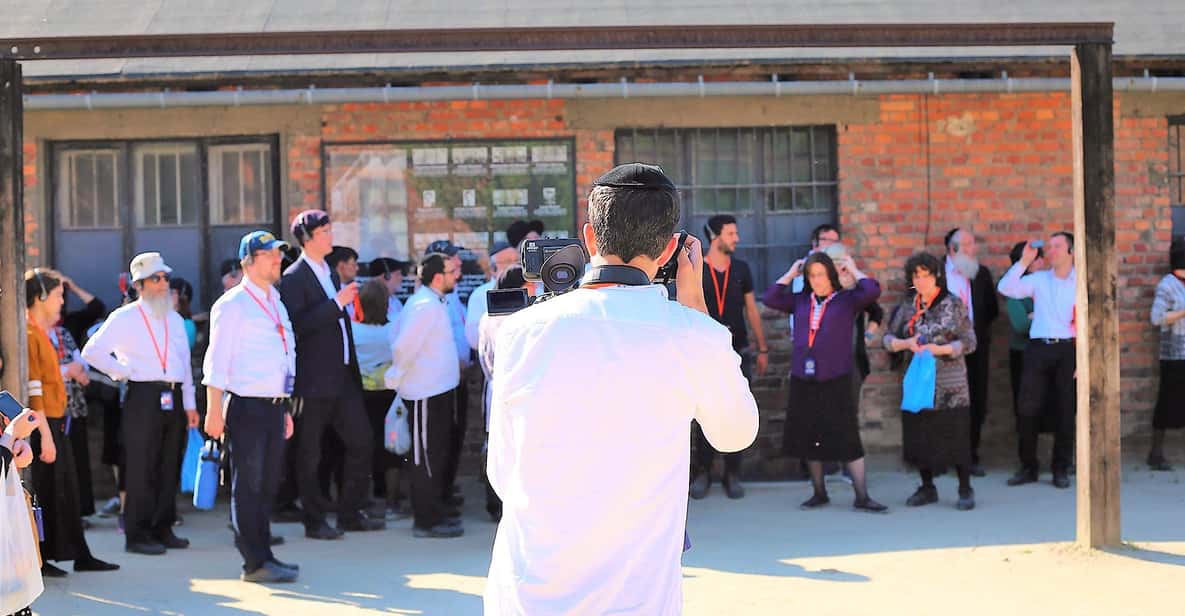
A guide matters here because the site is vast, and many plaques and descriptions can feel overwhelming on your own. With guidance, you get context that helps you read what you’re seeing instead of just staring at structures. You’ll also notice how the guide sets a careful tone for the group, which affects how you experience the day. Multiple day-goers point out that guides help keep things respectful and emotionally steady, not clinical and not chaotic.
One practical note: the pacing is designed to match a timed museum experience, not an at-your-own-speed museum wander. So if you prefer slow wandering and lots of independent looking, this might feel a bit structured. But if you want clarity and you’d rather not miss key points, the guided approach is the whole point.
Auschwitz II-Birkenau: The 300-Building Reality Check
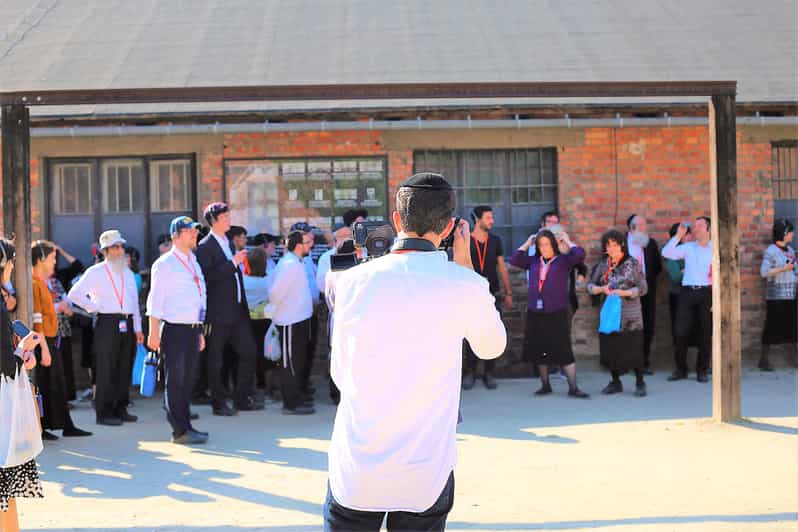
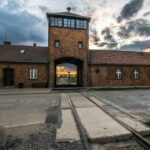
After Auschwitz I, you drive a short distance to Auschwitz II-Birkenau. The transfer is only a few minutes by road, which is a relief when you’re already emotionally worn out. At Birkenau, you get about 1.5 hours of guided exploring.
Birkenau is different in feel. Even without adding any extra context, the scale is its own message: the camp is described as having around 300 buildings, plus features like watchtowers, latrines, and places tied to the camp’s gas chambers. It’s the kind of place where your brain struggles to measure what you’re looking at, and that’s exactly why guidance helps. A good guide turns the distance and size into something you can understand, without turning it into numbers for comfort.
This portion of the day is also where you may feel the hardest weight. Several participants describe the visit as deeply disturbing and a lot to process, which is to be expected. I’d suggest you plan for that mentally: don’t schedule anything tight afterward, and don’t expect to feel normal by dinner.
Also, Birkenau’s layout means you’ll be walking. Bring comfortable shoes you trust. And since the day may start early, expect fatigue to add to the emotional load. The guide’s job is to keep the group moving at a respectful pace, and your job is to keep your footing and stay close so you don’t get left behind.
Small Group Comfort vs. Museum Group Sizes
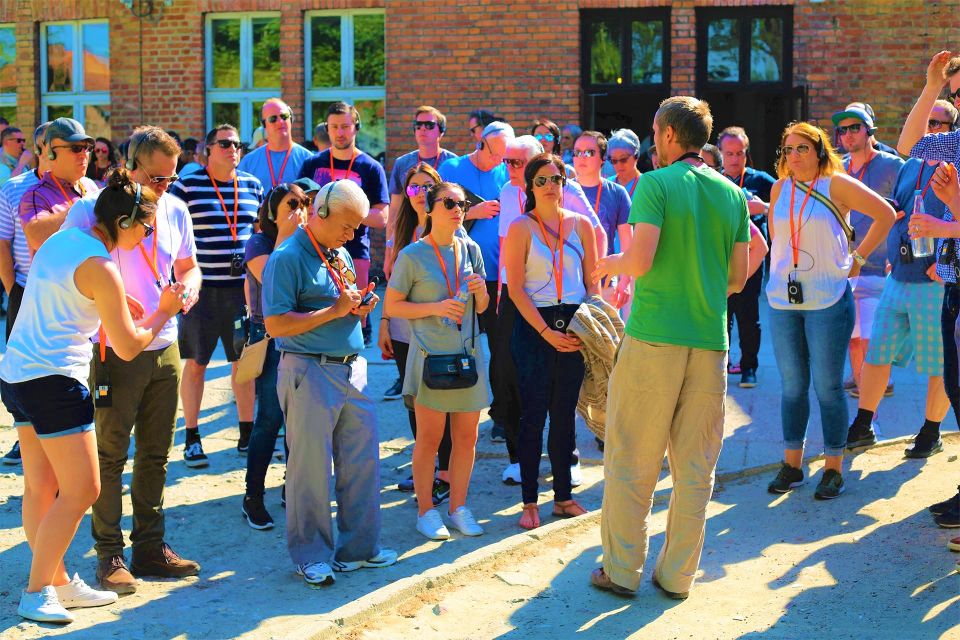
The tour markets small-group comfort, and that’s real in the pickup, the van ride, and the day’s coordination. You travel together, and you’re helped with meeting points and getting to the next stage without guesswork.
That said, once you enter the museum’s guided system, your group can join a larger visitor pattern. One example from a similar departure described a group size of around 30 once on site, even though the overall transfer was a smaller van group. So, manage your expectations: you’ll likely have the feel of a small escorted outing during transport, but the museum guide process may bring you into a bigger crowd while you’re inside.
The upside is that a guided route generally prevents the most common problem people face at Auschwitz: getting turned around in a place that isn’t designed for casual browsing. When you stick with the group, you get the story in order.
Ticket-Line Help, Reservations, and Why Early Booking Really Matters
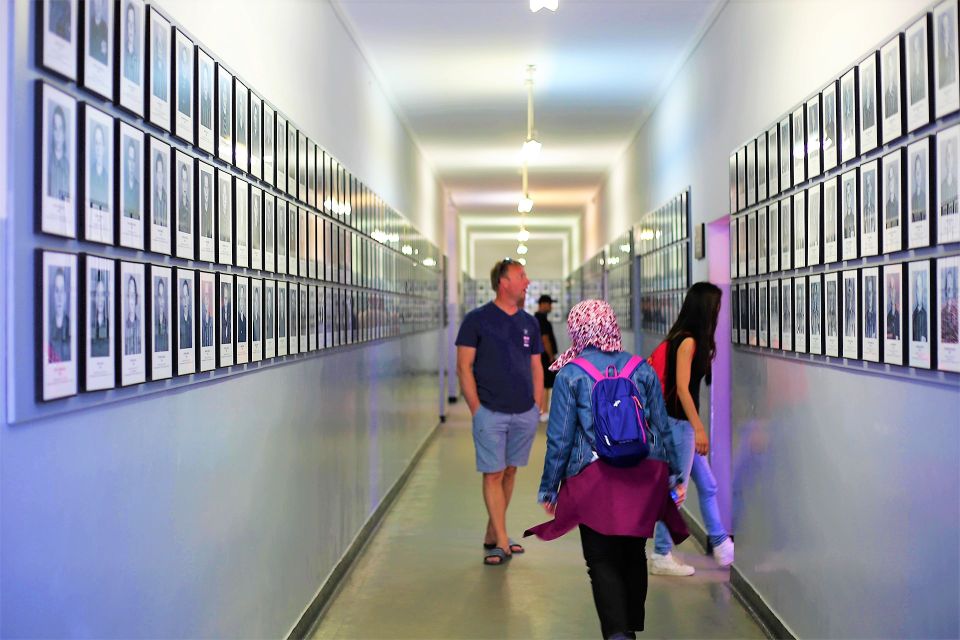
This tour includes entry tickets, and the operation is designed to help you avoid the worst of the chaos. The big value piece isn’t only that tickets are included; it’s that your day is handled with the museum’s reservation reality in mind.
There’s also a major rule you should take seriously: you must submit your full name and contact details as part of the booking process. When you arrive, entry can be refused if the name on your booking doesn’t match the name on your ID.
And about English guiding: the museum requires advanced reservations, and you’re encouraged to provide names at least one month before your visit to help guarantee an English-speaking guide. If you book closer than a month, you may be treated as last-minute, and English guidance is no longer fully guaranteed.
You should also understand the timing trade-off. If your pickup pushes you toward very early departures (sometimes as early as 4 a.m.), the museum rules can mean waiting in line, including reports of waits up to 4 hours. The tour can’t control the museum’s queue length, but early planning can reduce the pain.
What’s Included in the Price (and Where the Value Actually Comes From)
At $41 per person, this package is strong because it bundles the expensive parts together: transport, entry, and professional guidance. A do-it-yourself approach would require you to coordinate Krakow-to-Auschwitz transit, buy tickets, and then figure out timing on arrival. Here, those moving parts are handled so you can focus on the visit.
Included basics:
- Hotel pickup and drop-off (based on your selected option)
- Air-conditioned minivan transport
- Tour leader assistance
- Guide in Auschwitz and Birkenau
- Entry ticket
You can also add an optional lunch. If you want it, the included lunch option is described as 2 ham, cheese, or hummus wraps, plus an apple, banana, a chocolate bar, and bottled water. That’s not a luxury meal, but it’s practical for a day where appetite often disappears. A lot of day-trips like this run people tired and running low on energy, and having something simple in your bag can prevent the “we didn’t eat and now we’re cranky” spiral.
How the Day Really Flows: Breaks, Walking, and Staying Together
Your day isn’t constant marching, but it is structured. You get time for Auschwitz I, a short break, then time for Birkenau, then the return drive to Krakow. Break time is fairly limited, so don’t count on long bathroom stops or lingering moments.
What I’d do for comfort: plan your clothing so you can handle cold mornings and warm afternoons. Even if you dress for the weather, you might end up waiting outside in the early day. Also, bring a light layer you can add or remove quickly.
You’ll also want to understand what you can’t bring or wear. The museum rules specify no pets, no smoking, and no shorts or sleeveless shirts. You should also avoid bringing luggage or large bags.
The simplest kit that helps:
- Passport or ID card (required)
- Comfortable walking shoes
- Weather-appropriate layers
- A small day bag that you can manage through entry
If you’re carrying anything bulky, you risk extra stress in a place where you want your brain as quiet as possible.
Who This Tour Fits Best (and Who Should Look Elsewhere)
This tour is designed for people who want a guided, time-managed Auschwitz-Birkenau visit from Krakow without the hassle of transport planning. If you like having a clear route and you value context while standing in extremely heavy historical spaces, you’ll probably feel grateful for the structure.
It’s also a good match if you’re traveling with limited time in Krakow. The total time is about 7 hours, so it’s a full day trip without turning into an all-day travel slog.
But it may not suit everyone. The tour data states it is not suitable for people with mobility impairments. If mobility is a concern, you should take that warning seriously. Wheelchairs are mentioned as being available at the Visitor Service Center if reserved in advance, but the tour itself is still flagged as difficult for mobility needs.
Book It or Pass? My Practical Take
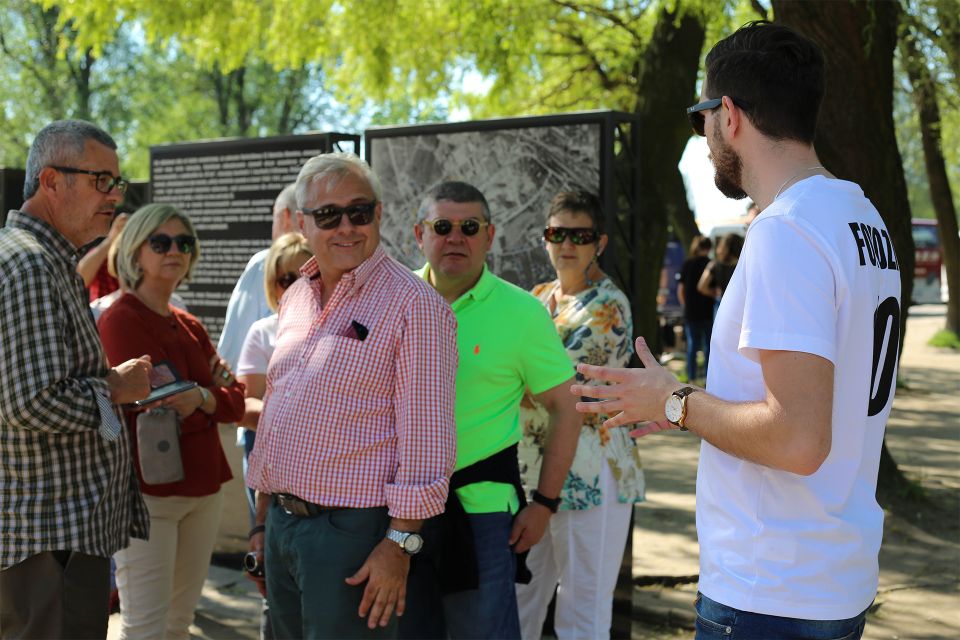
If your goal is to see Auschwitz-Birkenau with guidance, time structure, and minimal transport stress, I think this tour is a good booking. The price is reasonable for what you get: van pickup from Krakow, entry included, and an English live guide arranged for the museum portions of the day. On top of that, the “small group feel” during transport reduces one of the biggest travel headaches—figuring out where you’re supposed to be.
I’d only pause if you know you struggle with early starts or you’re not ready to follow the museum name-matching rules closely. This is one of those days where details matter: provide your full name exactly as it appears on your ID, and book early enough to improve your odds of English guidance.
Quick decision checklist
- Book if you want guided clarity at both Auschwitz I and Birkenau.
- Book if you want pickup + transport handled and don’t want to manage it all yourself.
- Reconsider if you can’t handle very early pickup times or you might miss key museum reservation requirements.
FAQ
How long is the Auschwitz Birkenau tour from Krakow?
The duration is listed as 7 hours.
Is the live guide provided in English?
The live guide is in English. Other language options are available only with a guide book, and the tour information also lists guide languages including Italian, English, Spanish, French, and German.
What time is pickup in Krakow?
Pickup times depend on the option you select, and pickups are roughly between 4:00 a.m. and 12:00 p.m. You should also expect an early departure time in some cases.
What do I need to bring to enter the museum?
You should bring a passport or ID card, wear comfortable shoes, and dress appropriately for the weather.
Is lunch included?
Lunch is optional. If you choose it, the lunch box includes two wraps (ham, cheese, or hummus), an apple, a banana, a chocolate bar, and bottled water.
Do I need to provide my full name for the booking?
Yes. You are required to provide your full name and contact details as part of the booking, and entrance may be refused if your name does not match the name on your ID.