REVIEW · KRAKOW
Krakow: Auschwitz-Birkenau Guided Tour Pickup/Lunch Options
Book on GetYourGuide →Operated by SeeKrakow · Bookable on GetYourGuide
Auschwitz is heavy, even before you arrive. This Krakow day trip is built around a guided visit to Auschwitz I and Auschwitz II-Birkenau, using professional English-speaking museum guides to explain how the Nazi camp system worked and what the sites show today. I especially like the structure: you get time with the permanent exhibitions and original buildings, then you’re taken to Birkenau’s key remains like the gas chambers and crematories. One thing to plan for: the schedule is museum-controlled, so reading slowly or stopping longer than the group can be tough.
In This Review
- Key Things I’d Highlight Before You Go
- Auschwitz-Birkenau in One Day: What This Tour Really Covers
- Krakow Pickup and Round-Trip Ride Times You Should Plan For
- Entering the Camps: Security, Headsets, and the Reality of Walking
- Auschwitz I: Learning How the System Worked
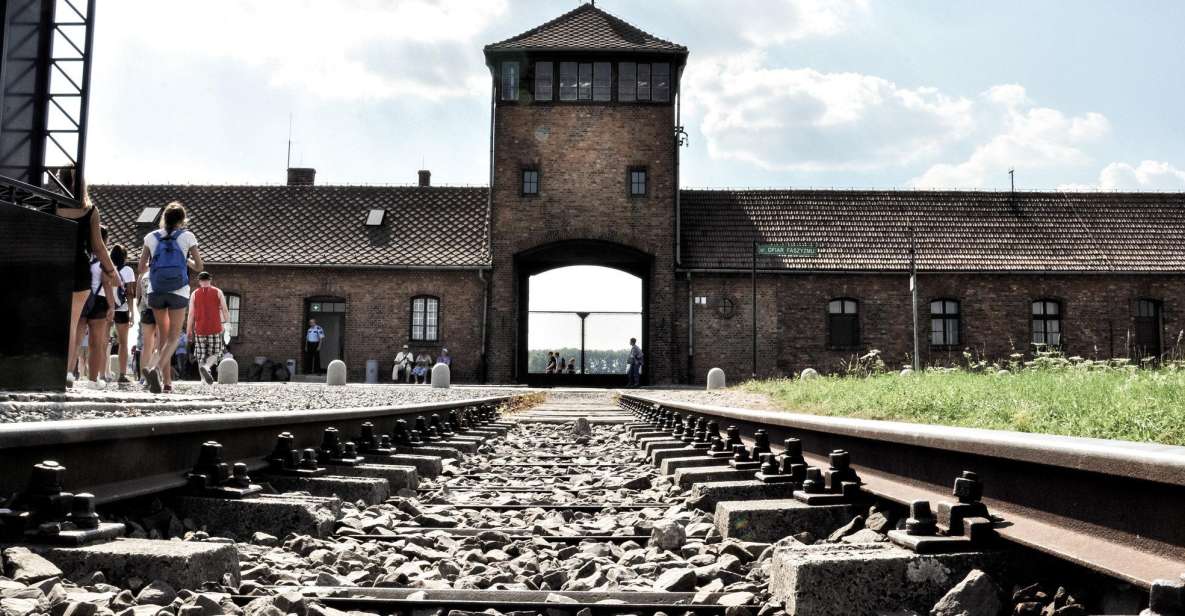
- Auschwitz II-Birkenau: Gas Chambers, Crematories, and Scale
- Timing, Breaks, and How You’ll Actually Feel After 8 Hours
- Lunch Options and the Real Food Situation on Site
- Price and Value for a $200 Guided, Transported Day Trip
- Who This Tour Fits Best (and Who Should Rethink It)
- Should You Book This Auschwitz-Birkenau Day Trip From Krakow?
- FAQ
- How long is the Auschwitz-Birkenau guided tour from Krakow?
- Is the tour guided in English?
- Does the price include transportation and Auschwitz-Birkenau tickets?
- Do I skip the line when entering?
- How much time will I spend at Auschwitz I and Auschwitz II-Birkenau?
- Is lunch included, and do I get a lunch break?
- What should I bring, and what isn’t allowed?
- Is the tour suitable for children?
- What is the cancellation policy?
Key Things I’d Highlight Before You Go
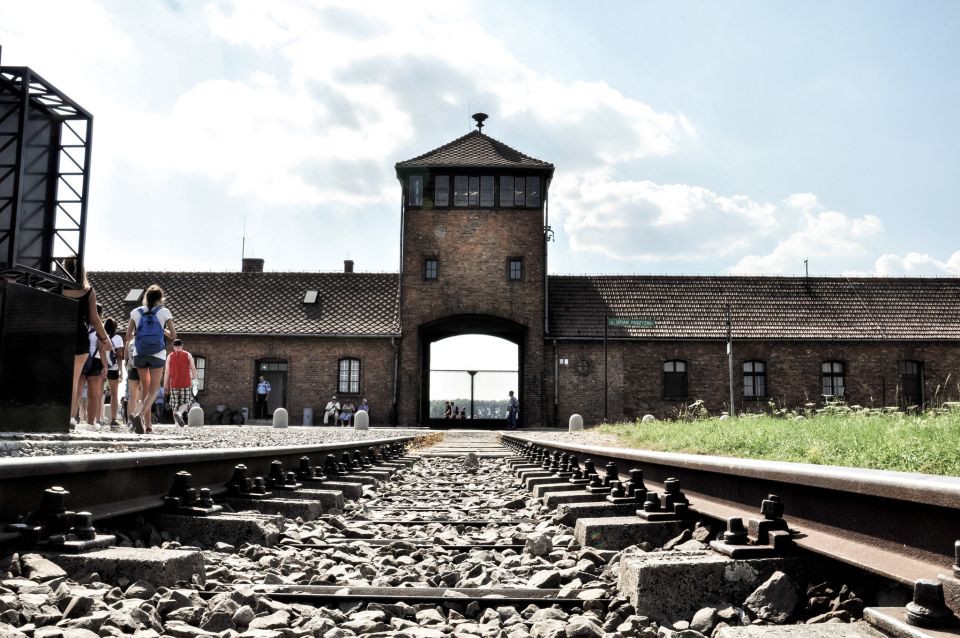
Skip-the-line entry plus ID checks right at the start, so you avoid the worst waits.
Two very different sites in one day: Auschwitz I explains administration and imprisonment, while Birkenau shows the extermination layout.
Short, planned breaks built into the day, but not long enough to turn it into a leisurely outing.
English live guides are a big part of the value, and the day gets far more meaningful when you can ask questions.
Food logistics are limited, and a true lunch break is not guaranteed by museum rules.
Auschwitz-Birkenau in One Day: What This Tour Really Covers
This tour is designed to make one brutal point very clear: Auschwitz was not one single location with a single story. The complex included multiple camps under one umbrella. Auschwitz I served as the administrative center and where the Nazi system ran day-to-day. Auschwitz II, also called Birkenau, was the extermination site. And Auschwitz III (Monowitz) was a labor camp area.
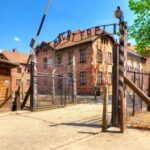
The day you’re signing up for focuses on the two places most visitors think of immediately: Auschwitz I and Auschwitz II-Birkenau. The emphasis is educational and museum-led, with a professional guide and access to the key permanent exhibitions and major original buildings that survived. You also learn the timeline in plain terms, including that Auschwitz began in 1940, and after liberation on January 27, 1945, the SS tried to destroy evidence and burn archives.
What I like about this setup is that it helps you avoid the common trap of seeing only a single snapshot. Auschwitz I forces you to understand how the camp functioned, not just how terrible it was. Then Birkenau shows scale—how the system was built to process large numbers of people through forced selection and mass killing. Even if you already know the history, the sites make it harder to look away from the details.
Emotionally, expect that this won’t feel like a typical tour. People often leave shaken, silent, or crying. That’s not a bad sign. It’s the reality of what the place represents. The best part of a guided approach is not that it makes the subject easier—it makes it clearer and more respectful.
You can also read our reviews of more guided tours in Krakow
Krakow Pickup and Round-Trip Ride Times You Should Plan For
You’re picked up in Krakow as part of a group transfer, and you return the same way. The total tour is listed as about 8 hours, but a lot of that time is travel and short breaks. The driving legs are roughly 1.5 hours each way, so the day is already structured like a full outing before you ever step into the museum.
One practical detail that matters: the tour start time can shift. Your preferred time isn’t guaranteed. The operator confirms the exact pickup time before the day (sent by email the day before), and the possible start window can run from very early in the morning to afternoon. So you’ll want to keep your Krakow schedule flexible on tour day. If you book another activity after pickup time, assume it could get crowded.
Also, pickup points can be shared with other companies. One review described some chaos because multiple buses were stopping in the same general spot and names were hard to hear with poor signage. That’s not something you can control, but you can protect yourself: arrive a little early at your confirmed pickup location, and double-check you know exactly what your meeting point looks like from the description you get by email.
The ride itself is usually by coach, with some vehicles described as comfortable enough—and some not. One common “heads up” from reviews: legroom can feel tight, and the bus ride can be bumpy or driven quickly. If you’re sensitive to motion sickness, take your usual precautions.
Entering the Camps: Security, Headsets, and the Reality of Walking
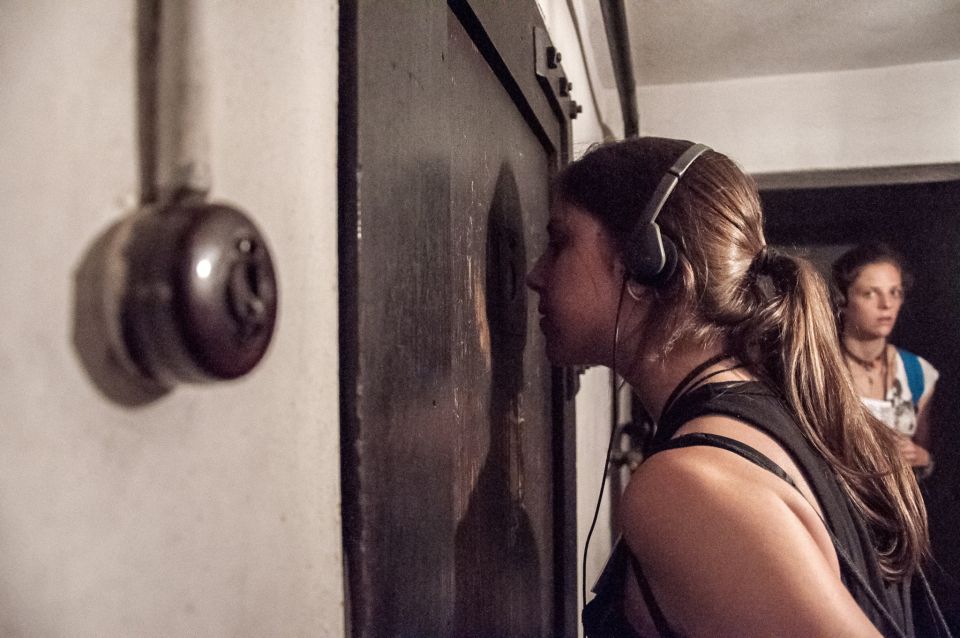
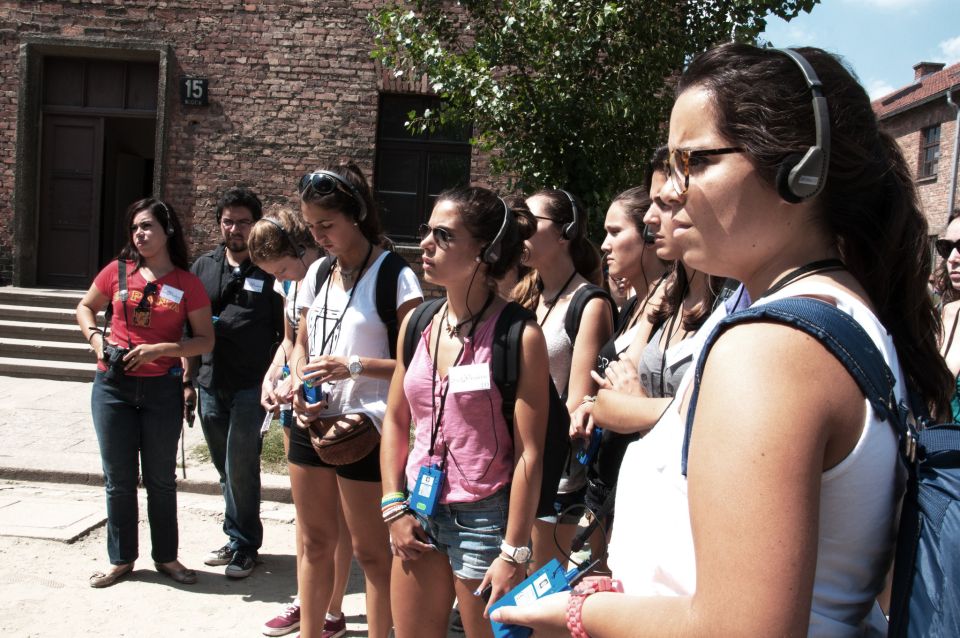
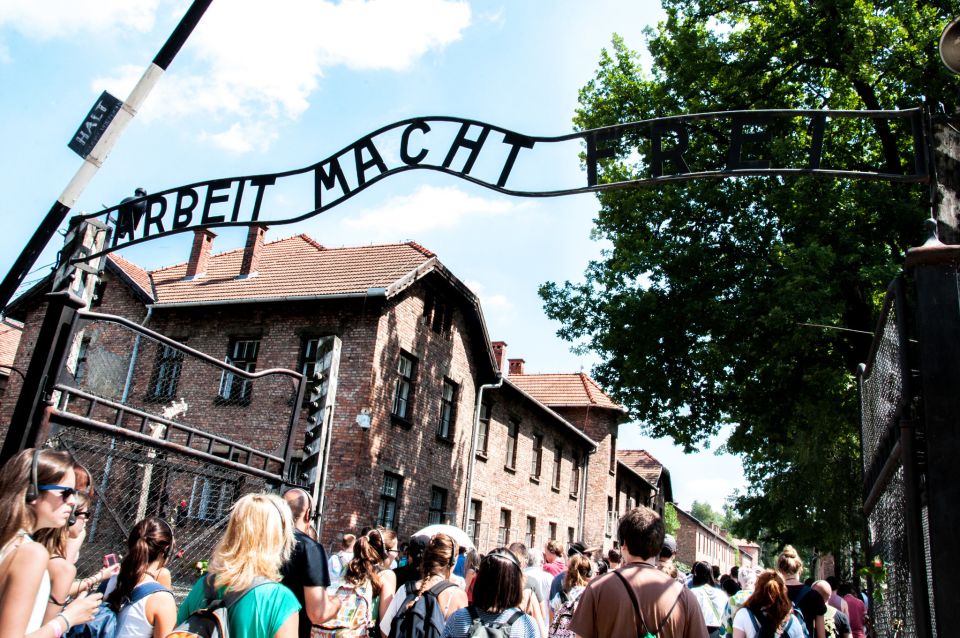
The day starts with the kind of security you’d expect at a major museum: scanners and ID checks. After that, you’ll receive a headset so you can follow the guide in English. This matters because the grounds can be loud, busy, and full of other tour groups. Even with the headset, plan on moments where you’re listening while walking, turning corners, or stepping in and out of buildings.
A detail worth knowing: communication can sometimes be imperfect. One reviewer mentioned the headset reception went crackly. It’s usually manageable, but if you already struggle hearing in noisy spaces, consider bringing your own hearing support if you’re allowed, or choose seats in the van/coach closer to where the guide speaks so the day starts smoother.
Once inside Auschwitz I, you should expect uneven surfaces, stairs, and lots of walking in winter or bad weather. In plain terms: wear comfortable shoes and dress for the day, not for the forecast. The camps are outdoors for long stretches, and you’ll feel it in your legs by the end.
Finally, you do get a major benefit that’s easy to miss until you need it: skip-the-line entrance through a separate entry route. Even with that, the process still takes time. Your best strategy is to treat the morning like a controlled queue and keep your patience locked in.
Auschwitz I: Learning How the System Worked
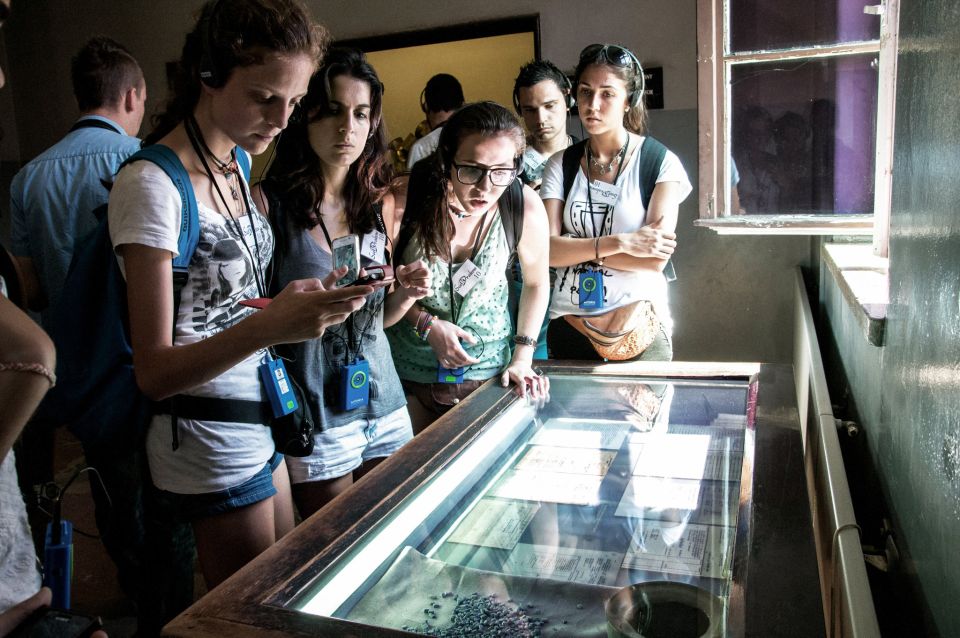
Auschwitz I is where the day becomes less about shock and more about structure. The guided portion focuses on the museum’s permanent exhibitions and the original parts of the camp in the main area. This is where the camp’s administrative role comes through: how people were held, where prisoners were processed, and how the Nazi system organized imprisonment.
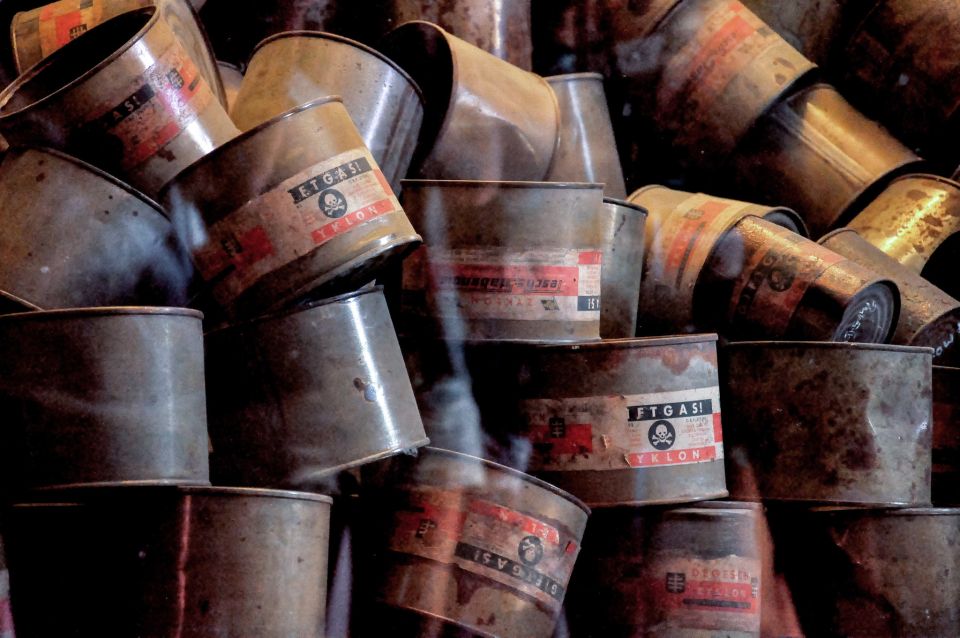
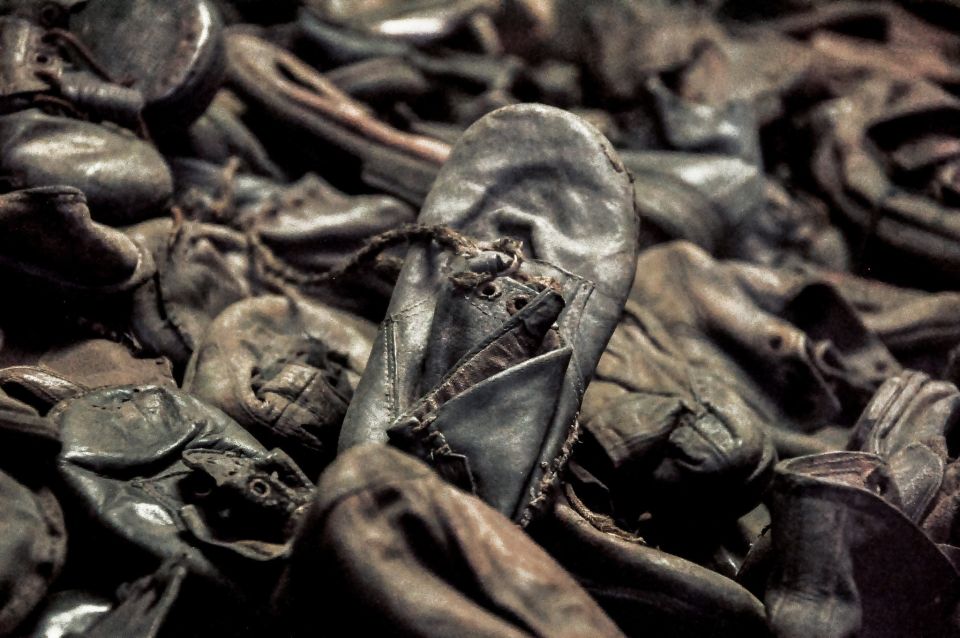
You also see preserved evidence and personal items connected to victims. This is one of the most difficult elements to handle, because it moves the story from dates and numbers into real objects tied to real people. It’s also where a guide helps. Without interpretation, you can end up reading signs but missing the connections between what you’re seeing: why a building was used in a particular way, or how a display fits into the bigger mechanism of persecution.
Time here is significant. You’ll spend about two hours in Auschwitz I, with the overall guided segment lasting around 2.5 hours in the tour flow. That includes time moving through exhibits and buildings, not just standing in one room.
One more heads-up: the pace is museum-controlled. A reviewer noted the experience could feel rushed for reading and that access to certain spaces is limited by the rules of the site. That doesn’t mean it’s low quality—it means you’re part of a scheduled education visit. If you’re the type who loves reading every caption, you’ll still get plenty, but you may have to decide what to focus on.
Auschwitz II-Birkenau: Gas Chambers, Crematories, and Scale
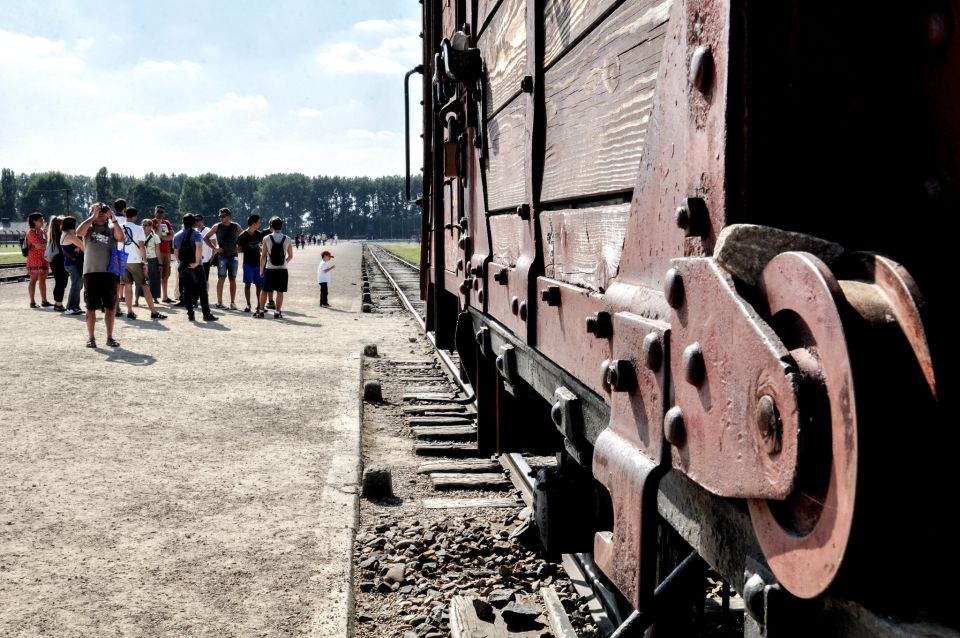
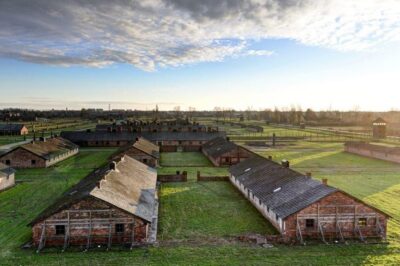
Birkenau is what people picture when they think of Auschwitz: wide-open grounds, barracks remains, and the layout connected to extermination. Here, the tour shifts from the administrative story of Auschwitz I to the extermination landscape of Auschwitz II.
The guide-led time at Birkenau is about one hour, and the pace is again set by the museum. Before you head there, the schedule includes a short break, so you can reset—grab water if allowed, use restrooms, and get ready for the walking.
What you’re looking at at Birkenau is not symbolic. The visit includes key original remains such as the gas chambers and crematories. The physical space forces your brain to do math: the number of people processed, the speed of the system, and the design choices that made mass killing possible. It can feel surreal, like you’re walking around a museum diorama that’s too real.
Barracks and camp layout are also central here. In Birkenau, you’re seeing the parts that housed prisoners and moved them through forced conditions. If Auschwitz I helps you understand the mechanism, Birkenau shows how that mechanism worked on a huge scale.
Also, expect crowds. This is one of those places where many groups overlap on the day. The headset helps, but you may still experience moments of pushing around corners or waiting for access to certain areas.
You can also read our reviews of more tours and experiences in Krakow


Timing, Breaks, and How You’ll Actually Feel After 8 Hours
The total day runs about 8 hours, and it’s broken into driving, guided segments, and several short pauses. Think in micro-blocks rather than long pauses.
You’ll typically get:
- a short break after arriving (often 10–20 minutes),
- a brief pause before heading into Birkenau (around 10–15 minutes),
- and another short reset on the way back.
Those breaks are useful, but they’re not “free time.” You won’t have an hour to wander a café. You’ll be moving with the group, and the tour ends when the last transfer lands back in Krakow and drops you at one of the listed stop locations.
How you’ll feel? By the end, most people are tired in a way that sleep won’t fully fix: emotional fatigue plus physical fatigue from walking and cold air. Some guides are excellent at setting a respectful tone and keeping the group moving without steamrolling the moments that matter.
One practical note: if you’re prone to travel sickness, this kind of day can be rough. One reviewer mentioned they were travel sick on the trip, which suggests the driving + cold + crowds can add up.
Lunch Options and the Real Food Situation on Site
Food is the weak spot in most Auschwitz day trips, and this one doesn’t pretend otherwise. The tour can include a lunchbox only if you select that option. Still, museum rules mean a lunch break is not included in the official schedule.
So what should you do?
First: don’t build your day around a long sit-down meal. Plan on limited choices and short breaks. Second: if your tour includes a lunchbox, use it as your backup, not as a promise of quality. One review described packed lunch options as limited and not great, especially during bad weather, and another noted vending-machine-only realities.
Third: follow staff rules for whether food and drinks are allowed during specific parts of the visit. Some reviews mention restrictions on carrying food or drinks into camp areas and even on the transport, but the safest advice is simple: assume rules can change by area and day, and be ready to eat only when and where you’re allowed.
If you’re the type who needs caffeine, bring what’s permitted and plan for the fact that you may not find a convenient café near the sites. Your best value is to treat this as an education day where comfort comes second to logistics.
Price and Value for a $200 Guided, Transported Day Trip
At $200 per person, this isn’t a budget “bus and see stuff” deal. You’re paying for three big pieces of value:
1) Round-trip transportation from Krakow
Two 1.5-hour drives add real cost and time, and the operator handles the coordination.
2) Entrance tickets and guided museum access
You’re not just buying a ticket; you’re paying for a licensed museum guide and the structured tours at Auschwitz I and Auschwitz II.
3) Skip-the-line entry
That helps, especially on busy days. Even if you still go through security, avoiding the worst waiting keeps you on schedule for the guided segments.
Some reviews also praise how well organized the day felt, including efficient ticket handling and good communication. Others mention differences in guide quality, headsets, and comfort on the coach. That means value depends on getting a strong guide and on your personal tolerance for a structured, crowded experience.
So when does it make sense to book this at $200? If you care about context—about understanding how the camp system worked and what the displays are pointing you to—this price can feel fair. If you mainly want to walk around independently and don’t mind reading signs, you might find cheaper ways. But for most people, the guide is the difference between a difficult visit and a meaningful one.
Who This Tour Fits Best (and Who Should Rethink It)
This is not a casual history day. It’s heavy subject matter, and the pace can feel firm. It’s also not ideal for very young visitors. The tour is not suitable for children under 14.
It may also not fit everyone physically. The listing includes wheelchair information that’s mixed: it states wheelchair accessible but also says it’s not suitable for wheelchair users. If this applies to you, don’t guess. Use the booking contact to confirm what support will actually be available for your specific needs.
Who should book:
- You want a licensed museum guide in English and you want to be able to ask questions.
- You prefer a structured plan because you don’t want to manage logistics in a new city and then again at the camps.
- You can handle crowds and cold weather and still keep your attention on the exhibits.
Who should rethink:
- You want lots of free time for slow reading. The museum pace sets the rhythm.
- You’re extremely sensitive to crowds, walking on uneven ground, or long coach rides.
- You’re hoping for a normal lunch break or a relaxed day. This isn’t that kind of outing.
One useful signal from reviews: guides can shape the experience dramatically. Some guides are praised for being sensitive and clear (examples mentioned include Leah and Robert), while one review raised concerns about comfort during rain or ticket organization. That doesn’t mean the day will be bad, but it does suggest that guide quality and on-the-ground handling can vary.
Should You Book This Auschwitz-Birkenau Day Trip From Krakow?
I think you should book this if you want a guided, structured day where the tour team handles the hardest parts: transport, timing, museum entry, and interpretation. When you’re visiting a site like this, context isn’t optional. It’s part of how you pay respect and avoid turning a life-altering place into a checklist.
Book with extra caution if you know you get overwhelmed by crowds, strong emotions, or strict pacing. If you do, go in expecting less flexibility than a self-guided visit and plan your physical comfort (shoes, layers) and mental comfort (how you’ll process the exhibits) in advance.
If your goal is the fullest understanding you can get in one day, this is a solid choice.
FAQ
How long is the Auschwitz-Birkenau guided tour from Krakow?
The total experience is about 8 hours, with check of available starting times. The time spent at the camps is guided within that overall schedule.
Is the tour guided in English?
Yes. The live museum guide and tour are in English.
Does the price include transportation and Auschwitz-Birkenau tickets?
Yes. The tour includes round-trip transportation from Krakow, entrance tickets to the Auschwitz-Birkenau Museum, and a professional licensed museum guide.
Do I skip the line when entering?
Yes. You use a separate entrance to skip the line.
How much time will I spend at Auschwitz I and Auschwitz II-Birkenau?
You’ll spend about two hours at Auschwitz I and about one hour at Auschwitz II-Birkenau, with the final pace and timing set by museum rules.
Is lunch included, and do I get a lunch break?
Lunchbox inclusion depends on the option you select. A lunch break is not included due to museum rules.
What should I bring, and what isn’t allowed?
Bring a passport or ID card and wear comfortable shoes with weather-appropriate clothing. Pets are not allowed, and luggage or large bags aren’t allowed. Sleeveless shirts are also not allowed.
Is the tour suitable for children?
No. The tour is not suitable for children under 14.
What is the cancellation policy?
This activity is non-refundable.
If you tell me your travel month and your tolerance for walking/crowds, I can suggest a practical packing list and which start time (morning vs afternoon) usually feels better for this kind of day.