REVIEW · KRAKOW
Krakow: Auschwitz-Birkenau Guided Tour with Hotel Transfer
Book on Viator →Operated by Thousand Miles Krakow · Bookable on Viator
Auschwitz is not a casual stop. This guided day trip from Krakow pairs hotel-door pickup with a tightly managed visit to one of Poland’s most important UNESCO sites, so you spend less time organizing and more time understanding. I also like that admission is handled for you, which helps when entry lines can get brutal.
I’m especially glad you’ll have English-speaking guidance during the Auschwitz portion and the Brzezinka (Birkenau) part, with real people explaining what you’re seeing. The main drawback to plan for is timing and pace: pick-up can swing early, and some days can feel rushed once you’re inside—bring stamina, and don’t expect lots of slow wandering.
In This Review
- Key highlights worth your attention
- Hotel pickup and the 5:30–15:00 timing reality
- Krakow to Oświęcim: arriving on time matters
- Inside Auschwitz I: why the guide’s pace can make or break it
- Birkenau/Brzezinka: the visit that changes how you see space
- Group size, minivan logistics, and comfort you can plan for
- Price and value: why $22.81 can make sense (or disappoint)
- What to bring (and what to leave behind)
- Who this tour fits best (and who should rethink it)
- Should you book this Krakow–Auschwitz-Birkenau tour?
- FAQ
- How long is the Auschwitz-Birkenau tour?
- What time does pickup happen in Krakow?
- Is the tour guided in English?
- Do I need admission tickets included in the price?
- Do I need an ID to visit?
- Is there a luggage size limit?
- How many people are in the group?
Key highlights worth your attention
- Hotel transfer, no taxi stress: door pickup and drop-off in Krakow keeps the logistics simple.
- Admission included to reduce waiting: pre-arranged entry can save you time versus scrambling for tickets.
- Two guided experiences: Auschwitz I with an English-speaking guide, plus Birkenau/Brzezinka with included access.
- Small-ish groups: up to 30 people, which is a comfort level compared with large coach loads.
- Real-world guide talent shows up: in past groups, guides and translators such as Artur and Maya (translator team) and guides like Monika have stood out.
- Wear-in-the-body day: expect lots of walking, steps, and spots with limited handrails.
Hotel pickup and the 5:30–15:00 timing reality
This tour is built around convenience. You’re picked up from your hotel or apartment door in Krakow, and you return to Krakow at the end of the day. That sounds straightforward—until you factor in how Auschwitz-Birkenau scheduling works.
Your booking might show a common start time of 9:30 AM, but your actual pickup can be anywhere from 5:30 AM to 3:00 PM. The operator confirms your exact pickup time the day before (by around 6:00 PM via SMS or WhatsApp). If you only plan one thing later that evening, you’re gambling. I’d treat this as a full-day commitment and keep your schedule flexible.
One more thing: Auschwitz-Birkenau can be intense with visitor volume, and the museum can require last-minute adjustments. On the listing side of things, the important part is this: you’re supposed to be told if there’s a cancellation, and you’ll get a refund if they can’t assign a licensed guide.
You can also read our reviews of more guided tours in Krakow
Krakow to Oświęcim: arriving on time matters
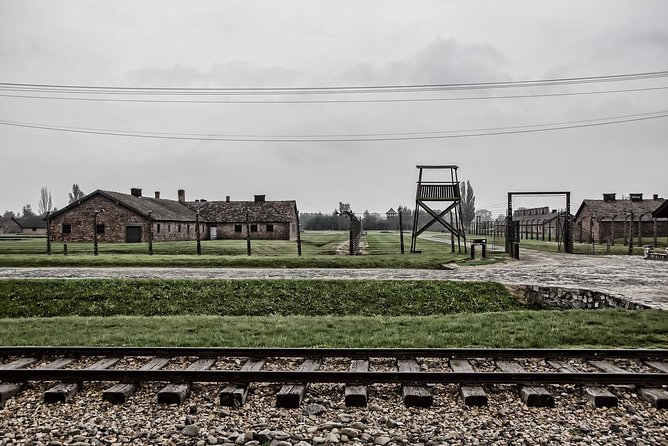
After pickup, you head toward Oświęcim (the town where Auschwitz is located). The transfer typically takes about 1 hour 30 minutes, using a modern, air-conditioned minivan.
This drive isn’t just “getting there.” It sets your mental gear. You’re leaving Krakow early enough that the day can still feel controlled when you hit the entry chaos. In one group I reviewed, pickup was even as early as 06:15 AM, and that helped them get started and still leave plenty of time to enjoy Krakow later.
You’ll also want to bring the basics that make the day easier: comfy shoes, water, and patience. Even with efficient entry, the site is popular and runs with strict rules. If you’re the type who wants a perfect timeline, this place will test that instinct.
Inside Auschwitz I: why the guide’s pace can make or break it

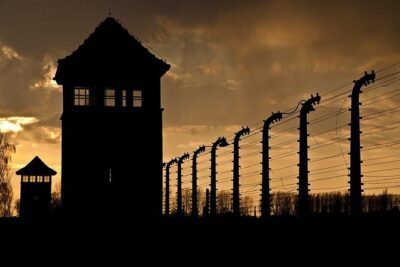
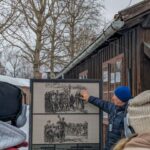
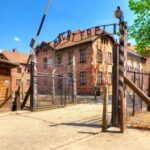
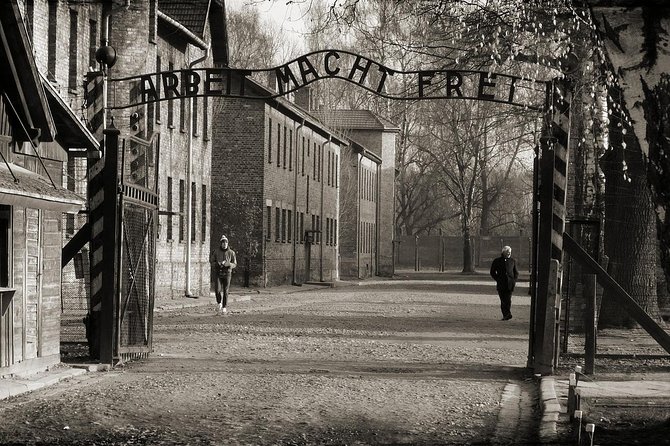
The heart of the Auschwitz visit is the guided walk at Auschwitz concentration camp (Auschwitz I). This part lasts about 2 hours 30 minutes with an English-speaking guide.
This is where a good guide makes a big difference. I’ve seen groups praising guides for being not just informative, but also structured—explaining arrivals, the process people faced, and the timeline of events in a way that you can actually follow without feeling lost. Some groups reported guides speaking clearly and answering questions respectfully. Others noted that the guide sometimes spoke quickly or that audio was harder when the group was separated.
Here’s what I think you should expect, realistically:
- You’ll move through several key areas, including parts that demand stairs and sustained walking.
- The atmosphere is heavy, and the facts are heavy too.
- Time on-site can feel tight, especially when entry and group flow compress everyone.
A practical tip: if you’re sensitive to emotion or you need breaks, plan to take them when the group pauses. The tour is guided, but you can still slow your breathing and step aside for a minute to let your brain catch up.
Also, bring an ID. Visiting requires an identity card (ID or passport).
Birkenau/Brzezinka: the visit that changes how you see space
After Auschwitz I, you switch locations to Brzezinka (Birkenau). The tour includes a guided visit of the second part of the camp, about 1 hour, with admission included.
If Auschwitz I often feels like a museum of the system, Birkenau can feel like a map of the scale. It’s open, expansive, and you’ll likely understand the “why” behind so many details you saw earlier. Even when the scheduled guide time is shorter than Auschwitz I, this is usually the section that sticks hardest.
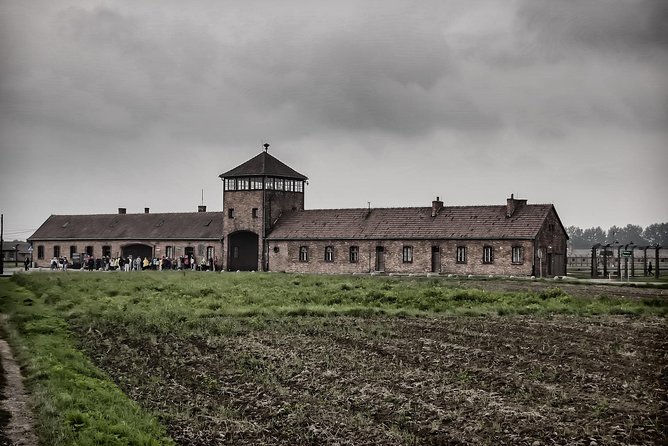
In one highly praised account, the guide linked what people saw across the two sites using pictures displayed at Auschwitz, which made the story feel more concrete as the group moved through different areas at Birkenau. That kind of linking matters. Without it, you can end up scanning the grounds as separate “things” rather than one connected history.
And yes: the day is long. Some reviews mention feeling rushed or wanting more time to read displays and absorb visuals. My advice is to keep your expectations realistic: you’re not getting a slow, independent wander. You’re getting an organized route with expert context.
One etiquette note that came up in feedback: keep things respectful. No selfies is part of the culture you should assume. Dress appropriately—this is a memorial, not a photo stop.
Group size, minivan logistics, and comfort you can plan for
This tour caps at 30 travelers. That usually means a more manageable day than mass coach groups, but it still won’t feel like a private experience. Some reviews describe being in a minivan with multiple passengers and limited personal space. For a 1.5 hour drive each way, comfort can range from fine to cramped depending on how full the vehicle is and your seat situation.
A couple of small logistics choices can make your day easier:
- Pack a thin layer: mornings can be cool, and vehicles can swing from cold to warm.
- Bring a snack plan. The tour description doesn’t promise food, and it’s not always easy to get what you need on-site.
- Plan for a long emotional load. This is a day you’ll remember for years, even if you forget what you ate.
Also, the tour uses mobile tickets. Keep your phone charged. (And if you’re traveling with someone who’s always the one forgetting the charger, now’s the moment to be the hero.)
You can also read our reviews of more tours and experiences in Krakow





Price and value: why $22.81 can make sense (or disappoint)
At $22.81 per person, the big question is what you’re really buying. You’re paying for:
- Hotel pickup and drop-off
- Transportation between Krakow, Oświęcim, and Birkenau
- Guided time at Auschwitz I in English
- Access/admission included for the guided Auschwitz-Birkenau components
- Pre-arranged tickets so you can avoid the worst ticket-line scramble
When the day runs smoothly, this can feel like strong value. Several positive reviews highlight quick entry and efficient organization, which matters a lot at Auschwitz where lines can start early and the site has strict rules.
When things feel off, it’s usually about one of these:
- pickup shifts later than you planned
- the museum schedules a specific entry slot
- the group pace becomes “gallop mode” because everyone has to keep moving
- audio/understanding varies depending on where you end up relative to the guide
So here’s my practical take: for the money, it’s a good deal if you can handle uncertainty and you’re emotionally prepared for a fast-moving but well-instructed route. If you need slow time, quiet reading, and maximum control over pacing, you may prefer a different style of tour.
What to bring (and what to leave behind)
Auschwitz has rules about what you can bring inside. From the tour details you should know:
- Baby carriages are not permitted
- Luggage larger than 30 x 20 x 10 cm is not permitted inside the museum
I’d also plan around what you’ll actually use during a long day:
- comfy walking shoes with support
- water (especially in warm weather)
- a small snack if you’re someone who needs food to function
One more personal pro move: bring a notebook or keep notes in your phone. Even with a great guide, you might want to jot down the few details you don’t want to lose. This is heavy history—your brain will try to protect you by moving on fast. Writing helps you stay present.
Who this tour fits best (and who should rethink it)
This tour suits you if:
- you want English-guided context rather than trying to piece everything together alone
- you value hotel transfer and pre-booked entry
- you’re okay with a long day and some walking/stairs
It’s less ideal if:
- you need lots of unscheduled time to read every display
- you’re very sensitive to rushed pacing
- your plans are tight the same evening in Krakow (because pickup times can change)
A key detail: moderate physical fitness is recommended. Reviews mention stairs, steps, and areas without handrails, so choose shoes and pace yourself.
Also, if you’re traveling with kids or anyone who struggles with mobility, take extra care. The memorial is moving and meaningful, but it’s also physically demanding.
Should you book this Krakow–Auschwitz-Birkenau tour?
Book it if you want an organized, English-guided Auschwitz-Birkenau day trip with hotel pickup, admission included, and a route that helps you understand what you’re seeing without logistics headaches. For most people, that’s the best way to do this from Krakow—especially at a price point like $22.81.
Don’t book it if you’re hoping for a relaxed, slow, independent museum-style visit. This is a guided, timed experience. You’ll likely be moving and absorbing facts in a compressed schedule, and the emotional impact is immediate.
If you do book: plan a full day, bring water and a snack, bring your ID, wear respectful clothing, and treat the tour as a route with meaning—not a checklist.
FAQ
How long is the Auschwitz-Birkenau tour?
It runs about 7 to 8 hours total.
What time does pickup happen in Krakow?
Pickup is offered from your hotel/apartment in Krakow, with a common reference time of 9:30 AM. However, pickup can be scheduled anywhere between 5:30 AM and 3:00 PM, and the exact time is confirmed the day before.
Is the tour guided in English?
Yes, it’s offered in English.
Do I need admission tickets included in the price?
The experience includes admission as part of the package, so you don’t need to buy tickets separately for the guided camp portions.
Do I need an ID to visit?
Yes. You need an identity card (ID or passport) to visit.
Is there a luggage size limit?
Yes. Baby carriages are not permitted, and luggage larger than 30 x 20 x 10 cm is not permitted inside the museum.
How many people are in the group?
The maximum group size is 30 travelers.