REVIEW · KRAKOW
1 Day Trip Auschwitz-Birkenau Memorial and Museum Guided Tour from Krakow
Book on Viator →Operated by Auschwitz & Salt Mine tour to KrakowTrip.com · Bookable on Viator
Auschwitz leaves no room for distraction. This 1-day tour from Krakow is built to get you there smoothly, with hotel pickup and a shared minivan ride, plus an English-speaking licensed guide and included admission. I especially like that the entrance fees are handled and you use provided headphones, so you don’t miss the guide’s explanations while you move through the exhibits. One thing to keep in mind: in a shared van the seating can feel tight, and the headset audio may be harder to catch if you drift too far behind.
The timing is also practical. You’ll have around 7 hours total, including door-to-door transport, and about 3.5 hours on-site with guided time at the Auschwitz-Birkenau Memorial and Museum. It’s heavy, yes, but the structure matters here—good logistics help you stay focused and respectful instead of stressed.
In This Review
- Key things to know before you go
- Price and value: what $29.99 gets you
- The day’s flow: 7 hours total with door-to-door pickup
- Shared minivan transfer: comfort, time, and why it matters
- Arriving at the memorial: how the guided time is set up
- Auschwitz main museum: what to expect from the guided visit
- Birkenau: why the open-air part can feel different
- Tour pace and crowd reality: why it can feel rushed
- What’s included (and what you’ll handle yourself)
- Packing and ID rules that can trip you up
- Who this tour suits best
- Value beyond the ticket: what you’re really buying
- Tips to get the best experience from your guide + headphones
- Should you book the Auschwitz-Birkenau Memorial and Museum from Krakow?
- FAQ
- How long is the Auschwitz-Birkenau day trip from Krakow?
- What time does pickup happen in Krakow?
- Is the tour in English?
- Are entrance tickets included?
- What ID do I need to enter Auschwitz-Birkenau?
- Is there a limit on bag size?
- Is food included?
- How big is the group?
- Can I cancel for a full refund?
Key things to know before you go
- Included admission + pre-booked access: fewer delays, more time for the guided sections.
- Headphones for the English guide: plan to stay close to hear clearly.
- Hotel/apartment pickup in Krakow: door-to-door comfort beats figuring out transit that early.
- Shared minivan transfer: cost-effective, but expect tighter seating.
- Small-bag and ID rules: bring the right documents and keep your bag within limits.
- English tour with licensed driver: you get both navigation and interpretation.
Price and value: what $29.99 gets you
At $29.99 per person, the big value isn’t just the ticket. You’re also paying for round-trip transport from Krakow (door-to-door), an English guide, and admission fees that are already included in the tour. That matters because Auschwitz is one of those places where waiting around costs you time and energy you’ll want for the meaning of the visit.
A shared transfer usually means you’re not paying for a private vehicle. That’s a good trade if you’re flexible about comfort and you’re mainly focused on getting to the memorial on schedule. If you’re very sensitive to cramped seating, you should treat this as your main “cost” beyond money.
Also note what isn’t included: food and drinks. That’s normal for day trips, but it means you’ll want to plan for a meal break elsewhere on your own if you don’t bring anything.
You can also read our reviews of more guided tours in Krakow


The day’s flow: 7 hours total with door-to-door pickup
Your day starts with pickup in Krakow. The operator runs pickup every day between 07:00 and 09:00, and the exact time is sent 1–2 days before your trip. This is one of the most useful parts of the tour—starting from your lodging cuts out early-morning guesswork.
From there you’ll travel by comfortable minivan with an English-speaking licensed driver. The transfer time isn’t spelled out as a number, but the whole plan totals about 7 hours, with around 3.5 hours at the memorial under guided interpretation.
On paper, that sounds tight. In practice, it keeps you moving in a controlled way through a site that can otherwise feel overwhelming. You get less wandering and more guided context—good for first-timers and for anyone who wants the visit to make sense as it unfolds.
Shared minivan transfer: comfort, time, and why it matters
This tour uses shared transportation. You’ll be joining other participants in the minibus, and there can be up to 15 people per booking (and the activity overall mentions a maximum of 30 travelers). That’s a lot of bodies heading to one destination, so it’s smart to be ready for a group-style pace.
Here’s what I take from the experience details and feedback: the minivan can feel cramped, especially if the group fills extra seats. One reviewer specifically suggested 7 instead of 8 people in the van would make it noticeably more comfortable. You don’t need to panic about it, but you should go in knowing the ride may not be “long-haul luxury.”
Practical tip: if you have the choice when boarding, pick the spot that gives you better space for your legs and helps you stay steady during turns. Your body will thank you when you step out and start walking the grounds.
Arriving at the memorial: how the guided time is set up
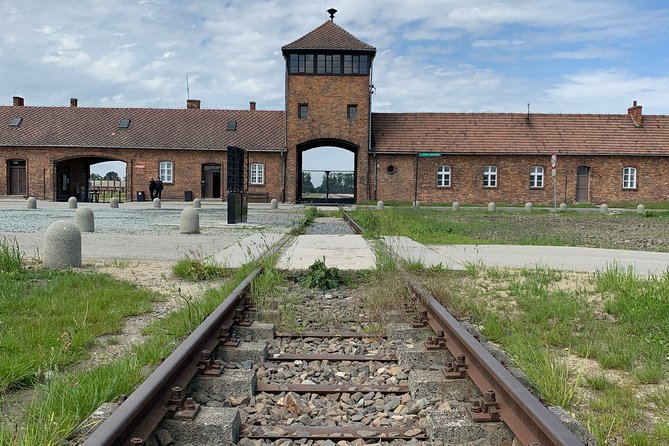
The core on-site experience is a guided visit in English at the Auschwitz-Birkenau Memorial and Museum. The tour time on-site is around 3.5 hours, which is designed to cover the key areas without turning your day into an exhausting all-day march.
The most important “mechanics” are the headphones. They’re provided so you can listen to the guide without straining in crowds or through ambient noise. Several pieces of feedback point to the same reality: if you get too far behind, signal can drop and you end up missing parts of what the guide is explaining.
So your job during the tour is simple: stay near the group. Not because you’re trying to race through anything, but because the guide’s words help you understand what you’re seeing. At a place like this, missing context can make the experience feel more confusing than it needs to be.
Auschwitz main museum: what to expect from the guided visit
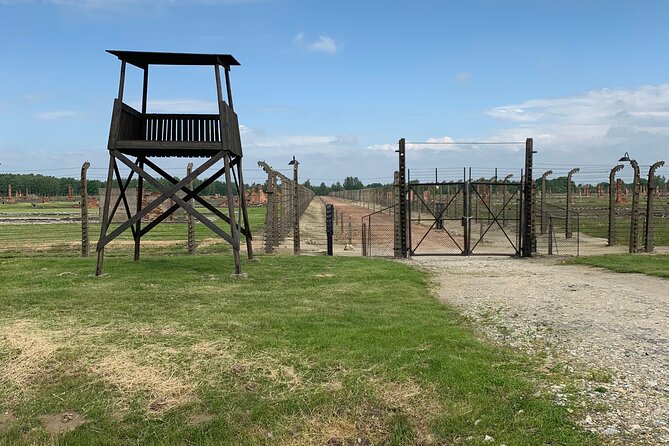
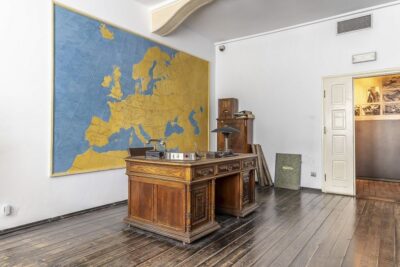
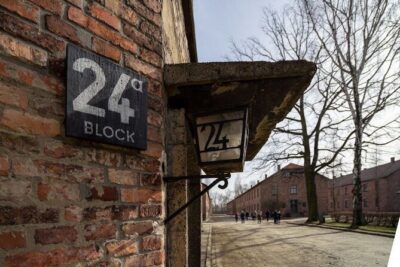
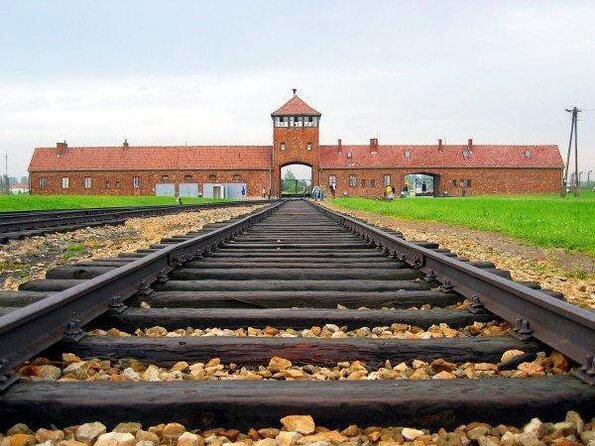
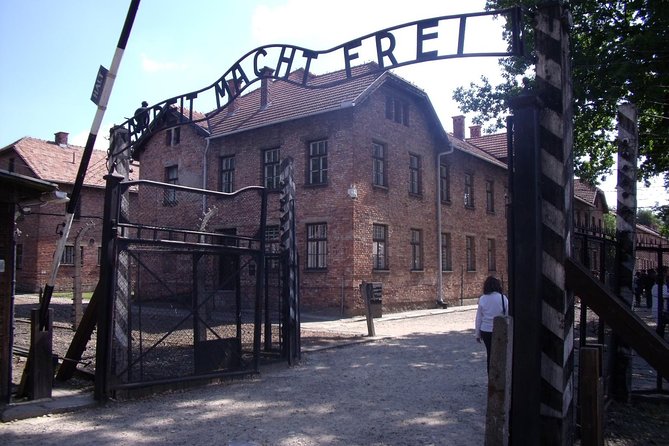
Your tour is organized around the Auschwitz-Birkenau Memorial and Museum (it includes the Auschwitz and Birkenau areas under the same memorial umbrella). In the museum section, you’ll move through exhibitions that are meant to be read and understood, not just photographed.
What the tour model gives you here is structure. You’re not wandering alone with headphones on and hoping your questions get answered. Instead, the guide ties the displays to specific historical context and explains what you’re looking at as you pass it.
One review noted that the guide’s experience and passion made a big difference. Another mentioned that some parts felt rushed, often connected to headset signal or the pace of the large daily crowd. Translation: you’ll likely get more out of the visit if you keep close and mentally stay present, rather than letting yourself fall back for a slower look.
If you’re the type who likes time to sit with a display, you might feel the pressure of movement. That’s the trade-off for a shared, time-limited day trip.
You can also read our reviews of more museum experiences in Krakow




Birkenau: why the open-air part can feel different
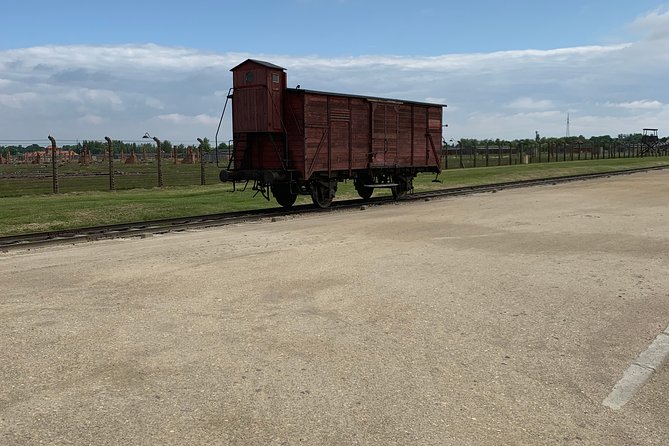
Birkenau is an open, spread-out area. That changes the sensory experience—wind, distance, and noise all affect how easy it is to hear a guide. One of the more specific critiques in the feedback described a harder time hearing the guide in open areas when compared with earlier indoor sections.
That’s why the headphones matter even more here. If you want the explanation to land, don’t get comfortable in the back. Stay within hearing range as you walk between points.
Also, weather matters. On busy days, you can feel the heat or cold more intensely because you’re exposed outdoors. The tour is timed for efficiency, so you might not have long breaks built in. If you run hot easily, dress accordingly.
And emotionally, expect this to be the part that hits hardest. Even people who describe the day as well organized often still talk about it as moving and difficult—because that’s the reality of the site.
Tour pace and crowd reality: why it can feel rushed
Auschwitz-Birkenau is one of the most visited places in Europe for a reason. That also means you’re sharing the day with a lot of other groups, and that can compress time at key moments.
Some feedback points to the sheer number of daily visitors and how it can make the experience feel busy. That’s not a problem unique to this tour; it’s built into the destination. The practical upside of a guided tour is that you’re not fighting the schedule by yourself. You get a plan and a guide to help you prioritize what matters.
If you’re someone who likes slow, independent sightseeing, you might feel the limits of a 7-hour day trip. If you prefer a guided route with interpretation, this structure usually works well.
What’s included (and what you’ll handle yourself)
Included:
- Door-to-door transport from Krakow on a comfortable minivan
- English-speaking guided tour (about 3.5 hours)
- Admission fees included
- Headphones to hear the guide
- Licensed driver
Not included:
- Food and drinks
Because food isn’t included, I recommend planning a light breakfast and bringing water if the operator doesn’t provide any (the tour data doesn’t mention food). If you want a sit-down meal, you’ll need to handle it on your own during the day.
Packing and ID rules that can trip you up
This is one of the most practical sections of the whole experience. Auschwitz checks identity before entry, and you need ID or a passport. Without it, you may not be able to enter.
There’s also a strict limit on bag size. The maximum dimension for backpacks or handbags is 30 × 20 × 10 cm. If you’re carrying a bigger bag, you should rethink what you bring—packing light isn’t just convenient here; it’s a safety and access issue.
One more detail: the tour operator requires participant names and surnames matching the ID or passport, especially for certain booking windows. While you don’t need to understand the paperwork logic, you do need to make sure your personal details are entered correctly during booking.
Who this tour suits best
This day trip fits well if:
- You want a first-time guided introduction with English interpretation
- You prefer hotel pickup over figuring out early transport
- You want included admission fees and headphones to reduce friction
- You’re okay with a shared group setting
It may be less ideal if:
- You’re very sensitive to cramped seating in a minivan
- You want lots of independent time to sit quietly and linger without moving
- You rely on excellent audio and you dislike being close to a guide (headsets can drop if you fall too far behind)
Value beyond the ticket: what you’re really buying
The best way to think about this tour is not as a museum visit. You’re buying a carefully timed experience that helps you process a difficult place.
Entrance fees included and pre-booked tours reduce stress at the gate. Pickup and drop-off reduce the risk of missing an important meeting time early in the morning. And the English guide plus headphones give you a “thread” through the day—so you’re not just looking at walls and objects without understanding what they represent.
At a place like Auschwitz-Birkenau, that thread matters. You don’t need extra drama or loud narration. You need clear context and respectful pacing.
Tips to get the best experience from your guide + headphones
A few practical habits will make a noticeable difference:
- Stay close enough that the headphones sound clear, especially outdoors.
- Wear comfortable shoes; the guided time will involve walking across the sites.
- Keep your bag within the size limit so you avoid entry problems.
- Bring your ID/passport and don’t wait until the last second to double-check it.
- Dress for the weather because you’ll be outside at parts of the memorial.
One helpful expectation-setting point: even the best-organized tour can feel rushed when crowds are heavy. Your goal is to reduce preventable stress so you can focus on the interpretation.
Should you book the Auschwitz-Birkenau Memorial and Museum from Krakow?
Yes, I think you should book this tour if you want an efficient, well-structured way to visit Auschwitz-Birkenau with included admission, door-to-door pickup, and an English guide. It’s especially good value because the cost includes more than just the museum ticket.
I’d hesitate if you strongly dislike cramped seating or you know you tend to drift away from group pacing—since the headphones depend on staying near the guide. In that case, you might want a tour format with fewer people, but the trade-off usually becomes price or availability.
If you’re visiting Krakow for the first time, this is the kind of day trip that can anchor your trip in a serious way—without wasting your morning in logistics. Book, show up with the right ID and bag size, and stay close so you can hear every key explanation.
FAQ
How long is the Auschwitz-Birkenau day trip from Krakow?
The tour lasts about 7 hours total, including transport from Krakow. The guided portion is about 3.5 hours in English.
What time does pickup happen in Krakow?
Pickup happens every day between 07:00 and 09:00. The final pickup time is sent to you 1–2 days before the trip.
Is the tour in English?
Yes. The guided tour is offered in English, and you receive headphones to hear the guide.
Are entrance tickets included?
Yes. Admission fees are included as part of the tour.
What ID do I need to enter Auschwitz-Birkenau?
Bring your ID or passport. Guards may ask for it before you enter.
Is there a limit on bag size?
Yes. Backpacks or handbags can’t exceed 30 × 20 × 10 cm.
Is food included?
No. Food and drinks are not included in the tour price.
How big is the group?
The activity notes a maximum size, and it also mentions limits per booking. Expect a shared group setting in a minibus rather than a private tour.
Can I cancel for a full refund?
Yes. You can cancel up to 24 hours in advance for a full refund. If you cancel less than 24 hours before the start time, the amount paid isn’t refunded.