REVIEW · KRAKOW
Krakow: Auschwitz-Birkenau Tour Limited to 15 Visitors
Book on GetYourGuide →Operated by Hello Cracow · Bookable on GetYourGuide
Fifteen people, one very heavy day. This limited-group Auschwitz-Birkenau trip from Krakow is the kind of tour that helps you stay together and move through a huge, emotional place without getting lost in the crowd. With hotel pickup and a licensed local guide, it’s built to keep the day structured from the first gate to the final return drive.
I like the small group size (15 instead of 30) because it makes questions, guidance, and basic logistics feel human. I also really appreciate the planning around listening—there’s a headset for the live guide in the first camp—so you don’t miss key context while you’re walking the routes.
One thing to consider: this is a packed 7-hour day with a lot of walking on uneven ground. If you need long pauses to read, reflect, or slow down, you may feel a bit rushed by the pace needed to keep the tour flowing.
In This Review
- Key things to know before you go
- Why a 15-person Auschwitz-Birkenau tour from Krakow feels different
- Krakow hotel pickup and the van ride that keeps you on schedule
- Auschwitz I: from the camp’s exhibits to the Death Wall area
- Auschwitz II Birkenau: the scale of the ruins hits differently
- The pace, headsets, and the thin margin for questions
- Price and logistics: what $89 buys you in real value
- What to bring and what rules can catch you off guard
- Who this Auschwitz-Birkenau tour fits best (and who should think twice)
- Should you book this limited-group tour from Hello Cracow?
- FAQ
- How long is the Auschwitz-Birkenau tour from Krakow?
- What does the tour cost?
- Does the price include entry fees to both Auschwitz sites?
- Is hotel pickup included?
- Is the tour small group size limited?
- Do I need to bring a packed lunch?
- Are cellphones allowed during the visit?
- Is the tour appropriate for children?
Key things to know before you go
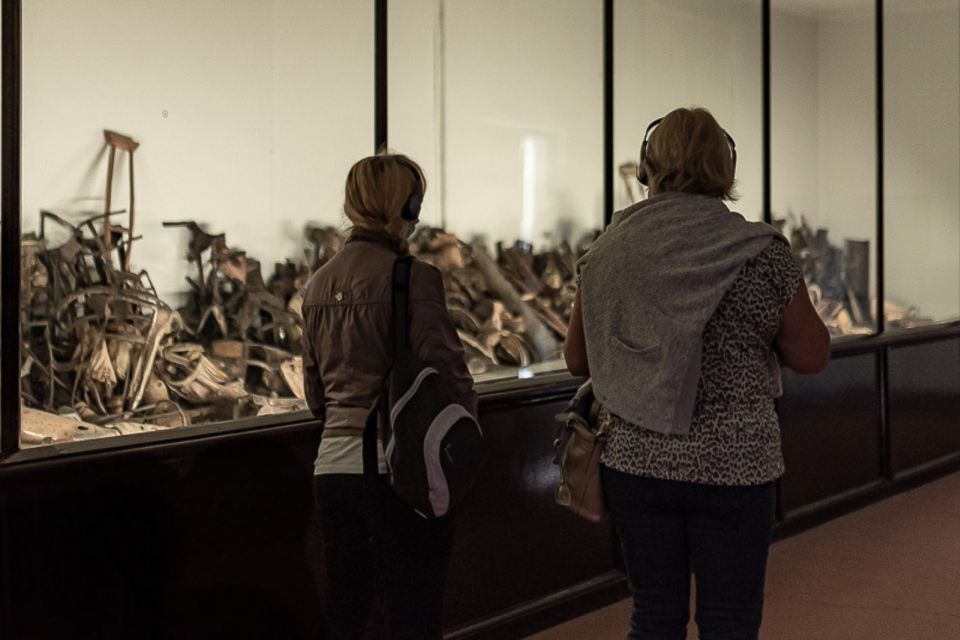
- 15 visitors cap cuts the noise and crowd pressure versus larger departures
- Hotel pickup and drop-off handles the hardest logistics from Krakow
- Skip-the-line entry helps you get inside sooner and spend more time on-site
- A licensed English guide leads you through Auschwitz I and Auschwitz II Birkenau
- Headsets in Auschwitz I make the narration easier to follow while moving
- Packed lunch is required (and a short break usually fits between the two camps)
Why a 15-person Auschwitz-Birkenau tour from Krakow feels different
Auschwitz-Birkenau can swallow a day. The sites are vast, the history is concentrated, and the human scale gets lost when you’re jammed into a big group. That’s where a small group of 15 matters.
With fewer people, you tend to keep your place in the route. You’re not constantly waiting for someone to catch up, and your guide can actually steer the group through the moments that need attention. It also helps emotionally: you can look, process, and move when you’re ready, not when the mass of the tour decides.
Another practical win: fewer people usually means less chaos at key transition points—like moving from transport to security and from Auschwitz I to Auschwitz II. This tour is designed to get you through smoothly, so you don’t burn the day stuck in lines.
You can also read our reviews of more tours and experiences in Krakow.
Krakow hotel pickup and the van ride that keeps you on schedule
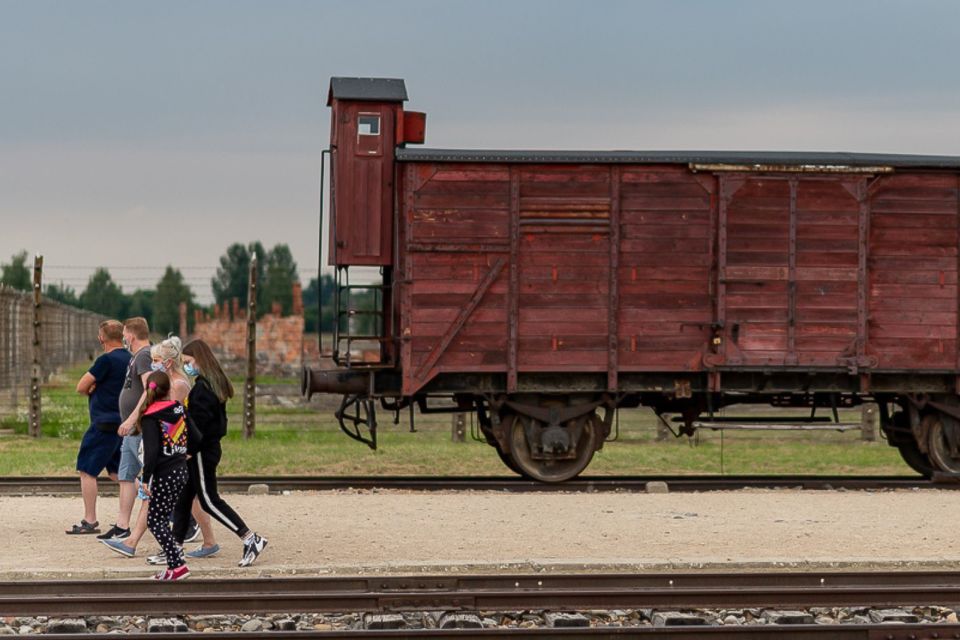
The morning (or early departure) is one of the biggest stress points for this trip. The good news here is hotel pickup—so you don’t have to worry about trains, transfers, or finding a meeting point while you’re half awake.
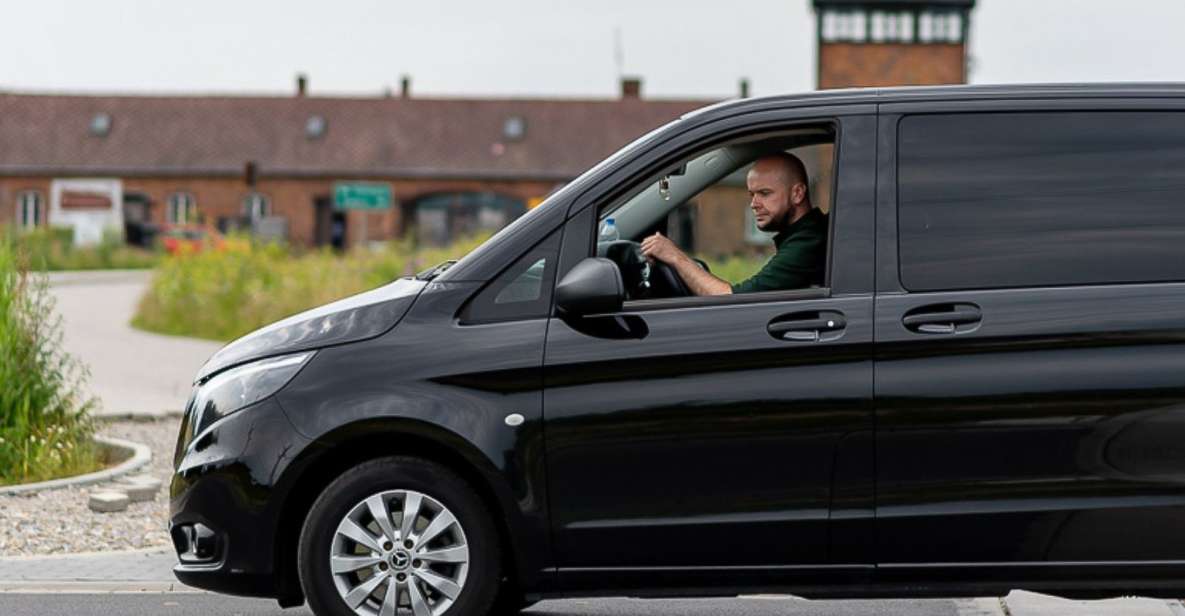
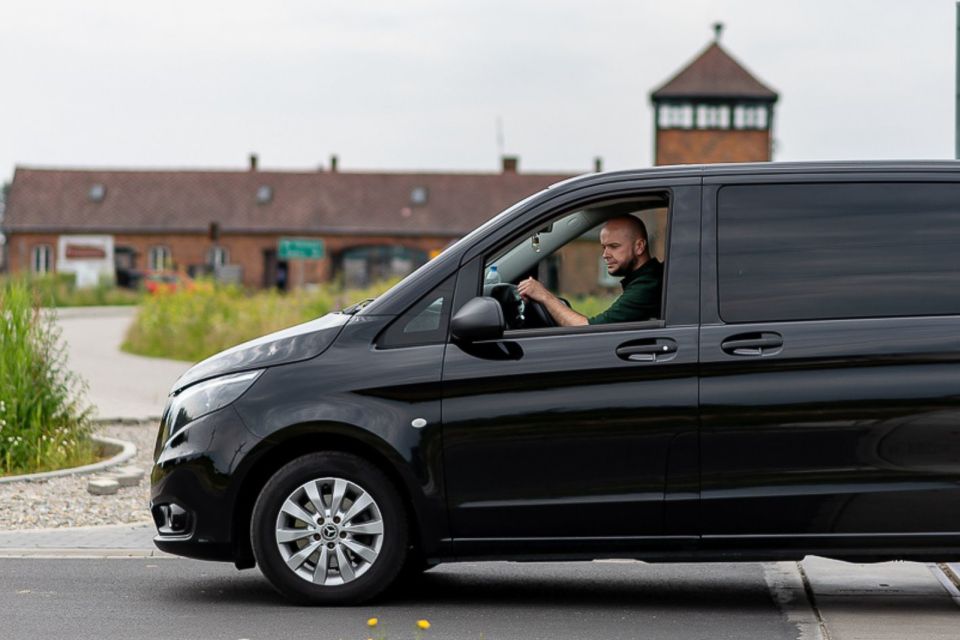
You’ll be collected in a small vehicle, described as an air-conditioned van, which is a big deal when schedules are tight. The tour also confirms your exact pickup time the day before, with the note that it will be in the afternoon at the latest. In practice, many departures run early, so plan on an early start.
Drivers in this operation are often praised for being attentive and keeping everyone informed during the ride. Names that show up in recent departures include Leszek, Norbert, Konrad, and Patryk. Whoever is driving you, the goal is the same: get you there on time, keep things organized, and make the long trip feel manageable.
On the van ride, don’t expect it to be a party atmosphere—this is a somber day. Still, you’ll usually appreciate the calm structure: when you arrive, your guide and tickets are ready to move you through fast.
Auschwitz I: from the camp’s exhibits to the Death Wall area
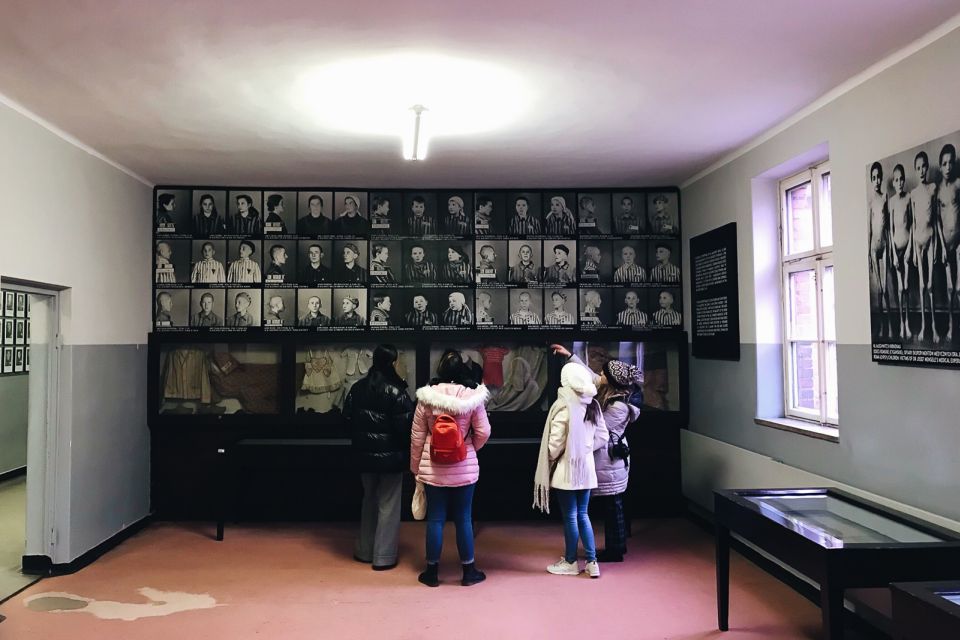
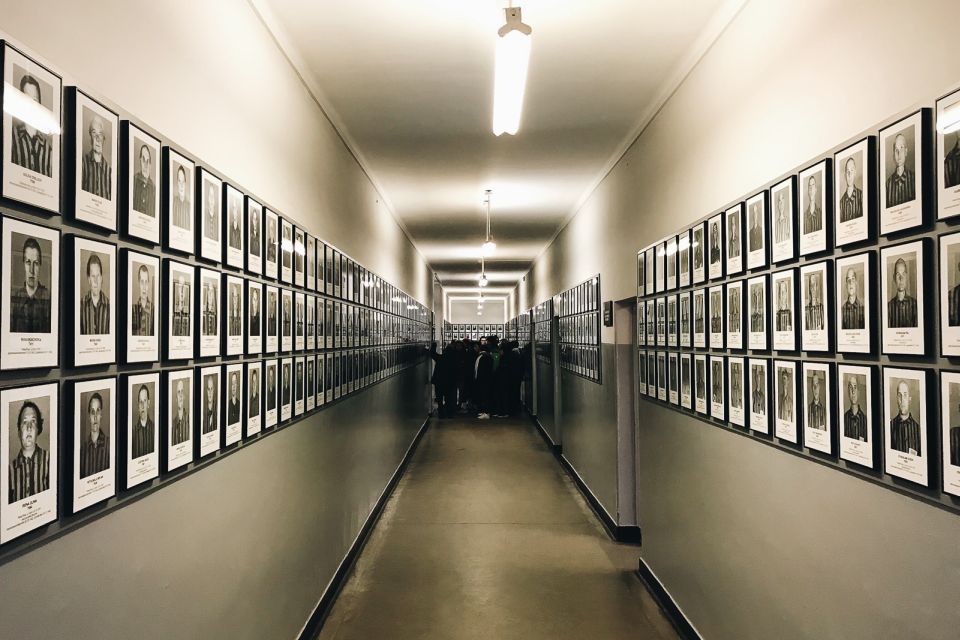
Auschwitz I is where the story starts feeling painfully specific. It’s also where the tour’s narration really matters, because you’re moving through preserved areas and exhibits that demand context—not just a checklist of what to see.
This tour includes entry to Auschwitz I, with a licensed English guide leading the visit. One of the most useful details is that you get a headset so you can clearly hear the guide while you’re walking. That matters because Auschwitz I involves lots of short stops, small distances between key points, and moments where you’ll be reading or looking down at signs.
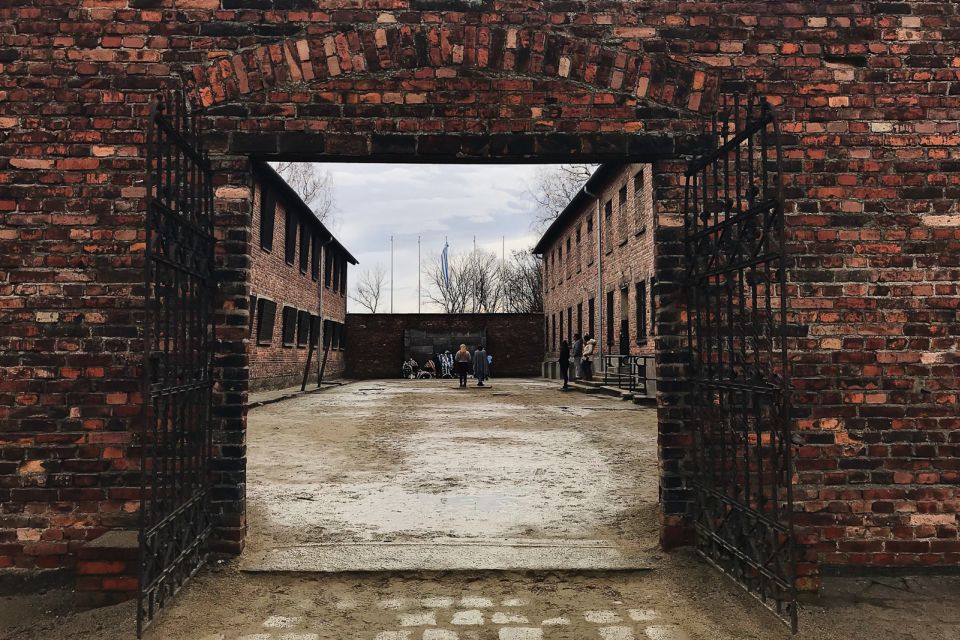
You’ll see major memorial and historical elements, including the camp’s preserved ruins and central features. The Death Wall is specifically called out in the tour description, along with national memorials and the preserved structures that help visitors understand what happened there.
What I like about this format is how it gives you a route designed to prevent you from missing the big connections. You’re not just wandering. You’re led from one meaning-heavy site to the next, with the guide helping you tie details together—World War II, the Nazi Holocaust, and what liberation meant.
One caution from a practical standpoint: Auschwitz I can feel intense even when the group moves quickly. Some people would like more time for quiet reading or reflection. If you’re the type who stops at every plaque, you may want to mentally prepare for less time-per-stop than you’d choose on your own.
Auschwitz II Birkenau: the scale of the ruins hits differently
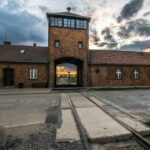
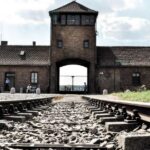
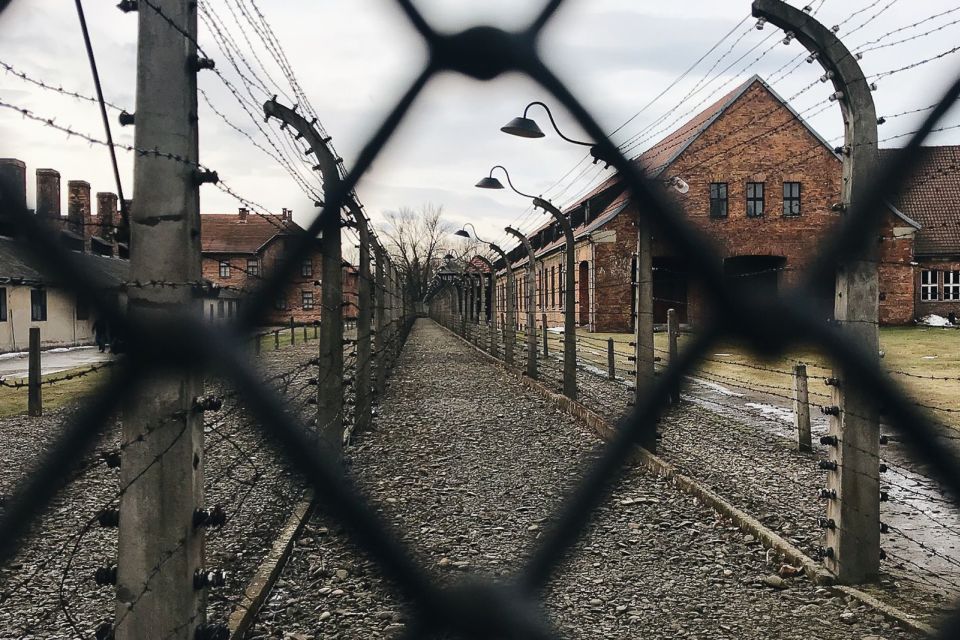
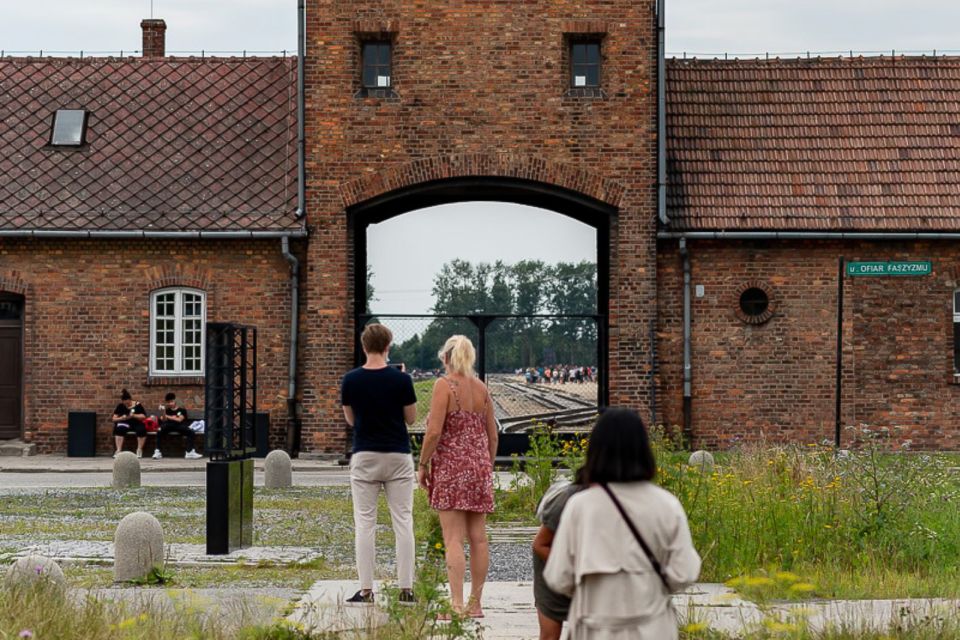
Then comes Auschwitz II Birkenau, and the emotional temperature changes. Birkenau is where the scale becomes hard to process. The tour description calls out the preserved ruins, watchtowers, the railway line and ramp, gas chambers and crematoriums, plus the remains of hundreds of barracks.
This is also why the pacing matters. If too many tours get stuck, the grounds turn into a slow-moving bottleneck. The structure of this trip is meant to keep you moving so you actually get to see the key sections without being trapped behind other groups.
You’ll continue with an English guide through Birkenau, and you’ll see the areas that visitors often remember most: the railway ramp and line, the layout that shows how people were processed, and the ruins that make the camp feel less like a museum and more like a place with space where terrible things took place.
In a small group, it’s easier to keep your bearings. You can follow what the guide points out instead of constantly trying to locate the next stop. That’s a real quality-of-life detail in a site that can feel confusing even when you’re doing everything right.
There’s also a reality check. Some visitors describe the day as rushed, mainly because the tour needs to fit both camps into the 7-hour window and manage crowd flow. That doesn’t mean you can’t stop and take in what you see—it means you’ll have to do it efficiently and thoughtfully.
The pace, headsets, and the thin margin for questions
This is a guided tour with a strong “move-with-purpose” style. The tour provides headsets in the first camp only, which suggests you’ll rely more on direct instruction and your own attention in Birkenau.
That setup affects how the experience feels. In Auschwitz I, the headset helps you follow the narration clearly even while walking. In Birkenau, you’ll likely need to concentrate harder, because the noise of footsteps and the open space can make it easier to lose key phrases if you’re drifting.
Another frequent theme in the way this tour runs: it’s respectful, but it’s structured. You’ll cover a lot of ground and key points, and that reduces the time you might spend just standing with a single view. If you love asking questions mid-tour, keep an eye out for openings during transitions.
I’d also pack your expectations like this: the point isn’t to spend hours reading every single inscription. The point is to understand the main historical story and see the preserved evidence clearly enough that you leave informed—not confused.
If you’re traveling with someone older or mobility-sensitive, plan carefully. Uneven ground is part of the deal here, and a number of visitors note that the walking can be significant. Wear shoes you trust. Bring water. Move slowly when you need to, and don’t let the group pace bully you.
Price and logistics: what $89 buys you in real value
At $89 per person for about 7 hours, the value isn’t only about transportation. You’re paying for a package that includes:
- Entry fees to Auschwitz I and Auschwitz II Birkenau
- A licensed English-speaking guide
- Skip-the-ticket line access
- Hotel pickup and drop-off if you select that option
- Headsets for the guide in Auschwitz I
- Air-conditioned van transport
Food and drinks are not included, so you’ll want to budget for your lunch or plan a packed lunch. The tour’s requirement is to bring a packed lunch, and it’s often paired with a short break between camps so you can eat without turning the day into chaos.
Is it “worth it”? For me, it is if you want a structured visit with fewer logistical headaches. Skip-line access and a pre-arranged entry flow matter at Auschwitz, where queues can swallow time. Also, the guide is what turns the place from scary buildings into understandable history.
The small group cap adds value too. Even if you’re a fast walker, you still benefit from not being swallowed by a large crowd. That’s the part you can’t easily “DIY” once you’re on-site.
What to bring and what rules can catch you off guard
This tour comes with clear rules, and ignoring them can slow you down at the wrong moment. Bring your passport or ID card. Bring water and a packed lunch. Comfort matters because you’ll walk on uneven ground.
Rules you should take seriously:
- No backpacks
- No flashlight
- No cellphones
- No smoking
- No pets
- No alcohol or drugs
- No nudity
That list sounds strict because it is strict. Think “show up ready,” not “figure it out at the gate.” If you’re used to carrying a phone for photos, plan on leaving it behind where allowed rules say it can’t be carried.
Also, pack for weather. This is Poland, and winter or shoulder-season conditions can make the ground slick. If you need a coat, bring layers you can shed. If you’re sensitive to cold, bring gloves—just make sure nothing you bring violates the “no flashlight” rule.
And because Auschwitz is emotionally heavy, you’ll feel better with simple choices. One bottle of water you can access easily. A lunch you don’t need to hunt for. Shoes you don’t regret by mid-morning.
Who this Auschwitz-Birkenau tour fits best (and who should think twice)
This trip is not suitable for children under 12. That makes sense given the length, walking, and the heavy subject matter.
Beyond age, consider your comfort with a guided, structured day. This tour fits best if you:
- Want a clear route through both camps
- Prefer a small group rather than a larger crowd
- Value skip-the-line logistics
- Are okay with a pace that prioritizes coverage and flow
It may not fit as well if you:
- Need lots of unstructured time to read slowly at every stop
- Struggle with long walking on uneven ground
- Really want extended question time (some schedules feel tight for that)
If you’re traveling with someone who is 77 or has mobility limits, you’ll want to be honest about what “walking” means on those grounds. Choose sturdy footwear, take breaks when you need them, and don’t let the group pace dictate your body.
Should you book this limited-group tour from Hello Cracow?
I’d book it if you want an informed Auschwitz-Birkenau visit that’s managed tightly, with fewer people and less time wasted in queues. The 15-person limit, the English licensed guide, and the hotel pickup plus skip-line entry are the big practical reasons.
It’s also a strong choice if you’re traveling with limited time in Krakow. With a 7-hour format, you get both Auschwitz I and Auschwitz II without turning the day into a logistics puzzle.
Just go in with the right expectations: this won’t be relaxed. It’s walking, it’s rules, it’s emotion, and it moves. Bring your packed lunch, wear good shoes, and trust the structure to get you to the right places at the right time.
If that sounds like your style of travel, this is the kind of tour that respects your time and keeps the experience coherent.
FAQ
How long is the Auschwitz-Birkenau tour from Krakow?
The duration is 7 hours.
What does the tour cost?
The price listed is $89 per person.
Does the price include entry fees to both Auschwitz sites?
Yes. Entry fees to Auschwitz I and Auschwitz II Birkenau are included.
Is hotel pickup included?
Hotel pickup and drop-off are included if you select the pickup option.
Is the tour small group size limited?
Yes. It is limited to 15 participants.
Do I need to bring a packed lunch?
Yes. You’re asked to bring a packed lunch.
Are cellphones allowed during the visit?
No. Cellphones are not allowed.
Is the tour appropriate for children?
It is not suitable for children under 12.