REVIEW · KRAKOW
Krakow: 3-Hour Small Group Tour on E-Bike
Book on GetYourGuide →Operated by krakowbiketour · Bookable on GetYourGuide
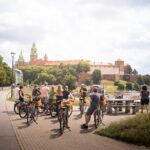
Krakow looks different at bike speed. In just 3 hours, you glide through the Old Town, the Jewish quarter, and the former WWII ghetto area on modern e-bikes, with stops timed for photos and short walks.
I especially like how the tour keeps things small (up to 15), so you can actually hear your guide instead of guessing at captions. I also like that the route is set up for comfort—mostly flat, with quiet streets and bike lanes—so you’re not wiped out before you reach the key sights.
One thing to consider: you need to be a confident cyclist, and some road moments can feel busy with pedestrians and cars around major squares.
Key takeaways before you book
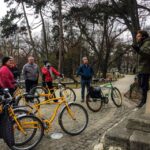
- Dutch-style e-bikes that support your pedaling (no throttle) make the ride feel effortless
- Up to 15 people keeps the group manageable and the guide easier to follow
- Three districts in one loop: Old Town, Kazimierz, and the WWII ghetto area
- Photo stops plus guided context at major landmarks like Market Square and Schindler’s Factory
- A mid-tour refreshment break helps you reset before the heavier history stops
In This Review
- Getting Started at Sławkowska 11
- Bosch Sparta E-bikes: Easy Pedaling, No Throttle
- Old Town Highlights: Market Square, Wawel, and the Dragon
- Vistula River to Kazimierz: Markets, Synagogues, and Old Streets
- WWII Krakow Ghetto: Ghetto Heroes Square and Schindler’s Factory
- Pace, Timing, and the Feel of 3 Hours
- Price and Value: Is $62 Worth It?
- Riding Tips for a Smooth, Low-Stress Day
- Should You Book This Krakow E-bike Tour?
- FAQ
- How long is the Krakow e-bike tour?
- Where do I meet the group?
- What e-bikes are used?
- What group size is this tour?
- Is the price $62 per person, and what’s included?
- Is this tour suitable for children?
Getting Started at Sławkowska 11
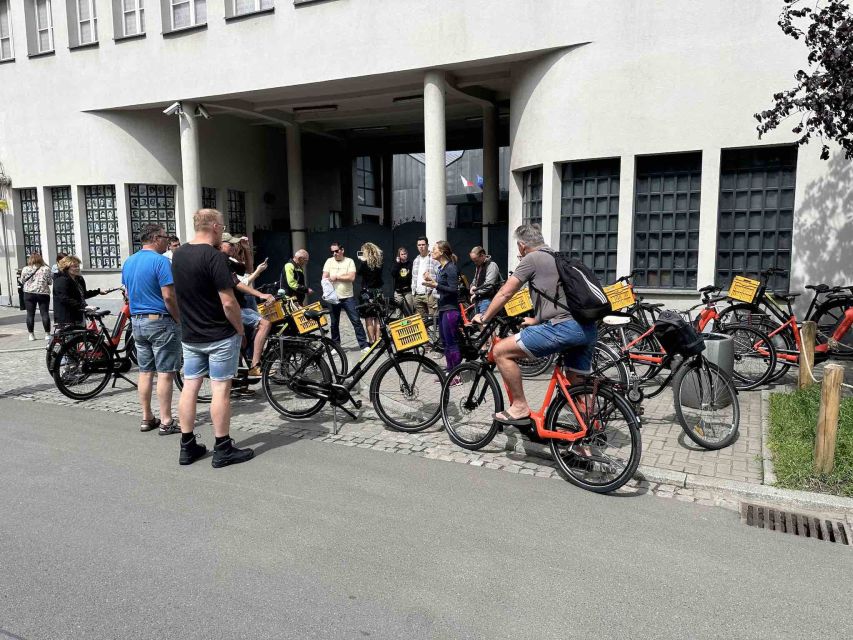
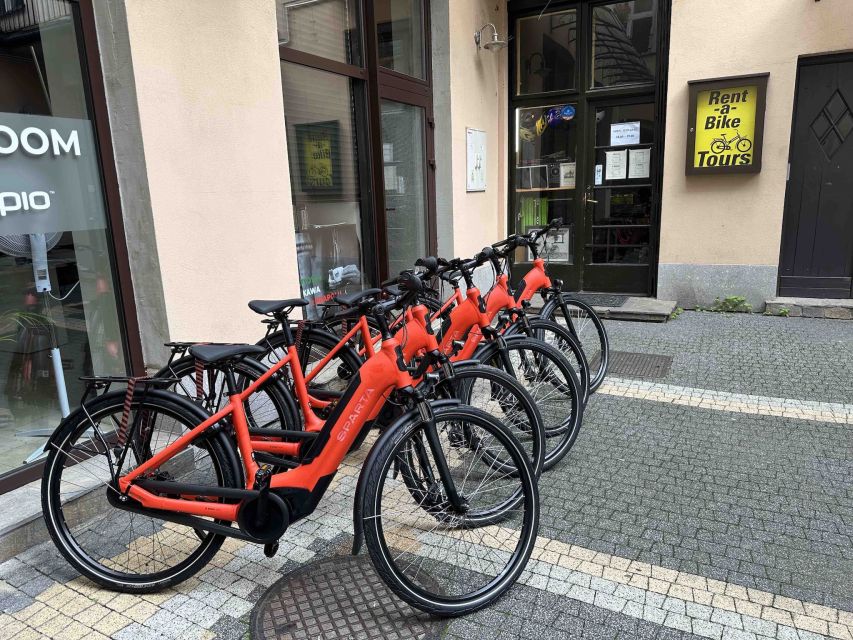
This tour begins at Sławkowska 11, inside the inner courtyard of rent a bike. The entrance is next to the exchange point, which helps when you’re arriving on foot and trying not to second-guess yourself.
The first minutes matter. You get a short safety briefing (about 10 minutes) before you roll, and that sets the tone for the ride: relaxed, but attentive. Because you’ll be mixing bikes with real city life—pedestrians, cars, and crowded squares—it’s not the time to be hesitant.
If you’ve never used an e-bike before, don’t worry too much. One rider specifically noted that the guide explained how the bikes work when they were new to it, which is a good sign this tour doesn’t just toss you into traffic.
Bosch Sparta E-bikes: Easy Pedaling, No Throttle

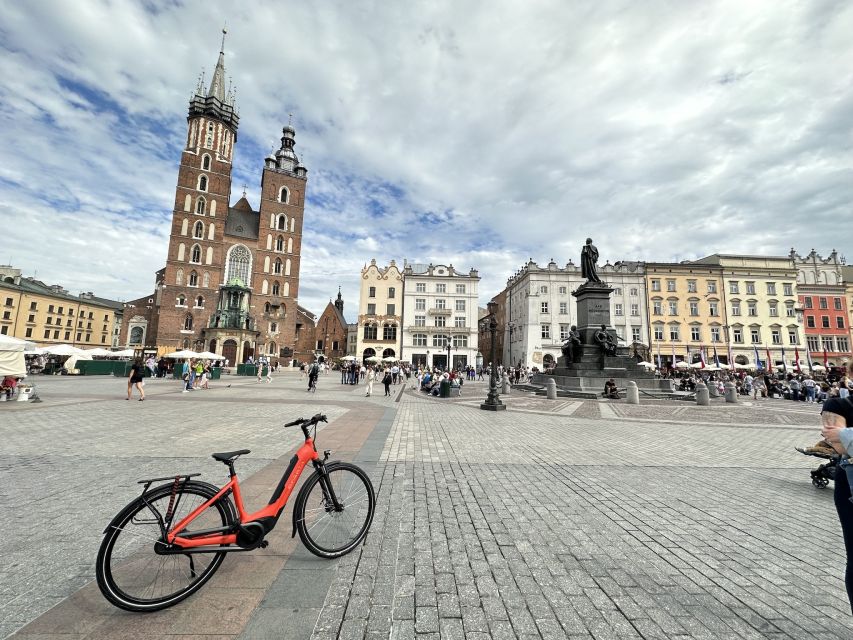
You ride a Bosch e-bike by Sparta—brand new and built for comfort. The biggest practical point is how the motor behaves: there’s electric support while you pedal, and there’s no throttle or lever.
That design changes the whole experience. Instead of switching into a scooter mode, you still control your speed with pedaling. For a city tour, I like that. It helps you stay smooth when you need to slow near pedestrians, especially around tight streets and the busier areas near the river and historic center.
You’ll also get help from the guide throughout the ride, especially at crossings and slower stretches. Still, plan to ride thoughtfully. Even with assistance, you’ll want to keep your balance and scan ahead—one review mentioned needing to watch carefully with pedestrians and even carriage traffic in crowded spots.
Quick check idea: when you start, make sure basic bike features are working properly (one person reported the bike bell wasn’t working). It’s a small thing, but on a busy day, it’s useful.
You can also read our reviews of more cycling tours in Krakow


Old Town Highlights: Market Square, Wawel, and the Dragon
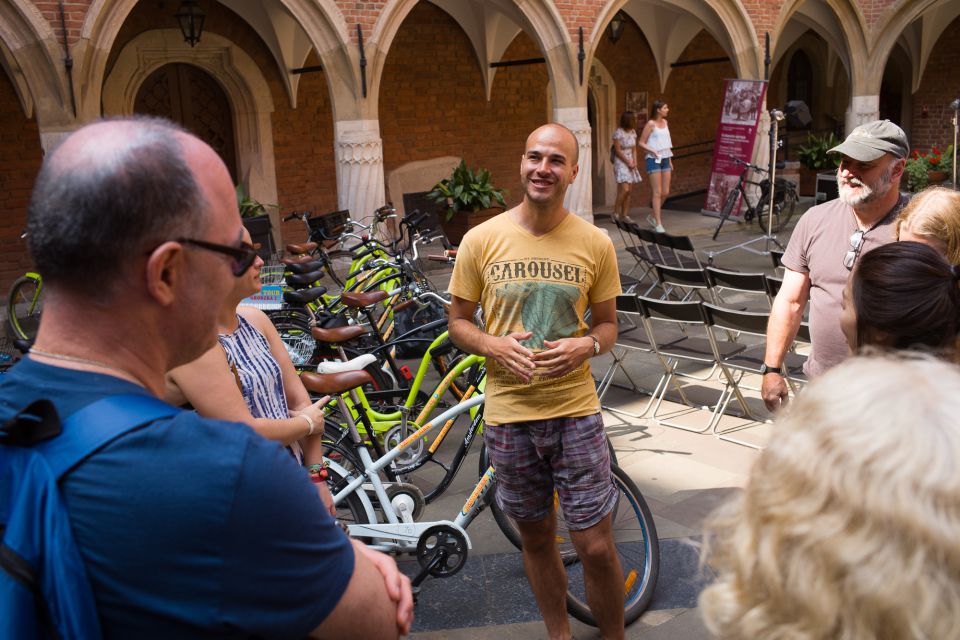
The Old Town portion is where Krakow helps you get your bearings fast—and it’s a smart move to front-load it. You start with classic sights you’ll recognize from photos, but you experience them from the saddle, with breezy ride segments between them.
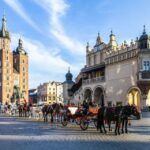
You’ll hit the Main Market Square with a photo stop, a guided walk, and then a short e-bike ride. From there, you continue past major landmarks including the Juliusz Słowacki Theatre area, the Florian Gate, and the Jagiellonian University neighborhood.
Along the way, the tour threads together a mix of old and scholarly Krakow:
- Jagiellonian University quarter gives you a sense of the city’s long academic pulse
- Bishop’s Palace offers another layer of historic power and architecture
- Remnants of city fortifications show Krakow wasn’t just pretty—it was built to defend itself
Then the ride shifts toward Wawel, one of those places that always feels like a movie set. You’ll visit Wawel Royal Castle and the Wawel Dragon Statue for photo stops and guided context. The “dragon” bit isn’t just cute—your guide explains the legend so it lands with meaning instead of just being another statue stop.
Downside to keep in mind: this is mainly exterior sightseeing with stops along the route. If you’re the type who wants to go inside buildings, you might end the tour wishing you’d had entrance time at a couple sites—one rider called that out.
Vistula River to Kazimierz: Markets, Synagogues, and Old Streets
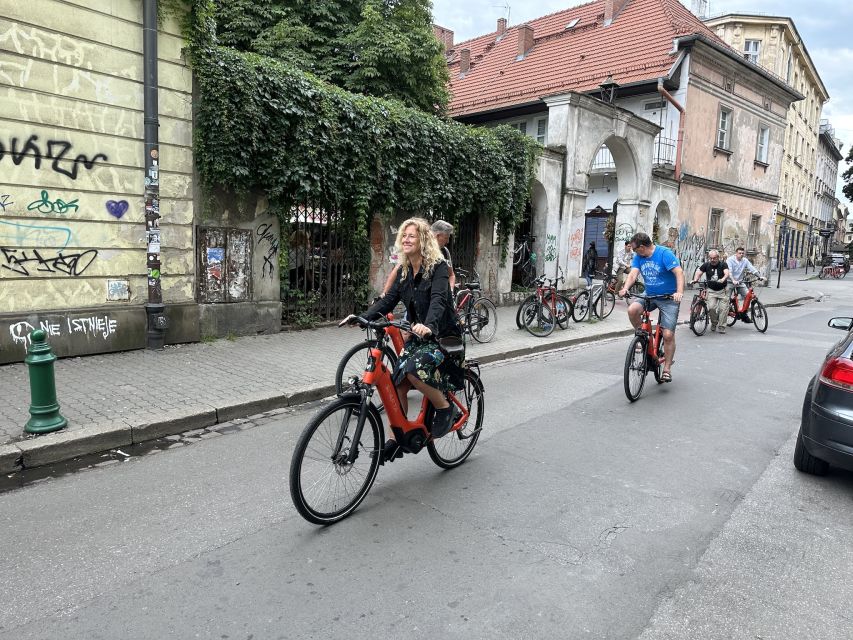
After the Old Town arc, you cross into a different Krakow mood. By the Vistula River boulevards, you’re riding through broad views and calmer streets, which helps the tour feel like more than a checklist.
Your route includes scenic segments and a series of photo-guided stops that lead you toward Kazimierz—the historic Jewish quarter. Here the pace and tone shift. Instead of big monumental squares, you get quiet market vibes, smaller streets, and the sense of a neighborhood that once held a full everyday world.
You’ll explore key Kazimierz stops such as:
- plac Nowy (a lively square feel, even on calm days)
- Szeroka Street (historic street atmosphere; great for understanding the neighborhood layout)
- Father Bernatek’s Bridge (an easy photo moment and a natural crossing point)
At this stage, the tour gives you context on what you’re seeing: synagogues, old street patterns, and local rhythms. And because you’re riding between areas instead of walking the entire distance, you can actually spend time listening without burning your legs.
WWII Krakow Ghetto: Ghetto Heroes Square and Schindler’s Factory
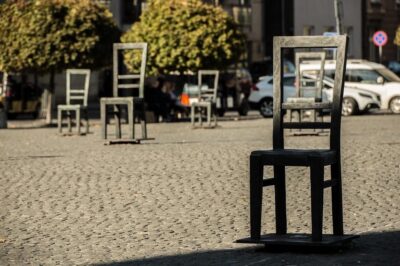
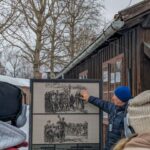
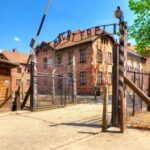
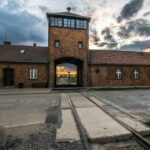
This is the portion you’ll remember longest, because it’s not just architecture—it’s history with weight. The tour explores the sad Holocaust history in the former WWII Jewish ghetto and also points you to Oscar Schindler’s factory—a stop that connects the grim story to a human one.
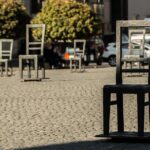
The tour includes the Ghetto Heroes Square for photo and guided explanation, then continues to Schindler’s List Passage for a scheduled refreshment break midway through the experience. That break matters more than you’d think. It’s placed before you head into the factory stop, so you have a moment to reset.
From there, you reach Oskar Schindler’s Factory for another guided stop and photo time. The route keeps you moving so you don’t get stuck waiting in crowds, but it also builds in enough time at each site for meaning to land.
If you want a tip for making this part hit harder (in a good way): listen closely to how your guide connects the streets you ride to the events they describe. Even when you’re not stopping at every single marker, you’ll start to recognize the geography of the area—and that’s what turns facts into place.
Pace, Timing, and the Feel of 3 Hours
Three hours sounds short, but with e-bikes it becomes a sweet spot: long enough to see real variety, short enough to keep you alert. You’ll have plenty of photo moments—often about 10–15 minutes per stop—plus a few shorter segments.
The route is described as easy and flat, and you do spend time on parks, bike lanes, and quieter streets. That’s why the tour works even if you’re not a strong cyclist. Still, it’s not a passive ride. Because there’s no throttle, you’re actively pedaling—just with electric help that reduces effort.
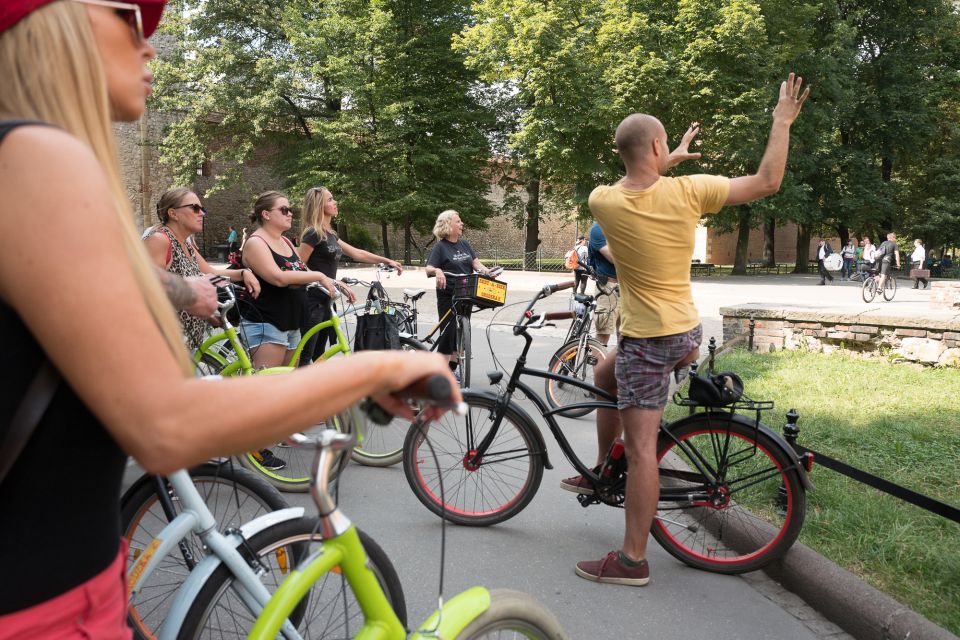
In practice, guides seem to set the pace well. Multiple riders praised the pace as just right and mentioned guides answering questions at stops, including taking time at the mid-tour break. You may also notice a guide style difference: one rider highlighted humor and engagement, which can really help when you’re switching between lighter Old Town sights and heavier WWII context.
One more reality check: Krakow can be busy. Even if parts of the route use quieter streets, some sections still feel crowded. A rider noted there wasn’t always a separate cycle route, so you’ll want to stay cautious around pedestrians and carriages.
You can also read our reviews of more tours and experiences in Krakow
Price and Value: Is $62 Worth It?
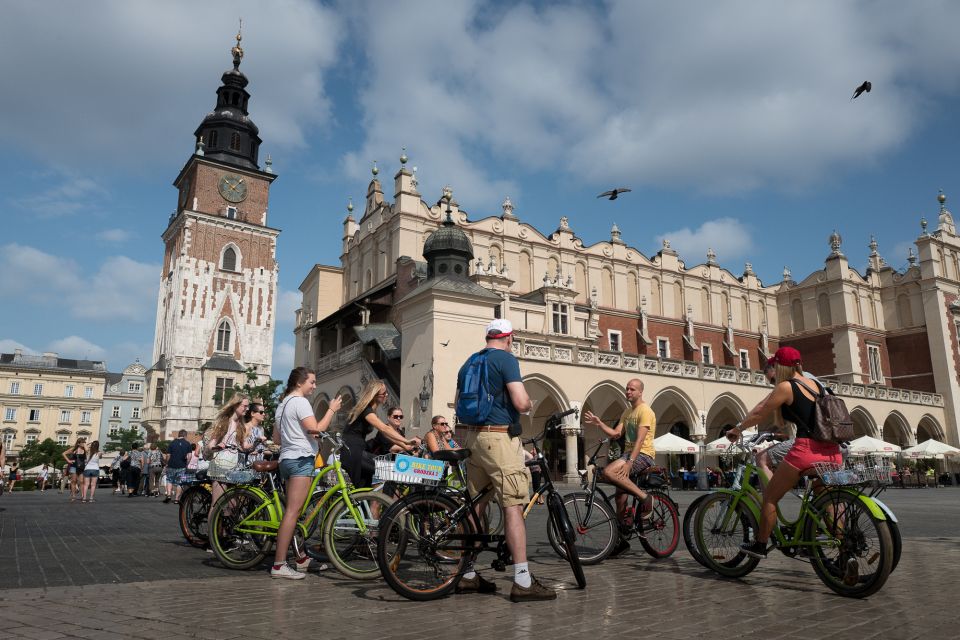
At $62 per person, this tour is priced like a quality guided experience, not just a bike rental with a map. The value comes from three things working together:
1) Guiding across three major districts in one outing
You save time compared to piecing this together solo, especially for understanding the WWII ghetto area and the significance of Schindler’s Factory.
2) Modern e-bikes that let you cover distance comfortably
You’re not stuck choosing between walking and missing the less central sites. E-bike support helps you reach more neighborhoods without arriving exhausted.
3) Small group size (max 15)
For a city tour where you stop and listen at multiple points, smaller groups usually mean better audio and fewer people cutting into the guide’s attention.
Entrance fees aren’t included, so if you’re trying to build a day around paid museum interiors, you’ll need to plan those separately. But for an efficient first taste of Krakow’s core districts—with real interpretation from an English-speaking guide—it’s strong value.
Riding Tips for a Smooth, Low-Stress Day
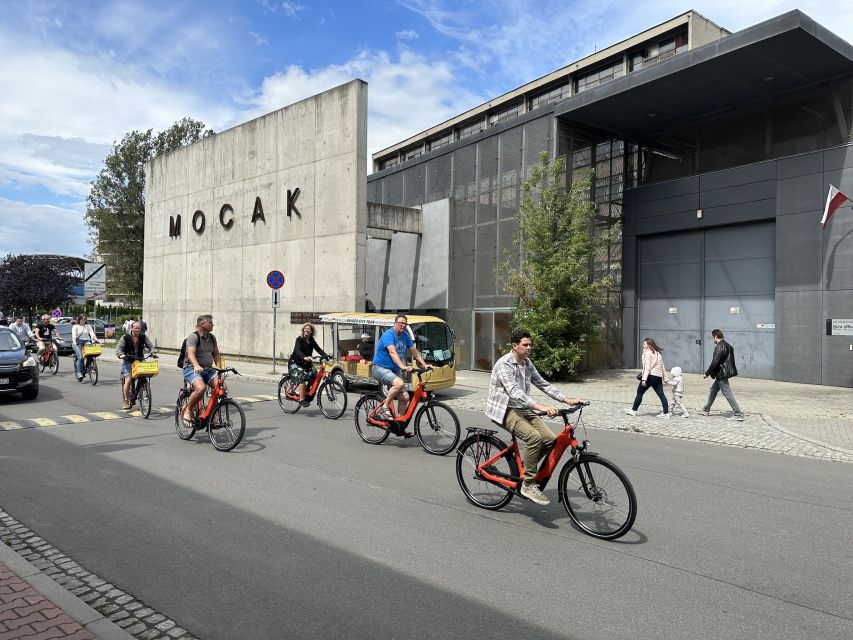
If you’re considering this tour, here’s how to make it feel easy:
- Be ready for shared spaces. Expect some moments with pedestrians and normal city traffic near major sights.
- Ride like it’s a learning day. You don’t need to race; you need to stay steady and predictable.
- Consider weather. One review suggested skipping when it’s cold, since the experience can feel less enjoyable in wintery conditions.
- Know what the tour is (and isn’t). You’ll get photo stops and guided context; you might not go inside every building. If you want lots of interior access, plan that for another day.
- If you want extra safety comfort, ask about gear. One rider wished there were a helmet option. The tour details don’t state what’s provided, so checking on-site is your best move.
Should You Book This Krakow E-bike Tour?
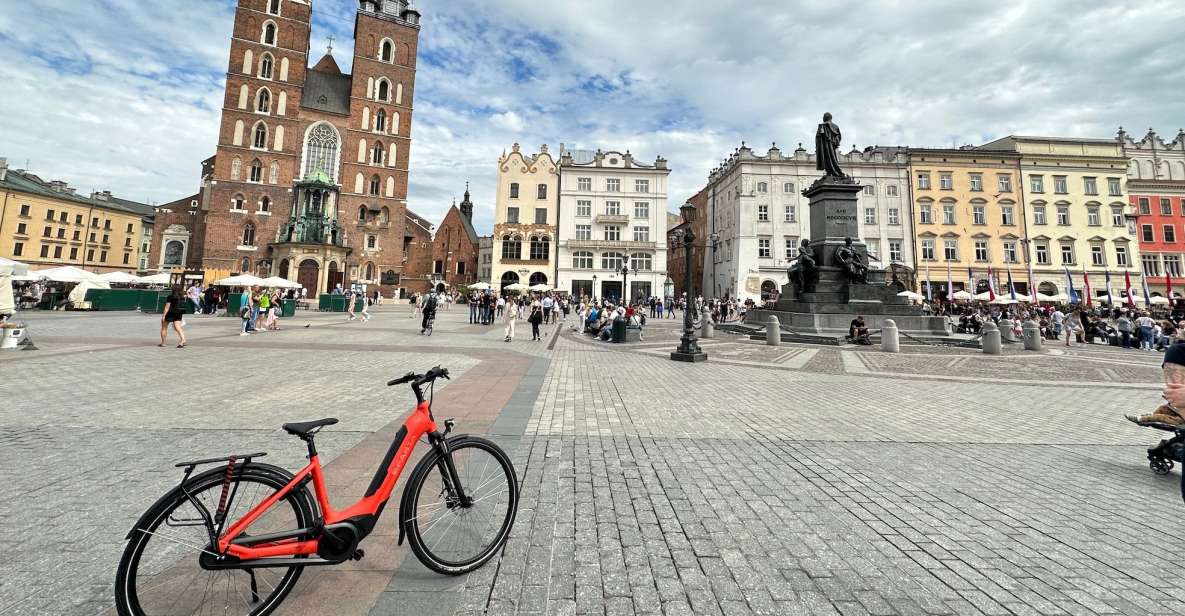
I think this is a great book for your first time in Krakow. If you want Old Town + Kazimierz + the WWII ghetto area without crisscrossing the city all day, the e-bike format is exactly the right tool. It’s also a smart choice if you like learning as you go—your English guide brings the stops to life, and the small group size keeps it conversation-friendly.
Book it if:
- you can ride a bike confidently
- you want an efficient, guided overview across major districts
- you’re okay with mostly photo stops and exterior views
Skip it if:
- you’re not a confident cyclist
- you need mobility assistance (the tour isn’t suitable for people with mobility impairments)
- you want a purely indoor, museum-heavy day
If you’re deciding between a bus and a bike, this is the one that turns the city into something you can feel—streets, river routes, and neighborhood spacing—while still giving you the context that matters most.
FAQ
How long is the Krakow e-bike tour?
The tour lasts 3 hours.
Where do I meet the group?
Meet at rent a bike – Sławkowska 11, in the inner courtyard. The entrance is next to the exchange point.
What e-bikes are used?
You’ll ride Bosch E-bikes by Sparta with electric motor support while you pedal. There is no throttle.
What group size is this tour?
The experience is a small group, with a maximum of 15 persons.
Is the price $62 per person, and what’s included?
The tour price is $62 per person. The tour includes the e-bike, but entrance fees are not included.
Is this tour suitable for children?
No. It’s not suitable for children under 15.