REVIEW · KRAKOW
Krakow: Wawel Castle & Cathedral Guided Tour
Book on Viator →Operated by excursions.city · Bookable on Viator
Two royal stops, one clear story. This small-group walk through Wawel Castle and Wawel Cathedral helps you connect art, faith, and power in Krakow without getting lost in details.
I love that admission is included, so you spend less time lining up and more time looking. I also love the Cathedral portion, especially the build-up to the Sigismund Bell and the moving stories in the crypts.
One drawback to plan for: the dress code and the time limit mean you need comfy shoes and a mindset of, see a lot, then go explore more on your own.
In This Review
- Key highlights at a glance
- Wawel in two hours: what this tour really does for you
- Wawel Royal Castle: the rooms, the objects, and the Ottoman curveball
- Wawel Cathedral: coronations, the Sigismund Bell, and the royal crypts
- Small-group pacing and the guide factor: Helena and Ana as examples
- Meeting point off the hill: how to avoid the most common headache
- Dress code and what it means once you’re standing there
- Is the included admission worth it?
- Timing, what you’ll miss, and how to add your own time
- Who should book this Wawel Castle and Cathedral tour?
- Should you book this tour?
- FAQ
- How long is the Wawel Castle and Cathedral guided tour?
- What does the tour include?
- How big is the group?
- What language is the tour offered in?
- Where do I meet the guide?
- Is the meeting point on Wawel Hill?
- What time should I arrive?
- What happens if I’m late?
- Is there a dress code?
- Can I get a refund if I cancel?
Key highlights at a glance
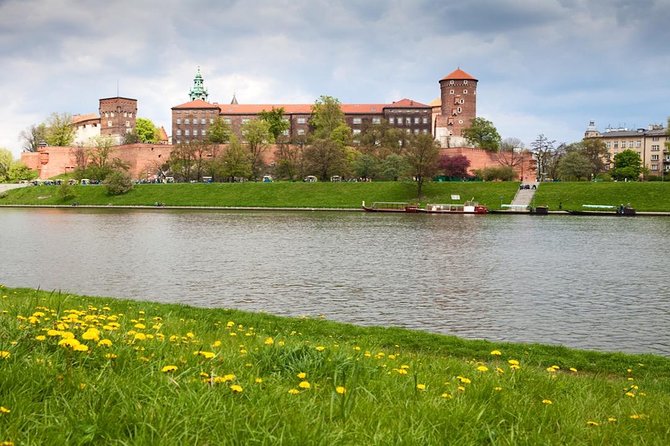
- Wawel Royal Castle in museum form: Renaissance and Baroque rooms with paintings, sculptures, porcelain, and military artifacts
- Flemish tapestries and major art collections: including works tied to King Sigismund II Augustus and the Lanckoroński collection
- Eastern art that’s unusual for Poland: the museum’s rare set of Ottoman tents, noted as the largest in Europe
- Cathedral access that goes beyond the main nave: chapels, altars, tower views, and the royal crypts
- Small-group pacing: capped at 30 people to keep the experience coherent (and not chaotic)
Wawel in two hours: what this tour really does for you
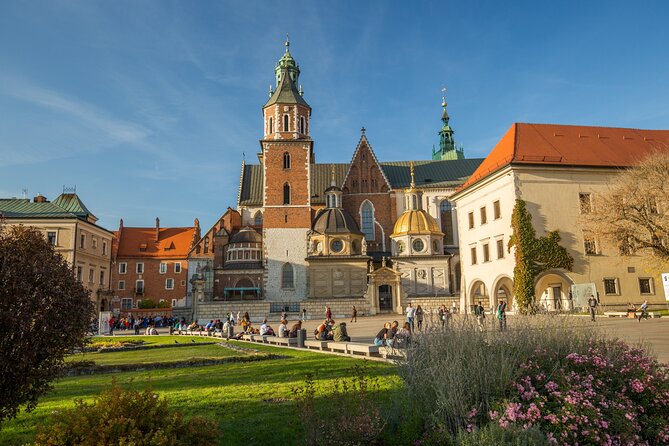
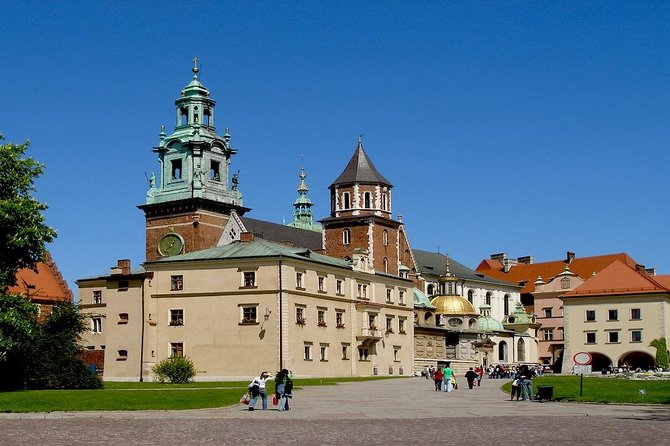
Krakow’s Wawel complex can feel like two attractions stapled together: a royal palace side and a church side. This tour is built to fix that. You get a guided thread that ties monarchy, religion, and art into one explanation you can hold in your head.
You’re walking into spaces that have repeatedly reinvented themselves over time. The Royal Castle was transformed into a museum in 1930, so you’re not just seeing old rooms—you’re moving through curated galleries housed in historic walls. The Cathedral, meanwhile, is still a living symbol, with chapels and tombs that have witnessed centuries of royal life and national identity.
The best part for most people is that you don’t need to be a Poland-scholar to enjoy it. A good guide turns the big names and dates into something readable, and the included entry means you don’t burn your limited time hunting tickets.
You can also read our reviews of more guided tours in Krakow


Wawel Royal Castle: the rooms, the objects, and the Ottoman curveball
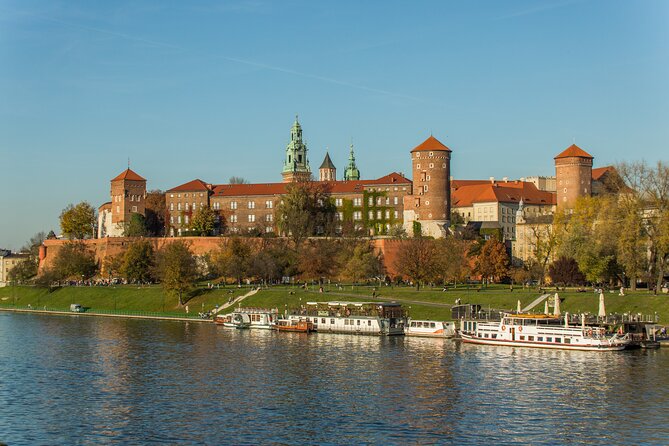
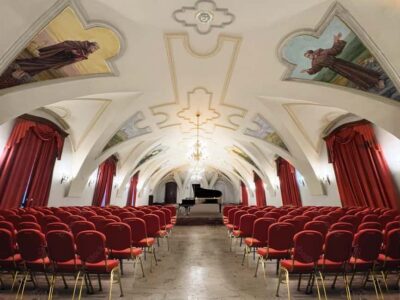
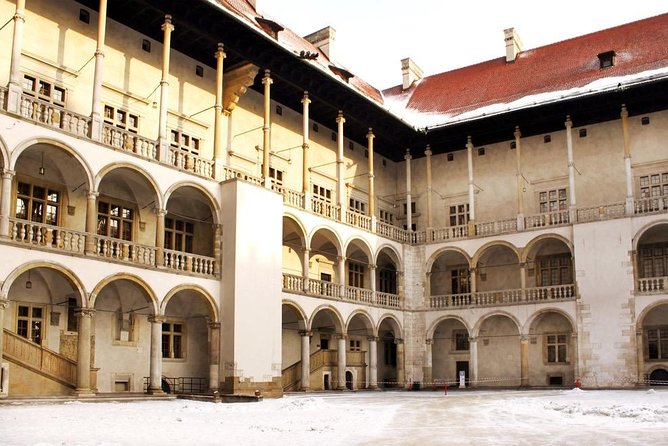
At the Royal Castle, you’re shown grand chambers with Renaissance and Baroque interiors. The effect is immediate: ceilings, scale, and the feeling that this was built to impress. Then your guide grounds that spectacle in specifics—what the objects were, who collected them, and why they mattered.
Here are the standout themes you’ll actually see:
Art with political gravity. Expect rare paintings and sculptures, plus porcelain and military items. It’s not just decorative stuff. The collection reflects how rulers displayed prestige, power, and connections.
Tapestries linked to King Sigismund II Augustus. The museum has Flemish tapestries commissioned by him. That detail is the kind that makes you slow down, because it connects workshop craft to court politics. In other words: you’re not staring at fabric—you’re watching diplomacy turned into art.
Italian Renaissance masterpieces. You’ll also encounter works from the Lanckoroński collection. That name helps because it signals you’re seeing curated heritage, not a random scatter of famous art.
A surprising Eastern element: Ottoman tents. One of the most unusual pieces of the experience is the Cathedral’s neighbor having one of the largest sets of Ottoman tents in Europe. These aren’t “background trivia.” Seeing them in the Castle context makes you think about geography and contact—how Krakow sat inside wider European networks, not on the edges of them.
Time note: you get about one hour for the Castle. That’s enough to get oriented and catch the museum’s major beats, but not enough to linger over every corner. If you’re the kind of person who reads every label for fun, plan a follow-up visit on another day.
Wawel Cathedral: coronations, the Sigismund Bell, and the royal crypts
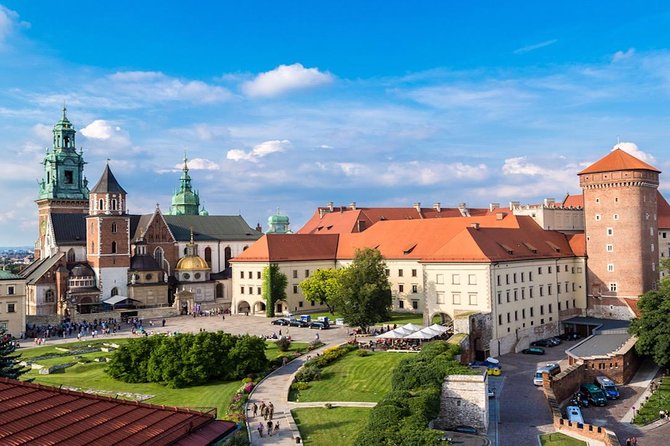
After the Castle, the Cathedral changes the mood fast. You move from courtly rooms to a Gothic masterpiece that has held major life events tied to Polish monarchs: coronations, weddings, and funerals. It’s not an abstract museum story. It’s a place where history is literally built into the space.
You’ll go inside chapels and altars, and your guide will connect what you’re seeing to what happened here. That’s where the Cathedral portion earns its keep. The building is impressive, but the real value is the explanation of why certain spaces mattered to rulers and to national identity.
Then there’s the tower—and the Sigismund Bell. You’ll climb to see it, and there’s a well-known tradition about touching the bell for luck. It’s a small moment, but it’s the kind of ritual that turns a monument into a memory you can picture later.
Finally, you descend to the crypts. This is the emotional center. Kings, queens, poets, and national heroes rest here, and your guide’s job is to make that lineup meaningful—how devotion, power, and legacy overlap in one underground story.
Practical consideration: the Cathedral experience includes stairs and a tower climb. It’s doable for most people, but if your legs are limited, you’ll want to go in with realistic expectations. Also, if you finish one segment and then want to climb again or re-enter later, you might run into extra time and possible entry friction, since tower access can be managed separately depending on on-site flow.
Small-group pacing and the guide factor: Helena and Ana as examples
A guided tour lives or dies on the guide. This one tends to deliver, and the evidence is pretty clear in the names you’ll hear in the group. Guides like Helena, described as academic and historian-minded, and Ana, praised for keeping the group engaged without rushing, are exactly the kind of people who make complicated subjects feel organized.
That said, every guide is human, and some people have flagged issues like pace and volume. If you know you rely on clear audio, arrive a touch early, stand where you can hear comfortably, and don’t be shy about asking a basic question if the group pauses. Some tours may not use special audio gear, so your positioning matters.
One more practical point: the tour is limited to a maximum of 30 people, and it runs in one language selected at booking (English in this case). That matters because it keeps the group moving together. You won’t get a giant herd effect, and questions feel possible without derailing everything.
Meeting point off the hill: how to avoid the most common headache
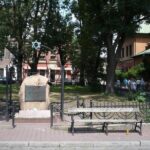
Wawel is famous, which means it’s also easy to assume the meeting point will be right on the hill. It isn’t. The start point is at Pomnik Piotra Skargiplac Świętej Marii Magdaleny, and you end at Wawel Cathedral.
Plan to arrive 10 minutes early. Once the group leaves, latecomers can’t join, and tickets are non-refundable. That policy is strict, but it’s also what makes the timing work—especially with entrances and the tower schedule.
If you’re using maps, double-check you’re matching the exact address from your voucher. Some people naturally assume they should meet at the big Wawel entrance area. This tour wants you to start slightly away, and that shift can throw you off if you don’t confirm.


Dress code and what it means once you’re standing there
Religious sites in Poland often require respectful dress, and this one follows that pattern. You’ll need to cover your knees and shoulders. Shorts and sleeveless tops aren’t allowed for places of worship and selected museums.
This is one of those things that’s easy to ignore until you’re already at the entrance. I suggest packing a light layer you can throw on quickly, even if Krakow feels mild that day. Also, tower climbs and crypts involve standing and moving through tighter spaces, so comfy shoes are not optional.
Is the included admission worth it?
For a tour like this, included tickets are more than convenience—they protect your schedule. You’re spending a short, focused block of time on-site, so every minute you save at entry matters.
Because admission is included at both the Castle and the Cathedral portion, you can spend your energy on the guide, the objects, and the architecture instead of managing ticket lines. That’s especially valuable in peak seasons when Wawel attracts a lot of foot traffic.
The tradeoff is that you’re on a guided structure. You don’t get to choose your own pace for every gallery stop. But if you want a fast, accurate orientation and a set of highlights you can build on later, that structure is a strength.
Timing, what you’ll miss, and how to add your own time
This experience runs for about two hours. That’s perfect for first-timers who want the big story arcs: Royal Castle art, then Cathedral faith and tombs.
Here’s what you’ll likely miss if you only do this once:
- the deep, slow reading of every museum label
- extended time in side chapels
- linger-long enough for every object you find interesting
The good strategy is to use this tour to get your bearings and then come back, or pair it with a second half-day around Wawel at your own pace. Once you’ve heard the logic behind the collection and tombs, you’ll understand what you’re seeing when you return. You won’t be starting from scratch.
Who should book this Wawel Castle and Cathedral tour?
Book it if you fit one of these profiles:
- You want a guided orientation to Wawel’s art and monuments without needing a background course
- You care about connections between politics and culture—how rulers used art and how faith shaped public life
- You like small groups and prefer a set plan over wandering independently
- You’re short on time in Krakow but don’t want to miss the Cathedral tower and crypts
Consider thinking twice (or asking questions first) if:
- you have hearing needs. One guest reported that wearing hearing aids wasn’t accommodated in their case, so if audio clarity is essential for you, reach out before booking to understand options
- you need a slower pace. This is structured and timed, so people who want long museum drifting might prefer self-guided time
Should you book this tour?
Yes, I’d book it—especially if it’s your first time at Wawel. The combination of Royal Castle highlights, the unusual Ottoman tents, and the Cathedral’s coronation-and-crypt story makes this more than a checklist stop. It’s also priced like a solid midrange guided option, and the included admission keeps your schedule from slipping.
My rule of thumb: if you can handle a tight two-hour window and you’re okay with a guided pace, this tour gives you the big ideas and the best moments with less effort. Then you can return on your own terms and slow down where you personally want to linger.
FAQ
How long is the Wawel Castle and Cathedral guided tour?
It’s about 2 hours.
What does the tour include?
Admission tickets are included for both the Royal Castle and the Cathedral.
How big is the group?
The tour has a maximum of 30 participants.
What language is the tour offered in?
The tour is conducted in English.
Where do I meet the guide?
The meeting point is at Pomnik Piotra Skargiplac Świętej Marii Magdaleny, 31-044 Kraków, Poland, and the tour ends at Wawel Cathedral.
Is the meeting point on Wawel Hill?
No. The meeting point is not located on the Wawel Hill; it’s at the address listed on your voucher.
What time should I arrive?
Arrive 10 minutes before the tour begins.
What happens if I’m late?
Once the group has departed, latecomers cannot join, and tickets are non-refundable.
Is there a dress code?
Yes. Shorts and sleeveless tops are not allowed. Both men and women must cover knees and shoulders for places of worship and selected museums.
Can I get a refund if I cancel?
Free cancellation is available up to 24 hours before the experience’s start time for a full refund.