REVIEW · KRAKOW
Krakow: Auschwitz-Birkenau Guided Tour with Pickup & Lunch
Book on GetYourGuide →Operated by SuperCracow.com · Bookable on GetYourGuide
This day trip hits hard, fast. You get skip-the-line entry and pickup from Kraków with a licensed guide, plus an early film that sets the stage for Auschwitz I and Auschwitz-Birkenau.
I really like the fact that you’re not just walking around alone. Guides such as Mario, Conrad, and Tomas (and educators like Bart) are repeatedly praised for clear, respectful explanations that keep the day structured, even when it’s emotionally heavy. I also like the practical side: air-conditioned transport and straightforward pickup/drop-off help you avoid turning the day into a logistics puzzle.
One thing to plan for is the time squeeze. Pickup can be very early, the museum controls the group pace, and the schedule is tight enough that you might not get a true sit-down lunch moment.
In This Review
- Key points to know before you go
- Price and value: is this Auschwitz-Birkenau tour worth $21?
- From Kraków: pickup options, coach comfort, and the reality of early departures
- Skip-the-line entry: what it gets you, and what it doesn’t
- Auschwitz I walkthrough: film briefing, the gate, and how to use your time
- Auschwitz II-Birkenau: why this section lasts and why it matters
- The film, the guide, and the group pace: what makes this tour feel different
- Lunchbox option: helpful food, but don’t expect a full meal break
- What to pack and wear: rules that affect your comfort
- Who should book this Auschwitz-Birkenau day trip?
- Should you book it? My practical take
Key points to know before you go
- Skip-the-line entry: you get direct access to Auschwitz-Birkenau Memorial & Museum tickets, though security still exists.
- A film briefing first: you watch a short orientation in a prepared cinema room before stepping into the camp grounds.
- A licensed historian guide: you’ll hear context and significance, not just dates and names.
- Two camps in one day: Auschwitz I then Auschwitz II-Birkenau, with bus time between them.
- Air-conditioned coach: long transfers are more comfortable than you’d expect.
- Packed-lunch add-on is a lifesaver: but the day is structured, so don’t assume a long lunch break.
Price and value: is this Auschwitz-Birkenau tour worth $21?
At about $21 per person, this is one of those prices that looks surprisingly low for what you’re buying: round-trip pickup in Kraków, air-conditioned coach transport, licensed guides, and skip-the-line entry to the Auschwitz-Birkenau Memorial & Museum.
Here’s the real value math for you. This isn’t just admission. You’re also paying for interpretation that makes the site understandable. Auschwitz is not a place where “winging it” works well. You need a guide to point out what you’re seeing, why it matters, and how the parts connect. The tour’s format—film orientation, Auschwitz I walkthrough, then Birkenau—keeps you from wandering randomly and missing key elements.
What you give up for that price is also pretty clear: the museum determines the pace, and a day like this is never slow-travel comfortable. If you want total freedom to linger wherever your heart says linger, you might find a guided group format a little rushed. But for most people, structure is exactly what helps the visit land with clarity instead of confusion.
You can also read our reviews of more guided tours in Krakow
From Kraków: pickup options, coach comfort, and the reality of early departures
This tour runs on a 7–10 hour window, and pickup times can fall anywhere between 5:00 AM and 1:30 PM depending on the departure you book. You’ll choose a preferred start time, but the exact time is communicated the day before, and it can shift. In busy periods, expect very early starts.
The upside is that pickup and drop-off are built in. You pick a meeting option in Kraków (for example Pawia 18a, Wielopole 2, or Starowiślna 65), and the operator handles the transport you need to reach Oświęcim, about 60 kilometers west of Kraków.
I also like that the transport is described as comfortable and air-conditioned. That matters when you’re leaving early, because you don’t want to spend the first part of the day already exhausted. The coach time also matters mentally: you get a buffer to reset before the film and the first camp entrance.
A practical tip: have your pickup point sorted the night before. One small hiccup—standing in the wrong spot or missing a call—can turn a calm morning into a sprint. If your pickup instructions include someone calling out names or where exactly the coach will stop, treat that like a treasure map.
Skip-the-line entry: what it gets you, and what it doesn’t
“Skip-the-line” here means you shouldn’t face a long wait just for getting into the Auschwitz-Birkenau Memorial & Museum with your ticket. That’s huge. When you’re dealing with a site that draws huge crowds, saving that time can make the difference between a smooth day and a day where you arrive already worn out.
Still, go in knowing there are other checkpoints. The information provided makes it clear you’ll have security checks, and on Last Minute departures, waiting in the queue can last 1–4 hours in certain cases. Weather can also change what that feels like, since you’ll be waiting outside in many scenarios.
Bottom line: treat skip-the-line as a time-saver, not as a guarantee that the entire process will be instant. The best mindset is simple—arrive early, move calmly, and expect the overall flow of the museum day.
Auschwitz I walkthrough: film briefing, the gate, and how to use your time
You start with the travel segment, then you arrive at the memorial and take part in a short orientation film in a prepared cinema room. This part matters. It gives you the basic mechanics of how the camp functioned during World War II, so the sights you see next are not just objects—they’re evidence.
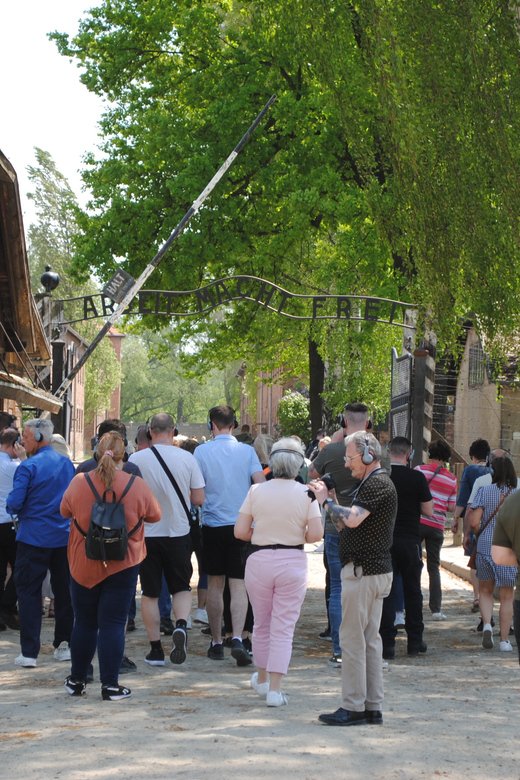
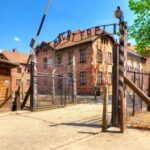
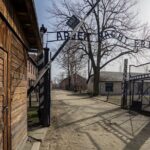
After the film, you enter through the gate marked Arbeit macht frei, then you begin Auschwitz I with a guided visit. You’ll spend around 2 hours here, with your licensed guide taking you through preserved areas and explaining what you’re looking at and why it’s significant.
A useful way to think about Auschwitz I is as the camp’s “core operating system.” You’ll likely encounter buildings, historical spaces, and the kind of evidence that shows how the machinery worked on an administrative level. This is also where group pacing can feel faster because there’s a lot to cover.
A real consideration: a few people in the supplied experiences noted that the Auschwitz I portion can feel on the brisk side. That doesn’t mean your guide is doing a bad job—it means the day has to fit Auschwitz I and Birkenau into one schedule. If you’re the type who needs extra time in one room to absorb what you’re seeing, you may feel the squeeze here.
My advice: during Auschwitz I, don’t try to memorize everything. Instead, pick one or two sections that stand out to you and let those be your anchor. You can always return in your mind later, and the guide’s context will help it stick.
Auschwitz II-Birkenau: why this section lasts and why it matters
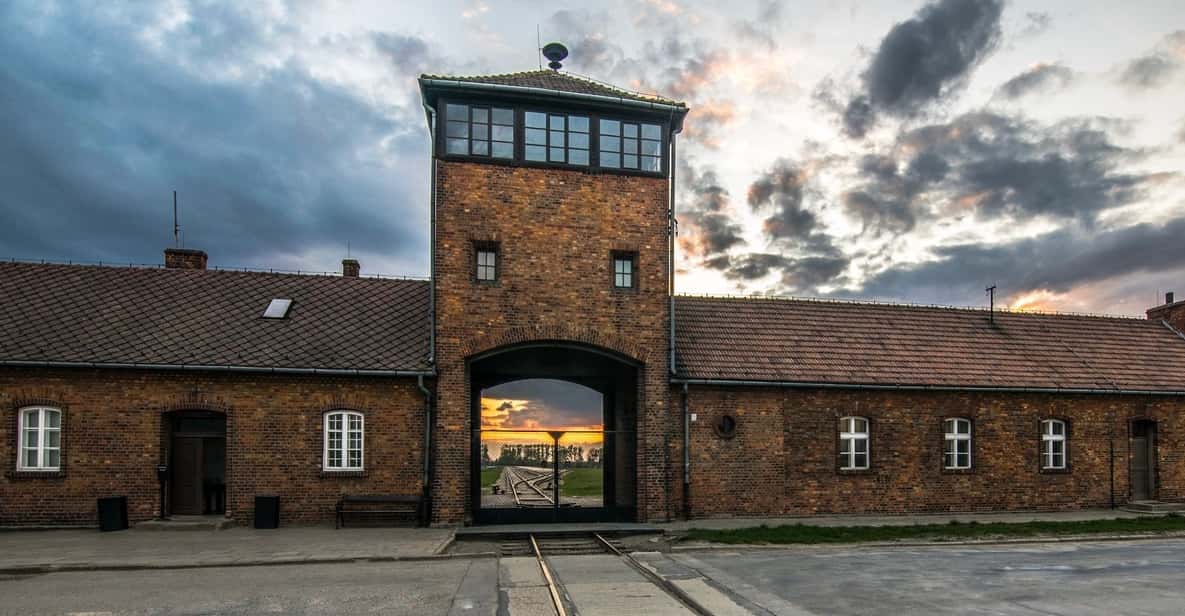
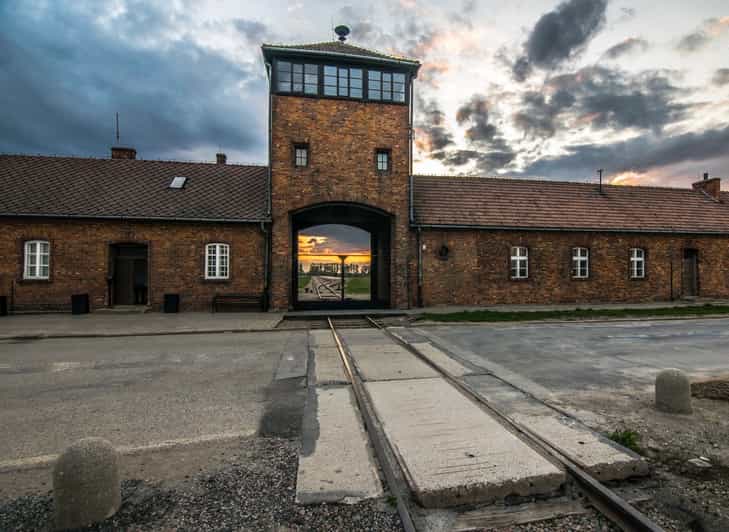
After Auschwitz I, you move by coach to Auschwitz II–Birkenau, where the mass extermination took place as part of Nazi policy tied to the Final Solution to the Jewish Question. This portion is typically about the last hour and a half of the tour, and it’s commonly described as the part that leaves a permanent mark.
Birkenau is huge, and the experience can feel surreal in scale. That’s exactly why the guide’s framing helps. When you understand the purpose of specific areas and how the camp’s system operated there, you can see why this site is treated as both a place of documentation and remembrance.
In the provided experiences, guides like Michael and Mario are mentioned for using storytelling that’s emotional but structured. The tone matters here. You’re not there for shock. You’re there to understand and remember.
Another practical note: the tour’s last section is where many people feel their emotions rise. That’s not a bad sign. It usually means the visit is doing its job. Still, because it’s near the end of a long day, your body may be tired. If you can, wear comfortable shoes and keep your water with you where allowed. Even a short physical discomfort can distract you from what you came to witness.
You can also read our reviews of more tours and experiences in Krakow

The film, the guide, and the group pace: what makes this tour feel different
Plenty of people come to Auschwitz with facts they’ve read. The tour’s biggest difference is how it organizes those facts around a route.
First, you get a film briefing. Then you get a guided path through Auschwitz I. Then you transition to Birkenau. That structure helps you connect what you see with what it means, instead of treating the memorial like a checklist of buildings.
The guide element is repeatedly praised in the experiences you shared. Names like Conrad, Tomas, and Richard show up, along with educators such as Bart and Kondrad. Across those accounts, the common theme is respect and clarity: guides explain with care and keep the day moving without turning it into a sprint.
But keep your expectations realistic. The museum determines the tour’s pace, not the operator or the guide. That’s why you may feel rushed in one camp and slower in the other. The key is to let the guide do the heavy lifting and use your attention on moments that hit hardest.
Lunchbox option: helpful food, but don’t expect a full meal break
This tour can include a lunchbox add-on. The listing notes it’s included only if you select it at checkout, and in the experiences provided, people describe packed lunches as tasty and filling. It can be a smart buy because the day is long and broken up.
Here’s the catch: the schedule is tight, and there may not be a dedicated time block to sit and eat. One attendee noted there was not time during the day schedule to actually eat the lunch, with only very short breaks at the beginning and end. I’d plan for that possibility.
So how should you handle it? Think of the lunchbox as fuel for later in the day rather than a guaranteed long lunch sit-down. If you’re the type who needs a real meal break to stay steady, consider bringing your own simple snacks as long as they’re allowed under the site rules (the information you provided doesn’t spell out food policies, only what you can’t bring). And whatever you do, hydrate—museum days add up fast.
What to pack and wear: rules that affect your comfort
This is not a “show up wearing whatever” situation. The information you provided includes key restrictions that can trip people up.
Bring a passport or ID card. Do not bring pets or weapons. No smoking. And no alcohol or drugs.
For bags, the tour notes that you cannot enter with large bags or backpacks. The maximum size allowed is 20 × 30 cm. That means you should travel light: small day bag or tightly packed essentials.
Dress code matters too: sleeveless shirts are not allowed.
My simple packing approach: one compact bag, ID, water, a light layer for weather, and comfortable shoes you can stand in for long stretches. Keep your day plan boring. On this kind of visit, you want practical comfort, not surprises.
Who should book this Auschwitz-Birkenau day trip?
This tour is a strong choice if you want:
- Guided interpretation with a licensed historian guide
- A structured route covering Auschwitz I + Auschwitz II–Birkenau
- Skip-the-line entry so you’re not stuck waiting for tickets
- A full day handled for you from Kraków, including pickup and drop-off
It may not be the right fit if you:
- Need a slower, self-paced experience with lots of free time inside the sites
- Have mobility impairments, since the tour is listed as not suitable for people with mobility impairments
It also helps to know this is offered in multiple languages: English, Italian, Spanish, French, and German. One more nuance: the tour leader may not speak your selected language, and the language guarantee applies to the museum tour itself. If language comfort is a big deal for you, make sure your booking language lines up with what the museum guide will provide.
Should you book it? My practical take
If this is your first time visiting Auschwitz-Birkenau, I think booking a guided day trip like this is the smarter call. The film orientation, the guided route through Auschwitz I and Birkenau, and the licensed historian component help you make sense of what you’re seeing. That’s not optional at Auschwitz. It’s the difference between reading about a tragedy and understanding how it was carried out.
Book it if you’re okay with an early start and the museum’s pace controlling the timing. Book it if you want the operator to handle transport plus logistics, and you’d rather spend your energy on the visit, not the calendar.
Skip or reconsider if you require lots of independent time, because this kind of schedule is designed for coverage, not wandering. And if you’re trying to plan lunch as a full meal, treat the lunchbox as backup fuel, not as a guaranteed long break.
In short: for most visitors, this tour offers strong value for a day that is hard to do well on your own.