REVIEW · KRAKOW
Pierogi Cooking Class: Mastering the Art of Polish Dumplings
Book on Viator →Operated by Delicious Poland · Bookable on Viator
Dough, filling, and a real Polish dinner. This pierogi cooking class in Krakow is one of the easiest ways to get hands-on with Polish dumplings, because you make the dough and fillings yourself, not just watch. I like that it’s taught in English and ends with a proper meal, not a rushed snack.
Two things I genuinely like: the class teaches pierogi from start to finish, and it gives you both savory and sweet versions so you leave with more than one taste memory. A possible drawback to keep in mind is timing: if your Krakow schedule is tight, keep a little buffer and double-check messages close to class time.
In This Review
- Quick hits before you roll dough
- Krakow Pierogi Class: what you actually learn before the first boil
- From-scratch dough and the two fillings that cover Poland
- Shaping, boiling, and eating: turning work into dinner
- Instructors like Olga and Magda: how teaching style affects your results
- Price and what’s included for $82.72
- Pace, group size, and family-friendly kitchen reality
- Meeting point at WavelovePodchorążych 3 and how to plan your evening
- Practical tips to recreate pierogi at home
- Should you book this pierogi cooking class in Krakow?
- FAQ
- How long is the pierogi cooking class in Krakow?
- What is included in the price?
- Are alcoholic drinks included?
- Is the class offered in English?
- Where do you meet for the class?
- What’s the cancellation policy?
Quick hits before you roll dough
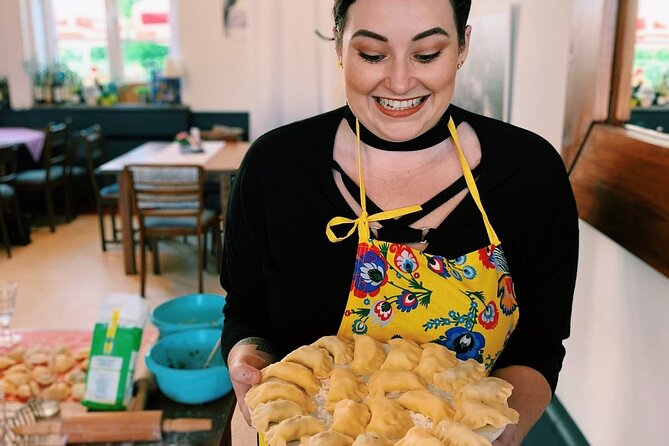
- Start-to-finish pierogi: dough, filling, shaping, boiling, then you eat what you made
- Two fillings in one session: savory Pierogi Ruskie with potatoes and twaróg, plus a sweet fruit version
- Family-friendly, hands-on pace: clear step-by-step guidance works for beginners
- Beer or wine included: you pair your dumplings with a local drink while you relax
- Small-group focus: you get personal attention, and instructors adjust to the group
- Recipe follow-up: people note they receive instructions/recipes after, so it’s a smart souvenir for home cooking
Krakow Pierogi Class: what you actually learn before the first boil
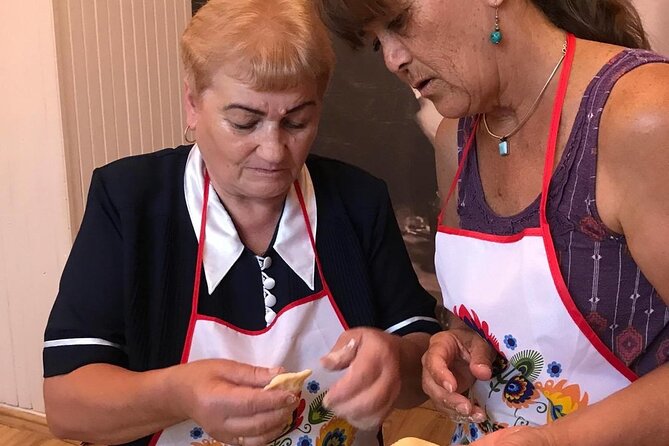
You meet in the Krakow city center area and move straight into a working kitchen setup where you’ll cook. The vibe is practical: flour on the counter, hot water on standby, and an instructor guiding you through each step so you’re not guessing. The promise here is simple—once the session ends, you should feel confident making pierogi again.
What makes the class feel worth your money is the structure. You don’t just learn a technique. You learn a whole workflow: dough first, then savory and sweet fillings, then portioning, then boiling, then eating.
You’ll also pick up small, useful habits that home cooks often struggle with—like how dough should feel as it comes together and how to manage filling without overstuffing. Those tiny cues matter, especially if you’re new to working with dough.
You can also read our reviews of more cooking classes in Krakow
From-scratch dough and the two fillings that cover Poland
This class is built around making pierogi from nothing. You start by creating the dough entirely from scratch, which is a big deal if your goal is to cook these at home later. Pre-made wrappers won’t teach you what to watch for, but scratch dough does.
Then you tackle two different fillings:
Savory: Pierogi Ruskie (Ruthenian-style)
You’ll prepare a filling that combines boiled potatoes with white cheese called twaróg. It’s creamy and tangy, and it’s one of the most classic savory pierogi flavors in Poland.
Sweet: fresh fruit pierogi
You’ll also make a sweet version using fresh fruit that’s available at the time of the class. The practical value here is that you learn how to work with sweet fillings that can be wetter than savory ones, so you don’t end up with a soggy bite.
Instructors are a major part of why this works. You’ll get guidance that translates into real confidence—people have praised instructors for walking step-by-step, staying patient, and keeping the mood light. Names that come up often in feedback include Olga and Magda, with others like Ania and Maria also mentioned for friendly, supportive teaching.
Shaping, boiling, and eating: turning work into dinner
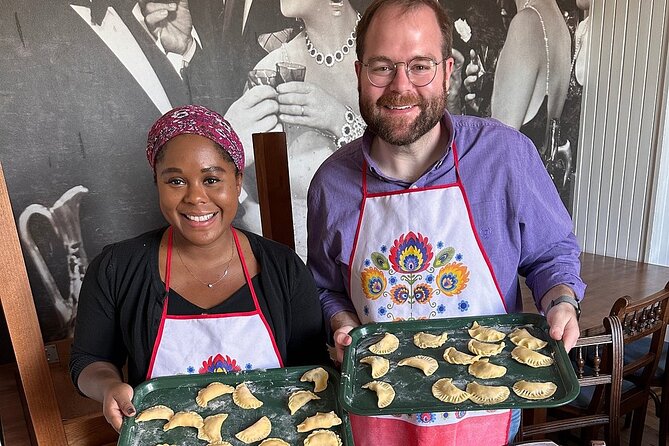
After you fill your pierogi, you boil them until they’re ready. The “boil to perfection” part is where most first-timers usually feel nervous—too short and they’re raw, too long and they can get soft or fall apart. In class, the instructor’s job is basically to keep you on the right timing so your batch comes out edible and satisfying.
Then comes the best part: you eat your pierogi right there. You’ll have the choice of a local beer or a glass of wine to go with your meal. This turns the cooking class into an actual dinner experience, not just a workshop.
One thing I like about this setup is that you get to test your results immediately. Your first batch is also your first lesson. If something is slightly off, you learn fast why, and what to adjust next time.
Instructors like Olga and Magda: how teaching style affects your results
The reviews point to a consistent teaching approach: clear instructions, hands-on correction, and real patience. People mention instructors like Olga and Magda as especially personable and funny, with a knack for explaining things in a way that makes dough less intimidating.
That matters because pierogi look simple, but the process has a few technical moments. Dough needs the right feel. Filling needs the right amount. Sealing needs attention. Boiling needs timing. If the teacher is strict or vague, the experience can feel stressful.
Here, the teaching style is described as friendly and supportive, and multiple people say they left feeling able to repeat the recipe at home. You can think of it as a confidence boost with dinner attached.
If you’re traveling solo, you still get that one-on-one support. If you’re traveling with kids, the class also tends to handle that well. In feedback, a 5-year-old is mentioned as participating, and the instructor reportedly adjusted how tasks were supervised.
Price and what’s included for $82.72
At $82.72 per person for about two hours, you’re paying for more than instruction. You’re paying for ingredients, equipment, guidance through a multi-step cooking process, a meal, and alcoholic beverages included.
Here’s why that price can make sense in Krakow:
- You’re not sampling tiny bites. You’re making a full plate of pierogi (savory and sweet) and then eating them.
- Alcohol is included as beer or wine, which can easily offset part of the cost if you’d otherwise order drinks at a restaurant.
- You get a scratch-based skill, not a shortcut. If you cook again after the class, the value jumps.
Could you do pierogi at home cheaper? Sure. But if you compare costs like ingredients + your time + learning the technique safely, a structured class can be a smarter buy—especially if you want an authentic Krakow food experience without guessing.
One pricing note from feedback: some people hoped for more drinks or more variety, while most liked the overall value. If you’re a big eater or want lots of extra portions, you might want to plan for a follow-up bite nearby after class.


Pace, group size, and family-friendly kitchen reality
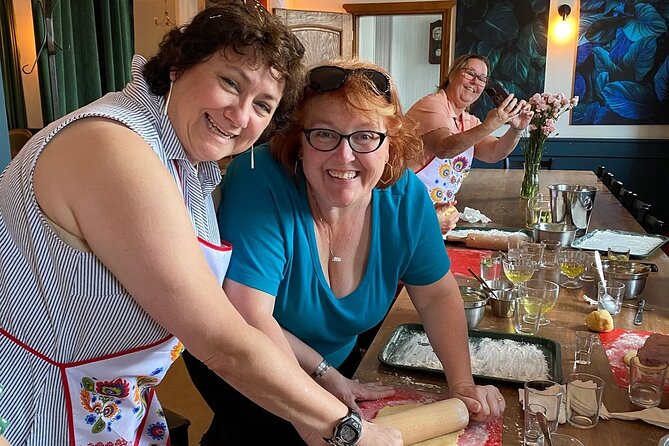
This activity is described as family friendly, and the class format is built for a small-group feel. The program lists a maximum of 50 travelers, and the “small group” promise is there to help the instructor keep an eye on what everyone is doing.
In normal sessions, people say it never feels rushed. They also say the workflow is organized enough that they can follow along without feeling lost. That’s the sweet spot you want: enough people to make it social, not so many that you’re waiting for help.
One caution from less positive feedback: if the headcount changes last-minute or the group composition is unusual (for example, more people than expected), it can create supply and workflow strain. The best way to protect your experience is simple: confirm any changes to the number of participants ahead of time, and keep any messages in writing.
If you’re bringing kids, it helps to be flexible. You might find the instructor assigns tasks in a way that matches supervision needs—so not every participant will necessarily work at the exact same pace.
Meeting point at WavelovePodchorążych 3 and how to plan your evening
The meeting point is WavelovePodchorążych 3, 30-084 Kraków, Poland. The class ends back at the same meeting point. It’s near public transportation, which makes it easy to fit into an afternoon or early evening.
The tour style here matters: you’re picked up from a centrally located meeting point, and you head to a local restaurant kitchen near the city center. That avoids the “drag across town” problem that some food tours have.
Timing-wise, plan to treat this as a main event. The class is about two hours, but you’ll want buffer time before and after for getting settled and walking back. Smart casual is the dress code, which usually means: wear something comfortable enough to handle kitchen work.
Also, check messages the day of. One negative experience reported last-minute changes and delayed communication. You can’t control that risk entirely, but you can control your schedule buffer.
Practical tips to recreate pierogi at home
If you want this class to stick, take notes during the session. Even simple details help: how the dough feels as it comes together, how thick it should be, and how the instructor handles sealing and spacing.
Here are a few practical habits you can copy:
- Make dough in stages: don’t rush the moment when ingredients first combine.
- Keep filling portions consistent so pierogi boil evenly.
- Seal carefully. If you’re unsure, ask the instructor while you still have time.
- Taste your savory filling and adjust how you season next time. Twaróg is tangy, so balance matters.
Recipe delivery is another reason people value the class. Several people mention they received recipes after. One person was disappointed that they didn’t get the recipes by email as expected, so if you care about having written instructions, check your inbox and spam folder soon after class.
And if you want variety later: the instructor’s guidance often includes ideas for different filling variations, so you’re not locked into just the two you made that night.
Should you book this pierogi cooking class in Krakow?
Book it if you want a hands-on Krakow food experience with a real meal at the end. This class is a strong choice for beginners because you start with dough from scratch, you make both savory Pierogi Ruskie with potatoes and twaróg plus sweet fruit pierogi, and you get step-by-step help from local instructors.
Skip it or think twice if your schedule is extremely tight. There have been reports of last-minute disruptions and communication delays in a couple cases, which can be painful when you only have one full day in town. Also, if your party size might change, confirm headcount clearly in advance.
FAQ
How long is the pierogi cooking class in Krakow?
It runs for about 2 hours.
What is included in the price?
You’ll get food tasting, a local guide, and alcoholic beverages. You’ll also prepare and eat the pierogi you make.
Are alcoholic drinks included?
Yes. You can choose between a local beer or a glass of wine to go with your meal.
Is the class offered in English?
Yes, the experience is offered in English.
Where do you meet for the class?
The meeting point is WavelovePodchorążych 3, 30-084 Kraków, Poland.
What’s the cancellation policy?
You can cancel up to 24 hours in advance for a full refund. Canceling less than 24 hours before the experience start time isn’t refunded, and changes within 24 hours aren’t accepted. If the experience is canceled because the minimum number of travelers isn’t met, you’ll be offered a different date/experience or a full refund.