REVIEW · KRAKOW
Krakow: Auschwitz Guided Tour with Optional Hotel Pickup
Book on GetYourGuide →Operated by Unlimited Krakow · Bookable on GetYourGuide
Auschwitz is heavy, but this tour keeps it organized. I like the clear two-part pacing between Auschwitz I and Birkenau, and I also like that your entrance tickets and a licensed guide are built in. The main drawback to plan around is the schedule: the visit length and even the start time can shift based on the museum, so you need to keep your whole day free.
From Krakow, you’ll ride in a comfortable vehicle with an English-speaking driver/host (and optional hotel pickup). Once you arrive, you’ll follow a guided route through original barracks, preserved materials, and key sites like the railway unloading ramp, plus the remains tied to gas chambers and crematoria.
In This Review
- Key things I’d pay attention to
- Krakow to Auschwitz: a day trip that runs like a schedule
- Pickup in Krakow, meeting point, and the no-drop-off reality
- Entrance tickets and the ID rule that can’t be skipped
- What you’ll actually see: Auschwitz I first
- The short lunch break and toilets you should find early
- Auschwitz II-Birkenau: railway ramp, layout, and the “why this place mattered” feeling
- Guides and drivers: what you should expect from the human part of the day
- Price and value: is $69 fair for what you get?
- Who this tour suits best (and who should skip it)
- Should you book this Auschwitz guided tour from Krakow?
- FAQ
- What are the main stops on this tour?
- Does the price include Auschwitz-Birkenau entrance tickets?
- Do I need hotel pickup to do the tour?
- How long is the guided visit at each part?
- Is there a lunch break?
- What documents should I bring?
- What luggage size is allowed?
- Is the tour suitable for children or wheelchair users?
Key things I’d pay attention to
- Skip-the-line entry with entrance tickets included for Auschwitz-Birkenau
- Two-site visit: Auschwitz I plus Auschwitz II-Birkenau with guided time at each
- The railway ramp focus at Birkenau, where prisoners arrived and were sorted
- Everyday-use personal items that help make history feel painfully real
- Time-boxed meal and group pace, including a short lunch break and museum-controlled timing
- ID matching matters, or entry can be refused at the gates
Krakow to Auschwitz: a day trip that runs like a schedule
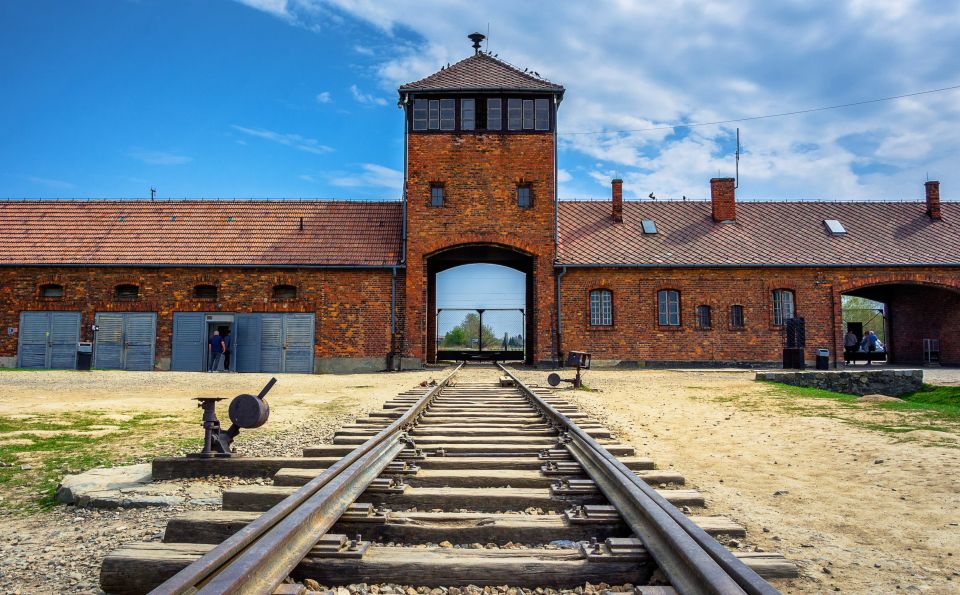
Auschwitz from Krakow is not a quick outing. This experience is listed at 210 minutes to 7 hours depending on your pickup option, but the bigger idea is the same: the trip is designed to get you through both sites with minimal stress. You’re transferring by vehicle for roughly 1.5 hours each way when the transport option is selected, then you’re in the museum world under the memorial’s pacing rules.
That structure is a real plus if you hate uncertainty. You’re not trying to figure out timing between sites or manage entry on your own, and you get an English-speaking driver/host to keep the day moving. Just don’t book this if you need lots of free wandering time. The memorial sets the rhythm, and that can make your visit feel brisk if you’re a slow reader.
You can also read our reviews of more guided tours in Krakow
Pickup in Krakow, meeting point, and the no-drop-off reality
The “optional hotel pickup” piece sounds simple, but it has one important catch: you may get picked up from your hotel area, but hotel drop-off isn’t included in every option.
Here’s how to think about it:
- If your option includes pickup, you’ll need to send your hotel address to the local supplier no later than 24 hours before the tour starts.
- If that pickup point can’t be arranged, you’ll be moved to the nearest available meeting spot.
- If you don’t send an address, the meeting point is chosen during booking.
In other words, plan to meet where they tell you, and be ready to disembark at one of the Krakow drop-off locations listed for the day. If you’re staying outside the city center, you might be better off choosing the option that matches where you can easily reach the meeting point.
Entrance tickets and the ID rule that can’t be skipped
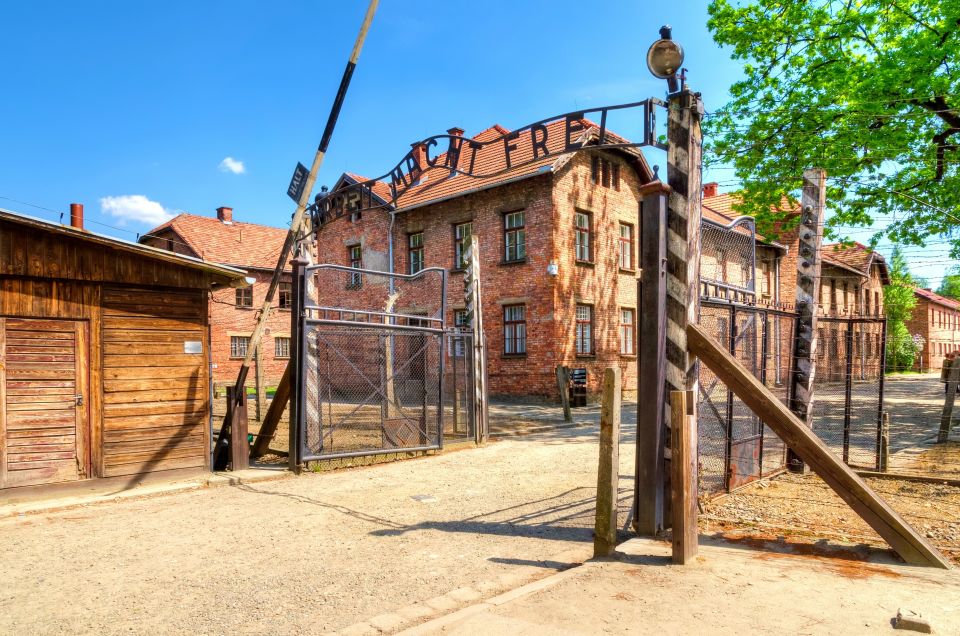
This tour is built to make entry smoother. It includes entrance tickets and the option states you can skip the ticket line. That’s a big deal at Auschwitz-Birkenau, where queues can grow quickly.
But there’s a rule you need to treat like a mission-critical checklist item: you must provide your full name and contact details during booking, and the name on your booking has to match the name on your ID. If it doesn’t match, entry can be refused. Bring the passport or ID card you used for the booking data, not a different document you happened to pack.
Also watch your luggage. Your hand luggage is limited to 30x20x10 cm. Larger items must be left on the bus during the visit. That limitation matters because it affects what you carry into the camp grounds, and it keeps you from getting stuck at a security checkpoint.
What you’ll actually see: Auschwitz I first
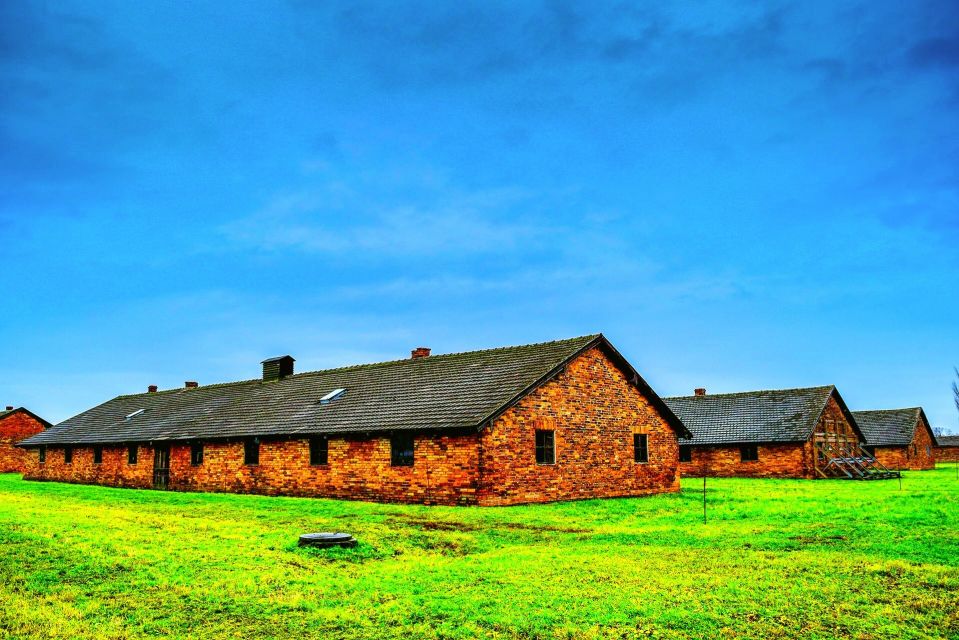
Your day is split into two major sections—Auschwitz I and Auschwitz II-Birkenau—with a short break and transfers in between.
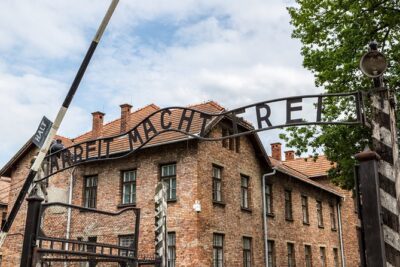
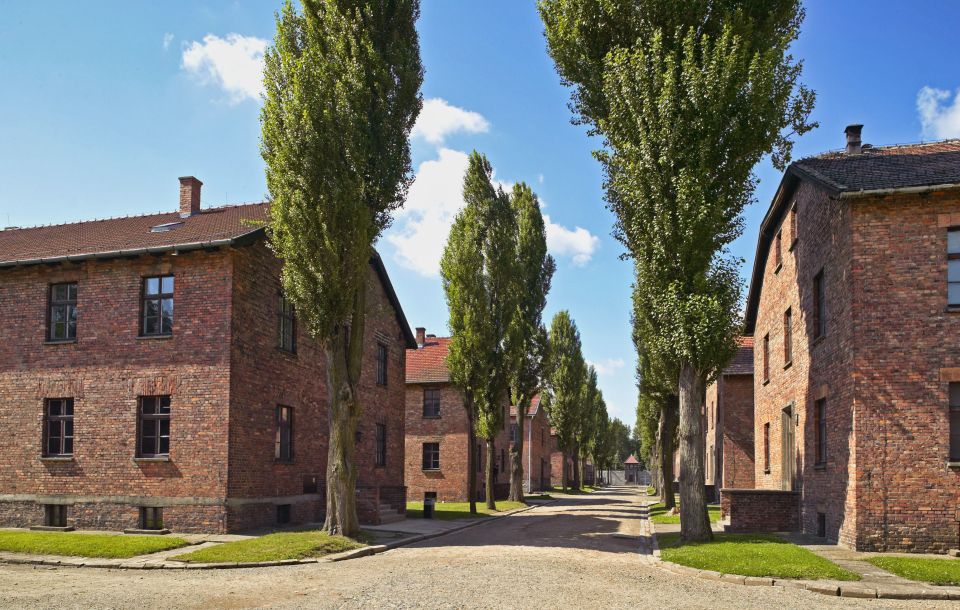
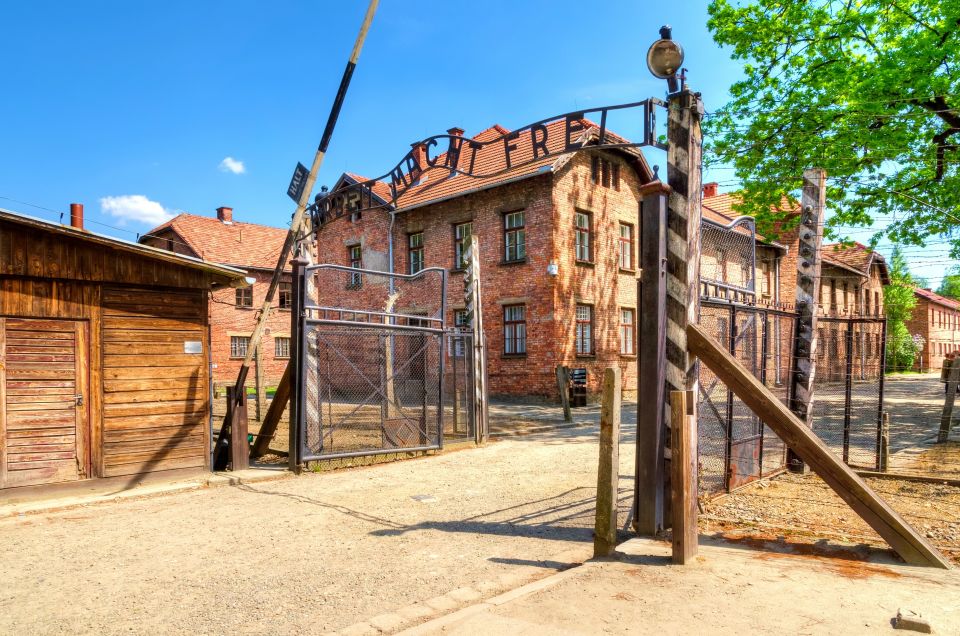
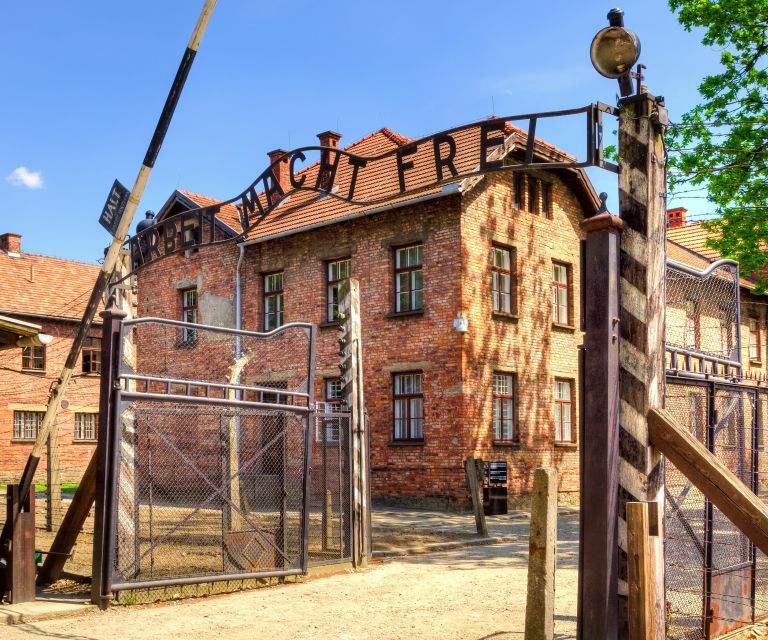
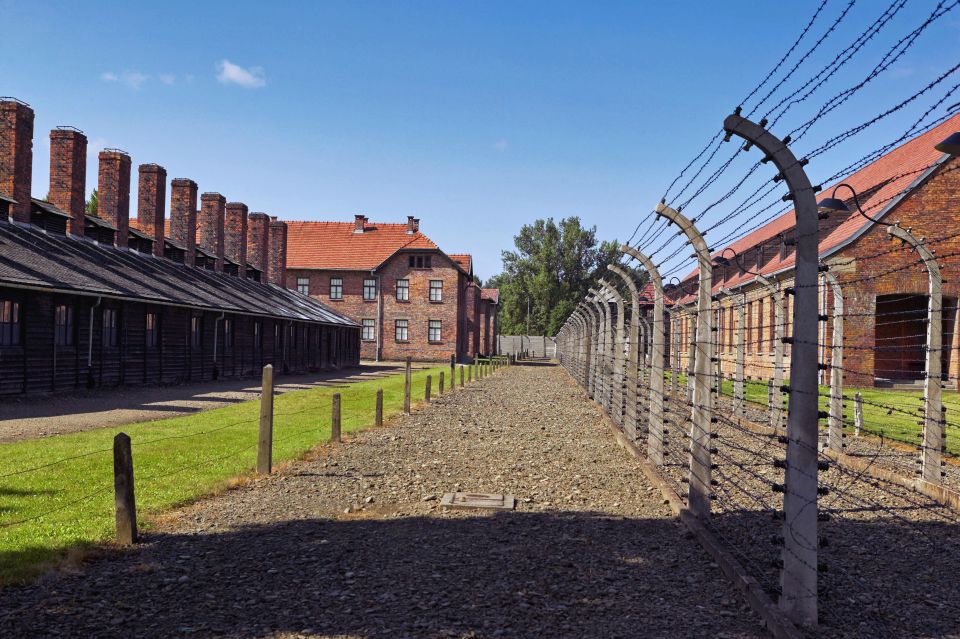
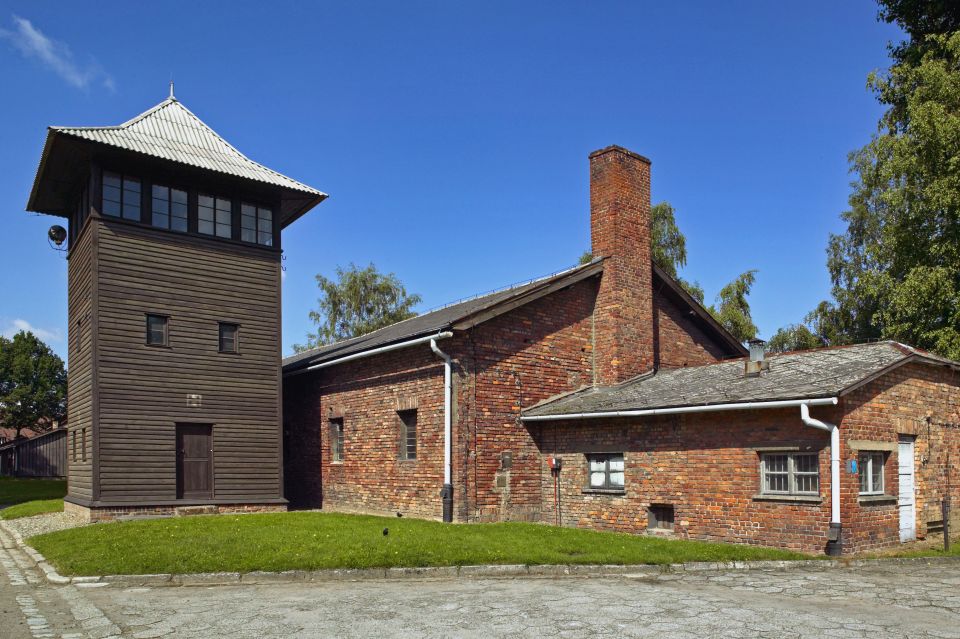
At Auschwitz I, expect a guided tour that runs roughly 1 hour 20 minutes to 1 hour 45 minutes, paced by the memorial’s visitor services. This is where you’ll start understanding the scale of the complex as a whole and how the Nazi system worked on the ground. You’ll move through the remaining prison blocks, see original areas preserved as part of the memorial, and focus on evidence that helps explain the machinery of persecution.
One of the most sobering highlights on this tour is that you’ll see personal items of everyday use that belonged to prisoners. That detail is powerful because it strips away abstraction. You’re looking at things that could have been ordinary in any life—then seeing how that normal world was targeted.
You’ll also encounter the sites connected to gas chambers and crematoria buildings, including the ruins mentioned in the tour highlights. The guide’s job here is crucial: they connect what you see to the historical timeline, without turning the place into a classroom lecture. Many visitors find that the guide’s tone and pacing are what make the information land.
Practical note: even with a guide, you may feel like you want more time to read every label and board. If you’re the type who pauses often for details, plan to accept that this visit is time-bound.
The short lunch break and toilets you should find early
After Auschwitz I, the plan includes a 10-minute break for lunch, followed by transport to Birkenau. There’s also mention of included lunch box options depending on the booking.
Two things help your comfort here:
- Use the brief break to handle anything time-sensitive, like sorting your small items, refilling water, or stepping into the free toilet facilities that are available at both parts of the visit (with the one exception noted for Birkenau parking).
- Don’t count on extra time later. The tour length and break time are driven by the memorial’s schedule, so you can’t stretch the day just because you feel like you need one more minute.
This is also a good moment to reset mentally. Auschwitz is emotional in a slow-building way, not a single punch. Taking those few minutes matters.
Auschwitz II-Birkenau: railway ramp, layout, and the “why this place mattered” feeling
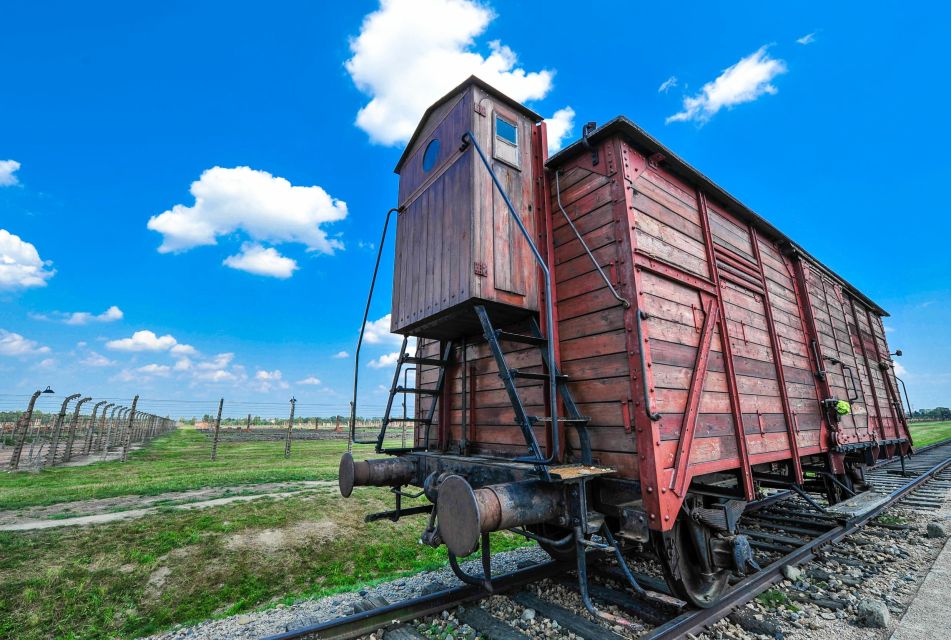
At Auschwitz II-Birkenau, you’ll get about 1 hour of guided visiting time. This section is built around understanding the camp as an operational system, not just a memorial space.
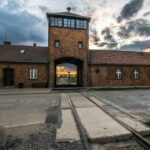
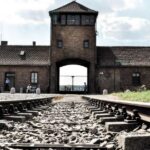
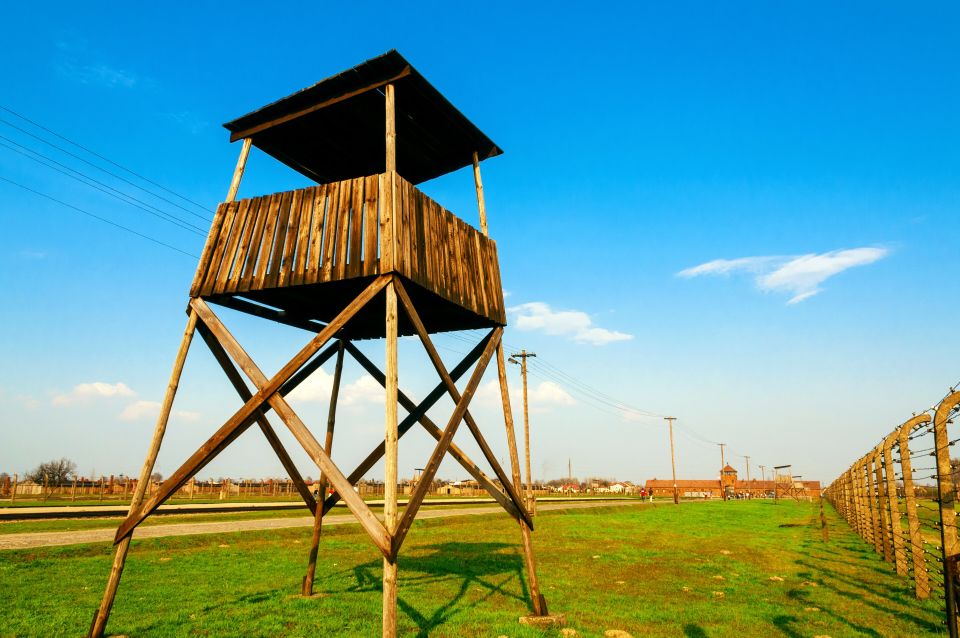
The centerpiece here is the railway unloading ramp, where prisoners arrived. Standing near the remnants of where people were brought in, you can start to connect the timing, sorting, and forced labor that shaped daily life under terror. The guide helps translate what you’re looking at—rails, paths, and remaining structures—into a clear picture of how the camp functioned.
You’ll also visit key remaining buildings connected to persecution, including areas tied to gas chambers and crematoria. The tour highlight specifically notes the ruins of the gas chamber, which is the kind of detail that makes history feel concrete. With the guide, it’s not just a dramatic stop; it becomes part of a sequence explaining why and how people were processed.
A practical reality: Birkenau is open-air in a way Auschwitz I isn’t. If weather is an issue for you, pack for it. You’ll spend time moving between sites with the group pace.
Guides and drivers: what you should expect from the human part of the day
This experience is led by a licensed guide, and the tour also includes an English-speaking driver/host. That matters because the guide shapes how the information is delivered, while the driver helps keep the logistics smooth—where you meet, when you’re back on the bus, and when stops happen.
From the patterns in past bookings, names like Agnieszka and Marget show up frequently for the guide role, with Konrad and Martin showing up for driver/organizer roles. You can’t count on a specific person, but you can count on the format: clear instructions at the start, a guide who answers questions, and a driver who keeps communication going during the day.
Also, if you’ve ever worried that a Holocaust tour would feel cold or overly scripted, pay attention to the fact that this includes “licenced guide” and language support beyond English (Italian, Polish, German, French, Spanish). That staffing detail matters because it usually correlates with a higher standard of delivery and professionalism.
Price and value: is $69 fair for what you get?
At $69 per person, the value depends on the option you choose. The core reason this price can feel fair is that you’re not just paying for a guide. You’re also paying for:
- Round-trip transport from Krakow when that option is selected (about 1.5 hours each way)
- Entrance tickets to Auschwitz-Birkenau included
- Skip-the-line entry
- A licensed guide for both camp sections
- Free toilet facilities at both parts (with the Birkenau parking note)
- A lunch box if you select that option
Compare that to the cost of entrance tickets plus getting yourself there and back plus paying for timed entry and interpretation. Even if you’re comfortable navigating public transport, having transport arranged removes the stress that can derail an intense visit.
One more value angle: your schedule is already “solved.” The memorial controls the pacing, but your tour controls the rest. That’s what you’re paying for.
Who this tour suits best (and who should skip it)
This is not a one-size-fits-all experience, and the tour data is clear about a few limits.
This is a good fit if you:
- Want a structured day that covers both Auschwitz I and Auschwitz II-Birkenau
- Prefer not to manage transport and timed entry yourself
- Like the idea of being guided through evidence, not just walking through exhibits
This is not recommended if you:
- Have children under 13
- Need wheelchair access (the tour data states it’s not suitable for wheelchair users)
If you’re sensitive to intense historical sites, you’ll want to come with realistic expectations: this is profoundly sad material. The guide’s professionalism helps, but it doesn’t change the subject.
Should you book this Auschwitz guided tour from Krakow?
If you want the practical answer: I think you should book it if you can keep your whole day flexible and you’re ready for an emotional, tightly paced experience. The combination of licensed guiding, included tickets, and the two-site route from Krakow is a straightforward way to make sure you don’t miss the key parts.
I’d only hesitate if you’re the type who needs long, quiet breaks to read everything slowly, or if you can’t handle schedule shifts caused by the memorial. For everyone else, the value is in the structure. You’ll leave with a clearer understanding of what Auschwitz-Birkenau was and how it worked, rather than just a collection of photos and signs.
FAQ
What are the main stops on this tour?
The tour covers Auschwitz-Birkenau in two parts: Auschwitz I and Auschwitz II-Birkenau, including the railway unloading ramp and the remaining areas connected to gas chambers and crematoria. It includes a guided visit at each site.
Does the price include Auschwitz-Birkenau entrance tickets?
Yes. Entrance tickets to Auschwitz-Birkenau are included, and the tour also states you can skip the ticket line.
Do I need hotel pickup to do the tour?
No. Hotel pickup is optional. If you select no pickup, you drive yourself and meet the group at the specified meeting point. The overall visit time is shorter for options without transport.
How long is the guided visit at each part?
The guided tour at Auschwitz takes about 1 hour 20 minutes to 1 hour 45 minutes. The guided visit at Birkenau is about 1 hour.
Is there a lunch break?
Yes. There is a 10-minute break for lunch, and a lunch box is included if you choose the lunch option.
What documents should I bring?
Bring your passport or ID card. Entry depends on the name matching what you provided during booking.
What luggage size is allowed?
Hand luggage is limited to 30x20x10 cm. Larger luggage must be left on the bus. Free toilet facilities are available at both parts except the toilet at the Birkenau parking.
Is the tour suitable for children or wheelchair users?
The tour is not recommended for children under 13, and it is stated as not suitable for wheelchair users.