REVIEW · KRAKOW
Krakow to Auschwitz Birkenau Guided Tour with Transfer and Ticket
Book on Viator →Operated by Hello Cracow · Bookable on Viator
A somber day needs good structure. This Auschwitz-Birkenau tour from Krakow pairs licensed, respectful guiding with headsets so you can follow the details clearly. Two things I like right away: the smooth round-trip transport across town and out to Oswiecim, and the way the guide ties the history together at each stop. One fair drawback to consider is that the schedule inside the museum is time-slotted, so you may feel a bit paced and not as free to linger.
You’re looking at one of the most important places in modern European history. The value here isn’t just the ticket. It’s the whole setup: pickup help across Krakow, a small group format (up to 30), and a guided visit that keeps the day orderly even when the subject matter makes everything heavier.
In This Review
- Key points worth knowing before you go
- Getting from Krakow to Auschwitz without turning it into a logistical nightmare
- Pickup in Krakow: where it goes right (and where you should double-check)
- Stop at Rynek Główny: start where the city watches you leave
- Auschwitz I: headsets, the gate, and the story you can’t unlearn
- Birkenau (Auschwitz II) at Brzezinka: open space, cold air, and the hard-to-grasp scale
- The return to Krakow: a quiet reset and a buffer so you don’t feel rushed
- Price vs. what you actually get: why $36 can make sense here
- What to pack so the day doesn’t hurt more than it has to
- Group size and headset setup: the comfort trade-offs
- Who should book this and who might prefer a different format
- Should you book this Auschwitz-Birkenau tour from Krakow?
- FAQ
- How long is the Auschwitz-Birkenau tour from Krakow?
- Are tickets included for Auschwitz I and Auschwitz II?
- Does this tour provide hotel pickup in Krakow?
- How does the meeting/pickup work in the city?
- Do I need to bring ID?
- Is food included during the tour?
- Will the tour run in bad weather?
- Is photography allowed?
- Is there a cancellation option for a refund?
- How many people are in the group?
Key points worth knowing before you go
- Headsets are used at Auschwitz I, which really helps when you’re trying to take it all in quietly
- English-speaking licensed guides keep the story clear and respectful, with a steady narrative
- Small group size (up to 30) helps the visit feel manageable rather than like a cattle line
- Nearly all the day is out walking (up to 70% outdoors), so weather and shoes matter
- Transfers are door-to-meeting-point practical, including pickup limits around Krakow’s road rules
- Birkenau is outdoors and exposed, so bundle up and expect wind and cold
Getting from Krakow to Auschwitz without turning it into a logistical nightmare
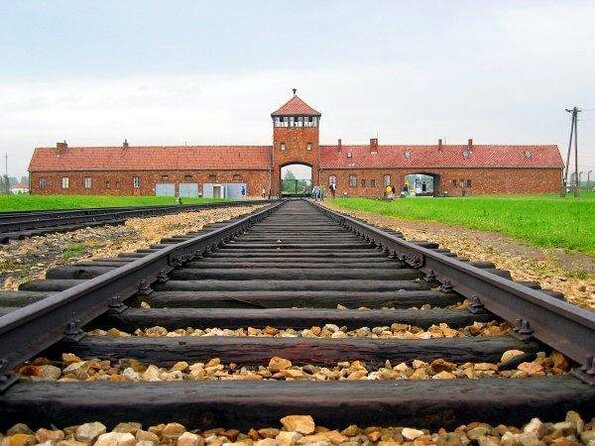
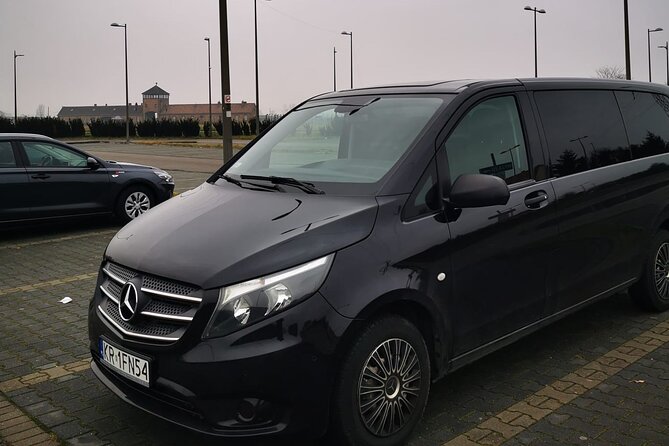
This is the kind of trip where the “how” matters as much as the “what.” Auschwitz-Birkenau is far enough from Krakow that you don’t want to spend your energy figuring out trains, buses, and timed entry. This tour handles the hard part for you with a round-trip vehicle transfer (air-conditioned van or mini-bus) plus a guided museum visit.
The drive time is about 1 hour 15 minutes each way (roughly 65 km). That’s long enough to be tiring if you’re not prepared, but it’s also the moment you can mentally shift into the right headspace for the day. You’ll also get a clear plan for departure time, since the museum’s schedule affects when you go. The timing is confirmed the day before, and the tour is designed to keep everything on track once you’re near the memorial.
Two practical perks stand out. First, pickup can be arranged from hotels or apartments (depending on the option you chose). Second, staff provide professional assistance if anything goes off-script. In the real world—late trams, wrong side of a street, or a pickup point that’s busy—having support keeps stress lower so you can focus.
You can also read our reviews of more tours and experiences in Krakow


Pickup in Krakow: where it goes right (and where you should double-check)
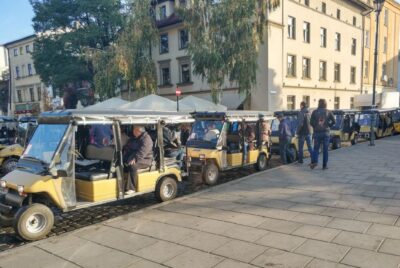
Krakow’s old-city streets can be tricky for vehicles. That’s why pickup may happen at the nearest accessible point rather than exactly in front of your door. Some areas have road restrictions, and at least one meeting point near the Philharmonic is temporarily closed, so you’ll be assigned an alternative safe pickup spot if needed.
Here’s what to do so you don’t end up sprinting with heavy bags and heavier feelings:
- Confirm the pickup address or meeting point you’re assigned, and plan to arrive early.
- If you’re outside the city center, expect to walk a little to the designated location.
- If your hotel is near the Main Square, your pickup point will be the closest possible.
This tour also notes an important detail: major roadworks mean some pickup areas are unavailable. If you’re staying farther out, don’t assume your hotel curb will work.
I also appreciated the clear tone of the arrangements. You get a welcome message with instructions, plus guidance on where to wait. That may sound minor, but on a day like this it matters.
Stop at Rynek Główny: start where the city watches you leave
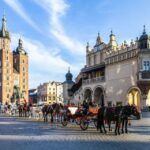
Your day technically begins in Krakow—either with pickup or a chosen meeting point. A common start point is Rynek Główny (Main Square), the public living room of old Krakow. It’s a good place to gather because it’s easy to find, and it helps you get your bearings before the long drive south.
After you’re loaded onto the bus, you’ll head to Oswiecim for the memorial. There’s also a short break after arrival to grab coffee or take a breath and handle anything you need before security and entry.
This small buffer is more important than it sounds. You’ll want a moment to settle your body before you start standing in line with your thoughts. Also, Auschwitz involves an airport-style security check, and that process goes smoother when you aren’t rushed.
Auschwitz I: headsets, the gate, and the story you can’t unlearn
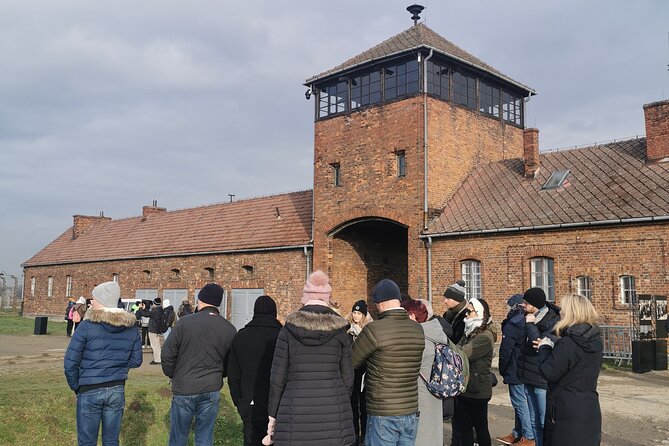
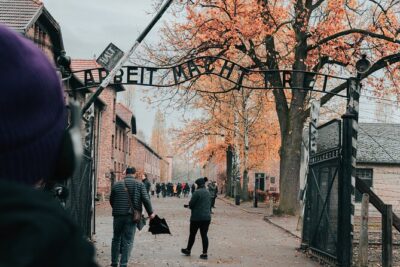
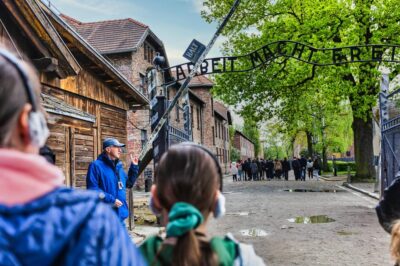
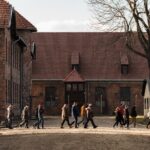
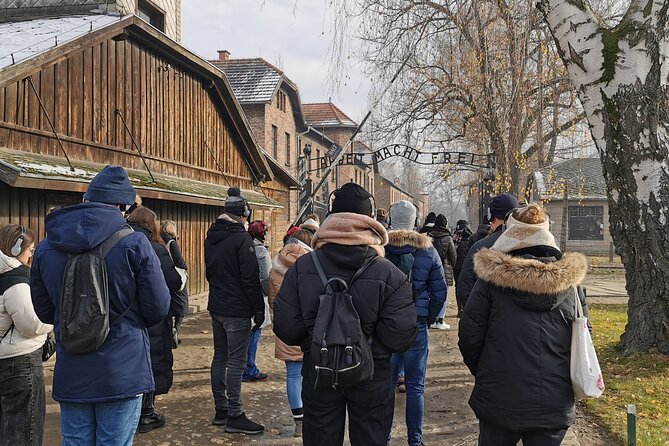
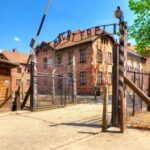
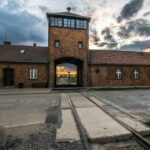
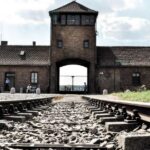
Auschwitz I is the original camp area, built as a concentration camp and used as a detention center after Germany annexed Poland in 1939. The visit starts as you walk through the gate and into the site’s documented reality. The iconic sign—Arbeit Macht Frei (Work Makes You Free)—isn’t just a photo moment. It’s a sharp contrast to what the camp actually represented.
This part of the visit is about 2 hours, and it’s where the tour structure really helps. You’ll be listening through headsets, which makes a difference when you’re learning facts in an environment meant for silence and reflection. With a group size capped at up to 30, you’re not constantly weaving through strangers or losing your place.
Inside Auschwitz I, you’ll see the preserved elements that force the scale of suffering into your mind: wooden buildings, fortified walls, barbed wire, and key areas connected to the camp’s machinery of terror. The guide talks through the medical experiments and the brutal realities of incarceration and murder. You’ll also hear about the gas chambers and crematoria, which is information you can’t really take in casually.
What I like about a guided approach here is that you get context before you start making your own conclusions from exhibits. The guide’s job is to explain how everything fits together, including what you’re seeing and why it matters. This is where respectful pacing is everything.
One consideration: the museum visit is time-slotted, so your individual pace for reading and absorbing may feel limited. A few people noted that the guide’s pace felt a bit quick for fully digesting every display. If you need long silent time to process visuals, keep that in mind and plan to revisit the most meaningful sections at your own pace during any allowed breaks.
Birkenau (Auschwitz II) at Brzezinka: open space, cold air, and the hard-to-grasp scale
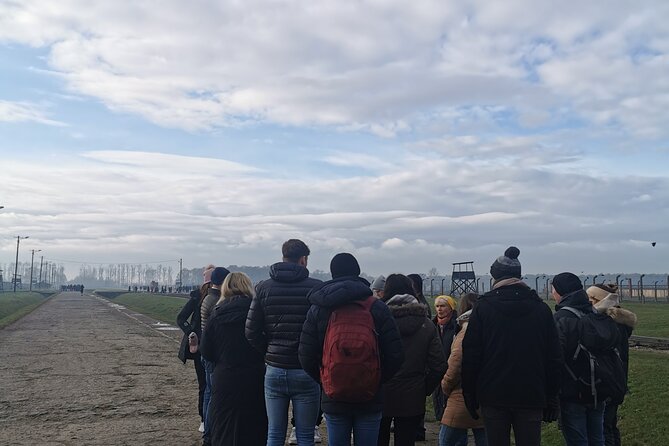
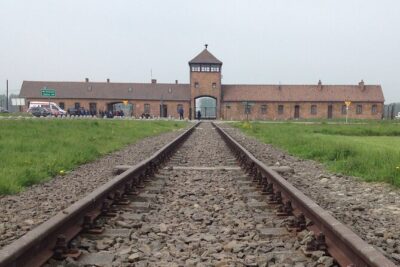
Then you move to Birkenau, also called Auschwitz II, in the village of Brzezinka. The transfer between parts is short—just a few minutes by vehicle—so you don’t lose momentum.
Birkenau is described as the larger camp built for the specific purpose of making Europe Judenrein, and the visit here focuses on what that policy looked like on the ground. You’ll hear about terrible living conditions, selections, and pseudo-scientific medical experiments linked to prominent Nazi doctors, including Josef Mengele.
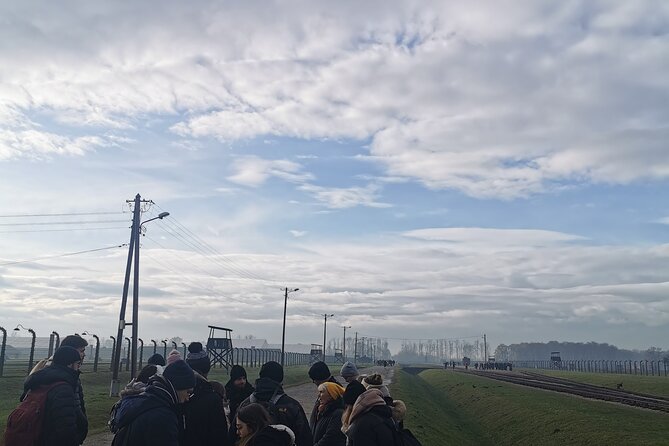
Birkenau can hold around 90,000 prisoners—a number your mind struggles to visualize. That’s why guided explanations matter. You need help turning geography into meaning: who was where, how the camp worked, and what the system was designed to do.
Practical note from the day-to-day reality of the site: this section is outdoors and much more exposed. Headsets may not be available in the same way as at Auschwitz I, and that’s something to watch for if clear audio is crucial for you. If you’ve got hearing needs, consider planning for less audio support during the open-air portions.
The visit here is about 1 hour, followed by the emotional closure of history. You’ll end with the liberation date—January 27, 1945—and that final context can hit hard, because it underlines that this is not just history on paper. It’s a reminder that genocide can be repeated, and the world has to work to prevent it.
You can also read our reviews of more guided tours in Krakow
The return to Krakow: a quiet reset and a buffer so you don’t feel rushed
After Birkenau, you’re on the road back to Krakow. The good news is you’re not snapped back into sightseeing immediately. There’s at least a 20-minute break you can use to rest, browse, or pick up a snack.
Then you travel back about 1 hour 15 minutes and get dropped off at your predetermined address or meeting point. This buffer is not just comfort. It’s emotional pacing. You need a moment to shift from “memorial mode” back to “streets and people” without feeling like you’re being whisked away.
Price vs. what you actually get: why $36 can make sense here
At around $36 per person, this tour is priced in a way that often feels surprisingly manageable for what’s included. Here’s the breakdown of value that matters most:
- Entry fees for Auschwitz I and Auschwitz II are included.
- You get a licensed local guide plus headsets for the Auschwitz I portion.
- You get round-trip transportation with an air-conditioned vehicle.
- Insurance and taxes are included.
- You’re supported from pickup through the return ride.
The biggest reason the price can work is that the logistics are handled. If you tried to DIY this, you’d still pay for admission, and you’d spend time and mental energy coordinating timed entry with transport. For many people, that’s the true cost of travel: not money, but energy.
Where cost can become a factor is food. Meals aren’t included, and there’s no time for a full sit-down lunch between museum sections. The day is long and cold-weather unfriendly. If you’re the kind of person who gets shaky without regular snacks, budget for a snack bag (or any packed-lunch option available to you) and don’t rely on finding food at the right time.
What to pack so the day doesn’t hurt more than it has to
This is a “bring real gear” tour. Up to 70% is outdoors, and the sites involve walking on uneven ground. That affects comfort more than you’d expect.
My packing checklist for a day like this:
- Comfy shoes with grip. You’ll be walking on uneven ground, and you may get muddy.
- Warm layers. Reviews specifically call out winter conditions as extreme, with people suggesting bundling for cold weather.
- A drink for warm days and a water plan for any weather.
- A snack since lunch isn’t included and you won’t have time for a full meal.
- Smart-casual dress and respectful behavior, since this is a memorial with strict expectations.
If you’re choosing an early departure option, like a 6:00 AM start (mentioned in feedback), treat it like a long hiking day: breakfast before you go, layers for the morning chill, and then snacks for the middle hours when you still might feel cold and lightheaded.
Group size and headset setup: the comfort trade-offs
This tour caps the group at up to 30, and that’s a key piece of the comfort equation. You’ll be able to hear your guide through headsets, and the group flow inside Auschwitz I is designed to keep things accessible without turning into chaos.
But remember the trade-off: guided tours require movement. If you go in expecting total freedom to linger at every board or display, you may be disappointed. That’s not a failure of the tour—it’s how timed museum operations work.
Also, headset coverage can be more limited on the Birkenau side since it’s outside. If you depend heavily on audio guidance for understanding, plan for that and use your mindset accordingly: at Birkenau, you may rely more on your guide’s spoken narrative and your own reading than on headset audio alone.
Who should book this and who might prefer a different format
This tour is ideal if you:
- Want a guided, English-speaking explanation so the site’s details don’t feel random.
- Like the structure of a planned day with transfer help from Krakow.
- Prefer a small group experience rather than managing transport and entry dates alone.
- Value clarity, headsets (at Auschwitz I), and a guide who keeps the narrative respectful.
You might reconsider if you:
- Want maximum unstructured time to quietly read and linger everywhere at your own speed.
- Are sensitive to cold and long outdoor walking and don’t plan to pack properly.
- Need guaranteed headset audio for all parts of the visit. The Auschwitz I portion is headset-supported; Birkenau is outdoors and audio support can be different.
That said, if you can follow the basics—good shoes, warm layers, snacks, and patience—this is the kind of day that leaves you changed in a meaningful, grounded way.
Should you book this Auschwitz-Birkenau tour from Krakow?
If you’re asking whether this is “worth it,” my answer is yes—with one condition: go in prepared for an emotionally heavy, physically tiring day.
Book it if you want the day handled for you: pickup, transport, admission, licensed guide, and headset-supported Auschwitz I. The format also fits well with a realistic travel mindset. You’re in Krakow for a trip, not for a logistics project.
Before you click confirm, do these two things:
- Bring the required ID documents and use the exact names you provide during booking. No ID means no entry.
- Pack for the outdoors and plan your food strategy, because you won’t have time for a full meal.
The bottom line: this isn’t just a sightseeing stop. It’s a guided visit built around remembrance, and the careful organization lets you spend your attention where it matters.
FAQ
How long is the Auschwitz-Birkenau tour from Krakow?
It lasts about 7 hours (approx.), with time for transport, the guided museum sections, breaks, and the return drive.
Are tickets included for Auschwitz I and Auschwitz II?
Yes. Entry fees for Auschwitz I and Auschwitz II Birkenau are included in the tour price.
Does this tour provide hotel pickup in Krakow?
Pickup is available in the option limited to 15 people. Other options use a meeting point, with instructions provided before the tour.
How does the meeting/pickup work in the city?
Departure time depends on museum availability and is confirmed the day before. Some pickups are arranged from the nearest accessible point because of restricted traffic zones, and certain roadwork areas may be unavailable.
Do I need to bring ID?
Yes. Full names must match your ID or passport, and a passport or ID is mandatory for each participant. No ID means no entry.
Is food included during the tour?
No. Lunch and food and drinks are not included. You should bring snacks, since there isn’t time for a full meal between visits.
Will the tour run in bad weather?
Yes. The tour runs in all weather, and a large portion is outdoors, so dressing for the conditions matters.
Is photography allowed?
Photography is allowed except in marked areas. Flash is not permitted inside buildings.
Is there a cancellation option for a refund?
Free cancellation is available up to 24 hours in advance for a full refund. If you cancel later than that, the amount paid is not refunded.
How many people are in the group?
The tour is capped at a maximum of 30 travelers.