REVIEW · KRAKOW
Krakow: Auschwitz-Birkenau Self-Guided Tour with Tour Leader
Book on GetYourGuide →Operated by Time4Krakow Tours in Kraków · Bookable on GetYourGuide
Nothing in Kraków prepares you for this. This day trip to Auschwitz-Birkenau is self-guided, so you can move at your own pace, and you get an organized transfer plus entry tickets. I also like the practical touch of a guidebook and maps in your chosen language. The trade-off: time at the sites can feel tight, especially if your pickup or departure runs later.
You’ll leave Kraków by bus and head to Oświęcim, where the Auschwitz complex now sits as a memorial and museum. There’s a host/greeter in English and an express security check included, but the visit itself is designed for personal reflection, not a nonstop commentary tour.
This is a serious place. You’ll want comfortable shoes, no flash photography, and the mindset that you’re going to slow down and pay attention to what’s in front of you.
In This Review
- Key points to know before you go
- A Sobering Half-Day From Kraków to Oświęcim
- How the schedule actually works: transport, Auschwitz I, then Birkenau
- Self-guided at Auschwitz: how the book + map changes your visit
- Auschwitz I: what you’ll see and where to slow down
- Auschwitz II-Birkenau: the preserved remnants you’ll face directly
- Pickup, drop-off, and making the bus run work for you
- Security, lines, and what to expect on a busy day
- Rules and practical items that keep your visit smoother
- Price and value: what about $18 makes sense here
- Who this suits best (and who may need a different format)
- The human factor: drivers and hosts that shape the day
- Should you book this Auschwitz-Birkenau day trip from Kraków?
- FAQ
- Is this tour fully self-guided?
- What’s included in the $18 price?
- How long does the Auschwitz-Birkenau tour take?
- Where do I get picked up and dropped off in Kraków?
- What language is the experience in?
- What do I need to bring?
- Are there any rules about photos or behavior?
Key points to know before you go
- Self-paced Auschwitz I and Auschwitz II-Birkenau using a book + map in your language
- Transport from Kraków included, with pickup options at Pawia 18 and Pawia 18B
- Express security check helps, but peak days can still mean waiting
- Host/greeter in English and WhatsApp communication if schedules shift
- Rules matter on site: no flash, and no alcohol or drugs
- Time planning is crucial if you really want to linger at both camps
A Sobering Half-Day From Kraków to Oświęcim
This tour is built around one goal: getting you from Kraków to Auschwitz-Birkenau with the logistics handled, then letting you focus on the memorial. It’s not a party day trip. It’s a controlled, structured visit to a place where silence does a lot of talking.
I like that the day doesn’t pretend this is easy. You’re told up front it runs in all weather, and you’ll walk the grounds. Plan to spend the mental energy you’d normally save for sightseeing. Here, that effort is part of showing respect.
And yes, the experience can hit hard. That’s the point. The museum exhibitions and preserved areas are set up to confront you with history you can’t skip.
You can also read our reviews of more guided tours in Krakow
How the schedule actually works: transport, Auschwitz I, then Birkenau
The total duration is listed at 7 hours. You start with a bus/coach ride of about 1.5 hours from Kraków to the Auschwitz-Birkenau area. After that, your time is split between Auschwitz I and Auschwitz II-Birkenau, with a short transfer between them.
Here’s the practical shape of the day:
- Auschwitz I: you’re given a self-guided visit time of about 2 hours (the tour overview describes a two-hour exploration).
- Between camps: the itinerary includes a 5-minute coach transfer.
- Auschwitz II-Birkenau: the itinerary lists about 50 minutes for your self-guided time, while the overall description frames the Birkenau portion more expansively as a longer reflective visit.
That mismatch matters. If you care about taking your time at Birkenau, don’t assume you’ll automatically get a long stroll. One review noted that late departure and approaching dusk shortened the Birkenau experience. My advice: aim to arrive ready to adjust. If you’re the type who needs to see every marker slowly, build in extra patience.
Self-guided at Auschwitz: how the book + map changes your visit
This tour is self-guided, meaning there’s no live tour guide walking you through every room. Instead, you get a guidebook (book) and map in the language you choose, plus the structure of a set route and timed visit blocks.
For me, that’s the biggest value. You’re not pressured to keep up. You can pause when something forces you to pause. You can step back when you need a minute. You’re also free to revisit sections you find especially difficult or important.
The trade-off is simple: you own your learning. A self-guided visit works best when you’re willing to read signs and use the provided book to make sense of what you’re seeing. If you want a constant human narrator, this setup might feel too quiet.
Auschwitz I: what you’ll see and where to slow down
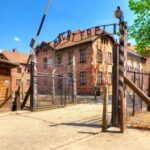
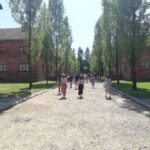
Auschwitz I is described as the first part of the tour, with a self-guided visit of about 2 hours. This is where you’ll see the camp’s preserved barracks and a permanent exhibition that depicts the brutal reality of the camp.
What makes Auschwitz I different is that it tends to feel more like a documentary you walk through. The buildings and exhibitions are set up to show you how the camp system worked and what prisoners faced. If you’re trying to understand the broader machinery of persecution, this is where your attention needs to be sharp.
My practical tip: don’t try to absorb everything in one sweep. Choose two or three areas to really focus on, then let the rest support those anchors. That approach reduces the feeling of rushing while still letting you cover the essentials.
Auschwitz II-Birkenau: the preserved remnants you’ll face directly
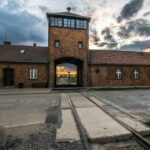
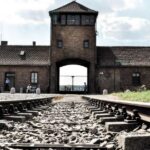
Auschwitz II-Birkenau is the larger and more famous part of the Auschwitz complex, and the tour gives you a self-guided visit there after a short transfer. You’ll be shown preserved remnants including crematories, the unloading ramp, barracks, and a monument dedicated to the camp’s final victims.
This is where your body understands the scale faster than your mind does. The open spaces, the distances, and the layout make it hard to pretend this was a place you could ever forget. The museum materials and the preserved structures work together to keep the focus on what happened to human beings, not on spectacle.
Here’s the consideration: if your Birkenau time is closer to the itinerary’s 50 minutes, you’ll want to prioritize. Pick what you most want to see first—crematories and the ramp tend to be the emotional and historical anchors for many people—and then let the rest be what you can manage. If you have a later departure and light is fading, you might need to accept shorter viewing than you hoped.
You can also read our reviews of more tours and experiences in Krakow

Pickup, drop-off, and making the bus run work for you
Logistics matter because this is a long day. You have three pickup options in Kraków: Pawia 18, Kraków Old Town, and Pawia 18B. The tour notes that at 18B Pawia Street there is a Kiss and Ride spot where the bus will wait.
At the end, you have two drop-off locations listed: Kraków Old Town and Floriana Straszewskiego 17.
Why this matters: if you want an easier morning, pick the closest pickup point to where you’re already staying. Don’t add a tram or walk you don’t need. You’ll be tired enough later that you’ll appreciate cutting friction early.
Also, watch communication carefully. The provider uses WhatsApp to message guests, and it’s specifically noted that you should check those messages. Some days can shift, and it’s best to have the updated time and instructions in your phone.
Security, lines, and what to expect on a busy day
The tour includes skip-the-line through an express security check. That’s a real advantage when lines are long. Still, one review described an extremely long queue on a festive day, which is a reminder that peak periods can overwhelm even the best setup.
So, don’t treat express security as a guarantee of no waiting. Treat it as a help. If you’re traveling at a high-demand time, add buffer mentally and physically.
Also keep your essentials ready for checks: bring your passport or ID card. This is listed as required, and it’s the kind of detail that can turn into a stressful delay if you forget.
Rules and practical items that keep your visit smoother
This isn’t the place to pack like you’re heading to a museum weekend. It’s a memorial site with clear rules.
Plan on:
- No flash photography
- No alcohol and drugs
- All-weather operation (rain, snow, sun)
- Comfortable shoes because you’ll be walking
The experience also notes that the order of camp visits may change depending on the time of year. That’s another reason not to assume your timeline will always be identical.
If you’re sensitive to cold or wet weather, dress like the day won’t care about your comfort. Layering helps. Bring a jacket you can stand in for a long time, because waiting and walking can both eat time.
Price and value: what about $18 makes sense here
The price is listed at $18 per person for a 7-hour trip. At face value, it can sound almost too low for a day that includes bus transport and Auschwitz-Birkenau entry.
Here’s what you’re actually getting:
- Entry tickets to the Auschwitz-Birkenau museum
- Transportation from Kraków
- A guidebook and map in your chosen language
What you’re not getting:
- Food and drinks
- Hotel pickup/drop-off
- A live tour guide (it’s self-guided)
To judge value fairly, think about the two big costs you’d pay anyway: transport and museum admission. When those are bundled and the day runs like clockwork, the price becomes a lot more reasonable. Even with the time-pressure trade-off, you’re still getting an organized transfer and a pre-arranged museum entry without having to piece everything together yourself.
My suggestion: treat $18 as a budget-friendly way to get into the museum with logistics solved. Then spend the extra money you save on snacks and water, because you’ll want them after a long transit and a long walk. Food isn’t included, and your body will appreciate it.
Who this suits best (and who may need a different format)
This experience is described as wheelchair accessible. It’s also stated that it isn’t suitable for children under 12. So if you’re traveling with younger kids, you’ll want a different option.
This tour can work especially well if:
- You prefer to reflect at your own pace
- You don’t need a live narrator for every step
- You’re comfortable reading signs and using the provided book to connect the dots
- You want a structured day trip with transportation sorted out from Kraków
I’d be more cautious if:
- You want to spend extra time at both camps without any chance of a short Birkenau block
- You need a constant live explanation to stay focused on the historical context
- You’re traveling during a period when schedule timing might feel tighter
The human factor: drivers and hosts that shape the day
Even though the visit is self-guided, you still interact with the people running the day. Reviews highlight that drivers can add helpful context during the bus ride and make the day easier to navigate.
Names you may recognize from guest feedback include Kris, Kuba, Marcel, and Jacob. The consistent theme is kindness plus clear guidance on what to do next—especially when people need help finding the best way to move through the two sites.
This matters because self-guided works only if you feel oriented. Having someone explain the route and the timing basics can save you stress once you’re on the ground.
Also, the provider communicates through WhatsApp, and at least one guest noted that schedule changes were explained through that channel. That’s a useful safety net when timing shifts.
Should you book this Auschwitz-Birkenau day trip from Kraków?
Yes, I’d book it if you want a straightforward way to get to Auschwitz-Birkenau with transport and admission included, and you’re okay with a self-guided format. The value is strong for the long day, and the self-paced structure can be a gift when you’re dealing with heavy material.
But I’d think twice if your top priority is maximum time at both Auschwitz I and Auschwitz II without any risk of the visit feeling rushed. The plan suggests a shorter Birkenau window in the itinerary, and late departures can shorten daylight.
My rule of thumb: if you’re coming for respectful, personal reflection and you’re willing to prioritize what you see first, this is a solid choice. If you want a longer guided walkthrough that leaves no gaps, you may prefer a format that gives more time and more live explanation.
FAQ
Is this tour fully self-guided?
Yes. The visit is self-guided with a book and map in your chosen language, and the day includes transportation and entry tickets. A live tour guide is not included, though there is a host or greeter in English.
What’s included in the $18 price?
Entry tickets to the Auschwitz-Birkenau museum, transportation from Kraków, and a guidebook (book) and map in your preferred language are included.
How long does the Auschwitz-Birkenau tour take?
The duration is listed as 7 hours. The bus/coach ride is about 1.5 hours, and the visit time is split between Auschwitz I and Auschwitz II-Birkenau.
Where do I get picked up and dropped off in Kraków?
Pickup options are Pawia 18, Kraków Old Town, and Pawia 18B. Drop-off options are Kraków Old Town and Floriana Straszewskiego 17.
What language is the experience in?
The tour is offered in English.
What do I need to bring?
Bring your passport or ID card and wear comfortable shoes. Dress for the weather since the tour runs in all conditions.
Are there any rules about photos or behavior?
Yes. Flash photography is not allowed, and alcohol and drugs are not allowed.