REVIEW · KRAKOW
Krakow: Schindler’s Factory Skip-the-Line Ticket
Book on GetYourGuide →Operated by Krakowbooking · Bookable on GetYourGuide
One factory building, but it tells a whole era. This skip-the-line ticket gets you into Oskar Schindler’s enamel works and hands you the history of WWII in Krakow through real, human details. I especially like that you’re walking through the original DEF factory space, founded in 1937, not a re-created set.
My second favorite part is the way the museum connects big events to small choices. You’ll follow personal stories from Krakow residents living under Nazi occupation for nearly six years, and you’ll also learn how Schindler became a lifeline—visiting his office tied to the symbolic Survivor’s Ark concept.
The main drawback to think about is that the experience can feel heavy fast. And if you choose the ticket-only option, you may find there’s a lot to read and process without someone guiding the storyline.
In This Review
- Quick hits: what makes this Schindler’s Factory ticket worth it
- Why the skip-the-line part matters in Krakow
- Oskar Schindler’s factory: the 1937 building behind the story
- How the museum connects WWII to everyday life in Krakow
- Guided tour vs ticket-only: choose the level of storytelling you want
- What you’ll do during your 90 minutes to 2 hours
- Timing, meeting point, and getting in without stress
- Tickets and messages
- Meeting point
- What to bring
- Comfort tips: how to enjoy a heavy museum without losing your footing
- Price and value: is $25 a smart use of time?
- Nearby add-ons after you leave the factory
- Should you book this skip-the-line Schindler’s Factory ticket?
Quick hits: what makes this Schindler’s Factory ticket worth it
- Skip-the-line entry so you spend time learning, not queuing for tickets
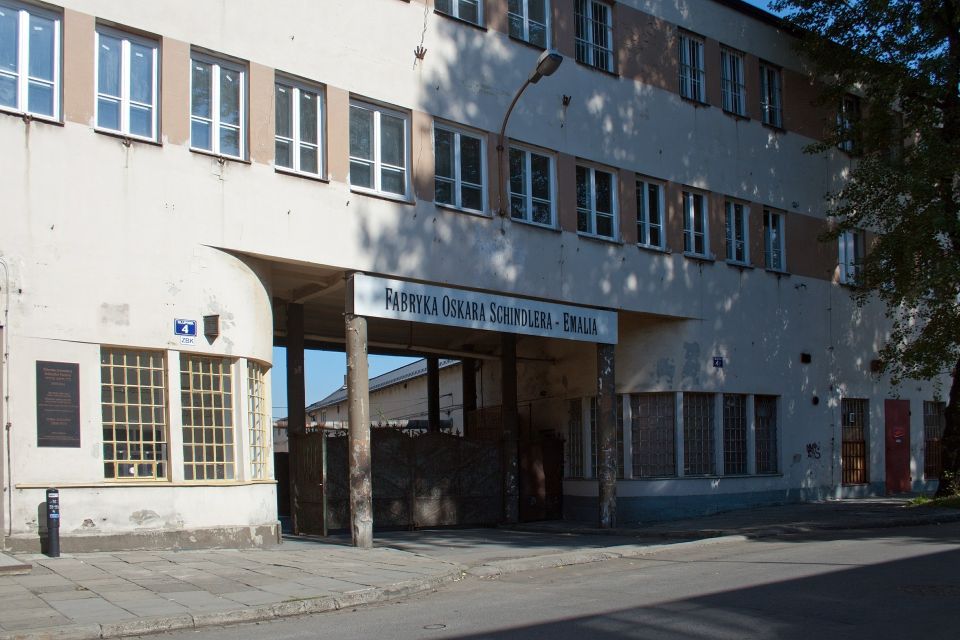
- Original 1937 factory setting (DEF), tied to Schindler’s work during the occupation
- Human-scale WWII stories that focus on daily life under Nazi rule
- Option for a live guide (recommended if you want the context explained)
- About 90 minutes to 2 hours—enough time to absorb without feeling rushed
- Bring your ID or passport or you won’t get in
Why the skip-the-line part matters in Krakow
Krakow is a city where popular museums can eat up your day if you arrive without pre-booking. This ticket is designed for the practical problem: you get skip-the-line entry, so you don’t need to wait a long time just to purchase admission.
What that means for you on the ground: you can plan your morning or afternoon around the rest of your day, instead of standing in a slow-moving line. And because the visit is time-based (90 minutes to 2 hours), you’re less likely to lose your whole schedule to “we’ll see how it goes.”
There’s also a subtle benefit. When you arrive calmer, you read and watch with more attention. In a museum like this, that focus makes the difference between skimming and understanding.
You can also read our reviews of more tours and experiences in Krakow



Oskar Schindler’s factory: the 1937 building behind the story
This museum isn’t just about Schindler’s List—it’s about the real industrial world that surrounded him. The site is the original enamel factory, known as Oskar Schindler’s Deutsche Emailwarenfabrik (DEF), established in 1937.
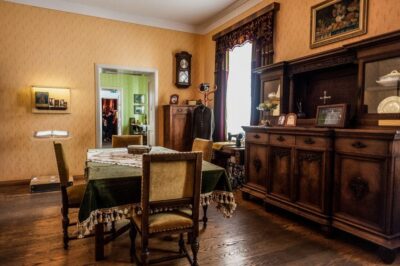
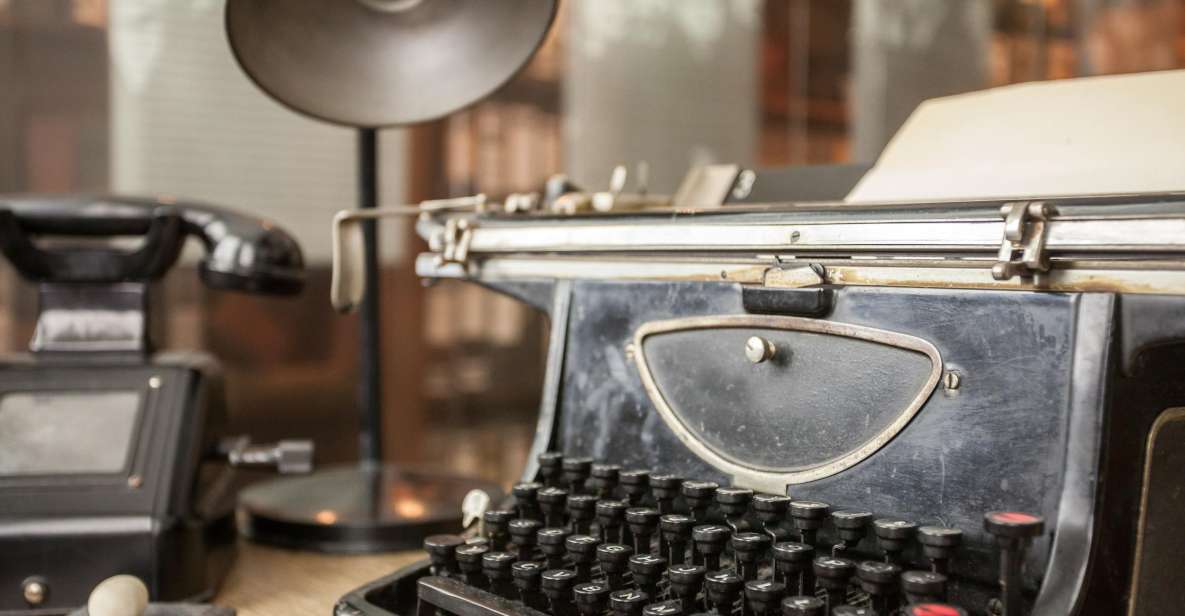
That matters because the museum’s themes are grounded in place. The building is part of the message: work, bureaucracy, paperwork, and forced systems. WWII history here doesn’t feel like a distant lecture. It feels like something that happened inside ordinary rooms where people had to function under impossible rules.
The context provided for your visit is also clear about timing. Accounts describe that after Nazi Germany invaded Poland on September 1, 1939, Schindler—described as a Sudeten German who was associated with the NSDAP and an agent of the Abwehr—arrived in Krakow around September 6, when German troops entered the city.
You’ll also learn that the occupation lasted nearly six years, and the museum uses personal stories to show what that long span did to everyday life—relationships, work, safety, and identity.
How the museum connects WWII to everyday life in Krakow
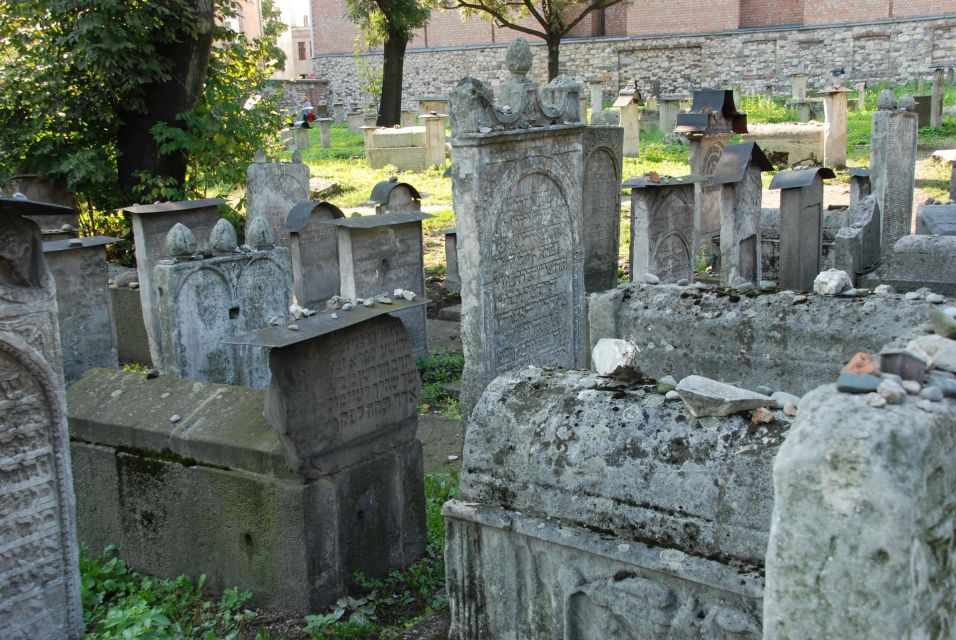
If you’ve watched famous films about the Holocaust, you already know the headline events. What this visit adds is the texture: how occupation reshaped routines and choices over time.
Inside, you’ll encounter personal stories about people living through Nazi rule in Krakow. These aren’t just dates and statistics. The exhibition format is designed to show how World War II intersected with day-to-day life—where ordinary moments were disrupted by persecution, fear, and control.
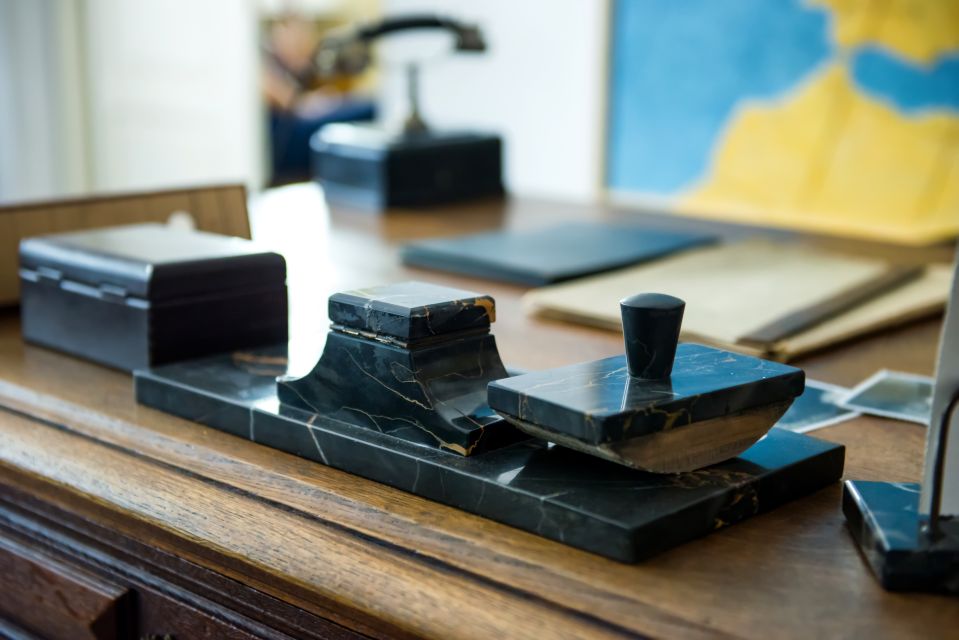
One location you’ll want to pay attention to is the area linked to Schindler’s office and the symbolic Survivor’s Ark idea. It’s a focused stop that connects Schindler’s actions to the broader theme: survival wasn’t abstract. It depended on specific decisions and on people who were willing to act.
In other words, you’re not only learning what happened. You’re learning how it felt to live under the pressure of a regime that controlled everything.
Guided tour vs ticket-only: choose the level of storytelling you want

This experience offers two paths: skip-the-line ticket-only (no live guide included) or a guided option (live guide included).
If you choose the ticket-only version, you can go at your own pace. That can be a good fit if you like reading slowly and stopping whenever something clicks. One practical caution: the museum includes a lot of information, and without a guide you may miss connections between different sections.
If you choose the guided option, expect a smoother storyline. Guides help you keep the chronology straight and explain why certain details matter. Some sessions are led by guides whose names have come up like Tom, Thomas, and Navia. In the data you provided, guides like these are repeatedly praised for strong storytelling and for connecting facts to personal experiences.
A simple way to decide:
- Pick ticket-only if you’re confident reading the material and you don’t need help turning it into a timeline.
- Pick the guided option if you want the museum explained step-by-step and you’d rather spend your energy understanding than decoding.
What you’ll do during your 90 minutes to 2 hours

You’re looking at about 90 minutes to 2 hours, which is a good length for this kind of museum. It’s long enough to see the main story arcs and key areas, but short enough that you’re not stuck when emotions run high.
During that time, your main flow is:
- Use your pre-booked slot to enter quickly
- Walk through exhibition spaces focused on Krakow under occupation
- Follow personal narratives tied to the era and to Schindler’s role
- Reach the sections connected to his office and the Survivor’s Ark symbolism
There isn’t a “choose-your-own-adventure” element described here. The museum experience is structured, and the value comes from how the story unfolds in order.
Also, if you’re comparing this to other Holocaust-related museums, you might notice a different balance: the emphasis is on Krakow’s specific lived reality, not only the broad outline.
You can also read our reviews of more tours and experiences in Krakow






Timing, meeting point, and getting in without stress

Logistics can make or break a day, even for the most meaningful sites. Here’s what you need to know for smooth entry.
Tickets and messages
For the ticket-only option, you receive your entry ticket by email or WhatsApp from the provider a day before. That means your contact details have to be correct when you book.
For the guided option, the tickets are provided by your guide at the meeting point.
Meeting point
The meeting point can vary depending on which option you book. The safest move is to treat the confirmation message as your map and arrive with time to spare.
What to bring
Bring a passport or ID card. The museum requires a physical ID for entry, not just a photo.
If you want a no-drama visit, pack your ID where it’s easy to reach. This is the one line item that can turn a great day into a stressful one if you forget it.
Comfort tips: how to enjoy a heavy museum without losing your footing
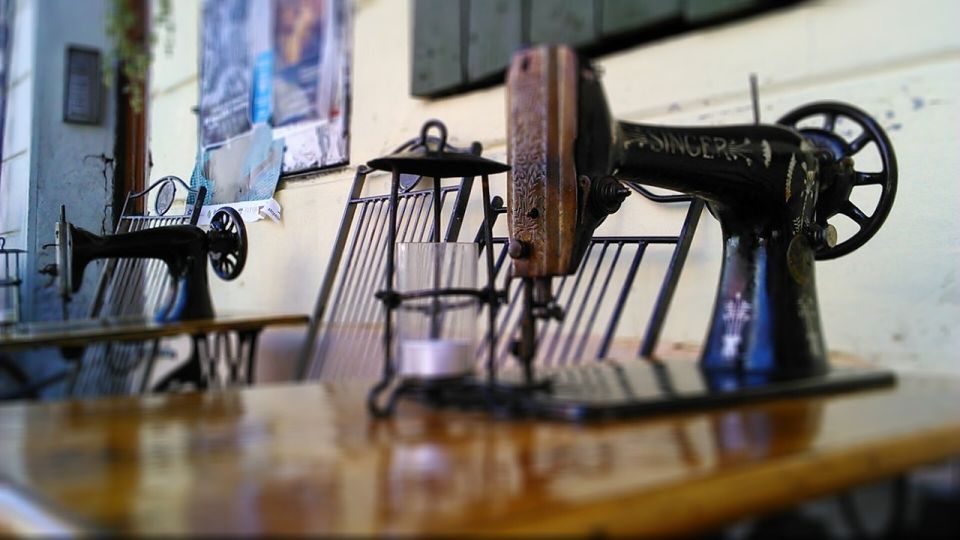
This isn’t a museum where you “browse.” It’s the kind of place where you’ll process in waves—history, then emotion, then reflection.
A few practical tips based on what people commonly struggle with in this type of exhibition:
- Pace yourself. Build in short breaks so your brain can absorb rather than rush.
- If you’re sensitive to reading small text, go slowly and plan on revisiting sections if needed.
- Consider choosing the guided option if you want help connecting themes without having to work it all out yourself.
One more comfort detail: there’s typically a cloakroom for belongings mentioned in the experience notes you provided. It’s a small thing, but it helps you move through the museum without lugging bags.
Price and value: is $25 a smart use of time?
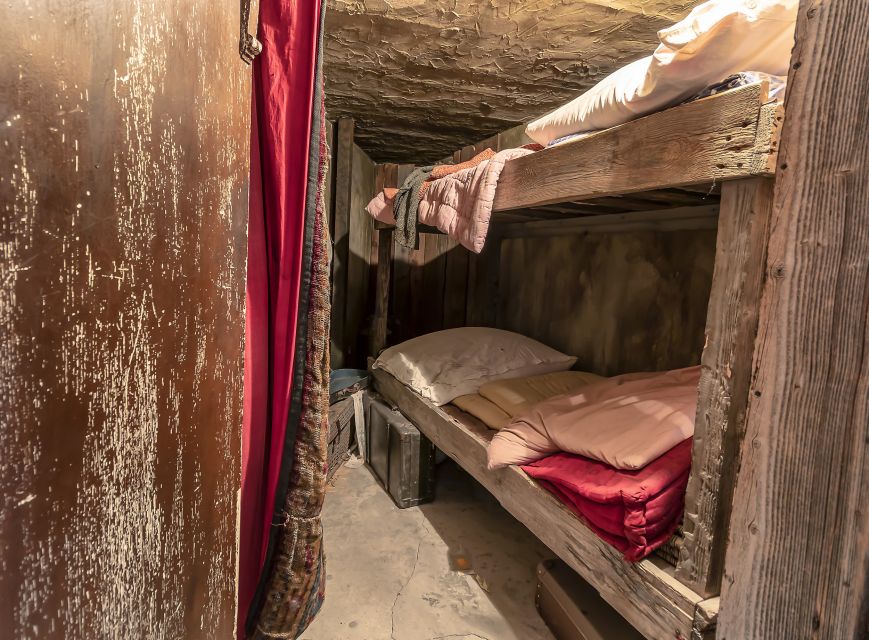
At $25 per person, this ticket sits in the “worth it if you care about your schedule” category.
If you were paying full museum admission without a pre-booked entry time, you’d risk spending energy on queues, especially during busy periods. Here, the skip-the-line setup is the main value driver: it saves time, reduces uncertainty, and gets you inside for your planned window.
Then there’s the value-add if you pick the guided option. The live guide isn’t included with ticket-only, but when it is included, it can change the entire experience from “reading and hoping I understand” to “understanding the storyline as you go.” Given the amount of context the museum covers—occupation life, personal stories, and Schindler’s role—that guidance can be money well spent.
If your goal is a fast, self-guided museum visit and you’re comfortable reading through a lot of material, ticket-only may be enough. If you want the history explained and tied together, pay attention to the guided option.
Nearby add-ons after you leave the factory
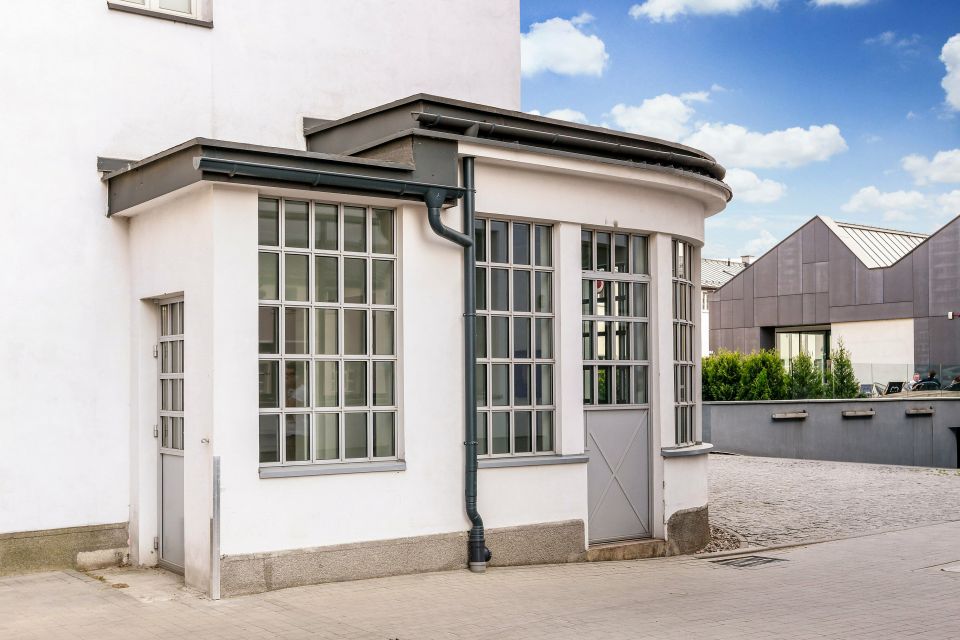
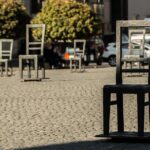
This museum sits in an area where you can keep learning without traveling far. One useful context note from your information: the Ghetto Wall and the Ghetto Memorial Square are within a short walk. If you still have energy afterward, that’s an easy way to continue the Krakow WWII story in the same area.
You’ll also find cafes and restaurants nearby, which is handy because you’ll likely want a quiet meal or coffee after an emotional visit. Don’t rush straight into the next thing; give yourself time to reset.
Should you book this skip-the-line Schindler’s Factory ticket?
Book it if:
- You want fast entry and a time-based plan.
- You’re interested in the WWII experience in Krakow through personal stories, not only general history.
- You’re open to an emotional museum where reading and reflection are part of the payoff.
- You’d rather let a guide connect the dots (names like Tom, Thomas, and Navia come up in the provided guide data).
Consider a different approach if:
- You’re planning to visit very lightly and you can’t handle long, serious storytelling.
- You prefer a mostly visual experience and would rather avoid a lot of text-heavy interpretation.
My practical bottom line: for most first-time Krakow visitors, this is a strong use of time. The skip-the-line part keeps the day on track, and the factory setting plus the survivor-focused stories make it one of the most important WWII sites you can visit in the city.