REVIEW · KRAKOW
Auschwitz-Birkenau: Skip-the-Line Ticket and Guided Tour
Book on GetYourGuide →Operated by Cracow Visit Tours & Transfers · Bookable on GetYourGuide
Nazis left a paper trail you can’t ignore. This Auschwitz-Birkenau experience turns that grim history into a guided, time-efficient route through Auschwitz I and Birkenau II. You also get a pre-booked admission ticket and a security-style entry check that helps you start your visit with less waiting.
I like the structure: a licensed guide leads you through Auschwitz I, then you switch to Birkenau for another guided walk before you move at your own pace. I also really value the practical add-ons that keep the day smoother, like skip-the-line access and headsets so you can actually hear the story while you’re walking.
One thing to keep in mind: even with a fast-access ticket, timing can still wobble. The memorial controls pacing, visitor flow can affect how quickly you get going, and pickup times may shift during the day.
In This Review
- Key things that make this tour worth your time
- Skip-the-line ticket: what it really means at Auschwitz
- The timing and meeting points that can make or break your morning
- Auschwitz I: what the guided part is best at
- Birkenau II: why the guided walk and the open time both matter
- What your day looks like end-to-end (210 minutes in real life)
- Price and value: is $22 a fair deal?
- The practical rules you’ll want to plan for
- Guides, tone, and why small differences matter
- Who this tour is best for (and who may want a different option)
- Should you book this Auschwitz-Birkenau skip-the-line guided tour?
Key things that make this tour worth your time
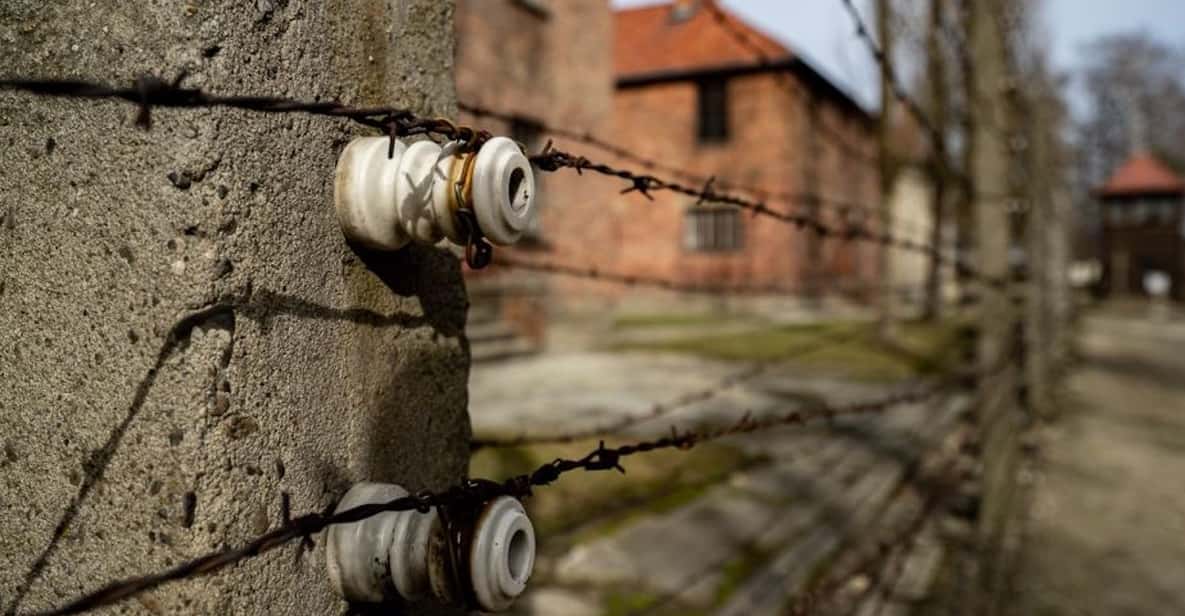
- Skip-the-line admission helps you avoid the worst waiting at the entrance
- Two guided segments: Auschwitz I first, then Birkenau II with a second educator-led walk
- Headsets included so you can hear clearly during the walk
- You get personal time in Birkenau II after the guided portions
- Lunch window is short (about 10 minutes), so plan to bring food
- Guides in multiple languages: English, French, Italian, Spanish
Skip-the-line ticket: what it really means at Auschwitz
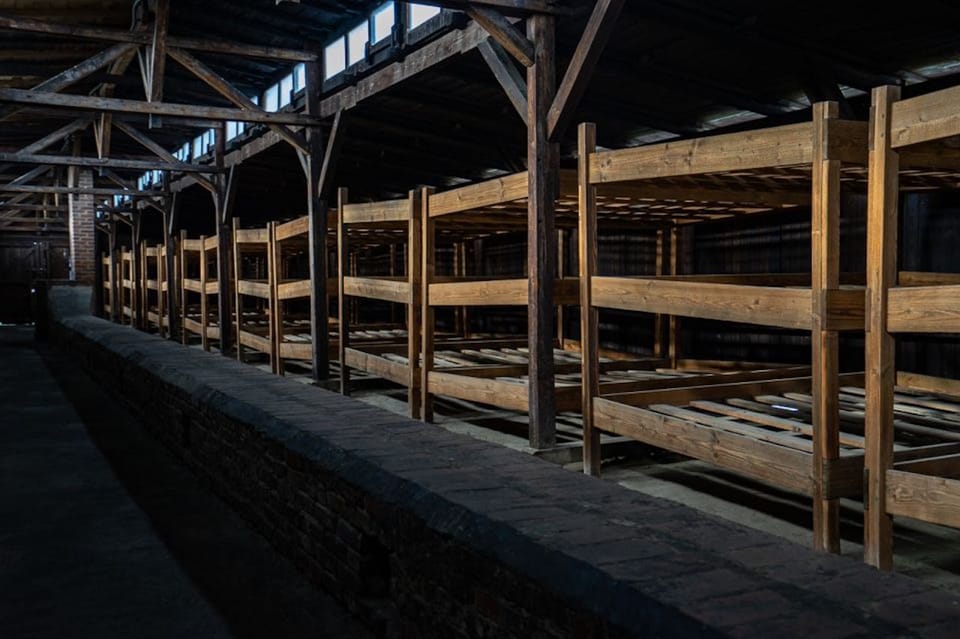
On paper, skip-the-line sounds simple: show up, walk in. In reality, Auschwitz has its own rhythm. You’ll still go through an airport security-style check before entering, and the memorial site sets the pace for groups.
So what do you actually gain? You reduce the time you’d otherwise spend standing around before the first guided section. That matters here because your most useful time is when a guide is walking you through the meaning of what you’re seeing—what specific artifacts were, what buildings were used for, and how the camp system worked.
If you’re the type who hates losing the day to queues, this fast-access ticket is one of the best ways to protect your schedule. And if you’re trying to visit in one day from Krakow, every saved minute helps.
You can also read our reviews of more tours and experiences in Krakow


The timing and meeting points that can make or break your morning
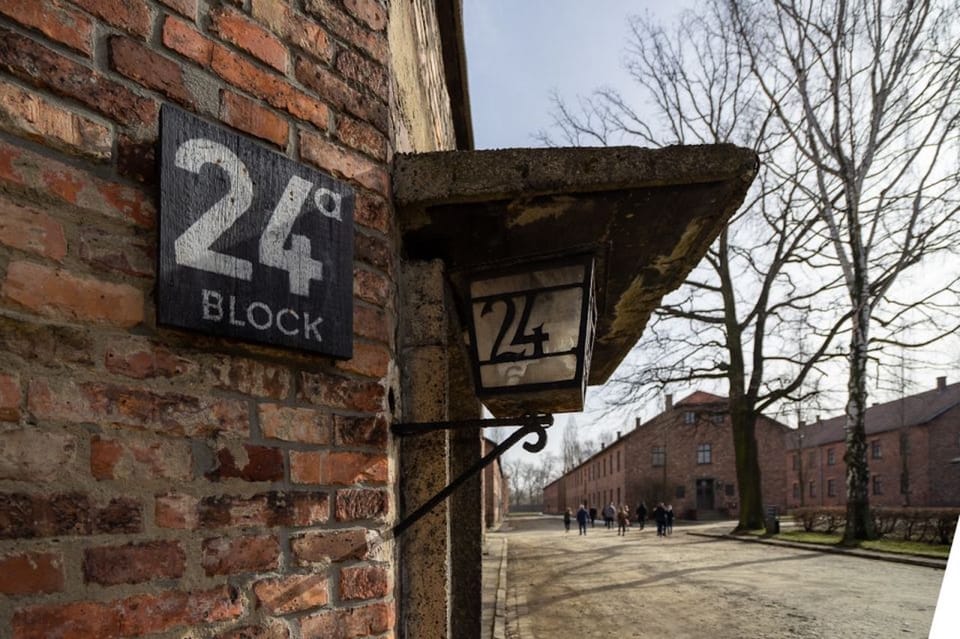
You’re in charge of getting yourself to Auschwitz. From Krakow, the ride is about 1.5 hours by car or public transport. When you arrive, you meet your host who gives you your ticket and groups you up.
Then the tour splits in two stages. For the first part, you meet your guide at the entrance to the Auschwitz I Museum. For the second part, you meet again at the Auschwitz II Birkenau Museum entrance.
This is important because you’ll want to know where you’re going before you’re tired and standing in a crowd. The setup is straightforward, but the site is large and it’s easy to feel rushed if you’re not ready.
Also, be aware the pickup or departure timing can change within a broad window (roughly 7:30 AM to 3:30 PM), and the local partner contacts you the day before to confirm details.
My practical advice: plan to arrive a little earlier than your mental clock says you should, and keep your ID handy from the moment you leave Krakow. Small friction adds up on an emotionally heavy day.
Auschwitz I: what the guided part is best at
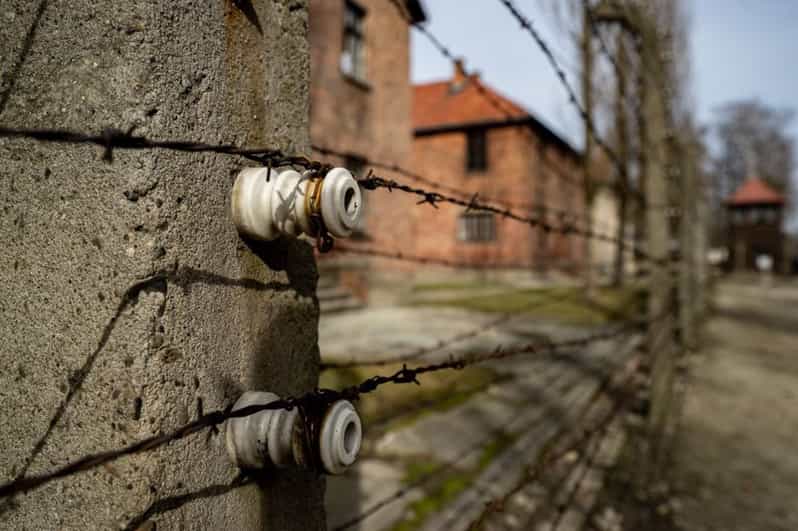
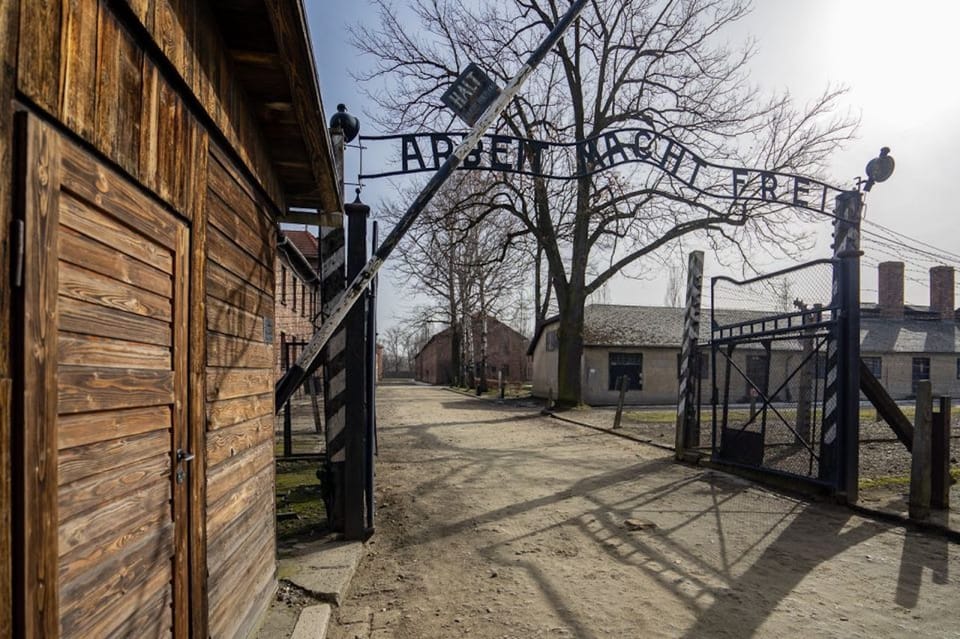
Auschwitz I is where you start learning how the Nazi camp system functioned. The tour includes a guided walking route through the museum area for about 1.5 to 2 hours, led by a licensed educator.
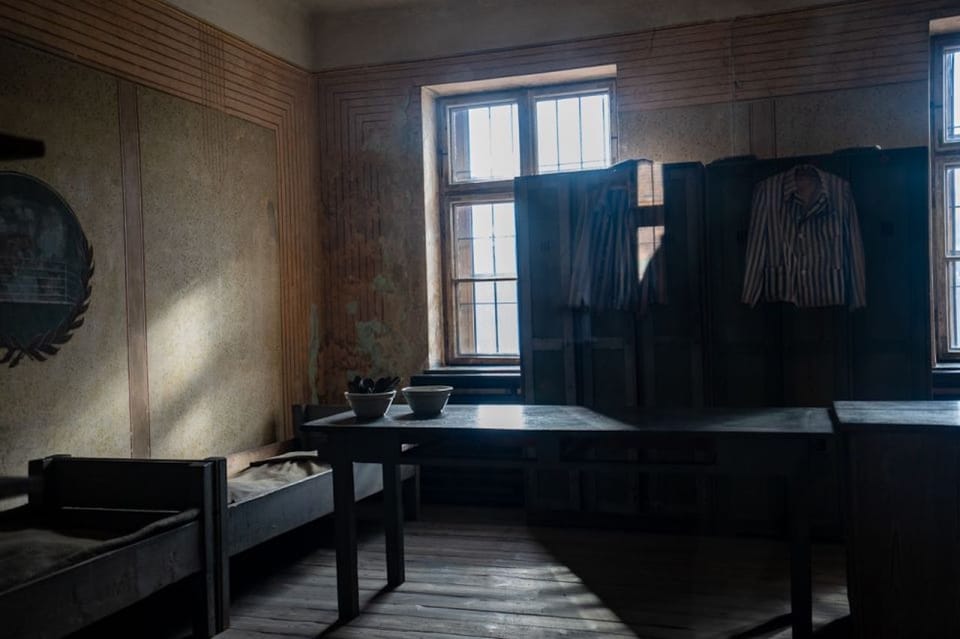
This section is the best place to get your bearings. You’ll walk through exhibits and spaces where scale and purpose are explained in a linear way—how this place transitioned from political imprisonment to mass murder, and how the machinery of terror was organized.
The tone matters. In these tours, guides often bring a balance of facts and careful emotion. You may encounter educators named like Nicholas, Damian, Magdalena, Damian again on some departures, Paweł, or Zigi—and people consistently describe them as patient and clear about what you’re looking at. That’s not just nice-to-have; it changes how your brain processes the site.
A good guide helps you avoid a common trap: treating Auschwitz like a checklist of photos and dates. Instead, you understand why certain artifacts exist, what they represent, and how individuals were identified and reduced to numbers. You also learn what not to assume from film or photos—because real spaces don’t match how they look on a screen.
Birkenau II: why the guided walk and the open time both matter
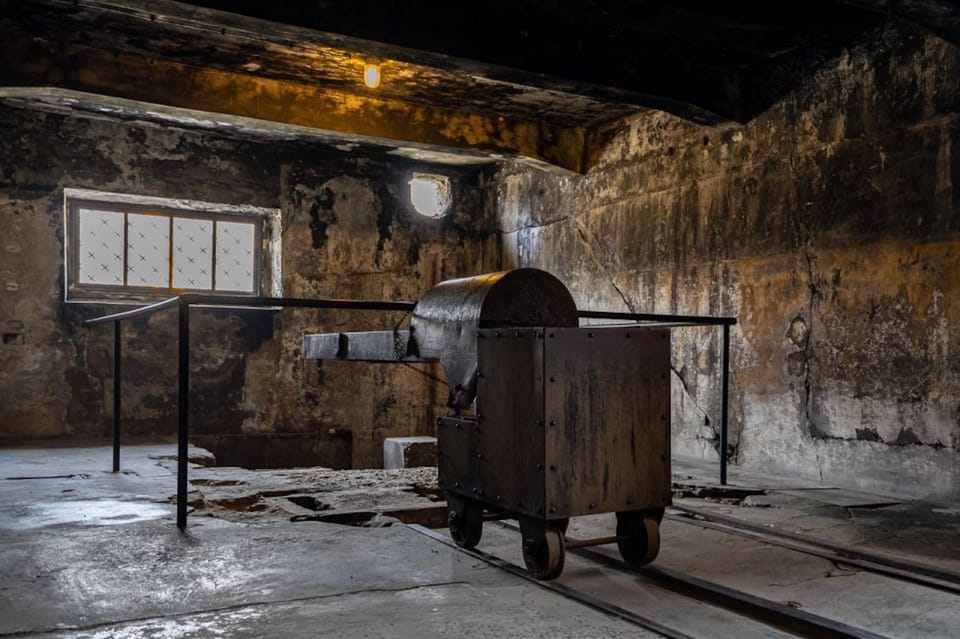
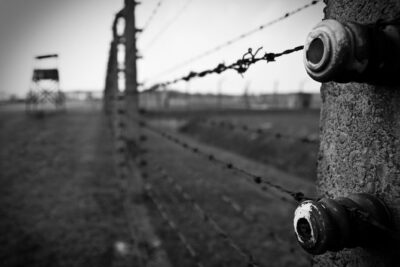
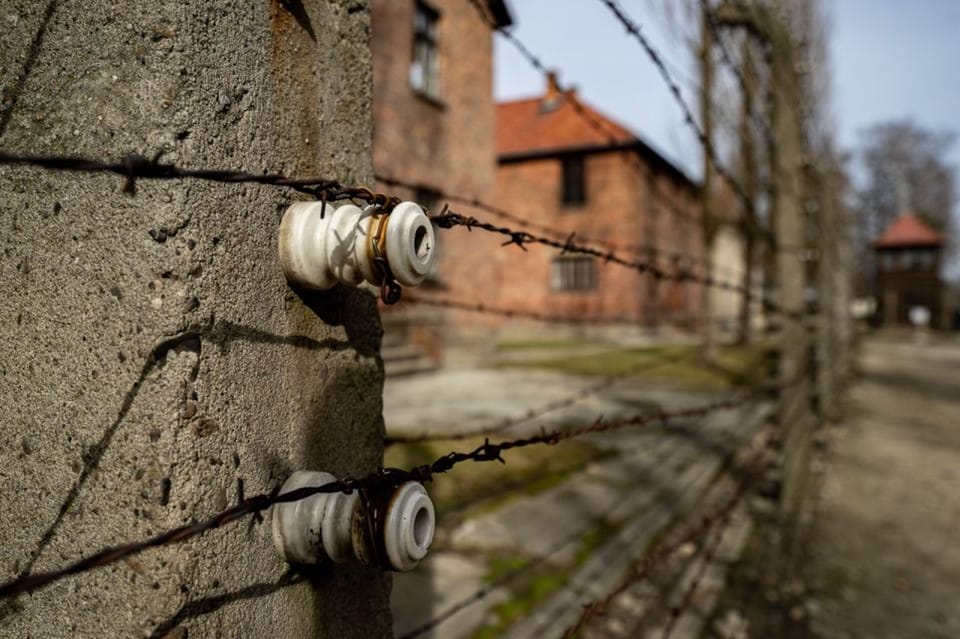
After Auschwitz I, you go to Auschwitz II (Birkenau) for about a 1-hour guided walking tour. This part helps you understand the camp layout and the scale of what happened here. Birkenau is bigger, more exposed, and more disorienting on your own—so the guide’s context is especially valuable.
Then you get time to walk around on your own inside Birkenau II. The value of that open time is simple: not everything meaningful happens while you’re listening to someone talk. Some parts of the site ask for silence. Some ask for slowing down to read, compare, or just absorb the reality of scale.
You might hear people mention haunting personal artifacts of the victims—this is part of what makes Birkenau hard to forget. Even with guidance, your own pace matters once you’re there.
One logistical note: the memorial controls pacing, and break times can’t be fully managed by the tour operator. Build in patience. If you’re the type who loves tight schedules and quick checklists, this site will challenge that mindset.
What your day looks like end-to-end (210 minutes in real life)
The total booked duration is 210 minutes. In practice, your day is broken into segments that match the memorial’s flow:
- Travel from Krakow to Auschwitz (about 1.5 hours each way if you’re driving or routing similarly)
- Arrival and ticket handoff at Auschwitz I
- Guided museum walk at Auschwitz I for roughly 1.5 to 2 hours
- Transition to Birkenau II for a guided walk (about 1 hour)
- Your own time at Birkenau II after the guided portion
There’s also a lunch break of about 10 minutes. That’s not enough time for a sit-down meal, and it’s certainly not enough time to buy something if you’re counting on nearby options.
So come prepared. A small packed lunch and a bottle of water in a bag you can carry through security (and that follows the no-large-bags rule) can save you from an exhausting scramble.
Some people also mention a free shuttle bus between Auschwitz I and Birkenau. The key point for you: plan for movement time between the two areas, because your schedule depends on it.
You can also read our reviews of more guided tours in Krakow


Price and value: is $22 a fair deal?
At $22 per person, you’re paying for a very specific mix:
- a skip-the-line admission ticket
- licensed guide time across Auschwitz I and Birkenau II
- headsets so the narration stays clear
- local host assistance at the entrance points
Compared with the cost of a private guide, this price is a bargain. Compared with a basic admission ticket only, it’s where you get value: Auschwitz is one of those places where context turns the visit from seeing to understanding.
That said, value isn’t just cost. You should also consider what you may not get:
- Transport to and from Krakow is not included
- parking fees can apply
- the memorial controls pacing, so the day may not feel like a perfectly timed clock
Still, for most people doing a first visit, this is a strong value. You’re buying guided interpretation at a price that doesn’t require a huge budget—especially if you’re already paying for Krakow lodging and want to make the most of one day.
The practical rules you’ll want to plan for
Auschwitz is a memorial site, so basic etiquette becomes practical prep. Dress in a way that fits the environment, and keep clothing rules in mind: sleeveless shirts aren’t allowed.
Also watch your carry-ons:
- No luggage or large bags
- No smoking
Bring:
- Passport or ID card (required)
- whatever you need for your own comfort during waiting and walking (within the allowed bag rules)
And remember: headsets are provided for the tour, but you still need your own energy and focus. This is not the kind of place where you can wander off and still keep up with the story.
A small packing win: wear comfortable shoes with good grip. Birkenau can feel long and open. Even if it’s not physically hard, it can be mentally demanding in a way that makes your body feel every minute.
Guides, tone, and why small differences matter
This isn’t a “read it yourself” museum day. You’re walking through spaces that carry real grief, and the guide’s approach affects how the visit lands.
Across the experiences people describe, a few qualities show up again and again:
- clear explanations delivered in a way that stays organized
- patience with questions
- the ability to match emotion to the facts without turning it into a performance
You might hear about educators such as Nicholas, Damian, Magdalena, Paweł, Zigi, or George. What matters for your planning isn’t the name itself—it’s the fact that the best guides create understanding and give you the right emotional temperature.
Also, be aware that audio can be a weak link sometimes. One person noted the audio wasn’t great even though headsets are part of the package. If you’re sensitive to sound quality, bring that preference into your expectations, not as a reason to skip, but as something to tolerate.
Who this tour is best for (and who may want a different option)
This experience is a strong fit if:
- you want a guided visit that explains what you’re seeing instead of just looking at signs
- you’re visiting from Krakow and want a structured way to cover both Auschwitz I and Birkenau II
- you value skip-the-line entry and the practical support of a local host
It’s not a fit if:
- you’re traveling with children under 12
- you need wheelchair access (it’s listed as not suitable for wheelchair users)
- you’re expecting a light, flexible “sightseeing” pace
Even when the tour is well run, this isn’t entertainment. It’s education through lived spaces. If you want a guided, respectful visit that helps you understand the system, this hits the mark.
Should you book this Auschwitz-Birkenau skip-the-line guided tour?
If you want the best chance of making your one-day visit from Krakow meaningful, I’d say yes, book it—especially for first-timers.
Book this tour if you:
- care about time efficiency (skip-the-line matters at this site)
- want a real guide for Auschwitz I and Birkenau II
- can handle a short lunch break and a memorial-controlled pace
- are ready for a heavy, reflective experience
Skip it (or consider another format) if:
- you dislike any schedule uncertainty at all, because timing can shift even with fast access
- you’re hoping to roam freely for hours without a guided framework
- you’re traveling with a group that doesn’t match the listed suitability limits
Bottom line: for $22, you’re paying for interpretation, not just entry. And at Auschwitz-Birkenau, that difference is the entire point.