REVIEW · KRAKOW
Krakow: Schindler’s Factory Tour with Entrance Ticket
Book on GetYourGuide →Operated by excursions.city · Bookable on GetYourGuide
Schindler’s Factory in Kraków hits hard fast. You get skip-the-line entry and a licensed expert guide that turns the museum into a clear story of Nazi occupation, not just an isolated name check. I like how the museum’s tight, dim rooms make the past feel pressurized, but one consideration is the pace: at 90 minutes, you won’t have long pauses to read every photo.
What you’re really buying is context. The tour is built around the exhibition on Kraków under Nazi Occupation 1939–1945, and it spends most of its time on daily life for Jewish and non-Jewish residents. The Schindler material is important, but it’s not the whole focus, and that may not match everyone’s expectations.
In This Review
- Key Points Before You Go
- Schindler’s Factory in Kraków: Why This Museum Feels Different
- The 90-Minute Game Plan: What You’ll See From Start to Finish
- Meeting and entry
- Gallery walkthrough: Kraków under Nazi Occupation
- Schindler material: refuge and the human scale
- The reality of the clock
- Skip-the-Line Entry and Museum Pace: When Speed Helps (and When It Hurts)
- Guides Make the Difference: What You Can Learn From Their Style
- One tone note
- What the Exhibition Really Gives You: Artifacts, Rooms, and Wartime Daily Life
- The exhibit design does more than decorate
- Expect focus on everyday life, not just big events
- Original materials and staged context
- Schindler’s Factory and the Limits of the Site Today
- Practical Details That Affect Your Experience Inside the Museum
- Headsets for bigger groups
- One language per tour
- Capacity limits mean you won’t be squeezed forever
- Bring an ID that matches your ticket name
- Arrive about 10 minutes early
- Expect timing to be approximate
- Who Should Book This Tour (and Who Might Want a Different Approach)
- Should You Book Schindler’s Factory with Entrance Ticket?
- FAQ
- How long is the Schindler’s Factory guided tour?
- Does this ticket include skip-the-line entry?
- What languages are available for the guided tour?
- Is the museum mostly about Oskar Schindler or Kraków during the occupation?
- Do I get headsets?
- What’s the group size limit?
- Do I need identification for entry?
- What happens if I’m late?
Key Points Before You Go
- Skip long museum lines with your timed entry and guided access
- 90 minutes is a fast, focused format inside narrow rooms with limited breathing space
- You’ll learn the occupation story, not only Schindler’s biography
- Expect strong emotional weight from artifacts, photos, and staged rooms
- Headsets help on larger tours (offered for groups of 15+)
- Plan around tight schedules: arrive early or you may lose your spot
Schindler’s Factory in Kraków: Why This Museum Feels Different
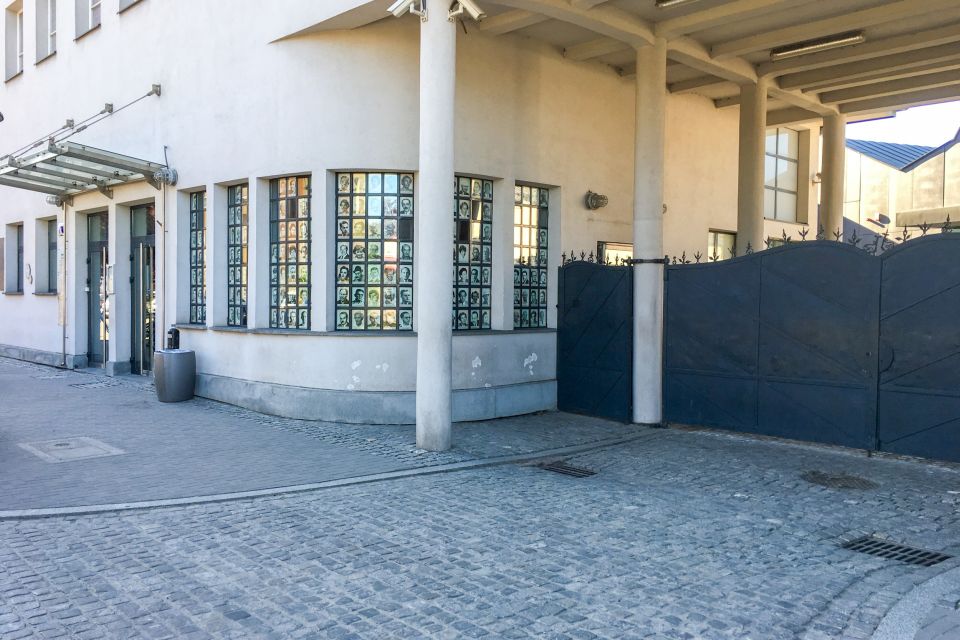
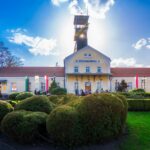
Schindler’s Factory, officially the Schindler’s Enamel Factory site, is one of Kraków’s top history stops for a reason. The exhibition isn’t built like a simple chronology. Instead, it keeps pulling you into the pressure-cooker reality of occupation-era Kraków, where uncertainty shaped every day.
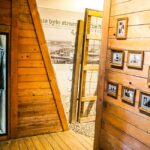
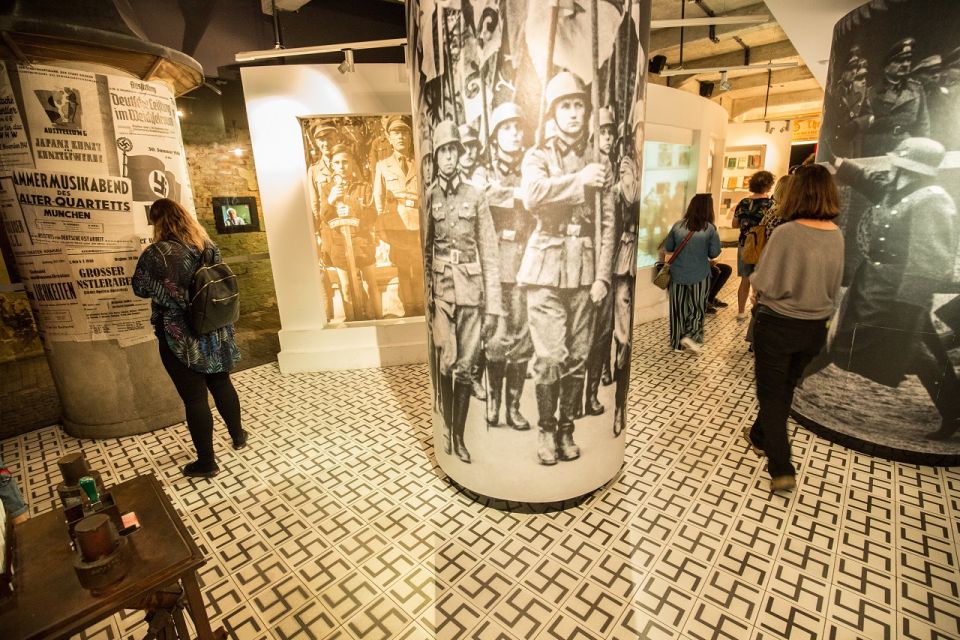
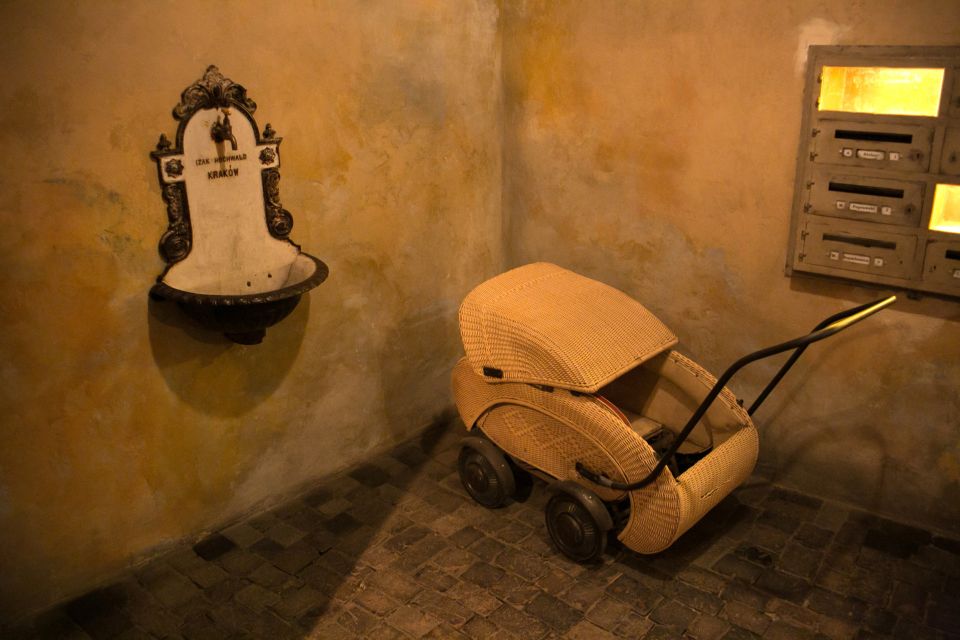
One detail I think makes a real difference is the building and its layout. You move through narrow corridors and dimly lit rooms designed to restrict your movement. That’s not just for mood; it changes how you experience the information. You end up reading slower, feeling more constrained, and noticing how quickly normal life can be stripped away.
And then there’s the guide. A good guide doesn’t recite dates. They connect the dots—explaining what you’re looking at, why the exhibit is arranged a certain way, and how Kraków’s Jewish community was targeted while many neighbors were forced into impossible choices. In the best tours, you also get a human angle: multiple guides bring personal family connections into the talk, which is why the experience often lands so emotionally.
The other factor to keep in mind is scope. The museum includes Oskar Schindler, and you’ll see his office, but many tours emphasize the wider story—daily life under Nazi rule, persecution, deportations, and the destruction of Kraków’s Jewish community. If you’re coming primarily for a Schindler-only biography, you may have to adjust your expectations.
You can also read our reviews of more tours and experiences in Krakow


The 90-Minute Game Plan: What You’ll See From Start to Finish
This is a 1.5-hour guided tour, timed to keep the flow of a busy museum from getting chaotic. Here’s how it typically unfolds, based on how the experience is structured.
Meeting and entry
You meet at a meeting point that can vary based on the booked option. Since signage and crowd flow can be tricky, I’d recommend arriving early and scanning for the guide holding a card. In real-world visits, guides are easy to spot because they carry laminated tour-identification cards for the operator.
From there, you’ll be guided into the museum with skip-the-line admission, which matters because the venue can have long waits outside. Once you’re inside, the guide becomes your “translator,” helping you understand what each room is trying to make you feel and what each section is trying to explain.
Gallery walkthrough: Kraków under Nazi Occupation
Most of the time is spent in the exhibition on Kraków under Nazi Occupation 1939–1945. Expect a series of smaller rooms where the exhibit design does the heavy emotional lifting. You’ll see:
- Photographs and original artifacts connected to wartime life
- Explanations of how war reshaped daily routines
- Clear attention to both Jewish and non-Jewish residents living under threat
The tour experience is built to help you connect the museum sections into one story, rather than leaving you to interpret things on your own while dodging other groups.
Schindler material: refuge and the human scale
Within that broader wartime narrative, you’ll also cover Oskar Schindler and the role his factory played as a refuge for more than a thousand Jewish workers. You’ll hear how his choices sat inside the much larger machinery of persecution: paperwork, forced labor, confinement, and the escalating steps toward deportation.
A common payoff in this tour format is the look at Schindler’s office. Even if it’s not the centerpiece for everyone, it’s a powerful moment because it anchors the story of escape and survival to a real space tied to the factory.

The reality of the clock
At 90 minutes, you don’t linger. That’s the trade-off of guided momentum. Some people love it because it keeps you moving through key ideas. Others feel rushed because the museum gives you a lot to absorb—especially in narrow rooms where stopping to read can slow the group.
Skip-the-Line Entry and Museum Pace: When Speed Helps (and When It Hurts)
You’re paying for more than a ticket. You’re paying to avoid the time sink of long waits and to get an expert’s direction inside a museum that rewards attention.
The skip-the-line admission is a clear value play for a place this popular. One reason is simple: when you lose time to queues, you often end up “speed-reading” the museum later. With a guided entry slot, you start with your visit already organized.
Still, the pace is real. Multiple guide experiences point to the same theme: the museum spaces are tight, and the tour timing can feel fast—especially if the group is full. You might not get much time alone to digest the written panels and photos at your own speed.
Here’s my practical take: if you want a quiet, slow, every-label kind of museum day, plan to do this on a day when you won’t feel rushed afterward. If you enjoy learning first and reflecting later, a guide-led format is a strong match.
Guides Make the Difference: What You Can Learn From Their Style
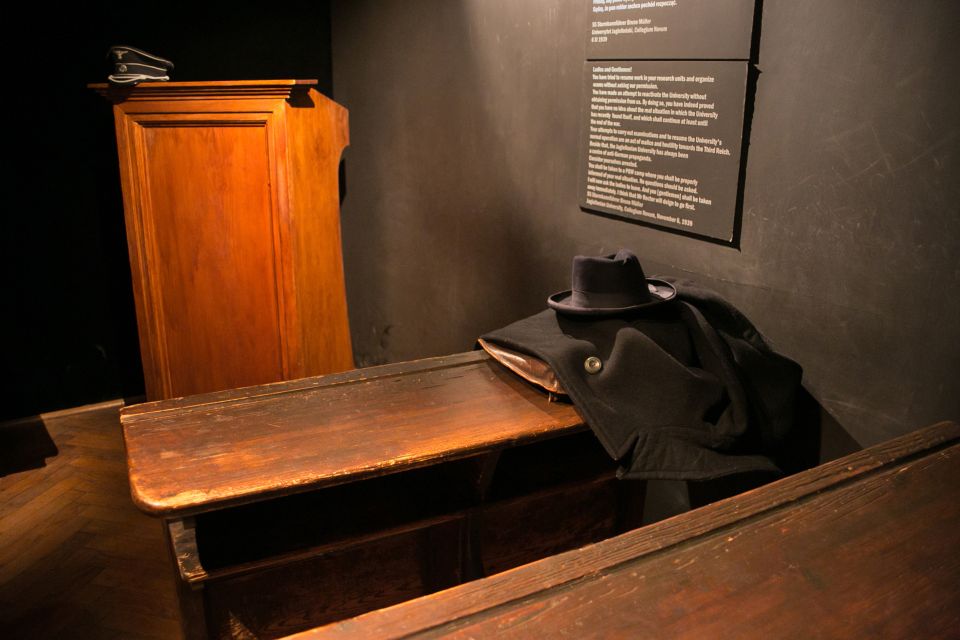
The tour is led by a licensed expert guide, and guide quality is a huge part of why this experience earns such high marks. Across tours, what tends to shine is clarity plus emotional honesty: you get strong historical framing, and the talk often includes vivid stories that make the exhibit feel personal rather than abstract.
You may even hear guides reference personal experiences or family histories tied to wartime events. In the most memorable visits, that personal angle isn’t used for drama. It’s used to help you understand how survivors and families lived with the past.
Names you may encounter include:
- Anna/Ana, described as delivering a VIP-feeling tour even when the group was unusually small
- Helena, highlighted for passion and poignant detail
- Kinga, praised for clear English and for moving the group without rushing
- Agnieszka, noted for a strong presentation
- Joanna, credited with fluent English and a standout explanation
- Dominique, praised for making the visit worthwhile
- Ivana (Jana), mentioned as one of the best guides during a Kraków stay
That matters for your decision because different guides may adjust the balance between Schindler and the broader occupation story. Some tours put more emphasis on the war in Kraków overall, with Schindler included as one essential thread. Others give Schindler’s role more spotlight. Either way, the museum’s main narrative remains centered on life under Nazi rule.
One tone note
A few tour experiences mention the guide’s tone can be direct—sometimes even pointed. If you prefer a lighter style, this may feel heavy. But if you want facts explained clearly, without softening what happened, this format usually fits.
What the Exhibition Really Gives You: Artifacts, Rooms, and Wartime Daily Life
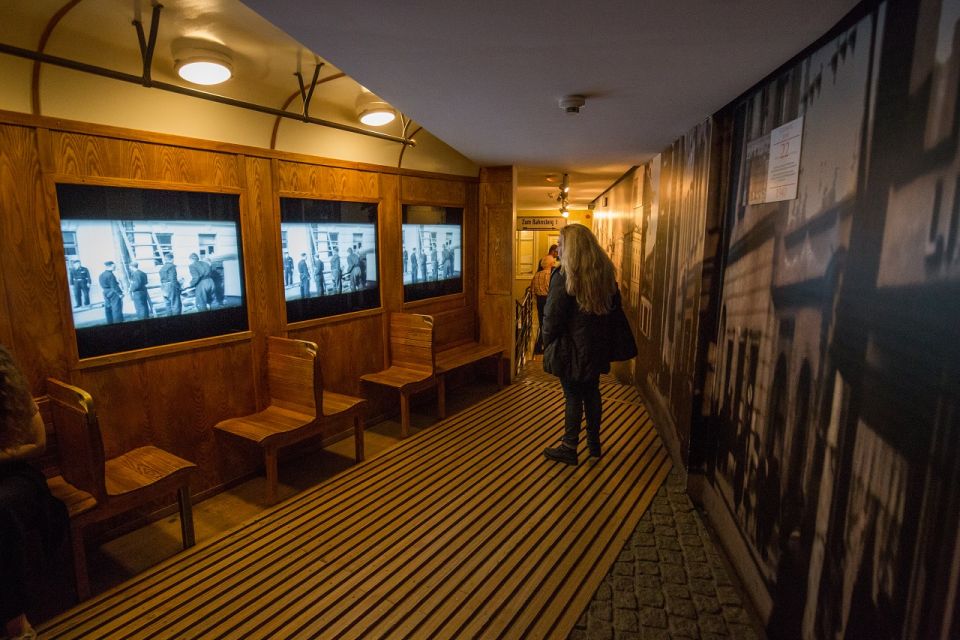
The exhibition’s power comes from how it teaches you to “see” occupation life instead of just memorizing facts.
The exhibit design does more than decorate
The museum uses tight, dimly lit rooms on purpose. You experience confinement while learning how people lived under constant fear and pressure. One visitor even pointed to a symbolic detail like a floor that feels odd underfoot—an example of how the exhibit tries to recreate the physical discomfort of the era.
That kind of design choice can sound gimmicky if you’ve never been. In practice, it tends to make the story stick because your body gets involved with the meaning.
Expect focus on everyday life, not just big events
Many people come in expecting a narrow Schindler story. Instead, you get the broader picture of daily experience under occupation—how communities were controlled, how fear operated, and how the destruction of Kraków’s Jewish life unfolded across 1939–1945.
And the tour doesn’t ignore non-Jewish residents. That’s important, because it shows how the occupation affected the whole social world, not only a single group. It also helps you understand how persecution operated inside a city, block by block.
Original materials and staged context
The exhibition includes original artifacts and photographs, plus reconstructions that help you understand context. Even when you’ve heard the story of Schindler before, this museum format often adds missing pieces—like how the ghetto experience shaped everyday life and how the city’s routines changed as Nazi control tightened.
Schindler’s Factory and the Limits of the Site Today
One reality check that helps you plan mentally: the building is tied to the enamel factory where Schindler operated, but today it is a museum without original machinery. So don’t expect to see intact factory equipment or a working workshop vibe.
Instead, the setting works as a historical stage. The tour focuses on documentation, stories, and the way a factory became part of survival strategies—especially through labor and refuge for Jewish workers. The emotional impact comes from the contrast between:
- a space with real connections to people’s lives
- and a museum experience built from evidence, photos, and guided interpretation
Seeing Schindler’s office inside that environment can feel like the story suddenly becomes specific and human.
Practical Details That Affect Your Experience Inside the Museum
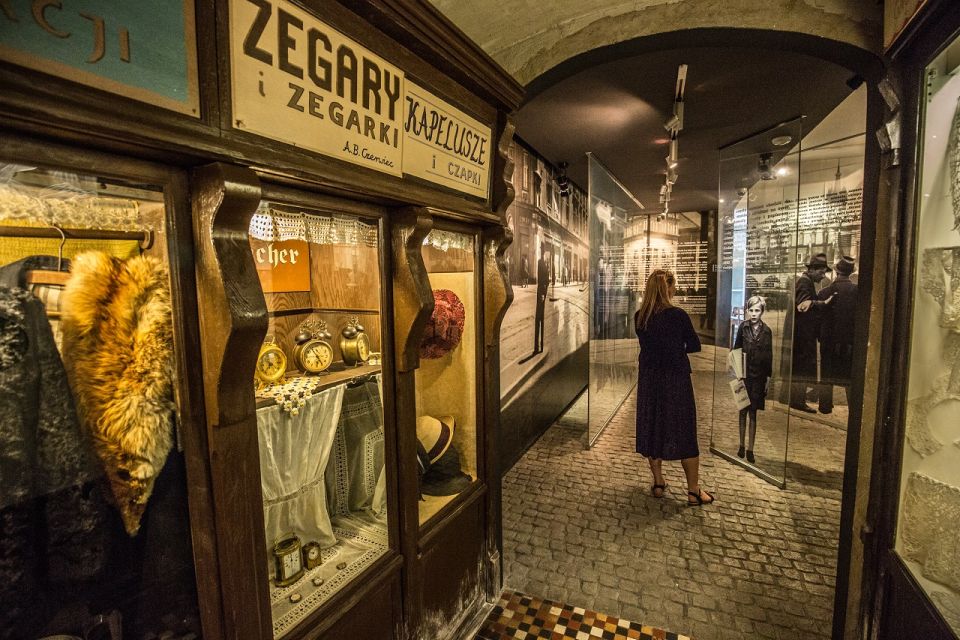
A few small logistics matter here because the museum is narrow and the time is short.
Headsets for bigger groups
If your group size reaches 15+ participants, you get headsets. That’s a big deal in close quarters. Without them, you might miss key explanations while trying to listen in a crowd.
One language per tour
Tours run in one language at a time (Italian, Spanish, French, English, or German). If you book your preferred language, stick to it. Trying to “wing it” with a second language rarely works in a museum like this.
Capacity limits mean you won’t be squeezed forever
Each tour is limited to a maximum of 25 participants. The rooms can still feel tight, but it keeps the group from becoming unmanageable.
Bring an ID that matches your ticket name
This is non-negotiable: museum staff check identification, and the name on your ticket must match the name on your ID. Bring your ID card or other identification document. If the names don’t match, entry can be refused.
Arrive about 10 minutes early
You’re asked to arrive 10 minutes before the tour starts. Once the group leaves, latecomers can’t join, and tickets can’t be refunded. That’s the kind of rule that sounds stern until you’re standing outside while your tour is already gone.
Expect timing to be approximate
Tour start times are approximate and can change with museum scheduling. Choose a time slot you can actually keep.
Who Should Book This Tour (and Who Might Want a Different Approach)
This tour is best for you if:
- you want a structured guide through a major Kraków museum
- you care about understanding the whole occupation story, not only one figure
- you like having an expert connect artifacts and room design into a single message
- you want a museum visit that avoids line waste
It might be less ideal if:
- you want a slow, quiet museum day with long solo reading time
- you’re very sensitive to emotional and heavy material
- you expected it to focus almost entirely on Schindler, not on Kraków under Nazi occupation
If you’re bringing teenagers, this format often helps because the guide turns labels into meaning. If you’re traveling with mixed interests, the guide’s framing can be a solid middle ground: you still get Schindler, but you also get the wider context that makes his actions legible.
Should You Book Schindler’s Factory with Entrance Ticket?
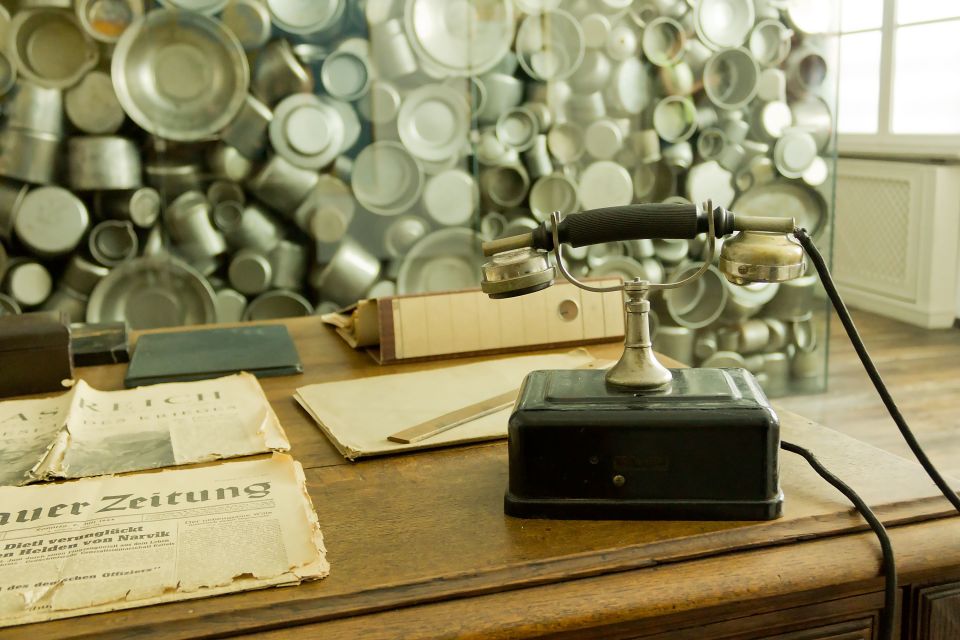
Yes, I’d book it if your goal is understanding—not just seeing. The skip-the-line entry plus a licensed expert guide is strong value in a museum that can otherwise feel overwhelming on your own, especially with tight rooms and limited time.
I’d hesitate only if you strongly prefer self-guided wandering, or if you’re arriving at a time when you might struggle to meet the early start. Otherwise, this is one of those Kraków experiences that stays with you because it’s explained clearly and staged thoughtfully.
If you want the story in one organized package, this tour is a smart pick.
FAQ
How long is the Schindler’s Factory guided tour?
The tour runs for about 90 minutes.
Does this ticket include skip-the-line entry?
Yes. The tour includes skip-the-line admission to Schindler’s Factory.
What languages are available for the guided tour?
You can choose live guiding in Italian, Spanish, French, English, or German. Each tour runs in only one language.
Is the museum mostly about Oskar Schindler or Kraków during the occupation?
The focus is largely on Kraków under Nazi Occupation (1939–1945). Oskar Schindler is included, including time around his office, but the broader wartime context is the main theme.
Do I get headsets?
Headsets are provided for groups of 15 or more participants.
What’s the group size limit?
The tour is capped at a maximum of 25 participants.
Do I need identification for entry?
Yes. You should bring an ID card or another identification document. Your ticket name must match your document name.
What happens if I’m late?
You should arrive about 10 minutes early. Once the group has departed, latecomers can’t join, and tickets can’t be refunded.