REVIEW · KRAKOW
Krakow: Oskar Schindler’s Factory Entry Ticket & Guided Tour
Book on GetYourGuide →Operated by Discover Cracow · Bookable on GetYourGuide
Schindler’s Factory hits hard, fast. This small-group style visit pairs skip-the-line entry with a licensed English guide who explains what you’re seeing. You get the story behind the museum, not just the labels on the walls.
I like two big things right away. First, you avoid the frustrating line and get moving quickly into the exhibits. Second, the tour connects the dots between objects, film, and the lived reality of wartime Kraków—with attention to what Jewish workers faced and how the factory became a shield.
One thing to keep in mind: the tour is only 1.5 hours. It’s well paced, but there’s a lot of material, so if you want to linger, you may feel slightly rushed and leave wanting a second pass on your own.
In This Review
- Key things to know before you go
- Why Schindler’s Enamel Factory lands in Kraków
- Meeting at the factory gate: how the 1.5-hour tour works
- Inside the museum: artifacts, multimedia, and wartime context
- Oskar Schindler’s role, explained without losing the bigger story
- The guides make or break it: Marta and Wojciech as real examples
- Skip the lines, but don’t skip the planning
- Timing and closing-time reality checks
- What kind of traveler should book this?
- Should you book this Schindler’s Factory guided tour?
- FAQ
- How long is the Schindler’s Factory guided tour?
- Do I get skip-the-line admission?
- What language is the guide?
- Where do we meet the guide?
- Is flash photography allowed inside the museum?
- Is the museum closed on any specific days?
Key things to know before you go
- Skip-the-line admission gets you past the queue and into the museum faster.
- English-language licensed guide turns exhibits into a clear, chronological story.
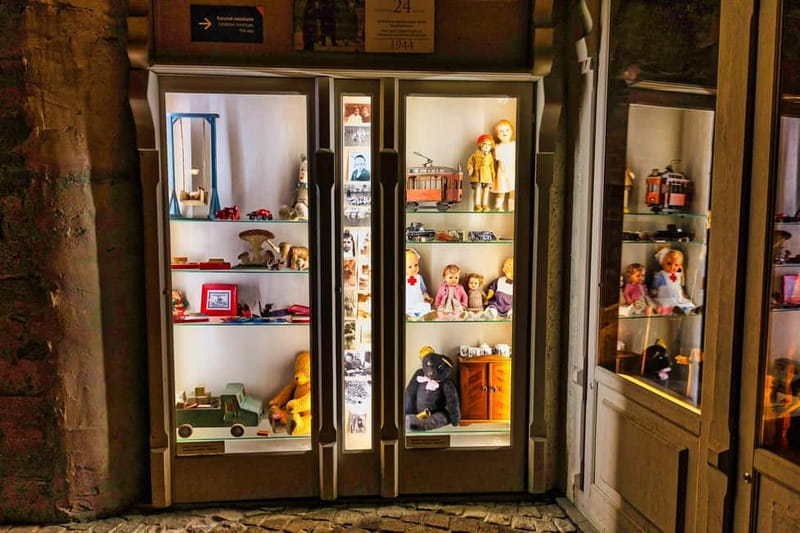
- Artifacts plus multimedia help you understand the wartime setting, not just the headlines.
- Schindler’s actions are framed in context, including the broader occupation and persecution.
- Meet right by the main gate, where the guide holds a Discover Poland Schindler’s Factory sign.
- No flash photography inside, so plan on quiet looking time rather than phone-and-flash bursts.
Why Schindler’s Enamel Factory lands in Kraków
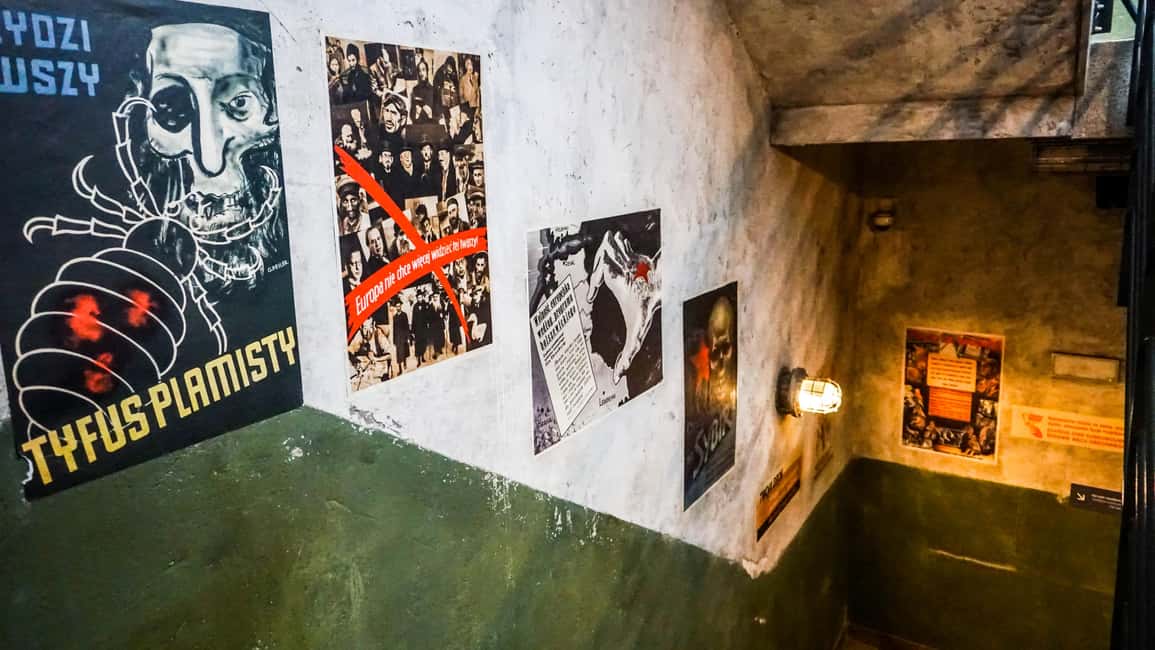
This isn’t a casual museum stop. Schindler’s Enamel Factory is both a memorial and a history lesson, focused on what happened in Kraków under Nazi occupation and how one factory owner used his position to help save Jewish workers. If you know the story mainly from Schindler’s List, you’ll still recognize the arc—but here it’s grounded in place, objects, and human-scale details.
What I like about the museum experience is that it doesn’t treat Oskar Schindler as the only character in the story. The tour framing helps you understand the wider pressure around the factory—how occupation systems worked, how control tightened, and why the few chances for protection mattered. You see the tension between everyday life and the machinery of persecution.
You can also read our reviews of more tours and experiences in Krakow


Meeting at the factory gate: how the 1.5-hour tour works
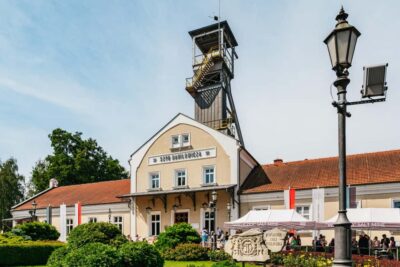
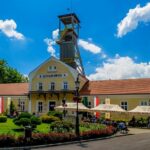
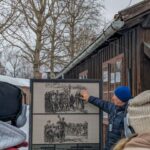
The tour starts outside Oskar Schindler’s Enamel Factory next to the main gate, right by the entrance. Your guide will be holding a sign that reads Discover Poland Schindler’s Factory. This is one of those “show up on time and you’ll be fine” setups, so I suggest arriving a few minutes early to match faces and avoid awkward guessing.
The visit itself is designed to feel focused rather than endless. You’re in for about 1.5 hours, which is long enough to hit the museum’s main narrative beats, but short enough that you’ll likely miss corners you’d want to study longer. The good news: the guide’s job is to point you toward what matters most as you move room to room.
This is also a tour where having an English guide really shows. Some displays don’t translate as nicely as you’d hope, so a guided structure helps you follow the timeline and understand why each exhibit exists.
Inside the museum: artifacts, multimedia, and wartime context
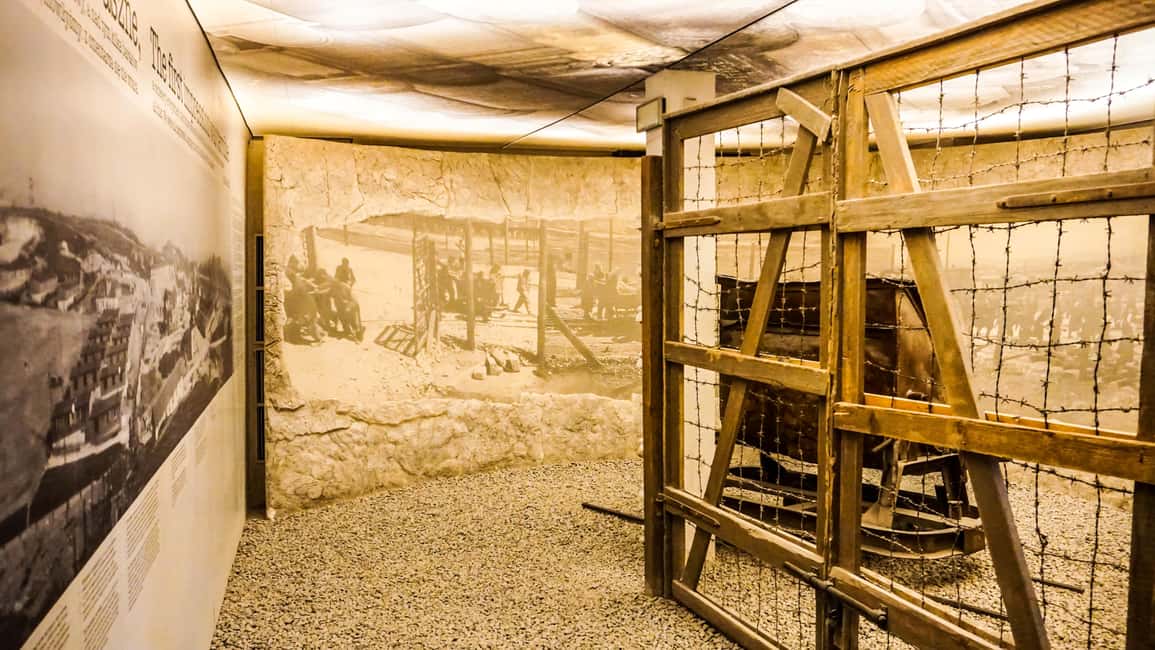
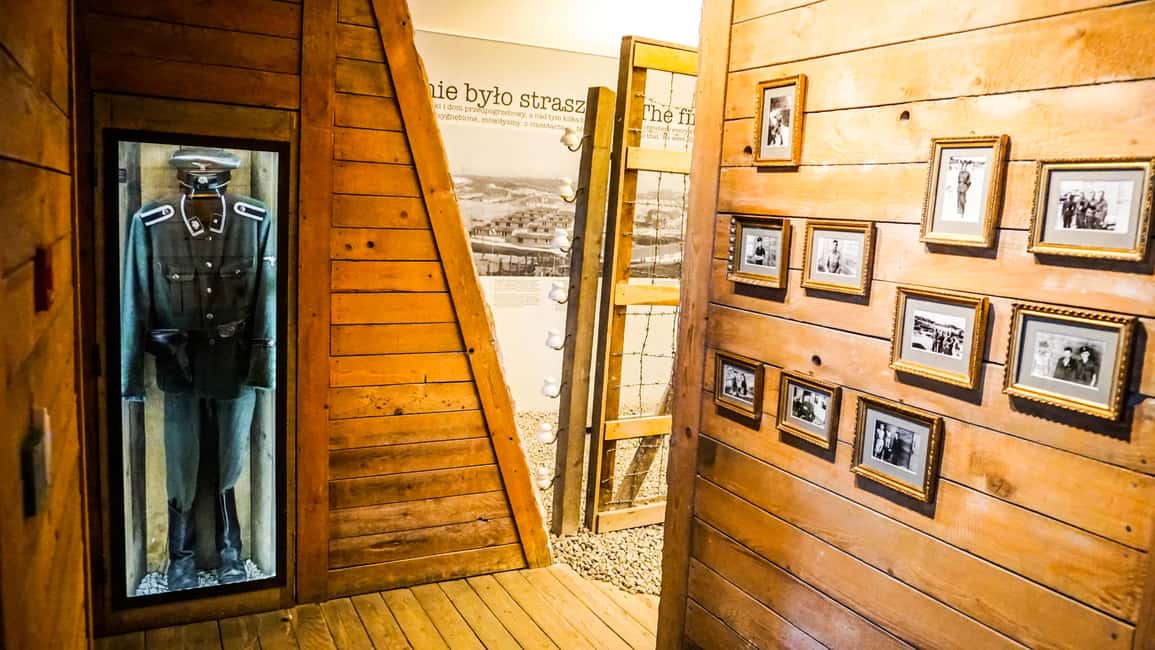
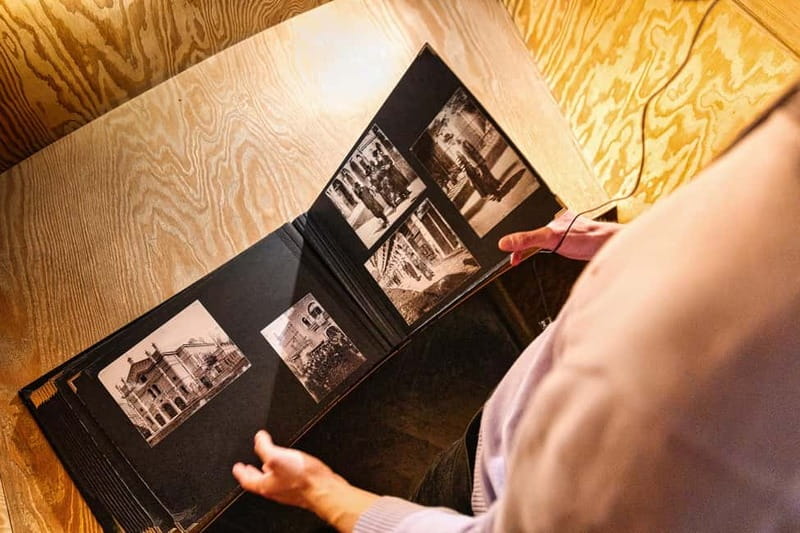
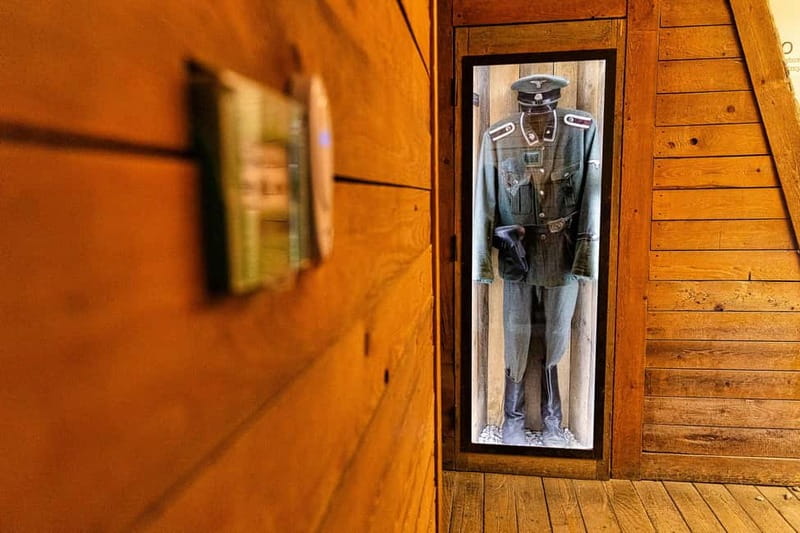
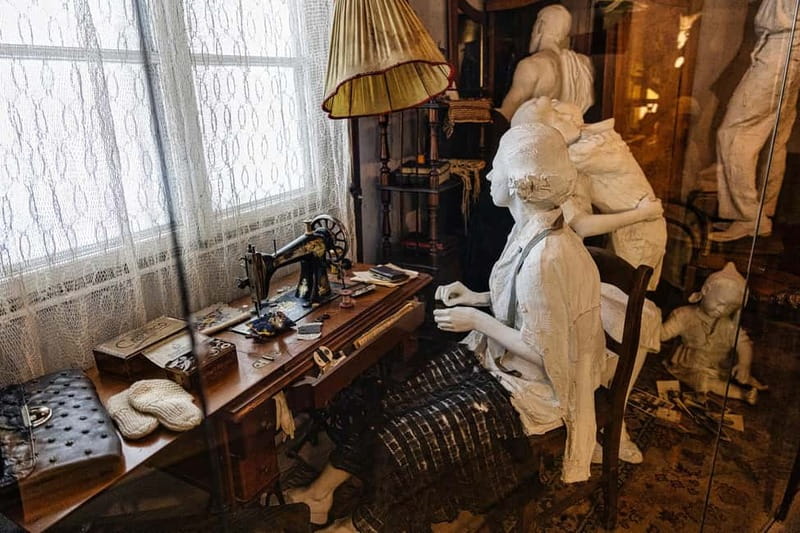
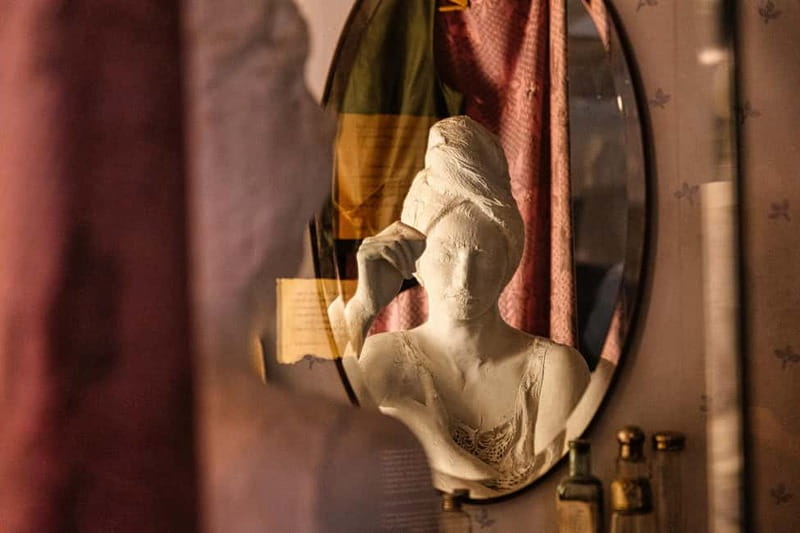
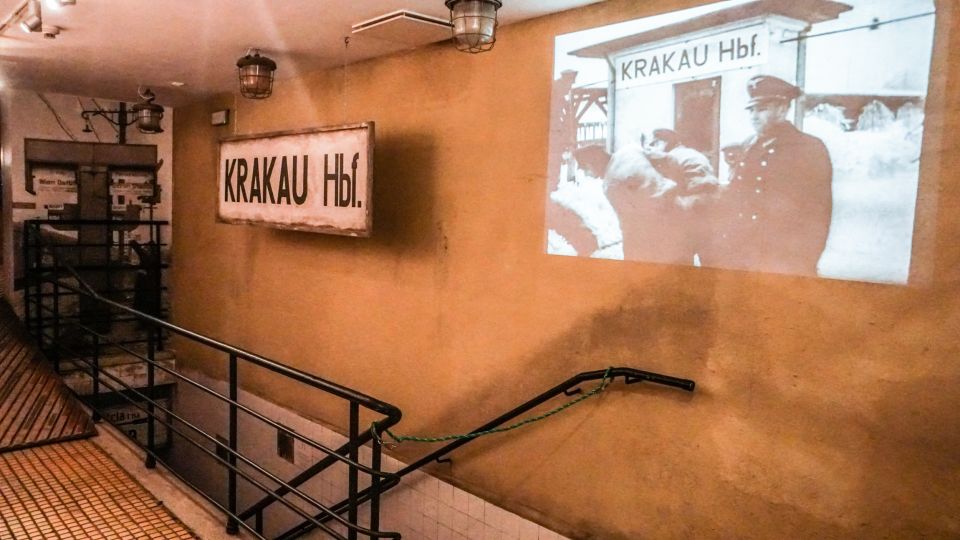
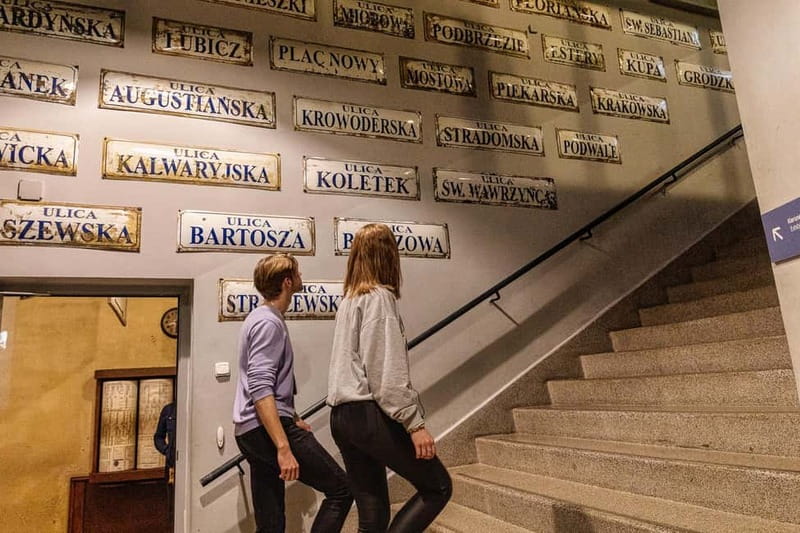
Once you’re inside, the museum uses a mix of wartime artifacts, reconstructed elements, and multimedia presentations. That combo matters. Paper documents and physical objects make the story feel real; audio/visual components help explain relationships and sequence without requiring you to read every panel perfectly.
You’ll also notice how the visit is shaped to explain Kraków’s experience under occupation—how people lived, what changed, and what kinds of treatment were imposed by both the occupying Nazis and, in the broader wartime context, other authorities mentioned in the museum story. A guided approach is especially helpful here because the museum isn’t only about one man’s choices. It’s about what those choices were pushing against.
Flash photography isn’t allowed, so expect the experience to be more about attention than “taking photos for proof.” Plan on leaning in with your eyes and asking questions if your guide allows it.
Oskar Schindler’s role, explained without losing the bigger story
Oskar Schindler is the central figure you came for, and the tour does a clear job explaining what made his actions unusual. Schindler was a German industrialist and a member of the Nazi Party, and that detail matters because it shows how complicated survival and influence could be in that system. He used his factory to shield Jewish workers from persecution, and the story emphasizes the real risk involved.
This is also where the guided tour becomes more than “tour narration.” A good guide helps you connect Schindler’s decisions to the operational realities of the factory environment—why a workplace could become a protective structure, and why that protection was never guaranteed. You’ll hear the story framed as both courage and desperation, because the museum storyline is about choices made under extreme constraint.
If you’re familiar with Schindler’s List, think of that as the emotional movie version. In the museum, you’ll get the harder, more specific version: why certain actions worked, what was at stake, and how the people inside the factory lived with shifting dangers.
The guides make or break it: Marta and Wojciech as real examples
In practice, what elevates this experience is the guide’s ability to turn the museum into a coherent walk-through. I’ve seen groups led by guides like Marta and Wojciech, and the common thread in strong tours is clarity plus a sense of pacing. Instead of tossing facts at you, they typically highlight what to look at first and explain why it’s there.
One standout pattern: guides often help you see the timeline of horrific events in a way that feels organized rather than overwhelming. That matters a lot in a museum like this, because there’s no point in knowing names and dates if you can’t understand the cause-and-effect behind them.
Also, good guides answer questions without making you feel rushed. That’s useful here, because you’ll likely have moments where you want context: How did the factory operate under occupation? What changed when control tightened? Why did protection end up depending on specific decisions?
You can also read our reviews of more guided tours in Krakow

Skip the lines, but don’t skip the planning
At $35 per person, this isn’t the cheapest Kraków museum outing. But value here isn’t just the ticket. You’re paying for skip-the-line admission plus a licensed guide for a structured 1.5-hour visit.
If you were planning to go solo, you could spend similar time reading panels and watching multimedia. The guide usually makes the time feel smarter—especially in an environment where translations may be spotty on some signage. In other words, the $35 buys you less friction and more meaning.
If you’re traveling with the Kraków City Pass, be aware of an important detail: the City Pass gives access to many museums and landmarks, but it doesn’t provide a skip-the-line ticket to Schindler’s Factory. You still need to book entry in advance for the Schindler site.
Timing and closing-time reality checks
This museum operates like a timed-entry attraction. Last admission is one hour before closing, so don’t show up right at the edge of closing time and hope things work out. If you want a calm visit, aim earlier in your day.
As for closures, the information I have says the museum is closed every Monday and also on the first Tuesday of each month. Another note in the museum schedule information points to closure timing tied to the first Monday of the month. Either way, the takeaway for your planning is the same: check your exact date before you rely on an open-door assumption.
What kind of traveler should book this?
Book this tour if you want:
- A guided way to understand the factory story without feeling lost in a heavy subject.
- An English explanation that makes exhibits easier to follow.
- A time-efficient visit that still covers the main narrative beats.
You might skip the guide and go alone only if you’re very comfortable reading every display carefully and you don’t mind slower pace. Still, given how the story is presented in this museum and how some signage may not be fully friendly in English, most people do better with a guide—especially for a first-time visit to the site.
Should you book this Schindler’s Factory guided tour?
Yes—if you care about getting the story straight and you value time. For a $35 price point, the combination of skip-the-line entry and a licensed English guide is the real bargain. The museum is powerful, and a good guide helps you turn that power into understanding, not just impressions.
One reason not to book: if you hate guided tours or you know you want to spend far more than 90 minutes on every exhibit. In that case, you may want to pair a shorter guided visit with a return trip on your own schedule.
If your plan includes Kraków’s WWII story in a serious, structured way, this is one of the best uses of an afternoon you can make in the city.
FAQ
How long is the Schindler’s Factory guided tour?
The tour duration is about 1.5 hours.
Do I get skip-the-line admission?
Yes. This experience includes skip-the-ticket-line admission to Oskar Schindler’s Factory Museum.
What language is the guide?
The tour is hosted by an English-speaking licensed guide.
Where do we meet the guide?
Meet outside Oskar Schindler’s Enamel Factory next to the main gate right outside the entrance. The guide holds a sign that says Discover Poland Schindler’s Factory.
Is flash photography allowed inside the museum?
No. Flash photography is not allowed.
Is the museum closed on any specific days?
The information provided says the museum is closed every Monday and on the first Tuesday of each month. Last admission is one hour before closing.