REVIEW · KRAKOW
Krakow: Oskar Schindler’s Factory Skip-The-Line Ticket
Book on GetYourGuide →Operated by Unlimited Krakow · Bookable on GetYourGuide
Schindler’s story hits hard. This skip-the-line ticket gets you into Oskar Schindler’s Factory quickly, so you can spend your time on the stories of Krakow under Nazi occupation.
I love the fast, timed entry that helps you avoid long queues, and I like how the museum walks you through the occupation step by step, mixing everyday details with personal accounts. It’s not just names and dates—it feels human.
One thing to plan carefully: the museum access is tied to your ticket time, and you can be refused if you arrive too early or too late. Think strict time window, not flexible entry.
In This Review
- Key Points You’ll Care About
- What This Ticket Really Gets You at Schindler’s Factory
- The 90-Minute Route: What You’ll See Inside
- Everyday Life Under Nazi Occupation
- Jewish Community History in Krakow
- Schindler’s Office and the Survivor’s Ark Moment
- Timing Rules That Actually Matter (And How to Not Get Burned)
- Tickets, ID Checks, and Email or WhatsApp Delivery
- How you receive the ticket
- Bring physical ID
- If your ticket lands in the wrong place
- Museum Rules That Affect Your Day
- Crowds, Pace, and the Guide Question
- Price and Value: Is $24 a Smart Buy?
- Who Should Book This, and Who Might Want Another Option
- Quick Practical Tips for a Smoother Visit
- Should You Book This Skip-the-Line Ticket?
Key Points You’ll Care About

- Skip-the-line, timed entry: You show a digital ticket and go straight in at your scheduled time.
- A room-by-room WWII timeline: The flow covers the start of the war in Krakow through the end, not only Schindler’s life.
- Personal testimony style exhibits: Expect accounts of daily life under occupation and the human cost behind the history.
- 90 minutes fits a focused visit: It’s short enough to keep momentum, but long enough to understand what’s going on.
- Strict rules in the building: No flash photography, no video recording, and no large bags or luggage.
What This Ticket Really Gets You at Schindler’s Factory
Oskar Schindler’s Factory is one of Krakow’s must-see history stops, and the difference between waiting and walking right in can be huge. With this ticket, you’re buying convenience and time, not just admission.
I especially like how the museum experience is set up for independent visitors. You’ll move through exhibits with English explanations alongside areas, and the layout guides you through what’s happening during the occupation of Poland—so you don’t feel totally dependent on a guide.
One more practical point: this ticket is for the museum entry only. There’s no guide included here, so your understanding will come from the exhibit design, written information, and any optional guided add-ons you might look for separately.
You can also read our reviews of more tours and experiences in Krakow



The 90-Minute Route: What You’ll See Inside
Plan for a 90-minute visit that works like a timeline. The museum doesn’t just tell you who Schindler was—it sets his story inside what was happening in Krakow during the war years.
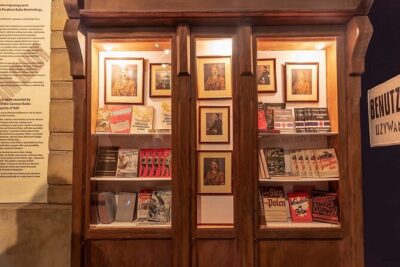
You start with the factory setting itself. The building traces back to 1937, when it was established as the Deutsche Emailwarenfabrik (DEF). That matters, because you’re not touring a “floating museum.” You’re in the space where industrial life connected to survival, labor, and the machinery of Nazi control.
As you move through the exhibition, you can expect the story to shift clearly from the early war period into the later occupation years. One helpful way to think about it is: you’re watching World War II become personal right in front of you—how decisions made at a huge, political level landed on real people trying to live normal days.
Everyday Life Under Nazi Occupation
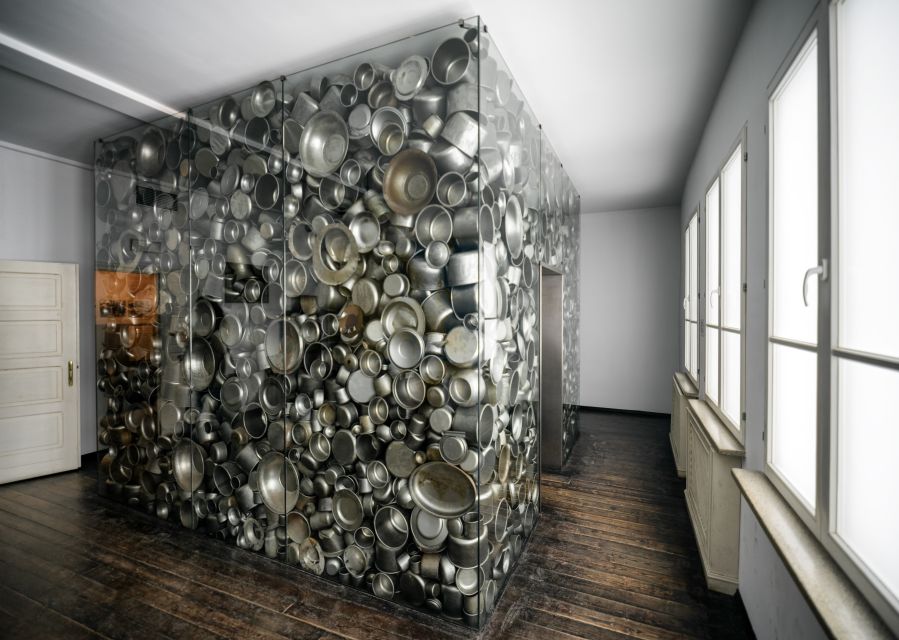
The exhibits focus on ordinary Krakow life under abnormal conditions. Expect materials that describe occupation realities for residents over nearly six years. You’ll see how fear, coercion, and limited choices shaped daily routines, not just dramatic events.
This is where the museum’s emotional weight lands. The personal stories are presented in a way that makes you slow down—especially if you’re the type who reads carefully instead of scanning.
Jewish Community History in Krakow
A major part of the experience centers on the Jewish community of Kraków, and how Nazi policies reshaped their lives. Even when the exhibits are not only about Schindler, they help you understand the context that makes his actions stand out—and also why survival was never guaranteed.
If you’re coming with only a one-paragraph version of the story in your head, you’ll likely come out with a clearer picture of how the occupation worked on the ground.
Schindler’s Office and the Survivor’s Ark Moment
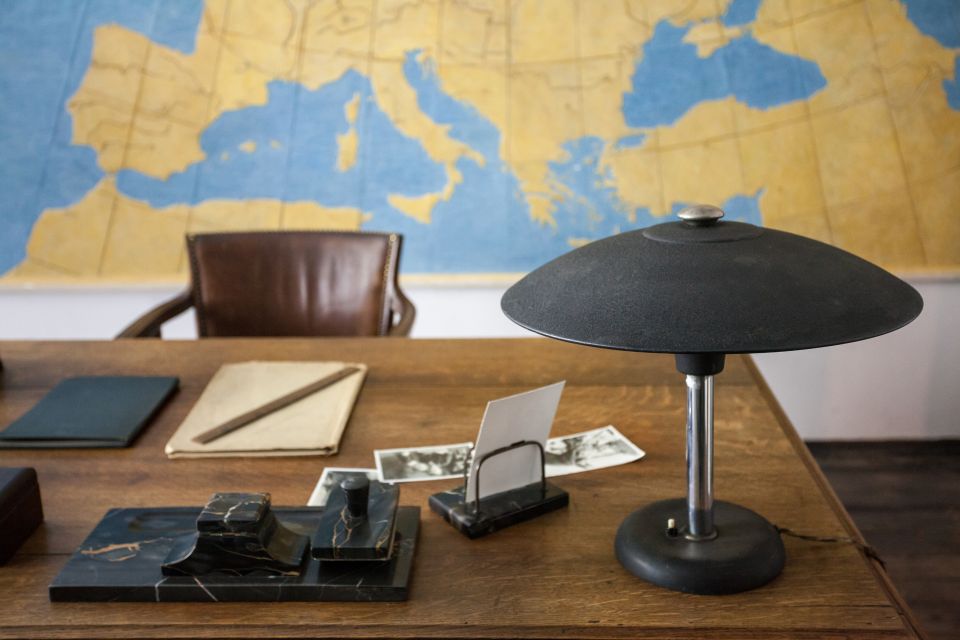
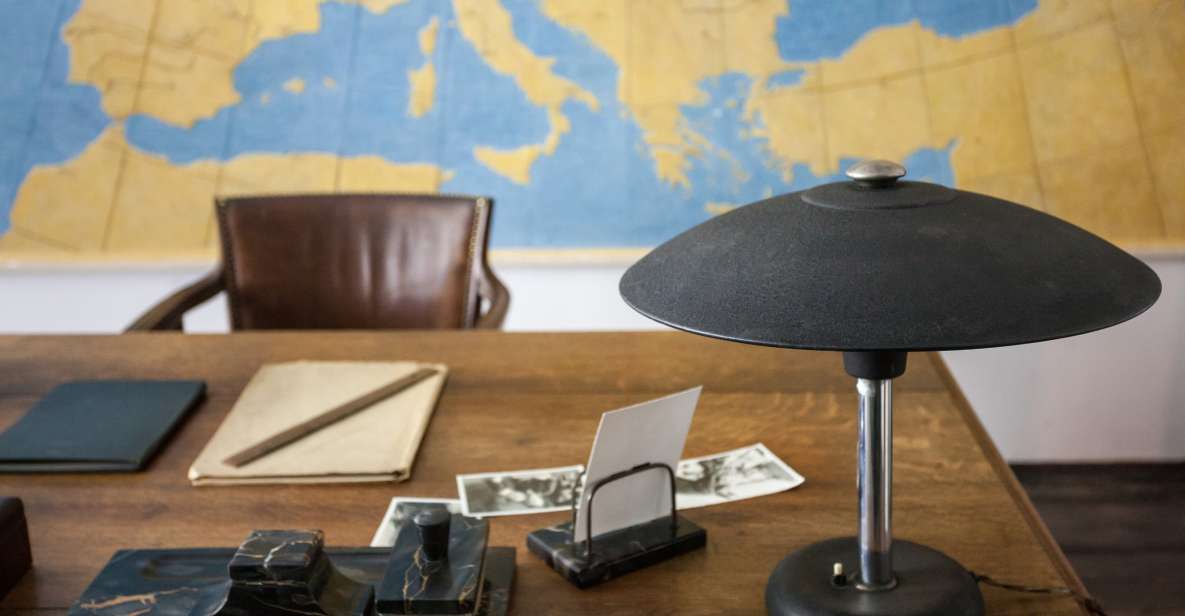
One highlight you should know about up front is the museum’s focus on Schindler’s efforts, including his symbolic “Survivor’s Ark.” The exhibit includes his personal office area, designed to connect his actions to the bigger disaster unfolding around him.
It’s easy for people to show up expecting a straight biography. In reality, you’ll spend a lot of time on Krakow under Nazi rule first. That actually makes Schindler’s story more powerful, because you understand what he was trying to fight against.
Some visitors also wish they’d heard even more about Schindler himself—so if you’re strictly shopping for Schindler facts, treat this as a WWII-in-Poland museum with Schindler as a key thread, not a full-time “factory biography.”
You can also read our reviews of more tours and experiences in Krakow






Timing Rules That Actually Matter (And How to Not Get Burned)
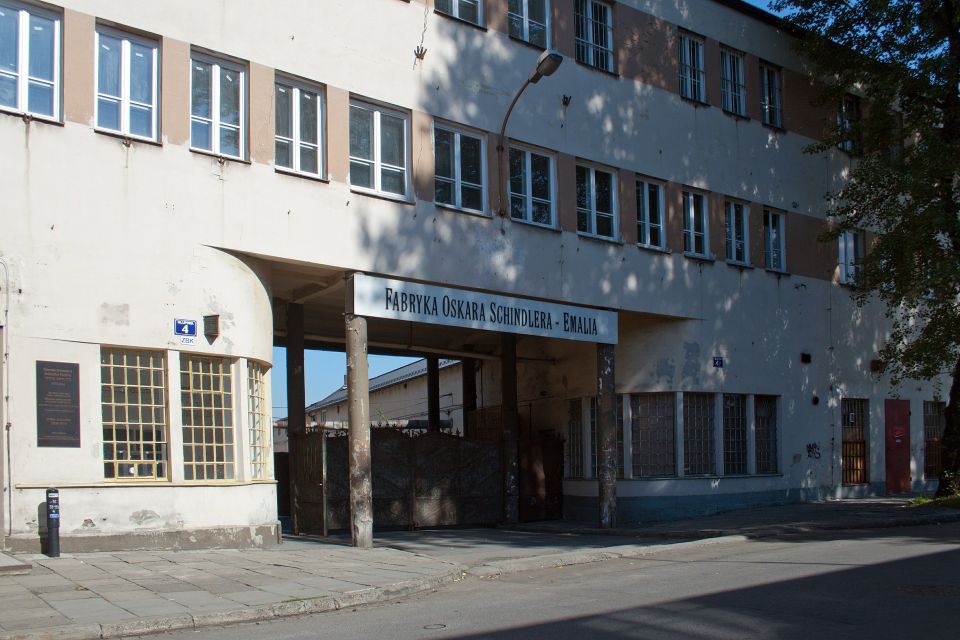
This ticket is time-based, and the museum keeps the rules tight. You can enter at your allocated time, and there’s a limited grace window—arrive too early or too late and you may not be allowed in.
Here’s the practical move: when you book, verify the exact time printed on your ticket. The ticket time can differ slightly from what you selected during reservation, so don’t assume.
Also, you can’t just wander in whenever. Your entry access is tied to the day and time on your ticket, so build your Krakow schedule around this visit rather than squeezing it in last-minute.
Tickets, ID Checks, and Email or WhatsApp Delivery
The process is straightforward, but you do need to pay attention.
How you receive the ticket
Your admission ticket is sent to you directly via email or WhatsApp by the local operator, Krakowbooking (not a GetYourGuide voucher). It arrives the day before your visit.
When you arrive, you show the digital ticket at the museum entrance. No printed ticket needed if your phone works.
Bring physical ID
You must bring a passport or photo ID for each participant. The museum won’t let you in without it, and this is one place where last-minute phone screenshots won’t save you.
If your ticket lands in the wrong place
If you don’t see it in your inbox, check spam and the offers tab. If it still disappears, the contact details listed for Krakowbooking include a recovery route via email or phone during set hours.
This is one of those travel tasks that feels tedious until it saves your day.
Museum Rules That Affect Your Day
Before you go, scan the restrictions so you don’t end up frustrated at the entrance.
- No flash photography
- No video recording
- No large bags or luggage
- No weapons or sharp objects
- No pets
- No intoxication, alcohol, or drugs
Even if you’re not carrying anything “weird,” large bags and luggage are the common surprise. If you’re traveling with a bigger daypack, plan ahead so you can move through security smoothly.
Also, the experience is busiest at peak hours. Keep your pace realistic. The museum is designed for reading and watching, not for racing through.
Crowds, Pace, and the Guide Question
Since this ticket doesn’t include a guide, your visit style matters.
If you prefer self-guided history with written explanations, you’ll probably be happy. The exhibits are set up with English information next to the sections, and the layout helps you connect the timeline without needing someone to translate the whole experience.
If you prefer a live narration, you might look into group tours happening inside the museum. But here’s the balancing act: when groups are moving through, they can change how easy it is to pause and take in the details. A few visitors noted that group activity could feel like it takes over spaces and makes it harder to focus.
My advice: keep your priorities simple. If you want to read every label, come earlier in the day if possible. If you’re okay with a faster flow, you can handle crowds better.
Price and Value: Is $24 a Smart Buy?
At $24 per person for about 90 minutes, the value depends on one thing: how you handle waiting.
If you hate queues, this is a good purchase. The museum can draw long lines outside, and being able to walk past and enter directly at your time is the main benefit you’re paying for. That time savings isn’t just comfort—it also reduces the stress of trying to fit the visit into a day already packed with Krakow sights.
You’re also buying a particular kind of value: the museum itself is the point, not a bus ride or a packaged tour with transport. With this ticket, you’re opting for focused museum time, and the exhibits do the heavy lifting.
If you were the type who loves long queues as a free activity, then skip-the-line may feel less essential. But for most people, it’s one of those purchases that turns a “maybe we’ll go” into a confident plan.
Who Should Book This, and Who Might Want Another Option
This is a strong match if you:
- want a key Krakow WWII stop without wasting time in line
- like personal stories and human-scale history
- can handle an emotional museum experience
- prefer a self-guided pace within a set visit window
It may not be the best fit if:
- you’re traveling with kids under 14 (this activity isn’t suitable for younger children)
- you struggle with walking on uneven surfaces (the site is wheelchair accessible, but some areas use cobblestones, which can be tough)
- you only want a Schindler-focused biography rather than a WWII-and-Krakow occupation story
Quick Practical Tips for a Smoother Visit
Here are the details that make the biggest difference in how your visit feels:
- Check your ticket time twice (printed time is what matters).
- Arrive within the allowed window, not early “just in case.”
- Bring physical ID for everyone in your group.
- Travel light to avoid bag issues.
- Expect the museum to take your attention. If you try to do it like a checklist, you’ll miss the point.
And one small mindset tip: go in ready to read. This museum doesn’t work as well when you treat it like a quick photo stop.
Should You Book This Skip-the-Line Ticket?
I think this is a smart book for most people visiting Krakow, mainly because the payoff is simple: you enter on time without the line headache. Given the emotional and historical importance of Oskar Schindler’s Factory, it’s worth protecting your visit time so you can focus on the exhibits instead of logistics.
Book it if you want the museum’s timeline and personal stories, and you can show up with the right ID and within the ticket’s time rules. If you’re unsure you can handle strict timing, build in buffer time around your entry slot.