
REVIEW · KRAKOW
Krakow: Museum of Living Butterflies 2+1
Book on GetYourGuide →Operated by Sofi sp. z o.o. · Bookable on GetYourGuide
Butterflies change how you feel about a museum. A small-group visit to Krakow’s Museum of Living Butterflies turns a quiet room into a living show of wing patterns and survival. You’ll come for the beauty and stay for the science behind it, including how Lepidoptera wings get their look.
I like that you can learn the butterfly life cycle, plus the basics of butterfly anatomy and coloring in a way that actually makes sense. I also like the photo opportunity built into the experience, so you’re not just looking, you’re capturing what you see (with one rule).
One thing to consider: this is not a guided tour. If you want a lecturer-style explanation or step-by-step prompting the whole time, you’ll need to rely on the exhibits instead.
In This Review
- Key highlights you’ll care about
- Museum of Living Butterflies in Krakow: what you’re really paying for
- What you’ll see: the butterfly collections and the learning stations
- The “butterflies from around the world” collection
- Life cycle lessons you can connect to real stages
- Butterfly anatomy and the coloring science
- Day-flying and night-flying butterflies
- Photo time inside the museum: how to get good shots without flash
- The bigger point: why biodiversity and preservation matter here
- Tickets, small group pacing, and why $36 per group can be a smart deal
- Comfort and accessibility: what to plan for before you go
- Who this museum is best for (and who might want a different plan)
- Should you book the Museum of Living Butterflies in Krakow?
- FAQ
- Where is the Museum of Living Butterflies?
- How much does admission cost?
- How long is the experience valid?
- Is this a guided tour?
- Can I take photos of the butterflies?
- Is flash photography allowed?
- Is food included with the ticket?
- Is the museum wheelchair accessible?
- What’s the group size?
- Can I cancel for a refund?
Key highlights you’ll care about
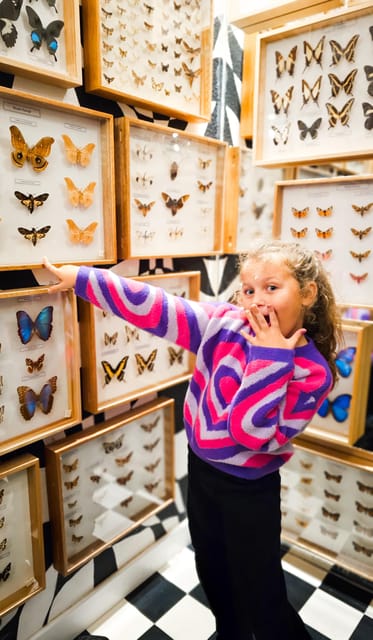
- Living butterflies plus global species in one stop around Krakow
- Life cycle and butterfly anatomy explained through what you can actually see
- Wing scales and coloring basics tied to the Lepidoptera order
- Photo time is part of the visit, but flash photography is not allowed
- Day-flying and night-flying species help you understand behavior, not just looks
- Biodiversity messaging on why preserving butterfly diversity matters
Museum of Living Butterflies in Krakow: what you’re really paying for

In Krakow, the Museum of Living Butterflies is one of those experiences that feels simple from the outside, then gets surprisingly smart once you’re inside. You’re not just viewing pinned insects or frozen specimens. This is about living butterflies, and that changes everything. You can watch movement, notice patterns on real wings, and connect the visuals to the way butterflies survive in the wild.
I also like the practical feel of it: you get admission, access to the exhibition areas, and time to explore. The setup is ideal if you’re the kind of traveler who learns best by seeing first, reading second. A small group of up to 3 participants keeps it calmer than big-group attractions, so you can look without constantly shuffling around strangers.
The price—$36 per group for up to 3—also works out well if you’re traveling with someone. You’re paying for the entry plus access to all areas, and you’re not locked into a guided script. That can be a win if your pace is slow or you like lingering.
You can also read our reviews of more museum experiences in Krakow

What you’ll see: the butterfly collections and the learning stations
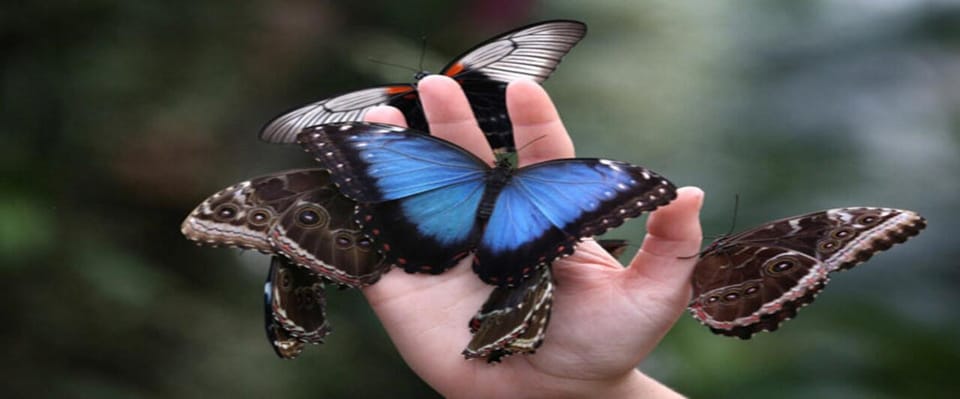
Inside the Museum of Living Butterflies, the focus stays consistent: how butterflies live, how their bodies work, and why their colors and patterns matter. The museum is built around educational exhibition areas, with a clear theme of life cycle, anatomy, and ecosystem role.
Here are the major areas you’ll want to pay attention to:
The “butterflies from around the world” collection
One of the biggest draws is the variety. The museum presents butterflies from different regions, so your visit won’t feel limited to one local look. You can compare species and notice how different wing patterns show up again and again across the Lepidoptera group.
This is the kind of section that rewards you for slowing down. When you pause, you start to see details: the way color blocks sit on the wings, how the pattern differs by species, and how it can look almost like printed design rather than random decoration.
Life cycle lessons you can connect to real stages
You’ll learn about the butterfly life cycle—how butterflies move through their stages and how that affects what you’ll see. Even without a guided talk, the exhibits make it easier to picture the full story: the process isn’t only about adult beauty.
For me, this turns a “pretty sight” into something you can explain later. If you’ve ever wondered why butterflies look so different across their life, this is where it clicks: the body changes, the role changes, and the needs change.
Butterfly anatomy and the coloring science
Another strong part is the explanation of butterfly anatomy, including why wings have that distinctive look. The museum highlights that butterfly wings are covered in tiny scales, and those scales help create the characteristic patterns.
That detail matters because it explains the difference between a butterfly that looks almost plain and one that looks like it has artwork on its wings. When you connect the visuals to the scale-based wing structure, you start seeing design instead of just color.





Day-flying and night-flying butterflies
The museum also makes room for butterflies with different activity times. You’ll learn that some species are active during the day while others are active at night. That’s a big deal because it changes how you interpret what you’re seeing in the rooms.
If your brain is stuck in daytime-only expectations, this section gently corrects it. You’ll leave understanding that butterfly life is shaped by behavior and timing, not just appearance.
Photo time inside the museum: how to get good shots without flash
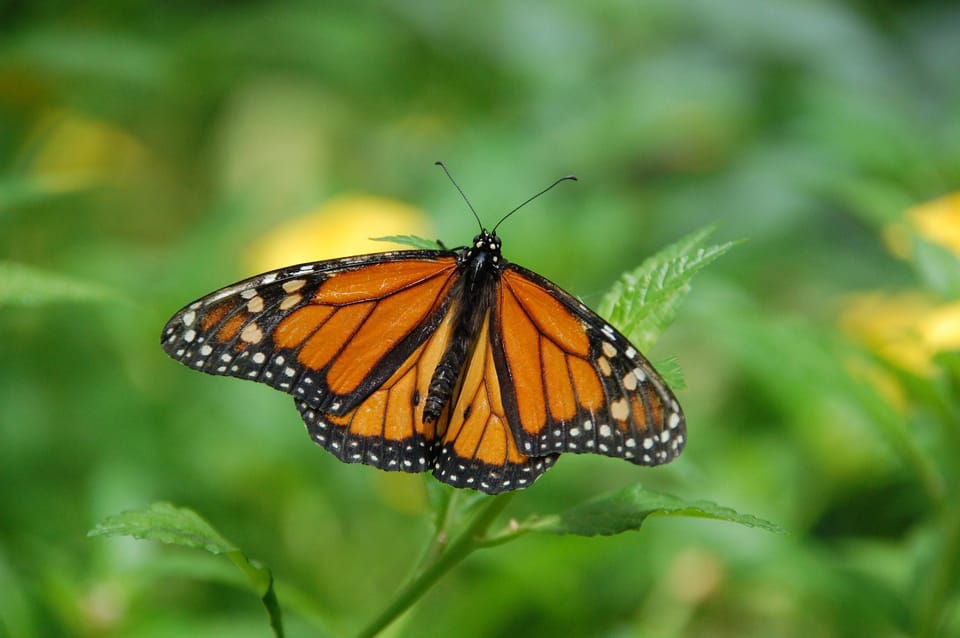
The museum includes an opportunity to take photographs, and the butterflies are exactly the kind of subject that makes a camera feel worth bringing. But there’s one strict rule: flash photography is not allowed inside.
That rule actually helps you learn how to shoot smart in indoor settings:
- Turn to natural-light angles where possible, since flash won’t be an option.
- Focus on close, steady framing rather than trying to chase every tiny movement.
- If you see a butterfly settle, treat it like a portrait moment. Wait a few seconds and then shoot a short burst.
Also, plan to move carefully. You’ll likely do a decent amount of walking within the exhibition areas, and the butterflies aren’t always staged for perfect visibility. Wearing comfortable shoes isn’t just about comfort—it helps you keep your balance while you reposition for a clean shot.
If your goal is photos, this is also the reason I’d skip heavy expectations about a guide “directing” the best spots. The museum offers photo access, but you’ll still be the one choosing where to stand and when to wait.
The bigger point: why biodiversity and preservation matter here
Beyond the wow factor, the museum makes a point about conservation. You’ll learn about the importance of preserving the diversity of the butterfly world and how that ties into ecosystems.
This isn’t just a slogan. When you understand the life cycle, wing anatomy, and ecosystem role, conservation stops being abstract. Butterflies are part of a living web, and when that web breaks, the butterfly variety you came to see can decline.
You’ll also see that the educational initiatives are part of the museum’s mission. Even if you don’t read every label, the message is consistent: learning about butterflies should lead to care for the habitats and conditions that keep them thriving.
For me, that’s where the experience earns its place. It’s not only entertainment. It’s a structured way to build awareness while you enjoy something beautiful.
Tickets, small group pacing, and why $36 per group can be a smart deal
The pricing is straightforward: $36 per group, up to 3 participants. That matters because you’re not billed per person in a way that forces a higher total when you travel together.
If you’re solo, it can still feel reasonable because:
- You get admission plus access to all exhibition areas.
- You can take photographs during your visit.
- The experience is valid for 1 day, with starting times that depend on availability.
If you’re traveling as a couple or small group of friends, the value improves fast. Even if you split the total informally, the “up to 3” setup means you can plan the day without the cost jumping each time you add a second person.
Also note what’s not included: food and beverages are not part of the ticket. So I’d plan to grab a snack nearby before or after. That keeps your day smooth and prevents a sudden mood shift when you realize you need to leave the museum area to eat.
Comfort and accessibility: what to plan for before you go
This is a museum-style experience, so the practical details matter.
- Wear comfortable shoes. There’s a lot of walking involved.
- The museum is wheelchair accessible in most areas, but some sections may be challenging for mobility impairments.
- Flash photography is not allowed, which you should keep in mind when setting up your phone or camera.
If you or someone in your group uses a wheelchair or mobility aid, I’d treat the visit as “mostly accessible,” not fully effortless. The key is to be ready for a few tighter spots or sections where your route might slow down.
And if you’re traveling with kids, comfortable shoes matter even more. Butterflies are interesting, but patience and movement need to be managed.
Who this museum is best for (and who might want a different plan)
This experience is a strong fit if you:
- Like natural-world learning that’s visual and easy to follow
- Enjoy photos where the subject stays interesting while you wait
- Want a smaller setting with a group limited to 3 participants
- Are interested in how butterfly wings work, including the science of wing scales and coloring
You might want to plan differently if you:
- Are hoping for a full guided tour with a speaker leading you through the content
- Prefer activities that are heavily hands-on rather than exhibition-based
- Want food included as part of the same ticket
For most people, the museum lands in a sweet spot: it’s fun enough to feel like an outing, but it still teaches you real facts you’ll remember.
Should you book the Museum of Living Butterflies in Krakow?
Yes, I think you should book it if you want a calm, science-friendly attraction with living butterflies and meaningful learning. The small group size is a real advantage, and the combination of life cycle lessons, wing anatomy explanations, and photo-friendly access makes it more than a quick look-and-leave stop.
Book it especially if you’re the type who likes to leave with at least one thing you can explain—like how wing scales create patterns, or why day and night activity changes what you observe. Just go in knowing there’s no guided tour included, so your experience will be shaped by how much you enjoy reading exhibit info while you explore.
If you want, tell me your travel dates and whether you’re going solo or with a second person, and I’ll suggest how to place this into a Krakow day plan around it.
FAQ
Where is the Museum of Living Butterflies?
It’s located in Lesser Poland, Poland, in Krakow.
How much does admission cost?
Admission is $36 per group, up to 3 participants.
How long is the experience valid?
The ticket is valid for 1 day. Starting times depend on availability.
Is this a guided tour?
No. Guided tours are not included, so you’ll explore the exhibition areas on your own.
Can I take photos of the butterflies?
Yes. The experience includes the opportunity to take photographs.
Is flash photography allowed?
No. Flash photography is not allowed inside the museum.
Is food included with the ticket?
No. Food and beverages are not included.
Is the museum wheelchair accessible?
The museum is wheelchair accessible in most areas, but some sections may be challenging for those with mobility impairments.
What’s the group size?
It’s a small group limited to 3 participants.
Can I cancel for a refund?
Yes. You can cancel up to 24 hours in advance for a full refund.