REVIEW · KRAKOW
Krakow Old Town Walking Tour
Book on Viator →Operated by Active Krakow Tours by BikeMe · Bookable on Viator
Krakow can feel like a maze at first. This Old Town walking tour keeps things orderly, with a guide walking you past the big-name sights that define the city, including Wawel Royal Castle and the Market Square. You spend your time learning what you’re looking at, not puzzling out where to go next.
I love the simple setup: you meet right at Rynek Główny by the Town Hall Tower, and a guide leads the way so you can get your bearings fast. I also like that the route connects themes—defense history, market life, learning at the oldest Polish university—so the sights feel linked instead of random photo stops.
One thing to consider: at about 2–3 hours, it’s a fast, guided hit list. If you want long, slow breaks to read every sign or linger in museums, you’ll probably need extra time after the tour.
In This Review
- Key highlights worth planning around
- Getting your bearings at Rynek Główny and the Town Hall Tower
- The Market Square’s defense story and why medieval Krakow mattered
- Jagiellonian University: stepping into Poland’s oldest learning tradition
- Wawel Cathedral: where architecture meets royal sarcophagi
- From Italian artists to Polish royal projects at the Royal Castle
- The Krakow dragon symbol and why stories stick to landmarks
- How the 2–3 hour pace actually feels for planning your day
- Price and value at $29.52 with admission included
- Small group size, mobile tickets, and the comfort of a clear plan
- Who this tour suits best (and who may want something else)
- Should you book the Krakow Old Town Walking Tour?
- FAQ
- Where does the tour start?
- What time does the tour start?
- How long is the Krakow Old Town Walking Tour?
- How many people are in the group?
- Is there a mobile ticket?
- Are admission tickets included?
- Where does the tour end?
- Do I get confirmation after booking?
- Is the meeting point near public transportation?
- What is the cancellation policy?
Key highlights worth planning around
- Meet at Rynek Główny by the Town Hall Tower so you start oriented, not lost
- Learn the Market Square’s role as a commercial, social, and entertainment hub
- Step into the Jagiellonian University headquarters with context for what you’re seeing
- Wawel Cathedral with ticketed time to understand construction, meaning, and royal sarcophagi
- Finish near Wawel Royal Castle and catch the Krakow dragon symbol along the way
Getting your bearings at Rynek Główny and the Town Hall Tower
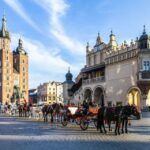
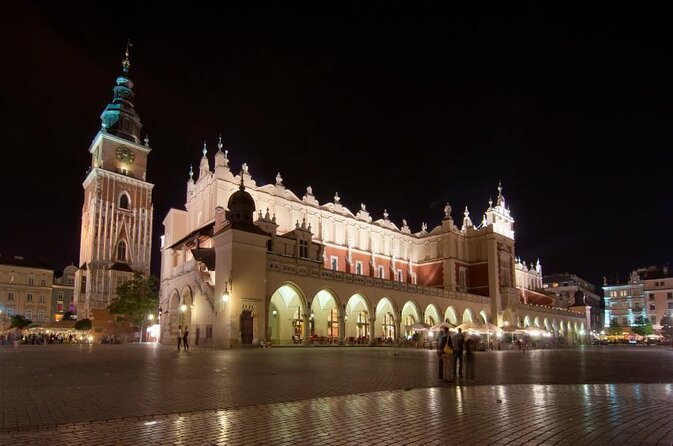
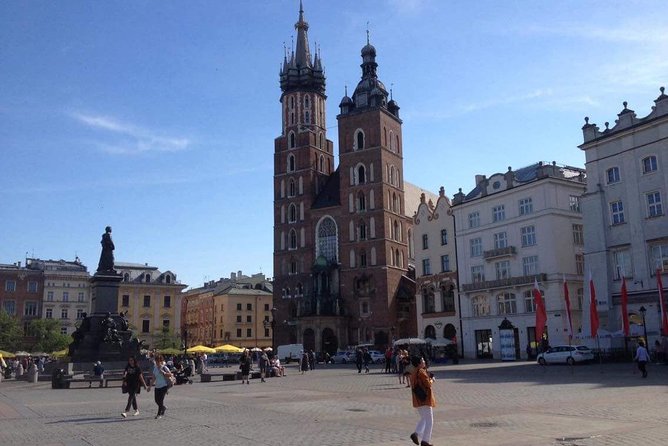
Your day starts in the thick of it: Krakow’s main square, Rynek Główny. This is one of Central Europe’s biggest medieval market squares, and it’s exactly the kind of place where it’s easy to lose your sense of direction. The tour fixes that problem by putting you at a clear landmark—right by the Town Hall Tower—then walking from there with someone who already knows how the streets, viewpoints, and stories connect.
I like tours that do this well, because the square isn’t just pretty. It’s functional space from medieval city planning: a meeting point, a marketplace, and a stage for public life. When you know that going in, you start noticing why certain buildings face the square and why particular corners became important.
The meeting point also matters for timing. With a 9:45 am start, you can get the main orientation work done early enough to make the rest of your sightseeing day feel easier. If your schedule is tight, that early guided structure is a real win.
You can also read our reviews of more walking tours in Krakow



The Market Square’s defense story and why medieval Krakow mattered
The tour’s early walking portion doesn’t treat the square as scenery. It frames Krakow’s importance through the lens of defence history, power, and beauty. That sounds broad, but it changes the way you see the surroundings. When a guide connects buildings to protection and governance, you stop viewing the area as just old stone and start seeing how the city functioned.
You’ll also hear how the Market Square operated not only as a place to buy things, but as a daily engine for social and entertainment life. That’s the kind of context that makes the space feel lived-in, even centuries later.
A standout detail in the story is the mention of unprecedented archaeological research that helped open a new museum. Even without being a museum-focused tour, this matters because it signals that Krakow’s medieval layers aren’t just preserved behind glass. They’ve been studied and reinterpreted, and that research continues to shape what you can visit and learn.
Jagiellonian University: stepping into Poland’s oldest learning tradition
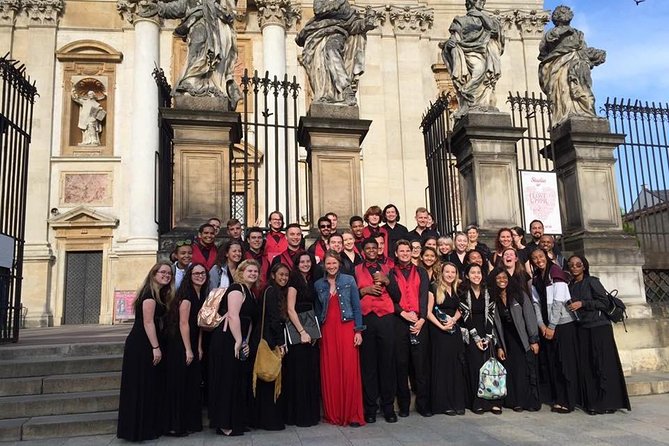
Another early highlight is when the route brings you to the headquarters of Jagiellonian University, presented as the oldest Polish university. This is a powerful way to break up the usual Old Town pattern of churches and castles. You’re still in the medieval core, but the theme shifts from rule and defense to study and influence.
The guide’s job here is to make the university feel connected to the city, not like a standalone building you simply pass by. When you’re told that people studied there who became known and admired in later times, you start understanding why this institution mattered beyond academics. It’s a reminder that power doesn’t only come from fortifications and crowns—it also comes from education, ideas, and training.
From a practical standpoint, this stop also helps you pace the walking. After the wider square and street views, stepping into a university setting gives you something different to focus on visually and intellectually.
Wawel Cathedral: where architecture meets royal sarcophagi
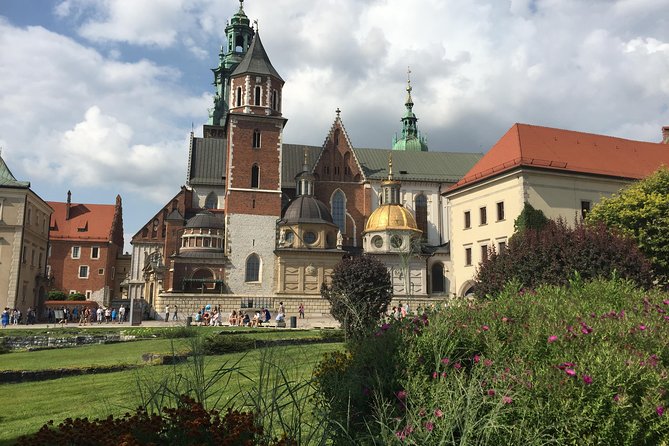
One of the most important stops is Wawel Cathedral. This isn’t billed as a quick photo stop. You’ll get guidance through why the cathedral is seen as one of Poland’s most important and breathtaking, plus a clear explanation of construction history and why the place still matters today.
What I find especially useful is the emphasis on both structure and meaning. The guide points out architectural beauty, but also links what you’re seeing to the people associated with the cathedral. The tour highlights sarcophagi connected with saints and members of royal and religious leadership—royal, princes, and bishops—so the cathedral becomes less abstract and more personal.
You’ll also get a focused look at sarcophagi of Polish kings. Even if you don’t consider yourself a “tombs person,” this is where a guided explanation can turn skepticism into curiosity. Royal burial traditions and the way monuments are arranged tell you a lot about values and power.
The cathedral time is listed as about 20 minutes for this stop, with admission included. That short window won’t replace a full day of independent cathedral wandering, but it gives you a strong foundation. If you want to return later, you’ll know what to look for.
From Italian artists to Polish royal projects at the Royal Castle
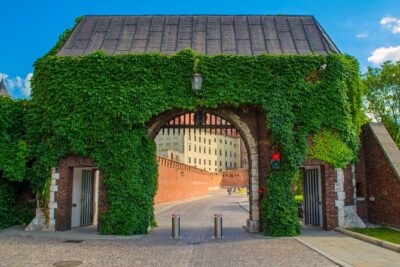
After the cathedral focus, the route circles back toward Wawel’s broader story through the Royal Castle. Here, the tour explains how Italian artists fit into the larger plans of the Polish king. That detail is a neat way to understand how Krakow’s elite used art and expertise from elsewhere, and how royal projects were both political and cultural.
This part of the walking experience is valuable because it keeps the Wawel area from becoming one big blur of walls and names. You’re getting a narrative: who commissioned what, and why certain artistic choices were made. Even if you only spend limited time in the complex, the guide’s framing helps you read the place.
One small consideration: Wawel is a major destination, so if you’re the kind of person who needs time to absorb every plaque, you may feel you’re moving on quickly. The tour’s goal is orientation and key highlights—then you can decide what to expand after.

The Krakow dragon symbol and why stories stick to landmarks
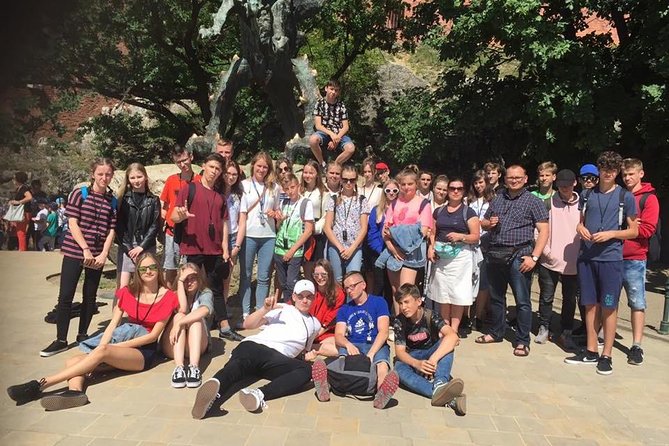
Capped into the route is Krakow’s symbol: a fire-breathing dragon. Symbols matter on walking tours because they’re memorable anchors. When a guide ties a landmark to a city-wide identity, you remember not just where you stood, but why that stand matters.
Even if the dragon is one of those images you’ve seen online before, it lands better when you’re already warmed up by the city’s longer stories—market life, learning at the university, and the ceremonial power of Wawel. By the time you reach the dragon moment, you’ve basically been trained to notice how Krakow builds its identity: through myth as well as history.
How the 2–3 hour pace actually feels for planning your day
The tour runs about 2 to 3 hours, designed to fit into a normal sightseeing day. That makes it a good “spine tour,” the kind that gives structure to everything you do next.
Here’s what you can expect from the timing:
- You spend enough time at the key anchors to understand what they represent.
- The Wawel Cathedral segment is time-boxed (about 20 minutes), which means you’ll get the main story rather than every detail.
- You’ll cover multiple top landmarks without needing to re-map your route every hour.
If you have a later appointment, you can build your schedule around the tour’s early start. If you’re planning to add independent visits to Wawel after, do it with intention. Go back to the areas your guide highlighted, not everything at once.
Price and value at $29.52 with admission included
The tour costs $29.52 per person, which is very reasonable for a guided walking program that includes ticketed entry. The information here explicitly notes admission included for the main ticketed segment and the Wawel Cathedral stop.
That’s where value shows up. You’re not only paying for directions. You’re paying for a guide who turns landmarks into a coherent story—market life at Rynek Główny, the role of the oldest Polish university, and the meaning behind Wawel’s religious and royal monuments. When admission is part of the deal, it also reduces surprise costs once you arrive.
One more value point: this kind of tour can save you research time. Instead of spending your first hours online trying to connect buildings to dates, you start with an explanation and walk with a plan.
Small group size, mobile tickets, and the comfort of a clear plan
This experience runs with a maximum of 25 travelers, which helps keep it from feeling like a moving crowd. It’s also listed as being suitable for most travelers, so the pacing is set up for a typical mix of ages and interests.
You’ll also use a mobile ticket, which makes the day simpler—no printed tickets to misplace. And you’ll get confirmation at the time of booking, so you’re not left waiting for last-minute details.
The walking format also means you stay flexible. If you realize you want to return to Wawel for longer after the tour, you’re already in the right area when you finish.
Who this tour suits best (and who may want something else)
This Old Town walking tour is a strong match if you:
- want a clear route through Krakow’s main medieval sights
- like learning context (not just collecting photos)
- prefer saving your energy on figuring out navigation
It may be less ideal if you:
- need lots of free time at each stop
- expect a long museum-style visit rather than a guided highlight route
Also, if you’re traveling with kids or you want an easier entry point for first-time Krakow sightseeing, this tour’s “get oriented fast” structure tends to work well. The route hits major anchors without making you guess what’s important.
Should you book the Krakow Old Town Walking Tour?
If your priority is a guided, efficient first look at Krakow’s core and Wawel—this is a solid choice. The price is fair for a guided walk that includes admission for key stops, and the storyline ties together market life, learning, and the cathedral-and-castle area in a way that helps you remember what you saw.
If you’re already comfortable navigating Old Town and you only want specific sites, you might skip this and go independent. But if you’d rather walk with someone who can explain what you’re standing in front of, booking makes sense—especially with an early start and a route that ends right near the Wawel area.
FAQ
Where does the tour start?
The tour starts at Rynek Główny 1, 31-042 Kraków, Poland. The meeting point is by the Town Hall Tower on the Market Square.
What time does the tour start?
The start time listed is 9:45 am.
How long is the Krakow Old Town Walking Tour?
It’s approximately 2 to 3 hours.
How many people are in the group?
The maximum group size is 25 travelers. A minimum of 3 people per booking is required.
Is there a mobile ticket?
Yes, the tour uses a mobile ticket.
Are admission tickets included?
Admission tickets are included for the ticketed parts of the tour, including the Wawel Cathedral stop.
Where does the tour end?
It ends at the Wawel Royal Castle–State Art Collection, Wawel 5, 31-001 Kraków, Poland.
Do I get confirmation after booking?
Yes. Confirmation will be received at the time of booking.
Is the meeting point near public transportation?
Yes, the meeting point is near public transportation.
What is the cancellation policy?
Free cancellation is available. You can cancel up to 24 hours in advance of the experience for a full refund. If you cancel less than 24 hours before the start time, the amount paid is not refunded.