REVIEW · KRAKOW
Krakow: Jewish Quarter and Former Ghetto Tour
Book on GetYourGuide →Operated by Kraków Explorers · Bookable on GetYourGuide
A city’s past walks with you here. This Kraków Jewish Quarter and Former Ghetto Tour links synagogues, memorials, and even movie locations into one clear storyline of lives before, during, and after WWII.
I like that it doesn’t treat Jewish history as a museum exhibit. It explains the people, the customs, and the geography of Kazimierz as you go. I also love the stop-by-stop pacing that keeps the emotional material focused and respectful, not vague.
One possible drawback: it’s a steady walking tour. Plan on comfortable shoes and a bit of winter layering, since this is roughly 150 minutes on your feet.
In This Review
- Key things that make this tour worth your time
- Entering Kazimierz: why this tour starts at ul. Szeroka 24
- The Old Synagogue and why the second-oldest matters
- Ghetto history in public space: Holocaust memorial and Heroes of Ghetto Square
- Schindler’s List filming spots: how the movie changes after the context
- Jewish cemetery stop: a pause that changes the mood
- People behind the names: Rubinstein, Polanski, Zamenhof, Faktorowicz
- Walking logistics you should plan for (so you enjoy it)
- Who this tour suits best
- Should you book Kraków’s Jewish Quarter and Former Ghetto Tour?
- FAQ
- How long is the tour?
- Where does the tour meet?
- How much does it cost?
- What is included in the ticket price?
- Is the tour offered in English?
- Is the tour wheelchair accessible?
- Are alcohol or drugs allowed during the tour?
Key things that make this tour worth your time
- Old Synagogue as a major anchor: It starts at ul. Szeroka 24, where you’ll understand why this area matters.
- Second-oldest synagogue in Europe: You get real historical context before you wander off into the smaller streets.
- Heroes of Ghetto Square and Holocaust memorial stops: The story connects place names to what happened there.
- Schindler’s List filming spots: Movie scenes make more sense when you see the actual neighborhood they were shot in.
- Jewish cemetery visit: A quieter, reflective moment that’s very different from the streets-and-stories sections.
- English, local guide, and Q&A time built into the walk: Guides like Bart, Magda, Matt, Slavek, Emily, Chris, and Makek have a strong habit of answering questions on the move.
Entering Kazimierz: why this tour starts at ul. Szeroka 24
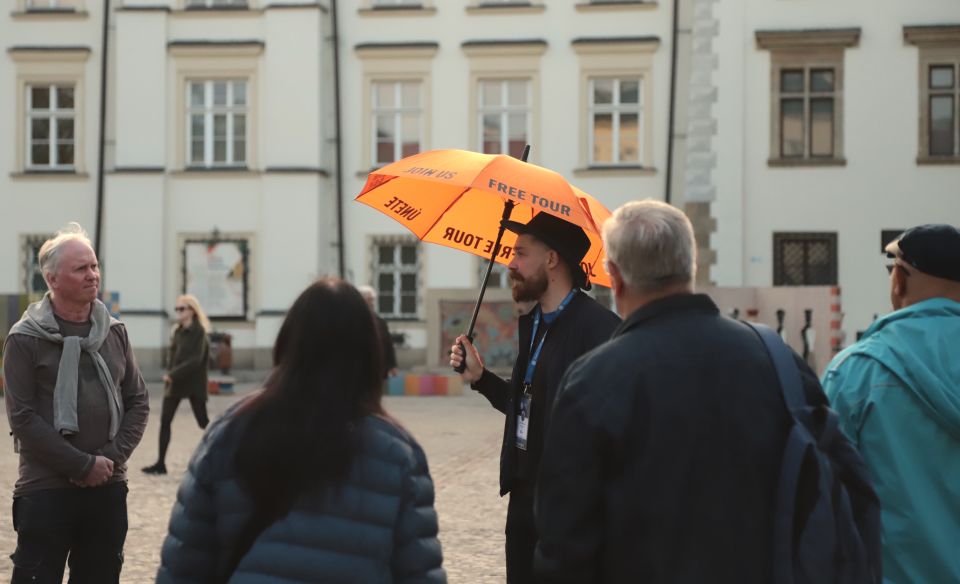
Kazimierz is where Jewish life in Kraków took its own shape—first with settlement and community building, then later with the brutal interruption of WWII. The tour’s starting point, the Old Synagogue (ul. Szeroka 24), helps you get your bearings fast. You’re not just roaming streets; you’re learning how the neighborhood functioned as a living community.
This matters because Kazimierz isn’t one big, obvious monument. It’s a patchwork of small lanes, civic corners, and religious buildings. Without context, you’ll see pretty streets and old stone and move on. With a guide, those details start to click. You’ll learn how Western Europe’s persecutions helped push Jewish settlement eastward, and how Kazimierz became a center with its own prosperity and traditions.
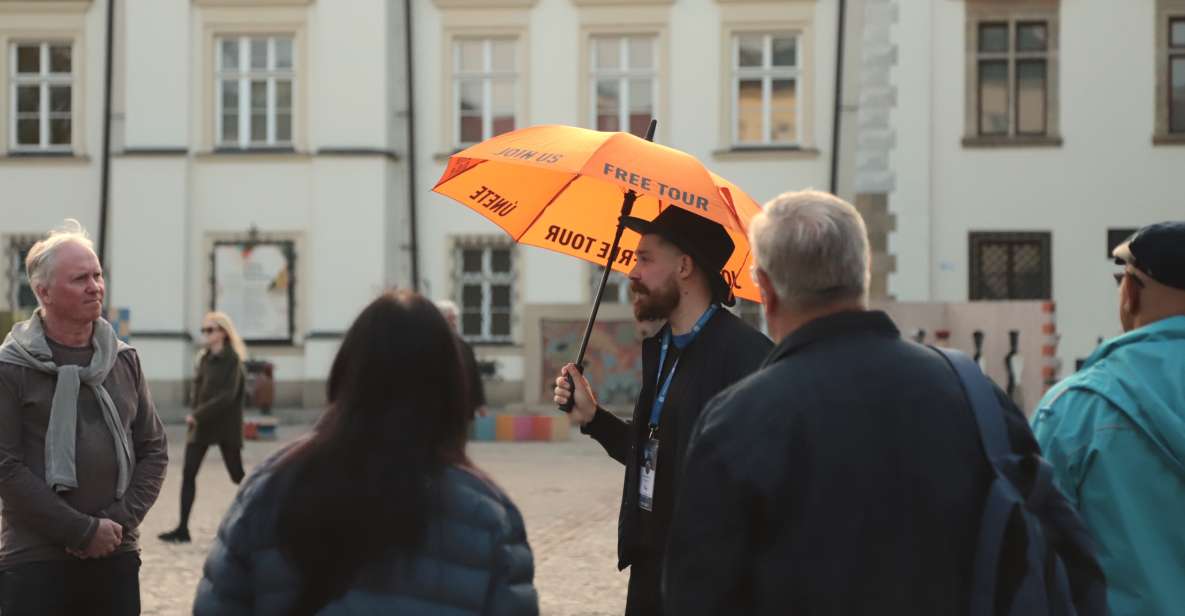
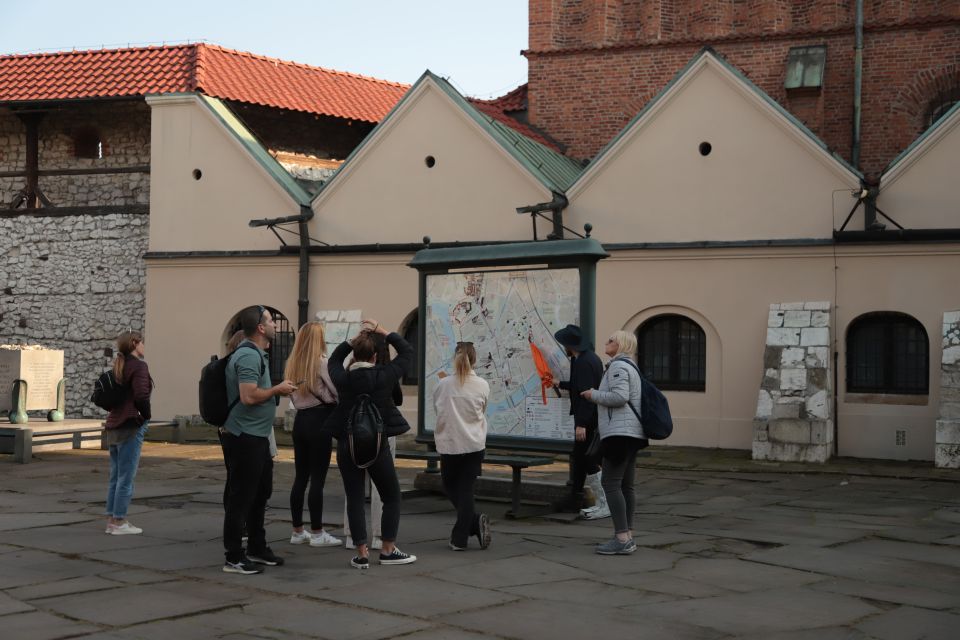
A small practical thing: meeting is in front of the Old Synagogue, and you should look for guides with an orange umbrella. If you struggle with directions, that visual cue is a lifesaver.
If you’re the type who likes to connect names to locations—this tour rewards you. If you want zero walking and a sit-down lecture, this might feel more active than you expected.
You can also read our reviews of more tours and experiences in Krakow.
The Old Synagogue and why the second-oldest matters
The tour highlight list calls out something big: the second-oldest synagogue in Europe. Starting here is a smart choice because you get a historical anchor right away. It’s easier to understand everything that comes after—memorials, square names, cemetery ground, and even the filming spots—when you begin at a place that defines religious and communal roots.
You’ll also learn that Kazimierz wasn’t only about worship spaces. It was a social world. As the walk progresses, you’ll hear about traditions and about how different Jewish communities shaped local life. The tour specifically mentions getting your head around terms like Ashkenazim and Sephardim, which helps you place cultural differences in a real setting rather than as trivia.
A big bonus here is tone. This is not history as a list of dates and buildings. The guide’s job is to explain what these places meant to people, and how the WWII catastrophe changed everything. Expect a mix of architecture, identity, and human stories.
Practical note: since this is a walking tour, you won’t linger forever at one spot. That’s good if you want momentum. It’s less good if you like long photo pauses. Either way, you’ll want to be ready to move on quickly.
Ghetto history in public space: Holocaust memorial and Heroes of Ghetto Square
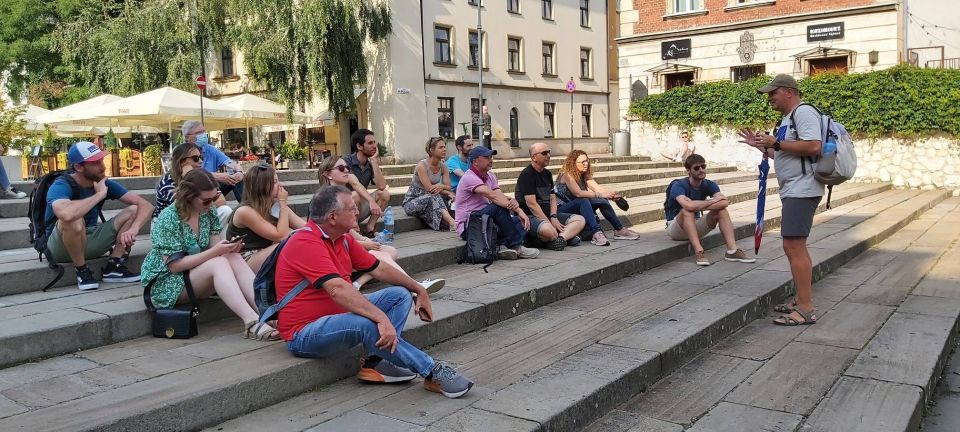
One of the tour’s defining strengths is how it treats the WWII story as something tied to real streets and real public spaces. The itinerary includes both a Holocaust memorial and Heroes of Ghetto Square, and those stops carry different kinds of weight.
At the Holocaust memorial, you should expect the tone to turn serious. This is one of those areas where a good guide matters, because you want clarity without sensationalism. The goal is to help you understand what happened and why these sites exist today.
Then you move to Heroes of Ghetto Square, which helps shift your understanding from victimhood-only narratives to resistance and memory—without skipping the hard parts. The square name itself is a hint: remembrance isn’t just about what was lost. It’s also about what people did, and how later generations chose to honor that.
If you’ve only seen WWII history through broad documentaries, this kind of place-based storytelling does something useful: it makes the past feel local and specific. And specificity helps you remember.
One consideration: emotional material can feel intense even in small doses. If you’re sensitive to that, pace yourself. Step out for air if you need it. The walk format usually allows it, and it’s better than forcing yourself through.
Schindler’s List filming spots: how the movie changes after the context
Kraków’s Jewish Quarter is famous in part because it appears in Schindler’s List. The tour includes Schindler’s List filming spots, and I think this is one of the best ways to turn a movie into real place.
Here’s the value: film locations can tempt you to treat them like postcards. With this tour, you’re less likely to do that, because the guide builds context first. You’ll connect the scenes you may recognize to the neighborhood’s actual atmosphere—streets, squares, and the sense of confinement and vulnerability that people experienced.
It also helps explain why visitors keep mentioning certain corners after they leave the tour. When you’ve heard the history tied to that spot, it feels different when you look at it again later on your own.
Timing-wise, you’ll likely catch these moments as part of a sequence, not as a single “movie stop” you linger at for an hour. That’s fine. You’re not on a cinema tour. You’re on a history walk that happens to include cinema locations.
If you haven’t seen Schindler’s List yet, you can still get a lot out of the tour. And if you have seen it, you’ll probably notice details more sharply afterward—like how location choices affected what the film could communicate.
Jewish cemetery stop: a pause that changes the mood
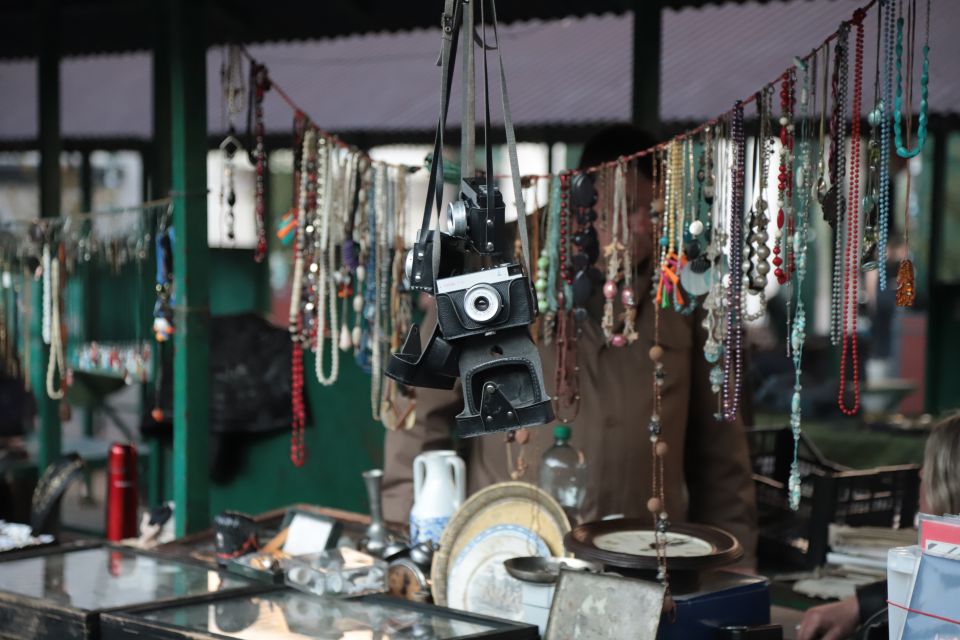
The tour also includes the Jewish cemetery, which is a different kind of experience from squares and memorials. Streets tell stories quickly. A cemetery asks for slower thinking.
This stop works because the tour has already put you in the right mindset: you’ve heard about community life, traditions, and the interruption caused by WWII. When you reach the cemetery, those earlier details don’t vanish. They follow you into a quieter space where remembrance becomes physical and immediate.
I recommend treating this part like a reset. Put your phone away for a few minutes. Walk more slowly than you think you need. Read what you can, and let your guide’s explanations do their job without competing with your camera.
Some tours rush this kind of stop. This one is built as a 150-minute walk with multiple segments, so you’re not expected to spend hours there. Still, the cemetery inclusion signals that the tour isn’t only about the ghetto period. It’s about Jewish presence before the catastrophe too.
If you’re taking photos, do it thoughtfully. Keep an eye on your group, and be ready to rejoin quickly. (A small “loner risk” comes with any busy walking tour.)
People behind the names: Rubinstein, Polanski, Zamenhof, Faktorowicz
One of the tour’s smartest features is that it connects Jewish heritage in Kraków not only to WWII, but also to recognizable individuals—cultural and scientific figures whose names you might already know.
The tour info specifically points to Helena Rubinstein, Roman Polanski, Ludwick Zamenhof, and Maximilian Faktorowicz. Even if you only know one or two of these names, hearing them tied to the Kraków story gives you a fuller picture. You see how Jewish life created influence well beyond local synagogue streets.
It also helps you understand that Kazimierz wasn’t stuck in a single role. People were artists, thinkers, writers, and builders. Jewish identity in Poland wasn’t just something that existed in the past tense. It produced ideas that traveled.
This is where guides like Bart and Magda (and others) tend to shine, based on how this tour is described: story-driven explanations that stay respectful while still being human. You get context without turning people into history props.
And if you like a bit of structure, this tour gives you categories to hold onto—religious community differences, everyday life, and the shock of WWII. That structure helps you make sense of what you saw afterward when you go back out on your own.
Walking logistics you should plan for (so you enjoy it)
Let’s talk feet and focus, because this tour is 150 minutes and it’s designed as a walking experience. Comfortable shoes are not optional advice. Even in good weather, you’ll be on cobblestones and uneven sections typical of Kazimierz.
In winter, plan for cold. One reason this is worth bundling up is simple: you’ll stop at multiple sites, including outdoor ones, and you won’t get a long indoor break every time the guide changes topics.
Also, the meeting point is precise. It starts at the Old Synagogue, and guides use an orange umbrella as a visual cue. Once you begin, try not to drift too far. A couple of minutes of separation can become a lot when the group keeps moving and turns don’t always look like they did 30 seconds ago. Stay within easy earshot.
Food and drinks are not included. That affects when you should schedule it. If you’re hungry, you’ll multitask badly. I’d time it so you can eat before or after, and carry water for longer days.
Finally, the tone includes emotionally difficult material. That’s not a reason to skip it. It’s a reason to go in with the right expectations and give yourself permission to pause if you need a moment.
Who this tour suits best
This tour is a great fit if you want:
- A structured way to understand Kazimierz without getting lost in random street-wandering.
- WWII history tied to place names you can actually see.
- A mix of religious heritage, community life, and memorial locations.
- Schindler’s List context so the movie feels grounded instead of abstract.
It may not be ideal if you:
- Hate walking tours.
- Want only casual, light sightseeing.
- Need a fully hands-off experience with minimal emotional content.
The fact that it’s wheelchair accessible is encouraging, but since it’s still a walking tour, you should judge it based on your own comfort with moving around uneven streets.
For many people, this is the best “first serious” Jewish Quarter experience in Kraków. You’ll leave with enough context to explore the area further on your own with better instincts.
Should you book Kraków’s Jewish Quarter and Former Ghetto Tour?
Yes, if you care about understanding the neighborhood—not just photographing it. At $19 per person for a 150-minute English walking tour, the price feels fair for the amount of ground you cover and the depth of subject matter.
Book it if you want a local guide to translate street signs, synagogue significance, memorial locations, and cultural references like Ashkenazim and Sephardim into something you can actually carry home. You’ll also get the movie locations through a historical lens, which is a smart use of your time in Kraków.
Skip it only if your ideal tour is mostly relaxed and scenic with minimal historical weight. This walk is informative and sometimes emotionally heavy by design.
If you book, do yourself one favor: come with curiosity, dress for walking, and keep close to your guide—especially around the tougher stops and the turns where it’s easy to lose track.
FAQ
How long is the tour?
It runs for 150 minutes (about 2.5 hours).
Where does the tour meet?
Meet in front of the Old Synagogue at ul. Szeroka 24. Look for the guides with an orange umbrella.
How much does it cost?
The price is $19 per person.
What is included in the ticket price?
You get an experienced local tour guide and the 2.5-hour walking tour.
Is the tour offered in English?
Yes, the live tour guide speaks English.
Is the tour wheelchair accessible?
Yes, the tour is listed as wheelchair accessible.
Are alcohol or drugs allowed during the tour?
No. Alcohol and drugs are not allowed, and party groups are also not allowed.