REVIEW · KRAKOW
Krakow: Kazimierz Jewish Quarter Walking Tour
Book on GetYourGuide →Operated by excursions.city · Bookable on GetYourGuide
Kazimierz feels like Krakow at human scale. This walking tour threads together old synagogues, everyday streets, and the stories behind Jewish life in Poland. I like that it focuses on specific places (not vague history lecture) and that the guide keeps the route easy to follow while still hitting major landmarks.
Two things I especially liked: starting at the Old Synagogue and then moving through sites that still matter today, like Remuh Synagogue and its cemetery. Also, the pace works for most people: it’s a manageable walk, but you still get some steps in while you see the neighborhood up close. One consideration is entrances depend on which option you choose, so check whether synagogue entry is included in your time slot.
In This Review
- Key points at a glance
- Kazimierz’s mood: why this walk works better than a bus tour
- Meeting point at the Old Synagogue steps (so you don’t waste time)
- Szeroka Street: the neighborhood’s main stage before the first synagogue
- The Old Synagogue Museum: Poland’s oldest surviving synagogue
- Remuh Synagogue and Cemetery: a sacred place still visited
- Kupa Synagogue: seeing how poverty shaped worship
- Tempel Synagogue: when Kazimierz is alive with music and festivals
- Plac Nowy: where modern life overlaps the old quarter
- The guide makes or breaks it: what the best tours do right
- What about synagogue entrances? Read the option before you go
- Timing and pace: 90 minutes to 2 hours that stays realistic
- Price and value: is $27 a good deal for Kazimierz?
- Who should book this walking tour?
- Should you book the Kazimierz Jewish Quarter walking tour?
- FAQ
- FAQ
- Where is the meeting point for the tour?
- How long is the Krakow Kazimierz Jewish Quarter walking tour?
- Is synagogue entrance included?
- What languages are available for the tour?
- Will the tour run in bad weather?
- Is the group tour offered in multiple languages at once?
- Can I book a private group instead of a standard group?
Key points at a glance
- Meet at the Old Synagogue steps with an excursions.city sign, so you can orient fast.
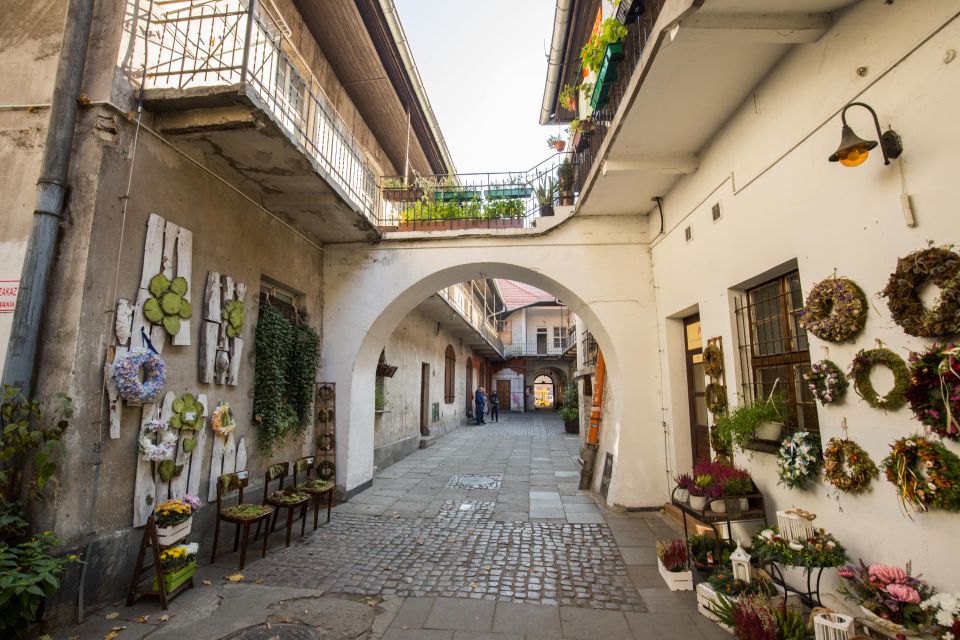
- Szeroka Street first: 16th–18th century atmosphere right from the start.
- Old Synagogue museum visit helps you place what you’re seeing in time.
- Remuh Synagogue and Cemetery is a sacred site that visitors still come to today.
- Tempel Synagogue is active with concerts and festivals, so the quarter isn’t stuck in the past.
- A practical 90 minutes to 2 hours makes it realistic on a busy Krakow day.
Kazimierz’s mood: why this walk works better than a bus tour
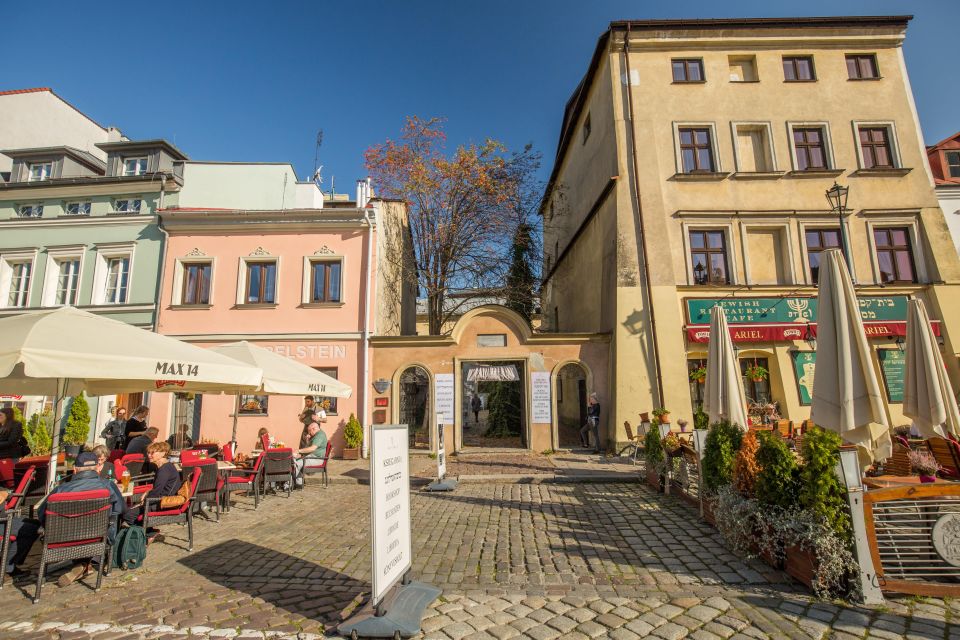
Kazimierz is one of those parts of Krakow where history doesn’t sit behind rope. You feel it in the street shape, the small courtyards, and the way buildings line up like they’ve been doing the job for centuries. Instead of trying to see everything in one go, this tour gives you a clear line through the district: where Jewish life concentrated, where it worshiped, and where community memory still shows.
I like that the tour doesn’t treat Jewish culture like a museum display. You’ll hear about faith, daily life, coexistence, and how traditions shaped the neighborhood. It also keeps a respectful tone—this is serious ground, but it’s told as real human life.
You can also read our reviews of more walking tours in Krakow

Meeting point at the Old Synagogue steps (so you don’t waste time)
You’ll meet your guide on the steps of the Old Synagogue, and they hold an excursions.city sign. That detail matters in Krakow, where streets can look similar if you’re not locked onto a landmark.
Arrive about 10 minutes early. Once the group departs, latecomers can’t join and the ticket can’t be refunded—so build in a little buffer for finding the exact spot.
Szeroka Street: the neighborhood’s main stage before the first synagogue
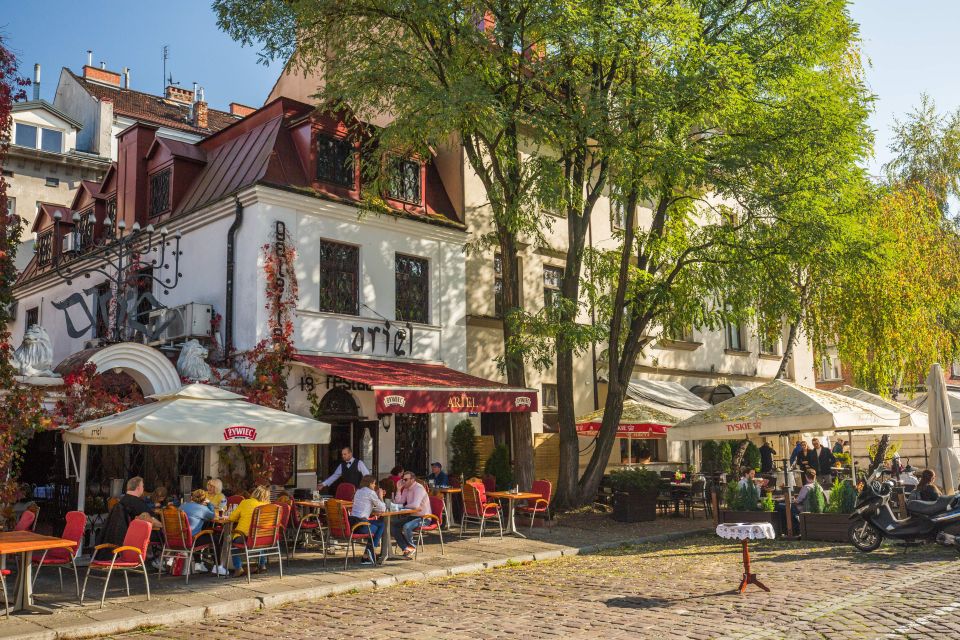
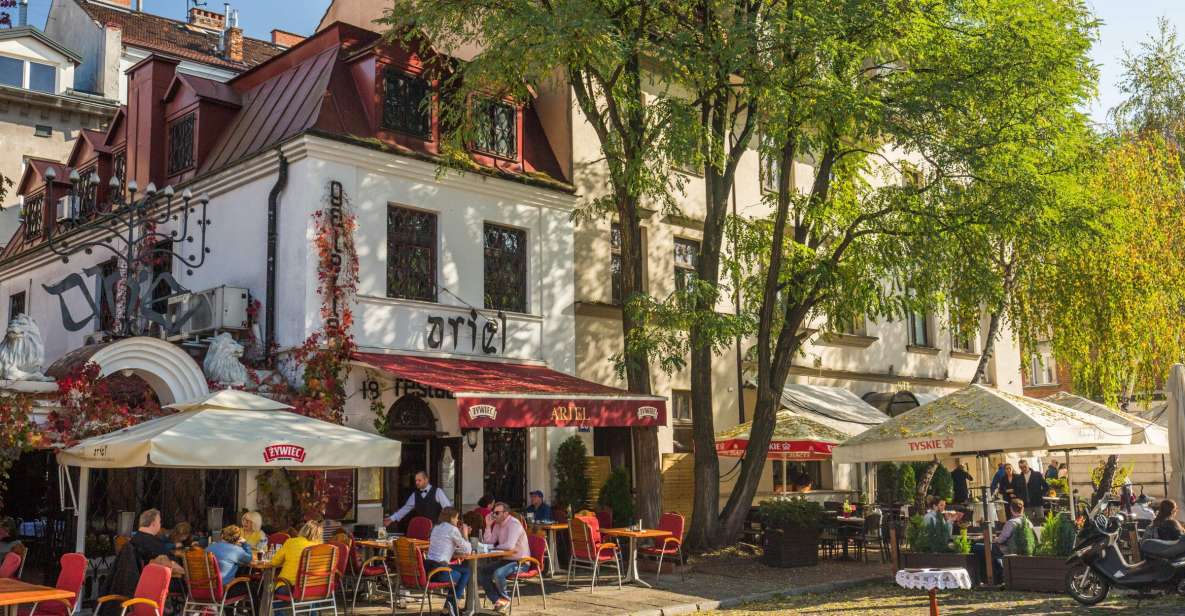
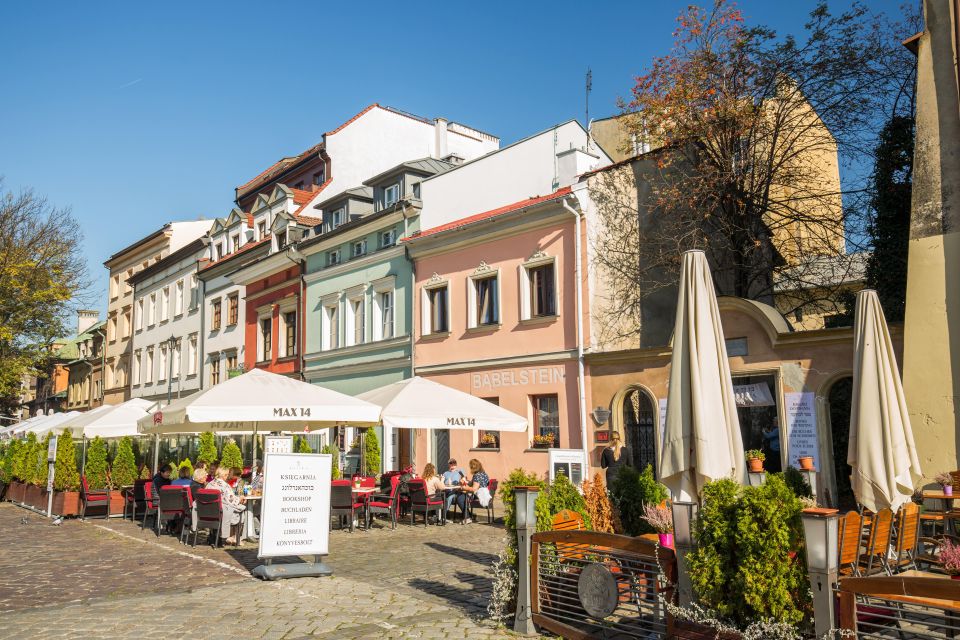
The walk kicks off on Szeroka Street, described as the heart of Kazimierz and once the center of Jewish life. This is where the district’s old-world layout does the heavy lifting. You’ll see centuries-old synagogues and elegant houses from the 16th–18th centuries, which gives you instant context for why Kazimierz felt like a community hub.
If you like history that’s tied to geography, this part is strong. It sets your mental map before you step into buildings. It also helps you notice details you’d otherwise miss, like how the street connects key sites and how the architecture supports community life.
The Old Synagogue Museum: Poland’s oldest surviving synagogue
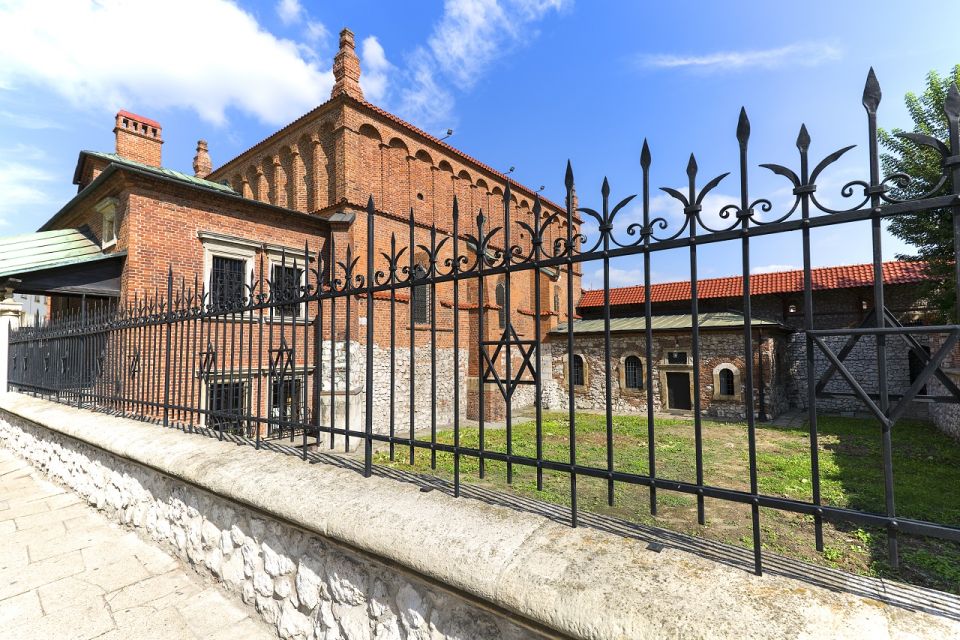
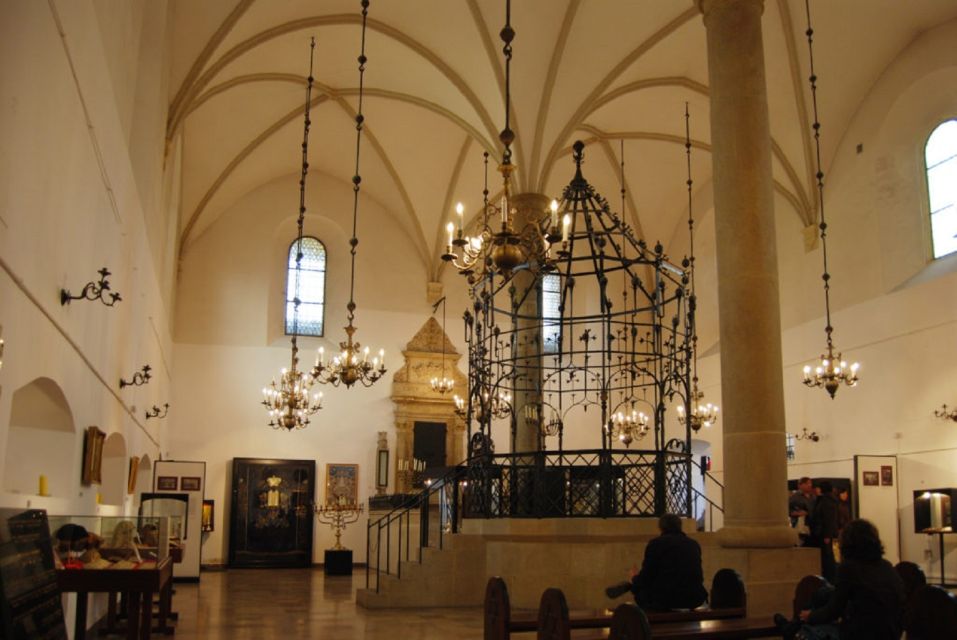
Next comes the Old Synagogue, known as the oldest surviving synagogue in Poland, now a museum devoted to Jewish history and faith. This stop is one of the best “anchor points” on the route because it explains what you’re looking at, not just where it is.
What I like about pairing a museum visit with a walking tour is that it turns your attention outward immediately afterward. Once you’ve got that baseline, later stops like Remuh and Tempel land with more weight.
Remuh Synagogue and Cemetery: a sacred place still visited
From there, you head to the Remuh Synagogue and Cemetery—a site that still draws pilgrims from around the world. This is where the tone of the tour gets more reflective. The point isn’t shock value; it’s understanding that this place is still part of living tradition.
The cemetery setting also helps you grasp how memory works in Kazimierz. You’re not only learning dates—you’re learning about reverence, continuity, and the way spiritual spaces hold meaning long after major historical changes.
Kupa Synagogue: seeing how poverty shaped worship
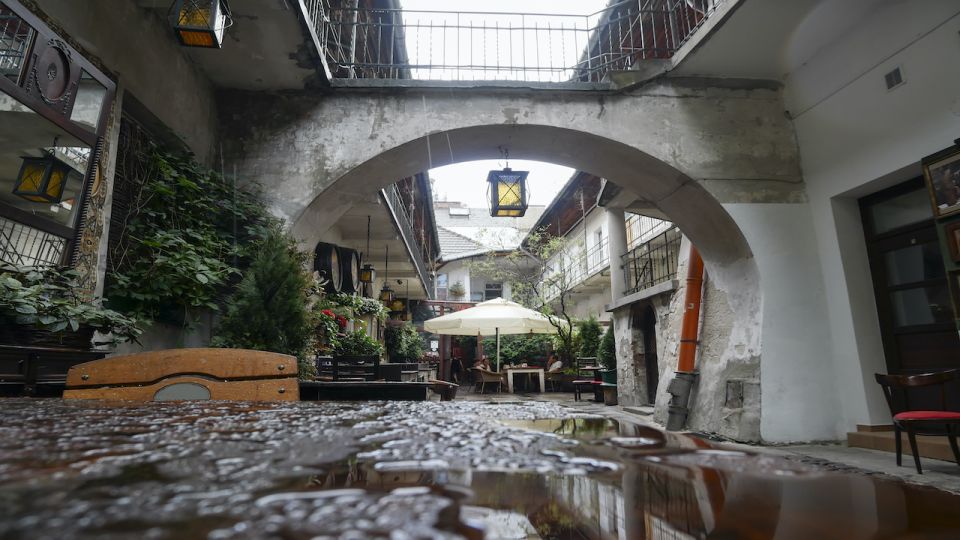
Then you’ll visit the Kupa Synagogue, once used by the poorest members of the community. This stop adds an important dimension: Jewish life in Kazimierz wasn’t only about elite institutions. It included practical support structures, where even the most vulnerable had a place connected to faith.
If you tend to think of history as “big names and big events,” Kupa Synagogue is a good corrective. It pushes you to notice community fairness—who had access to worship, and what buildings were designed to serve different needs.
Tempel Synagogue: when Kazimierz is alive with music and festivals
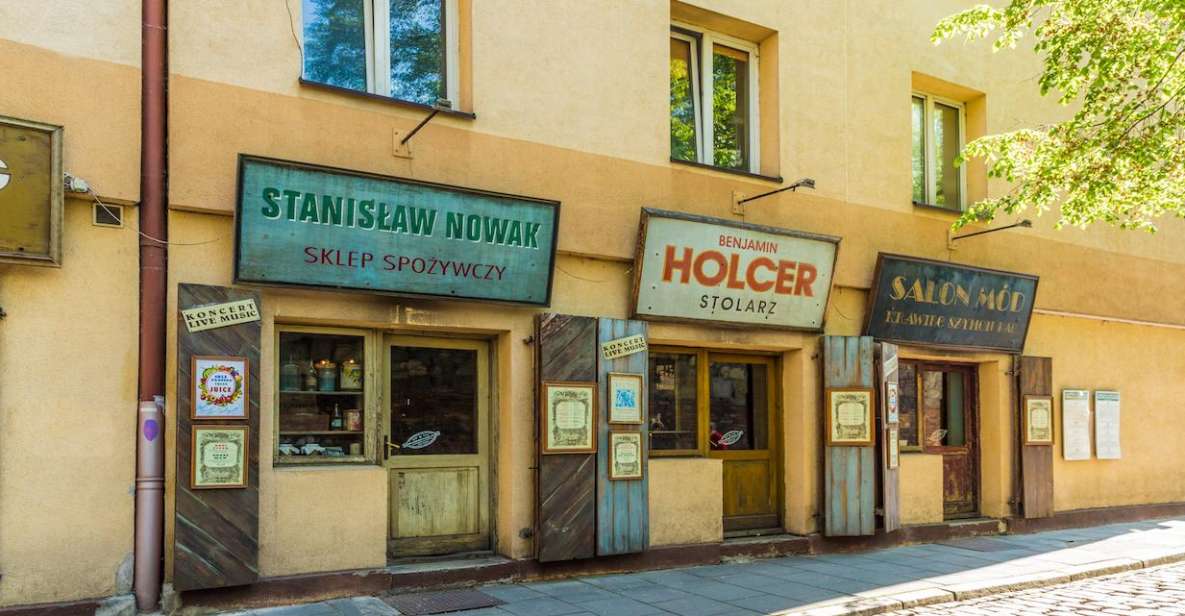
The tour also brings you to the Tempel Synagogue, which today functions as an active cultural hub. It hosts concerts and festivals, so the building isn’t frozen in time.
I like this because it prevents the quarter from turning into a one-note story. You can respect the past and still see present-day culture in the same walls. It’s a reminder that traditions adapt, and that Kazimierz still creates moments of gathering.
Plac Nowy: where modern life overlaps the old quarter
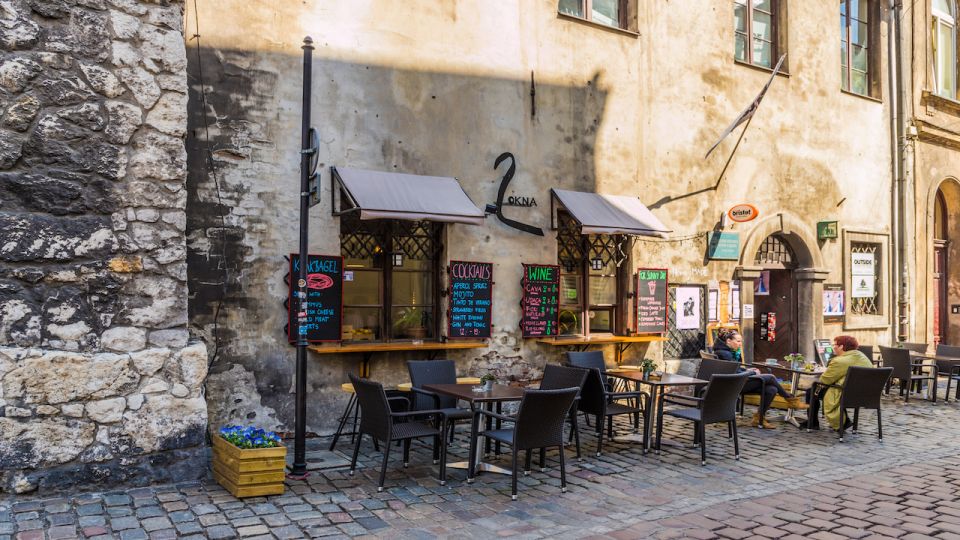
Toward the end, you’ll walk to Plac Nowy, a lively square with markets, cafés, and art spots. This is a good transition moment. After synagogues and cemeteries, you get a chance to breathe, process, and then see Kazimierz as it is now—social, commercial, and creative.
Practical tip: if you want a snack or coffee, this is your moment. The square is built for lingering, and you’ll likely have time to pick something up before you continue exploring on your own.
The guide makes or breaks it: what the best tours do right
A walking tour lives or dies by the person leading it. The standout theme in the tour experience is how guides connect stories to place and keep history clear. People have highlighted guides by name—like Fil/Phil, Barbara, Joanna, Kristof, Olga, and Lucy—for strong storytelling and context that makes the neighborhood feel understandable.
What I value here is the balance: you get careful explanations, but you don’t get buried in facts. You also get room for questions, which helps if you’re trying to connect what you’re seeing in Kazimierz with other parts of Krakow you may visit later.
One small thing to know: the tour runs in one language per group. So if you’re booking in English, Spanish, Italian, German, French, Russian, Swedish, Slovak, or Portuguese, confirm your language selection when you book.
What about synagogue entrances? Read the option before you go
Entrance to synagogue is included only in the 2-hour option. In the 1.5-hour option, synagogue entrance is not included. That’s the big “choose carefully” point, because it affects how much time you’ll spend inside buildings versus only viewing them from outside or moving between sites.
If you strongly want interior visits, pick the longer option. If you’re short on time but still want the walking story and key landmarks, the shorter option can still be a solid introduction—just know you may miss some interior access.
Timing and pace: 90 minutes to 2 hours that stays realistic
The tour lasts 90 minutes to 2 hours, depending on the option you choose. That range is useful in Krakow because you’ll often be squeezing in multiple sights in a limited day.
The walk itself is manageable, but you’ll still cover ground and be on your feet. Wear comfortable shoes. Kazimierz streets can be uneven, and rain happens—this tour goes ahead in all weather, rain or shine.
Price and value: is $27 a good deal for Kazimierz?
At $27 per person, this is priced like an efficient, high-impact walking tour rather than a full-day excursion. For that money, you’re getting a licensed local guide and a structured route through the key Kazimierz sites—plus synagogue entrance in the longer option.
Here’s how I’d judge the value: if you want a guided explanation that ties together Szeroka Street, the Old Synagogue, Remuh, and Tempel, you’ll likely feel you got your money’s worth fast. If you’re the type who enjoys reading on your own and already plans to spend a long time inside museums and synagogues separately, you might compare it against standalone tickets and your schedule.
For most people, the sweet spot is clear: you get context you won’t get by walking around without a guide, and the route helps you see what matters in a short window.
Who should book this walking tour?
This works best if you want:
- a guided, place-based orientation to Kazimierz
- synagogue visits (choose the 2-hour option for entrance)
- a clear story about coexistence, tradition, and how history shaped the neighborhood
You’ll also enjoy it if you like asking questions and want a guide to help you connect architecture to community life. If you’re traveling with kids or prefer very light walking, this still can work, but stick with comfortable shoes and a realistic time plan.
Should you book the Kazimierz Jewish Quarter walking tour?
Yes, I’d book it if you want a strong first look at Kazimierz with a guide who can explain both culture and context in a way that sticks. The starting point at the Old Synagogue, the visits to Remuh and Tempel, and the stop at Plac Nowy make it feel complete without dragging on forever.
I’d hesitate only if your priority is only museum-style interior time and you know you’ll want to spend hours inside specific sites. In that case, you might build a slower self-guided plan. Otherwise, for a sharp 90 minutes to 2 hours, this is an efficient way to understand why Kazimierz still feels like more than a landmark—it feels like a community’s memory in physical form.
FAQ
FAQ
Where is the meeting point for the tour?
Meet your guide on the steps of the Old Synagogue. They will hold an excursions.city sign.
How long is the Krakow Kazimierz Jewish Quarter walking tour?
It lasts 90 minutes to 2 hours, depending on the option you choose.
Is synagogue entrance included?
Entrance to a synagogue is included only in the 2-hour option. In the 1.5-hour option, synagogue entrance is not included.
What languages are available for the tour?
The tour is offered in English, Spanish, Italian, German, French, Russian, Swedish, Slovak, and Portuguese.
Will the tour run in bad weather?
Yes. The tour goes ahead in all weather, rain or shine.
Is the group tour offered in multiple languages at once?
No. The group tours are only in one language, so you’ll select your preferred language when booking.
Can I book a private group instead of a standard group?
Yes. A private group option is available.