REVIEW · KRAKOW
Krakow: The Old Town Walking Tour
Book on GetYourGuide →Operated by Kraków Explorers · Bookable on GetYourGuide
A guide in an orange umbrella makes Krakow click. This Krakow Old Town walk starts at St. Mary’s Basilica, then strings together medieval streets, the every-hour trumpeter moment, and ends at Wawel Castle—so you get the big picture fast. I like that it feels both historic and practical, with an English-speaking guide you can actually hear and follow.
I especially love the payback of the St. Mary’s Basilica stop: you’re there for the living symbol of Krakow, the trumpeter who plays his melody every hour. Guides like Bart and Aga bring stories to the streets with clear English and a good sense of timing, not just facts. I also really like the route through the Main Market Square, and how the tour builds toward panoramic city views before you finish at Wawel’s royal doorstep.
One thing to consider: the schedule is tight for 150 minutes. It’s a walking tour of top sights, so expect a brisk pace, and entrance fees at stops are not included.
In This Review
- Key highlights at a glance
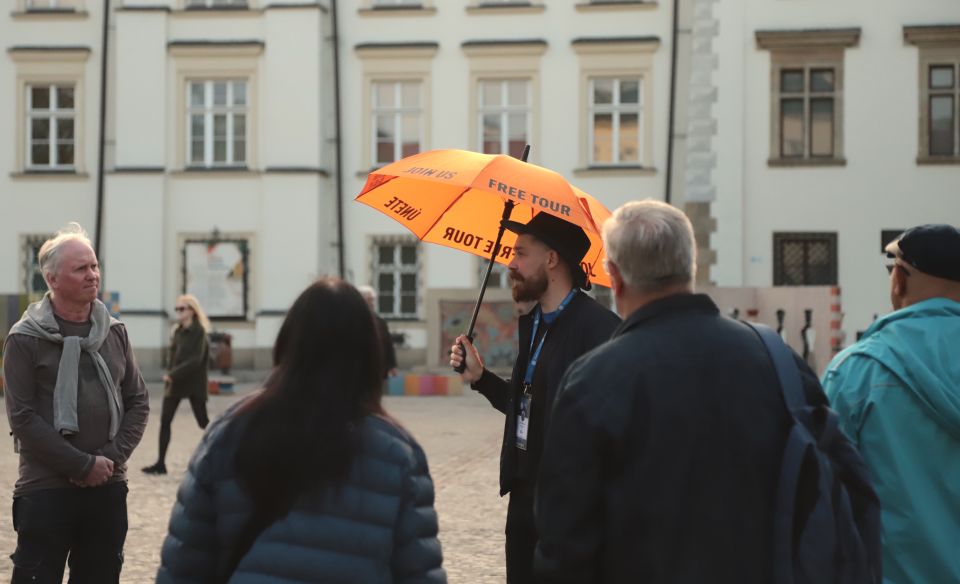
- Where the tour starts: St. Mary’s Basilica and that orange umbrella
- Main Market Square: medieval Krakow in walking form
- The hourly trumpeter at the tower: why Krakow is different
- How the guide turns streets into Polish history
- Panoramic views: why walking beats looking from a distance
- Wawel Castle finale: the royal residence payoff
- Price and pace: getting your money’s worth at $19
- What kind of traveler this tour fits best
- Should you book Kraków Explorers Old Town Walking Tour?
- FAQ
- Where does the tour meet?
- What’s the duration of the Krakow Old Town walking tour?
- How much does the tour cost?
- Is the tour guided in English?
- Are entrance fees included?
- Is the tour wheelchair accessible?
- Is there a cancellation policy?
Key highlights at a glance
- Orange-umbrella meetup in front of St. Mary’s Basilica makes it easy to find your guide
- Hourly trumpeter at the tower gives you a real Krakow moment, not just a photo stop
- Main Market Square: medieval architecture and the city’s core story in one place
- Panoramic views that help you understand where everything sits in Krakow
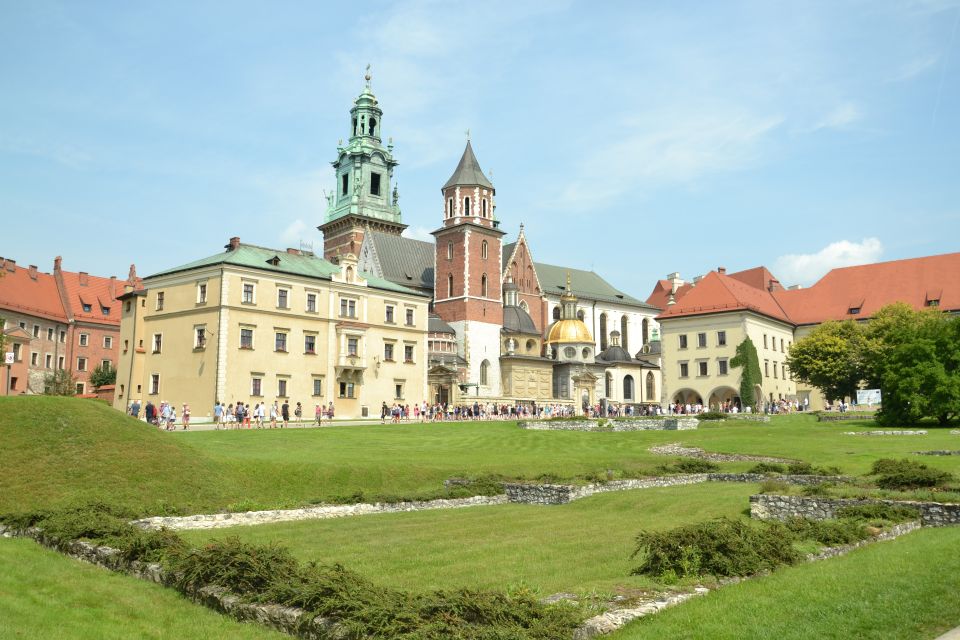
- Wawel Castle finale: the royal residence anchor at the end of your walk
- English guides with personality, often with humor and quick Q&A along the way
Where the tour starts: St. Mary’s Basilica and that orange umbrella
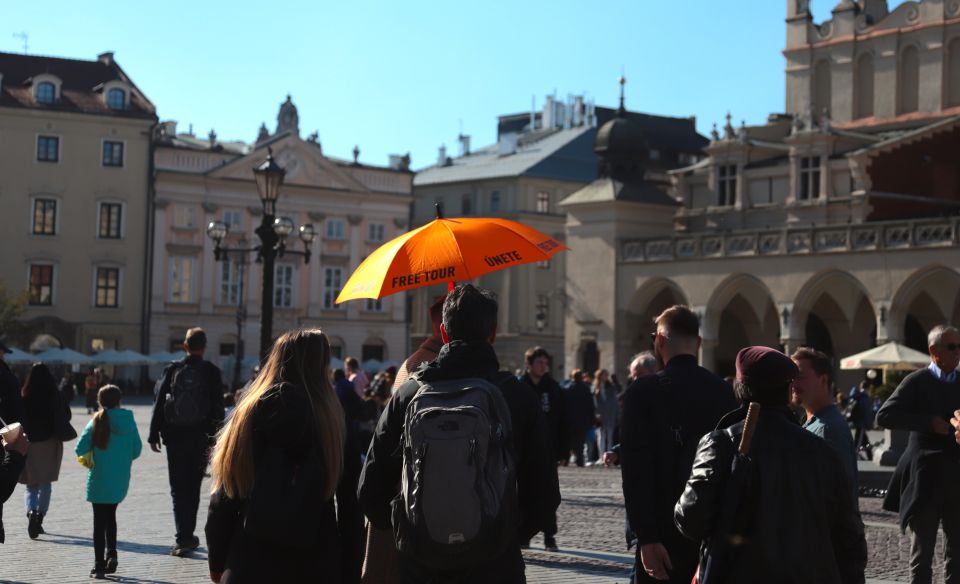
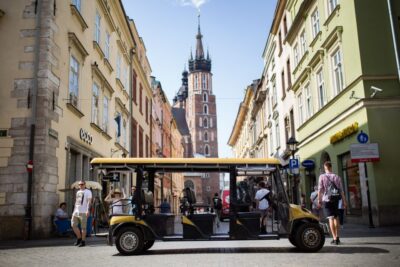
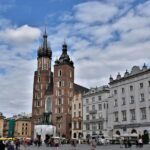
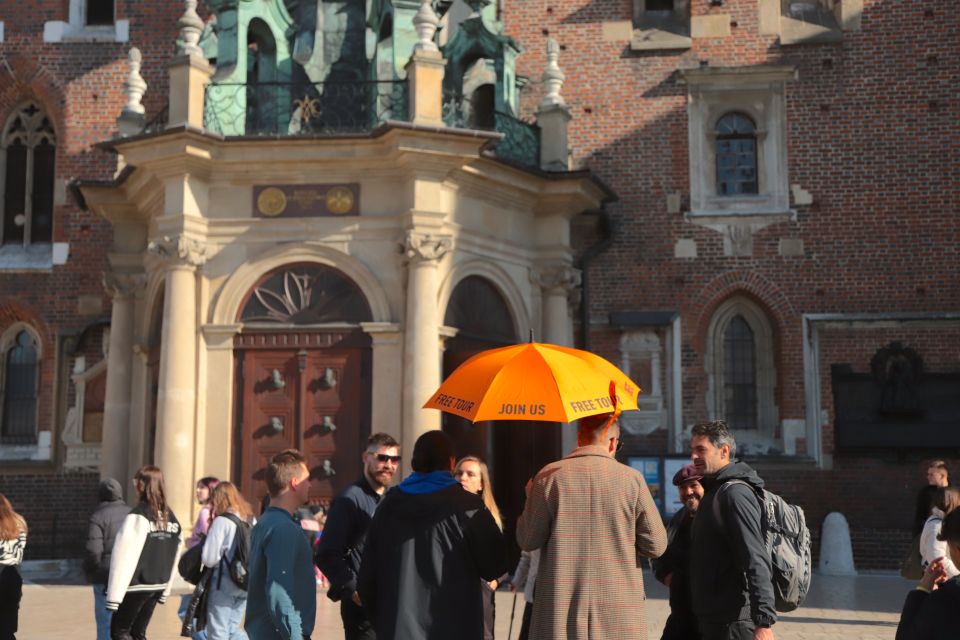
The meeting point is simple: stand in front of St. Mary’s Basilica and look for the guide with an orange umbrella. In a city where churches seem to multiply every few blocks, that tiny detail saves time and stress. Even better, this is not a random first stop. It’s the symbolic center of the Old Town.
St. Mary’s Basilica is where you get oriented fast. The tour uses this location as the starting chord—meaning the guide can explain why Krakow developed here and why the Old Town looks the way it does. You’re not just wandering. You’re starting with a landmark that explains the city’s layout and identity.
A practical note: the tour is wheelchair accessible, so the route is designed with walking in mind and not purely for the fittest legs. Still, this is a walking tour. Comfortable shoes beat “nice but painful” footwear.
You can also read our reviews of more walking tours in Krakow



Main Market Square: medieval Krakow in walking form

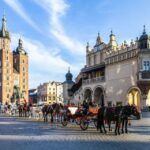
Soon you’re in the Main Market Square, the largest medieval market square in Europe. That alone is a reason to go. But the tour’s value is how it helps you read what you’re seeing.
Think of the square as Krakow’s stage. You look at the buildings and the open space, then the guide connects the physical layout to what happened historically—who traded, who ruled, and why the city mattered over time. It’s architecture with explanations attached. That’s the difference between snapping photos and leaving with actual understanding.
This part of the walk also works well for first-timers. If you only have a couple days, the Old Town can feel like a maze. The square gives you a reference point. After this tour, you’ll likely find it easier to plan what to revisit on your own, including the big-ticket sites you’ll want to linger at.
The hourly trumpeter at the tower: why Krakow is different
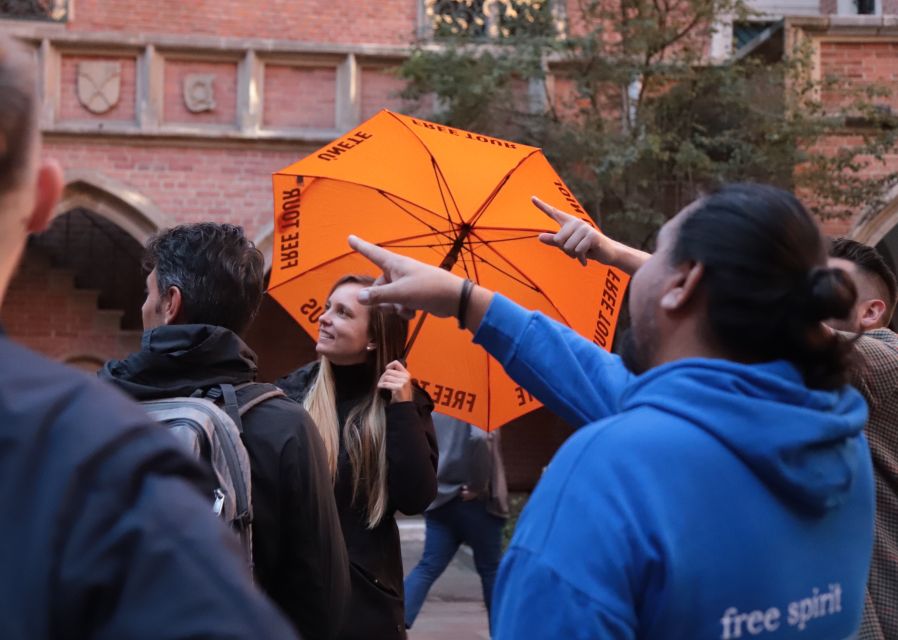
Now for the part you’ll remember: the living symbol of Krakow. The trumpeter plays his melody every hour from St. Mary’s Basilica. This isn’t just a neat fact. It’s a built-in “watch moment” that makes the tour feel like you’re participating in the city, not just passing through it.
Guides also help you time it. One of the guide experiences you can look for is making sure you actually get to see the trumpeter when the melody happens. That’s where the guide’s local experience matters. Emily’s clear communication is praised for reaching people even toward the back of a busy group, and that matters when you’re trying to coordinate a group around a timing-based moment.
If you’re the kind of traveler who loves traditions—small, repeatable, local rituals—this is your payoff. You’ll get a sensory memory (the melody) tied to a place (the tower), and that’s exactly what helps landmarks stick in your head.
How the guide turns streets into Polish history
The best walking tours do one thing well: they give you a story that makes the stones mean something. This one tries to do that across Krakow’s Old Town and Poland’s broader history.
Expect the guide to explain dramatic historical shifts—wars, political changes, and the way the city’s identity was shaped over time. The tour format makes sense here because you’re not sitting in a classroom. You’re walking through the setting. So when the guide says why a building matters or why a power center moved, you can look at the city and feel the logic.
The guides also tend to mix story and humor. You’ll see it in the way they keep the group engaged and in small interactive moments—one guide even asked the group something like truth or legend to get people thinking about what’s history and what’s folklore. If you’re traveling with kids, this kind of back-and-forth can be a huge help. And if you’re traveling solo, it’s still great—because it breaks the “lecture mode” that some tours fall into.
Names you might encounter include Bart, Aga, Magda, Emily, and Slavek. People consistently describe English that’s clear and guides who can keep a big group together without losing the plot.
Panoramic views: why walking beats looking from a distance
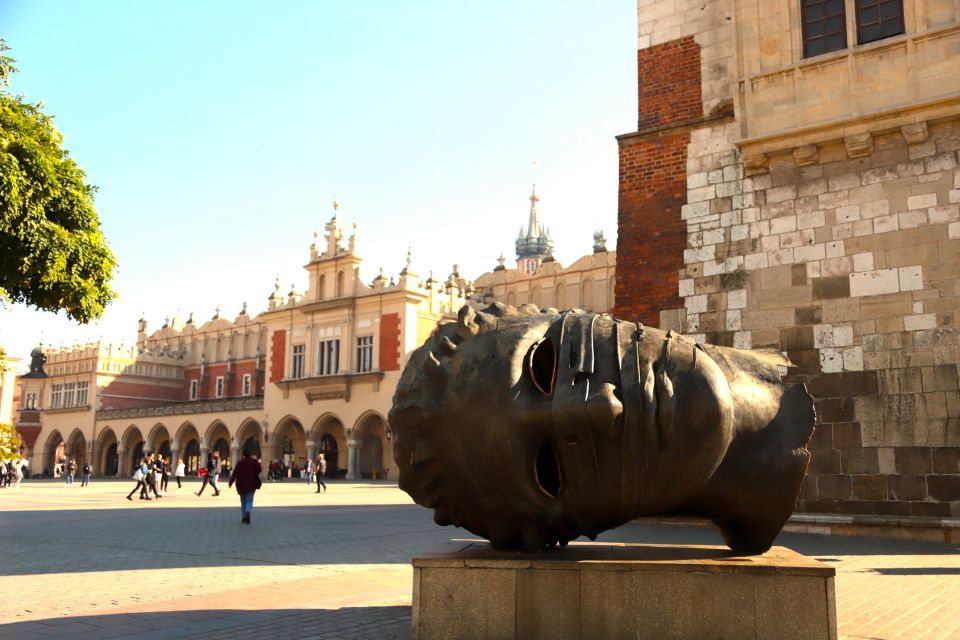
One of the highlights is panoramic views. You’re not just collecting sights at street level. You’re getting a sense of how Krakow is arranged and why certain areas feel like they’re the “center of gravity.”
These views matter because they help you understand what’s worth returning to later. After you’ve seen the city from a higher angle (or from a wider viewpoint), you can better judge distances, sight lines, and where Wawel fits into the overall story.
This is also one of those “tour value” components that you can’t always replicate on your own without knowing where to go. A self-guided walk can still be beautiful, but a guide helps you hit the angles that actually teach you something.

Wawel Castle finale: the royal residence payoff
The walk ends at Wawel Castle, the impressive royal residence of Polish kings. This is a strong finish because it ties back to what you learned earlier: Krakow wasn’t just a pretty place. It was a power center.
If you’ve only got one shot to get the big story without paying for a stack of separate museum tickets, landing at Wawel at the end is smart. It gives you momentum. You arrive already understanding why the site matters, and that changes how you experience the space.
Also, because entrance fees are not included, you’re free to choose how deep you go at the castle. Some travelers will want to pay for certain interior areas. Others will be happy with exterior views and the atmosphere. Either way, the tour still leaves you at the right doorstep.
Price and pace: getting your money’s worth at $19
At $19 per person for a 150-minute walking tour, you’re paying for two things: an English-speaking guide and a structured route through major Old Town sites. Entrance fees are not included, so don’t assume the price covers paid access inside every stop.
Is it good value? Yes—especially if you’re comparing it to the cost and time of trying to piece together a first-day route on your own. The tour saves you from two common problems:
1) arriving at landmarks without context
2) guessing wrong about what to see first
That said, the pace is a consideration. One guide note you should keep in mind is that there’s a lot to cover, so you’ll likely walk briskly to fit in the highlights. If you prefer slow sightseeing with frequent stops, you might feel rushed. If you’re okay with an efficient “get oriented” day, you’ll probably feel it flying by.
A small comfort detail: some guides help with practical needs along the way, including taking a break for those who need it partway through. Still, build your own buffer by planning water, snacks if you need them, and breaks when offered.
What kind of traveler this tour fits best
This tour is best for you if:
- it’s your first time in Krakow and you want the layout and major story points quickly
- you like guides who use humor and story, not dry recitation
- you want a route that includes both Old Town landmarks and a Wawel finish
- you plan to return later on your own to linger at the places that grabbed you
It can also work for families, since guides often keep a group moving while staying engaging. And because it’s wheelchair accessible, it’s a good option for travelers who need a more supported walking experience than a “just go find it” plan.
If you already know Krakow well and hate group logistics, you might not love the structured pacing. But if you’re trying to see the essentials with context in one afternoon, this is a strong starting point.
Should you book Kraków Explorers Old Town Walking Tour?
If you want an efficient, story-led introduction to Krakow, book it. The start point is easy, the route hits the places you’d otherwise spend time researching, and the hourly trumpeter moment is the kind of detail that makes a city feel alive.
I’d lean toward booking this tour if:
- you want to understand the city’s history without building a complicated itinerary
- you value an English guide who can keep a group together and explain what you’re seeing
- you like tours that end with a major anchor site like Wawel Castle
Skip it or consider a slower plan if:
- you dislike brisk walking schedules
- you prefer doing paid interior visits with no group timing
- you’d rather spend your time focused on one neighborhood rather than multiple top sights
Overall, for $19 and 150 minutes, you’re buying a lot of orientation—and a very specific Krakow moment with that hourly trumpet.
FAQ
Where does the tour meet?
The meeting point is in front of St. Mary’s Basilica. Look for the guide with an orange umbrella.
What’s the duration of the Krakow Old Town walking tour?
The tour lasts about 150 minutes.
How much does the tour cost?
The price is $19 per person.
Is the tour guided in English?
Yes, the tour includes an English-speaking live guide.
Are entrance fees included?
No, entrance fees are not included.
Is the tour wheelchair accessible?
Yes, the tour is wheelchair accessible.
Is there a cancellation policy?
You can cancel up to 24 hours in advance for a full refund.