REVIEW · KRAKOW
Krakow: Old Town Private Guided Walking Tour
Book on GetYourGuide →Operated by PT Team · Bookable on GetYourGuide
Old Town in Krakow works best when someone makes the stones talk. This private 4-hour walk gives you that, with tight stops at the big-city icons plus the stories that connect them. I especially like the fully private format and the way the route pairs university life, royal power at Wawel Hill, and cathedral-level art in one half-day flow. The only real catch is that entrances aren’t included, so a few sights may cost extra if you want inside access.
A possible drawback: you’ll be on your feet for the full 4 hours, and because it’s a walking tour with major landmarks spaced through the Old Town, it’s not the best choice if you need long rests or step-free access throughout.
In This Review
- Key things that make this Krakow walk worth your time
- Meeting by Florian’s Gate and getting your bearings
- Florianska Street to Main Market Square: the medieval heart, explained
- Collegium Maius and Jagiellonian University: why Krakow mattered beyond royalty
- Wawel Hill royal grounds: tombs, cathedral, and the dragon legend
- Back into Old Town: St. Mary’s Basilica and Veit Stoss details that matter
- Sukiennice Cloth Hall: souvenirs with a real reason to exist
- Barbican and old city walls: defensive architecture that feels personal
- Price and value: $16 for four hours of focused walking
- Timing and pace: what four hours feels like
- Who this tour fits best
- Should you book the Krakow Old Town Private Guided Walking Tour?
- FAQ
- How long is the Krakow Old Town private walking tour?
- What’s the meeting point?
- Is this tour private?
- What languages are available?
- Is the tour wheelchair accessible?
- Are entrances included in the price?
- What’s included in the tour price?
- What are the main sights covered?
- What’s the cancellation policy?
- Can I pay later?
Key things that make this Krakow walk worth your time

- Florian’s Gate start: You begin exactly where Old Town history feels most real.
- Florianska Street to Main Market Square: You see the city’s medieval “center of gravity” in the right order.
- Collegium Maius and Jagiellonian University: One stop, two layers of Krakow’s intellectual heritage.
- Wawel Hill focus: Royal tombs, cathedral space, and the legend of the dragon all in one area.
- St. Mary’s Basilica + Veit Stoss: You get pointed guidance on what to look for in the church’s standout art.
- Barbican and old walls: Defensive architecture that makes the Old Town feel like a protected world.
Meeting by Florian’s Gate and getting your bearings
The tour meets at Florian’s Gate on Florian Street. That’s a smart starting point because it’s already part of the city-wall story. From the first minute, you’re walking into Krakow’s medieval layout instead of trying to “figure it out” on your own.
With a private group, the guide can set the rhythm for your comfort and questions. Guides on this route have come through in multiple languages, including English and Spanish, and names you might encounter on the team include Ranadaa, Agnesz, Enrique, and Jadwiga. Even with different personalities, the consistent goal is the same: help you connect what you see—street names, buildings, squares—with why it matters.
One practical tip: wear shoes you trust on cobblestones. You’re not doing museum-time where you can slow down every five minutes.
You can also read our reviews of more walking tours in Krakow
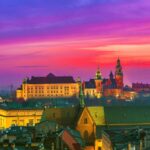

Florianska Street to Main Market Square: the medieval heart, explained
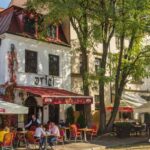
Most city tours hit the Main Market Square eventually. This one earns it by sending you along Florianska Street first, one of Krakow’s most famous thoroughfares. The route naturally channels you into the area that historically functioned as the public stage for power and ceremony.
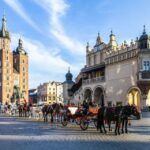
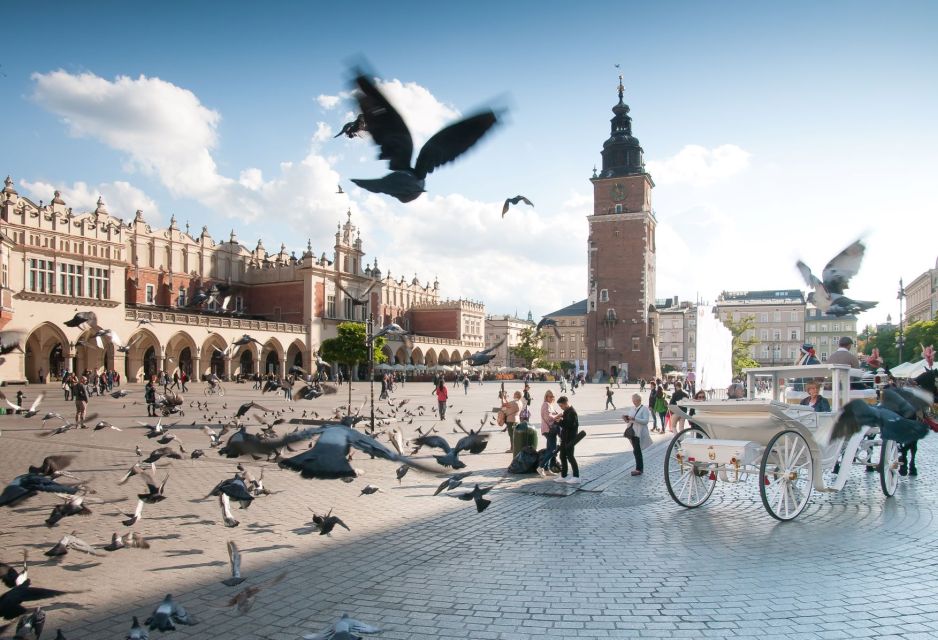
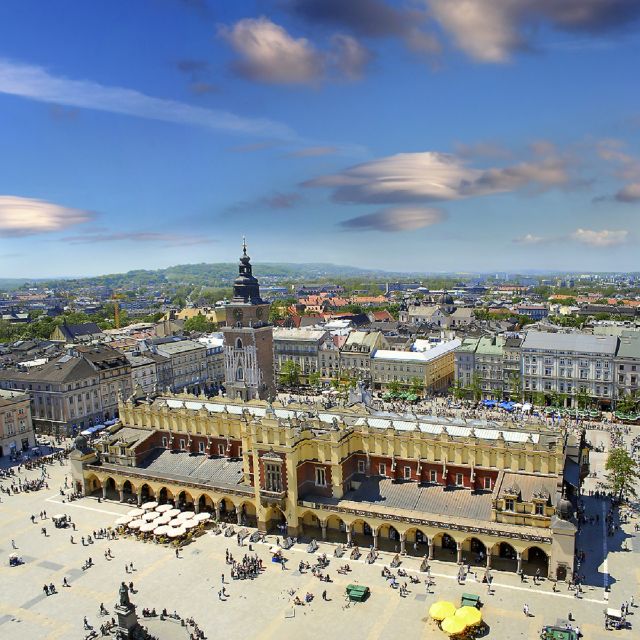
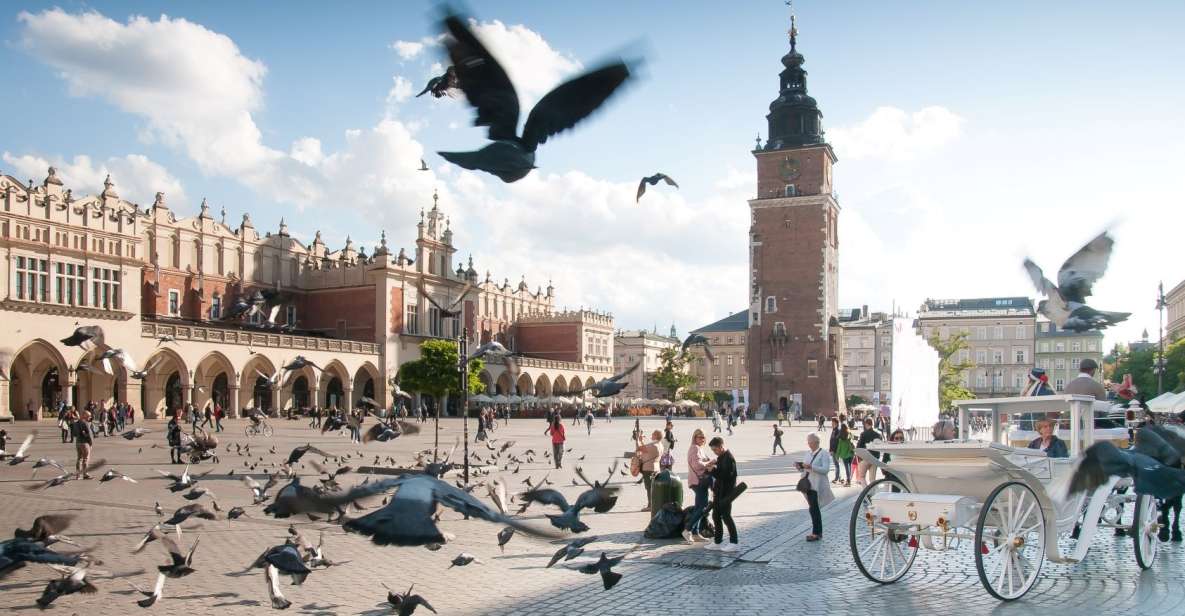
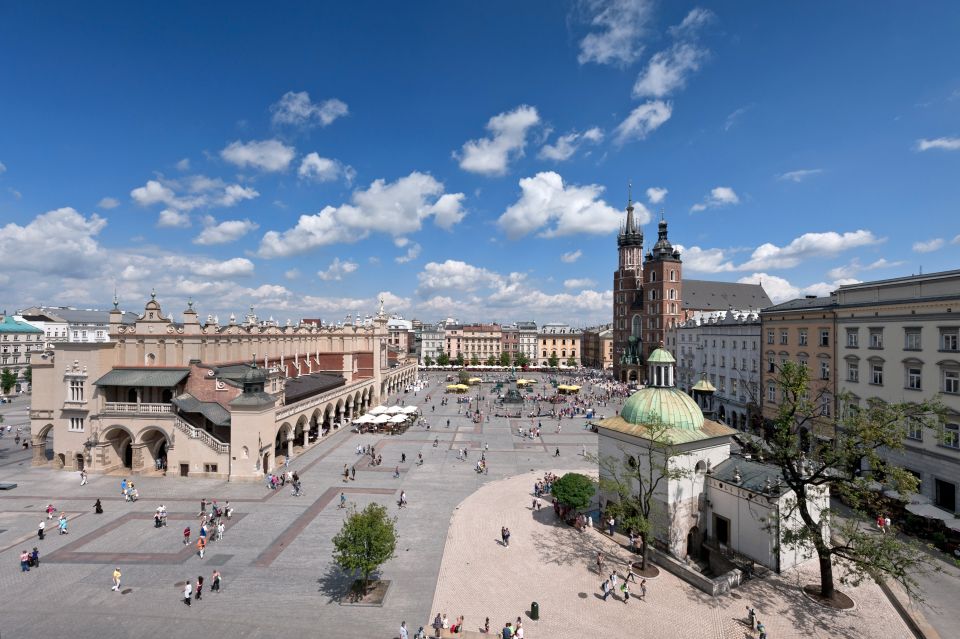
When you reach the Main Market Square, you’re in what the city considers its most important public space. This square wasn’t just for shopping and gossip. It hosted royal coronation and funeral processions, which changes how you look at the space. Instead of treating it like a pretty photo backdrop, you start seeing it as a historic theater where the whole city watched authority play out.
This is also where the energy of modern Krakow lives: shops, restaurants, and bars sit alongside the centuries-old bones. The guide’s value here is simple: you’ll know what’s “center” and what’s “supporting character,” so your photos actually match the story you’re hearing.
If you tend to get overwhelmed by big squares, ask your guide for a quick orientation moment before you spread out for pictures. A private guide can time it for you.
Collegium Maius and Jagiellonian University: why Krakow mattered beyond royalty
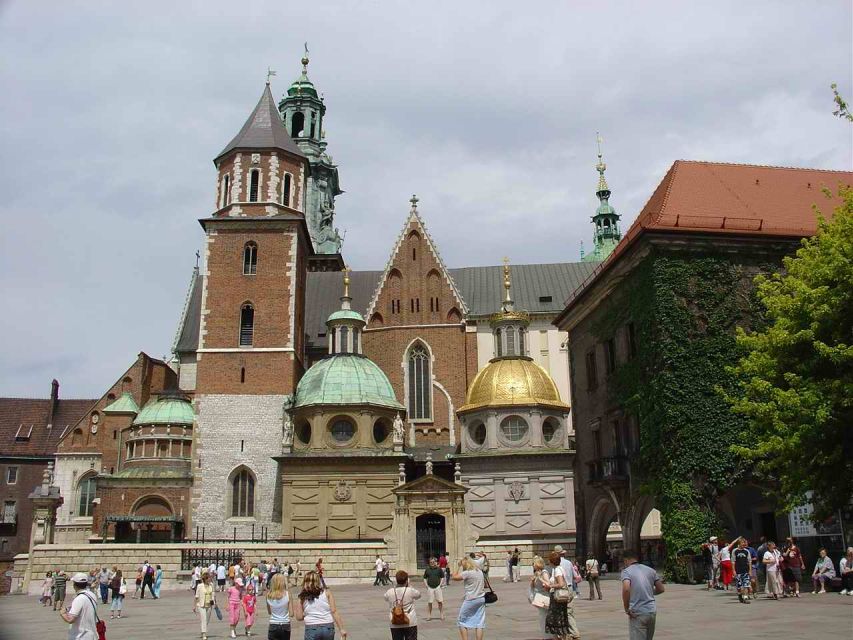
After the square, the tour shifts toward learning and ideas with Collegium Maius and Jagiellonian University. These are not random stops. Jagiellonian University is described as the oldest in Poland and among the oldest in this part of Europe, which helps you understand why Krakow has long been more than a political capital.
This is the side of the city you don’t always reach on a quick Old Town stroll. The campus area gives you a different lens: instead of power measured by crowns and tombs, you get power measured in institutions—knowledge, scholarship, and long-term influence.
I like how this tour doesn’t force you to choose between “church and castle” or “architecture and culture.” It builds a bridge between them. You start to see Krakow as a place where learning, faith, and rule all fed the same system.
Wawel Hill royal grounds: tombs, cathedral, and the dragon legend
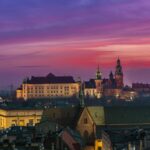
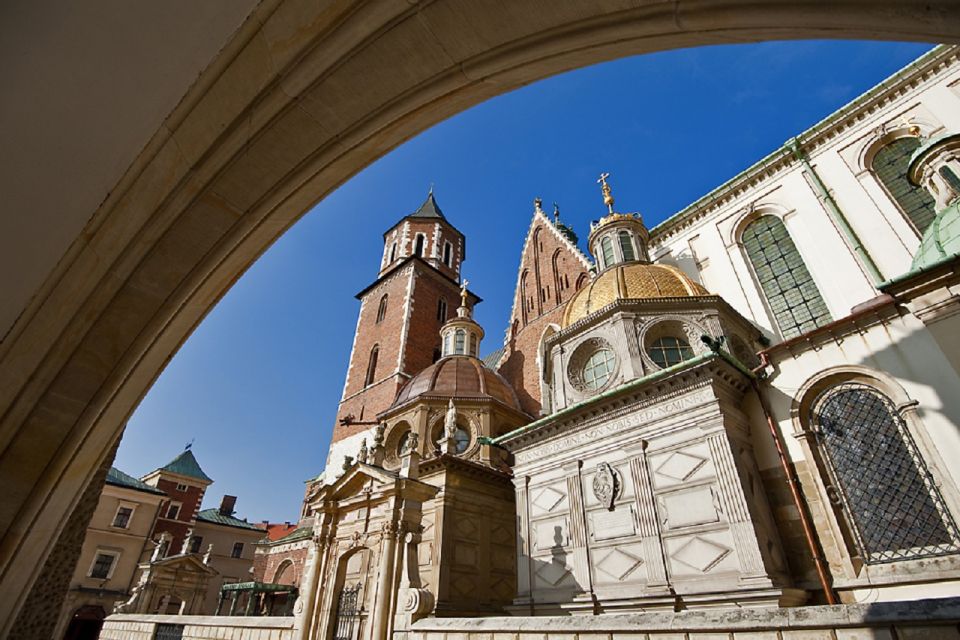
Then comes Wawel Hill, one of the strongest story zones in Krakow. Here the guide connects myth and history: the area is tied to Krak or Krakus, the legendary founder, and it also operated through many eras as a ducal, princely, ecclesiastical, and royal center.
Wawel is the stop that makes the tour feel worth it even if you’ve seen photos of Krakow before. The scale of the hill and the cluster of major buildings make it hard to treat as “just another viewpoint.” You’re in a place where political power and sacred space overlap.
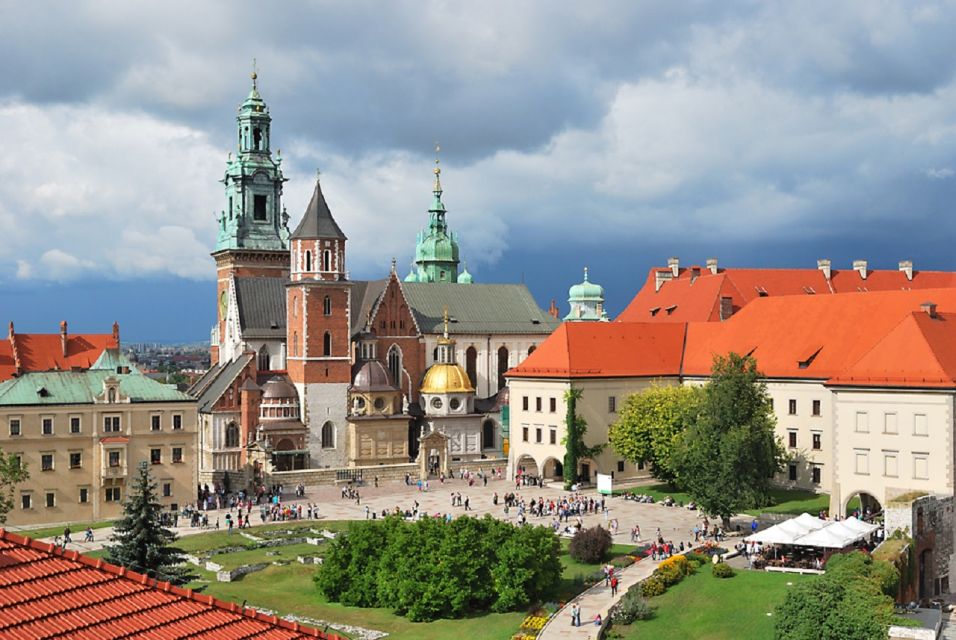
You’ll focus on the castle and cathedral, including the bell tower and the cathedral’s catacombs, where many Polish monarchs are buried. Even from the outside, the setting helps you understand why the city grew around this center of authority.
And then there’s the legend side, which is great for making history stick. You’ll see the Wawel Dragon statue, noted as about six meters tall, and stop near the cave area by the Vistula River linked to the dragon tale. The guide tells it as the classic story of a dragon terrorizing locals and demanding offerings of cattle, and also mentions an alternate version where the offerings are virgins. Either way, it’s a playful counterweight to the tomb-and-cathedral seriousness.
Back into Old Town: St. Mary’s Basilica and Veit Stoss details that matter
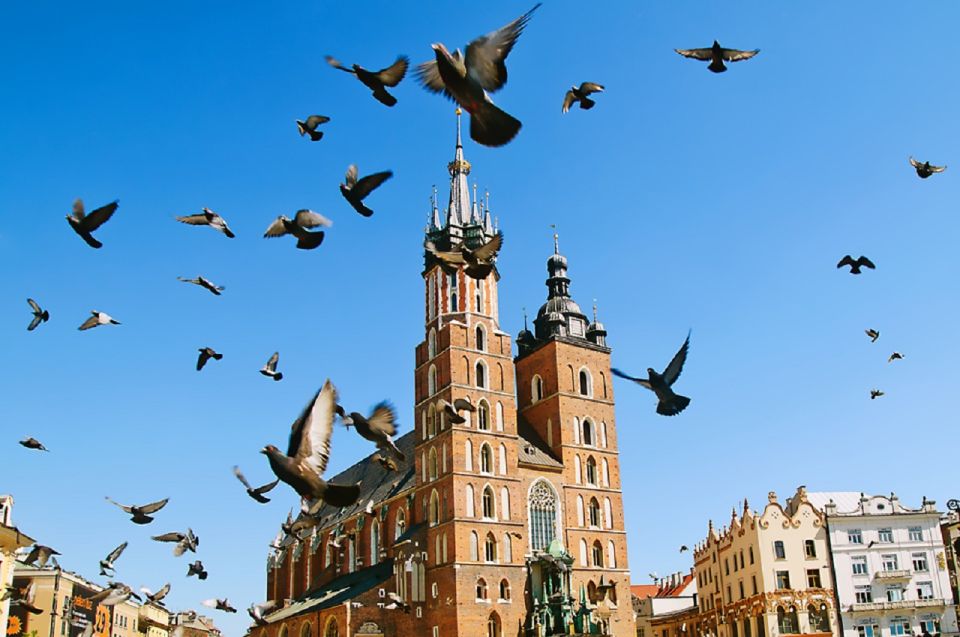
After the royal center, the tour returns to the Old Town lanes via medieval cobblestones. This part keeps you moving while giving you a very specific cultural anchor: St. Mary’s Basilica.
What makes this stop special is that it’s not just, “look at a big church.” The guide points you toward standout elements, including the high altar by Veit Stoss (Wit Stwosz), along with the bugle call associated with the basilica’s features. You also get direction on the vaulting murals by Jan Matejko, described as star-strewn.
This matters for your visit because these kinds of details get missed if you just wander in front of the building. Even if you’re not an art-history person, the guidance turns your attention toward the parts that give the basilica its personality.
If you’re planning your own extra time afterward, set aside a few minutes to re-scan what the guide highlighted. The second look usually clicks.
You can also read our reviews of more guided tours in Krakow

Sukiennice Cloth Hall: souvenirs with a real reason to exist
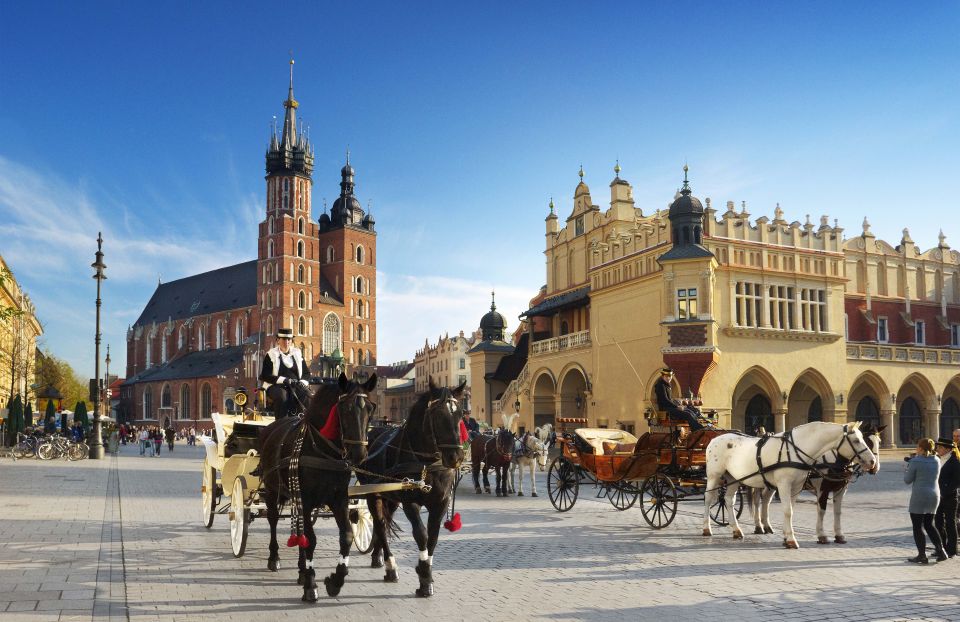
Next is Sukiennice, also called the Cloth Hall, famous as the city’s symbol and described as the oldest “commercial center.” You’ll see the stalls selling typical Krakow souvenirs.
This stop is a smart balance. You’re not only looking at monuments. You’re also learning how the Old Town functioned as an economy. The market-and-trade angle makes the Main Market Square feel less like an empty tourist stage and more like the engine room of the medieval city.
Practical angle: if you plan to buy gifts, this is the place to do it during the tour so you can ask the guide what’s traditional and what might be overpriced. The tour length won’t leave you much extra time later, so it’s efficient.
Barbican and old city walls: defensive architecture that feels personal
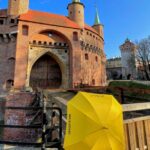
Before the tour ends, you visit the defensive side of Krakow: the city walls and the Barbican fortress. The barbican can look like “just more old stone” if you don’t know what it does. With a guide, you start seeing it as part of a protection system that shaped everyday life around the walls.
I like ending here because it gives the city texture. It reminds you that Old Town wasn’t a museum district. It was a living place that needed defense.
Once the tour finishes, you’re left with enough context to explore on your own—street corners, side lanes, and small squares suddenly feel intentional instead of random.
Price and value: $16 for four hours of focused walking
At around $16 per person for a 4-hour private guided walk, this is strong value, especially for a city where the main sights are concentrated but still take time to understand.
The key is what you’re actually paying for:
- A guide who ties together major points (Old Town → Main Square → university → Wawel → basilica → Cloth Hall → walls)
- A route that avoids you trying to create connections on the fly
The main cost caveat is that entrances are not included. That doesn’t make the tour bad; it just means you should plan a small extra budget if you want to go inside specific sites rather than look from outside.
Also, because it’s a private group, it can be more cost-effective than you’d expect if you’re traveling with at least one other person who wants guidance rather than solo wandering.
Timing and pace: what four hours feels like
Four hours in Krakow’s center can either feel fast or a bit long. Here, it’s designed for a half-day sweep: major landmarks without packing your schedule so tight you stop enjoying it.
If you like structure, you’ll appreciate the planned flow from Florian’s Gate into the heart of the Old Town. If you like spontaneity, keep in mind you’ll still be following the guide’s route and stop order, and there’s not much time for detours.
Bring water if you’re there in warmer months, and plan a simple strategy for photos:
- Take the first picture when the guide finishes a story beat
- Then take a second one after you’ve learned what detail you should frame (altar elements, square viewpoints, or wall angles)
Who this tour fits best
This tour is a great match if you want:
- A private guide instead of a group bus situation
- The “big sights” of Krakow’s Old Town with explanation you can use
- A balanced mix of royal history, religious art, learning, and city defense
It’s less ideal if:
- You want an in-depth museum experience with lots of inside time (entrances are not included)
- You have limited walking tolerance and need frequent pauses
- You prefer deep research on a single theme rather than a tour that covers many key themes in one session
Should you book the Krakow Old Town Private Guided Walking Tour?
I’d book it if you’re doing Krakow for the first time and you want a clear, well-paced orientation to the city’s defining areas. The route makes sense: you get the medieval streets and Main Market context, you add the university layer, then you hit the heavyweights at Wawel Hill, followed by the basilica and Cloth Hall, and you close with the Barbican and walls.
Skip it only if you already know Krakow very well or if you strongly prefer spending most of your time inside ticketed sites. Otherwise, this is a compact way to leave the Old Town understanding what you’re looking at, not just photographing it.
FAQ
How long is the Krakow Old Town private walking tour?
It’s listed as a 4-hour experience.
What’s the meeting point?
Meet your guide at Florian’s Gate on Florian Street.
Is this tour private?
Yes. It’s described as a private group.
What languages are available?
The live guide is available in Spanish, Italian, Portuguese, English, German, Russian, and Polish.
Is the tour wheelchair accessible?
Yes, it’s described as wheelchair accessible.
Are entrances included in the price?
No. Entrances are not included.
What’s included in the tour price?
A guide is included.
What are the main sights covered?
The tour includes Old Town streets, Florianska Street, the Main Market Square, Collegium Maius and Jagiellonian University, Wawel Hill (castle/cathedral/tombs and the dragon area), St. Mary’s Basilica, Sukiennice (Cloth Hall), and the Barbican/old city walls.
What’s the cancellation policy?
You can cancel up to 24 hours in advance for a full refund.
Can I pay later?
Yes. It offers reserve now & pay later (pay nothing today).