REVIEW · KRAKOW
From Krakow: Auschwitz-Birkenau Tour with Transportation
Book on GetYourGuide →Operated by Zakopane City Tours · Bookable on GetYourGuide
History hits fast at Auschwitz-Birkenau. This day trip packs in the hardest parts of modern history with guided tours of both camps, plus practical help like portable headsets so you don’t miss the details. From the moment you meet at Plac Jana Matejki 2 in Kraków, the focus stays on names, context, and what happened.
I love how the operation is built to keep you moving without feeling confused. You get a comfortable coach, tickets handled for you, and an English-speaking guide (I’ve seen guides like Mateusz) who keeps the tone respectful and the explanations clear. I also like that you’re not just dropped at the gates—you get the historical and political background before you walk through the prison blocks and extermination facilities.
One thing to think about: this is a powerful site with huge crowds, and the schedule is tight—especially at Birkenau—so it can feel a bit like a fast overview rather than a slow, fully absorbing wander.
In This Review
- Key highlights to know before you go
- From Krakow to Oświęcim: easy logistics for a hard day
- The morning pace: meeting point, early start, and why it matters
- Auschwitz I: the prison blocks and how the story begins
- The short breaks: catching your breath without losing the thread
- Auschwitz II-Birkenau: why 50 minutes can feel both enough and not enough
- Guides and the headset setup: hearing the facts matters here
- Price and value: what $86 really buys you
- What to bring (and what to leave behind)
- Who should book this tour from Kraków
- Should you book this Auschwitz-Birkenau tour?
- FAQ
- Where is the meeting point in Kraków?
- Does the tour include transportation from Kraków?
- Are entrance tickets included?
- Will I have help hearing the guide?
- Is the tour guide available in English?
- How long does the full experience last?
- What parts of the camps are included?
- Can I take photos?
- What bag rules should I follow?
- Is there a minimum age?
- Is free cancellation available?
Key highlights to know before you go
- Skip-the-ticket-line entry for smoother access right when you arrive
- Headsets for every visitor so you can hear your guide without leaning in
- One guide for both camps (when operating as scheduled) for a more connected story
- Auschwitz I focus on prison blocks, gas chambers, and crematorium areas
- Birkenau in time-limited form (you’ll see key sections, not everything)
- Transport included end to end: from Kraków to Oświęcim and between camp areas
From Krakow to Oświęcim: easy logistics for a hard day
Kraków to Auschwitz-Birkenau is the kind of trip you’ll regret doing half-prepared. This tour takes the stress out of figuring out schedules and ticket logistics so you can spend your mental energy where it belongs: the site itself.
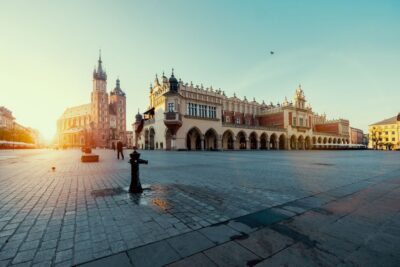
You meet at Plac Jana Matejki 2 in Kraków, and then you go straight to the tour destination by coach. The ride is long enough that the morning can feel early and gray, but that’s also why having everything pre-arranged helps. You’re not hunting for the right entrance, or trying to understand local transport when your brain is already preparing for what you’re about to see.
A small but real detail: the coach is comfortable, and there’s often an intro video on the bus that sets the tone before you step onto the grounds. That matters. A place like this doesn’t need suspense—it needs context and steadiness.
You can also read our reviews of more tours and experiences in Krakow.
The morning pace: meeting point, early start, and why it matters
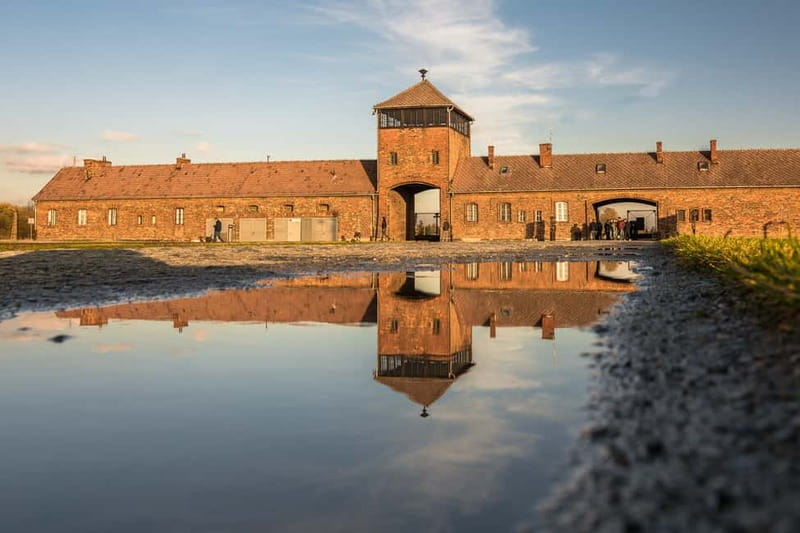
This is not a casual “sleep in and go” excursion. Many departures are very early (people have reported starts around 6am and even earlier), and the payoff is that you’re at the memorial in the morning when lines and crowd flow are often more manageable.
You’ll want to be ready for long seated travel and then immediate walking once you arrive. Your best move is to treat the morning like part of the day—not a gap you can ignore. Bring layers you can manage, and don’t count on being able to linger. The schedule is designed to cover both Auschwitz I and Auschwitz II-Birkenau with guided segments and short pauses.
If you’re planning the rest of your day in Kraków, the structure is helpful. You’ll be back in Kraków in time for an afternoon that still feels like real travel, not just a wipeout after a long drive.
Auschwitz I: the prison blocks and how the story begins
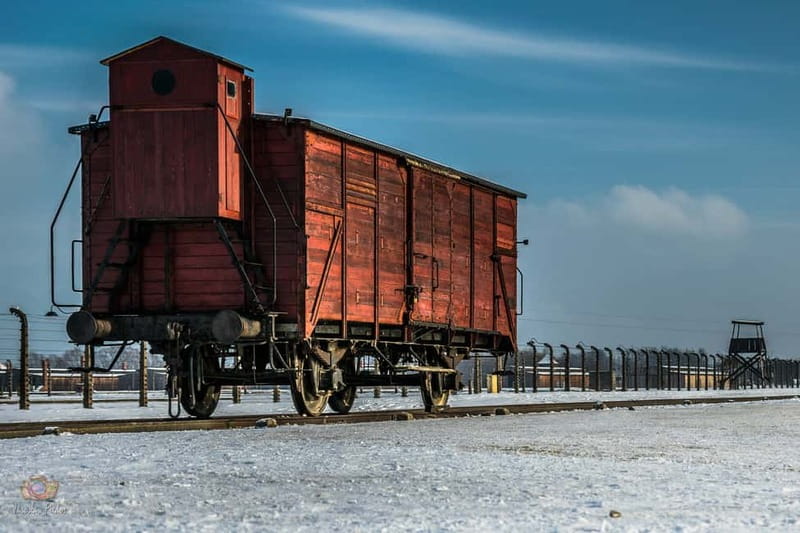
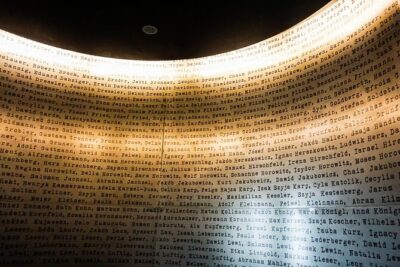
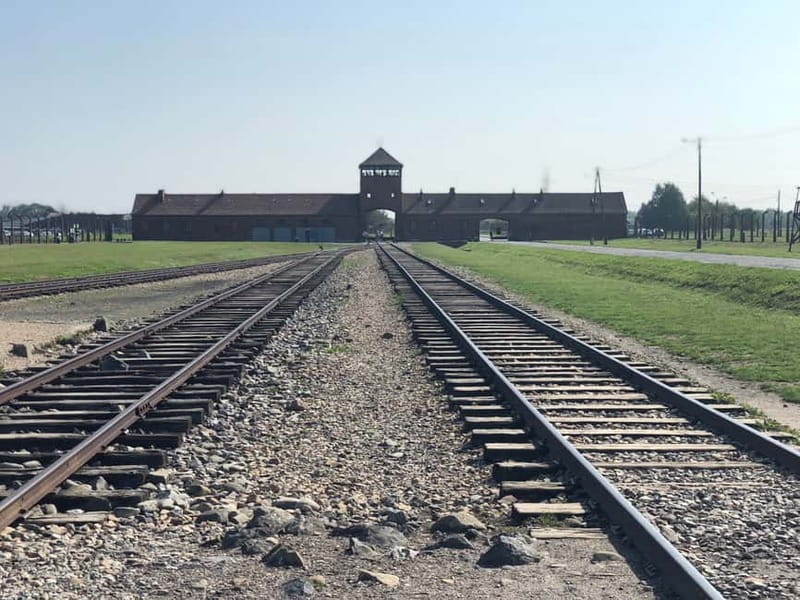
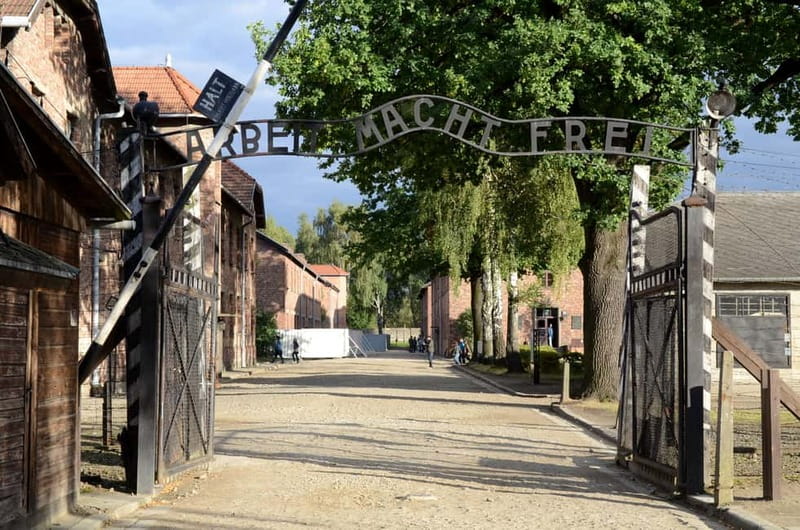
Auschwitz I is the camp where you get the clearest starting point. Auschwitz was established by the Nazis in 1940 on the outskirts of Oświęcim, Poland. At first, the camp was built for mass arrests of Poles and for overcrowding problems in existing prisons. Later, it became central to the Nazi plan called Endlösung der Judenfrage—the Final Solution—when mass extermination became the system.
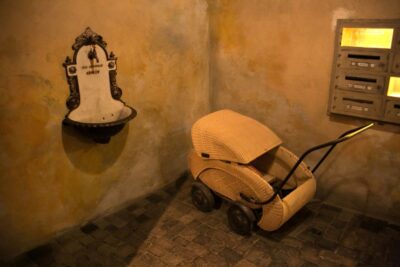
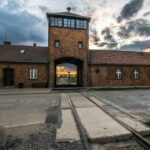
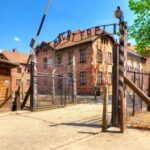
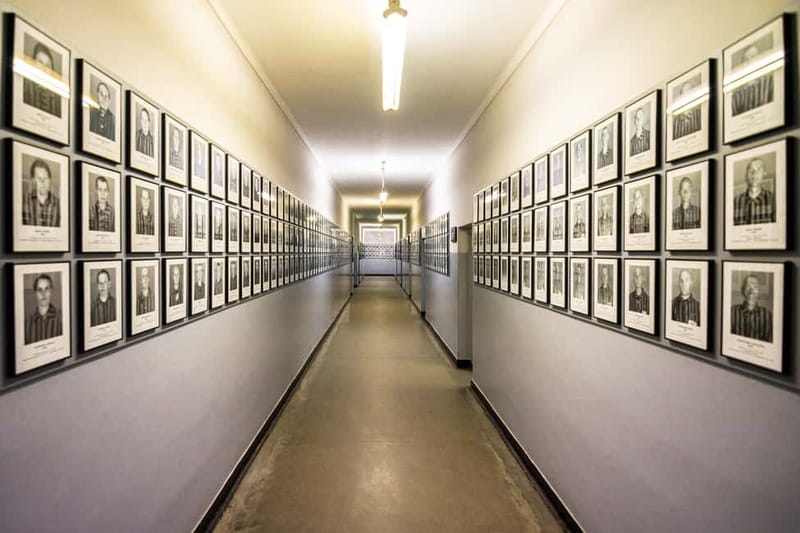
Walking here with a guide changes the experience. You’re not only seeing preserved buildings and exhibits; you’re being walked through why these locations existed and how the machinery of terror worked. The guided route includes the main gate and then key areas such as the prison blocks, the gas chambers, and the crematorium-related sections. Your guide’s job is to connect what you see on the ground to what the museum explains in documents and exhibits.
This is where headsets are a big deal. One of the best parts of the setup is that your group has portable audio, so you can keep your eyes on what’s in front of you instead of constantly turning your body to hear the guide over background noise. In practice, it helps you stay present.
The short breaks: catching your breath without losing the thread
After you move through Auschwitz I, you’ll get a break before heading to the second camp. Breaks are not time to “reset your brain” like it’s a city tour. Think of them as practical breathing space: the chance to use restrooms, buy a book if you want one, and regroup so you can keep listening when the tour gets moving again.
Across the day, you’ll also get short pauses in the 10–15 minute range. That’s useful on a long day trip where the walking adds up, and it’s also respectful of the fact that emotions can hit in waves. Just remember: the site is a memorial, so breaks are brief and the group keeps a steady rhythm.
If you’re tempted to snack constantly to stay alert, don’t plan on it—food and drinks aren’t included, and there are restrictions inside the museum areas. Aim to eat before you go, then use your provided break time like a real pit stop.
Auschwitz II-Birkenau: why 50 minutes can feel both enough and not enough
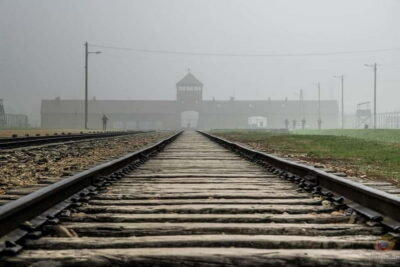
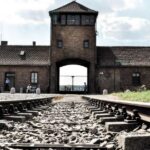
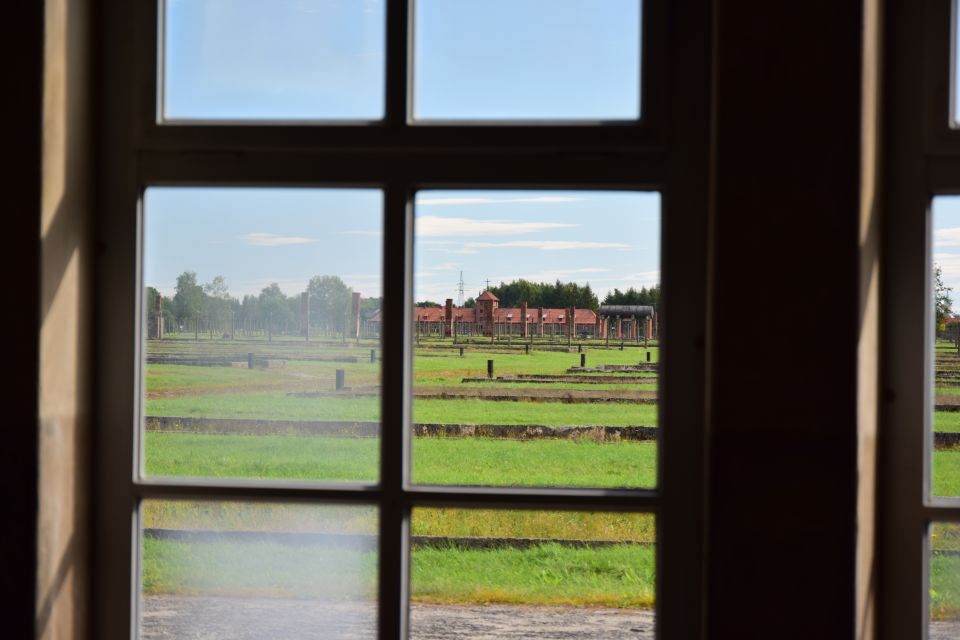
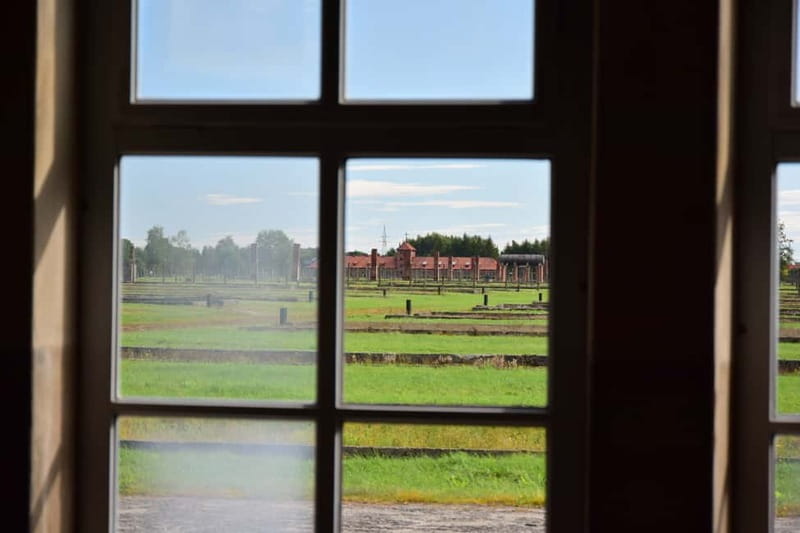
Birkenau (Auschwitz II) is massive. It’s also emotionally exhausting because the scale makes the system’s logic feel even colder. In this tour format, Birkenau is covered with a guided visit that takes about 50 minutes, with time built into the day for transport and the return.
That time allocation has a tradeoff. You’ll see major parts and hear the key connections your guide makes to Auschwitz I. Many guides will explain how the camps functioned together, and how the landscape reflects the planning of mass imprisonment and extermination. But you won’t have the kind of slow, silent freedom that you might want if you’re the type of person who reads every display panel without skipping.
If you know you’re going to want more time to absorb, you should keep your expectations realistic. This tour is an excellent way to get a guided overview with strong context. It’s not designed to be your only stop where you sit with every detail for hours.
Guides and the headset setup: hearing the facts matters here
The best moments of this tour are usually about the guide. The memorial is not the place for a casual narration. The guide needs to explain carefully, match the pace to the space, and answer questions without turning the experience into a performance.
In the feedback for this operator, English-speaking guides have been praised for being clear, respectful, and well-paced—people have mentioned guides like Mateusz as especially strong, and bus drivers like Jakub or Martin for keeping instructions calm and easy. The common theme is sensitivity paired with solid explanation.
Portable headsets are included and they genuinely help. They let you hear the guide without craning your neck or missing key points while looking at documents and structures. If you’ve ever had trouble hearing a group tour leader over crowd noise, you’ll appreciate this. Just keep your headset handled carefully during transfers, and if anything sounds off, let the staff know quickly.
Price and value: what $86 really buys you
At about $86 per person, this tour can be a surprisingly good value when you compare what’s included. You get entrance tickets to Auschwitz-Birkenau, transportation from and back to Kraków, and transportation between the two museum parts. You also get an English-speaking tour leader, portable headsets for each participant, and insurance for the duration of the tour.
What you don’t get is also clear. Food and drinks are on you, and there’s no hotel pickup or drop-off. That means you should budget for at least one meal on your own and plan to start at the meeting point in Kraków.
For many people, the biggest value isn’t the discount—it’s the coordination. Skip-the-ticket-line entry and guided movement between the camps save you time and decision fatigue. At Auschwitz-Birkenau, that time matters because you’ll spend it seeing, not searching.
What to bring (and what to leave behind)
This kind of visit is strict, and it’s worth treating the rules as part of the respect for the place.
Bring:
- Passport or ID card
- Driver’s license (if you have it with you, since it’s listed as required/accepted documentation)
- Passport or ID card for children (though the tour isn’t suitable for children under 14)
Not allowed:
- Smoking
- Luggage or large bags
- Sleeveless shirts
- Food
- Flash photography inside the blocks
- Oversize luggage
There are also size limits for bags you bring into the museum areas: backpacks or handbags must not exceed 30x20x10 cm. If you travel with more, plan on leaving bigger items in lockers or with the vehicle setup. In real use, people have mentioned leaving bags in the van while it stayed with the group.
Clothing-wise, it’s smart to pack for standing and walking. Auschwitz-Birkenau can be cold and windy depending on the season, and you’ll want layers you can keep on without feeling constrained.
Who should book this tour from Kraków
This tour makes the most sense if you want:
- A guided overview of both Auschwitz I and Auschwitz II-Birkenau
- Help with transport and timed movement between sites
- Audio support via headsets
- A clear explanation of the camp’s background, not just the buildings
It may not be your best fit if:
- You’re looking for a long, unhurried self-guided day where you can wander freely for hours
- You’re traveling with young kids (it isn’t suitable for children under 14)
If you’re trying to fit Auschwitz-Birkenau into a trip that also includes other Kraków plans, the day structure is actually an advantage. You get a full memorial experience without losing your whole travel schedule.
Should you book this Auschwitz-Birkenau tour?
Yes, if you want a solid, organized route with a guided story line and minimal hassle. The combination of skip-the-ticket-line access, headsets, and transport between camp areas is exactly what helps you stay focused on what you’re seeing instead of logistics.
Book it if you’re the kind of person who values context before walking into the prison blocks and extermination facilities. The guide-driven approach is what turns a place you’ve seen in photos into something you can understand in human terms.
I’d be more cautious if you’re the sort who needs lots of time at Birkenau to read slowly and process privately. This tour covers key sections in a shorter window, so you may want to plan extra time later on your own if you feel you need it.
FAQ
Where is the meeting point in Kraków?
You meet at Plac Jana Matejki 2 in Kraków (Matejki Square 2).
Does the tour include transportation from Kraków?
Yes. Transportation is included to and from Oswiecim, and between the two parts of the museum.
Are entrance tickets included?
Yes. Entrance tickets to Auschwitz-Birkenau are included.
Will I have help hearing the guide?
Yes. A portable headset is provided for each visitor.
Is the tour guide available in English?
The tour is offered with an English-speaking tour leader (and the activity also notes English and Spanish options). Make sure you reserve the correct day/language option.
How long does the full experience last?
The duration is listed as 450 minutes.
What parts of the camps are included?
You visit Auschwitz I and Auschwitz II-Birkenau with guided tours, including key areas such as prison blocks, gas chambers, and crematorium-related sections.
Can I take photos?
You are allowed to take photographs, but flash photography is not allowed inside the blocks.
What bag rules should I follow?
Luggage or large bags are not allowed, and bag size for items brought into the museum is limited to 30x20x10 cm. If you have larger items, you’ll need to use the vehicle/lockers setup.
Is there a minimum age?
Yes. The tour is not suitable for children under 14.
Is free cancellation available?
Yes. Free cancellation is available up to 24 hours in advance for a full refund.