REVIEW · KRAKOW
Kraków in a nutshell – walking tour
Book on GetYourGuide →Operated by ZeeTour · Bookable on GetYourGuide
Krakow gets clearer after one good walk. This is a tight, 100-minute Old Town orientation that turns you into a confident starter: from Florian’s Gate across the historic core toward Wawel Castle. I love that it’s guided by a Krakow native (Zee is named in the feedback), and I love how the guide links landmarks to real stories about Polish life, not just dates.
One watch-out: entrance fees are not included, so your budget may creep up if you choose to go inside during the stops. Also, the route packs a lot in, so you’ll get fewer long, slow breaks at each place.
In This Review
- Quick takeaways: what makes this Kraków walking tour work
- First steps in Krakow: your 100-minute Old Town primer
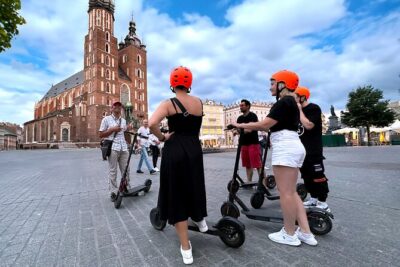
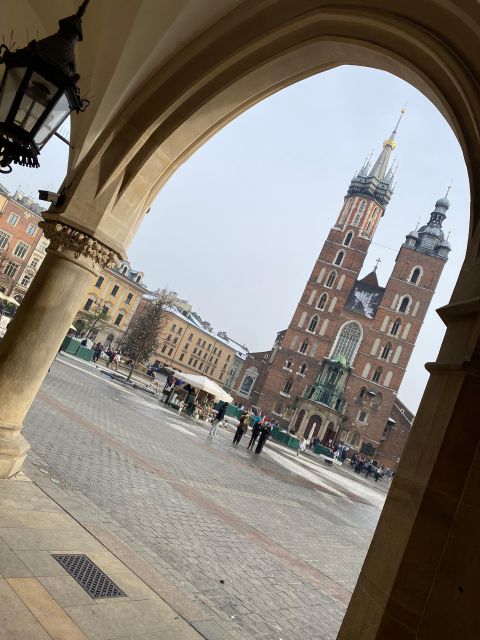
- Main Market Square and Kraków Cloth Hall: the city at street level
- St. Mary’s Basilica: why this church belongs on your mental map
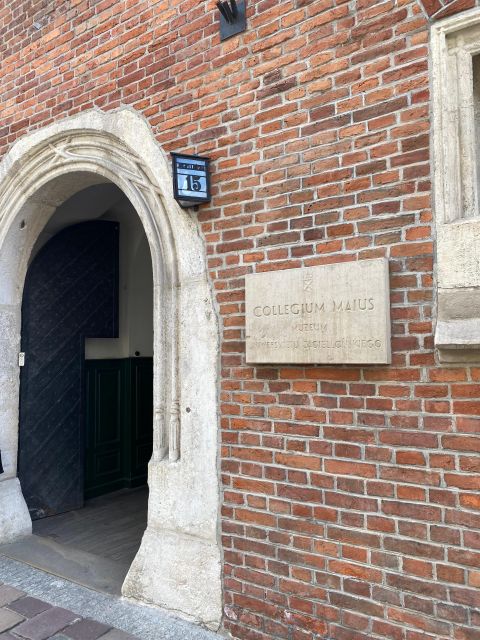
- Czartoryski Museum: Polish culture beyond the postcard
- Kraków Barbican and Florian Gate: city defenses and dramatic edges
- Jagiellonian University area: learning, politics, and legend chatter
- Wawel Hill and the approach to Wawel Castle: Poland’s royal spine
- Church of St. Peter and St. Paul: a final landmark with clear context
- Price, pace, and value of a native guide
- Should you book this Kraków in a nutshell walk?
- FAQ
- How long is the Kraków in a nutshell walking tour?
- Where does the tour start?
- What does the tour include?
- Are entrance fees included?
- Is the tour only for certain weather?
- What should I bring?
- Is the tour wheelchair accessible?
- Is it suitable for party groups?
- Can I cancel for a refund?
Quick takeaways: what makes this Kraków walking tour work
- Native guide energy: You get local context, not a script from a textbook
- Short time, smart route: Florian’s Gate to Wawel Castle in about 90–100 minutes
- History with everyday angles: politics, education, economics, art, plus legends
- Old Town highlights in sequence: Market Square, Cloth Hall, St. Mary’s, the Barbican, and more
- Practical recommendations: you leave with ideas for what to do next in Krakow
First steps in Krakow: your 100-minute Old Town primer
This walk is built for the day you arrive and want your bearings fast. You’ll start at the ZeeTour office and then move through the most important pieces of Krakow’s Old Town, with a guide who sets the stage before you start hopping from one sight to the next.
The format is simple: a proper overview first, then history, details, legends, and attractions while you walk. The guide is comfortable answering questions too—whether you care more about how the country developed, how people lived, or how culture shaped the city.
If you’re trying to plan the rest of your trip, this is a good way to generate a shortlist. You’ll get recommendations and ideas that match what you’re curious about, not generic “just see everything” advice.
You can also read our reviews of more walking tours in Krakow

Main Market Square and Kraków Cloth Hall: the city at street level
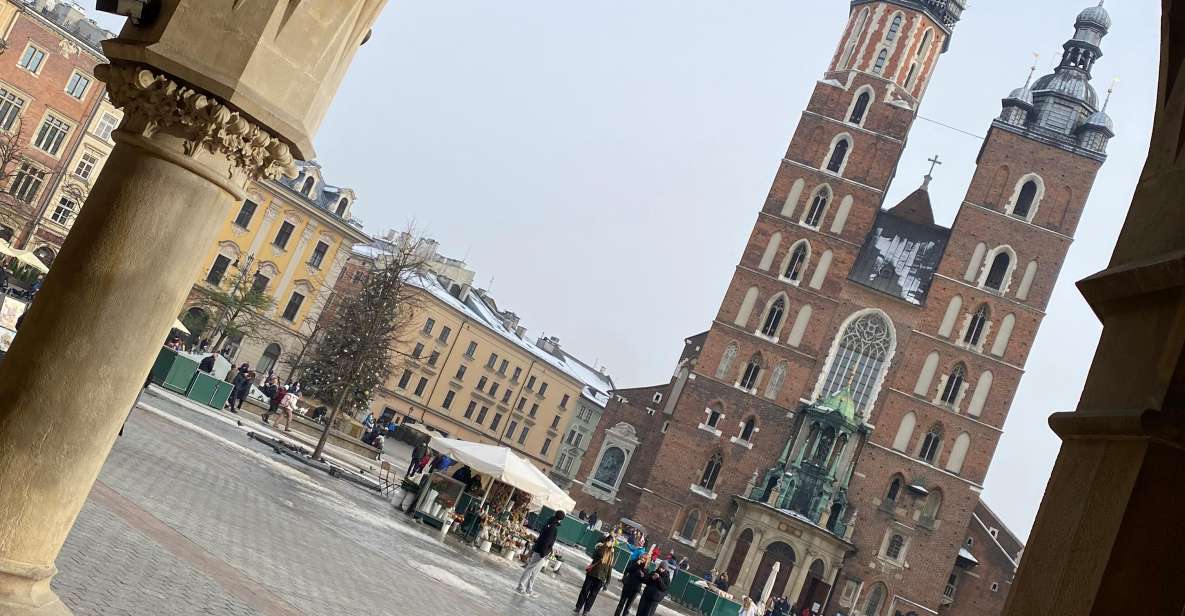
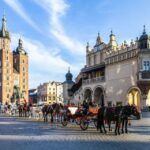
Main Market Square is where Krakow’s story feels physical. It’s the kind of place you can sense instantly, even if you don’t know the dates yet. In this walk, you’ll get the meaning behind the space—why this square mattered and how the area became a center for people and trade.
Next comes the Cloth Hall (Sukiennice). This is one of those landmarks that looks straightforward but carries a lot of weight once you understand its role. Expect your guide to explain what it represented and why it became such a famous stop in the city’s daily rhythm.
What I like about this part is that you’re learning while you’re standing in the exact spot where the story unfolded. You don’t have to mentally translate from a museum caption.
Practical note: this area can get busy at peak times. If you’re sensitive to crowds, listen carefully during the guide talk—then use the brief walking gaps to spot key viewpoints and directions for later self-exploring.
St. Mary’s Basilica: why this church belongs on your mental map
St. Mary’s Basilica is more than a photogenic stop. On the tour, it’s treated as a major anchor for understanding Krakow’s identity and traditions.
You’ll hear how the basilica fits into Polish and Krakow life—what people associated with it and why it remained important over time. Even if you don’t go inside, the guide’s explanation helps you interpret what you’re looking at and why locals still treat it as a key landmark.
One consideration: the tour’s main focus is on orientation and storytelling, so you should expect time for viewing and understanding, not a long, slow church visit. If you want extended time inside, plan to come back on another day and pay any entrance fees as needed.
Czartoryski Museum: Polish culture beyond the postcard
Czartoryski Museum is a strong choice on a “first day in Krakow” walk because it connects art and culture to a bigger national picture. This stop adds depth to what you’ve already learned around the square and churches.
The value here is the guide’s ability to connect the museum to broader themes—how education and culture shape identity, and how history shows up in objects and institutions. That’s exactly the sort of context you want when you’re deciding what to prioritize later.
If you’re the type who likes to understand why something matters before spending hours inside, this museum stop works well. You’ll get enough background to make a future visit feel intentional rather than random.
Kraków Barbican and Florian Gate: city defenses and dramatic edges
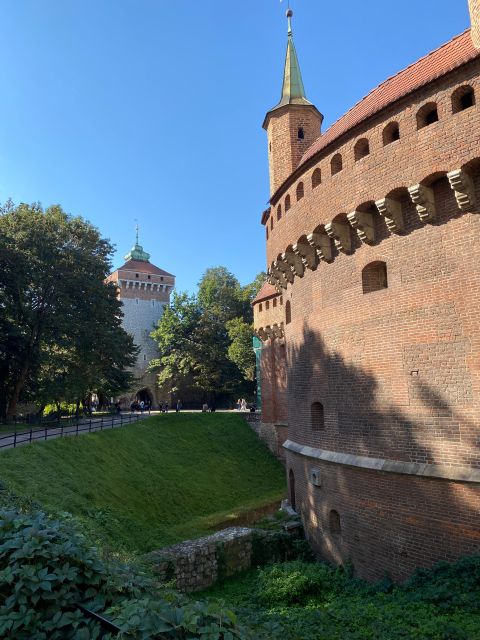
The Barbican and Florian Gate are where Krakow starts feeling like a fortified, story-filled city. The guide turns these structures into a lesson in how cities protected themselves, controlled movement, and shaped the experience of daily life.
The Barbican sits as a defensive feature you can’t easily ignore once you learn what it was meant to do. Then you move toward Florian Gate, which feels like a threshold—part of the city’s older logic of entering and exiting.
This section is also great for photographers, but it’s more than that. The storytelling helps you see the gate and defenses as part of political history and urban planning, not only stonework.
If it’s raining, these stops still work because you’ll be moving. But do keep an eye on footing—comfortable shoes matter a lot when you’re in and out of shaded spots.
Jagiellonian University area: learning, politics, and legend chatter
Next up is Jagiellonian University. This stop broadens the tour from architecture into ideas. You’ll connect education and institutions to the way Krakow—and Poland—developed over time.
What makes this part useful is the guide’s style. The tour isn’t only lectures. It’s a walking conversation where you can ask about the themes you care about—politics, education, or cultural influences—and get explanations that fit the places you’re standing near.
It’s also a good moment to slow down mentally. By this point, you’ve seen the square, churches, and city edges. Now the city starts to make sense as an ecosystem: places where people studied, worked, worshipped, and made decisions.
If you like history that feels human—choices, institutions, and consequences—this is where the tour can click for you.
Wawel Hill and the approach to Wawel Castle: Poland’s royal spine
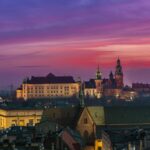
Wawel Hill is the “big moment” on this route. It’s the area that makes you understand why Wawel Castle is such a central symbol in Polish history, and why it anchors so much of Krakow’s identity.
During the walk, your guide ties the hill to the broader story of Poland and Krakow—how power, culture, and national identity became linked to specific places. You’ll get a sense of the meaning of the site even if your visit time at the complex is limited.
One thing I appreciate: this stop isn’t treated like a quick photo line. You’ll usually be given enough background to notice what you’re seeing and why it’s significant, which makes later visits feel more rewarding.
If you’re planning to spend more time at Wawel after the tour, this is a smart first step. You’ll leave with the feeling that you know where you are and what you’re looking for.
Church of St. Peter and St. Paul: a final landmark with clear context
The walk finishes with the Church of St. Peter and St. Paul. By the time you reach it, you’ve already been through Krakow’s core story beats: public life at the square, religious anchors, defensive structures, education, and the royal center.
That’s why this stop works. Your guide can place the church in the larger narrative you’ve built along the way, so it feels like a meaningful ending rather than just another stop on a list.
You’ll likely get a last round of perspective—how to interpret what you’ve seen, and what to prioritize once you’re free to roam on your own.
Then you head back to ZeeTour, where it’s easier to reset and plan your next move. If you came in hungry for direction, this ending helps you leave with momentum.
Price, pace, and value of a native guide
At about $27 per person for roughly 100 minutes, this is one of those tours that’s priced for first-day usefulness, not for deep museum immersion. The value comes from efficiency: you cover major Old Town landmarks and you get context for each one.
The guide’s background matters here. The feedback highlights how enthusiastic and passionate Zee is, and how clear the English is—simple enough to follow even if English isn’t your first language. That clarity is important on a short tour, because you’re listening for meaning, not just facts.
Also, the tour doesn’t just point you at sights. It gives you recommendations for what to see, eat, and experience next. In practice, that can save you time and help you avoid spending your first hours in Krakow guessing.
Keep your expectations realistic: this is a walking orientation with highlights, not a slow deep-dive. You’ll learn a lot quickly, then you’ll want to return for longer stays if any stop really grabs you.
Should you book this Kraków in a nutshell walk?
Book it if:
- you arrive in Krakow and want a fast Old Town orientation
- you prefer history explained in everyday terms
- you want a guide’s recommendations to shape the rest of your itinerary
Skip or swap it for something else if:
- you already know Krakow well and want hours of museum time
- you hate walking and long stretches of concentrated sightseeing
If you’re on your first trip, this tour is a strong start. You walk away with a map in your head, a better grasp of Polish and Krakow history, and a list of ideas to follow while you still have energy to explore.
FAQ
How long is the Kraków in a nutshell walking tour?
It runs for approximately 1.5 hours, listed as 100 minutes.
Where does the tour start?
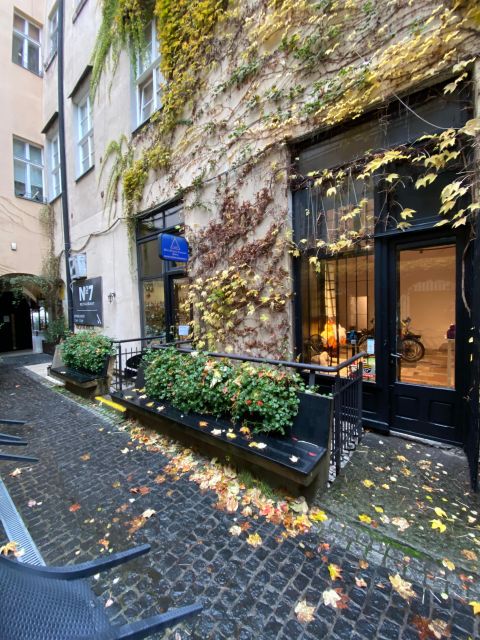
Meet at the ZeeTour office. Look for the building with Restaurant No7, go inside, and find the shop in the courtyard (second on the left).
What does the tour include?
You get an English-speaking guide and an approximately 1.5-hour walking tour through the Old Town highlights.
Are entrance fees included?
No. Entrance fees are not included.
Is the tour only for certain weather?
The tour runs rain or shine.
What should I bring?
Bring comfortable shoes and water.
Is the tour wheelchair accessible?
Yes, it is listed as wheelchair accessible.
Is it suitable for party groups?
No. Party groups are not allowed.
Can I cancel for a refund?
Yes. Free cancellation is available up to 24 hours in advance for a full refund.