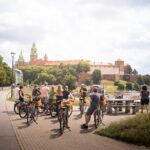
This bike tour turns Krakow history into something you can feel. I like the way it connects World War II stories to real places you actually ride through, then slows down enough for the emotions to land. I also like the practical setup: top-quality bikes and an easy rhythm that keeps you moving without rushing.
One thing to keep in mind: you’ll climb a hill on foot for a viewpoint. It’s short, but it does add physical effort, and the tour isn’t set up for mobility impairments.
In This Review
- Key things to know before you ride
- Why this WWII bike tour feels different than a museum day
- Where the ride takes you: Podgórze, parks, and the WWII geography of Krakow
- The storytelling style: heroic, emotional, and still grounded
- Schindler’s Factory and the Jewish ghetto area: why these stops land harder on a ride
- The hill and viewpoint: the one physical moment you should plan for
- Bike quality, slow pace, and why that matters for a story-heavy tour
- Complement, not repetition: how this fits with a bigger Krakow plan
- Price and value: what $41 buys you in 3 hours
- Who should book this Hidden Krakow Bike Tour
- Should you book the Hidden Krakow Bike Tour?
- FAQ
- How long is the Hidden Krakow Bike Tour?
- Where does the tour focus, and what major WWII-related places are included?
- What language is the tour guide?
- What’s included with the ticket?
- Is an e-bike included?
- Is the tour wheelchair friendly or suitable for mobility impairments?
Key things to know before you ride
- WWII-focused storytelling in areas most people skip, with Polish heroes and victims as the center of the narrative
- Podgórze district route plus major sites like the Jewish cemetery, Schindler’s factory, and the former Jewish ghetto area
- A park packed with statues of Polish figures tied to World War II, including stories you may not have heard before
- Relaxed, slow pacing on quality bicycles, built for learning rather than speed
- Short uphill walk to reach a city viewpoint, so wear shoes you trust
- No e-bike option and no food included, so plan around a 3-hour ride
Why this WWII bike tour feels different than a museum day
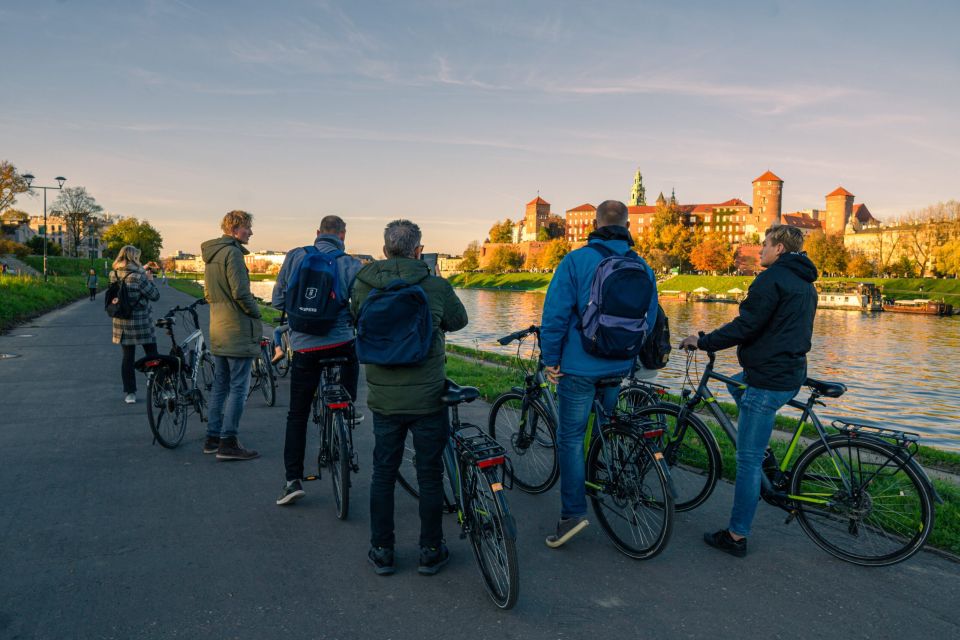
Krakow is a city where history is everywhere, but most visitors experience it in straight lines: one museum, one monument, one photo, then off to the next stop. This tour works the other way. You ride first, then the guide connects what you see to what happened—especially during World War II and what followed.
I love tours where the guide doesn’t just recite dates. Here, the stories come with context: hope, pride, sorrow, and the way Poland’s residents were shaped by years of brutal occupation and survival. And because the route stays outside the usual tourist core for much of the time, you get a more grounded sense of place. It’s the difference between reading about a neighborhood and passing through it on a bike.
The other part that makes this feel worthwhile is the tone. The guide leans into Polish courage without turning everything into a lecture. You’re guided through places that still carry weight, but you’re not left cold or confused. Even when the content gets heavy, the pacing stays human—slow enough to absorb, not so slow that you feel stuck.
You can also read our reviews of more cycling tours in Krakow
Where the ride takes you: Podgórze, parks, and the WWII geography of Krakow
This tour gives you a clear theme: the WWII aftermath and how it shaped Poland afterward. Instead of spending all your time in the standard showpieces, the route leans into areas that help explain the bigger story.
A big anchor is Podgórze, a district where you’ll visit sites tied to Jewish life and wartime tragedy. That includes stops connected to a Jewish cemetery, Schindler’s factory, and the former Jewish ghetto. Each of these is powerful on its own, but what makes them stronger in a bike tour format is sequencing. You’re not just staring at one point of history—you’re moving through the neighborhood context that explains why those places mattered.
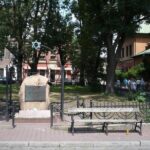
You also spend time in and around a park known for statues of Polish heroes, including figures linked to World War II. The key point for you: that park isn’t treated like a decorative rest stop. It’s part of the storyline, with background you’re unlikely to find on your own in a casual walk-by. The tour uses that setting to highlight how Poland commemorates its past—who it chooses to remember, and how memory is built into public space.
And one more detail that’s easy to overlook until you’re there: the guide brings in surprising international connections. You’ll hear the tour’s mention that Poland played a huge role in the liberation of the Netherlands and Italy. It’s a reminder that WWII wasn’t only fought in one theater, and the war’s ripple effects reached far beyond Poland’s borders.
The storytelling style: heroic, emotional, and still grounded
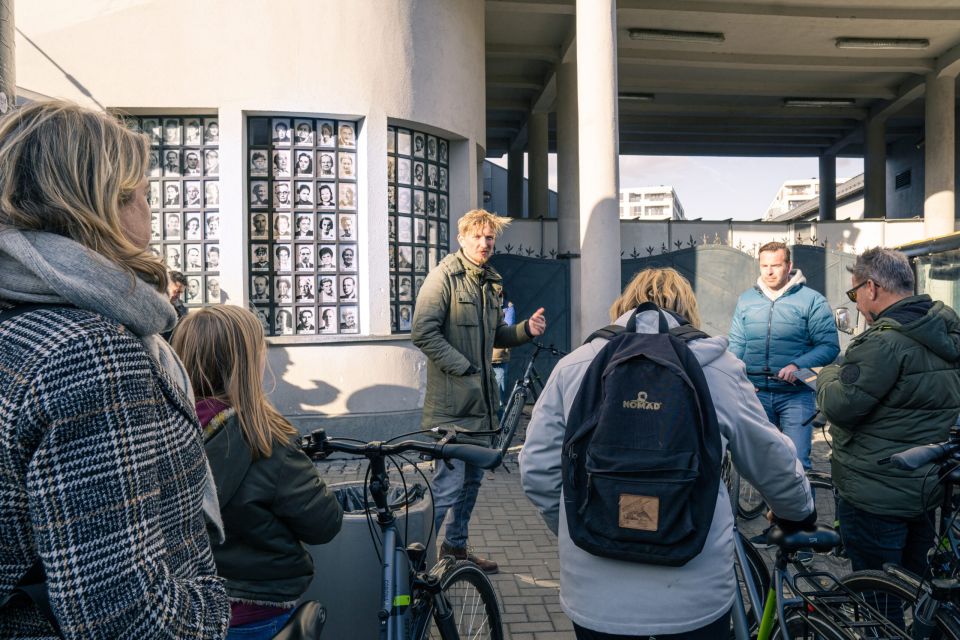
The best guides don’t just tell you what happened. They help you understand why it matters—today. On this kind of tour, I pay attention to whether the guide balances emotion with clarity, because WWII stories can easily turn into either a wall of facts or a storm of sentiment.
Here, the focus is on Polish heroes and victims, with stories that include hope and pride alongside sorrow. That mix matters. If you only hear tragedy, you end up numb. If you only hear heroism, you lose the human cost. The tour aims for the middle: heroic actions, then the reality that people paid for those choices with their lives or futures.
You’ll also notice that the guide is presenting the “hidden” angle in a practical way. The point isn’t secrecy for its own sake. It’s that these are places and stories that often don’t get the top billing compared with the Old Town postcard circuit. And when the guide explains what happened in these specific corners of Krakow, you start to connect dots between broader WWII events and daily life after the war.
In recent tour experiences, guides named Bryan/Brian have been described as taking their time and staying enthusiastic at each stop. That’s exactly the approach you want for this theme, because the subject demands patience.
Schindler’s Factory and the Jewish ghetto area: why these stops land harder on a ride
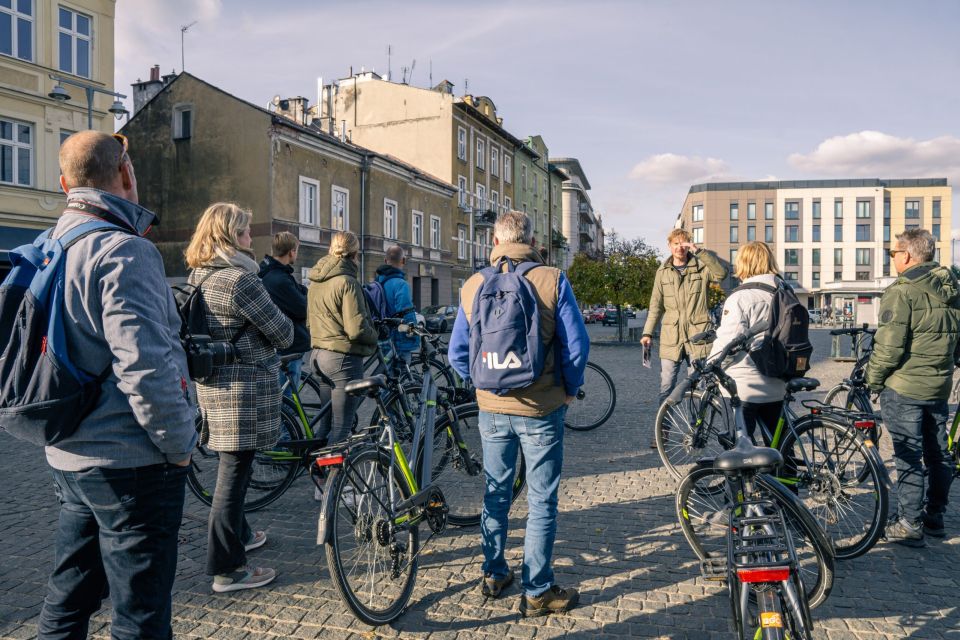
Stops like Schindler’s factory and the area connected to the former Jewish ghetto can feel overwhelming if you see them randomly, without context. On this tour, you get a guided framework for understanding what you’re looking at and why it connects to the larger story of Poland during and after the war.
The value of seeing these sites on a bike tour isn’t that the bike magically makes history “better.” It’s that you’re moving through the same general geography that once held Jewish communities and the pressures that reshaped their lives. Walking a long distance can be tiring and slow, and bus tours can feel too disconnected. Riding at a relaxed pace keeps you engaged without making the experience exhausting.
Also, the tour doesn’t treat these stops as isolated attractions. The guide weaves them into the WWII-afterwards theme. That means you’re more likely to leave with a sense of continuity—how events progressed, how communities were impacted, and what the aftermath meant for Poland’s identity.
The hill and viewpoint: the one physical moment you should plan for
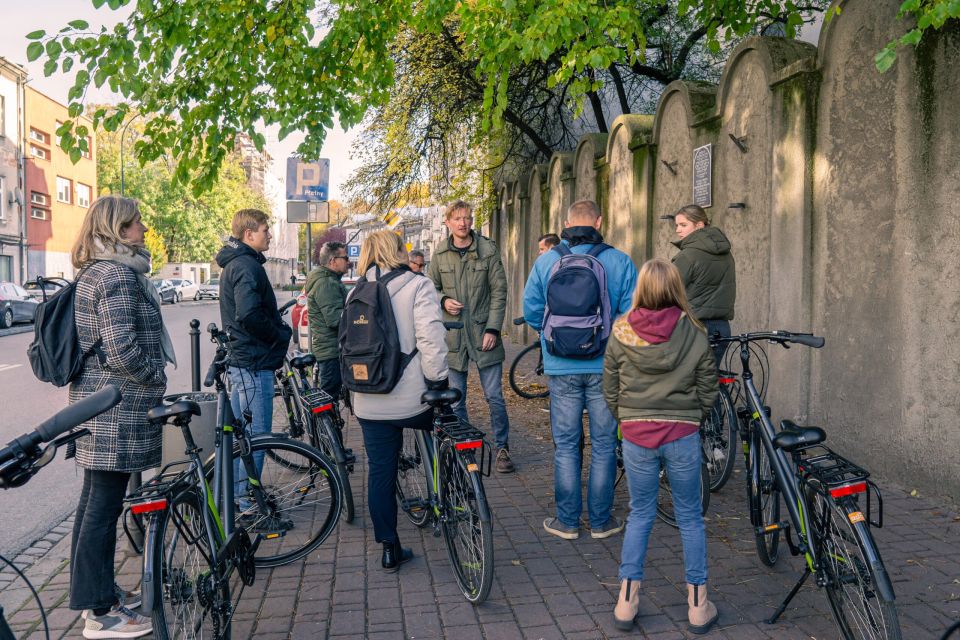
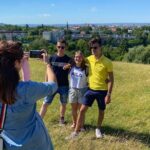
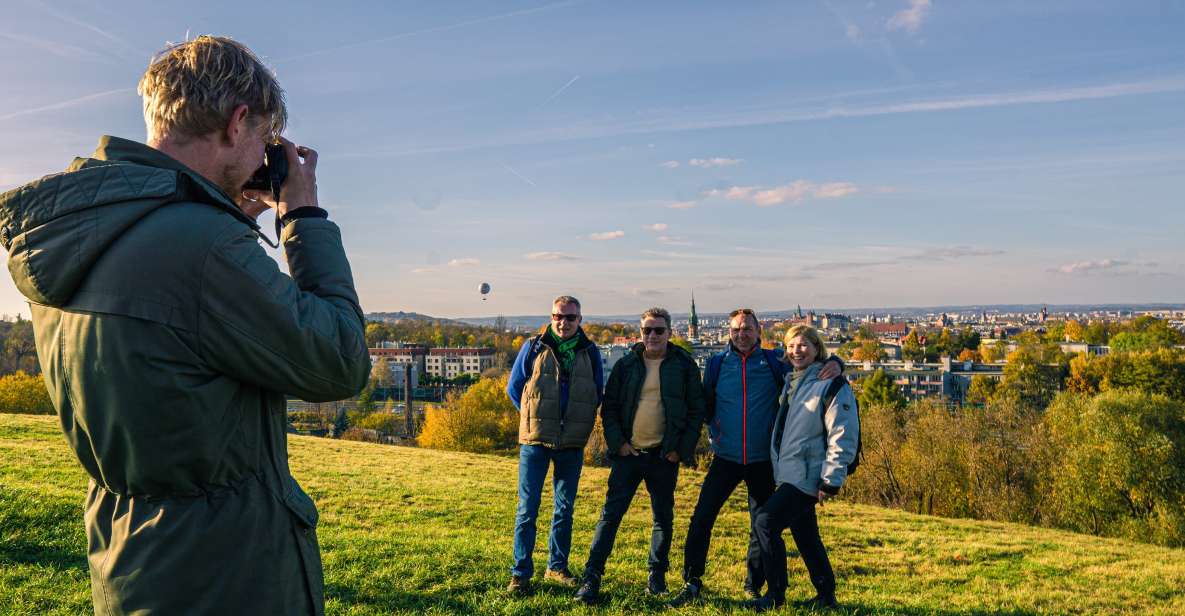
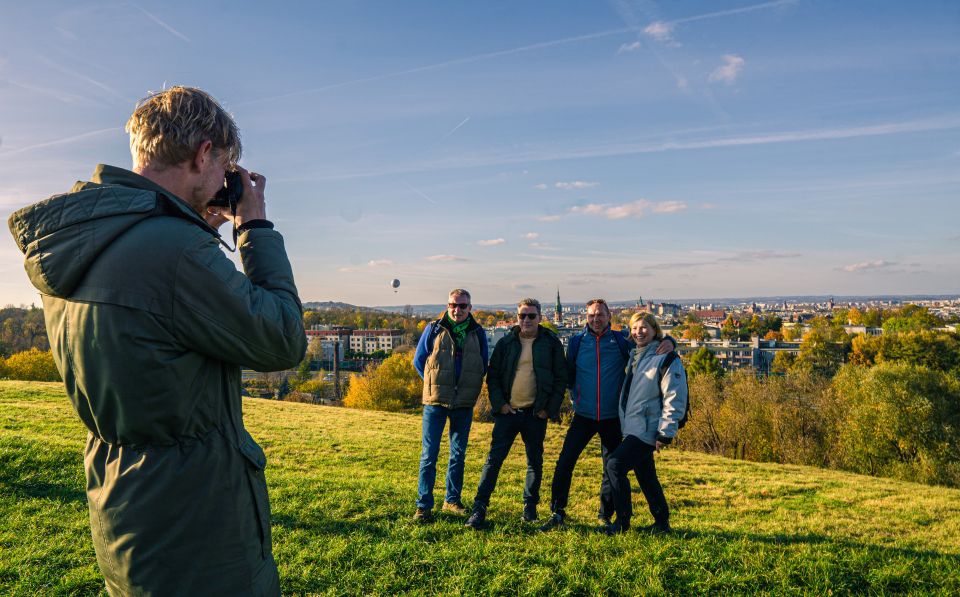
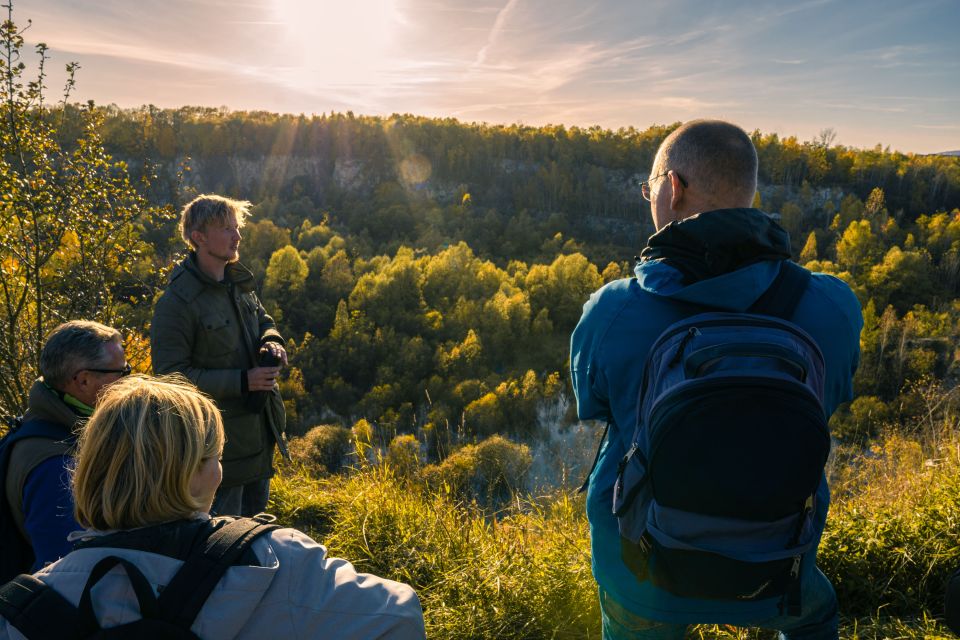
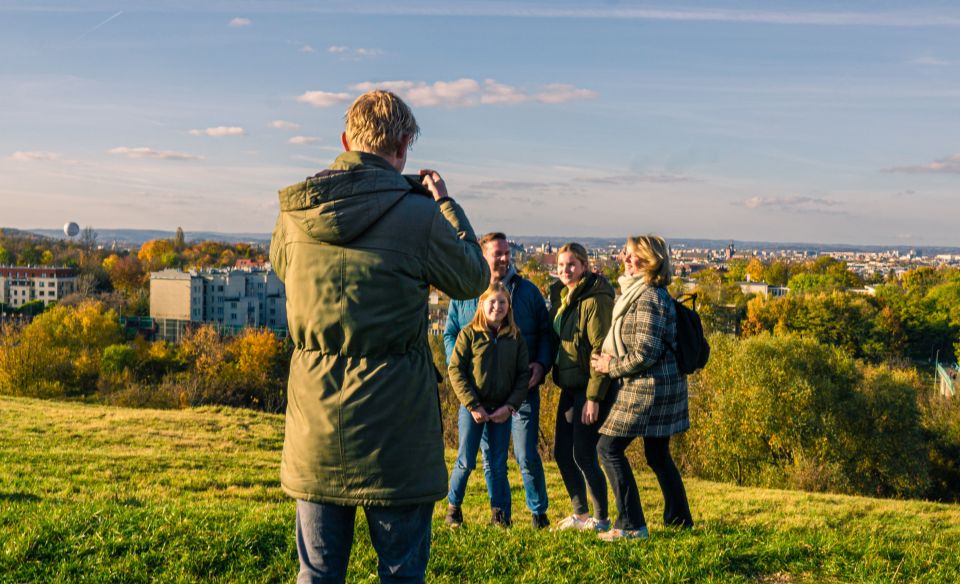
You should know upfront: there’s a hill that you’ll climb by foot to reach a city viewpoint. The good news is that it’s part of the tour design, so it’s not a random fitness test. The viewpoint is there for a reason—so the stories don’t stay trapped in the past.
The practical advice is simple: wear comfortable shoes with grip, and don’t treat this stop like a sprint. If you’re fine with a short uphill walk, you’ll be fine. If you’re not, choose a tour that avoids walking climbs.
And because the tour isn’t suitable for people with mobility impairments, you should take that seriously. A bike tour can still be enjoyable for lots of walkers, but the on-foot climb makes it the wrong fit for some needs.
Bike quality, slow pace, and why that matters for a story-heavy tour
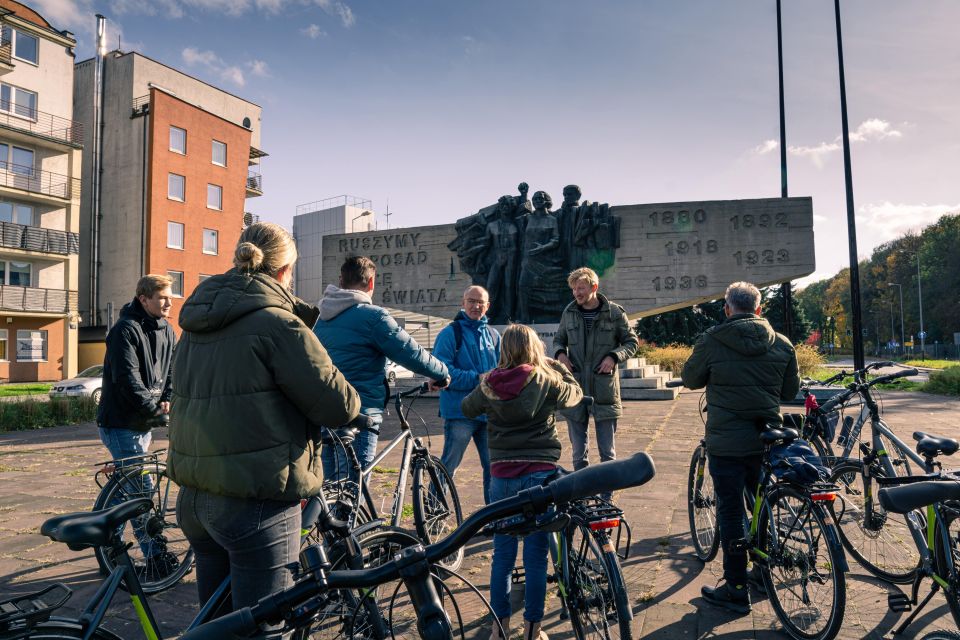
This is described as a relaxed, slow-paced ride. That’s not just a comfort detail. With emotional WWII history, speed works against you. If the tour moves too fast, the guide’s context gets lost and you end up thinking more about where to ride next than what you’re actually hearing.
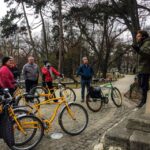
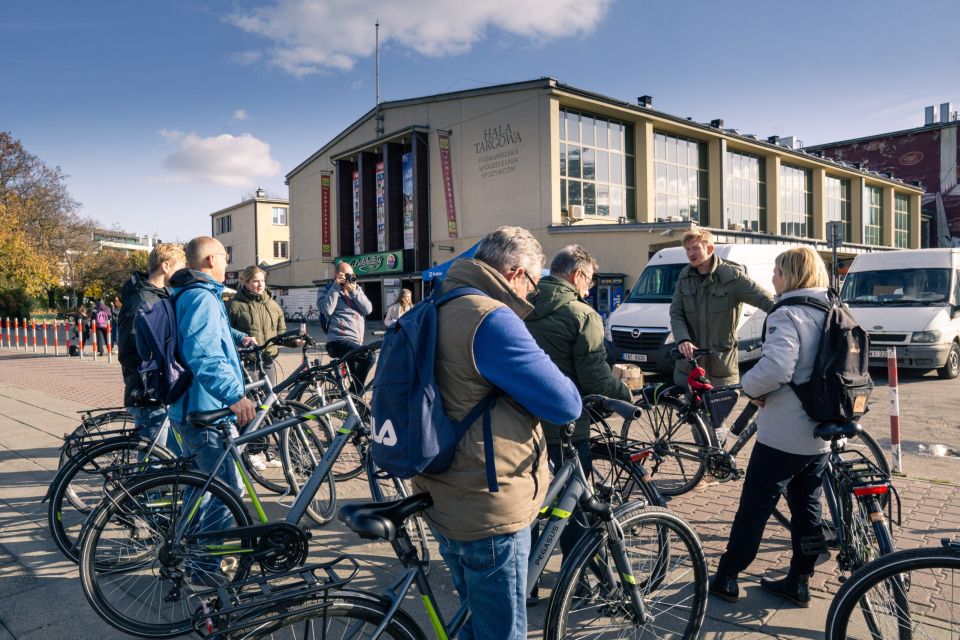
Here, you’re on quality bicycles, and helmets are available if requested. A poncho is included if required, which is a small but smart touch for Krakow’s changing weather. The tour also doesn’t include an e-bike, so if you need motor assistance, you’ll want to make a different plan.
My takeaway for you: this setup is meant for listening. You’ll likely remember more because you’ll have time to process each stop rather than bouncing through them like checkpoints.
Complement, not repetition: how this fits with a bigger Krakow plan
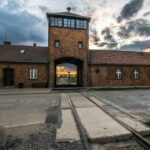
If you’re building a Krakow itinerary, think about the role this tour plays. It’s designed as a complement, especially to the kind of Holocaust-focused trip people often pair with Auschwitz. This tour helps you understand Poland’s wartime reality and the immediate aftermath in a way that’s harder to get from a single site.
It also explicitly avoids overlapping with another common Krakow bike option that covers the Old Town (Stare Miasto) and the Jewish Quarter (Kazimierz). Practically, that means you can do both without feeling like you’re paying for the same route twice. One tour gives you the big-picture historic neighborhoods; this one gives you the WWII-and-after angle in other parts of Krakow, with the stops you may not naturally find on your own.
So if your main goal is the standard highlights, this isn’t that. If your goal is to understand the layers of WWII-era Poland and how the city remembers it, this is a strong match.
Price and value: what $41 buys you in 3 hours
At $41 per person for about 3 hours, the value is largely about what’s included and what kind of experience you’re getting.
You get:
- a quality bicycle
- a live guide (English, Dutch, or German depending on your preference)
- a helmet if requested
- a poncho if required
Food and drinks aren’t included, and there’s no e-bike. That’s typical for a short city tour, but you should still budget for your own water and snacks if you want them.
Where the money really goes is into guidance and access to story context. For a tour built around WWII sites like Schindler’s factory and the ghetto area connections, the guide’s interpretation matters as much as the stops. If you’ve ever done historical sites on your own and left feeling like you only skimmed the surface, this is the opposite approach: the guide helps you connect the place to the meaning.
In plain terms: for the length, the inclusions, and the focus on less-obvious areas, $41 feels fair—especially if WWII history is your priority.
Who should book this Hidden Krakow Bike Tour
This tour is ideal if you:
- want World War II and its aftermath explained through real Krakow places
- like learning with an expert local guide rather than wandering alone
- prefer a slow, story-focused pace on a bike
- plan to pair Krakow with a heavier day trip like Auschwitz
You may want to think twice if:
- you need a tour without any uphill walking (there’s a hill on foot)
- you rely on an e-bike for comfort
- you’re only interested in the most famous Old Town postcard sights
Language-wise, you can choose a guide experience in English, Dutch, or German depending on preference. If you’re Dutch-speaking, you’ll likely appreciate how smoothly the guide can deliver the emotional and historical nuance.
Should you book the Hidden Krakow Bike Tour?
Yes—if your visit to Krakow is about understanding WWII-era Poland through places beyond the busiest center. The mix of a park with WWII hero statues, time in Podgórze, and stops tied to the Jewish cemetery, Schindler’s factory, and the former ghetto area makes this tour feel purposeful, not random.
Book it especially if you want a guided story that takes its time and includes emotion without turning into vague drama. Skip it if you’re physically limited by uphill walking or if your goal is purely the classic Old Town highlights.
FAQ
How long is the Hidden Krakow Bike Tour?
The tour lasts 3 hours.
Where does the tour focus, and what major WWII-related places are included?
The tour focuses on World War II and what happened to Poland afterward, including stops in the Podgórze district, such as the Jewish cemetery, Schindler’s factory, and the former Jewish ghetto. It also includes stories outside the city center, including time in a park with statues of Polish heroes.
What language is the tour guide?
The tour offers Dutch, and can also be booked with English or German speaking guides depending on your preference.
What’s included with the ticket?
Your ticket includes a quality bicycle, a live guide, and a helmet if requested. A poncho is also provided if required.
Is an e-bike included?
No. The tour does not include e-bikes.
Is the tour wheelchair friendly or suitable for mobility impairments?
No. The tour is not suitable for people with mobility impairments, and you should also know there’s a hill you climb by foot to reach a viewpoint.