REVIEW · KRAKOW
Full-Day Tour of Auschwitz and Wieliczka Salt Mine from Krakow
Book on Viator →Operated by Auschwitz & Salt Mine tour to Krakow Discovery · Bookable on Viator
Two iconic sites in one packed day. I like how this tour handles the hardest logistics up front, with hotel pickup and a smooth plan from the first stop to the last. I also really appreciate the headphones, so you can follow the museum guide clearly even while moving with the group. The trade-off: it’s a long day, and the schedule keeps things moving, especially inside Auschwitz.
The big value here is that you’re not piecing together transport, tickets, and timing. You’re getting a licensed English guide for Auschwitz-Birkenau, entry included, and then a second guided visit underground at Wieliczka Salt Mine. You also ride in an air-conditioned shared transfer with a small cap in the vehicle, which makes the day feel less cramped than larger bus tours.
Go in prepared. You must bring ID or passport for Auschwitz entry, and there are strict limits on bag size (no bigger than 30x20x10 cm). If you’re hoping for a slow, wander-at-your-own-pace day, this may feel a bit fast because crowds and group flow affect timing.
In This Review
- Key things to know before you go
- Price and what you’re really paying for (about $82.27)
- How the morning transfer sets the tone for the whole day
- Auschwitz-Birkenau: licensed museum guidance, clear audio, and real structure
- Auschwitz rules that affect your day: ID, bag size, and pacing
- Wieliczka Salt Mine: why the 2 hours feel special
- Food timing, toilets, and comfort for an 11-hour day
- Group size, headphones, and guide quality: what to watch for
- Who should book this Auschwitz and Wieliczka day trip
- Should you book this one-day Auschwitz and Wieliczka tour?
- FAQ
- How long is the Auschwitz and Wieliczka Salt Mine full-day tour?
- Are hotel pickup and drop-off included?
- Is there an English-speaking guide?
- Do I need admission tickets included in the tour price?
- What documents do I need for Auschwitz-Birkenau entry?
- Are there limits on bags or backpacks?
- What’s included for audio, and are headsets included for children and infants?
- Is food and drinks included?
- Is the tour refundable if I cancel?
- How large is the group for the transfer?
Key things to know before you go
- Hotel pickup runs early (about 06:00–07:30 from city center), with your exact time sent 1–2 days before.
- Headphones are provided, so the English guide stays easy to hear.
- Auschwitz-Birkenau is guided by a licensed museum English speaker, with admission included.
- Backpack and handbag limits apply: max size 30x20x10 cm.
- Wieliczka Salt Mine includes a guided visit for about 2 hours, plus lots of walking and steps underground.
- Small transfer size in the car (max 14 in the shared vehicle) helps keep the day comfortable.
Price and what you’re really paying for (about $82.27)
For $82.27 per person, you’re not just buying transportation. You’re paying for a full, structured day: hotel pickup and drop-off, a round-trip transfer from Krakow, guided visits in English, and admission tickets for both Auschwitz-Birkenau and Wieliczka Salt Mine. That matters because the “hard parts” of planning are the timing and the entry rules—especially at Auschwitz, where access is controlled and documentation is required.
This is also one of those deals where the value improves if you hate logistics. You don’t need to coordinate separate tickets, worry about whether you can find the right pickup point, or stress about getting from one site to the other on your own. You just show up, hear the guide through your headphones, and follow the group.
The only catch is that you’re buying a fixed format. If you want extra free time at either site, or you want long breaks without moving on, you’ll likely feel the schedule pressure. One of the more honest considerations is that the day is long enough that comfort choices (shoes, water, snacks you can manage) start to matter.
You can also read our reviews of more tours and experiences in Krakow


How the morning transfer sets the tone for the whole day
This tour starts with an early pick-up from your Krakow hotel or apartment, typically between 06:00 and 07:30 for city-center locations. They send your exact pickup time by message or text 1–2 days before. That early start is not a gimmick—it’s what makes it possible to fit both Auschwitz-Birkenau and Wieliczka Salt Mine into about 11 hours.
Inside the vehicle, you’ll be in an air-conditioned minivan, and the shared transfer is capped in the car (max 14 people). That limit is important. It helps you hear your driver’s instructions, makes it easier to manage group arrivals, and reduces the “seat chaos” you can get on bigger group transport days.
The tour also caps overall group size at 25–26 travelers, which is a better scale for listening and moving through checkpoints than very large bus groups. You’re still in a group—so bring patience—but the tone stays organized.
One more practical detail: the cars are disinfected before each service, and masks are available in the vehicles. If you’re traveling with any health concerns, it’s good to know they consider the basics of hygiene.
Auschwitz-Birkenau: licensed museum guidance, clear audio, and real structure
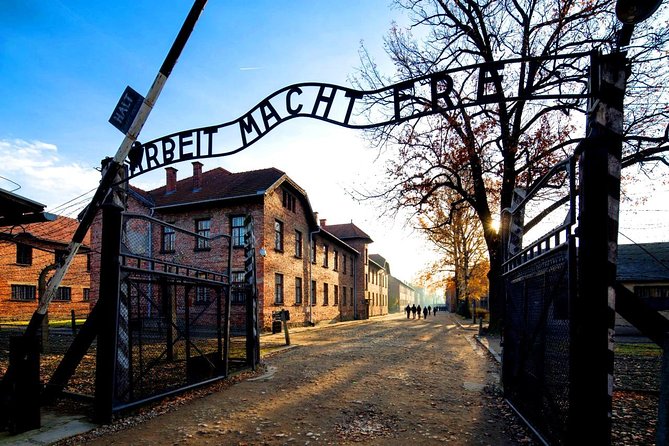
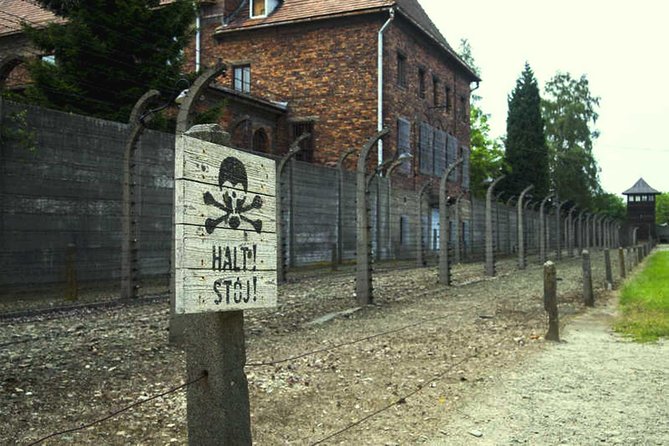
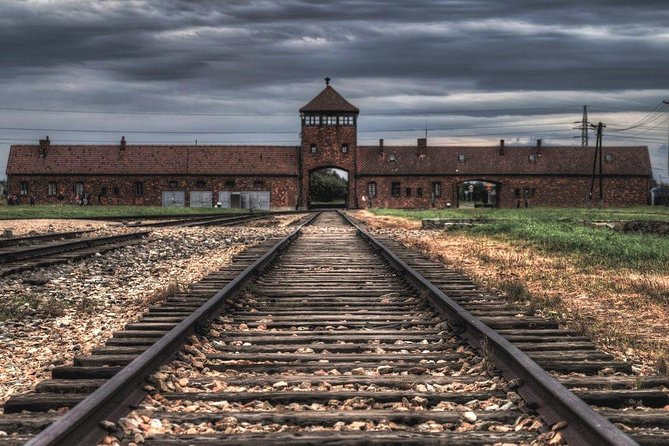
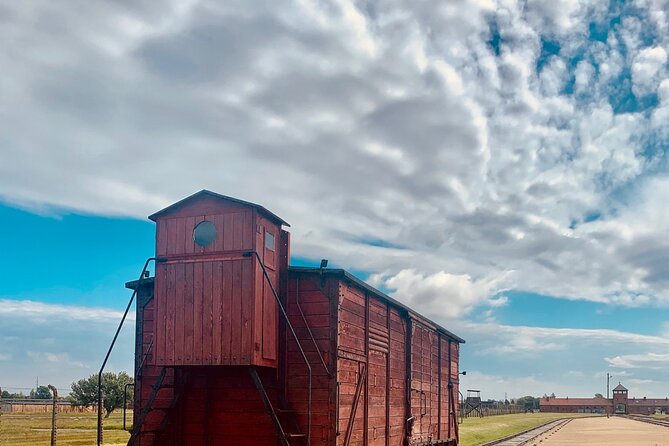
Your Auschwitz-Birkenau stop is guided by a licensed English-speaking guide provided by the museum, with admissions included. The visit is about 3 hours, which is a carefully chosen length: long enough to cover both Auschwitz and Birkenau without rushing straight through, but not so long that the day collapses under the clock.
Two things I’d highlight as genuinely helpful for you here:
- Headphones are included, so you can keep up with the guide’s explanations instead of straining to hear over other visitors.
- The guide is licensed by the museum, which usually means the information is accurate, organized, and paced for what you’re actually seeing.
If you like learning in context—names, dates, and how the camps functioned—this format supports that. And if you’re the kind of person who tends to miss details because you’re busy looking around, headphones help you catch what matters while you’re moving.
Guides can make a big difference in how the story lands. In the day-to-day reality of group tours, I’ve seen how strong communicators—people like Bartek and Igor—tend to keep the group engaged and moving with respect. Even on a solemn day, the best guides help you understand what you’re looking at without turning it into a lecture.
Auschwitz rules that affect your day: ID, bag size, and pacing
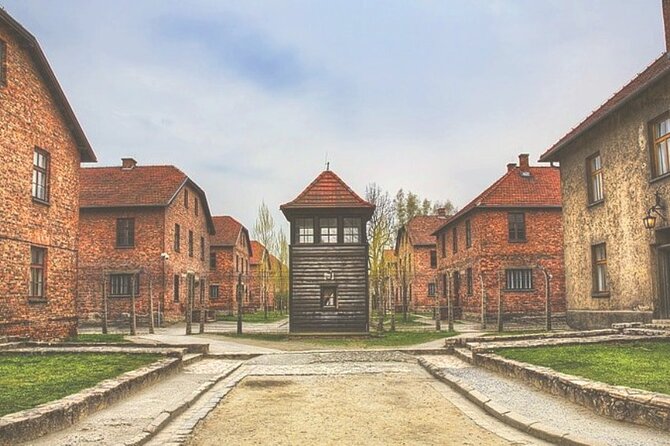
Before you even get inside, you need to handle the “don’t get turned back” basics. You must bring ID or passport, because tickets in Auschwitz-Birkenau are registered and guards check documents before entry. If you show up without the right paperwork, you won’t just feel awkward—you may not enter.
You also have strict bag rules. The maximum size for a backpack or handbag is 30x20x10 cm. That’s small. If you’re traveling with a larger bag, plan to keep it out of the way before pickup, or you’ll be forced into last-minute sorting.
As for pacing: Auschwitz can be crowded and you’re in a guided flow. Even when the guide is excellent, you won’t have full freedom to stop and stare whenever you want. In one case, the visit can feel rushed—not because the organizers are trying to speed through, but because visitor volume and group movement limit how long you linger in each area. For you, the practical takeaway is simple: go in mentally ready for movement. Treat it like a guided route with moments to absorb, not a self-guided stroll.
Also, bring your own coping strategy for a long solemn day. That might be writing down questions for the guide, pausing for a breath when the group pauses, or simply giving yourself permission to move at the pace of the group while staying mentally present.
Wieliczka Salt Mine: why the 2 hours feel special
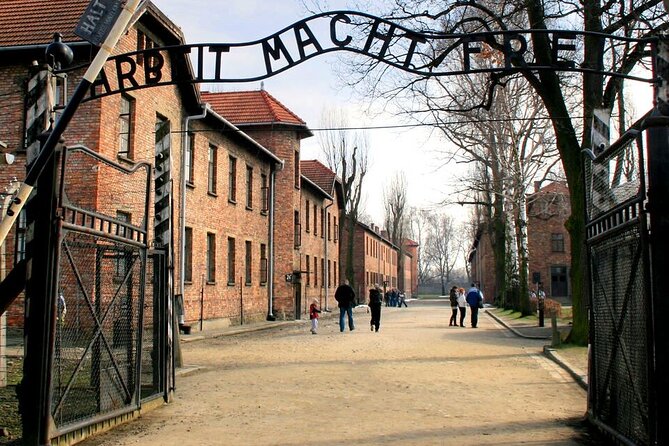
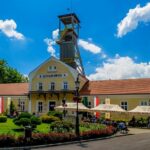
After Auschwitz, the mood shifts—fast. That’s exactly why Wieliczka works as the second half of this one-day tour. Wieliczka Salt Mine is one of the oldest salt mines in Europe, and the guided visit gives you a clear path underground rather than just “walking into tunnels.”
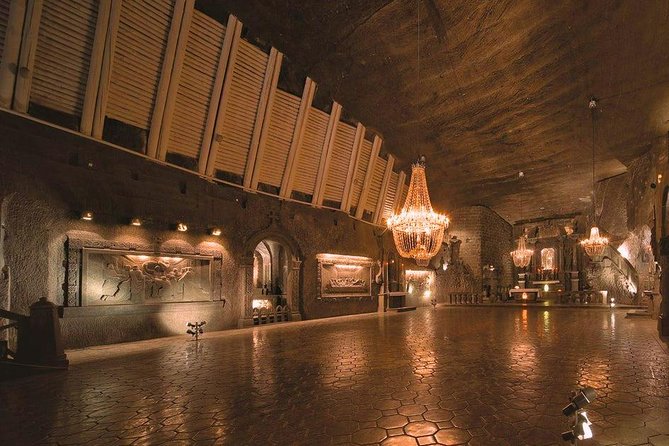
Your time here is about 2 hours with an English-speaking guide and admission included. That length is a sweet spot. It gives you enough time to see major underground areas, listen to the story behind the mine, and still return to the surface without the day dragging to a crawl.
And yes, there’s a lot of walking—plus steps. I’d treat this as a comfort test: wear shoes that handle uneven surfaces and stairways. One of the most consistent bits of practical advice from people who do both in one day is to plan for your legs.
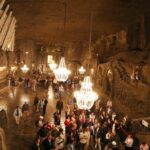
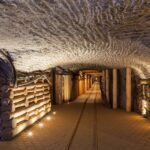
The payoff tends to be the visual scale. The underground chambers and the sense of depth make the mine feel like a world of its own. Even after Auschwitz, many visitors find the mine surprising—in the best way. If you’re the type who likes “show, then explain,” the guided approach helps you understand what you’re seeing while you’re still impressed by it.
Food timing, toilets, and comfort for an 11-hour day
This is one of those tours where the details matter because there isn’t time to improvise. Food and drinks are not included, so you’ll need to sort your own strategy.
In practice, breaks can be short and spread out. That means it’s smart to plan like you’re going on a long hiking day:
- Wear comfortable shoes (you’ll be walking at both sites).
- Bring water if you can.
- If you rely on food, bring something easy to eat quickly.
Some drivers may offer a packed lunch option close to departure day, but don’t count on it as a guarantee. The safest move for you is to bring your own snack plan. If you do, you’ll stay calmer at the moments when the group needs to move.
Toilets are another reality check. The schedule keeps moving, and you may not have unlimited time to step away whenever you feel like it. If you’re sensitive to timing, do your pre-emptive planning. Arrive early at pickup. Be ready to follow the guide’s cues. It reduces stress and keeps you from feeling like you’re missing the group.
Group size, headphones, and guide quality: what to watch for
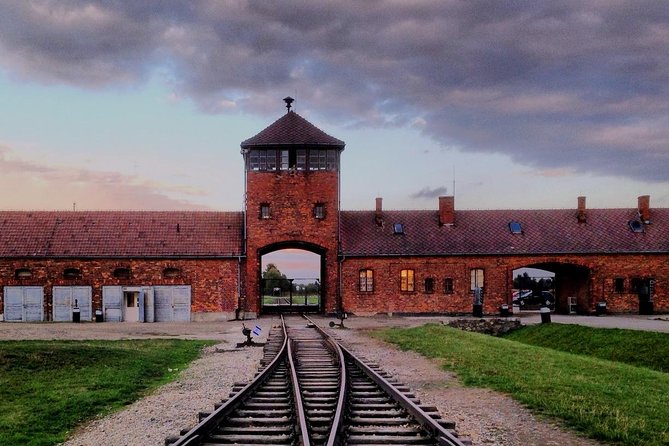
This tour runs with a small shared transfer in the vehicle (max 14), and your overall group stays around the mid-20s. That’s a balance: you get the benefits of group efficiency without feeling like you’re in a herd.
The headphones are a big part of why this tour works well in English. They help you avoid that common problem where you’re looking at something important but can’t hear the guide’s explanation. That’s especially useful at Auschwitz-Birkenau, where the guide’s context helps you interpret what you’re seeing.
Guide quality can swing the experience. Strong guides—people like Mario, David, Igor, and Annie—tend to make the day flow and keep the group engaged with respect. If you end up with a less effective speaker, you can still get value by listening for the key facts, asking questions when appropriate, and focusing on the visible evidence in front of you.
If your goal is learning plus comfort, this tour’s structure does a decent job supporting both.
Who should book this Auschwitz and Wieliczka day trip
This tour is a good fit if:
- You want Auschwitz-Birkenau and Wieliczka Salt Mine in one day without planning transport yourself.
- You prefer guided explanations in English.
- You’d rather handle the “entry rules” and timings through an organized pickup than figure it out alone.
- You appreciate small transfer size and clear audio with headphones.
It’s less ideal if:
- You’re hoping for a slow, open-ended schedule at Auschwitz.
- You dislike long days with heavy walking and stairs.
- You need lots of unscheduled time for breaks and wandering.
For families, note that the tour does not include headsets at the museum for child and infant tickets. If you’re traveling with younger kids, it’s worth checking what audio support is available for their ticket type so you’re not scrambling on site.
Should you book this one-day Auschwitz and Wieliczka tour?
If you want a well-organized, English-guided day that pairs a solemn historical visit with a surprisingly impressive underground stop, this is a strong option. The value is in the package: hotel pickup, admission included, professional English guidance, and audio support that helps you actually follow what’s being explained.
Book it if you’re okay with an early start, a packed schedule, and walking. Don’t book it if you know you need extra time at Auschwitz to process slowly and independently—because even with a good guide, you’ll be moving through a controlled, group-driven flow.
My practical advice: pack light within the 30x20x10 cm bag rule, bring your ID/passport immediately accessible, and plan your own food strategy. If you do those things, you’ll spend your energy where it matters—on understanding the places you came to see.
FAQ
How long is the Auschwitz and Wieliczka Salt Mine full-day tour?
The tour runs for approximately 11 hours.
Are hotel pickup and drop-off included?
Yes. Pickup is offered directly from your hotel or apartment, and you’re dropped back afterward.
Is there an English-speaking guide?
Yes. The tour includes English-speaking guides for both Auschwitz-Birkenau and the Wieliczka Salt Mine.
Do I need admission tickets included in the tour price?
Yes. Admission tickets are included for Auschwitz-Birkenau and for the Wieliczka Salt Mine.
What documents do I need for Auschwitz-Birkenau entry?
You should bring an ID card, passport, or credit card, because entry involves registered tickets and guards may ask for documentation.
Are there limits on bags or backpacks?
Yes. The maximum size for a backpack or handbag is 30x20x10 cm.
What’s included for audio, and are headsets included for children and infants?
Headphones are included to hear the guide clearly. However, headsets at the museum are not included for child and infant tickets.
Is food and drinks included?
No. Food and drinks are not included.
Is the tour refundable if I cancel?
Yes, you can cancel for free up to 24 hours before the experience start time for a full refund.
How large is the group for the transfer?
The shared transfer is capped at max 14 people in the car, and the overall tour activity has a maximum size around 25–26 travelers.