REVIEW · KRAKOW
From Krakow: Wieliczka Salt Mine Guided Tour
Book on GetYourGuide →Operated by LegendaryKrakow · Bookable on GetYourGuide
Salt turns work into art, underground. This guided visit to the UNESCO Wieliczka Salt Mine is fascinating on two fronts: you get the story of how mining shaped culture, and you walk through rooms packed with salt sculptures and bas-reliefs carved by generations of miners. My one real heads-up is the physical side: the descent includes about 800 steps, so it is not a gentle outing.
I also like how tidy the experience feels for a half-day trip. You start with transport from Krakow (about 55 minutes each way), then spend roughly 2.67 hours with a live guide underground, with an elevator bringing you back up at the end. One small drawback to plan around is that the exit and lift process can feel like a queue, and the return drop-off can be a little confusing if you do not pay attention to where you come out.
In This Review
- Quick take: what makes this tour work
- Why Wieliczka Salt Mine feels like a whole world of its own
- Price and value: what $42 includes (and why it is not just a ticket)
- Krakow to the mine: the 55-minute drive that sets your pace
- The 800 steps down: what the descent really means
- Underground route: 20 chambers, salt art, and the miner’s legacy
- Hearing and languages: guides, microphones, and how to avoid missing details
- The exit, elevator ride, and why the last minutes can feel like a plot twist
- Transportation back to Krakow and where you end up
- Who this tour is best for (and who might struggle)
- Should you book this guided tour from Krakow?
- FAQ
- How long is the Wieliczka Salt Mine guided tour from Krakow?
- Does this tour include round-trip transportation from Krakow?
- Is skip-the-ticket-line included?
- How many languages are available for the live guide?
- Is hotel pickup available?
- Approximately how many steps do you descend, and how do you get back up?
- Is food and drinks included?
- Is luggage allowed?
Quick take: what makes this tour work
- UNESCO since 1978, with an underground route that focuses on both mining history and art
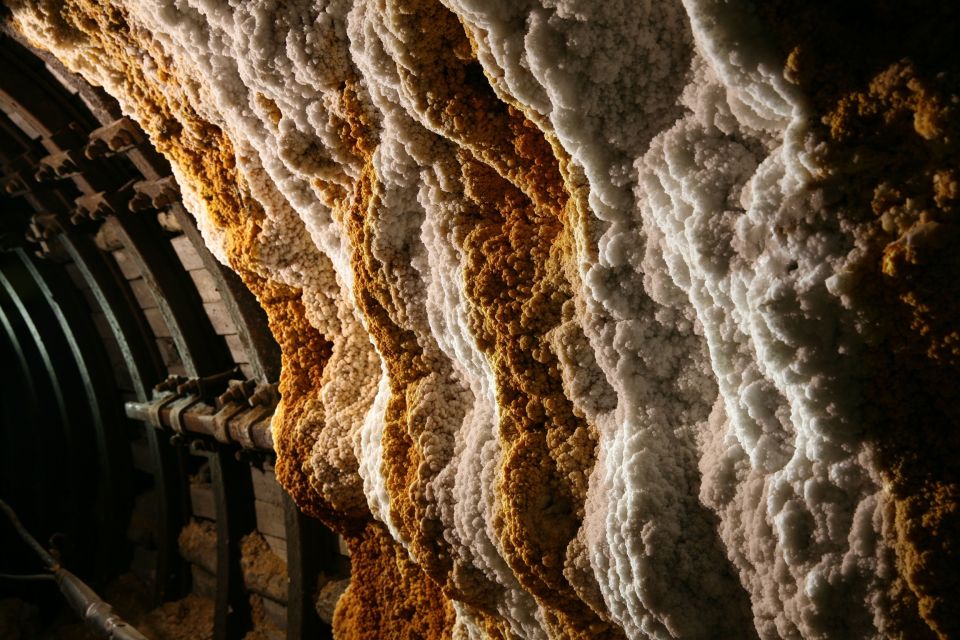
- Salt sculptures and bas-reliefs, carved directly in the mine walls by miners over generations
- About 800 steps down, then an elevator up, so the hardest part is getting in
- Small group option and multiple guide languages, including English
- Skip-the-ticket-line plus round-trip transport from Krakow for a smooth schedule
- A lot of underground real estate: 20 chambers to see deep below the surface
Why Wieliczka Salt Mine feels like a whole world of its own
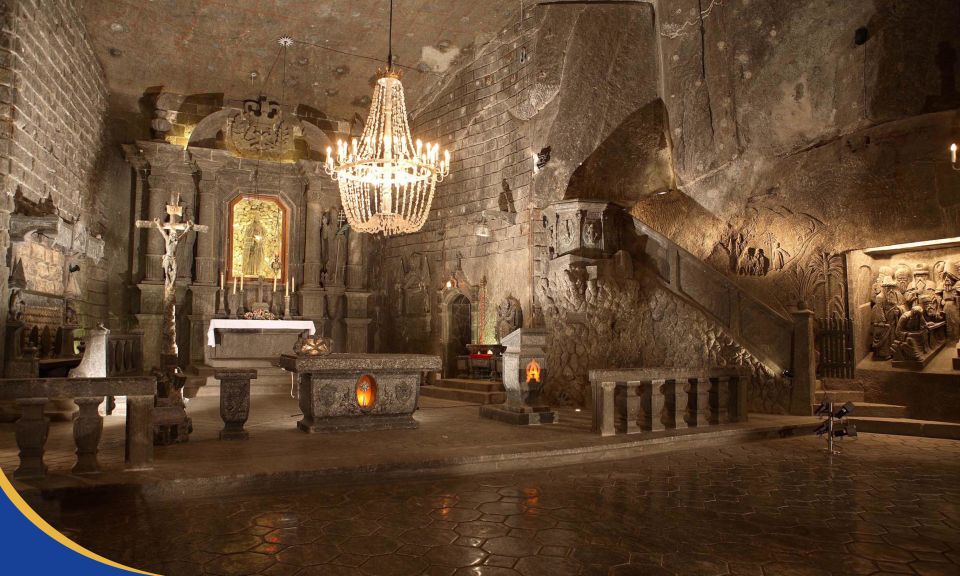
The Wieliczka Salt Mine is one of Poland’s signature sights, and that reputation is earned. You are not just looking at a quarry turned tourist stop. You are moving through a working-story world where salt mining became craft, and craft became permanent art. The UNESCO recognition (since 1978) matters because it signals the scale and significance of what you are seeing—this place is preserved for a reason.
Two things I especially like about a guided format here. First, the guide helps you see patterns as you move. The mine is full of carved details, but without context it can feel like you are just looking at clever shapes. With a good guide, it turns into a map of human work: why certain carvings were made, how the miners left their mark, and how the mine became a cultural space, not only an industrial one.
Second, you get to enjoy the art without rushing. The tour time underground is long enough to notice the carvings and also stop to take in the rooms as real spaces. Many of the most impressive moments come from stepping into a chamber and realizing how much was made by hand. The mine’s 20 chambers are spread deep underground, and each one changes the feel of the route.
You can also read our reviews of more guided tours in Krakow


Price and value: what $42 includes (and why it is not just a ticket)
The price is about $42 per person, and the value is in the package. You are paying for three big things: entry to the site, professional guide time inside the mine, and round-trip transfer from Krakow. That matters because Wieliczka is not right next door to the city center. Once you add the cost and hassle of timing transport and coordinating your own schedule, the guided format starts to make sense fast.
You also get skip-the-ticket-line. That sounds like a small perk, but in a popular site it can mean you lose less time and keep more of your half-day intact. The mine tour itself lasts around 2.67 hours, so you want the full chunk of that time to actually be underground, not spent waiting around.
One more value point: you have an English-speaking driver or a tour attendant, so you are not left to guess what happens next. Even when the mine guide handles the storytelling underground, the surface logistics still make the trip calmer.
Krakow to the mine: the 55-minute drive that sets your pace
Your day starts with pickup or a meetup depending on the option you choose. Then you load onto a coach or bus for about 55 minutes toward the mine. In practice, this transfer is where the trip rhythm forms. You arrive ready, not flustered, and you start the mine portion without scrambling.
A few practical details help you enjoy the ride:
- The drive is long enough that you will want to settle in. Bring water if you have it, since food and drinks are not included.
- If you are sensitive to noise, this is also a good moment to get comfortable before the underground portion, where you will be walking and listening.
Some drivers make a difference here. I saw lots of praise for friendly, on-time pickups, including smooth communication like text updates when the vehicle is minutes away. That kind of planning can save you stress, especially if your Krakow hotel is tucked into a busy area.
The 800 steps down: what the descent really means
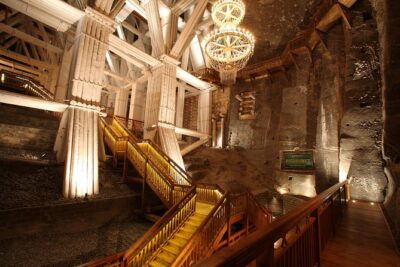
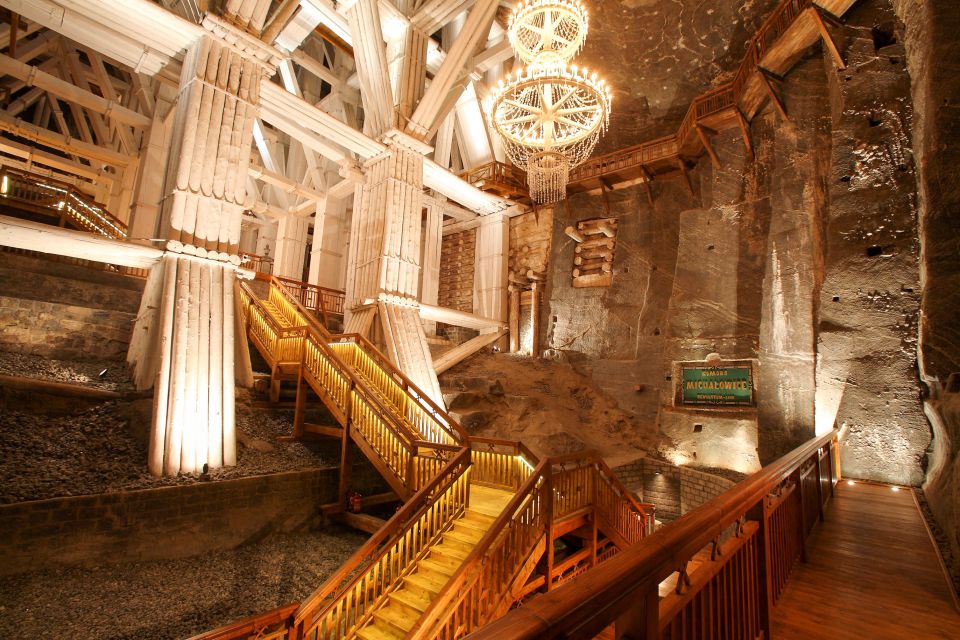
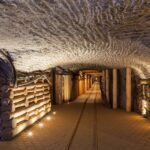
Entering the mine is physical. Visitors descend about 800 steps, and you reach the first underground level after roughly 350. That is not a sightseeing stroll. It is a stair climb in an enclosed environment, and your pace matters more than your speed.
The good news is that the tour is designed with a return plan. At the end, you go back up by elevator. So the hard work is getting down; the end of the tour is not another stair marathon.
A few tips so the stairs do not steal your fun:
- Wear shoes with real grip. The surface under your feet is stable, but you still want traction while you climb.
- If you need breaks, take them early rather than late. You will enjoy the chambers more if you arrive steady.
- Pace yourself in the first stretch. The first level comes after about 350 steps, and that early part sets your energy for the rest of the underground route.
Also note the mine is not suitable for people with mobility impairments. And the tour does not allow luggage or large bags, so travel light. If you show up with a heavy backpack, you will regret it.
Underground route: 20 chambers, salt art, and the miner’s legacy
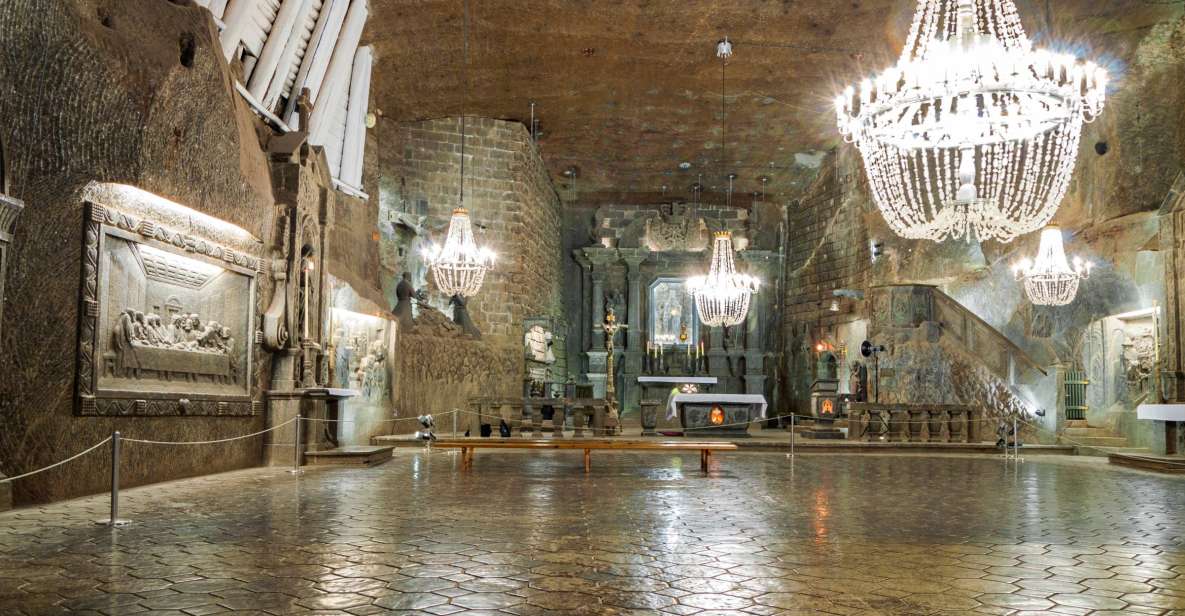
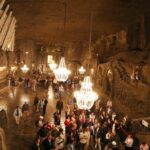
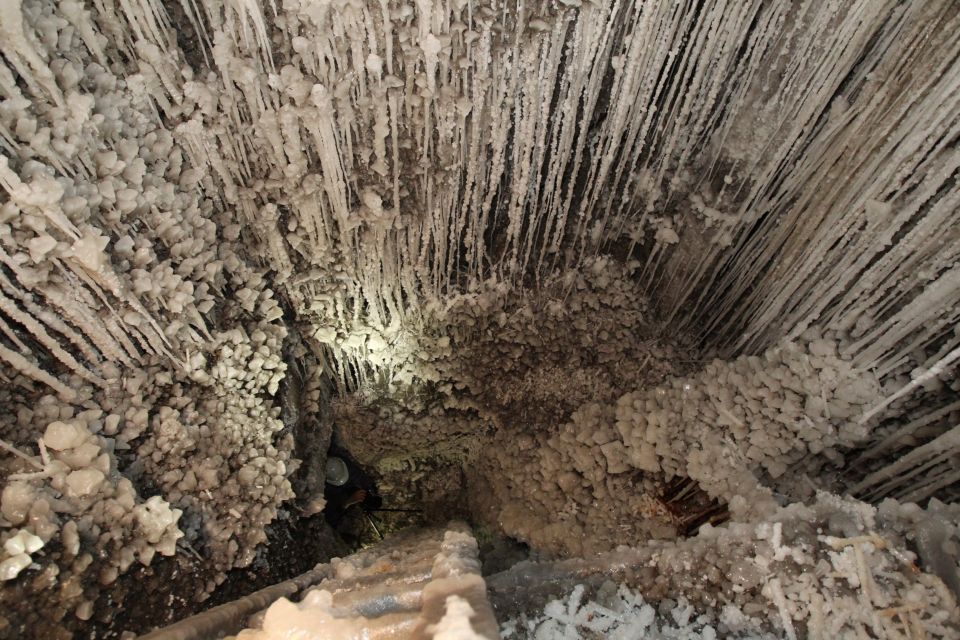
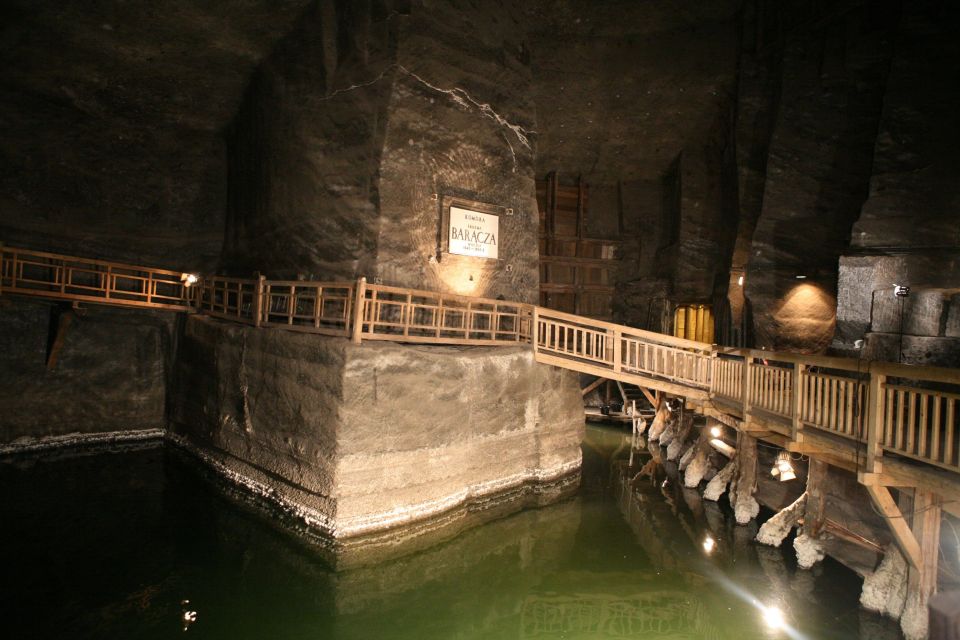
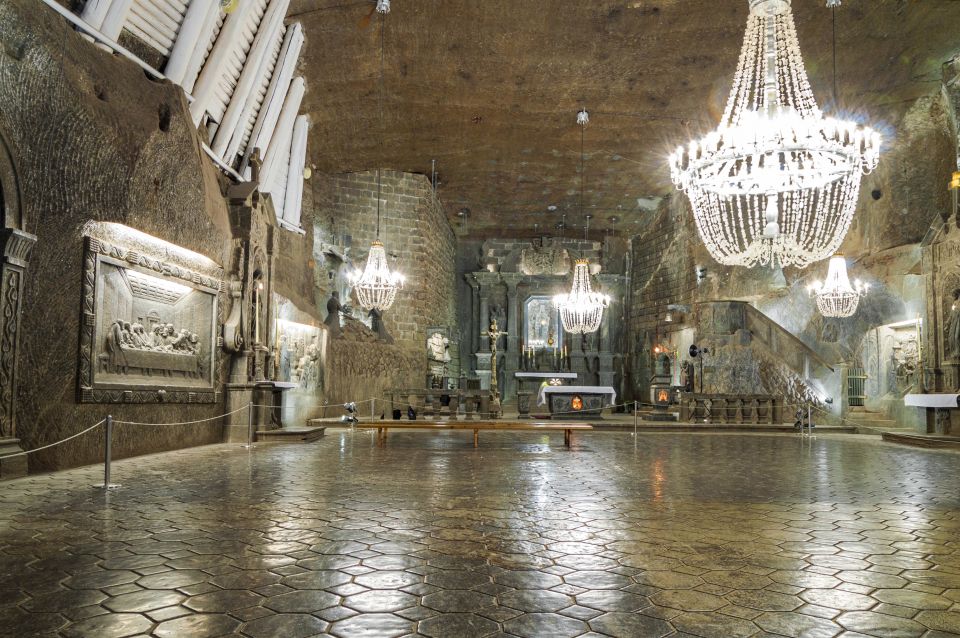
Once inside, the story becomes clear. This is a UNESCO site where the defining feature is not a single attraction—it is the sheer number of carved spaces. The highlights promise 20 breathtaking chambers, and that number feels believable once you are moving through the route.
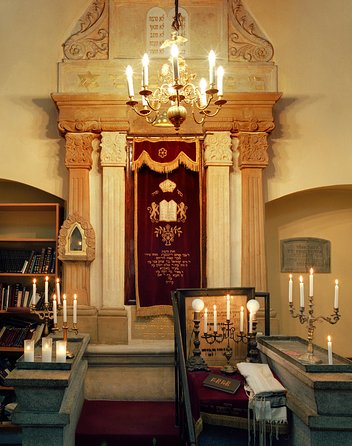
The big visual draw is the salt carvings. You will see sculptures and intricate bas-reliefs carved directly into salt walls. What makes this more than a “cool photo stop” is the way the mine’s makers shaped the spaces over time. The legacy comes from generations of miners who left art behind as they worked, preserving their craftsmanship where it would be impossible anywhere else.
As you walk, you start to notice how the carvings guide your attention. Some rooms invite you to stop and look closely at detail. Others feel like bigger “wow” moments because of the scale of the chamber and the way the salt art fills the space.
The guided part matters a lot here. A good guide helps you connect what you see to how the mine was used. You get to understand the mix of nature (a salt environment), work (mining), and cultural output (art), all in the same underground walk.
Hearing and languages: guides, microphones, and how to avoid missing details
This tour is built around a live guide with multiple language options: Italian, German, French, Russian, Spanish, English, Polish, and Ukrainian. That flexibility is great if you have friends with different language skills, and it helps the tour feel tailored rather than generic.
Small group availability can also make the guide’s job easier, and it often improves your listening experience. But there are a couple of audio realities to know.
Some people report that at times it can be hard to hear in parts of the tour. That can happen if the group is spread out or if a microphone is not used consistently. You can reduce this problem in a simple way: position yourself closer to the guide when possible. If you are at the back, you might catch the main points, but fine details can slip away.
A few visitors also suggested headphones as a practical workaround. Even if you do not use headphones, the key idea is the same: do not assume you can understand everything from anywhere in the line. Move for the best listening spots.
One more listening tip: the guide often starts speaking as people gather. If you join late or linger at the entrance, you can miss the opening context. I’d rather you be early than searching for your place.
The exit, elevator ride, and why the last minutes can feel like a plot twist
The mine ends with an elevator back to the surface. That is a relief after the steps, but the process can still take time. People note a longer wait at the end of the tour that may not be fully explained, so keep your expectations flexible.
There is also a practical capacity issue. One important detail: the elevator can fit a limited number of people—reported as fitting 8 people tightly. That means you may wait a bit for your turn even if you are already finished with the route.
Another practical consideration: the site exit can bring you out to an area that is not the exact same spot where you entered. Some visitors needed help using maps to get back to their original parking or meetup point. If you have a meetup-based plan, pay attention to where your driver or guide tells you to wait.
Two things that can help:
- Take a quick photo when you exit, so you remember the area you came out into.
- Stay with your group until you are told where you will meet up again.
Transportation back to Krakow and where you end up
Once you finish underground, you head back to the surface and then back toward Krakow with a return coach ride of about 55 minutes. The experience ends at Wielopole 2, and the activity states it finishes back at the meeting point.
This matters because a lot of day trips fail at the last step: getting people where they need to be. In this format, you are not left stranded. You are also not expected to self-navigate from the mine to your starting point—your transport handles that.
Still, use common sense. If your Krakow plan includes dinner reservations, leave a little buffer. The exit queue and elevator timing can stretch the last segment more than you expect.
Food and drinks are not included. That means if you want a proper meal after, you will need to plan for it yourself. The good part is that it is a half-day outing, so you still have time later to eat and wander Krakow.
Who this tour is best for (and who might struggle)
This is a great match if you want a guided, story-led visit and you value convenience. You get round-trip transport, skip-the-line entry, and professional guidance inside a major UNESCO site. It also suits people who enjoy physical experiences that are short in time but real in effort. You’re walking stairs, but the tour overall is only 3 to 4 hours.
It is likely less ideal if:
- You have mobility limitations (the tour is not suitable for people with mobility impairments).
- You need frequent mobility breaks, because the descent is stair-based.
- You hate standing in lines, since the exit and elevator steps can include waiting.
On the flip side, if you can handle stairs and you like history plus art, this one is hard to beat. The combination of guided explanation and crafted salt carvings is exactly the kind of “you get it when you see it” experience that makes a Krakow trip feel complete.
Should you book this guided tour from Krakow?
Yes, I’d book it if you want the stress-free route to one of Poland’s top sights. The value is strong because your money goes into the full setup: entry ticket, licensed guide inside, and two-way transfer from Krakow. For a 3 to 4 hour block, you get a lot of underground seeing, not just a quick drive-by.
Do book it especially if:
- You want a guide to explain what you are seeing in the carvings and chambers.
- You prefer not to manage transport timing and queues on your own.
- You’ll appreciate that the elevator handles the climb back up.
Just go in with a smart mindset. Wear grippy shoes. Travel light (no luggage or large bags). And assume the exit has a bit of waiting. If you plan around that, you’ll spend your time underground enjoying the real magic: miners’ salt art, preserved and presented deep below the surface.
FAQ
How long is the Wieliczka Salt Mine guided tour from Krakow?
The total duration is about 3 to 4 hours. Starting times vary, so check availability for the exact schedule.
Does this tour include round-trip transportation from Krakow?
Yes. You get two-way transfer, including a bus/coach ride of about 55 minutes each way.
Is skip-the-ticket-line included?
Yes, skip the ticket line is included as part of the tour.
How many languages are available for the live guide?
The live guide is available in Italian, German, French, Russian, Spanish, English, Polish, and Ukrainian.
Is hotel pickup available?
Pickup is optional. Depending on the option you book, you can choose hotel pickup or a meetup point.
Approximately how many steps do you descend, and how do you get back up?
You descend about 800 steps, reaching the first underground level after about 350 steps. At the end, you go back up using an elevator.
Is food and drinks included?
No. Food and drinks are not included.
Is luggage allowed?
No. Luggage or large bags are not allowed.