REVIEW · KRAKOW
Auschwitz Birkenau and Wieliczka Salt Mine Guided Full Day Tour
Book on Viator →Operated by Choose Cracow · Bookable on Viator
Two icons, one long day. In Krakow, this trip pairs Auschwitz-Birkenau with the Wieliczka Salt Mine so you get two very different kinds of history in one managed schedule.
I love the hassle-free hotel pickup and drop-off, because the day starts with zero guesswork. And I also like that you’re led by official in-person museum guides at both sites, with guide styles like Michael in Auschwitz and Joanna or Agnes in the salt mine frequently praised for being clear, thoughtful, and easy to follow.
The one real drawback is the pace and emotion: it’s a long, moving day, and parts of Auschwitz are outdoors, so you’ll want weather-ready clothes and a calm mindset for a heavy visit.
In This Review
- Key things that make this tour worth your time
- Why this combo works in Krakow
- Auschwitz-Birkenau: official guiding, a planned reset, and ID rules
- The guide quality is where the experience often turns from hard to understandable
- Outdoors, so pack for weather (not for comfort)
- The security rule you must take seriously
- Birkenau to salt mine: switching gears without losing the thread
- Wieliczka Salt Mine: stairs, cool air, and the underground scale
- What you should realistically expect: stairs first
- Temperature check: bring a layer
- The scale can feel hard to picture until you see it
- Timing in the real world: the 8:00 start that isn’t always 8:00
- Pickup area limits: you might walk a few minutes
- Maximum group size matters for how the day flows
- Getting your money’s worth: what’s included in the $151
- A balanced note on price
- Comfort and care on a long day
- Who this tour suits best (and who should think twice)
- Should you book this Auschwitz and Salt Mine full-day tour?
- FAQ
- What time does pickup happen?
- Do I need to bring my passport or photo ID for Auschwitz?
- Is lunch included?
- How long are the museum visits?
- Is there a break between Auschwitz I and Birkenau?
- How difficult is walking in the Wieliczka Salt Mine?
Key things that make this tour worth your time
- Prebooked tickets and no ticket-queueing stress, so you can focus on the experience
- A built-in break between Auschwitz I and Birkenau, plus transport between the two sites
- Official museum guides at both locations, not just a driver with a phone headset
- Wieliczka stair workload is real: about 380 stairs down, with an elevator back up
- Small-group feel with a maximum of 30 people (often split into two for Auschwitz efficiency)
Why this combo works in Krakow
Krakow is a great base, but getting to both Auschwitz-Birkenau and Wieliczka on your own can become a planning project fast: tickets, transport timing, and the long day logistics. This full-day tour solves that by doing the hard parts for you—getting you there, getting you between stops, and keeping the schedule moving.
What I like about pairing Auschwitz and Wieliczka in one day is the contrast. Auschwitz-Birkenau is about human cruelty and a crime that must never be minimized. The Wieliczka Salt Mine is something else entirely: underground craft, scale, and surprising beauty. Doing them back-to-back can feel emotionally heavy, but it also helps the day stay meaningful rather than one-note.
Also, the tour is positioned for English speakers, with English-speaking drivers/tour leaders and licensed English-speaking museum guides once you arrive at each site. That matters because at both places, the guide does more than point at walls—they help you read what you’re seeing.
You can also read our reviews of more guided tours in Krakow
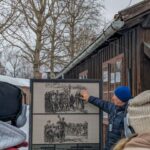
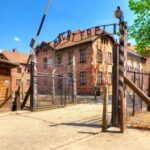
Auschwitz-Birkenau: official guiding, a planned reset, and ID rules
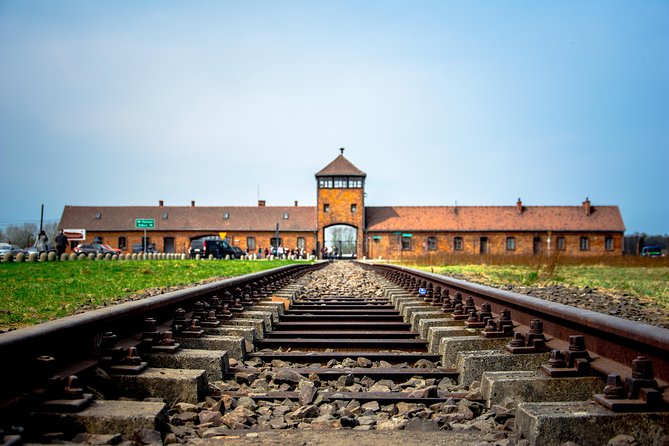
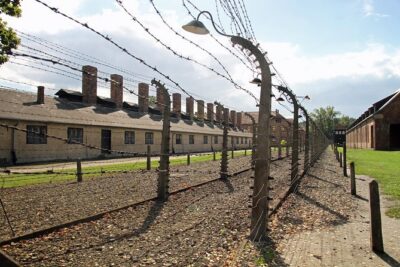
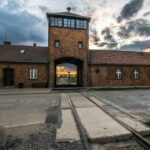
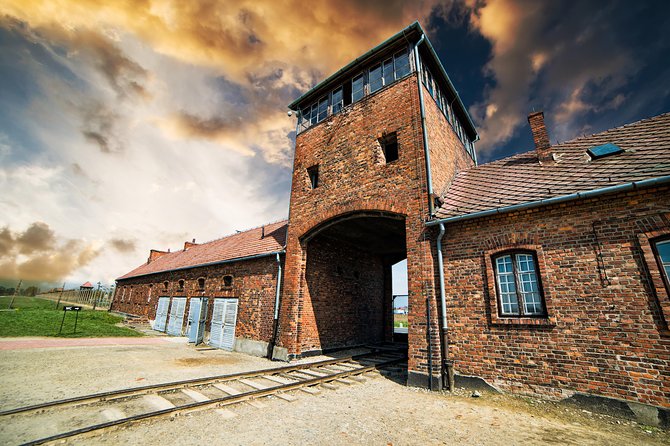
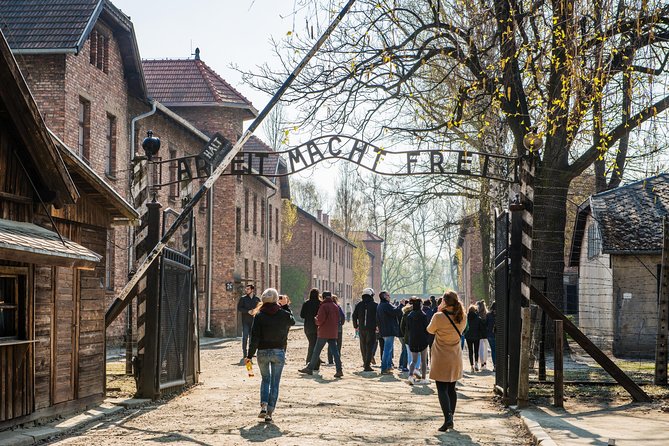
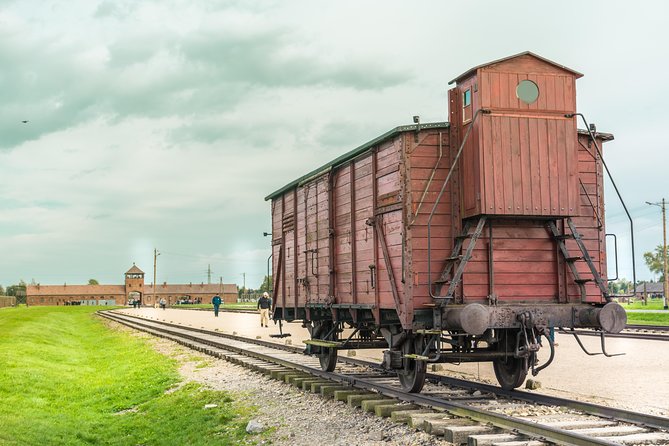
Your first major stop is the Panstwowe Muzeum Auschwitz-Birkenau, and the tour is structured to cover both Auschwitz I and Auschwitz II (Birkenau) in the same day. It’s not a quick drive-by. You’re there for about 4 hours at the Auschwitz complex, and it includes a break between Auschwitz I and Birkenau.
That break is a big deal in a place like this. Auschwitz is emotionally demanding, and the schedule doesn’t just throw you from one section to the next without a breather. The tour also provides transportation from Auschwitz I to Birkenau, which saves you time and reduces stress. When you’re in a high-security, high-demand environment, not having to coordinate anything is a genuine value.
The guide quality is where the experience often turns from hard to understandable
Auschwitz can be overwhelming even if you’ve read books or watched documentaries. What you’re seeing is tightly documented and the meaning depends on the details—dates, roles, locations, and how the museum frames the evidence.
In the real world, the difference is often the person leading you. In the feedback you can find mention of Auschwitz guide styles like Michael and Lidija—both described as respectful and clear in how they explain what you’re walking through. There was also at least one note where a guide was disappointing for a specific participant, so guide fit matters. Still, this tour’s structure is designed around museum guides, not a generalist.
Outdoors, so pack for weather (not for comfort)
Most of the Auschwitz-Birkenau visit is outdoors. That means you should dress for rain, cold, wind, or sun. A light layer you can add or remove helps. Closed-toe shoes matter too, because you’ll be walking.
The security rule you must take seriously
Here’s the part you don’t want to mess up: full names and photo IDs are compulsory for Auschwitz-Birkenau. The Auschwitz I entrance has security checks/ID control, and entry can be denied if your name on the booking doesn’t match your ID. If you’re traveling with another person, double-check both first and last names before you go.
Also note this: the tour is prebooked, so you aren’t supposed to queue for tickets. The day runs smoother because the timing is arranged, not improvised.
You can also read our reviews of more tours and experiences in Krakow
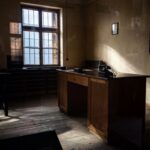



Birkenau to salt mine: switching gears without losing the thread
After Birkenau, you move on to Wieliczka. The handoff from Auschwitz to a very different setting can feel odd, but that’s also part of why this combo tour works.
The tour keeps you moving, but it doesn’t treat Wieliczka as an afterthought. You still get a proper guided visit there, not just a drop-off. And you’re given a predictable structure—one stop supports the next, instead of leaving you to figure out where to eat, where to walk, and how to get back on schedule.
Wieliczka Salt Mine: stairs, cool air, and the underground scale
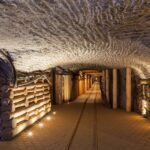
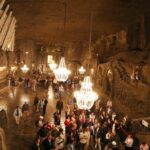
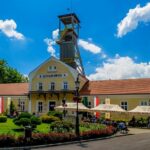
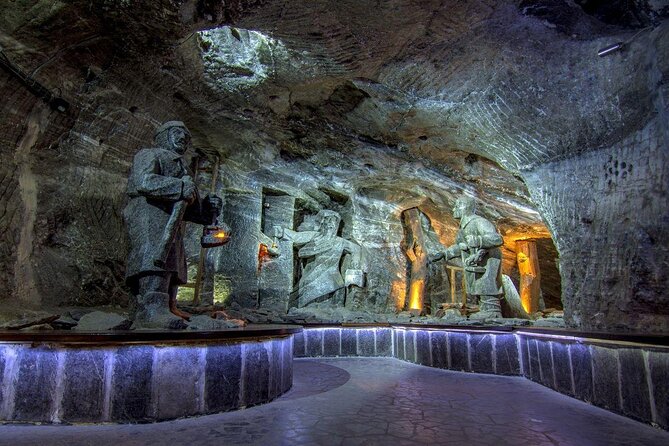
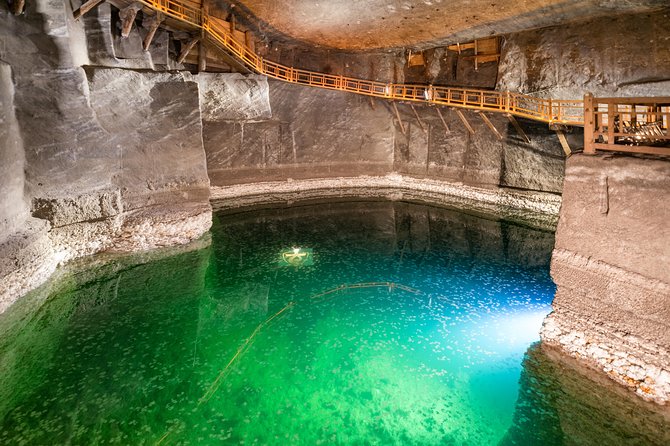
The Wieliczka Salt Mine visit is scheduled for about 3 hours, and it’s guided by an official in-person guide. This UNESCO site is famous for more than just being underground. It’s known for the carved chambers and the sheer engineering scale of the mine.
What you should realistically expect: stairs first
One of the most practical details is the walking. The route includes around 380 stairs to go down to reach the first level of the mine. The good news: at the end there’s an elevator back up to the ground.
If stairs are difficult for you, this tour is still potentially doable depending on your comfort level, but you should honestly judge your ability to manage long stair segments. The route isn’t described as optional—this is how the mine tour path is set up.
Temperature check: bring a layer
Inside the mine, it’s about 16 degrees Celsius. That’s cool compared with Krakow on many days. Even if you start in warm weather, plan on feeling cooler underground. A light jacket or sweatshirt helps.
The scale can feel hard to picture until you see it
One detail that stands out in the descriptions of the salt mine experience is the sense of scale: people are told they’ll see only about 1% of the mine, and the part you do see can easily take well over an hour. Even if you think you understand how big a salt mine is, being underground changes your sense of proportion.
Timing in the real world: the 8:00 start that isn’t always 8:00
This tour runs a full day—about 10 to 12 hours total. The start time is listed as 8:00 AM, but it’s explicitly approximate. You’ll receive your exact pickup time the day before.
In December, the starting time shifts earlier: around 7:00 AM. That’s because of shortened working hours at both museums.
So what does that mean for you? Treat the day like a morning commitment, not a late start. Even if your pickup is close to your hotel, you don’t want to be rushing. Build in a buffer.
Pickup area limits: you might walk a few minutes
Pickup happens from hotels/apartments in Krakow in the city center and surroundings, but only up to about 3 km away. There are also restricted driving areas. If your lodging sits inside one of those zones, you’ll be redirected to the closest legal pickup point, which may mean a few minutes on foot.
It’s still meant to be easy, and communication is handled directly. If you’re tight on location, double-check the pickup instructions in advance.
Maximum group size matters for how the day flows
The tour has a maximum of 30 travelers, and some Auschwitz visits are described as split into two groups. That tends to reduce bottlenecks and keeps the museum experience from feeling like a single stampede.
Getting your money’s worth: what’s included in the $151
At around $151.16 per person, you’re not just paying for a bus. The cost covers several things that are hard to replicate easily on your own:
- All admission tickets and fees for both Auschwitz-Birkenau and Wieliczka
- Licensed English-speaking museum guides at each location
- Hotel pickup and drop-off
- Air-conditioned vehicle
Lunch is the one common extra. It’s optional (listed at 40 Polish zloty for a lunch box), and you’d pre-order it. One person noted they liked the lunch value, and another described how a couple was able to get lunch arranged even near the last minute, so there’s some flexibility in how it’s handled when plans change.
A balanced note on price
One review called the day overpriced compared to cheaper options. That reaction usually makes sense if you’re thinking only about transport or only about guide time. But if you add up admissions + two museum guides + coordinated timing + pickup logistics, this price becomes easier to understand—especially if you want a smooth, low-stress day.
If you love independent travel and don’t mind doing logistics yourself, you might find lower-cost alternatives. If you want your day managed end to end, this is built for that.
Comfort and care on a long day
A day like this is long. Even if everything is smooth, it’s still a long emotional storyline followed by underground walking. To make it easier on yourself:
- Wear weather-appropriate layers for Auschwitz outdoors time
- Bring comfortable shoes (both campuses involve walking)
- Plan for the mine’s cool underground temperature
- Consider pre-ordering the optional lunch so you don’t end up trying to solve food timing while your head is elsewhere
One more thing I appreciate about this kind of schedule: it’s structured so you’re not constantly negotiating next steps. The bus driver/tour leader provides step-by-step planning and the guides handle museum flow. That keeps you from wasting energy on logistics when you need it most.
Who this tour suits best (and who should think twice)
This tour is a strong fit if you:
- want both Auschwitz-Birkenau and Wieliczka without juggling transport and ticket timing
- prefer English-guided explanations over self-guided browsing
- like having a schedule that keeps you moving but still includes a break between major stops
It might be a tougher fit if you:
- struggle with stairs (Wieliczka includes about 380 stairs down)
- get overwhelmed easily by intense subject matter
- need lots of free time to wander on your own (this is guided and structured)
In other words, it’s not a casual sightseeing day. It’s a focused day. That’s the point—and it’s why it often feels unforgettable.
Should you book this Auschwitz and Salt Mine full-day tour?
If your goal is maximum value in limited Krakow time, I’d seriously consider booking. You get a low-stress framework: pickup, pre-arranged museum entry, official guides, and transport between Auschwitz segments—plus the contrast of Wieliczka without you having to plan a second full trip.
The decision comes down to two things:
1) Are you comfortable with a long, emotional, mostly outdoors day?
2) Can you handle the mine’s stairs down to the first level?
If both answers are yes, this is the kind of itinerary that makes sense: it’s not just about seeing two famous places. It’s about seeing them with the right guidance, at the right times, without turning your day into a logistics puzzle.
FAQ
What time does pickup happen?
Pickup starts around 8:00 AM (approximate). You’ll receive your exact pickup time the day before. In December, the start time is around 7:00 AM due to shortened museum hours.
Do I need to bring my passport or photo ID for Auschwitz?
Yes. You must provide full names and bring a photo ID (passport, driving license, or similar) for the Auschwitz-Birkenau security check. If names or documents don’t match, entry can be denied.
Is lunch included?
Lunch is not included. A lunch box is optional for 40 Polish zloty, and you can order it in advance.
How long are the museum visits?
Auschwitz-Birkenau is about 4 hours. The Wieliczka Salt Mine visit is about 3 hours. The full day is about 10 to 12 hours including travel.
Is there a break between Auschwitz I and Birkenau?
Yes. The day includes a break between the Auschwitz I and Birkenau tours, and transportation is provided from the first part to the second.
How difficult is walking in the Wieliczka Salt Mine?
The mine tour route includes about 380 stairs down to the first level, and there’s an elevator back up at the end. The inside temperature is about 16°C.