REVIEW · KRAKOW
Auschwitz-Birkenau Tour with Transfer
Book on Viator →Operated by AT Cracow · Bookable on Viator
Auschwitz isn’t a drive-by. This Auschwitz-Birkenau tour from Krakow turns a difficult place into a clear, timed visit, with English guidance and the convenience of round-trip transfer. I like that you’re not left figuring out transport on your own, and I like the way headsets and camp-specific guiding help you follow what you’re seeing at Auschwitz I and Birkenau.
The trade-off is real: you may deal with very early pickups (sometimes before dawn) and a day packed with lots of walking and limited chances to sit. Names that pop up again and again in guide feedback include Renata, Jacob, Phillip, and Daniel, and that matters because the pacing and clarity of a guide can make the difference between feeling lost and actually understanding what you’re seeing.
In This Review
- Key things to know before you go
- From Krakow hotel pickup to the drive south: how the day starts
- The ride, the support, and why licensed transport is more than trivia
- Entering Auschwitz I: security, the tunnel, and the story you can’t afford to miss
- Birkenau (Auschwitz II): the scale shock and what you’ll actually look for
- Breaks, queues, and the food problem (aka: pack like a pro)
- Guided vs non-guided: choosing the pace that fits your brain
- Meeting points, traffic, and why “returning to Krakow” needs mental space
- Price and value: what $132.75 covers and what it doesn’t
- Who this Auschwitz-Birkenau transfer tour suits best
- Should you book this Auschwitz-Birkenau tour with transfer?
- FAQ
- How long does the Auschwitz-Birkenau tour from Krakow take?
- Are entrance tickets to Auschwitz I and Auschwitz II included?
- Is food included in the price?
- Do you provide pickup in Krakow?
- How early can pickup be?
- Is the tour guided?
- Do I need to bring identification?
- Are there restrictions on luggage size?
- Can I take photos inside the camps?
Key things to know before you go
- Hotel pickup network around Krakow means you start the day already in motion, not hunting for a meeting point.
- Auschwitz I has structured guiding with headsets for up to about 30 people, so the story stays on track.
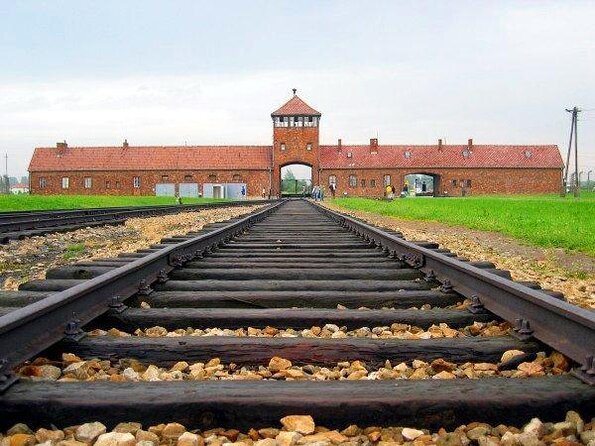
- Birkenau is a scale shock: 3 km from Auschwitz I, with ruins and barracks you’ll want to see slowly.
- Time splits across both camps (about two hours at Auschwitz I, then about one hour at Birkenau) so you should expect a set pace.
- Bring layers and plan for lines: security, entry queues, cold rain, and long outdoor stretches can happen.
- Food isn’t included, and lunch is time-tight—so pack snacks or use the optional lunchbox plan carefully.
From Krakow hotel pickup to the drive south: how the day starts
The day begins with pickup from select Krakow hotels and meeting points spread around the city, including areas in Podgórze. The last pickup point is listed as Hotel Maltański on Straszewskiego 14, and the route between the first and last stop can take about 40 minutes. That matters because it shapes the whole rhythm of your day: the tour doesn’t start only when you climb into the bus, it starts when your group meets.
One thing to plan around: pickups can be very early. Exact times are sent the day before after 5 pm, and early starts can be as soon as 3:00–4:00 AM depending on museum scheduling. The museum also controls timing once you arrive, so you’ll get a better day if you build in buffer time for changes.
You can also read our reviews of more tours and experiences in Krakow

The ride, the support, and why licensed transport is more than trivia
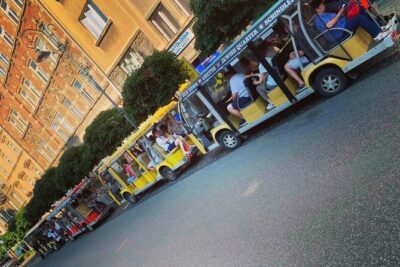
This tour runs round-trip by air-conditioned vehicle, and the drivers are described as legally licensed with EU permissions for passenger transportation. That may sound like bureaucracy, but on a long travel day it affects comfort and reliability. You’ll also travel with an English-speaking tour leader who can support you during the drive.
There’s also backup support listed via WhatsApp, email, and phone if something goes wrong. In practical terms: if your group gets separated or you have a question about timing, you’re not stuck. The vehicle part can feel like a warm-up for the real work ahead—security, then two very intense camp visits.
One extra planning detail: while the museum visit group with a guide is limited (up to about 30), the vehicle may carry two groups together. That’s normal on day trips, but it can affect how quickly you find your exact driver or get oriented at the very start—so arrive at the pickup point early and keep your booking details handy.
Entering Auschwitz I: security, the tunnel, and the story you can’t afford to miss
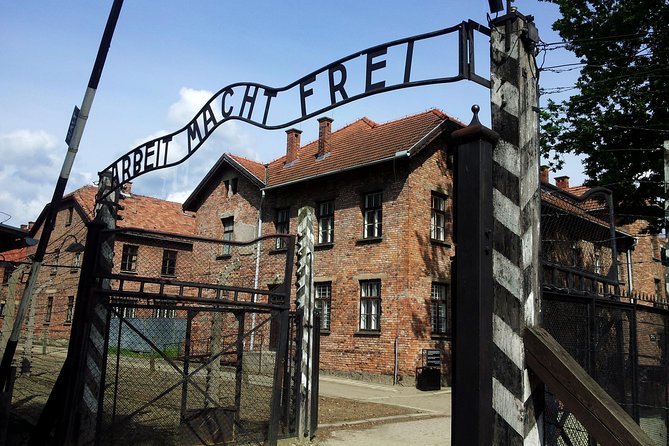
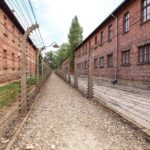
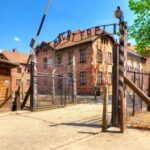
Auschwitz I is where the tour goes from transportation logistics to heavy historical reality fast. You start by passing security-style checkpoints with metal detectors, and the route leads you through an underground tunnel toward the original camp gate with the sign Arbeit Macht Frei. Seeing the physical approach matters. It puts you in the right headspace before the information starts.
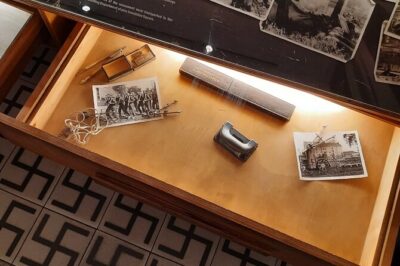
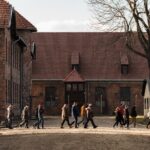
The visit is guided (when you select the guided option) for about two hours, and your experience is supported with headsets so you can hear the guide clearly. During this segment, you walk through exhibits and objects connected to prisoners’ lives and forced labor—things like prisoners’ pottery, prisoner pictures, and hair-related displays are part of what you’ll encounter. That’s the kind of detail that turns history from a lecture into something your brain can actually process.
The tour also includes block 11, tied to the first gas chambers, plus stops that point to the death wall and the gallows where Rudolf Höß was hanged. Then the route brings you into gas chamber and crematorium spaces in Auschwitz I. This is the part where pacing is crucial. If you get lost or tune out, you’ll miss why each stop matters.
Group size is kept relatively controlled, and the guide-led headset setup helps everyone stay on the same page. If you’ve ever been frustrated by tours where you can’t hear a word, this is the antidote.
Birkenau (Auschwitz II): the scale shock and what you’ll actually look for
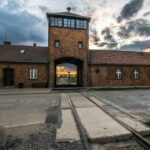
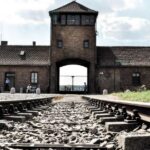
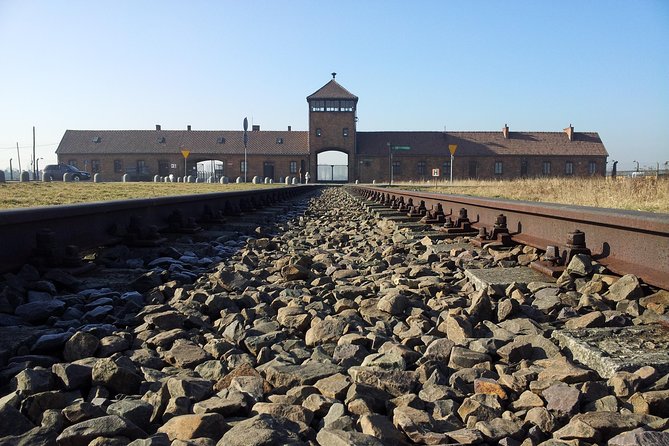
After Auschwitz I, there’s a short break—enough time to reset and use the bathroom before you move on. Then you transfer by bus about 3 km to Birkenau (Auschwitz II). Birkenau is described as the larger camp, covering 171 hectares, and it held nearly 100,000 prisoners.
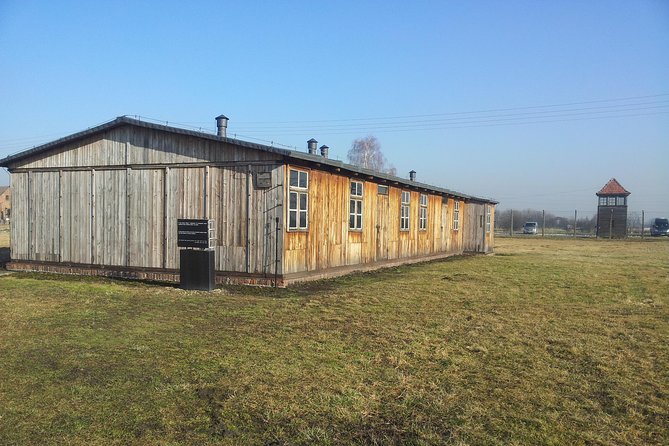
Birkenau is also the place where the tour’s set timing becomes more noticeable. Your guided time here is about one hour, so you won’t be touring at a slow-reading pace. The good news is that the tour aims at the key features your eyes need: wooden barracks originally designed as horse stables, an original freight wagon used to transport prisoners, and the ruins of four gas chambers and crematoria.
This is where I suggest you focus on what you can actually connect to the story. Look at layout and distance. Imagine how people moved through these spaces. And don’t worry if your emotions hit you at odd moments. That’s normal here. The hardest part isn’t the information—it’s trying to absorb an industrial system built for human destruction.
If you’re visiting when it gets dark early (autumn/winter), plan for the possibility that Birkenau may feel rushed simply because daylight fades. For the best experience, an early start helps you see more of the camp in daylight.
Breaks, queues, and the food problem (aka: pack like a pro)
There are breaks built into the day. Right after arrival at Auschwitz, you’ll get a short break to grab coffee or use the bathroom. After the first camp segment, you’ll get another short pause before heading to Birkenau. After the camps, there’s a break area by the car park with benches plus a bookstore and restaurant.
Here’s the reality: food and timing are tight. Food and drinks are not included. Lunch isn’t built in as a proper sit-down meal time between Auschwitz I and Birkenau. If you want to order an option, there’s a lunchbox you can request in advance for 30 zł, delivered during the tour. The tour also notes that in high season there may not be enough time to sit through long queues on-site.
My practical advice: bring snacks and water. Keep your bag small too. The tour lists a maximum bag size of 30 x 20 x 10 cm (about 12 x 8 x 4 inches). If you bring a bigger backpack, you may need to leave items inside the vehicle or use the luggage store in Auschwitz.
Weather matters here in a very physical way. The tour asks for respectful, weather-appropriate clothing and notes that entry lines can be long. A review experience also described long cold waits outdoors, so if you have choices, choose warm layers and a rain layer. Comfortable footwear is not optional—your legs will do a lot of work.
Guided vs non-guided: choosing the pace that fits your brain
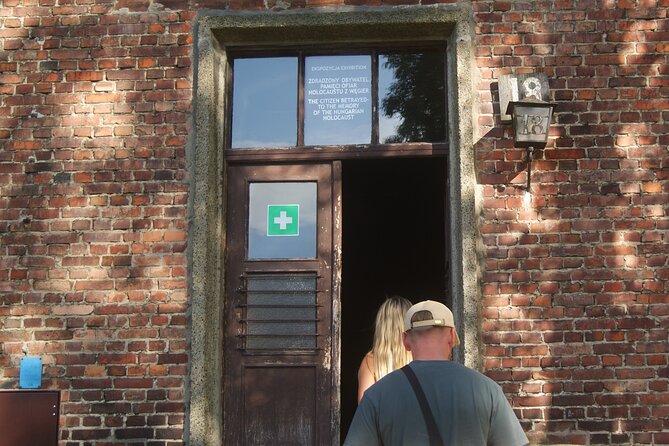
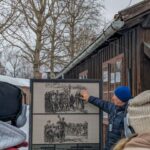
This tour highlights flexibility between guided and non-guided options. If you choose the guided option, you get a professional Auschwitz Museum guide and headsets to hear clearly. That setup can help you follow the order of sites and understand why each block exists, what each exhibit represents, and what you’re looking at inside specific structures.
If you choose non-guided, the day can feel more personal because you move at your own pace. One common benefit is that you’re not pressured by a group rhythm. The trade-off is you may spend more time trying to figure out what you’re seeing without the guide narration to connect the dots.
If you’re worried about guided tours feeling rushed, you’re not wrong to think about pacing. Birkenau in particular is spread out and emotionally heavy. If you need more time to process each area or you have mobility constraints, consider how much time you can realistically spend standing and walking between sites. Either way, headsets and a guide can be a relief because you won’t be straining to hear details through crowds.
Meeting points, traffic, and why “returning to Krakow” needs mental space
When you finish, you won’t just be dropped randomly. You walk to the car park, take your break, and then you’re transferred back to Krakow. The tour specifically aims to avoid getting stuck in Krakow traffic by using one of two meeting points.
Krakow is full of one-way streets and traffic restrictions, especially in the older parts of the city, so the drop-off can vary. The tour leader is supposed to explain the likely drop-off options based on current traffic.
If you have tight plans later in the day—especially a flight—this is where you need caution. Early pickups and scheduled timing are helpful, but the actual day is still subject to museum flow, security lines, and road traffic. Give yourself buffer time for both morning arrival and afternoon return.
Price and value: what $132.75 covers and what it doesn’t
At $132.75 per person, the value comes from stacking several expensive-in-your-time pieces together:
- round-trip transfer from Krakow by air-conditioned vehicle
- pickup from multiple locations (including hotel pickups by request/selection)
- admission to Auschwitz I and Auschwitz II Birkenau
- headsets
- an English-speaking museum guide if that guided option is selected
- support if anything goes sideways (WhatsApp/email/phone)
What isn’t included is food and drinks. Lunch is not built in as a standard meal stop, and on-site choices can involve queues and limited time. So your total cost in practice may be a little higher if you buy snacks or opt for the lunchbox.
Also factor in your tolerance for early starts. The tour describes the possibility of very early pickups and notes that exact pickup times aren’t guaranteed since they depend on ticket and guide availability. If you’re the type who hates surprises, this tour can still work, but plan your day like you’re meeting a fixed appointment in the dark—because you are.
Who this Auschwitz-Birkenau transfer tour suits best
You’ll likely be happiest with this tour if:
- it’s your first time visiting and you want an English guide to connect sites and details
- you’d rather pay for the convenience of transport and pickup than organize it yourself
- you value headsets in a crowd so you can actually hear the explanation
- you’re ready for a long, emotionally serious day with set timing across both camps
It may be a tougher fit if you:
- have mobility limitations and need frequent seating (camp spaces involve heavy walking and limited places to rest)
- want lots of free time inside the memorials without any guide structure
- have a strict afternoon schedule with no buffer for delays or early starts
Should you book this Auschwitz-Birkenau tour with transfer?
I’d book it if you want the practical win: getting to Auschwitz-Birkenau from Krakow without stress, with admission to both camps and an English-led format that helps you understand what you’re seeing. The pickup network and round-trip transport are especially worth it if you don’t want to spend your limited Krakow time planning trains or rides.
I’d hesitate or book with extra caution if your schedule is extremely tight (flights, medical needs, day tours booked back-to-back) or if you’re not prepared for very early starts and strict on-site pacing. If you do book, pack warm layers, bring snacks, keep your day flexible, and confirm your pickup time as soon as it’s sent.
If you want an Auschwitz-Birkenau day that feels organized and guided, this is one of the more straightforward ways to do it from Krakow—just don’t underestimate how physical and emotional the experience will be.
FAQ
How long does the Auschwitz-Birkenau tour from Krakow take?
The tour runs about 8 to 9 hours, depending on the day’s schedule and timing.
Are entrance tickets to Auschwitz I and Auschwitz II included?
Yes. Admission to Auschwitz I and Auschwitz II Birkenau is included.
Is food included in the price?
No. Food and drinks are not included. A lunchbox option is mentioned separately, but there is no standard lunch stop.
Do you provide pickup in Krakow?
Yes. Pickup is offered from multiple meeting points across Krakow, and the tour can include hotel pickup based on your selection.
How early can pickup be?
Pickup times can be very early depending on museum scheduling, and the tour notes pickups may be as early as 3:00–4:00 AM. Exact time is sent the day before after 5 pm.
Is the tour guided?
It depends on the option you select. A professional English-speaking museum guide is included if you choose the guided option.
Do I need to bring identification?
Yes. You must provide full names for all participants and bring a picture ID document for museum entry checks.
Are there restrictions on luggage size?
Yes. The maximum bag size allowed on museum grounds is listed as 30 x 20 x 10 cm.
Can I take photos inside the camps?
Photography is allowed in most areas, except for a few indicated exceptions. Flash is forbidden.