REVIEW · KRAKOW
From Krakow: Auschwitz and Wieliczka Salt Mine Full-Day Trip
Book on GetYourGuide →Operated by Royal Cracow · Bookable on GetYourGuide
Two places will change your day. This full-day trip pairs Auschwitz-Birkenau with the Wieliczka Salt Mine, letting you walk from WWII horrors into an underground world carved by people with salt. It’s heavy, but it’s also sharply organized, so you don’t waste the short time you’re given.
I love the way the plan keeps moving without chaos: pickup in Krakow, comfortable transport, and skip-the-line entry help you start faster. I also like the guide support, including headsets in the first camp, and the way guides such as Justina (Auschwitz) and Piotr (salt mine) keep the tone respectful while still answering your questions clearly.
One consideration: it’s a long day with lots of walking, and the mine includes steep descents like the famous 800 steps, which can feel tough if you’re not used to being on your feet.
In This Review
- Key highlights worth caring about
- Auschwitz-Birkenau in a single day: how the morning shapes the whole experience
- Auschwitz I: barracks, gas chambers, chimneys, and the headset advantage
- Birkenau: recognizing the scale without feeling rushed
- The lunch break before the mine: practical tips for a long day
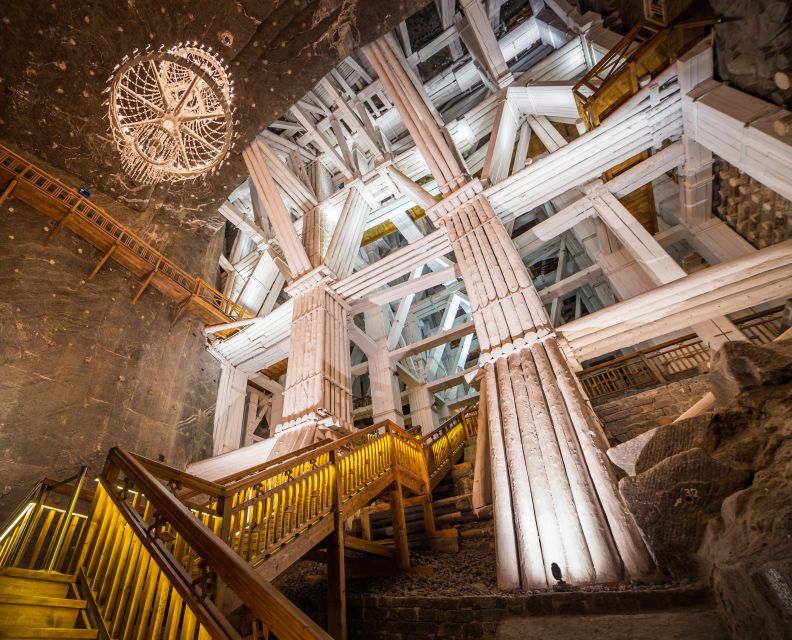
- Wieliczka Salt Mine: 800 steps down, plus chambers, lakes, chapel, and a ballroom
- Skip-the-line tickets and English guide support: how the group model saves your day
- Price and value: is $30 a bargain or a warning sign?
- What to bring (and what not to bring): the rules that affect your day
- Who should book this, and who should split it into two days
- Should you book Royal Cracow’s Auschwitz and Wieliczka day trip?
Key highlights worth caring about
- Auschwitz-Birkenau with an English-speaking guide who sets context and leads you through key areas like barracks, gas chambers, and chimneys
- Headsets provided in Auschwitz I so the live narration lands better (though you may still want to listen closely)
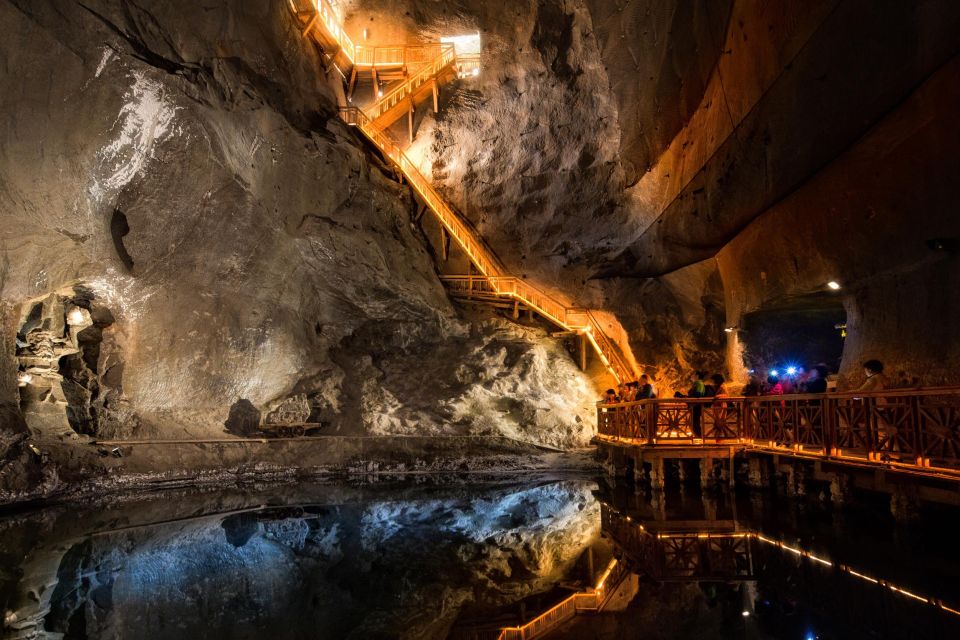
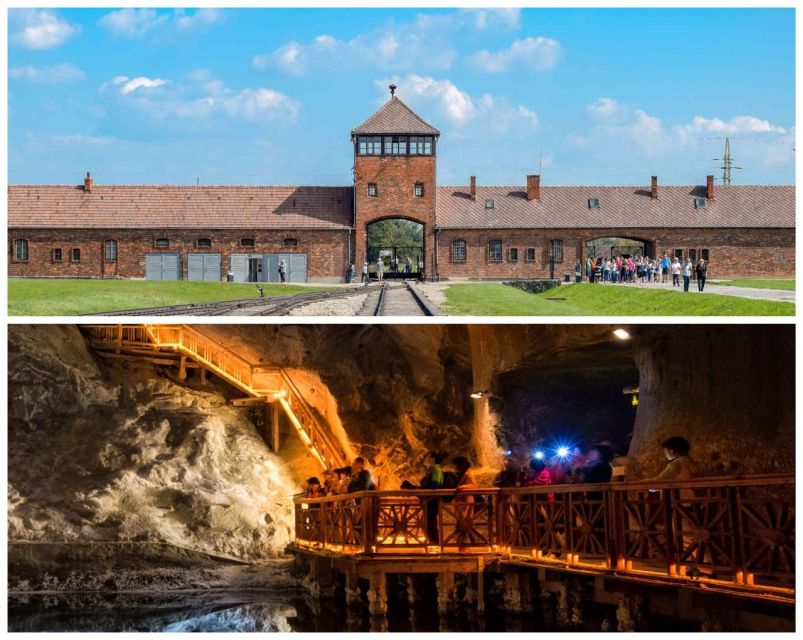
- Wieliczka’s underground scale: a guided route through chambers, lakes, a chapel, and a ballroom carved from salt
- Time-saving logistics: pickup in Krakow plus skip-the-line tickets
- One-day “two-site” value: you combine Poland’s most important WWII site with its best-known salt mine without sorting trains and taxis
- A real physical commitment: even with good pacing, you’ll be walking a lot and descending steep steps at the mine
Auschwitz-Birkenau in a single day: how the morning shapes the whole experience
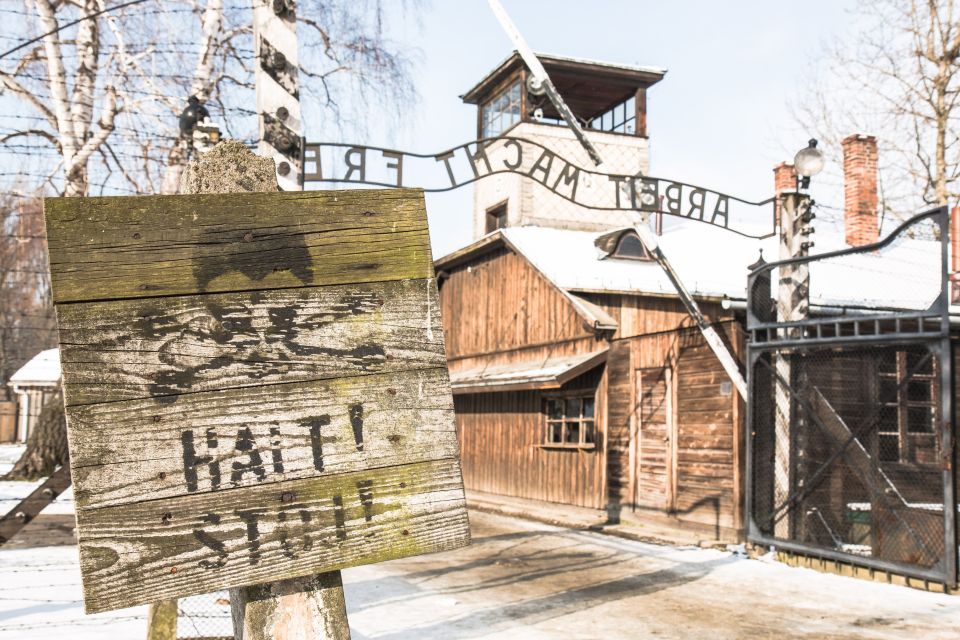
This is not the kind of trip where you “browse.” It starts early for a reason: Auschwitz and Birkenau are large, and you’re there to understand what happened, not just to take photos.
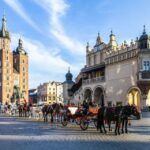
From Krakow, you’ll either meet at the Kiss & Ride point at 2 Wielopole Street or get optional pickup within Krakow city center (Old Town pickups depend on where you can be reached, since the area is a restricted traffic zone). Expect the departure window to vary—check the available times, but the schedule can run between 6:00 AM and 10:30 AM. It’s normal for the exact time to shift, so plan for a very early start and build in buffer.
Once you’re on the way, the day’s rhythm becomes clear: Auschwitz first, a lunch break, then the salt mine. That order matters psychologically. You face the hardest subject first, when you’re still fresh enough to focus. Then Wieliczka gives you a different kind of attention—precision, craftsmanship, and the weird fact that the world can be carved into something beautiful underground.
You can also read our reviews of more tours and experiences in Krakow

Auschwitz I: barracks, gas chambers, chimneys, and the headset advantage
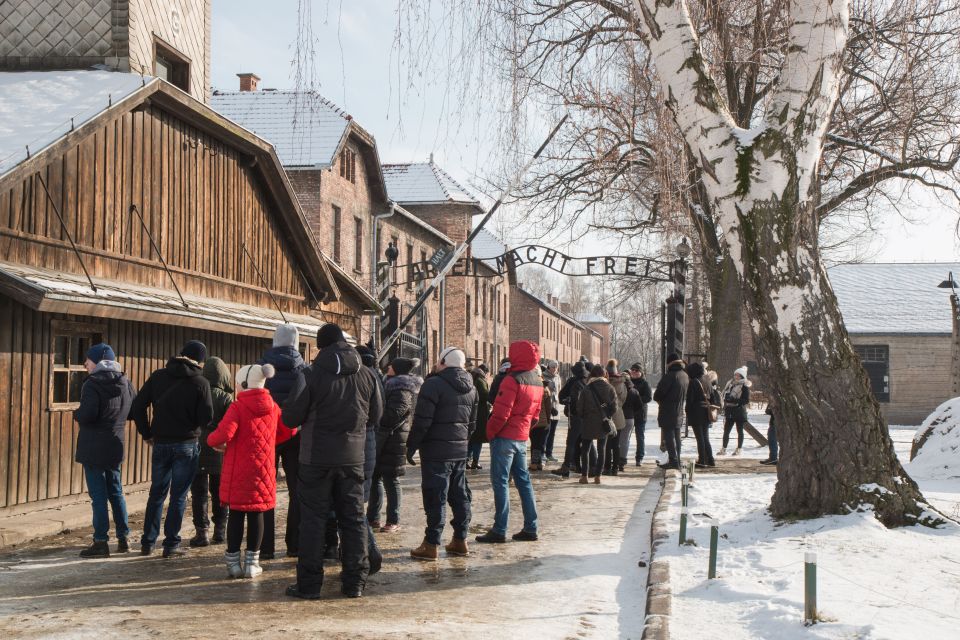
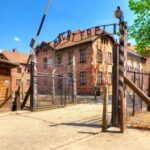
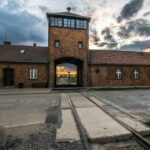
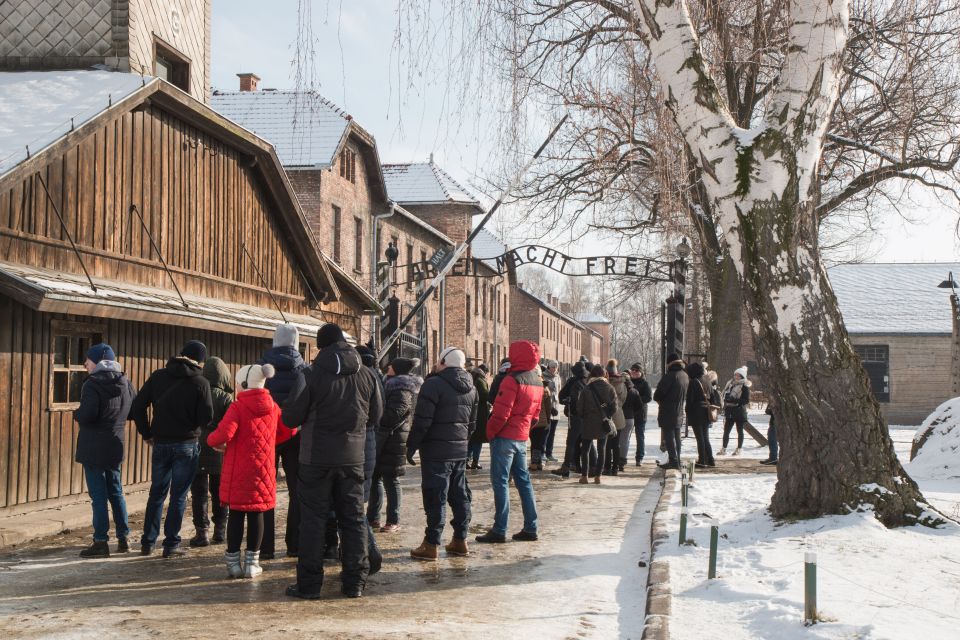
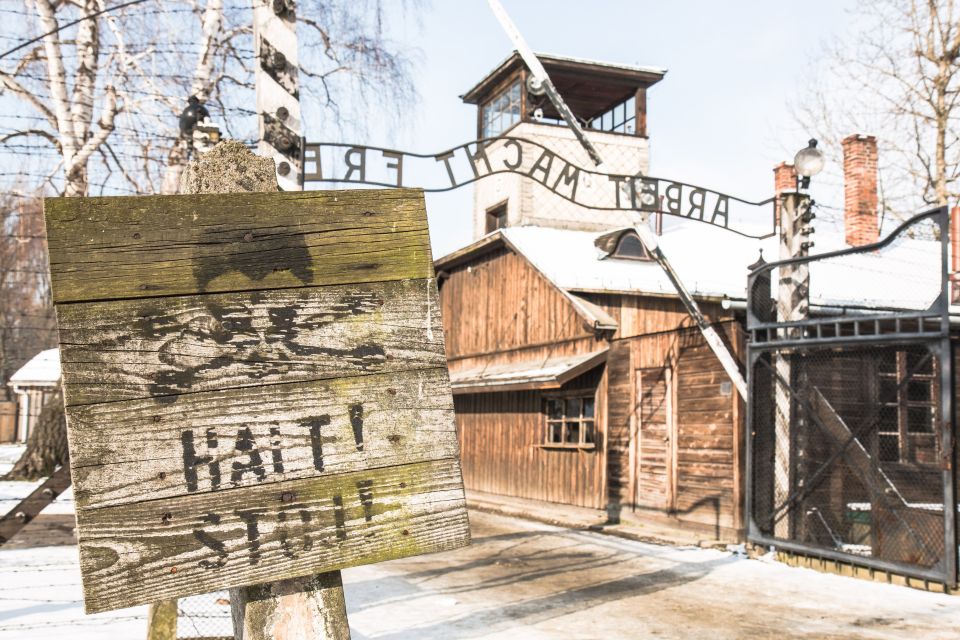
At Auschwitz, you’ll see the former concentration camp’s most important features: the barracks, gas chambers, and the chimney structures, plus exhibitions and photo displays that show what prisoners endured. Your English-speaking museum guide helps you connect what you’re seeing to the broader story of the German occupation of Poland and World War II.
One practical detail that makes a difference here is the headset. They’re provided in the first camp so you can hear the live narration better. Still, the audio experience can vary depending on the speaker, the group, and the acoustics. I’d treat the headset like a tool, not a guarantee—keep it on, and if sound is tough, move slightly closer to your guide when you can.
The best part of Auschwitz visits with a guide is the pacing of meaning. Instead of you wandering and trying to guess what you’re looking at, you get guided context for why certain buildings and exhibits matter. That’s especially useful when you realize how much there is, and how easy it is to feel lost.
Guides such as Justina have been praised for being professional, answering questions, and keeping the information organized. You’ll feel the difference between someone reading facts off a slide and someone helping you understand the layout and the timeline.
Birkenau: recognizing the scale without feeling rushed
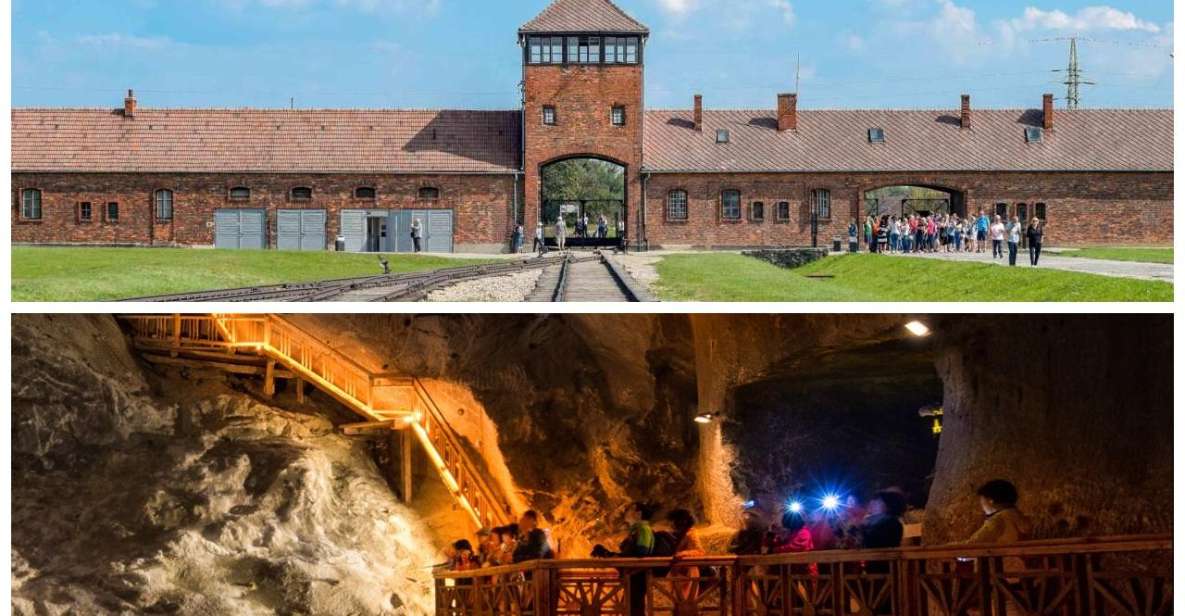
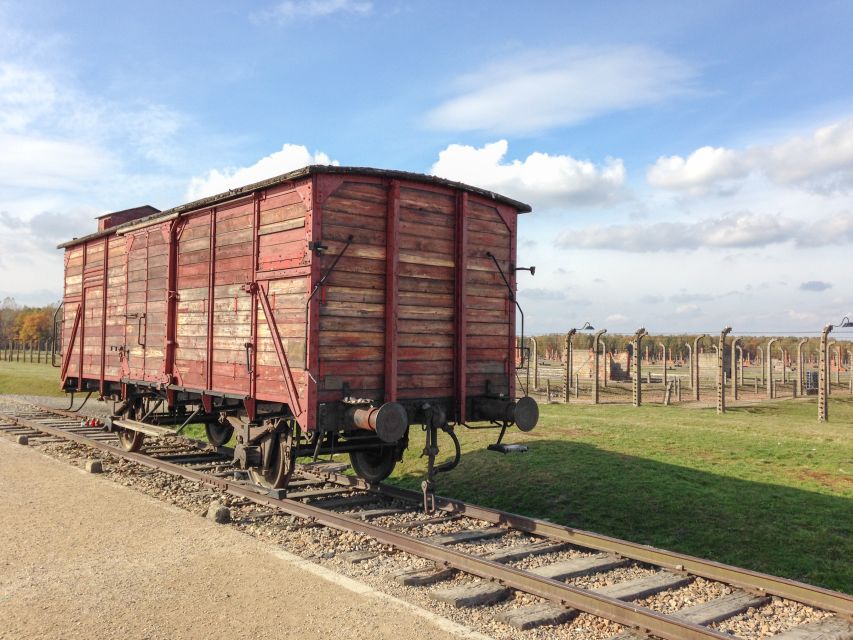
After Auschwitz I, you’ll continue to Birkenau. Even when you’re not reading every sign in detail, the purpose here is visual understanding. Birkenau’s scale is part of the story—its layout helps you grasp the enormity of the system.
Your guide leads the route, giving you the right anchors: what you’re seeing and what those areas represent. This is where the group’s timing can affect your sense of breath. Some people say they felt the tour moved quickly through certain parts, usually because the group size can be large.
If you want to slow down emotionally, you can still do it. Stand for an extra minute at the spots that hit you hardest. Use the guide’s structure to know where you are, then let yourself take in the moment at your own pace.
It’s also worth repeating: you’ll leave Auschwitz and Birkenau with a very mixed emotional load. That’s normal. Plan your evening afterward to be quiet. Dinner plans that are too loud or too late can feel jarring.
The lunch break before the mine: practical tips for a long day
Between the two sites, there’s time for lunch. The tour is set up so you can take a break and reset before descending into the salt mine.
What you should know: you may not have many opportunities to find full meals during the day, and eating options can be limited depending on timing. If you tend to get hungry early, I’d plan with a “don’t gamble” mindset—eat what you can during the lunch break, and consider bringing simple snacks if allowed and if they fit within what you can carry.
One small logistics issue that can catch people off guard: you may store your belongings on the transport while you’re doing the salt mine portion, and details about timing and bag location can be easy to miss. The safest approach is to travel light (more on rules below) and keep essentials easy to access, so you don’t waste energy on figuring out where everything ends up.
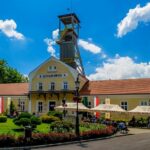
Wieliczka Salt Mine: 800 steps down, plus chambers, lakes, chapel, and a ballroom
Then comes the pivot. Wieliczka feels like stepping into another kind of human story—one built on labor, craft, and engineering.
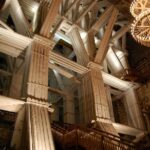
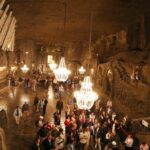
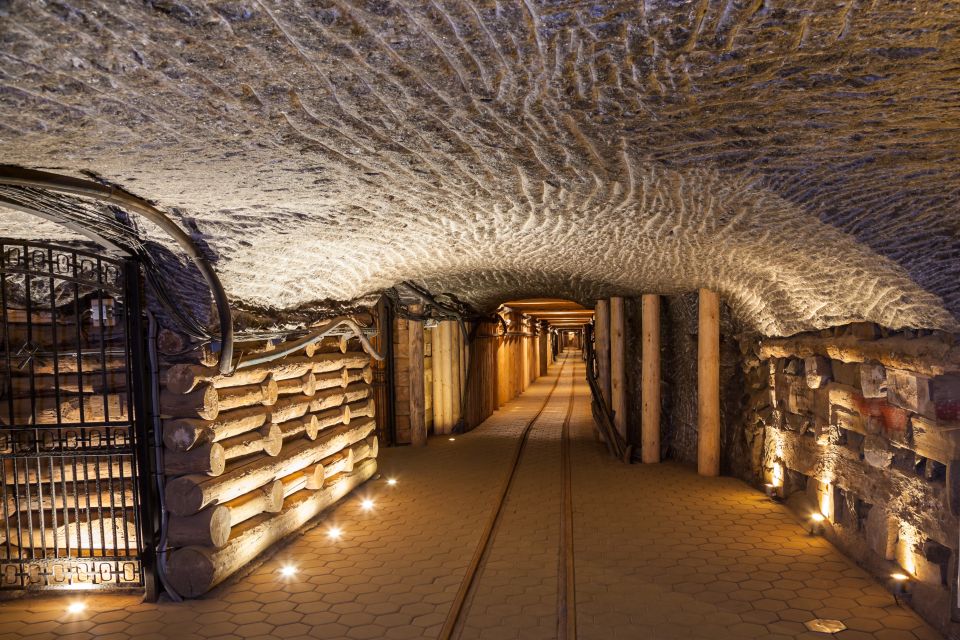
You’ll descend 800 steps to reach the mine areas. From there, your guided experience takes you through chambers and interiors that include lakes, galleries, a chapel, and a ballroom. It’s an unusual contrast after Auschwitz, and that contrast is exactly why this combination works: one part of the day is about recorded cruelty; the other is about human skill shaping an underground world.
You should take the mine’s physical side seriously. Even with a guided route, the terrain and steps can be tiring, and the tour includes enough walking to feel like an active day, not a casual stroll. The good news is that you don’t just “suffer and climb back”—you typically come back up with a lift.
If you’re prone to claustrophobia, don’t treat that as a minor note. The mine involves enclosed spaces and underground passages, and this tour is listed as not suitable for claustrophobia. If that’s you, you’ll probably do better choosing a different day trip that stays on the surface.
People often describe the mine as a place that surprises them. It’s not only scenic—it’s structured around a guided route so you understand what you’re looking at, not just following a line.
Also note: photo rules apply. A photo permission fee is not included in the mine and costs 10 zł.
You can also read our reviews of more tours and experiences in Krakow

Skip-the-line tickets and English guide support: how the group model saves your day
At this price point, one of the biggest practical wins is time. You’re getting transportation, a guided museum experience, and skip-the-line entry arranged for you, which is the difference between spending your day in Krakow’s transit shuffle and actually seeing the sites.
The tour duration is about 11 hours, so every “lost” minute matters. Many people report that transport was smooth and that they didn’t stand around waiting to enter. Guides and driver teams (including names like Pawel, Andrzej, Marcin, and Radek) are frequently described as organized and punctual—meaning your mental focus stays on the sites.
The group setup can also influence comfort. Some departures may run on a larger coach in the morning and then switch to a smaller vehicle for the mine segment. That kind of change isn’t a problem, but it does underline why wearing comfortable layers and keeping your day bag practical helps.
Price and value: is $30 a bargain or a warning sign?
This trip is priced around $30 per person for the combined day. That’s the headline number, but here’s the value check that matters: the tour bundles transportation from Krakow, museum and mine entrance tickets, and an English-speaking guide at both Auschwitz and the salt mine (plus a tour leader). You’re also getting help with logistics like skip-the-line entry, which often costs time you don’t have.
Still, value is not only price—it’s what fits your needs. A few people feel the experience can cost more on their end than they expected, especially when they compare to what separate tickets might cost. Also, what you do for food can change your real total if lunch isn’t included in your chosen option.
My advice: treat the price as a starting point, then check three things before you book:
- Are entrance fees included in your exact option (here, they are stated as included)?
- Are you okay with an early departure and a long walking day?
- Can you handle the mine’s steps and underground spaces?
If those checkboxes work for you, this is strong value for two of Poland’s headline sights in one day.
What to bring (and what not to bring): the rules that affect your day
To enter Auschwitz, you need your documentation lined up. Bring passport or ID card. You’ll also want to have your student card if you plan to use it.
A big administrative detail: the Auschwitz-Birkenau Memorial and Museum requires all participants to provide their full name and contact details as part of the booking. Entry may be refused if the name you booked with doesn’t match the name on your ID. That’s a rare but serious gotcha—so double-check spelling.
Dress and bag rules also matter:
- Wear comfortable shoes.
- No sleeveless shirts.
- No luggage or large bags.
- No smoking.
- No pets.
If you’ve ever had a day trip ruined by a rule you didn’t know about, this is the category where that risk exists. Travel light and follow the listed rules and you’ll stay focused on the sites.
Who should book this, and who should split it into two days
This trip fits best if you want a structured, guided day and you’re comfortable with long hours and walking. It’s also a good match if you like having a guide translate the chaos of big places into a clear route.
It’s less of a match if:
- you have mobility limitations (the tour is listed as not suitable),
- you have claustrophobia (also not suitable),
- or you’re the type who needs lots of downtime between stops.
If you’re visiting Krakow with only a short window, doing both on one day can make sense. It also gives you that emotional arc—hard history first, then a literal change of pace underground. Just remember: the day will be tiring even if everything runs smoothly.
If you’d rather go slower, splitting the sites over two days can reduce stress and make it easier to absorb what you see. The combined schedule is efficient, but it’s still a lot to carry.
Should you book Royal Cracow’s Auschwitz and Wieliczka day trip?
If you’re in Krakow and you want both places without planning transport and ticket timing yourself, I think this is a smart way to do it. The English-speaking guidance, skip-the-line setup, and built-in transitions (Auschwitz first, mine second) are exactly what make the long day manageable.
Book it if:
- you’re ready for a long walking day,
- you can handle underground spaces in Wieliczka,
- and you want a guided structure for Auschwitz-Birkenau.
Hold off or choose another option if:
- you can’t handle steep steps and confined spaces,
- you’re likely to struggle with hearing narration and need extra quiet and time,
- or you’re traveling with expectations that this will feel like a relaxed sightseeing day.
Do it with the right mindset: this isn’t a checklist. It’s two guided experiences that ask you to pay attention, feel what you feel, and then keep going.