REVIEW · KRAKOW
Auschwitz and Birkenau Memorial and Museum Guided Tour from Krakow
Book on Viator →Operated by Piotr Blachut · Bookable on Viator
Camps like this don’t let you look away. This Auschwitz and Birkenau Memorial and Museum guided tour from Krakow stands out because it focuses on practical flow—tickets are handled so you’re not stuck hunting entry—and it uses headsets so the guide’s WWII context comes through clearly on a day that’s emotionally heavy.
I also like that it’s built around real logistics: round-trip transport from Krakow in an air-conditioned vehicle, plus a small maximum group size (10 travelers), means less time herding people and more time understanding what you’re seeing. The main drawback is simple: it’s a long, walking-heavy day with uneven ground and stairs at Auschwitz, so plan for stamina and schedule yourself for a slow, quiet evening back in Krakow.
In This Review
- Key things that make this tour work
- Auschwitz and Birkenau From Krakow: What a 6-Hour Day Really Means
- Getting In Without Ticket Headaches (and Why It Matters)
- Pickup in Krakow: Where You Meet and How the Day Starts
- Transport Comfort: Air-Conditioned Vehicle and Small Group Reality
- The On-Site Plan: Auschwitz I First, Then Birkenau II
- Auschwitz I: The history-heavy starting point
- Auschwitz II-Birkenau: Scale hits you in the chest
- Headsets: When They Help Most (and How to Use Them)
- What You’ll Learn: WWII Context Without the Guesswork
- Walking, Weather, and Food: Plan Like It’s a Real Day Out
- Timing and “Rushed” Feeling: The Part You Can Control
- Value Check: Is $120.68 Worth It?
- Who Should Book This Tour (and Who Might Want a Different Style)
- Should You Book This Auschwitz and Birkenau Tour From Krakow?
- FAQ
- FAQ
- How long is the Auschwitz and Birkenau guided tour from Krakow?
- What’s the price per person?
- Is the tour offered in English?
- Do I get tickets included?
- Are headsets provided?
- Is food included?
- Where do I meet the tour in Krakow?
- What’s the pickup time range?
- What group size should I expect?
- Do children need to be accompanied?
- Is there anything special I need to provide when booking?
Key things that make this tour work
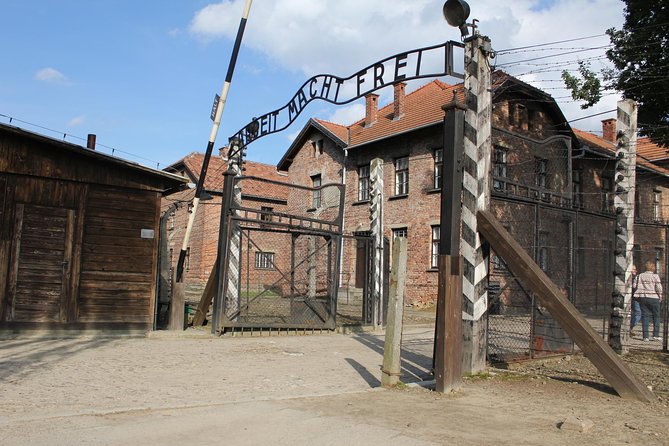
- Guaranteed entry focus: Designed to secure your visit when Auschwitz-Birkenau tickets sell out.
- Headsets for clarity: You’ll hear WWII history more consistently, especially in busy or echoing areas.
- Time at both sites: You’ll get time at Auschwitz I and Auschwitz II-Birkenau, not just a quick stop.
- Round-trip comfort: Air-conditioned vehicle from Krakow reduces the strain on travel days.
- Small group size: Max 10 travelers helps keep the visit organized and less chaotic.
Auschwitz and Birkenau From Krakow: What a 6-Hour Day Really Means
This tour is listed at about 6 hours total, but what that means in practice is: you’re signing up for a full half-day commitment with a “get in, see key areas, learn the context” pace. The most important thing to know is that the emotional weight doesn’t shrink just because the itinerary is timed. You’ll still feel the day move fast—so mentally, I’d treat it like a concentrated visit, not a leisurely museum stroll.
You’ll also spend significant time on your feet. Reviews and the tour’s own fitness guidance both point toward moderate physical fitness being needed. In Auschwitz, you’re looking at uneven ground and stair climbs. That doesn’t mean the visit is “hard” in a hiking sense, but it does mean your body will notice. Bring footwear you trust.
You can also read our reviews of more guided tours in Krakow
Getting In Without Ticket Headaches (and Why It Matters)
Auschwitz-Birkenau is one of those destinations where tickets are a real bottleneck. This tour’s biggest promise is practical: it helps guarantee your visit when standard entry plans often get sold out. That matters because the worst-case scenario at sites like this isn’t just missing a museum—it’s losing your only viable time window after you travel.
Still, you should plan for early starts to match the day’s entry timing. The tour pickup can fall anywhere between 6:00 AM and 1:30 PM, with the exact time confirmed the day before. That range exists because entry slots vary and the operation adjusts around the museum schedule and traffic. If you hate mornings, this tour will not be your friend—but if you can roll with it, you’ll likely appreciate not standing around waiting for permission to enter.
Pickup in Krakow: Where You Meet and How the Day Starts
Your meeting point is Sienna 17, 33-332 Kraków, Poland, and the tour ends back at the same location. That’s handy. You don’t need to line up taxis after a heavy day; you can just ride back and collapse.
You’ll also want to build in margin for real-world timing. Pickup time is subject to change, and the transfer duration can stretch depending on traffic and time of day. One day might feel smooth. Another day might feel like “why did we hit every light on the way.” The tour is operating with enough structure (and usually small groups) to keep you moving, but nothing in Krakow traffic is predictable.
Transport Comfort: Air-Conditioned Vehicle and Small Group Reality
The tour includes an air-conditioned vehicle, plus the schedule is capped at 10 travelers. For Auschwitz-Birkenau, that small group size is more than a nice-to-have. It typically means fewer people to manage, less confusion at the start, and a better chance you’ll get your questions answered without the guide spending all day stuck in logistics.
Also, you’ll have headsets. That’s a huge quality-of-life detail. Auschwitz and Birkenau can be crowded, and even without crowds, the mix of outdoor spaces and built exhibits can make sound tricky. With a headset, you’re less likely to spend your time scanning for the guide’s voice and more time focusing on what you’re seeing.
The On-Site Plan: Auschwitz I First, Then Birkenau II
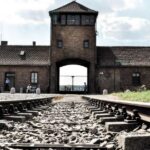
Your on-site time is designed to give you meaningful exposure to both parts of the memorial: Auschwitz I and Auschwitz II-Birkenau. The tour description emphasizes “station time” at both, and the overall visit is structured so you’re not just touring one area.
Here’s how to think about it:
You can also read our reviews of more museum experiences in Krakow
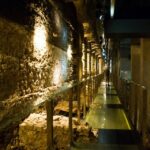
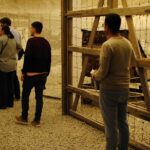
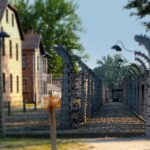


Auschwitz I: The history-heavy starting point
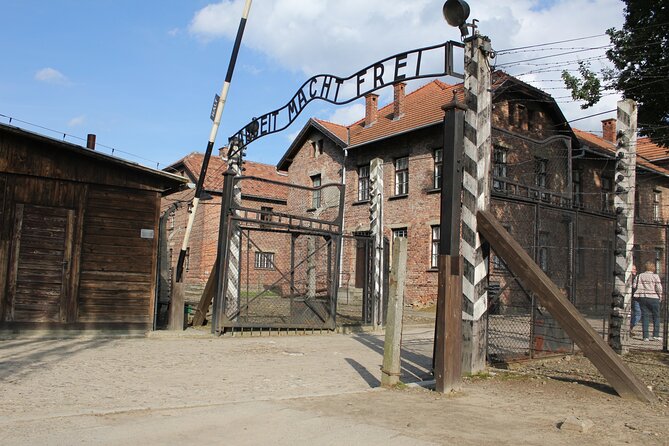
Auschwitz I tends to feel more grounded in documentation and administrative context. Expect the guide to walk you through why the camp system existed and how Nazi policy translated into the machinery of persecution and mass imprisonment. This is where headsets help the most: you’ll hear the story in sequence, which makes the later scale at Birkenau easier to comprehend.
Also, Auschwitz I involves walking and stairs. If you’re sensitive to crowded routes or tight spaces, you’ll want to pace yourself. Take your time at the key viewpoints. It’s okay to pause. You’re not racing for photos—you’re trying to understand.
Auschwitz II-Birkenau: Scale hits you in the chest
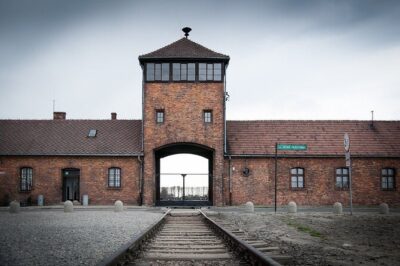
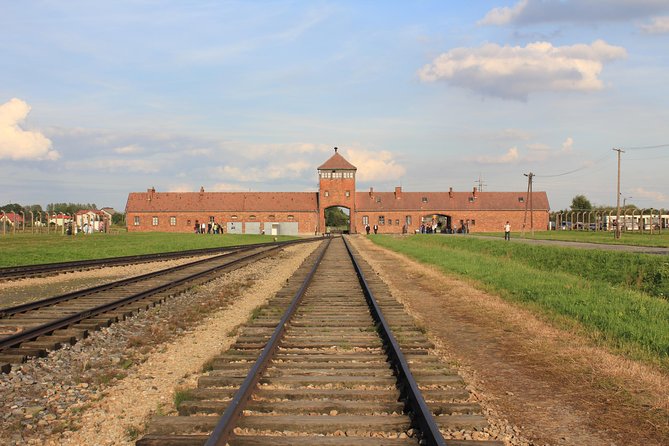
Birkenau often feels larger, more open, and harder to grasp until you’re actually there. Even if you’ve read about it before, walking the grounds changes the way your brain measures distance and consequence. This is the part that many people find the hardest to process because it shifts from “system” to “scale.”
The guide’s narration matters here. Without it, you might see structures and pathways but struggle to connect them into the camp’s real function and the lived experience. With the headset, you’re less likely to miss those connecting details.
Headsets: When They Help Most (and How to Use Them)
Headsets aren’t flashy, but they’re practical. You’ll use them to hear the guide’s WWII explanation clearly throughout the visit. That matters most in two situations:
- When you’re walking and the surroundings change (outdoor to indoor, crowded areas, wind).
- When you’re trying to follow names, dates, and the sequence of events without stopping constantly.
Before you head inside key exhibits, take a moment to adjust the headset so sound is comfortable. Then let the guide lead the pacing. If you start wandering ahead, you’ll miss the narrative beats that make the sites click.
What You’ll Learn: WWII Context Without the Guesswork
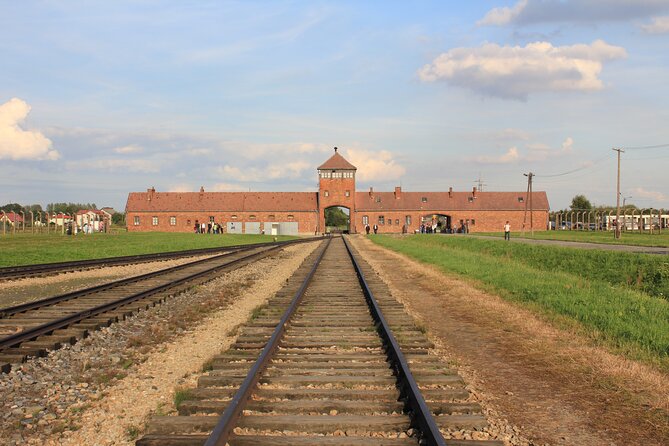
This tour is built around a guided interpretation of the sobering history of WWII. The value isn’t just “seeing the place”—it’s getting the story organized for you so you’re not left assembling context from memory or snippets you’ve read.
I especially appreciate that the guide’s role is supported by the headset setup. That’s how you get fewer gaps between what you’re looking at and what you’re hearing. And when the storytelling is handled well, the day becomes more than sightseeing. It becomes understanding—fast, but structured.
One name that comes up in the tour’s operator/guide identity is Piotr Blachut, and some experiences also credit a guide named Piotr for being excellent and educational. Another helpful role is the driver. Several accounts mention David for keeping things organized and communicating well during the trip.
Walking, Weather, and Food: Plan Like It’s a Real Day Out
The tour isn’t a sit-and-watch experience. You should assume a lot of walking on uneven ground, plus stairs at Auschwitz. That’s why I treat the “moderate physical fitness” note as real advice, not fine print.
Bring:
- Walking shoes/boots with solid grip
- Warm layers if you’re visiting when Krakow weather feels cold
- A plan for food, because food and drinks are not included
Some drivers may help with practical extras, and one report mentions a paid lunch bag option (about 10 euro extra). Don’t treat that as guaranteed, though. If food matters to you, pack a simple snack and water. You’ll be glad you did.
Timing and “Rushed” Feeling: The Part You Can Control
Even on well-run tours, this kind of site can feel rushed if the group is delayed. The schedule depends on everyone arriving on time at pickup and meeting points. Pickup times vary, and the museum entry process can shift based on crowds and the day’s flow.
If you’re the type who gets stressed when plans run late, this is your heads-up: start with calm. Arrive at the meeting point early enough that you’re not sprinting into the van. When you’re late, the whole group’s entry rhythm can get compressed, which reduces break time and makes the visit feel less spacious.
That’s also why the small group matters. With fewer people, the operator has a better chance of maintaining the visit pace without constant stop-and-start.
Value Check: Is $120.68 Worth It?
At $120.68 per person for roughly a 6-hour day, the question isn’t “is it cheap?” It’s “what do you get that’s hard to DIY?”
You’re paying for:
- Round-trip transport from Krakow in an air-conditioned vehicle
- Entry tickets (included)
- Headsets
- A professional guide
For many people, the value comes down to time and certainty. Planning Auschwitz-Birkenau independently means juggling transport, entry timing, and on-site interpretation. Here, the tour compresses that work into one organized day.
Is it worth it? If you want a guided narrative and you’d rather not spend time on ticket strategy, yes. If you already have entry sorted and you prefer to move at your own pace with a self-guided approach, you might find cheaper options. But for most visitors, paying for logistics clarity is exactly what helps the day go the way it should.
Who Should Book This Tour (and Who Might Want a Different Style)
This tour is a strong fit if you:
- Want organized entry to a sell-out destination
- Like learning with a guide rather than reading every placard alone
- Appreciate headsets for clearer explanations
- Can handle walking and stairs with at least moderate comfort
It may be less ideal if you:
- Have limited mobility or find uneven ground difficult (Auschwitz involves stairs)
- Want a super-slow, self-paced visit with extended free time
- Are likely to struggle with early pickup times when scheduling tightens
Should You Book This Auschwitz and Birkenau Tour From Krakow?
I’d recommend booking this tour if you want a structured, guided experience with ticket certainty, plus the practical support of headsets and round-trip transport. The small group size (max 10) and the guide-led approach help keep your visit from turning into a chaotic scramble.
If you’re deciding between tours, I’d choose this style when you care about hearing the history in order and staying organized through a long emotional day. Then go in ready: solid shoes, warm layers, and a food plan. You’ll get more out of the time you have on-site when your body feels supported and your schedule stays calm.
FAQ
FAQ
How long is the Auschwitz and Birkenau guided tour from Krakow?
The duration is about 6 hours (approx.), with transfer time included.
What’s the price per person?
The price is $120.68 per person.
Is the tour offered in English?
Yes. The tour is offered in English.
Do I get tickets included?
Yes. Entry tickets are included.
Are headsets provided?
Yes. Headsets are included to help you hear the guide clearly.
Is food included?
No. Food and drinks are not included.
Where do I meet the tour in Krakow?
The meeting point is Sienna 17, 33-332 Kraków, Poland.
What’s the pickup time range?
Pickup time can vary, with possible start times between 6:00 AM and 1:30 PM. The exact pickup time is confirmed the day before.
What group size should I expect?
The tour has a maximum of 10 travelers.
Do children need to be accompanied?
Yes. Children must be accompanied by an adult.
Is there anything special I need to provide when booking?
Yes. Per the Auschwitz-Birkenau Museum requirements, you must provide your full name and contact information as part of the booking process.