REVIEW · KRAKOW
From Krakow: Auschwitz-Birkenau Full-Day Guided Tour
Book on GetYourGuide →Operated by Royal Tours Krakow · Bookable on GetYourGuide
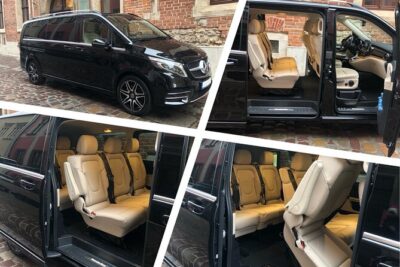
One day here changes how you read history. This full-day Auschwitz-Birkenau tour from Krakow is built around a licensed guide and a comfortable air-conditioned minivan, so you can focus on the meaning, not the logistics.
I especially like doing Auschwitz I first—walking past the Arbeit Macht Frei gate, seeing the barracks, and then going into Block 11, where the story turns darker and more specific. I also like that the day doesn’t stop at one site: you continue to Auschwitz II-Birkenau, where the scale makes it harder to look away. One possible drawback: the day is long, emotional, and the on-site timing and walking pace are set by the memorial, so you should plan for a rigid schedule.
In This Review
- Key highlights you’ll feel right away
- A sobering day trip that’s also well run
- Minivan pickup, headset comfort, and a smoother start
- Auschwitz I: from the gate to the barracks
- Block 11: the prison within the prison
- Auschwitz II-Birkenau: seeing the scale
- What the schedule feels like in real life
- Price and value: what $89 includes (and why it matters)
- What to bring and what to leave at home
- Who this tour suits best
- Should you book this Auschwitz-Birkenau tour from Krakow?
- FAQ
- How long is the Auschwitz-Birkenau full-day guided tour from Krakow?
- Is pickup and drop-off included?
- Do I get skip-the-line entry?
- What’s included in the price?
- What languages are the live guides available in?
- What ID do I need for entry?
- Are there any dress or bag restrictions?
- Is this tour suitable for children?
Key highlights you’ll feel right away
- Skip-the-line entry so your guide can get you into the museum flow faster
- Two major areas in one day: Auschwitz I and Auschwitz II-Birkenau
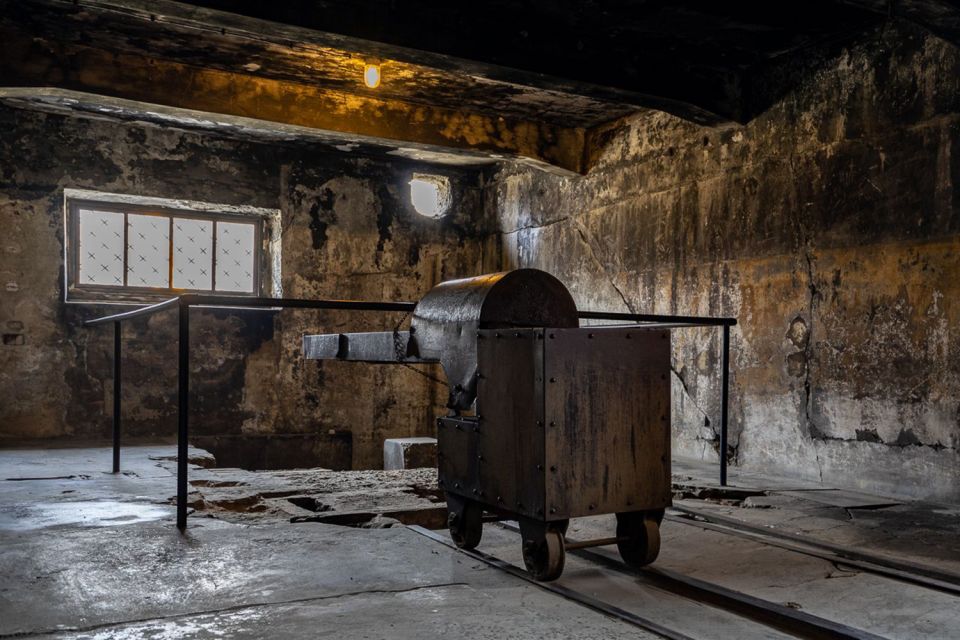
- Block 11 context plus the surviving gas chamber/crematorium details
- Headsets included so you can hear your licensed guide clearly
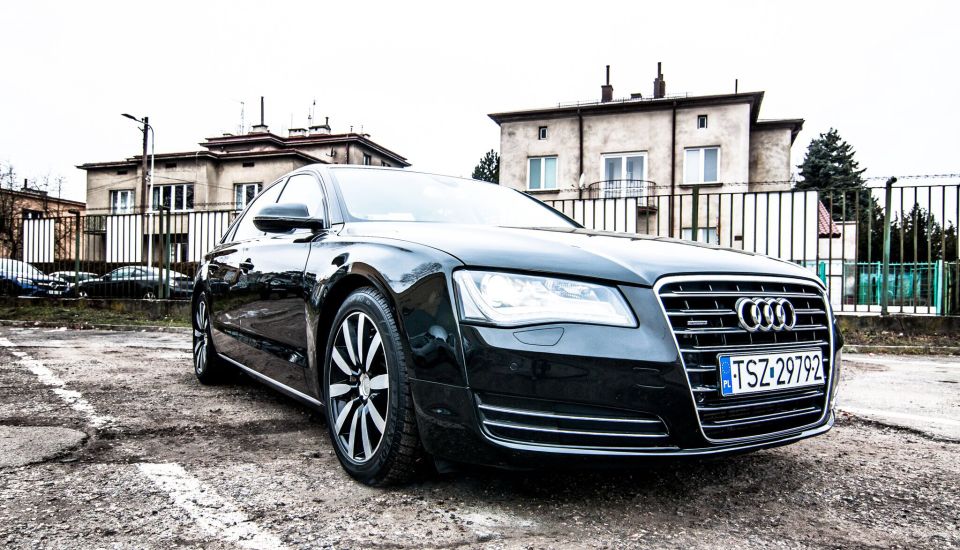
- Air-conditioned minivan with pickup and drop-off for an easier start and finish
- A respectful end at the memorial grounds before returning to Krakow
A sobering day trip that’s also well run
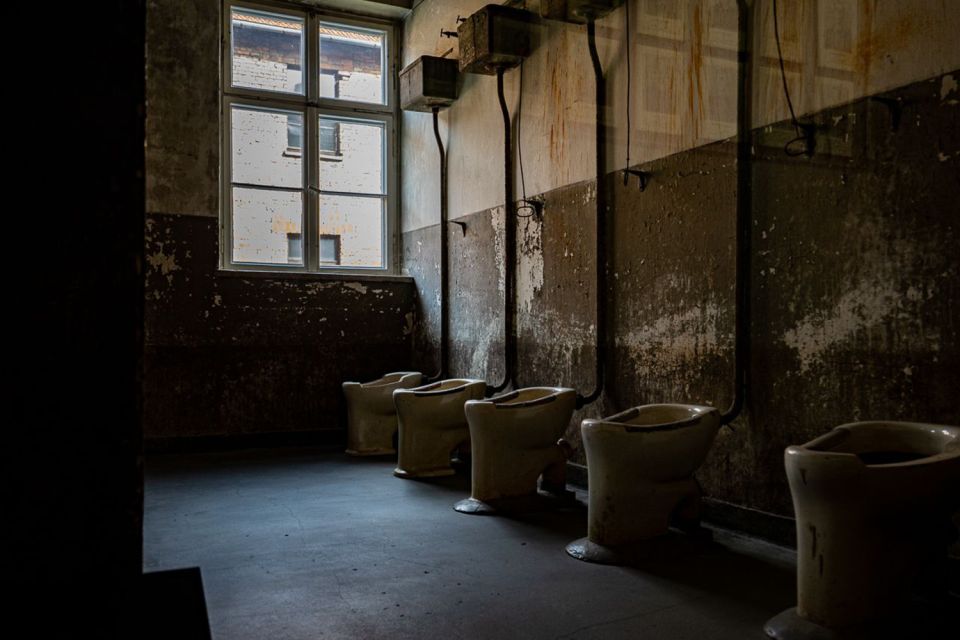
Auschwitz-Birkenau is one of those places where a guided format matters. Left to your own devices, you can miss the logic of the site—what was where, what changed over time, and why certain areas are emphasized. With this tour, you get a live guide to help you understand what you’re seeing as you move through it.
The other thing I appreciate is how the trip is structured for a long day. You ride out of Krakow in an air-conditioned minivan and come back the same way, which keeps the day from feeling like a complicated DIY project.
Just know the tone of the day. Even with good organization, this is not light travel. It’s also not a site where you can skim. You’re walking, standing, reading, and listening—so bring patience and comfortable shoes.
You can also read our reviews of more guided tours in Krakow
Minivan pickup, headset comfort, and a smoother start
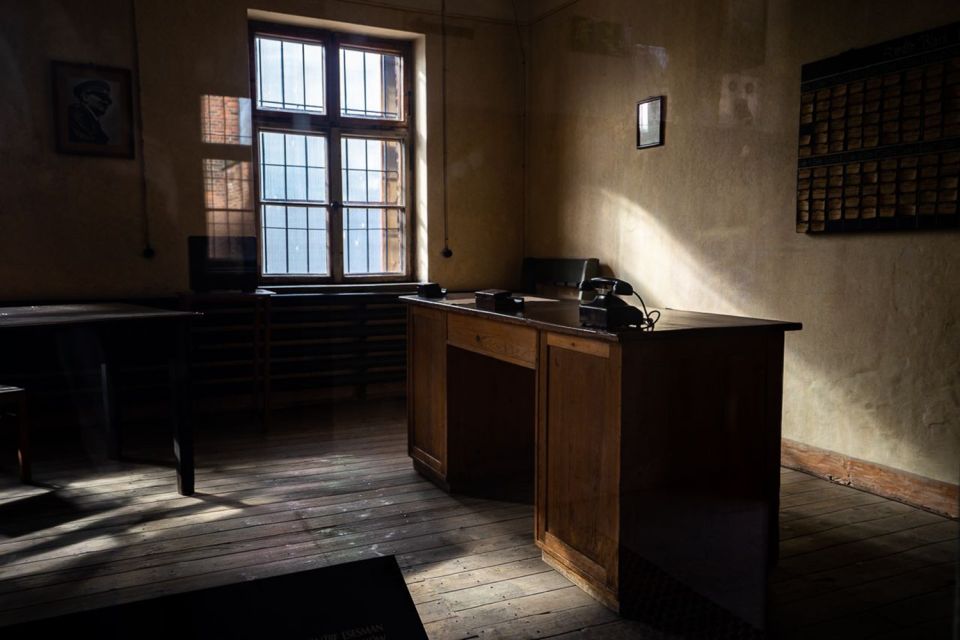
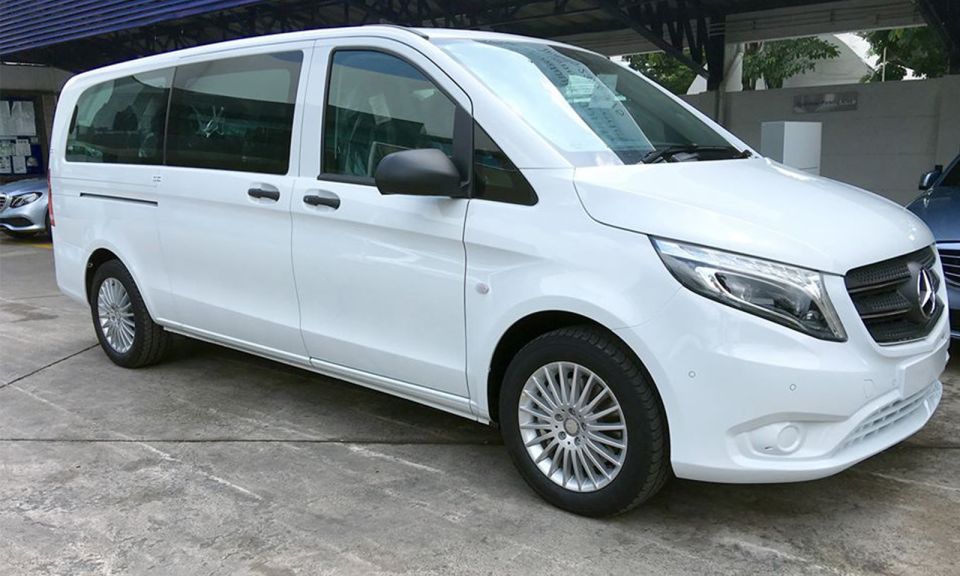
Pickup and drop-off at your accommodation are included, and that’s a big deal here. Auschwitz is not a place you want to tack onto the day with awkward transfers. The minivan ride helps you settle in and get your bearings before you hit the museum checkpoints.
Once you’re at the sites, headsets are provided, which makes a difference when you’re trying to hear details while moving through crowded areas. Your guide is also part of the value: the tour offers live guide interpretation in German, English, and French, and recent feedback specifically praised guides for staying clear, calm, and responsive to questions.
If names mean anything to you, you’ll see why people trust this operator. One guide named Monika was described as fabulous and very informative. Another guide, Joanna, was praised for being detailed and passionate. Jakob was highlighted for strong English and careful explanations. For the drive side, Pavell came up positively as well.
The goal of all this isn’t comfort for comfort’s sake. It’s about reducing friction so you can stay present—especially at a place where context is everything.
Auschwitz I: from the gate to the barracks
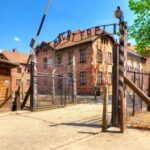
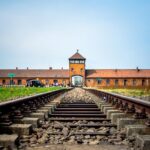
Auschwitz I (KL Auschwitz 1) is where the day builds its foundation. You start with the iron gate and the slogan Arbeit Macht Frei. Even if you’ve heard the phrase before, seeing the gate in person hits differently. It’s not just an artifact; it’s part of the system’s propaganda and control.
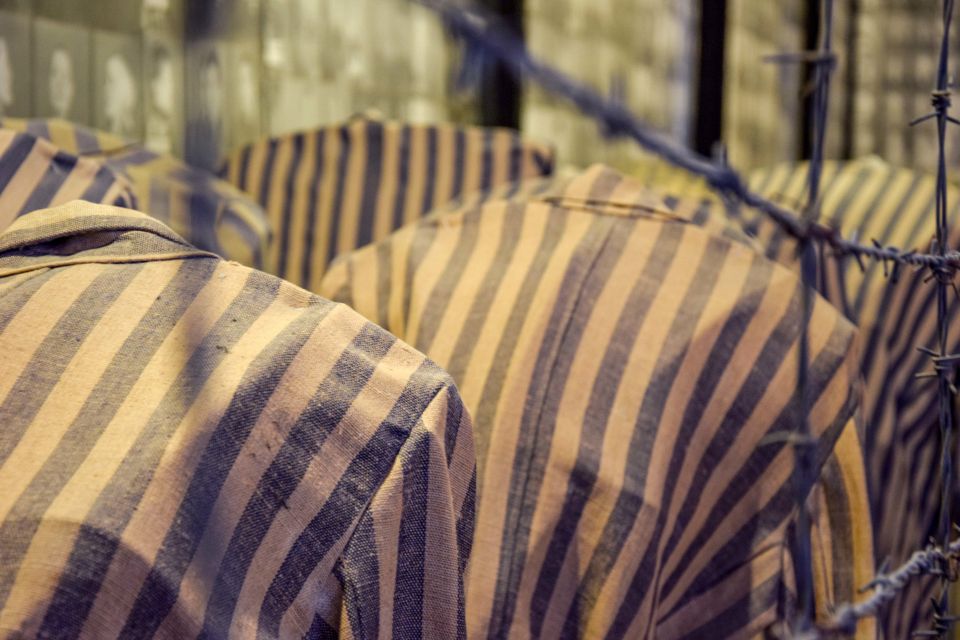
From there, you move into what the tour description calls the 22 brick barracks—spaces where hundreds of thousands of people were confined. This is where your guide’s role really matters. Without interpretation, it’s easy to view the buildings as generic ruins. With a guide, you’re better able to understand how incarceration functioned and why certain areas were set up the way they were.
This part of the visit also helps you understand the camp’s geography. By the time you’re ready to go deeper, your brain starts to map the place. That makes the later visit to Auschwitz II feel less like a separate site and more like the full system finally showing its true scale.
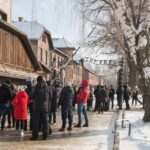
Expect walking and standing, plus some time for a break. If you’re trying to survive a day like this, small choices matter: water, layers for cold weather, and a pace that keeps you steady.
Block 11: the prison within the prison
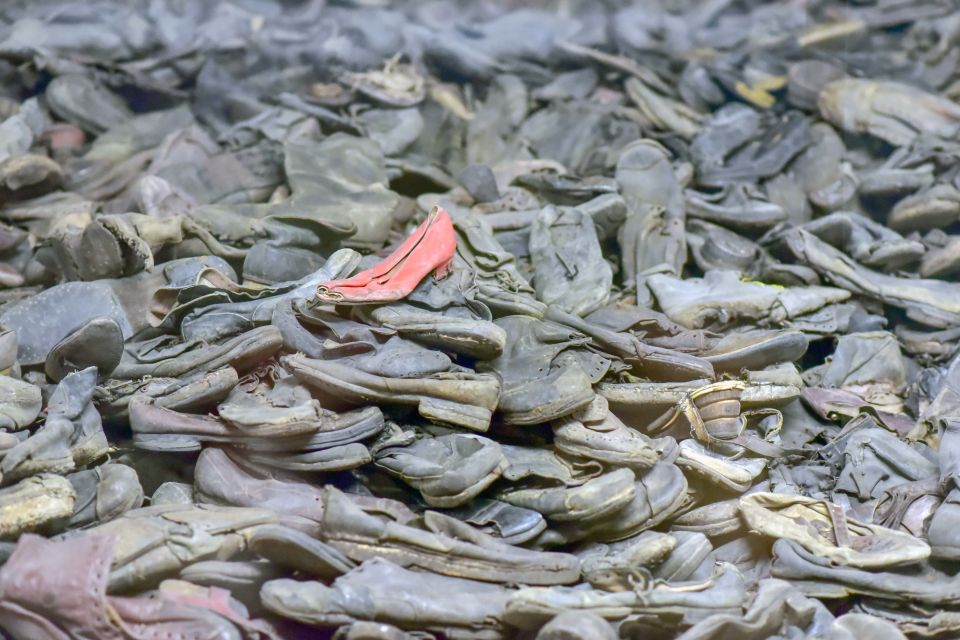
Block 11 is the portion of Auschwitz I where the tour turns from broader structure to targeted horror. The tour description frames it as the so-called prison within the prison, and it’s associated with special torture chambers and brutal punishments.
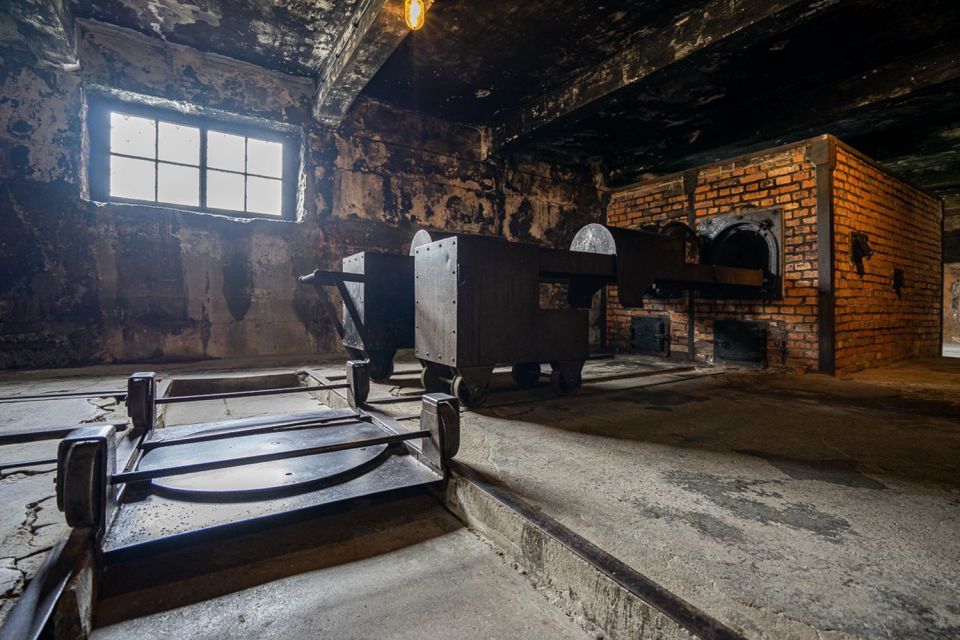
This is also where the guide will focus on the mechanics of persecution—how the camp maintained discipline through terror. The information provided for this tour specifically notes that early extermination attempts using Zyklon B took place in this block, and that the only crematorium and gas chamber still standing are located at the end of the camp.
I recommend mentally preparing for this section in advance. Not because you can emotionally “prepare” for it, but because you’ll think more clearly if you don’t rush. If you start to feel overwhelmed, slow down and let the guide’s timing carry you. Your job isn’t to absorb everything at once. Your job is to understand what the space is telling you.
Auschwitz II-Birkenau: seeing the scale
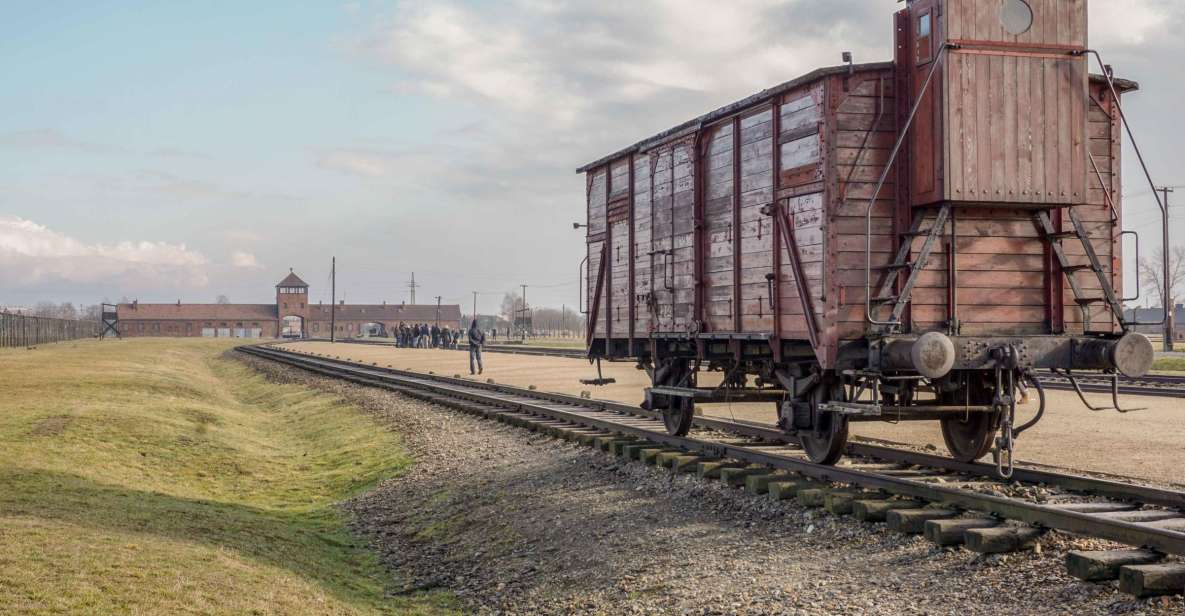
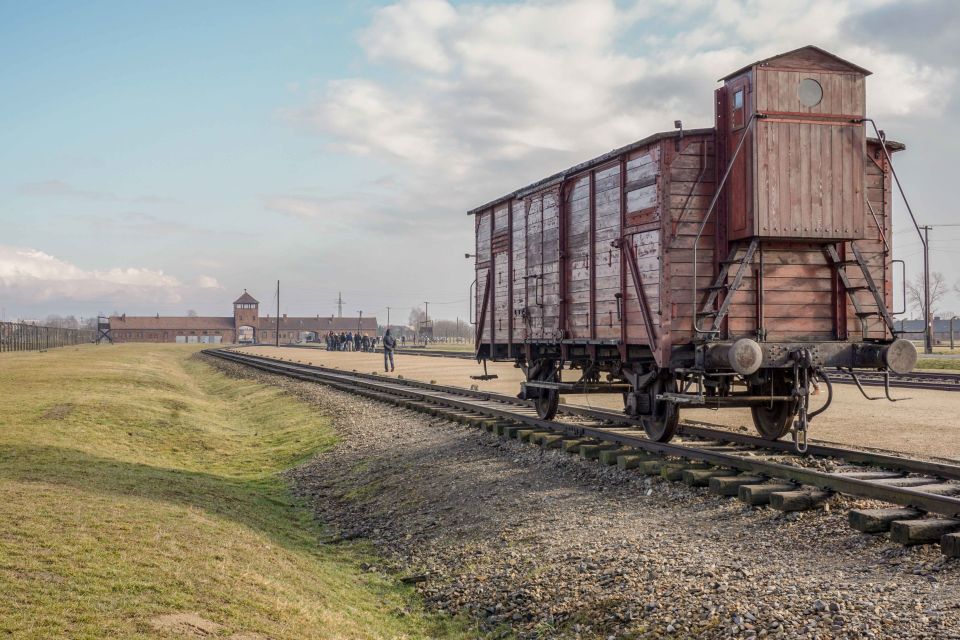
Then you move to Auschwitz II-Birkenau. This is where scale becomes the most important lesson. According to the tour information, Birkenau is 25 times larger than Auschwitz I, and it was the largest of the concentration camps. The description also states that over 1 million people died here.
That number alone is hard to process. What helps is walking through the grounds and letting your guide connect the physical layout to what happened there. Birkenau isn’t only about buildings. It’s about the vastness of the operation—how mass confinement and exploitation worked on an industrial scale.
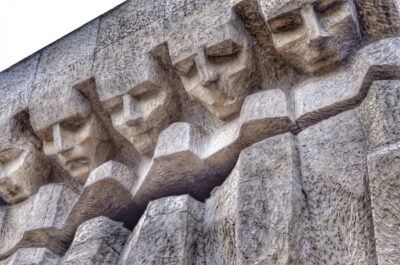
You’ll end this part of the day at the memorial grounds, where the tour description says you’ll have time to pay your respects to the victims of the genocide before heading back to Krakow. I find that step matters. It shifts the visit from information-gathering to a quieter act of remembrance.
You can also read our reviews of more tours and experiences in Krakow


What the schedule feels like in real life
This tour is listed as about 7 hours total. That covers travel time, the guided visits, and short breaks.
Your day runs in this rhythm:
- A travel segment out of Krakow (around 1.5 hours)
- A guided Auschwitz I visit (around 105 minutes), plus a short break
- Short transit to Birkenau
- A guided Auschwitz II visit (about 1.5 hours), plus a longer break
Two practical realities to keep in mind. First, the memorial controls the pace. The tour provider can’t “stretch” or “speed up” the break times. Second, the preferred time slot isn’t guaranteed, and the visit time may change; if it does, the operator will contact you the day before to confirm the new time, and that time change does not qualify for a refund.
In other words: keep your day flexible enough to handle an adjustment. If you’re the kind of traveler who plans everything down to the minute, this site will politely refuse to cooperate.
Price and value: what $89 includes (and why it matters)
At $89 per person for a 7-hour outing, you’re paying for more than a bus ticket. The tour includes:
- Pickup and drop-off at your accommodation
- Transport in an air-conditioned minivan
- Skip-the-line entry
- Entrance fees
- A local guide and headsets
- A booklet available in multiple languages (plus support materials)
That bundle is the real value. Auschwitz-Birkenau is one of those places where “saving money” often creates hidden costs: extra waiting, more confusion at the site, and less context while you’re walking. With a guided, headset-based format, you’re buying time and clarity—the two things that matter most here.
Also, the day includes a driver and coordinated movement between Auschwitz I and Auschwitz II. When you’re dealing with security rules, ID requirements, and a controlled schedule, coordination is worth real money.
What to bring and what to leave at home
Pack for rules, not for convenience. The tour data specifically says you should bring a passport or ID card, and participants must provide full name and contact details for the booking. Entrance may be refused if the name on your booking doesn’t match the name on the ID you use at entry.
There are also clear limits on what you can carry:
- Bags bigger than 20x30x10 cm aren’t allowed in the museum
- Sleeveless shirts aren’t allowed
- Alcohol and drugs aren’t allowed
- Explosive substances aren’t allowed
I’d also add a practical mindset: dress in layers and wear shoes you’d be comfortable walking in for hours. The emotional weight is real, but your body still needs steady footing.
Finally, if you’re thinking about kids: this tour is not recommended for children younger than 14.
Who this tour suits best
This is best for adults and older teens who want one guided day that covers both Auschwitz I and Auschwitz II-Birkenau. You’ll especially enjoy it if:
- you want an expert licensed guide to explain what you’re seeing
- you’re okay with a heavy, respectful, non-skip-it visit
- you prefer a structured day with transport instead of DIY planning
If you need something lighter, more casual, or more flexible with pacing, this isn’t that. The memorial experience has its own tempo, and your day will follow it.
Should you book this Auschwitz-Birkenau tour from Krakow?
If your goal is to see the two major parts of Auschwitz-Birkenau in one organized day—with skip-the-line entry, headsets, and a licensed guide who can guide you through details like Block 11 and the surviving crematorium/gas chamber area—then I think this is a solid choice.
Book it if you can handle a long, emotionally intense visit and you’re prepared to follow site rules about ID and clothing. Skip it if you’re traveling with a child under 14 or you need a schedule that’s fully under your control.
One more decision tip: choose your time slot wisely within what’s available, then plan to be flexible if the start time shifts. You’ll get the best experience by showing up ready to listen.
FAQ
How long is the Auschwitz-Birkenau full-day guided tour from Krakow?
The total duration is about 7 hours.
Is pickup and drop-off included?
Yes. Pickup and drop-off at your accommodation in Krakow are included (pickup is listed as optional, but the included items say accommodation pickup and drop-off).
Do I get skip-the-line entry?
Yes, the tour includes skip the ticket line.
What’s included in the price?
The price includes air-conditioned minivan transportation, entrance fees, a local guide, headsets, and a booklet (available in different languages).
What languages are the live guides available in?
Live tour guide languages are German, English, and French.
What ID do I need for entry?
You need a passport or ID card. You also must provide your full name and contact details as part of the booking, and entry may be refused if the name doesn’t match your ID.
Are there any dress or bag restrictions?
Yes. Sleeveless shirts are not allowed, and bags bigger than 20x30x10 cm aren’t allowed in the museum.
Is this tour suitable for children?
It’s not recommended for children under 14 years old.