REVIEW · KRAKOW
Krakow: Old Town and Kazimierz Guided Bike Tour
Book on GetYourGuide →Operated by ZeeTour · Bookable on GetYourGuide
Two districts, one steady ride through Krakow. This guided bike tour is a fast way to get your bearings, hitting Old Town landmarks and the Jewish quarter of Kazimierz with a guide who also hands you practical suggestions for the rest of your stay. I like that the tour stays structured (you know what you’re seeing and why), and I like the way the city’s story comes into focus as you ride. One possible drawback: if you’re not comfortable cycling in a dense city with lots of pedestrian streets and turns, the pace may feel a bit tight.
The best part for me is how smoothly a small group tour fits into a short visit—limited to 10 people—so you don’t get lost in the shuffle. You also get a bike and bag storage for the ride, so you’re not juggling your daypack while trying to look around. One thing to plan for: entrance tickets and food aren’t included, so you’ll need to decide in advance what you want to pay for separately.
In This Review
- Key things to notice before you book
- Getting started at ZeeTour in Krakow’s courtyard
- Old Town orientation: Florian Gate, Barbican, and Main Market Square
- Jagiellonian University, Wawel Dragon, and views along the river
- Into Kazimierz: Wolnica Square and plac Nowy
- Schindler’s List Passage and the Jewish-quarter walking-and-riding sequence
- Szeroka Street and Ghetto Heroes Square
- Oskar Schindler’s factory stop outside: why it belongs on this route
- How good is the guide, really? (This is where the value shows)
- Price and what $47 buys you in Krakow
- Practical tips so the ride feels easy
- Should you book the Krakow Old Town and Kazimierz bike tour?
- FAQ
- How long is the Krakow Old Town and Kazimierz guided bike tour?
- Where is the meeting point?
- What’s included in the price?
- Are entrance tickets included?
- What languages are the tours offered in?
- Is this tour suitable for people with mobility impairments?
Key things to notice before you book
- ZeeTour guides keep the ride purposeful: English (and Dutch) explanations that connect the stops to Krakow’s bigger story
- Old Town first, then Kazimierz: you’ll walk less and ride more while landmarks stay grouped logically
- Jewish Krakow stops are part of the route: synagogue areas, Ghetto Heroes Square, and the Schindler-related factory stop outside
- Small group size helps: up to 10 participants, which usually means easier questions and less waiting
- You won’t be stuck carrying bags: bike includes bag storage for the duration of the tour
- No ticket included for interiors: you’ll likely just get the orientation and views, not full museum admissions
Getting started at ZeeTour in Krakow’s courtyard
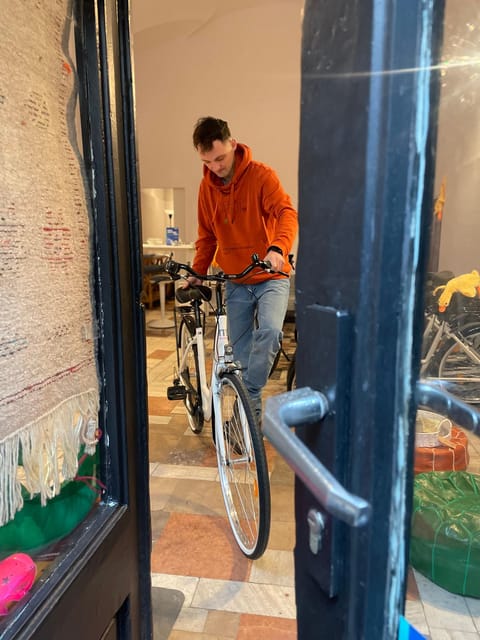
Meet at the ZeeTour office in the courtyard, in the same building as Restaurant No. 7. That’s helpful because it’s a simple landmark to find before you start weaving through streets on a bike.
You’ll start the tour by picking up your bike and getting set for about three hours on two wheels. Since the ride includes both guided stops and short passing segments, it’s worth showing up dressed to move. Wear comfortable clothes you can ride in, and bring weather-appropriate layers. The tour doesn’t list special gear like helmets or rain ponchos, so if weather is a question, plan on bringing your own.
One practical note: entrance tickets aren’t included. That means this tour is designed more for getting your bearings, learning what each area means, and then helping you decide what’s worth seeing up close afterward.
You can also read our reviews of more cycling tours in Krakow

Old Town orientation: Florian Gate, Barbican, and Main Market Square
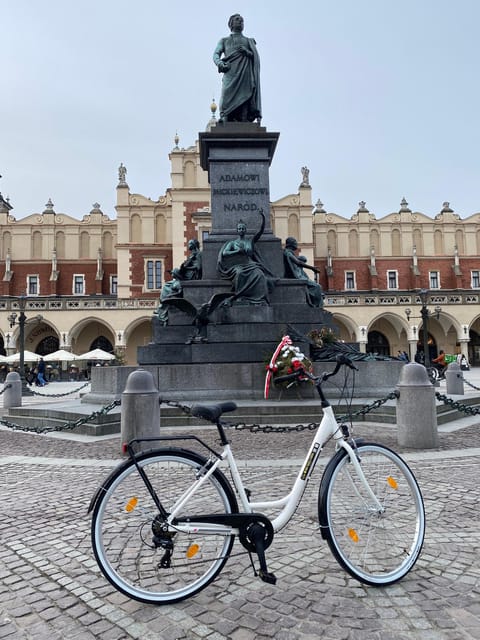
The route starts in classic Krakow territory and wastes no time building context. You begin at Florian Gate and then see the Kraków Barbican. These stops set the tone: this is about how the city defended itself and how people moved through the old street system.
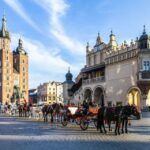
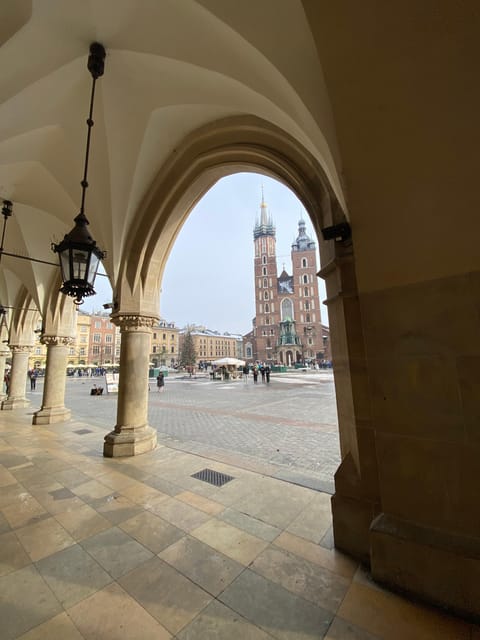
Next comes Main Market Square (the city’s headline square). This is where biking becomes less about speed and more about perspective. I love that you get a guide telling you what to look for instead of just circling the square wondering what matters. You’ll learn the city’s importance in Polish history in a way that feels connected to the streets you’re actually on.
A useful payoff here: by the time you leave the Market Square area, you’ll know where the big “anchor points” are in Krakow. That makes your independent exploring later much easier, especially if you only have a day or two.
Jagiellonian University, Wawel Dragon, and views along the river
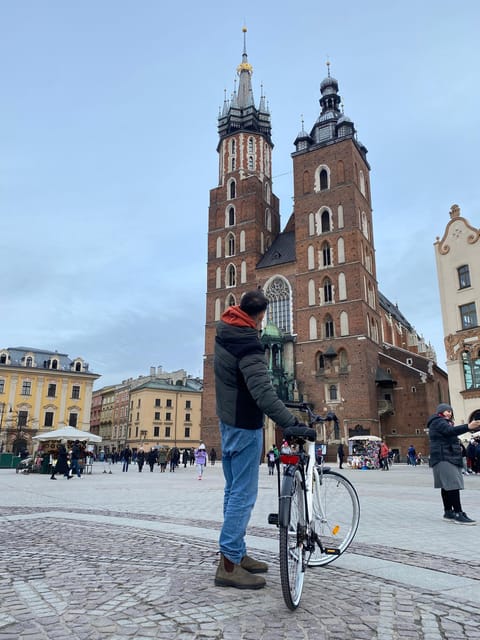
From the square, the tour continues to Jagiellonian University, a major landmark that helps you understand Krakow as a place of learning and influence. Then you’ll head to the Wawel Dragon Statue area. Even if statues aren’t usually your thing, this is a quick way to connect local legend and identity to the physical geography of the city.
After that, you’ll pass by the Vistula Krakow segment. Even though this is listed as a pass-by rather than a long stop, it matters. Getting a break from dense lanes to see the river zone gives your eyes somewhere to rest, and it breaks up the ride so you don’t feel like you’re stuck in straight “tour mode” for the whole three hours.
Potential drawback in this portion: the stops around the center can mean heavier foot traffic. Your guide will manage the flow, but if you dislike crowds or if you’re easily distracted, plan to keep your attention on where the group is moving.
Into Kazimierz: Wolnica Square and plac Nowy
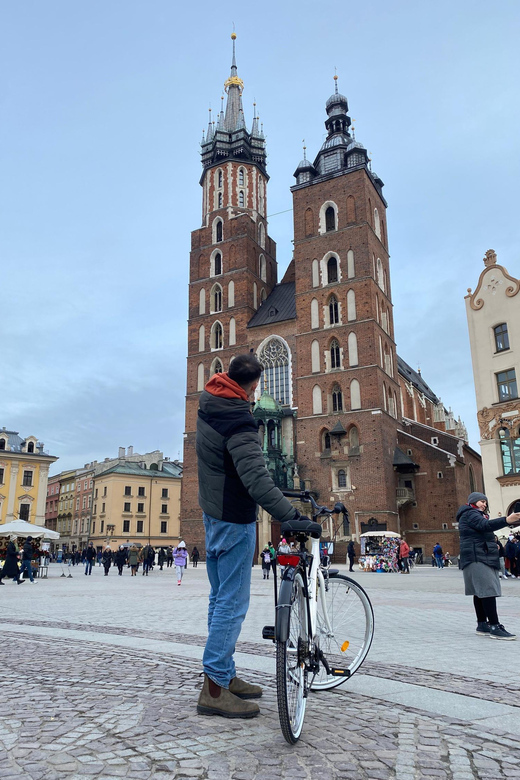
Then you shift neighborhoods—Kazimierz, the area that adds a very different layer to Krakow. You’ll hit Wolnica Square and plac Nowy, both of which work well on a bike tour because they’re open enough to reset your focus between more detailed stops.
This is where I think the format pays off. On foot, you can end up feeling like you’re just moving from one site to the next. On a bike, the transitions between places become part of the story—street rhythm, turning points, and how the neighborhood feels when you’re traveling through it rather than just standing beside a sign.
Your guide will also start connecting what you’re seeing with the Jewish community’s role in Krakow and how that connects to what happened during World War II. Even when the subject matter is hard, a guide who can frame it clearly helps you stay oriented instead of overwhelmed.
Schindler’s List Passage and the Jewish-quarter walking-and-riding sequence
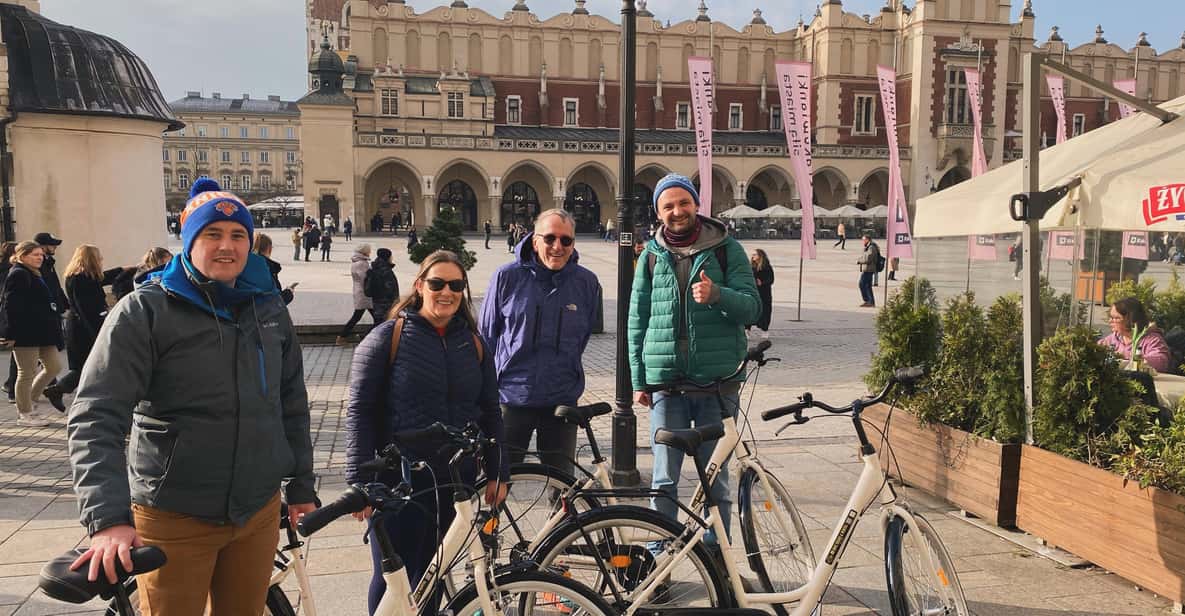
As you move through Kazimierz, you’ll come to the Schindler’s List Passage. This is one of those route moments that shows why this tour is structured the way it is. It’s not only about scenery; it’s about guiding you to specific places where the neighborhood’s WWII story is connected to what you’ll see next.
From there, the tour shifts into key Jewish landmarks with guided stops at several synagogue sites:
- Tempel Synagogue
- Izaak Synagogue
- Old Synagogue, Krakow
Seeing multiple synagogue areas back-to-back gives you a clearer sense of the district’s layout. And because the tour includes guided explanations, you’re not left guessing what connects one stop to the next. You’ll also learn about the tragic fate of Krakow’s Jewish population during World War II, and the importance of the Jewish community to the city’s history.
I also appreciate that the tour doesn’t pretend the story is simple. It’s framed as part of Krakow’s long story, including both the cultural presence of the community and the destructive events of the war.
You can also read our reviews of more guided tours in Krakow
Szeroka Street and Ghetto Heroes Square
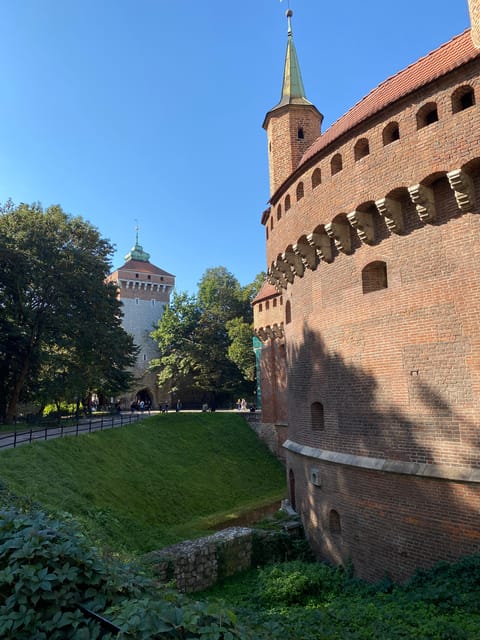
Next comes Szeroka Street and then Ghetto Heroes Square. Street-by-street movement is where bike touring can feel especially effective. You experience how tight or open an area is, where you’d naturally slow down, and how far it feels to move between key points.
At Ghetto Heroes Square, the tour is doing emotional work as well as sightseeing. It’s one of those spots where the guide’s explanations matter more than the view. The value here is that you’re not just looking at a location—you’re hearing why it’s remembered, and how it fits into Krakow’s WWII history.
If you’re someone who prefers light entertainment while on holiday, this part may feel heavy. If you’re okay with that, the payoff is strong: the tour connects the neighborhood’s geography to the lived experience of its residents, rather than treating history like a lecture on a bench.
Oskar Schindler’s factory stop outside: why it belongs on this route
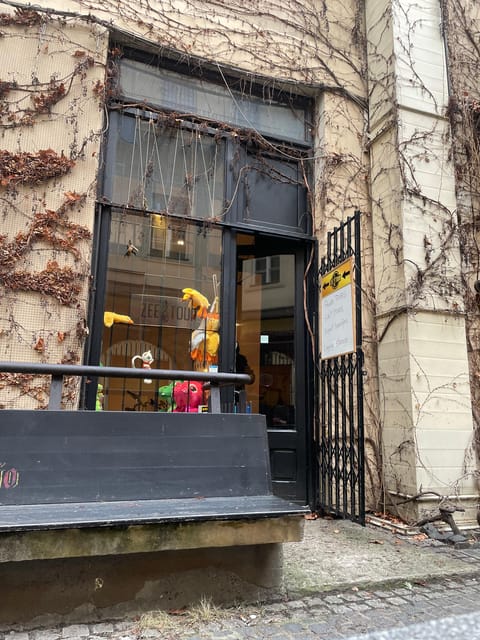
The tour includes an Oskar Schindler’s Factory stop with a guided component and additional passing time. Since the tour specifically notes the stop outside and references how local people were saved in this area, the goal is clear: you’re connecting the Jewish quarter story to a specific Krakow location tied to survival and rescue.
This is also where the ride helps you. By the time you reach this part, you’ve already built context about the neighborhood and its WWII tragedy. So the factory-related stop doesn’t feel random—it lands as part of the same narrative arc.
One consideration: because entrances aren’t included, you should be ready to view what’s possible from the outside and from the guided walk structure. If you want to go in and spend extra time, you’ll need to add that on your own.
How good is the guide, really? (This is where the value shows)
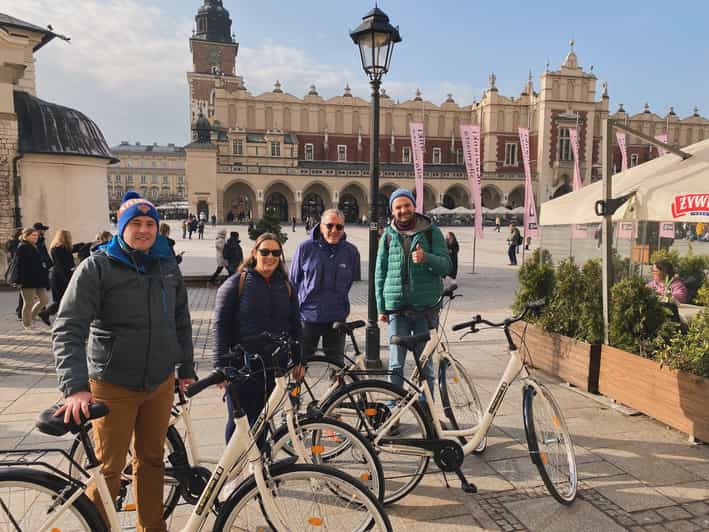
A standout in the feedback I worked from is the guide’s delivery. ZeeTour’s guide, Zee, is described as articulate and personable, and that matters more than people think. When you’re dealing with a city’s layered history—especially Jewish history—good pacing and clear explanations are what keep the tour meaningful instead of confusing.
You’ll also have an opportunity to ask questions and get recommendations for what to do after the ride. In practice, this can save you time. Rather than guessing which sights match your interests, you get targeted advice from someone who’s guiding the route every day.
And yes: people also mention the bikes themselves. It’s a real factor on a tour like this. When the bike feels good and the group can move smoothly, you spend more energy looking at Krakow and less energy fighting your equipment.
Price and what $47 buys you in Krakow
At $47 per person for about three hours, this tour lands in the “worth it if you want direction” category. Here’s why it feels like value:
- You get a bike and a guide for the full ride window, plus bag storage, so your setup is simpler.
- You’re covering a lot of ground across two areas—Old Town and Kazimierz—without spending the whole day navigating.
- The guided framing helps you understand why each stop matters, especially where WWII events are involved.
What you don’t get (and should keep in mind): entrance tickets and food. If you plan to visit only a couple museums during your trip, that’s fine—you’re using the bike tour mainly for orientation and for the emotional and historical context that makes the city click.
Practical tips so the ride feels easy
A few things to do that make a noticeable difference:
- Wear comfortable shoes even if you’re on a bike. You’ll have guided stops where you’ll be standing.
- Bring weather layers. Three hours in Krakow can mean changing conditions.
- If you carry a day bag, use the provided storage so you’re hands-free while riding.
- Keep the vibe respectful. Alcohol and drugs aren’t allowed, and party groups aren’t the goal here.
- If you have mobility issues, this tour isn’t suitable.
Because the group is limited to 10 participants, your guide can manage the pace and questions better than on bigger tours. Still, it’s a city ride. You’ll want to stay alert at turns and around crowds.
Should you book the Krakow Old Town and Kazimierz bike tour?
Book it if you want a smart way to connect the dots between Krakow’s main sights and the Jewish-quarter story. It’s especially good for first-time visitors who want structure, local recommendations, and a route that keeps history tied to the street level.
Skip it (or consider another option) if you know you won’t enjoy cycling through busy, turning-heavy streets, or if you need an experience designed for mobility impairments. Also, if you want a lot of paid interior time, remember entrance tickets aren’t included—this is primarily about guided orientation and key stops, not museum admissions.
If you’re the type who likes to leave a city with a clearer map in your head, this three-hour ride does exactly that.
FAQ
How long is the Krakow Old Town and Kazimierz guided bike tour?
The tour lasts 3 hours.
Where is the meeting point?
Meet at the ZeeTour office in the courtyard, in the same building as Restaurant No. 7.
What’s included in the price?
The tour includes a guide, a bike, and bag storage for the duration of the tour.
Are entrance tickets included?
No. Entrance tickets are not included.
What languages are the tours offered in?
The live guide speaks English and Dutch.
Is this tour suitable for people with mobility impairments?
No. It is not suitable for people with mobility impairments.