REVIEW · KRAKOW
World War II in Krakow Walking Tour in English
Book on GetYourGuide →Operated by Walkative Tours · Bookable on GetYourGuide
Kraków keeps WWII scars in plain sight. This English walking tour follows the traces of occupation through the streets of Kraków, then slows down at places that capture fear and resistance in concrete terms, from Nazi prison cells to Gestapo offices. Two things I like a lot are the story-driven narrative (with the courage of people who opposed the regime) and the strong, local-feeling guidance you’ll get from English guides such as Big Tomasz, noted for being insightful with a touch of good humour.
One heads-up: this isn’t casual sightseeing. You’ll read wall inscriptions left by victims and hear about brutal repression, so plan for an emotionally heavy experience, and note that snacks aren’t provided.
In This Review
- Key highlights you’ll actually care about
- A 150-minute walk through Kraków’s occupation-era map
- Katyń wooden cross: where memory meets the street
- St. Michael’s prison cells: the stop that changes the way you read walls
- Gestapo headquarters: hearing how repression worked, not just that it happened
- Bomb shelters at Park Krakowski: survival planning you can picture
- The guide experience: English storytelling with local feel and humour
- Price and value: what $26 really buys you
- Practical notes so you enjoy it instead of suffering through it
- Who this WWII walking tour suits best
- Should you book World War II in Krakow Walking Tour in English?
- FAQ
- Where is the meeting point for the World War II in Krakow Walking Tour?
- How long is the tour, and when should I arrive?
- What sites does the tour include?
- Is the tour available in English, and is it wheelchair accessible?
- What’s included in the ticket price, and what’s not?
- What are my booking options for payment and cancellation?
Key highlights you’ll actually care about
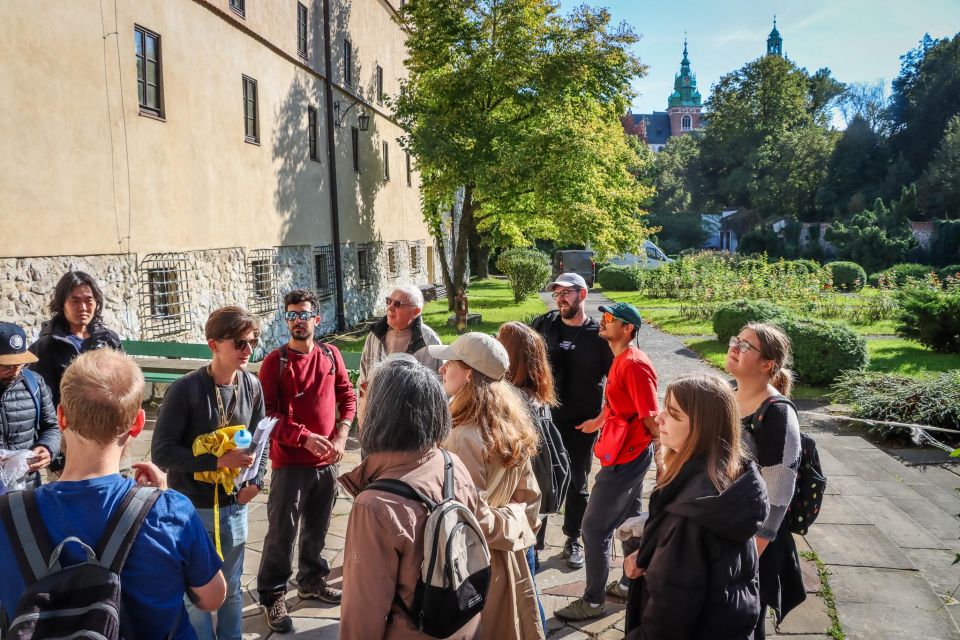
- Occupation traces on walls and streets that change how you look at the city
- Nazi prison cells and inscriptions that bring the victims’ voices into view
- Gestapo headquarters stop focused on how control worked in real life
- Stories of courage and resistance from ordinary people facing impossible choices
- Bomb shelters in Park Krakowski showing survival planning under threat
A 150-minute walk through Kraków’s occupation-era map
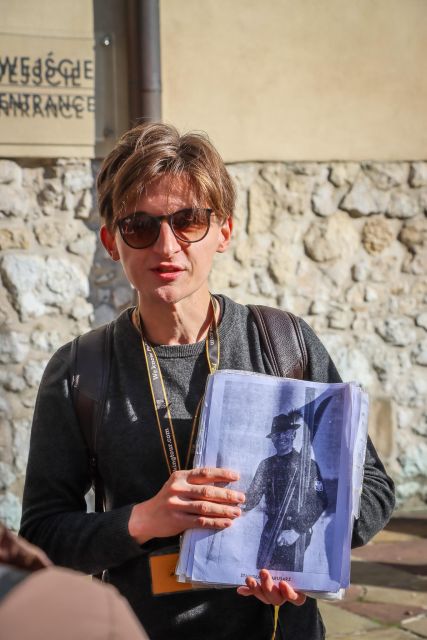
A lot of Kraków tours focus on beauty first. This one flips the order. You’ll still move through historic areas, but the guide steers your attention toward what WWII did to the city—how it reshaped daily life, fear, and power. Even if you’ve seen photos of Kraków’s old streets, you’ll start noticing different details by the time you’re partway through.
The tour lasts 150 minutes, which is long enough to make the story feel connected, but not so long that you’re slogging. It also helps you build a “chain of understanding”: occupation → repression tools → what people did to survive → how resistance showed up in real time. That structure is where the value lives. Instead of random WWII facts, you get a walk with cause-and-effect.
You’ll be on your feet through the central parts of Kraków, so wear comfortable shoes. And since snacks aren’t included, I’d bring a light plan for energy before you meet—especially if you’re going straight from another stop in the city.
You can also read our reviews of more walking tours in Krakow

Katyń wooden cross: where memory meets the street
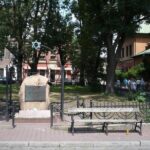
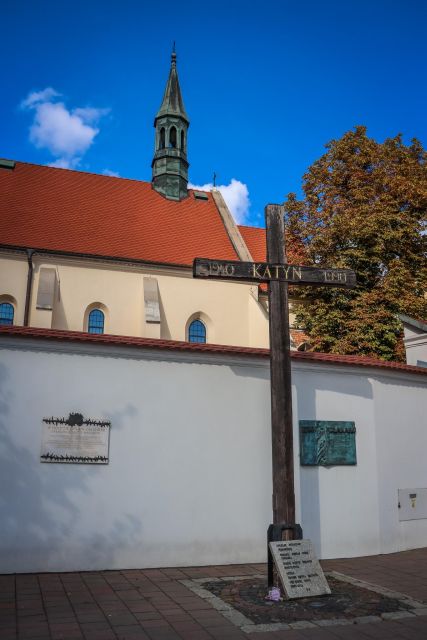
One early stop is the Katyń wooden cross. This type of marker matters because it turns a name from history into something you can point at while walking. You’re not stuck reading a plaque from a distance; you’re standing where the memory is presented in the city’s public space.
In tours like this, the guide’s job is to help you understand why a cross is more than a photo-op. Here, it acts like a pause in the route—a moment that signals grief, loss, and remembrance. If you care about how places carry meaning long after events end, this stop is a good way to reset your brain before you move into the darker sites.
If you’re sensitive to heavy WWII content, you might appreciate this first memorial-style moment. It gives the tour a human anchor before the walls and prisons start doing what they do.
St. Michael’s prison cells: the stop that changes the way you read walls
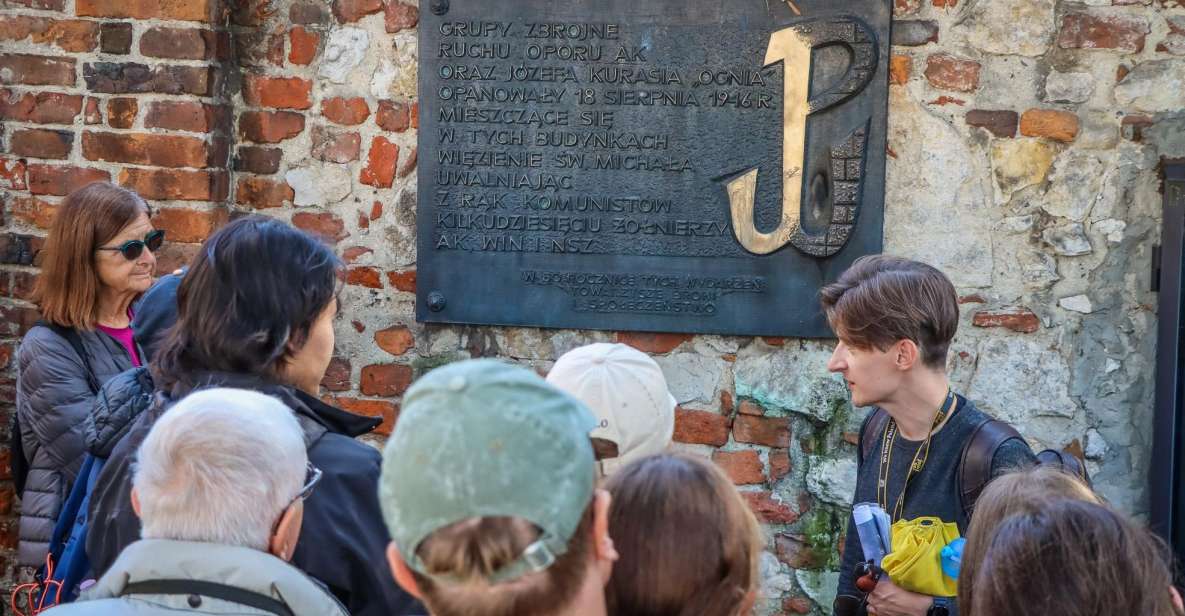
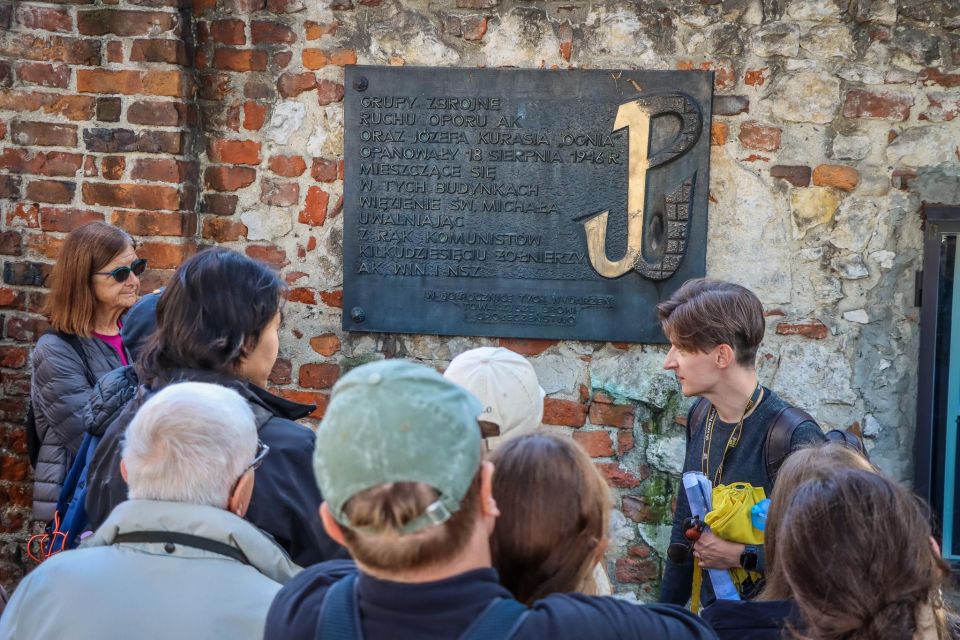
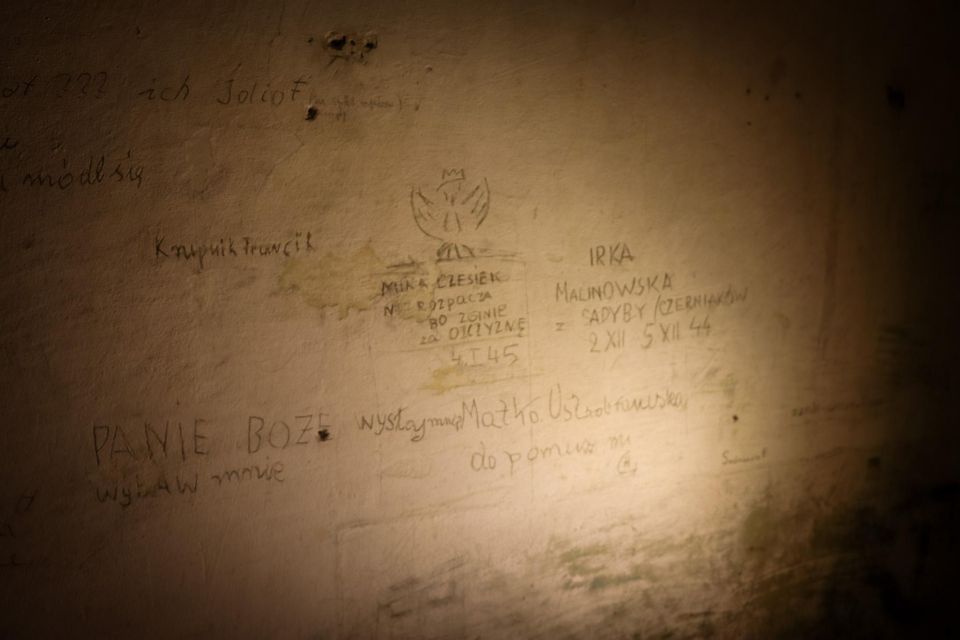
The most intense part of the experience is the prison segment, centered on St. Michael’s prison and the Nazi prison cells. This isn’t presented as a general “prison museum” visit. The tour is built around the traces left behind—especially the inscriptions victims wrote on walls.
That detail is crucial. In many WWII sites, you’re told what happened. Here, the point is closer to: you’re confronting words left by people who couldn’t speak freely. Seeing prison cells and then reading inscriptions pushes the story into your senses. It’s the moment when the tour’s theme—courage versus fear—turns physical.
There’s also a practical side. Prison sites can feel confusing if you’re just scanning the room. The guide’s narrative helps you understand what you’re looking at and why it mattered. This is where the “thoroughly constructed narrative” detail shows up in real terms: you’re not wandering. You’re following a line of meaning.
One consideration: because this stop is so emotionally direct, you might want to slow your pace and give yourself time to absorb. Don’t rush through photos. Let the inscriptions do their work first.
Gestapo headquarters: hearing how repression worked, not just that it happened
Next comes the stop at the Gestapo headquarters. This is another place where the tour avoids turning history into a checklist. Instead, you’ll hear stories that connect the architecture of control to the human reality of it.
What I like about this part of the walk is the focus on the machinery of repression—how the Nazi system used deadly tools and intimidation to repress victims. That’s a harder framing than simply learning names and dates. It helps you understand why “small decisions” could carry huge consequences—because when a regime is in charge, ordinary choices can become life-or-death.
The guide also balances the story with what the tour promises: not only the brutal officers of the system, but the ordinary people who faced it and, in some cases, rose up as silent heroes. Resistance isn’t only gunfire. In a city under pressure, resistance can take many forms, and the route tries to make that clear.
If you’re the type who likes to know how systems function, this stop will satisfy you. You’ll come away understanding the logic of fear, not just the outcomes of WWII.
Bomb shelters at Park Krakowski: survival planning you can picture
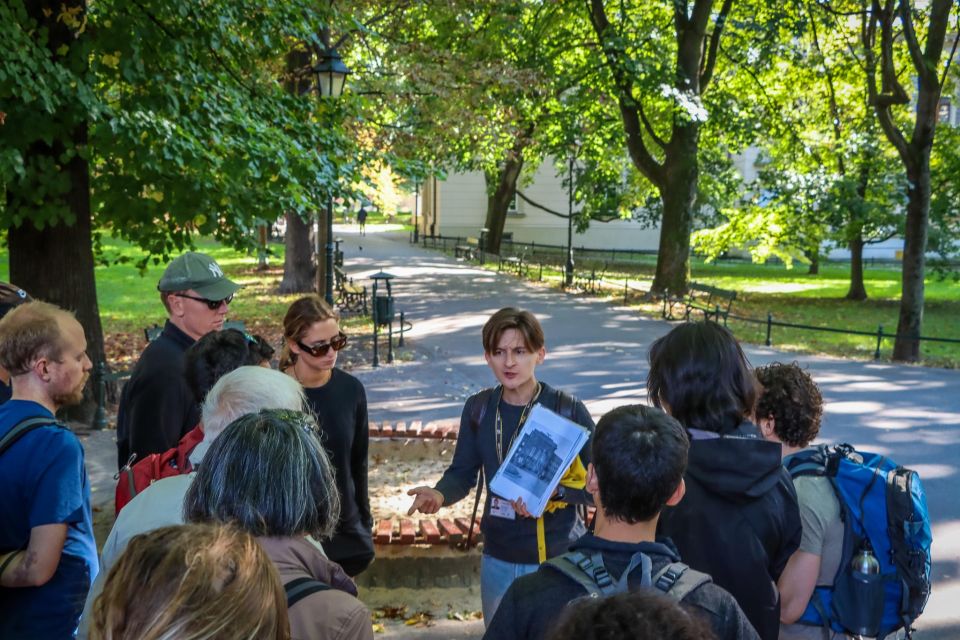
The final major site on the route is the bomb shelters in Park Krakowski. This stop provides a needed contrast. After prisons and headquarters, shelters bring you back to what fear looked like in everyday life—waiting, preparing, and coping with threat.
Even if you’ve read about bombings before, standing near shelters changes how the idea lands. You can think about the scale of the panic and the practicality of survival. The guide’s job here is to connect the shelters to the broader story you’ve been following: occupation reshapes life; repression controls people; war puts everyone in danger. Shelters are where that danger becomes concrete.
This is also a good stop for people who want WWII explained in a human way. It’s not only about power and cruelty. It’s about how people tried to protect themselves when the sky wasn’t predictable.
The guide experience: English storytelling with local feel and humour
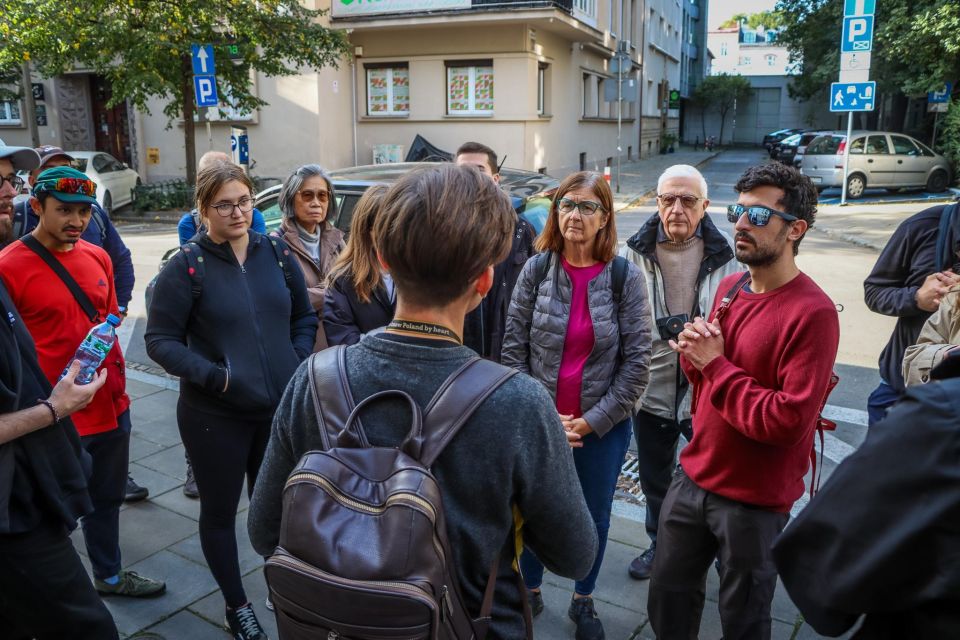
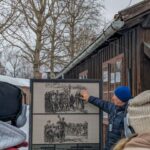
The quality of the guide is a huge part of why this tour works. The tour format is explicitly narrative—so you’re not just receiving facts. You’re following a guided storyline through key sites, and you’ll be challenged with difficult questions along the way, like what you might do under impossible pressure.
In the English guides, there’s a clear pattern in what’s praised: warmth, engagement, and a strong sense of local knowledge. Big Tomasz is one name that comes up as especially insightful, with humour that keeps the tone from becoming one-note, even when the topic is heavy. Tomasz is also mentioned for being passionate and very engaging.
That matters because WWII sites can become either too dry or too dramatic. A good guide keeps you grounded: serious where it must be serious, clear where it needs to be clear, and human where it helps you understand people.
Also, because the tour is English and live, you can ask questions if something doesn’t click. If you like having explanations tailored to your pace, this format is a strong fit.
Price and value: what $26 really buys you
At $26 per person for a 150-minute English tour, you’re not paying for a long transport plan or hotel pickup. You’re paying for a local guide and a structured narrative through specific WWII sites in Kraków. That’s good value if you care about meaning, not just scenery.
Here’s the value math that matters: you get multiple high-impact locations (Katyń wooden cross, St. Michael’s prison, Gestapo headquarters, bomb shelters) plus an intentional through-line. Many city tours are expensive because they pack in a lot of driving or extra attractions. This one earns the cost by using walking time well and directing attention at the places where history is physically visible.
One thing to know about your payment setup: the tour is part of a general pay-what-you-wish structure. In this case, what you pay covers the reservation fee and the guide’s payment. If you appreciate strong guiding, it can be worth aligning your reward with how much you gained from the storytelling and on-the-ground explanations.
Practical notes so you enjoy it instead of suffering through it
This tour starts from a precise location: the triangle square next to Wawel Hill, at the end of Grodzka street. Show up about 10 minutes early so you can get oriented without holding up the group or losing the first part of the narrative.
Bring the right mindset, not just the right shoes. Because the route includes Nazi prison cells and inscriptions left by victims, you’ll want a calm, respectful pace. If you rush, you’ll miss why the inscriptions and the walls matter.
Also plan your time buffer. It’s 150 minutes long, and you’ll be walking between key stops. If you’re trying to catch a train right after, build in extra margin so the tour doesn’t feel like it’s chasing a deadline.
Wheelchair accessibility is listed, so if you use a wheelchair, this option is designed to be doable. Still, it’s a walking tour, so check with the provider if you want any assurance about the exact route comfort level.
Who this WWII walking tour suits best
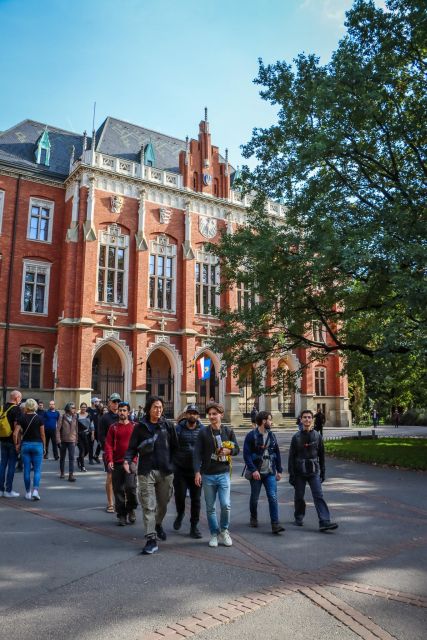
This tour is a great match if you:
- want WWII explained through places you can stand inside and look at
- like guided storytelling that ties together repression, fear, and resistance
- care about how memories stay in a city’s streets, not just in books
- prefer an English guide with local knowledge and human delivery
It’s also a solid choice for first-time visitors to Kraków who want one experience that goes beyond the usual highlights. You’ll leave with a changed way of seeing the city—less postcard, more memory.
Should you book World War II in Krakow Walking Tour in English?
I think you should book it if you want a focused, 150-minute route that connects the dots between occupation, repression, and resistance using specific WWII sites in Kraków. The biggest selling point is how the tour uses Nazi prison cells and wall inscriptions plus a narrative that asks tough questions about human choices.
Skip it (or go carefully) if you know you’re not up for intense historical material. This is emotional work, not light entertainment. And if you like relaxed, purely scenic tours, this one will feel heavier than you’re expecting.
If you can handle serious history and you want a clear, guided way to understand what Kraków endured, this tour is good value and a strong use of your time.
FAQ
Where is the meeting point for the World War II in Krakow Walking Tour?
The meeting point is triangle square next to Wawel Hill, at the end of Grodzka street.
How long is the tour, and when should I arrive?
The tour duration is 150 minutes. Please arrive at the meeting point 10 minutes before the activity starts.
What sites does the tour include?
You’ll see Katyń wooden cross, St. Michael’s prison, Gestapo headquarters, and bomb shelters (Park Krakowski).
Is the tour available in English, and is it wheelchair accessible?
Yes, the tour has a live English guide and the experience is listed as wheelchair accessible.
What’s included in the ticket price, and what’s not?
Included: an expert local tour guide and a thoroughly constructed narrative. Not included: hotel pickup and drop-off and snacks.
What are my booking options for payment and cancellation?
You can reserve now & pay later. There is free cancellation up to 24 hours in advance for a full refund.