REVIEW · KRAKOW
Polish Countryside and Tyniec Abbey Bike Tour from Krakow
Book on Viator →Operated by Cruising Krakow Bike Tours · Bookable on Viator
Monks, hills, and sunset views in one ride. This 4-hour Krakow bike tour threads the Vistula River, Wolski Forest, and the 11th-century Tyniec Abbey, with history connected to Pope John Paul II.
I love the real, hands-on feeling of the stops—Tyniec Abbey’s church and museum, plus monks chanting in Latin. I also love how the timing builds: you roll out of town first, then earn the views as the light turns golden-hour.
One possible drawback: the route has several stretches of riding with hills, so it’s best if you’re comfortable on a bike for longer segments. If your bike skills are rusty, that’s when the tougher parts can feel harder.
In This Review
- Key highlights before you pedal
- Krakow on two wheels: why this route works so well
- Meeting point on Sławkowska 6A and what’s included (and not)
- Rolling out along the Vistula River: smooth starts and John Paul II connections
- Tyniec Abbey: the oldest working monastery stop you can actually see
- Wolski Forest and the hillside fortress ruins: nature plus a bit of grit
- The former quarry lake viewpoint: why the John Paul II connection hits harder at sunset
- Pace, hills, and bike skills: how hard is it?
- Guides and group size: what you’re really paying for at $62.31
- Best for: who should book this and who should skip it
- Should you book the Polish Countryside and Tyniec Abbey Bike Tour?
- FAQ
- How long is the bike tour from Krakow?
- Where do I meet the guide, and where does the tour end?
- What’s included in the price?
- Is the tour in English?
- What should I wear for the monastery?
- How fit do I need to be?
- How big is the group?
- What happens if the weather is bad?
- Can I cancel for a full refund?
Key highlights before you pedal
- Poland’s oldest working monastery: Tyniec Abbey, with a church and museum visit
- Small group (max 15) keeps the ride calm and manageable
- Helmet + Trek bike included, plus an English-speaking professional guide
- River + forest variety: Vistula paths, then Wolski Forest and hillside fortress ruins
- Sunset photo finish at a former quarry lake tied to John Paul II during WWII
- Dress code inside the abbey: no bare shoulders, plan a light layer
Krakow on two wheels: why this route works so well
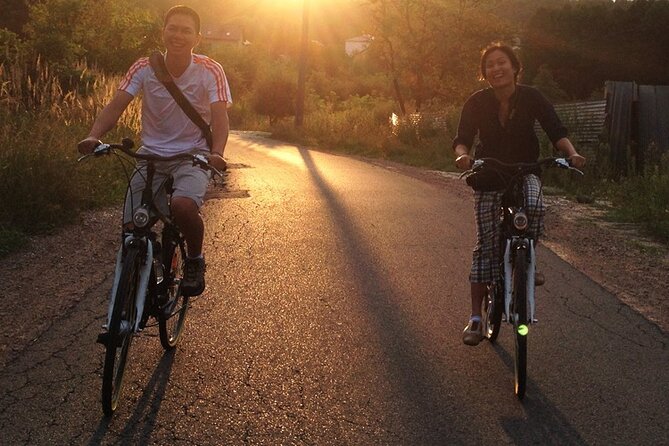
This is the kind of day trip that fixes one common Krakow problem: you want more than Old Town streets, but you don’t want to plan transport and timing all by yourself. The ride takes you out from the city center and strings together three things that travel days often separate—history, nature, and great views—without turning into a full-day marathon.
I like that the tour moves with purpose. You start in central Krakow, you follow the river south and west, and you work your way toward Tyniec Abbey before cycling farther through Wolski Forest. Even the stops feel like they lead to the next one rather than being random add-ons.
You can also read our reviews of more cycling tours in Krakow
Meeting point on Sławkowska 6A and what’s included (and not)
You’ll meet at Sławkowska 6A, 31-014 Kraków, and the tour ends back at the same place. Bikes and helmets are part of the deal, and you’ll ride a Trek bike with your guide.
The basics are handled. What you supply is the stuff tours can’t: food and drinks. There’s a planned chance to buy snacks at a riverside cafe, but you shouldn’t assume drinks are included, especially if you’re the type who likes water between climbs.
Also keep this in mind: the abbey visit has a strict rule—no bare shoulders. Bring a light top or layer so you don’t get stuck at the door deciding what counts as covered.
Rolling out along the Vistula River: smooth starts and John Paul II connections
After you meet your guide and get your helmet on, the ride begins by threading through Krakow streets. You’ll pass places connected to Pope John Paul II before you start heading alongside the Vistula River.
This part matters more than it sounds. River rides are often the easiest way to get your bearings fast—flatter momentum, open sightlines, and a clear sense that you’re leaving the center behind. It’s also a smart setup for the tougher moments later, because you’re warmed up before you climb.
Tyniec Abbey: the oldest working monastery stop you can actually see
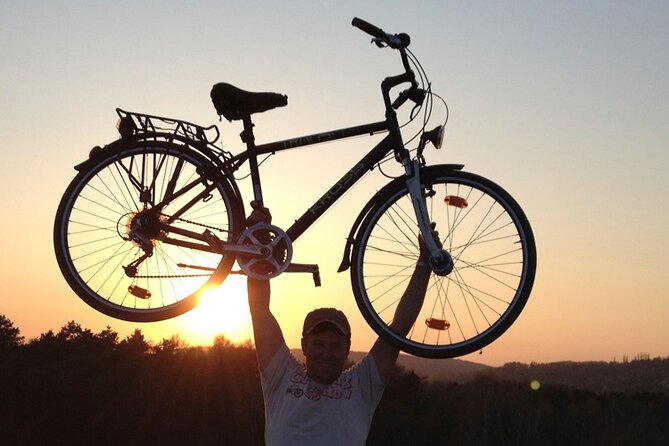
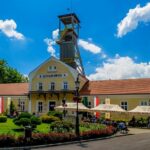
Tyniec Abbey is the main event, and it’s not just a photo stop. You’ll visit the abbey grounds tied to an early Benedictine tradition and spend about 45 minutes exploring the church and museum areas.
What makes it special is the living feel. You’re able to witness real monks chanting in Latin, which gives the visit weight in a way a typical museum visit can’t match. On the tour, you also learn about monastic daily life, not just dates and architecture.
You’ll also have time to slow down at the museum/church areas, then take a turn through the monastery shop. That’s where you can pick up products made by the monks—items like wine, oils, teas, and other gifts. It’s practical souvenir shopping that also ties back to how the abbey functions.
Practical heads-up: plan your clothes. With the no bare shoulders rule, a sleeveless top can become an accidental hassle. If you run warm, a thin cardigan or scarf-style cover usually solves it without ruining your day.
Wolski Forest and the hillside fortress ruins: nature plus a bit of grit
Once you’ve had your abbey moment, you shift into a different mode: cycling through Wolski Forest. This is where the tour balances out the dense history stop with something more open and outdoorsy.
Along the route, you pause to explore the ruins of a hillside fortress. Ruins are always more interesting when you’re moving through the terrain they once defended, and that’s exactly how this stop feels—you’re perched on the kind of high ground that would matter strategically. Even if you’re not a dedicated medieval-history person, the views from ruins tend to do the convincing for you.
The former quarry lake viewpoint: why the John Paul II connection hits harder at sunset
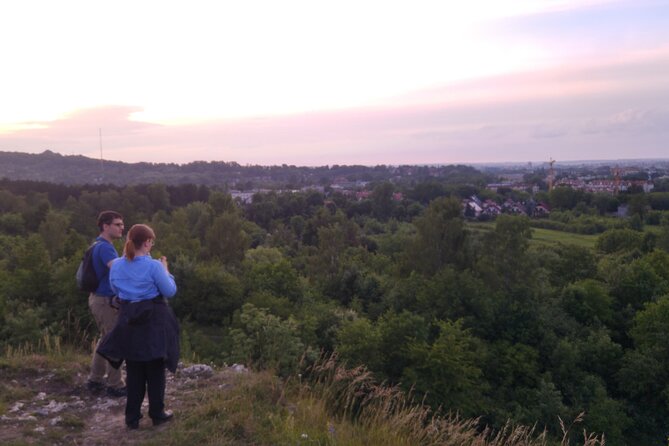
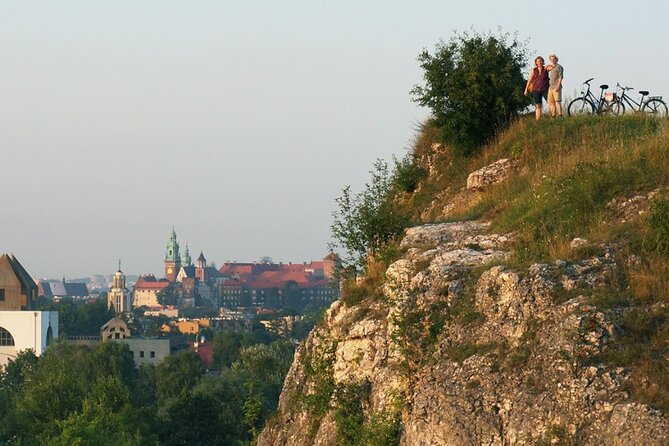
The final visual payoff comes near the end of the ride: a scenic lake area ringed by cliffs. The stop is tied to Pope John Paul II’s work during Poland’s Nazi occupation, and the setting turns that history into something you can feel, not just read.
This is where the timing is clutch. You’re encouraged to capture photos as the sun sets from the clifftops. That matters because the view from above changes fast—light, shadows, and the way Krakow looks from a distance. If you’re even a little into photography, you’ll probably want a few minutes to switch lenses, adjust settings, or just find a spot with the cleanest line of sight.
Then you ride back to your meeting point to close the loop.
Pace, hills, and bike skills: how hard is it?
This tour lists moderate physical fitness as the requirement. In real terms, that means you should be ready for longer stretches of riding and a few climbs.
One thing I’d take seriously: a participant noted that the overall route has several hills and that bike handling confidence matters. Another feedback point praised the ride as well-paced and organized, with guides clearly explaining what comes next—so you’re not surprised by a sudden turn or pitch change.
So here’s the honest take for planning: if you can handle a couple of short hills without stopping every few minutes, you’ll likely be fine. If you only ride casually and get nervous around hills, consider whether a different, flatter Krakow cycling option would fit better.
Guides and group size: what you’re really paying for at $62.31
The price is $62.31 per person for about 4 hours. For that, you get a professional guide, use of a Trek bike, and a helmet. Tyniec Abbey is scheduled as 45 minutes with admission listed as free for that stop, which helps the value story.
I also like that the group cap is 15 travelers. Smaller groups tend to mean less waiting, fewer bottlenecks on paths, and more attention when someone needs extra help. You’ll see this reflected in guide feedback—people praised how guides like Chris, Tom, and Mike kept the information relevant, stayed patient, and helped riders feel comfortable with the route.
Is it a bargain? For a guided day that includes a proper countryside detour, the monastery visit, and a meaningful viewpoint finish, it compares well. The main cost you add is personal: snacks, drinks, and any abbey-shop purchases.
Best for: who should book this and who should skip it
This ride is a strong fit if you want a change of pace from Old Town and you’d rather pedal into the countryside than wait for a bus. It’s also ideal if you like history that’s connected to places you can walk around—especially when the stop includes monastic chanting and a working shop.
You should probably think twice if:
- You want mostly flat, easy riding.
- You’re uncomfortable on bikes for longer distances.
- You don’t want to deal with a dress rule at the monastery (no bare shoulders).
Should you book the Polish Countryside and Tyniec Abbey Bike Tour?
I’d book it if you want an efficient, high-value half-day that turns Krakow into a bigger story than just the center. The mix is the selling point: river cycling, a working monastery visit with Latin chants, forest time, and a sunset viewpoint tied to John Paul II.
Book it sooner rather than later if your schedule is tight—this tour is typically reserved about 37 days in advance. And on the day, wear something that lets you pass the monastery dress rule without stress, and bring a water bottle even if you plan to stop for snacks.
If you’re comfortable with a moderate level of hills and want a guided route that keeps you moving, this is a smart way to see the countryside without the hassle of planning it yourself.
FAQ
How long is the bike tour from Krakow?
The tour runs for about 4 hours.
Where do I meet the guide, and where does the tour end?
You meet at Sławkowska 6A, 31-014 Kraków, Poland, and the tour ends back at the same meeting point.
What’s included in the price?
The tour includes a professional guide, a Trek bike, and a helmet. Food and drinks are not included.
Is the tour in English?
Yes, it’s offered in English.
What should I wear for the monastery?
No bare shoulders are allowed in the monastery, so plan to cover up accordingly.
How fit do I need to be?
The tour is listed for moderate physical fitness, and there are hills on the route.
How big is the group?
The maximum group size is 15 travelers.
What happens if the weather is bad?
The experience requires good weather. If it’s canceled due to poor weather, you’ll be offered a different date or a full refund.
Can I cancel for a full refund?
Yes. You can cancel up to 24 hours in advance for a full refund.