REVIEW · KRAKOW
Auschwitz-Birkenau Memorial Entrance Ticket and Guided Tour
Book on Viator →Operated by DISCOVER CRACOW · Bookable on Viator
One gate. Two camps. Lifelong lessons. This Auschwitz-Birkenau experience is a UNESCO-listed day trip with a guided tour that helps you understand what you’re seeing, not just stare at it. You’ll start at Auschwitz I and then head to Birkenau for the broader, darker story of how the camp system operated.
I especially like the way the tour structures your visit: you get the full Auschwitz I entry experience first, including the gate area and the meaning behind what’s written there. The second stop, Birkenau, is where scale hits you—this is where you see why the machinery of persecution could function at that vast level.
One thing to keep in mind: departure times can shift based on guide availability, and the tour is non-refundable if you cancel or change plans. If you’re on a tight schedule, plan extra cushion.
In This Review
- Key highlights to know before you go
- Auschwitz I: Arbeit Macht Frei and the first hard lesson
- Auschwitz I details you won’t get from postcards
- Birkenau (Auschwitz II) in Brzezinka: where scale hits
- The rhythm of your day: timing and what “4 to 8 hours” really means
- Price and value: what your $36 includes
- Group size and the human pace of a memorial visit
- What to pack for comfort (so you can handle the day)
- Emotional impact: how to do this without burning out
- Should you book this Auschwitz-Birkenau guided tour from Krakow?
- FAQ
- How long is the Auschwitz-Birkenau Memorial tour?
- What’s included in the price?
- Do I need to buy tickets separately?
- Is food included?
- Do I need to bring ID or a passport?
- Will the departure time definitely be the same?
- How big is the group?
- Is it easy to get to the meeting area?
- What if I cancel?
- Who runs the experience?
Key highlights to know before you go
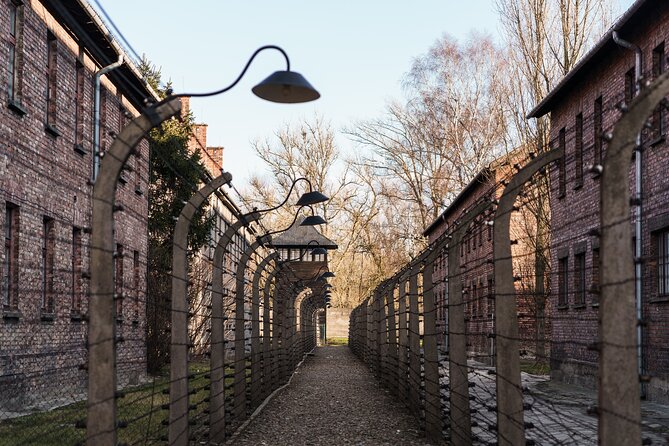
- Arbeit Macht Frei at Auschwitz I: you enter through the gate and get context on what it meant in the camp system
- A two-stop route: Auschwitz I first, then Birkenau (Auschwitz II) about three kilometers away
- Professional museum guide: you’re not left to read labels alone inside the prison blocks and grounds
- Original elements preserved: you’ll see things like fences, watchtowers, and parts of the original layout
- Smallish group size: capped at 30 travelers, which usually means fewer bottlenecks at security
Auschwitz I: Arbeit Macht Frei and the first hard lesson
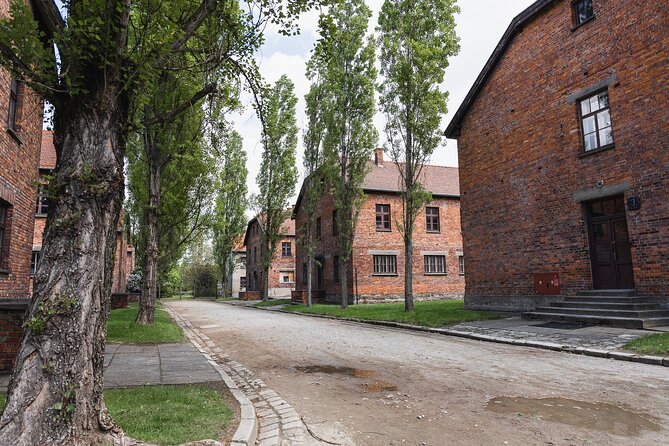
Auschwitz is not the kind of place where you want to rush in and hope it makes sense later. The value of a guided visit is that it turns your confusion into understanding while you’re still in the right places to connect the story. From the start, the tour emphasizes remembrance and why tolerance matters—because the point isn’t just to learn dates, it’s to learn what allowed this to happen.
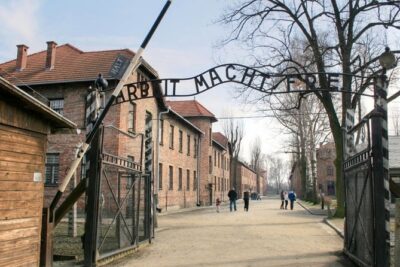
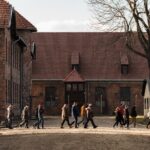
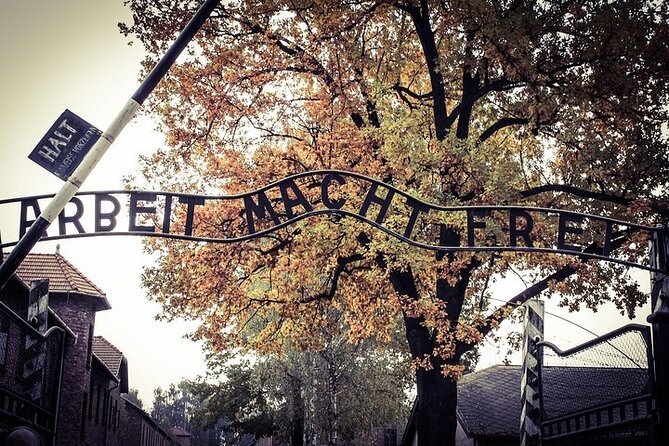
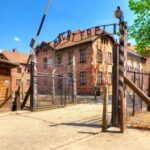
You’ll be met by a professional guide and enter Auschwitz I through the main gate. The inscription Arbeit Macht Frei is right there in front of you, and the guide’s job is to explain what that phrase did psychologically in the Nazi system—something like a cruel promise taped over real brutality. It’s one of those details that’s easy to miss if you’re doing it on your own.
After you get through the entrance process, you walk in the camp’s core areas with the guide leading the timeline. The Auschwitz complex began in 1940, originally using old Polish army barracks and holding Polish political prisoners and other groups. The tour stays focused on how the camp evolved and how the prisoner population included Jewish people as well as Polish, Italian, and French prisoners over time.
You can also read our reviews of more tours and experiences in Krakow


Auschwitz I details you won’t get from postcards
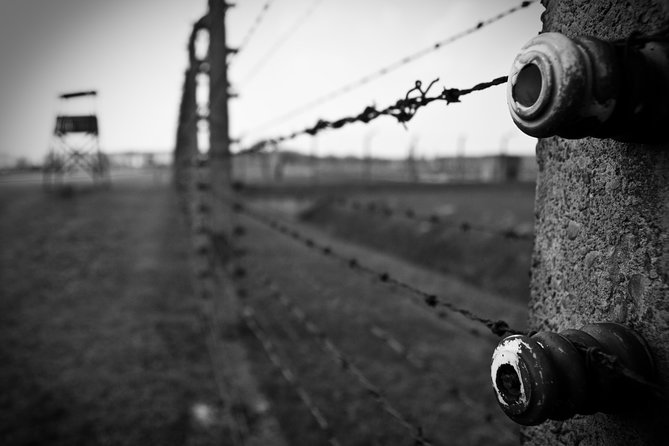
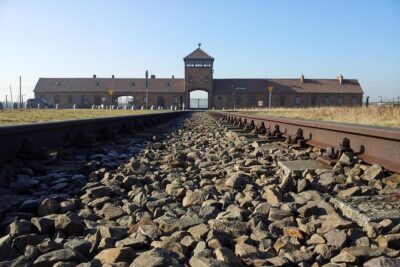
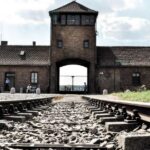
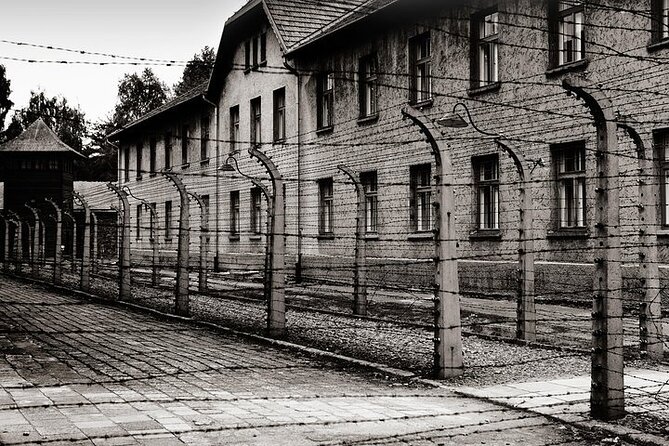
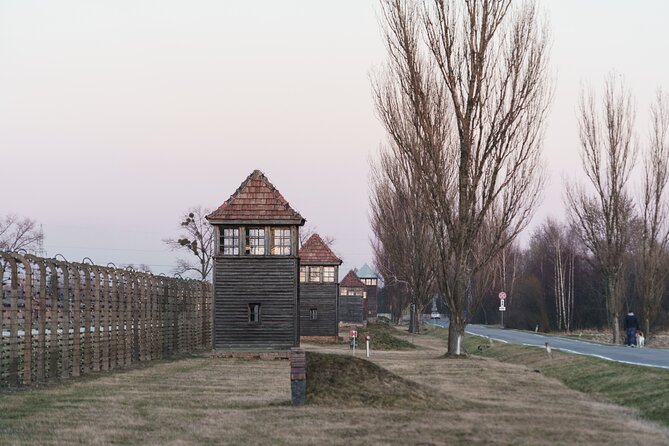
Auschwitz I is where you start to understand the system at an administrative and prison-block level. The tour notes that you’ll see original structures and layout elements, including the roads, fences, watchtowers, and even the railway connection points used to bring people in. Those pieces matter because the camp wasn’t built as a single symbol—it was built as an efficient environment for control.
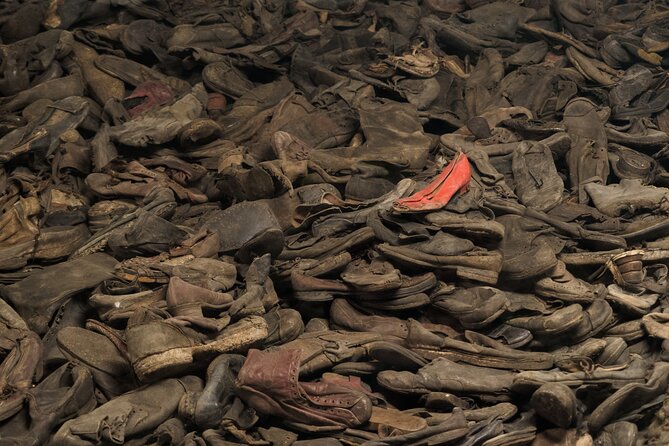
One of the most sobering figures the tour highlights is the scale of death. More than 1.5 million people were brought to the Auschwitz complex, and about 1.1 million were exterminated as part of the largest genocide in human history. That number is shocking on paper, but inside the preserved space it lands differently—because you’re standing where decisions were carried out.
The guided format also helps you pace the emotional weight. Prison blocks and exhibits can feel like they’re stacking up too fast. With a guide, you get signposts: what to look at now, what the next area is proving, and how the story connects without turning the visit into a random walk.
Birkenau (Auschwitz II) in Brzezinka: where scale hits
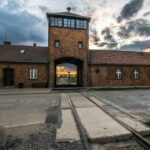
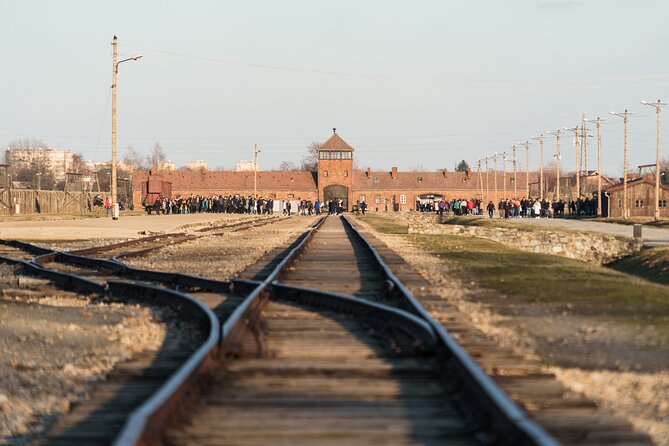
Then you go to Brzezinka, also known as Auschwitz II, the larger camp area of the Auschwitz network. The tour keeps the distance practical: Birkenau is about three kilometers from Auschwitz I. The move itself helps your brain shift from a prison-camp entry story to the broader camp-within-a-camp story.
Birkenau was originally planned for Soviet prisoners of war, but it shifted toward becoming a concentration and extermination center for prisoners of different nationalities. Construction began around October 1941, using slave laborers in a place where a mostly demolished village stood. That detail matters, because it underscores that the camp didn’t appear magically; it replaced a real community.
The tour notes that Birkenau was designed to hold 125,000 prisoners at one time—and the practical reality was that many were destined to die from cold, hunger, disease, and exhaustion. The guide’s interpretation is important here. If you only walk, you can get lost in the emptiness and rows. With commentary, the emptiness becomes readable as design: space arranged to process, confine, and destroy.
You’ll see the living conditions described as unimaginable, and you’ll understand why the camp relied on terror and constant replacement of people with forced labor and forced survival. This is also where many visitors feel the emotional weight most strongly, so I’d suggest staying with the guide’s pacing and not rushing your own questions.
The rhythm of your day: timing and what “4 to 8 hours” really means
Your day trip is listed at 4 to 8 hours, with Auschwitz I taking about 1 hour 45 minutes and Birkenau about 1 hour 30 minutes. That adds up to a lot of time inside the sites, plus the real-life time for pickup, transit, and security. In other words, don’t plan to hop into lunch plans across town right after.
You’re picked up and dropped off in Krakow city centre, and transport is by an air-conditioned vehicle. That’s a comfort win, especially if you’re visiting during colder months or the day starts early. One review also mentioned a short film shown on the ride that set the scene for liberation—whether it’s shown on your departure or not, the idea is to help you mentally prepare before you step onto the grounds.
Departure time can change due to availability of guides at the museum, and that change is not eligible for a refund. So if you’re catching a flight, train, or an event the same day, build in cushion. This isn’t the tour to treat like a flexible museum stop.
Price and value: what your $36 includes
At $36, the value depends on what you’d otherwise pay for: admission, a real guide, and transport.
Here’s what’s included:
- Pickup and drop-off to Krakow city centre
- A professional guide at Auschwitz-Birkenau National Museum
- Air-conditioned vehicle transport
- All fees and taxes
- Admission is included at Auschwitz I (and the Birkenau segment is listed as admission free)
So you’re paying for the hard parts: getting you there smoothly and giving you a guided interpretation in two major sections. If you try to do this on your own, you’d still spend time sorting tickets, timing, and transport—and you’d likely lose the narrative structure that makes the visit coherent.
Food is the one notable gap: food and drinks are not included. You’ll want to plan snacks or a packed meal. One reviewer specifically mentioned buying a pack lunch offered on the tour, which suggests there may be some meal option depending on your departure. Still, don’t count on it—bring your own just in case.
You can also read our reviews of more guided tours in Krakow
Group size and the human pace of a memorial visit
The tour caps at 30 travelers, which matters more than it sounds. Larger groups can turn a guided visit into a moving line. A cap like this typically helps the guide keep control of timing, gives you a chance to follow explanations, and reduces the stress of constant crowd jostling in tight areas.
That said, this is a memorial site, not a sightseeing attraction. Even with a smaller group, expect quiet moments, slow movement, and a strong atmosphere. If you’re sensitive to crowds, go in knowing you may need a minute here and there. The guide’s job includes steering you through without making it feel like a performance.
Also note: you’re asked to bring an ID or passport because security checks ask about it before entrance. That’s not a suggestion. Bring it.
What to pack for comfort (so you can handle the day)
Because this is a long day with time outside, comfort is not fluff—it’s what lets you focus. Wear layers. Even if the day looks mild when you leave Krakow, conditions can shift once you’re at the site for extended walking.
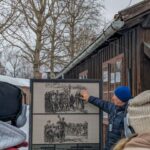
A practical tip from a January visit: wrap up well. Cold weather is real here, and you don’t want your body distracting you from what you’re meant to understand. Pack accordingly:
- warm layers and a hat if it’s chilly
- gloves if you get cold hands easily
- water and simple snacks since food/drinks aren’t included
If you’re bringing a small bag, keep it light. Security lines move faster when you’re not digging for items.
Emotional impact: how to do this without burning out
Let’s be honest: you don’t “enjoy” Auschwitz in the normal travel sense. You learn, you witness, and it stays with you. The best version of this day isn’t the one where you see everything as fast as possible—it’s the one where you absorb what the guide points to and still have enough mental space to process.
A guided tour helps because it prevents you from treating the memorial like a checklist. You’ll move through exhibits and prison blocks with explanations that connect the camp’s operation, prisoner experience, and the reasons remembrance matters. You also get the Auschwitz I to Birkenau progression, which helps you understand how the system scaled up.
If you find yourself overwhelmed, pause. Stand with the guide’s pacing instead of pushing ahead. A minute of stillness can be more useful than forcing yourself to keep moving.
Should you book this Auschwitz-Birkenau guided tour from Krakow?
Yes, if you want a structured, respectful visit with real interpretation. At $36 with pickup/drop-off and a museum guide, it’s good value, especially compared with the effort of trying to coordinate transport and meaning on your own.
Book it if:
- you want to understand what you’re seeing, not just look at it
- you’re okay with a long day and heavy emotional content
- you can bring ID/passport for security
Skip it (or at least get extra flexible with your schedule) if:
- you’re trying to fit Auschwitz into a tight itinerary without buffer time, since departure time may shift
- you hate cold-weather walking and don’t plan layers
FAQ
How long is the Auschwitz-Birkenau Memorial tour?
The experience is listed at about 4 to 8 hours total. Auschwitz I is about 1 hour 45 minutes, and Birkenau is about 1 hour 30 minutes.
What’s included in the price?
The price includes pickup and drop-off in Krakow city centre, a professional guide at Auschwitz-Birkenau National Museum, air-conditioned transport, and all fees and taxes. Admission is included for Auschwitz I, and the Birkenau part is listed as admission free.
Do I need to buy tickets separately?
You don’t need to buy tickets for this tour’s Auschwitz I admission since it’s included. The Birkenau segment is listed with admission free.
Is food included?
No. Food and drinks are not included.
Do I need to bring ID or a passport?
Yes. The tour notes that security will ask about ID or passport before entrance.
Will the departure time definitely be the same?
The departure time may change based on availability of guides at the museum, and changes do not qualify for a refund.
How big is the group?
This tour has a maximum of 30 travelers.
Is it easy to get to the meeting area?
The tour is described as being near public transportation.
What if I cancel?
This experience is listed as non-refundable and cannot be changed for any reason.
Who runs the experience?
The provider is DISCOVER CRACOW.