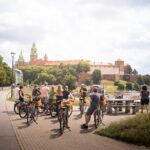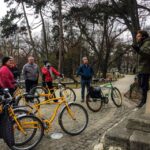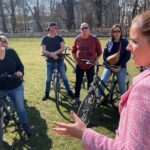
One small-group bike ride can turn Krakow into a place you understand. This tour links two key neighborhoods—Kazimierz and Podgórze—so you don’t just see sights, you get the context to place them.
I especially like the small group size (up to 15), and I also like the way the guide anchors the stop in real-world storytelling, including a short intro tied to Schindler’s List. The only real drawback to keep in mind is that the themes in Podgórze are serious and heavy, and you’ll be cycling for part of the 3-hour experience.
In This Review
- Key things that make this Hidden Krakow Bike Tour work
- Why this bike tour is a smart way to understand Krakow
- Meeting point on Józefa Dietla: easy start, simple finish
- Stop 1 in Kazimierz: Skalka basilica and a Schindler’s List bridge
- What to watch for at Skalka basilica
- Podgórze and the WWII Jewish ghetto sites: the heart of the tour
- Why these stops matter (and what they teach you)
- A note on tone
- The bike experience: comfortable, safe, and built for a mixed group
- English-led storytelling: how the guide makes the places click
- Price and value: what $39.32 buys you in real terms
- Timing and pacing: the 15-minute start that sets up the rest
- Who should book Hidden Krakow Bike Tour
- Should you book it?
- FAQ
- Where does the tour start and end?
- What time does the tour start?
- How long is the Hidden Krakow Bike Tour?
- How much does the tour cost?
- Is the tour offered in English?
- How large is the group?
- What stops are included?
- Is there admission cost for the stops?
- What is the cancellation policy?
- When do people usually book this tour?
Key things that make this Hidden Krakow Bike Tour work
- Up to 15 people keeps the ride calm and questions easy to ask.
- Kazimierz + Podgórze gives you both neighborhoods that shape modern Krakow’s identity.
- Schindler’s List context helps you connect a familiar film to the real places.
- Podgórze WWII stops include Ghetto Heroes Square, a remnant of the wall, and a resistance headquarters.
- Short, efficient timing: about 15 minutes at Kazimierz, then most of the time in Podgórze.
- Bike-friendly pace: the experience is designed for “most travelers,” with comfortable, easy riding mentioned in reviews.
Why this bike tour is a smart way to understand Krakow
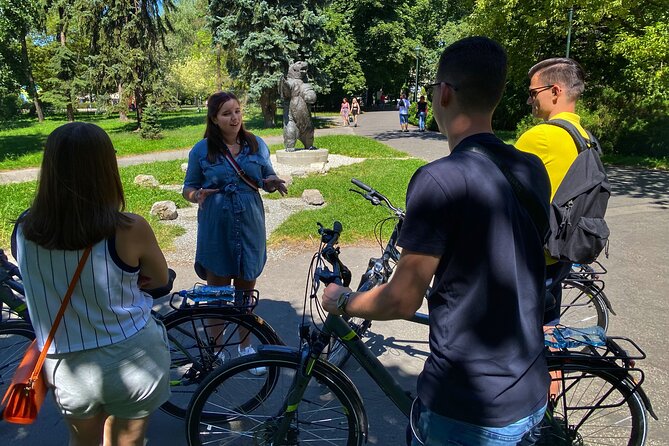
Krakow can feel like it has too many layers. Beautiful old squares, then the heavy parts you can’t ignore, then modern life moving right past it. Cycling through the city helps because you get a sense of flow: places don’t sit in isolation. They’re connected by streets, neighborhoods, and how people lived from day to day.
This tour is also built for clarity. It’s not a long, wandering day where you forget why you went in the first place. It’s about getting bearings fast and learning the meaning behind what you see. And because it’s in English, you’re not stuck piecing together clues on your own.
The ride format matters in a city like Krakow. Even with a short duration (about 3 hours), you cover more ground than a pure walking tour, without the fatigue that sometimes comes with long distances. Reviews highlight that the bikes feel comfortable, easy to ride, and safe—exactly what you want when you’re focused on history, not fighting the handlebars.
You can also read our reviews of more cycling tours in Krakow
Meeting point on Józefa Dietla: easy start, simple finish
The tour starts and ends back at the meeting point: Józefa Dietla 59, 31-054 Kraków, Poland, with a 2:00 pm start time. That round-trip setup is practical. You don’t have to plan how to get back to a different neighborhood.
It also helps that the meeting area is listed as near public transportation. In plain terms: you can show up without turning your day into a logistics puzzle. You’ll also use a mobile ticket, which is usually the fastest way to check in and avoid paper hassles.
One more practical note: the experience provider lists a maximum group size of 15 travelers. Smaller groups can mean a better pace match and a more conversational guide—more of a guided ride than a lecture you’re stuck listening to.
Stop 1 in Kazimierz: Skalka basilica and a Schindler’s List bridge
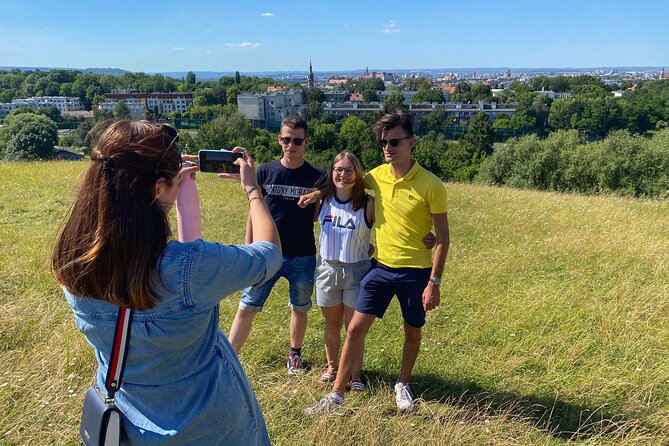
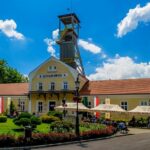
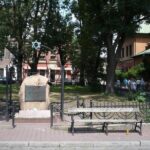
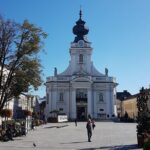
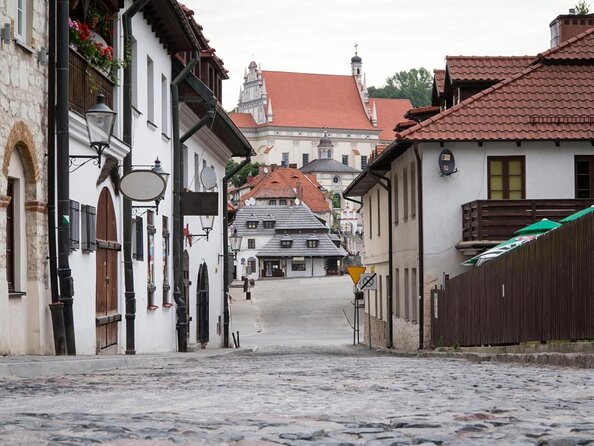
Kazimierz is one of those Krakow neighborhoods where the streets feel lived-in, not staged. This first stop is centered on Skalka basilica, and you’ll get a short introduction connected to the film Schindler’s List.
That pairing is a smart teaching move. You may already know the film, even if you haven’t visited the specific places. The guide’s job here is to turn your existing memory into a map. You’re not just hearing plot points. You’re being told what to notice when you look at the real setting.
How long is it? The listed time for this first stop is 15 minutes, with admission ticket free. So think of it as a quick orientation moment. You’re not going to get a museum deep dive here. You’re getting a starting point for the deeper WWII focus that comes next.
What to watch for at Skalka basilica
Because your time is short, it helps to be ready to pay attention. I’d focus on two things:
- How the guide frames the neighborhood before the ghetto segment
- What visual cues the guide points out so the next stops make sense
If you like tours where you can keep moving, this structure fits you. If you prefer long stops for photography and lingering, you may find this first moment a bit brisk. Still, it sets you up well for the heavier subject that follows.
Podgórze and the WWII Jewish ghetto sites: the heart of the tour
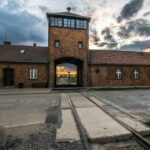
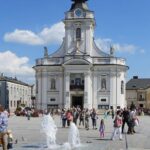
After Kazimierz, the tour shifts into Podgórze, which is where the story turns sharply toward World War II. The tour covers the Jewish ghetto in WWII and includes several specific locations tied to wartime life and resistance.
You’ll spend most of your time here (the tour runs about 3 hours total, with Kazimierz taking about 15 minutes). The Podgórze stop is listed as 2 hours 45 minutes, and that’s where the main learning happens.
Key Podgórze locations you’ll see include:
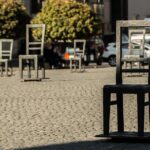
- Ghetto Heroes Square
- A remnant of the wall around the ghetto
- The former headquarters of the resistance
All of these are listed with admission ticket free, so you’re not paying extra to walk up to the places themselves. For many people, that’s a big part of the value: you get meaningful context without adding “surprise” ticket costs.
Why these stops matter (and what they teach you)
These locations aren’t chosen at random. They’re grouped to show a timeline and different parts of the experience:
- Ghetto Heroes Square grounds you in remembrance and collective memory.
- The wall remnant gives you physical scale—what “restriction” looks like when you stand near it.
- Former headquarters of the resistance shifts the focus from only victimhood to human agency and action, where people organized despite impossible conditions.
That combination can help your brain hold the story in one piece instead of as scattered facts. It also tends to make the tour feel more than sightseeing. You’re learning why these exact sites survived in the city’s layout.
A note on tone
This is not a light ride. The subject matter is serious. If you’re the type who wants humor or detours, you might feel the emotional weight more than on a typical highlights tour. On the other hand, if you want to understand Krakow beyond postcards, this is the section that delivers.
The bike experience: comfortable, safe, and built for a mixed group
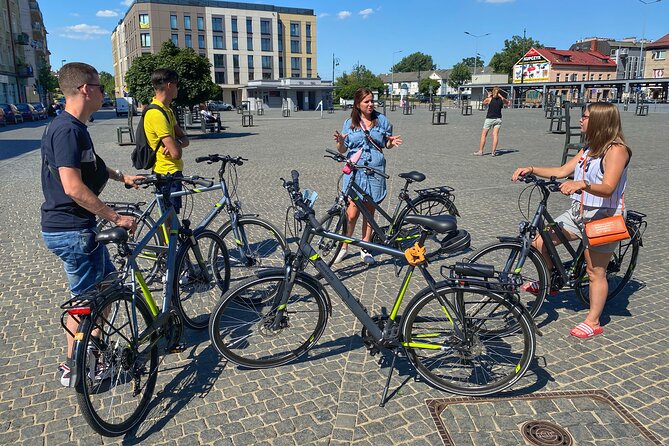
A tour like this lives or dies by the bike setup. You’re learning history, so you can’t be worrying about gears, balance, or safety. Reviews are very consistent about the practical side:
- bikes are comfortable
- the ride is easy
- people feel safe
- it works well for a small group
That last point matters more than it sounds. With only up to 15 people, it’s easier for the guide to manage pace and regroup when needed. In a city, that can mean fewer stressful moments and more time watching what’s important.
It also helps that the tour is listed as suitable for most travelers. That doesn’t mean it’s effortless for everyone, but it does mean the operator expects it to work for a broad range of riders. If you’re uneasy on a bike, ask yourself honestly how you handle short rides at home.
English-led storytelling: how the guide makes the places click
The tour is offered in English, which is essential for a history-focused itinerary. But the bigger point is how the guide uses context, not just facts.
One review mentions Bram Hoffman and praises the tour as informative and fun. Another review mentions Nikki and highlights learning about WWII and communism. That mix matters because Krakow’s 20th-century story doesn’t end in 1945. It shifts. You’ll likely get a sense of how later political life ties back into what you’re seeing.
Even when the tour stays short, this kind of guiding style helps you avoid the trap of forgetting everything five minutes after the stop. You remember because you understand the “why” behind the “what.”
If you love tours where you can ask questions and get a human explanation, a small group and English guide will fit you better than a large bus-style format.
Price and value: what $39.32 buys you in real terms
At $39.32 per person for about 3 hours, this is priced like a practical orientation tour rather than a premium museum day. And that’s not a knock. For many visitors, value is about efficiency: you want meaningful content, easy logistics, and no extra ticket maze.
Here’s what you get for the money based on the provided details:
- A structured route across key neighborhoods
- English guidance
- Up to 15 people (which usually improves the experience)
- Bike transport as part of the tour
- Stops where admission is free at the listed locations
Also, this tour tends to book ahead—listed as on average booked 14 days in advance. That suggests it’s popular with people who want a solid plan without overcommitting time.
Is it worth it? If you’re someone who enjoys learning while moving and you want an organized way to tackle WWII sites without feeling lost, this price makes sense. If you hate cycling or you only want very long, detailed stops, you might prefer a walking tour or a private option.
Timing and pacing: the 15-minute start that sets up the rest
The schedule is tight in a good way: about 15 minutes at Skalka basilica, then the majority of the tour in Podgórze.
This pacing helps in two ways:
- You get context early, so the later stops feel connected.
- You don’t spend half the day slowly transitioning between neighborhoods.
The tradeoff is that you don’t have much slack. So if you’re the type who stops to take ten photos at every corner, plan to be selective. The tour is designed for momentum.
The good news: reviews mention the tour is enjoyable and fun, not rushed in a chaotic way. That’s the sweet spot—structured, but not frantic.
Who should book Hidden Krakow Bike Tour
You’ll probably love this if:
- you want a short but meaningful Krakow day
- you’re interested in WWII sites and the Jewish history of Krakow’s neighborhoods
- you like explanations that connect film and real places
- you prefer a small group and comfortable biking
You might think twice if:
- you’re not comfortable riding a bike for part of the tour
- you want a lighter, purely “highlights” vibe (this isn’t that)
- you need long time at each location to absorb quietly
Should you book it?
If your goal is to understand Krakow’s core neighborhoods in a few hours—and you’re okay with serious historical themes—this is an easy yes. The combination of a small group, English storytelling, and specific WWII stops with free admission makes it strong value. And the guide names mentioned in reviews—like Bram Hoffman and Nikki—hint at a style that’s both informative and genuinely engaging.
My only hesitation for some readers is the subject matter. If you want an upbeat afternoon with only light sightseeing, this won’t match that mood. But if you’re ready to learn where Krakow’s story changed, the bike format keeps you moving while the guidance keeps you grounded.
FAQ
Where does the tour start and end?
The tour starts at Józefa Dietla 59, 31-054 Kraków, Poland and ends back at the same meeting point.
What time does the tour start?
The listed start time is 2:00 pm.
How long is the Hidden Krakow Bike Tour?
It runs for about 3 hours.
How much does the tour cost?
The price is $39.32 per person.
Is the tour offered in English?
Yes, it’s offered in English.
How large is the group?
The tour has a maximum of 15 travelers.
What stops are included?
The route includes Kazimierz (with Skalka basilica and a short intro tied to Schindler’s List) and Podgórze, focused on WWII ghetto locations including Ghetto Heroes Square, a remnant of the wall, and the former headquarters of the resistance.
Is there admission cost for the stops?
The listed stops include admission ticket free entries.
What is the cancellation policy?
You can cancel for a full refund if you cancel at least 24 hours before the experience’s start time. Free cancellation is available up to that cutoff, based on local time.
When do people usually book this tour?
On average, it’s booked about 14 days in advance.