REVIEW · KRAKOW
Jewish Krakow Walking Tour in English
Book on GetYourGuide →Operated by Walkative Tours · Bookable on GetYourGuide
Krakow tells its Jewish story on foot. This 150-minute walking tour takes you through Kazimierz and Podgórze, where you’ll learn how a major Jewish center formed, suffered, and then started rebuilding. It’s heavy material, but the way it’s told is clear and human.
I like two things a lot: the tour’s well-paced story and the way the guide ties places to real lived events. I also love that you’re not just scanning monuments—you’re learning what survived, including the fact that seven historic synagogues remain in the area.
One thing to consider: you’ll be walking on old streets (often cobblestones), and the tour can run a bit long if you’re sensitive to long stretches or the subject matter hits hard. Also, I recommend having a plan for getting back at the end, since some finishes aren’t right where you started.
In This Review
- Key Things You’ll Notice on This Krakow Jewish Quarter Walk
- Getting Oriented at the Old Synagogue Stairs
- Seven Synagogues and Why Their Survival Matters
- Kazimierz: Where the Story Starts Before the War
- Podgórze and the Former WWII Ghetto Ground (1941–1943)
- The Tour Pace and the Midway Coffee Break
- Guides That Make the Neighborhood Feel Understandable
- Price and Value: What $26 Covers—and What You Might Still Want to Do
- Comfort Tips: Cobblestones, Weather, and How to Plan Your Finish
- Who Should Book This Jewish Krakow Walking Tour
- Should You Book This Jewish Krakow Walking Tour?
- FAQ
- How long is the Jewish Krakow walking tour?
- How much does the tour cost?
- Is the tour offered in English?
- Where do I meet the guide?
- What is included in the price?
- What is not included?
- Is there free cancellation or a pay-later option?
Key Things You’ll Notice on This Krakow Jewish Quarter Walk
- Seven synagogues still shaping the neighborhood today
- Kazimierz context: life before the war, then what changed
- Podgórze ghetto ground: the tragedy told through real locations
- A structured narrative rather than random stops
- A midway coffee break, including the chance to warm up with something local
- Strong guiding style that blends clear explanations with humor (with names like Max, Pawel, and Maciek mentioned often)
Getting Oriented at the Old Synagogue Stairs
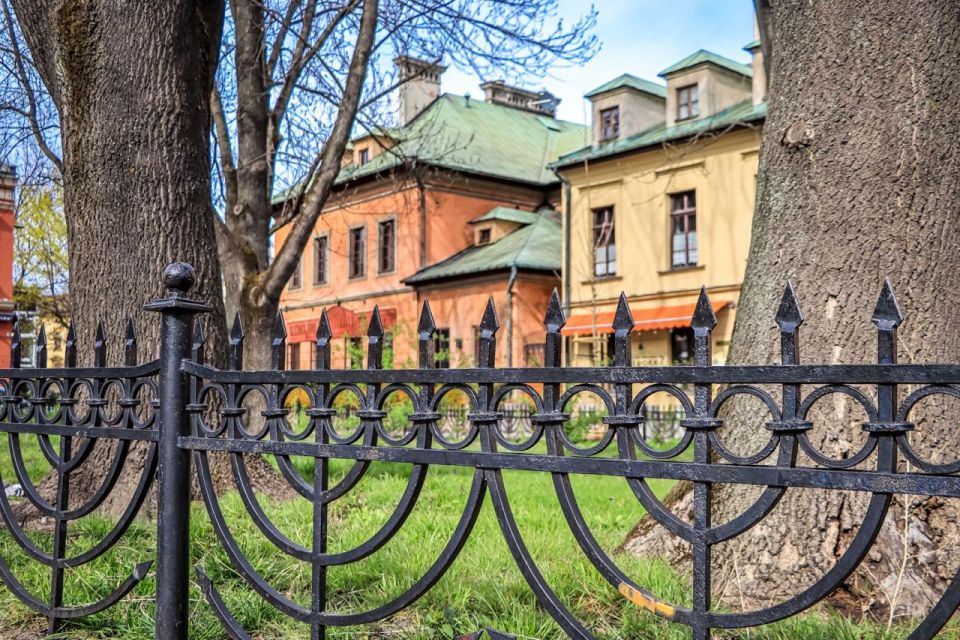
You’ll start at the stairs in front of the Old Synagogue, on the main street in Krakow’s Jewish Quarter. Do yourself a favor and arrive 10 minutes early. In rain or bad weather, it can be harder to locate the group quickly, and you don’t want to start stressed.
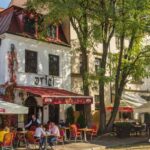
From the very first moment, the guide sets the tone: this is history you can see with your own eyes, not a slide show. The meeting point also matters because the tour runs through neighborhoods that still feel lived-in, with shops and everyday life nearby.
If you’re used to tours that bus you to each stop, this one is different. You’re doing a walk through streets that helped shape Krakow’s Jewish community. That’s part of the value: the geography helps the story land.
And bring practical expectations. This is a walking tour, so comfortable shoes matter more than you think—especially if it’s cold or wet.
You can also read our reviews of more walking tours in Krakow

Seven Synagogues and Why Their Survival Matters
A big theme here is endurance: the Jewish district area is known for seven ancient synagogues that survived World War II destruction. Even if you don’t pop into every building during the walk, the guide uses those synagogues as anchors for the narrative.
Why does that matter for you? Because it changes how you read the streets. You’re not only looking at remnants. You’re learning how architecture and community institutions persisted, which gives a fuller picture than war stories alone.
The guide also explains the historical context of the Jewish community in Krakow—how it became such an important center, and how that changed once World War II arrived. You’ll hear about the destruction, yes, but you’ll also see how the tour makes room for the community’s postwar return.
One fair drawback: one guest wished they could visit a practising synagogue for a short time. If that’s important to you, you might decide to pair this walk with separate synagogue visits while you’re in Kazimierz.
Kazimierz: Where the Story Starts Before the War
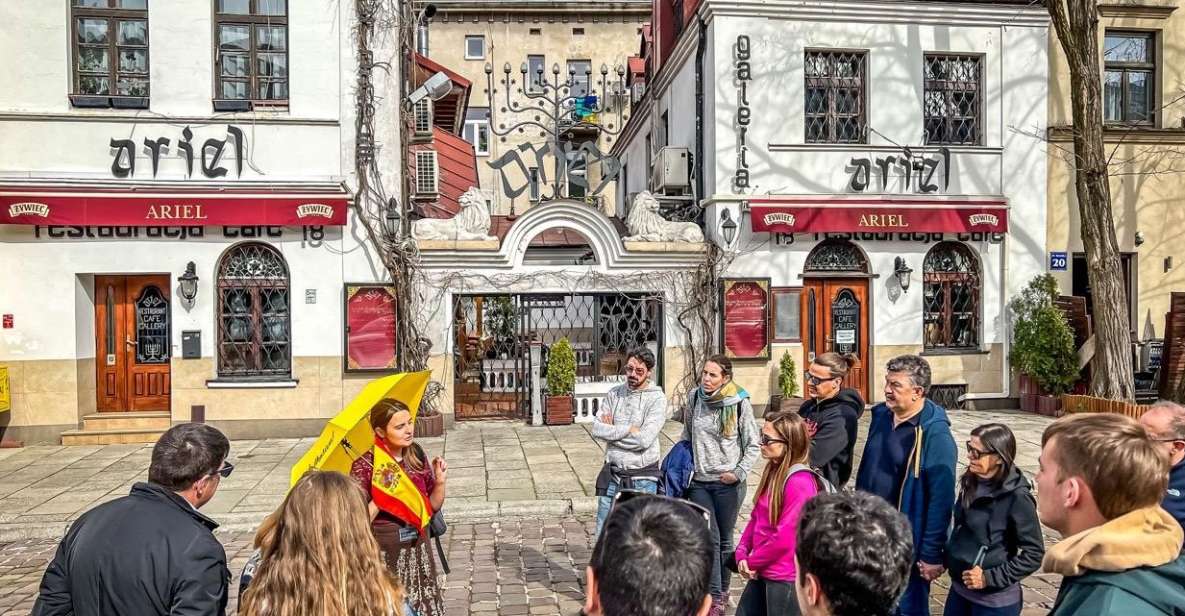
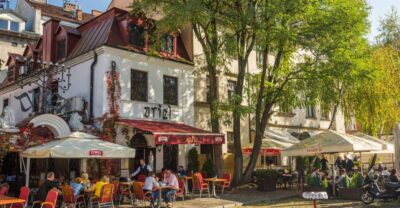
Kazimierz is the heart of the tour’s early chapters. This neighborhood is presented as the cultural center of modern Krakow and also as a historic Jewish district. The guide uses that duality to help you understand how the past and present overlap on the same streets.
Here’s what you can expect at this stage:
- The guide builds the background of Jewish community life in Krakow.
- You’ll learn how that community shaped local culture and identity.
- Then the narrative turns toward the catastrophe of World War II.
This part works because it resists the common one-track approach to Holocaust tours. Instead of starting with tragedy immediately, it shows what existed first. That makes later stops much more meaningful, because you understand what was taken away.
You’ll also get a sense of contemporary Jewish Krakow. One of the stated goals is to witness the community’s revival today, not just the ruins of 1941–1943. You may notice how the guide frames modern Kazimierz as more than a memorial space.
Podgórze and the Former WWII Ghetto Ground (1941–1943)
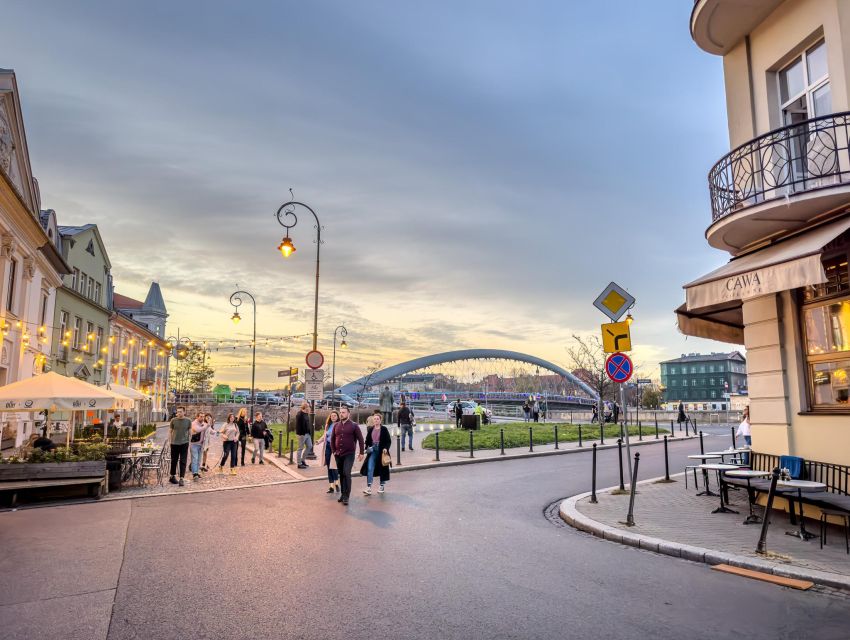
Then the tour shifts toward Podgórze, where the former WWII Jewish Ghetto stood. This is where the walking becomes emotionally intense, because you’re tracing how buildings and streets witnessed tragedy between 1941 and 1943.
The guide points out key locations linked to the Holocaust in Krakow. What I like about this approach is that it’s not only facts—it’s explanation. The guide helps you connect what you’re seeing with what happened there, which is what turns a walk into real understanding.
This segment can also feel uneven depending on how your guide chooses stops and how the group moves through the streets. One review noted that part of a ghetto wall segment wasn’t included at the end, with only a short section mentioned near the finish. If you strongly want wall-related viewing, ask your guide during the walk if there’s time to see more of the ghetto-wall area.
Also, the emotional tone here is serious. Humor in earlier sections (mentioned by multiple guests) usually doesn’t erase that. Instead, it often helps the guide keep the pace steady so you can absorb the heavier content without shutting down.
The Tour Pace and the Midway Coffee Break
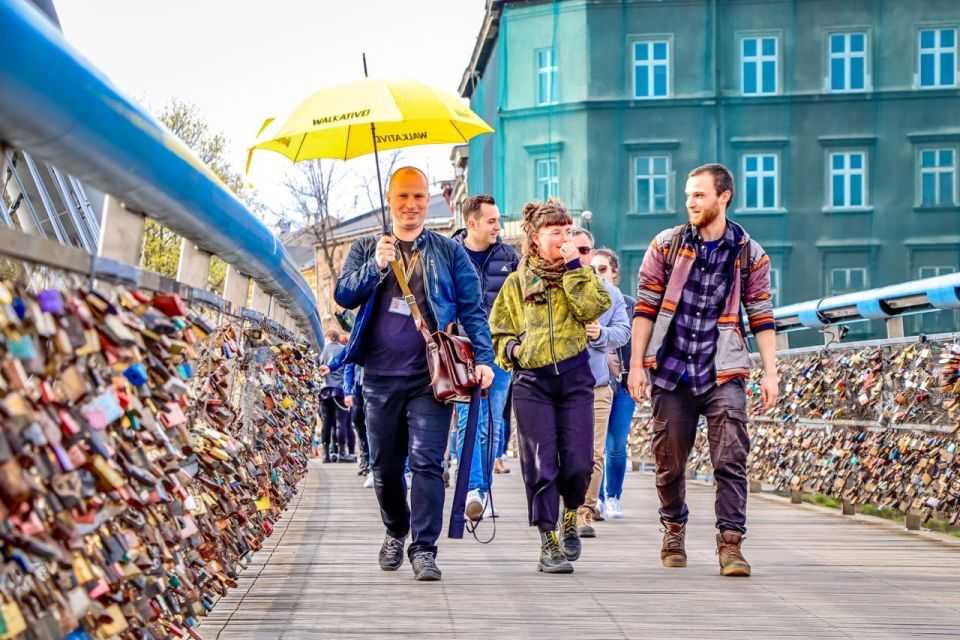
This tour runs about 150 minutes, which is long enough to feel complete but short enough that you’re not stuck all day. The best tours know the moment when people need a reset, and this one includes time to breathe.
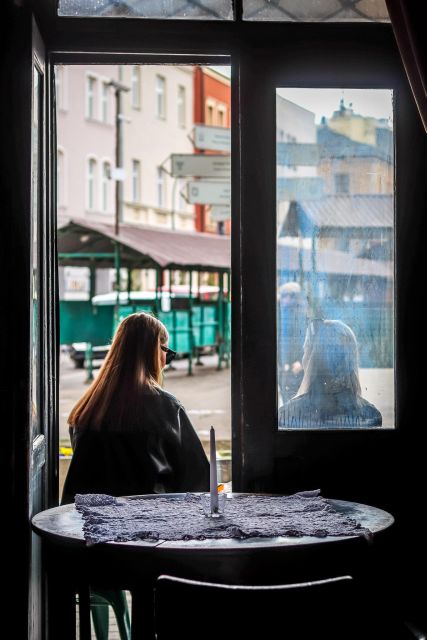
A common highlight is the midway break for coffee. One guest described stopping at a candlelit bar for mulled wine on a gray afternoon—exactly the kind of small comfort that helps you keep listening rather than zoning out. Even if you don’t drink alcohol, the point is the same: you get a pause so the next parts land.
That said, the coffee stop is also where families sometimes make a call. One parent described discontinuing the tour midway after the break because their child was tired. If you’re traveling with kids, decide early on what their limits are. This tour does involve walking and emotionally heavy material, so shorter attention spans can become a real factor.
The good news: many reviews praised pacing, with guides keeping the story flowing and the group engaged throughout. You’ll likely feel like you’re moving steadily rather than standing around reading plaques.

Guides That Make the Neighborhood Feel Understandable
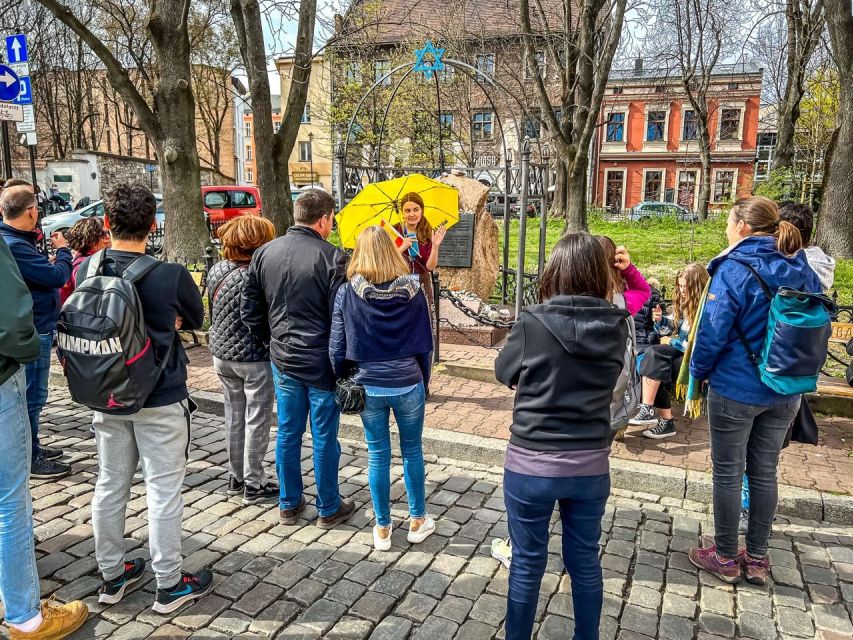
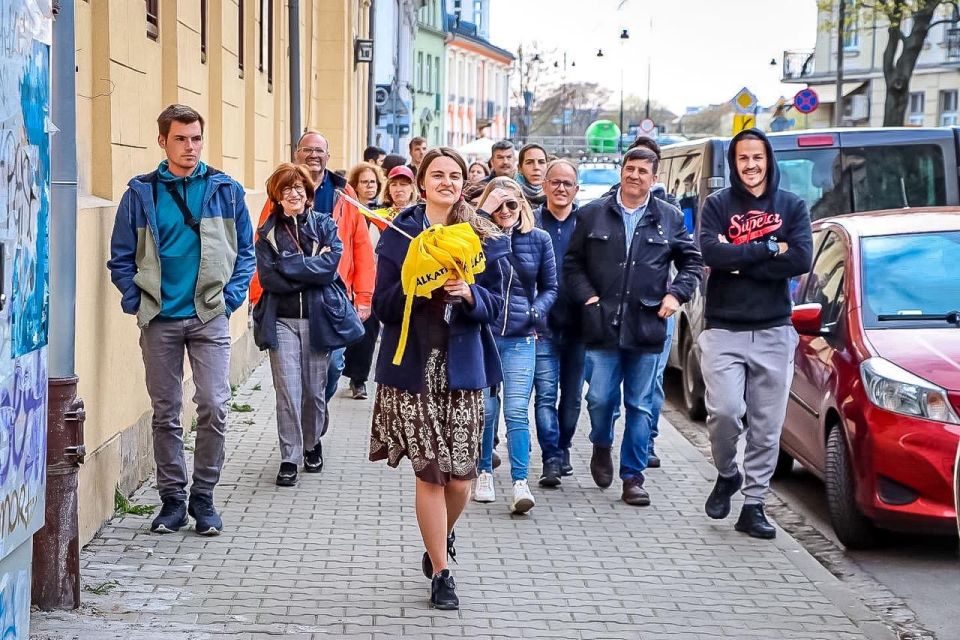
The guide matters a lot on a walking tour about the Holocaust and Jewish history, because you need clarity and care. The overall pattern in the feedback is strong: guests repeatedly praised guides for being engaging, friendly, and able to answer questions.
A few names show up often:
- Maciek, described as an exceptional storyteller with passion
- Max, praised for comfort and pacing
- Pawel, mentioned as deeply caring and well-prepared
- Lucy, noted for being informative and answering questions
- Krzysztof, described as friendly and easy to follow without boredom
- Damian, who blended expertise with humor
If you’re picky about communication style, pay attention when the guide starts. The best ones will quickly show you what the tour is going to cover and how it will connect each stop to the larger story.
Also, practical note: one guest mentioned they were quickly redirected when meeting logistics were tricky due to rain. That hints that the tour team can handle real-world chaos, which you’ll appreciate when weather or street-finding gets messy.
Price and Value: What $26 Covers—and What You Might Still Want to Do
The price is $26 per person for 150 minutes with an expert local guide and a thoroughly constructed narrative. On paper, that’s a straightforward walking-tour cost. In practice, value comes from two things: the time and the quality of storytelling, especially with complex, sensitive history.
One key detail to know upfront: the tour is described as joining a general pay-what-you-wish format, where the amount you pay covers a reservation fee and the guide’s payment. In other words, you’re not just buying facts. You’re supporting the guide directly through the structure of the booking.
There’s one caution from a review that’s worth listening to. A guest said they felt they had already paid through a platform and still needed to pay the guide. That might be a misunderstanding of how the pay-what-you-wish mechanism works in your booking flow. Before you go, double-check what your booking confirmation says about guide reward expectations, so you don’t end up surprised on the street.
If you want a safe plan: treat the guided portion as the main cost and be ready to reward your guide appropriately based on what your booking materials indicate.
Comfort Tips: Cobblestones, Weather, and How to Plan Your Finish

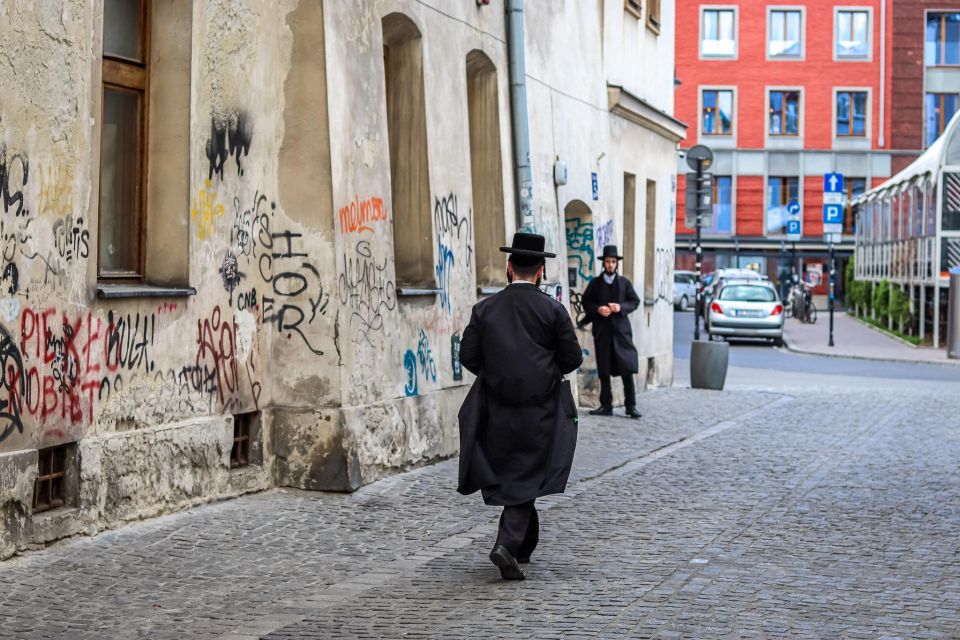
Krakow’s old streets can be rough underfoot. One review explicitly urged comfortable shoes because most of the walking is on cobblestones. Even if the route is wheelchair accessible, cobbles can still make it uncomfortable for anyone with limited mobility or just sore feet.
Weather matters too. Rain can make the meeting point tricky, and one guest noted difficulty finding the group due to rain but said they were redirected quickly. If it’s wet outside, give yourself extra buffer time.
Finally, plan for the finish. One review complained that the tour started at the Old Synagogue but ended miles away over the river, with no clear way to return. That experience sounds frustrating, so I’d treat it as a sign to check where the tour ends the day-of (or confirm it before you go). Have your transportation plan ready.
Small planning wins beat big stress.
Who Should Book This Jewish Krakow Walking Tour
This tour is best for you if you want context before and after the Holocaust, not just the darkest stops. The structure is designed to connect Jewish community life in Krakow to the wartime ghetto story, then to the community’s revival in modern times.
It also fits well if you like story-driven guiding. Multiple reviews highlight guides who were entertaining without losing respect for the subject. Humor shows up in some guiding styles, which can make the long narrative easier to handle.
Consider it carefully if:
- You have very limited mobility or you’re unsure how cobblestones will feel for you.
- You prefer a short, lighter walk. This one covers World War II destruction and ghetto history.
- You strongly want synagogue interior time. The tour is focused on significant places and context, but one guest wished for a practising synagogue visit.
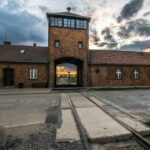
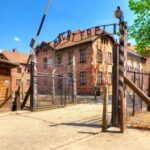
If you’re also visiting Auschwitz, this tour can help you arrive with context about Jewish life in Poland before the war. One guest mentioned doing it before Auschwitz because they felt it was something they needed to hear and see first.
Should You Book This Jewish Krakow Walking Tour?
I think it’s a strong pick if you want a guided, place-based understanding of Krakow’s Jewish Quarter and the Holocaust in this city. The price is reasonable for an expert guide and a structured narrative, and the repeated praise for pacing and storytelling suggests you’re in good hands.
Book it if you:
- Want a walk that connects Kazimierz and Podgórze into one coherent story
- Appreciate careful explanations more than self-guided wandering
- Can handle emotionally serious content with a pause for coffee mid-tour
Skip it or add a plan B if you need frequent breaks, want guaranteed synagogue interior visits, or hate cobblestones. And if you’re worried about ending far from the start, confirm the finish point so your trip doesn’t wobble at the end.
If you’re in Krakow and you care about Jewish history that’s tied to real streets, this is the kind of tour that turns the city from scenery into meaning.
FAQ
How long is the Jewish Krakow walking tour?
The duration is 150 minutes.
How much does the tour cost?
The price is $26 per person.
Is the tour offered in English?
Yes, it is a live tour with an English-speaking guide.
Where do I meet the guide?
You meet on the stairs in front of the Old Synagogue, on the main street in the Jewish Quarter. Arrive about 10 minutes before the activity starts.
What is included in the price?
It includes an expert local tour guide and a thoroughly constructed narrative.
What is not included?
Hotel pickup and drop-off are not included. Snacks are also not included.
Is there free cancellation or a pay-later option?
Yes. You can cancel up to 24 hours in advance for a full refund. You can also reserve now and pay later, with no payment required today.