REVIEW · KRAKOW
Auschwitz – Birkenau from Katowice
Book on Viator →Operated by Silesia Trip & Hotels · Bookable on Viator
Auschwitz-Birkenau changes how you see humanity. This Katowice-to-Auschwitz day trip is built for efficiency, with skip-the-line ticket entry and transport handled for you. You’ll be guided through the memorial and museum grounds in a tight, thoughtful schedule that doesn’t leave you scrambling.
I like that you’re not just dropped off and left to figure it out. You get audio receivers/headphones for the guided museum parts, plus an air-conditioned vehicle and bottled water as part of the package. It’s also capped at up to 30 travelers, which helps keep the day moving without turning into chaos.
One thing to consider: the Auschwitz visit is about 2 hours, so it can feel structured and a bit rushed for a site that begs for time and questions.
In This Review
- Key things I’d watch for
- Katowice-to-Auschwitz logistics: pickup, transport, and timing
- Skip-the-line entry: what it buys you at a busy memorial
- Main Camp (Auschwitz): the guided museum and original buildings
- Birkenau: guided time, key objects, and staying longer
- Comfort and tools that matter: headphones, water, and group size
- Price and value for about $109:33 per person
- Who this Auschwitz-Birkenau tour suits best
- Booking the right way: what to check before you go
- Should you book this Auschwitz-Birkenau from Katowice tour?
- FAQ
- What is the duration of the Auschwitz-Birkenau tour from Katowice?
- Does the tour include pickup in Katowice?
- Is skip-the-line entry included?
- What language is the tour offered in?
- Are headphones or audio receivers included?
- Is lunch included?
- What ID do I need to bring?
- Are photos allowed?
Key things I’d watch for
- Skip-the-line entry to cut down waiting at the museum
- Hotel pickup in Katowice plus round-trip transport from your designated point
- Headphones/audio receivers to follow the guide clearly
- Two-part pacing: Main Camp first, then Birkenau
- Photo rules inside the museum (check what’s allowed on the day)
- Birkenau timing plus flexibility, including a free shuttle between areas
Katowice-to-Auschwitz logistics: pickup, transport, and timing
This is a day trip with one big promise: you handle the visit, not the route. Pickups are arranged in Katowice, and your group rides together to the memorial and museum, then returns you to your original pick-up area at the end. The vehicle is air-conditioned, which matters because the day can run long and you’ll likely be walking on site.
The tour length is listed at about 5–6 hours total, with the first camp portion taking roughly 2 hours and the second camp portion around 1.5 hours. That pacing is important. It means you’ll see a lot, but you won’t have the kind of leisurely drift time some people hope for at such a heavy place.
You’ll also want to plan for the reality of the camps’ schedule. One recurring theme from the experiences shared by past participants is that the day can be tightly timed, and meeting-point timing can sometimes be a bit tricky on the ground, especially with traffic and site operations. So I’d treat pickup timing as something you manage actively (arrive early to the meeting point, keep your ID ready, and be prepared for minor delays without assuming the tour is at fault).
You can also read our reviews of more tours and experiences in Krakow.
Skip-the-line entry: what it buys you at a busy memorial
“Skip-the-line” is one of those travel phrases that can mean different things in different places. Here, it’s specifically described as a skip-the-line ticket for quicker entry to the Auschwitz-Birkenau Museum, so your group can start the guided portion sooner rather than spending extra time standing around.
Why that matters: your tour is only about half a day. Any time lost to slow entry makes the rest of the day tighter. With guided time limited on purpose, getting moving quickly is a practical value.
In addition, the tour includes your guided museum experience with equipment—audio receivers and headphones—so you’re less likely to miss the explanation while you’re trying to look at objects, exhibits, and layout details. At a site this complex, clear listening support is a genuine quality-of-life improvement.
Main Camp (Auschwitz): the guided museum and original buildings
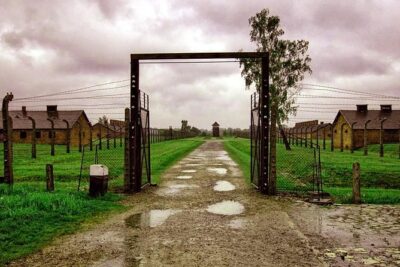
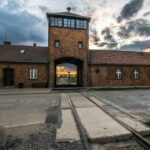
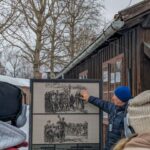
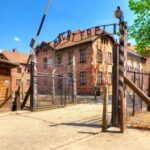
The first portion focuses on the Main Camp (Auschwitz). You’ll visit the permanent exhibition, plus original buildings on the grounds and key objects tied to what the museum preserves from that space. The structure is designed to give you a guided framework rather than leaving you to connect everything alone.
You’ll spend about 2 hours here. That’s enough time to get oriented and to see the major elements of the museum experience, but it’s also where you’ll feel the “paced tour” aspect most clearly. A couple of people noted that questions can be limited during the walkthrough, and that the time can feel a little compressed given the emotional weight of everything you’re seeing.
One practical detail: photos are allowed within the museum. That helps a lot if you want visual memory for later reflection. Still, follow your guide on the day, because photo rules can vary by area and by what the staff is focusing on at that moment.
If you want to benefit most from the Auschwitz portion, I’d treat the guide’s explanations as your backbone. Take quick notes where you can, then give yourself a few quiet minutes afterward to let it settle before you move on.
Birkenau: guided time, key objects, and staying longer
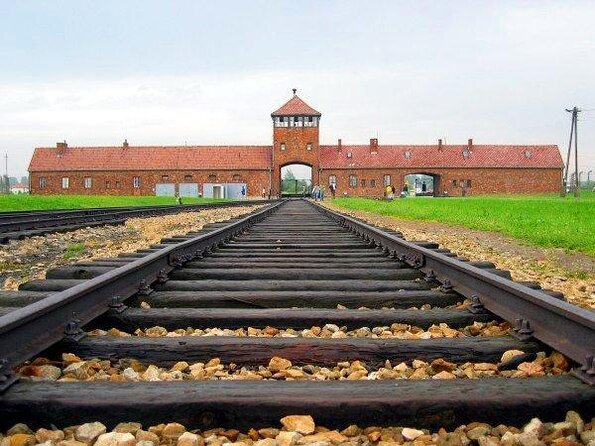
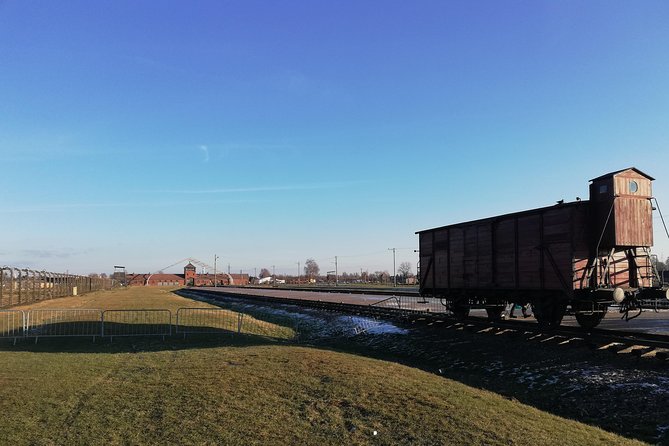
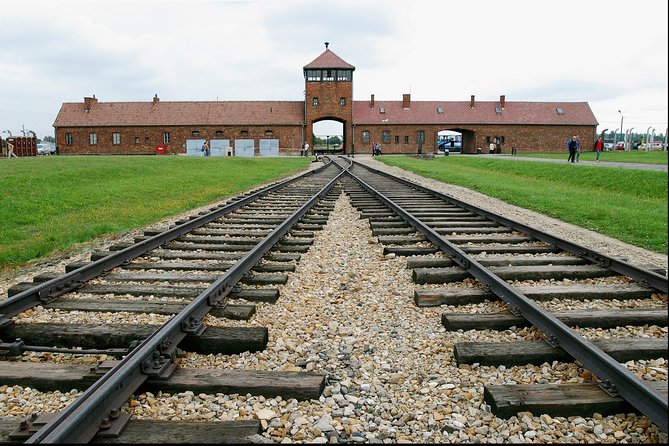
After Auschwitz, the tour shifts to Birkenau. This part is described as visiting the most important original objects on the grounds of Birkenau. You’ll have guided time here too, but it’s shorter—about 1.5 hours during the tour.
Here’s the smart benefit for pacing: a participant highlighted that you can stay longer after the guided segment, using a free shuttle running about every 15 minutes between the areas. That’s a big deal if you feel pulled by the scale of Birkenau and need more time than the scheduled guided window provides.
A common emotional pattern at Birkenau is that your head fills quickly with information, and your body keeps moving anyway. A longer after-guided window lets you slow down at your own pace. If you’re the type who wants to read more, look again, or stand quietly for a minute, this setup is worth it.
Also, guides can cover difficult topics as part of the museum narrative. One past group specifically mentioned hearing about topics such as gas chambers and cremation areas as part of how the walkthrough connects the sites. That tells you the guidance is not vague. It’s direct, and it’s meant to help you make sense of what you’re looking at.
Comfort and tools that matter: headphones, water, and group size
This tour supplies practical gear so you can focus on the site instead of the logistics. You’ll have audio receivers/headphones for the guided museum portions, and bottled water is listed as included.
One tricky note: one experience reported that bottled water wasn’t actually offered. That doesn’t mean it’s always missing, but it does mean I’d handle it like a pro: if you’re sensitive to staying hydrated during long, emotionally intense walking, bring a small extra bottle just in case. It’s a cheap way to protect comfort.
The group size is capped at a maximum of 30 travelers. Another past note said the tour can run in the 24–30 range. Why that matters: fewer people can make it easier for the guide to manage questions and keep the group together, especially across two areas.
Also, you’ll want to bring your ID. The tour requires an ID card or passport. That’s not the kind of thing you want to discover at the gate.
Price and value for about $109:33 per person
At $109.33 per person, you’re paying for a bundle of very concrete services: round-trip transport from Katowice, skip-the-line entry, and guided interpretation with audio equipment, plus included water.
Lunch isn’t included. That’s normal for memorial tours, but it affects value in a real way. If you don’t plan ahead, you’ll end up hungry right when you’d rather be emotionally present. I’d either eat before pickup or plan a simple snack stop on your own after the tour ends. The best value here is about spending your time efficiently, not about buying a full meal during the day.
If you’re deciding between doing this on your own versus booking a structured tour, ask yourself what you want to outsource:
- If you want someone else handling the ride and entry so you can show up and listen, this is a strong fit.
- If you want maximum freedom to roam without any schedule pressure, you might feel the structure is too tight.
Given the time split—about 2 hours + 1.5 hours—the tour’s value really shows up when you can accept that the day is guided and paced on purpose.
Who this Auschwitz-Birkenau tour suits best
This tour is a good match if you want:
- A guided experience that helps you navigate the memorial and museum areas efficiently
- English instruction
- A plan that starts with pickup in Katowice and returns you to where you began
- A day that keeps things organized even with a difficult topic
It may feel less ideal if you want:
- A lot of unstructured time for lingering
- Frequent opportunities to ask questions during the walkthrough
- A day without any schedule pressure (because the visit is intentionally timed)
People also praised the overall organization, including smooth pickup and drop-off. One person described a very responsive driver and coordination on a busy schedule—basically, the kind of support you appreciate when emotions are high and timing matters.
Booking the right way: what to check before you go
Before you book (or right after you receive confirmation), double-check three things:
- You have your ID card or passport ready.
- You’re comfortable with a half-day duration that’s broken into two guided segments.
- You understand that lunch is not included, so you’ll want to plan food timing yourself.
If weather changes, note that this experience requires good weather. If it’s canceled due to poor weather, you’ll be offered a different date or a full refund. That’s a key point for planning your Krakow/Katowice trip schedule.
Finally, be ready for the emotional weight. This isn’t a sightseeing checklist. The guide and headphones help you handle the information, but you’ll still feel the impact.
Should you book this Auschwitz-Birkenau from Katowice tour?
I’d book it if you want organized transport from Katowice, skip-the-line entry, and a guided visit that gives you the structure to understand what you’re seeing. The included audio receivers and the cap at around 30 people make the experience more manageable than trying to juggle everything solo.
I’d think twice if you’re hoping for a slow, personal pace with lots of questions and flexible time inside Auschwitz itself, since the Auschwitz portion is about 2 hours and the day is inherently structured.
If you do book, come prepared: bring your ID, wear comfortable walking shoes, and plan food timing. Then lean into the guide’s explanations. This tour is built so you can witness the memorial with less friction and more clarity—without spending your limited time figuring out logistics.
FAQ
What is the duration of the Auschwitz-Birkenau tour from Katowice?
The tour is listed at about 5 hours 30 minutes, and the on-site visit is described as about 5–6 hours total.
Does the tour include pickup in Katowice?
Yes. Pickup is offered from your hotel in Katowice (and for some accommodation types, the meeting point is at Mariacka 11 Street, Silesia Trip & Hotels Office).
Is skip-the-line entry included?
Yes. The tour includes a skip-the-line ticket for quicker entry to the Auschwitz-Birkenau Museum.
What language is the tour offered in?
The tour is offered in English.
Are headphones or audio receivers included?
Yes. During the guided museum experience you receive special audio receivers and headphones.
Is lunch included?
No. Lunch is not included.
What ID do I need to bring?
You need an ID card or passport.
Are photos allowed?
You’re allowed to take photos within the museum.