REVIEW · KRAKOW
Krakow: Plaszow Concentration Camp Guided Walking Tour
Book on Viator →Operated by excursions.city · Bookable on Viator
One square sets the tone fast. This guided route connects Plac Zgody (the ghetto’s control hub) to the Płaszów concentration camp grounds, so you understand how the system worked, not just where it happened. I especially like the way the walk anchors major sites first, then builds into the camp’s layout and sections, with guides like Bartholomew, Barbara, and Phil explaining what you’re seeing in plain, human terms.
If you want a light, easy outing, this is not it; the subject is heavy and you’ll spend time outdoors.
The best part is structure. You get a logical flow from the ghetto transports story at Ghetto Heroes Square into Płaszów’s key remnants—like the Grey House, the roll-call area, and places tied to the cemeteries—then you end with the Oskar Schindler thread. A possible drawback: the tour is about 2 hours and does involve walking on uneven ground, so comfortable shoes and moderate fitness really matter.
In This Review
- Key highlights to look for
- Entering the story at Ghetto Heroes Square (Plac Bohaterów Getta)
- Płaszów concentration camp: what the guided walk actually shows
- Oskar Schindler’s thread through the camp story
- Timing, route, and how much walking you’ll do
- Your guide matters: Bartholomew, Barbara, and Phil
- Price and value: is $30.04 worth it?
- Who should book this Płaszów guided walk?
- Should you book this tour?
- FAQ
- How long is the Krakow: Płaszow Concentration Camp Guided Walking Tour?
- What is the price per person?
- Is the tour offered in English?
- What kind of ticket do I get?
- Where do I meet the guide?
- How long is the tour walking around Płaszów?
- Can I get a refund if I cancel?
- What if I arrive late?
Key highlights to look for
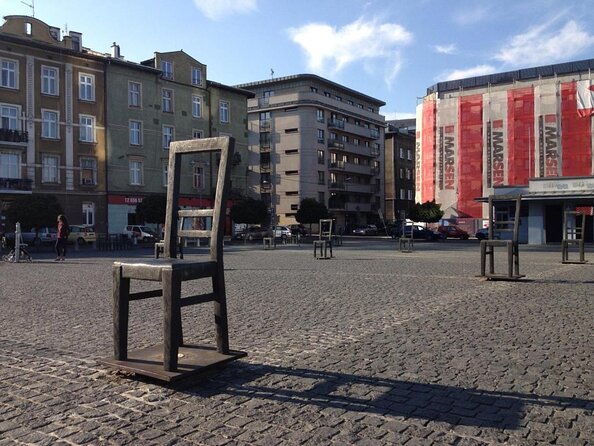
- Ghetto Heroes Square connection (Plac Zgody to remembrance): you start where people were registered and sent out.
- Visible remnants explained step-by-step: the Grey House, pre-burial hall ruins, cemetery traces, and roll-call area are tied together.
- How the camp was organized: living, hospital, administrative, and industrial sections are mapped in your mind.
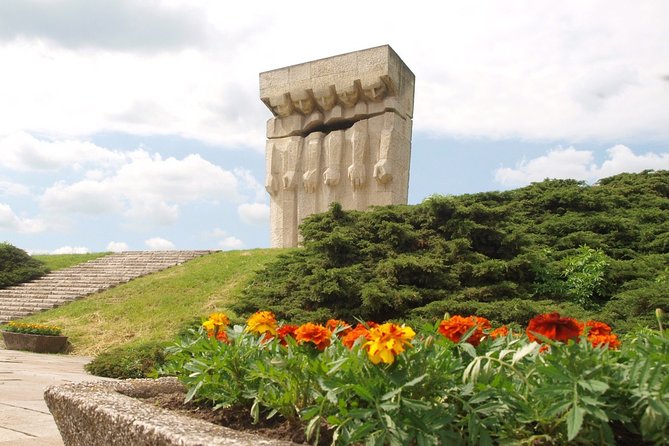
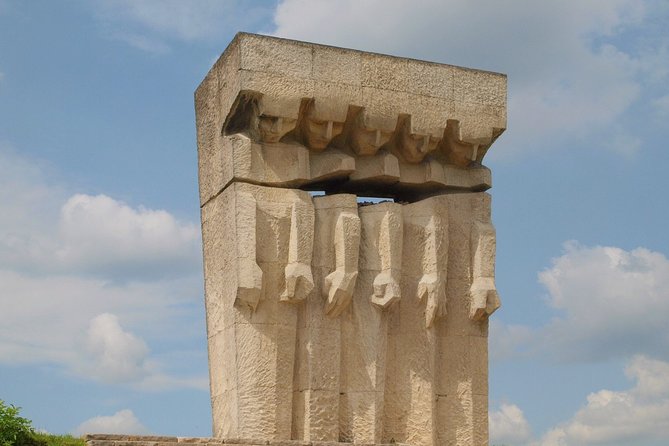
- Graves, memorials, and forced reality: you’ll reflect at major memorials, including the Monument of Torn-Out Hearts.
- Schindler’s practical rescue efforts: work permits via Plaszów registration and the transfer to Brunnlitz saving over a thousand lives.
Entering the story at Ghetto Heroes Square (Plac Bohaterów Getta)
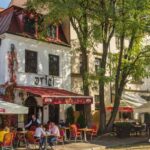
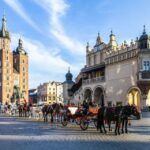
This tour begins at Apteka pod Orłem, right by Plac Bohaterów Getta (the square formerly known as Plac Zgody). It’s a smart opener because it gives you the “how did it move?” answer before you ever reach the camp. In the Kraków ghetto, this square functioned as a logistical heart—control, registry, and the departure point for transports. You’re not just learning names and dates; you’re seeing the machinery of persecution.
After the war, the square was renamed in remembrance as Ghetto Heroes Square. That matters because it frames what you’re about to see next: a place where records and movement were used as weapons. In many cities, camp history can feel like a scattered set of sites. Here, starting at the square helps you connect the dots.
One practical note: this stop is short, about 15 minutes, and it’s designed to get you oriented fast.
You can also read our reviews of more walking tours in Krakow
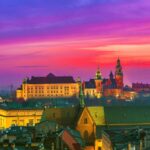

Płaszów concentration camp: what the guided walk actually shows
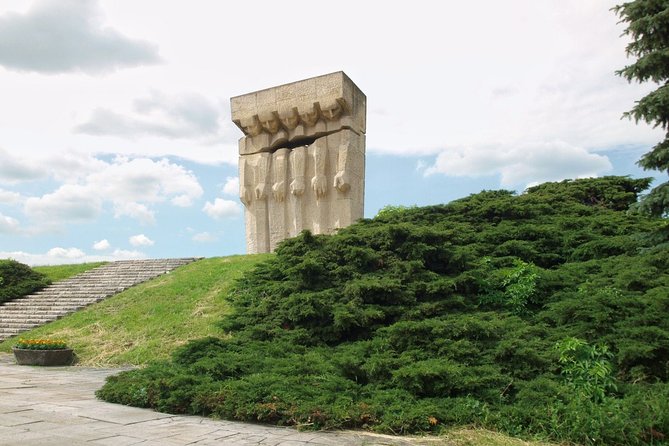
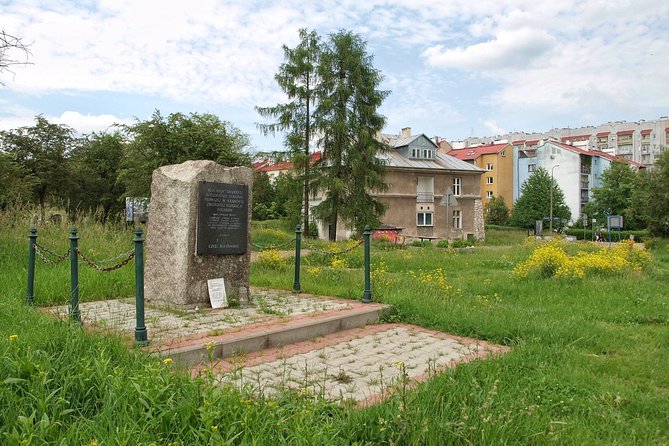
The tour then moves into the Płaszów site for roughly 1 hour. Płaszów began under Nazi occupation in October 1942 on the grounds of two Jewish cemeteries. It started as a forced-labor camp for Jews from the liquidated Kraków ghetto, then expanded to include a penal-labor section for Poles (from July 1943). By January 1944, it was redesignated as a concentration camp, and later in 1944 it also functioned as a transit camp for Hungarian Jews being sent onward to Auschwitz.
You’ll hear key numbers because they change how the place feels. Over its existence, more than 35,000 people were imprisoned, and around 6,000 were murdered. Those aren’t just statistics on a page; they help you grasp the scale when you’re standing among memorials and remnants.
What makes this tour worthwhile is that your guide pieces the camp together from what survives. You won’t just “walk around.” You’ll connect specific points, including:
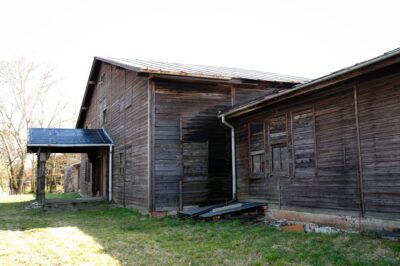
- the Grey House
- ruins of the pre-burial hall
- traces of the Jewish cemeteries
- the roll-call square
- paths where fragments of gravestones were once used to pave roads
That last detail is grim, but it’s also the kind of fact that clarifies the intent behind destruction. The camp wasn’t only about confinement; it also carried out systematic erasure.
Then comes the second Płaszów segment (still part of the guided story) with reflections at major memorials and a clearer map of how the camp operated day to day.
Oskar Schindler’s thread through the camp story
After you understand the physical layout, the tour brings you to the human thread: Oskar Schindler. This is an essential part of the Płaszów story because his actions intersect directly with how prisoners were processed.
The key idea explained here is practical. Schindler, through his enamelware enterprise, sought work permits for Jewish prisoners who were registered via Plaszów. Those permits helped shield people from further transports. Later, he organized transfers of these workers to his wartime plant in Brunnlitz, saving over a thousand lives.
If you watched Schindler’s List, this is where the film’s names and locations become more than dramatic scenes. You’ll still have the emotional weight, but you’ll also get the mechanics: how permits and transfers could change who lived longer, and why documentation mattered so much inside the Nazi system.
You also pause at major memorials, including the Monument of Torn-Out Hearts. In a tour like this, reflection time is not just a stop on the schedule. It helps you absorb what you’ve learned without rushing back into facts.
Timing, route, and how much walking you’ll do
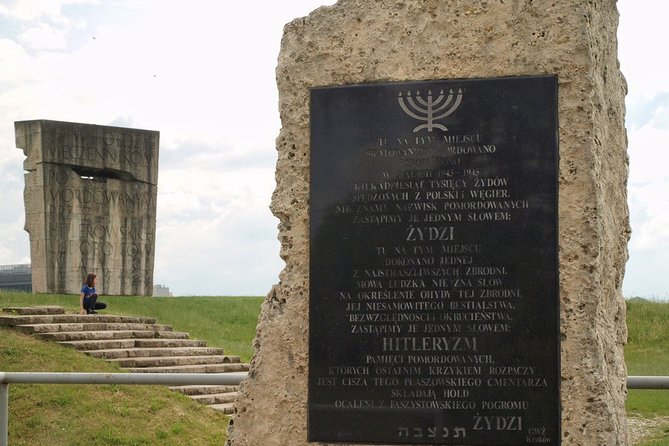
Plan on about 2 hours total. The structure is broken into three parts:
- Stop 1: about 15 minutes at Ghetto Heroes Square
- Stop 2: about 1 hour at Płaszów
- Stop 3: about 45 minutes with the more detailed camp-story walk and reflections
The tour is designed for people with moderate physical fitness. You’ll want comfortable shoes, because this isn’t a flat museum floor experience. Ground can be uneven, and you’ll be outside for much of the time.
One useful thing to know from how the route is run: you may take a short tram connection from Heroes Square toward Płaszów before the camp walking begins. If you’re trying to move efficiently, this helps break up the transfer without turning the day into a long transit ordeal.
Also, arrive around 10 minutes early. Once the group has left, latecomers can’t join, and tickets can’t be refunded. For a tour this focused, that policy keeps everything on schedule.
Your guide matters: Bartholomew, Barbara, and Phil
The big differentiator here is how clearly your guide turns ruins into understanding. Several guides are named in the experience feedback, including Bartholomew, Barbara, and Phil, and the common thread is that they take their time with the route.
What I’d look for in a great guide (and what the named guides are praised for) is this:
- explaining the camp in a way you can picture, even when original structures are missing
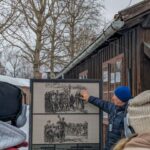
- using pictures from when the site was standing to help you reconstruct what’s gone
- answering questions in a way that keeps you grounded in evidence, not speculation
- pacing the walk so you’re not sprinting past the most important stops
In particular, guides are praised for linking what you see to what you might recognize from the broader Schindler story. That’s not about fan service. It’s about making the geography and the chain of events click.
Since the tour is only offered in English, you’ll also be glad that interpretation stays consistent throughout, rather than switching languages mid-route.
You can also read our reviews of more guided tours in Krakow
Price and value: is $30.04 worth it?
At $30.04 per person for roughly 2 hours, this tour is a strong value if you care about understanding the “why” behind each stop. The admissions are listed as ticket free, which helps keep the cost transparent. So the main thing you’re paying for is guidance—how the story is organized, how the remnants are interpreted, and how the Schindler connection is woven through.
You also get some practical extras that add up:
- Mobile ticket
- a group size capped at 25
- clear language availability (English)
- a schedule that’s easy to fit into a Kraków day
One more detail that signals demand: the tour is often booked about 39 days in advance on average. If you’re traveling in peak season or on a weekend, locking in a slot earlier is a smart move.
Who should book this Płaszów guided walk?
This tour fits best if you want a focused route with context, not just a photo stop. It’s ideal for:
- people who have an interest in Kraków’s Jewish history and the evolution of the camp system
- anyone who wants the Schindler angle explained in a grounded way (work permits, registration, transfers to Brunnlitz)
- English speakers who prefer a structured walk over reading alone
It may not be the best match if you want a quick, casual sightseeing loop. The material is described as harrowing in experience feedback, and that matches what the site represents. If you’re sensitive to difficult topics, you can still go—but plan your day with care, and don’t schedule something emotionally demanding right after.
Should you book this tour?
I’d book it if you want to leave Kraków with a clearer mental map: where the process started at Ghetto Heroes Square, how the Płaszów camp developed and functioned, and how Schindler’s actions connected to survival through work permits and transfers to Brunnlitz.
Skip it only if you’re not up for the emotional weight of concentration-camp history, or if your schedule can’t handle about two hours of walking and pauses outdoors.
If you do book, go with two expectations: you’ll learn how the system operated, and you’ll also spend time reflecting at memorials. That mix—evidence and humanity—is exactly what makes a guide-led visit worth the money.
FAQ
How long is the Krakow: Płaszow Concentration Camp Guided Walking Tour?
The tour lasts about 2 hours.
What is the price per person?
The price is $30.04 per person.
Is the tour offered in English?
Yes, it is offered in English (the tour is only in one language).
What kind of ticket do I get?
You receive a mobile ticket.
Where do I meet the guide?
The start point is Apteka pod Orłem, Plac Bohaterów Getta 18, 33-332 Kraków.
How long is the tour walking around Płaszów?
The schedule includes around 1 hour at Płaszów plus an additional 45 minutes on the guided camp walk with reflections.
Can I get a refund if I cancel?
Yes, you can cancel for free up to 24 hours in advance for a full refund. Late cancellations within 24 hours are not refundable.
What if I arrive late?
You’re asked to arrive about 10 minutes before the tour. If the group has departed, latecomers can’t join and tickets can’t be refunded.