REVIEW · KRAKOW
Cracow: Guided Tour of Schindler’s Factory & Jewish Ghetto
Book on GetYourGuide →Operated by MyRide · Bookable on GetYourGuide
History hits differently on these Krakow streets. This 3-hour walk pairs Schindler’s Factory with the wartime traces of Krakow’s Podgórze district, so you see how one museum story connects to real streets, walls, and memorials. It’s focused, guided, and heavy in subject matter without being confusing.
I especially like how the visit stays grounded in people—what Oskar Schindler did, how Nazi occupation shaped daily life, and what the exhibition Krakow Under Nazi Occupation helps you understand. The second thing I really appreciate is the follow-up neighborhood walk through Podgórze, where the past feels less like a chapter and more like directions you can still walk.
One thing to keep in mind: the museum portion can affect timing, and the tour day is tight enough that you’ll want a little buffer. Also, from Jan 1, 2026, you’ll need your full name and a passport or ID for entry—no last-minute “I’ll sort it later” moments.
In This Review
- Key things you’ll notice on this tour
- A 3-hour route that moves from museum to streets fast
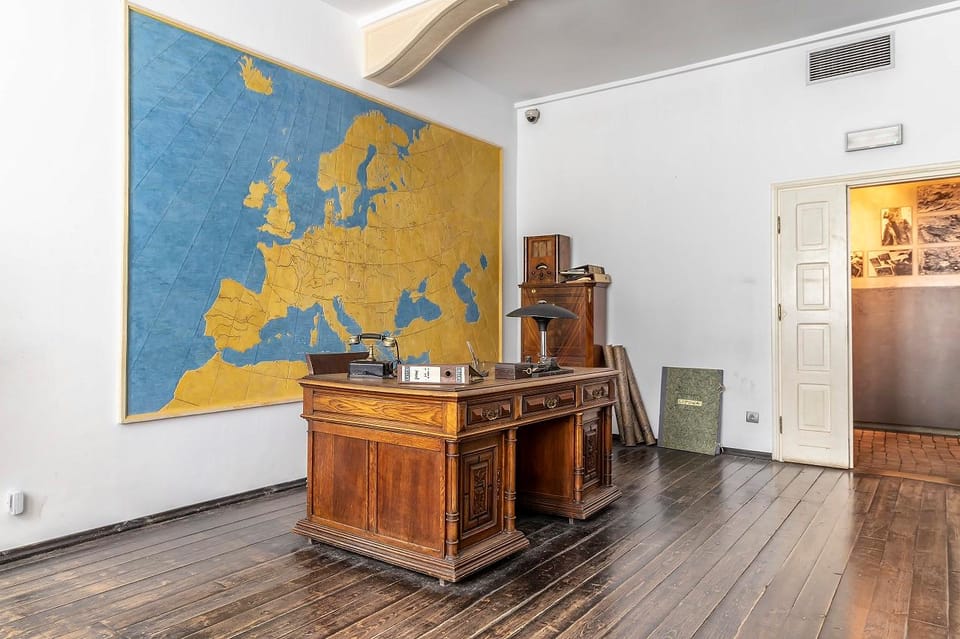
- Schindler’s Factory Museum: where the exhibition gives you context
- Walking Podgórze: the ghetto story becomes a map you can follow
- The pharmacy stop: Under the Eagle and why it matters
- Heroes’ Square and the Empty Chair Monument with 68 chairs
- Price and value: what you get for about $58
- Language options: when “professional guide” actually helps
- Practical notes: meeting point, what to bring, and food reality
- Important entry requirement from Jan 1, 2026
- Who should book this tour (and who might want a different style)
- Should you book Schindler’s Factory and the Podgórze Ghetto tour?
- FAQ
- How long is the guided tour?
- What does the tour include?
- Is food or drinks included?
- Where do I meet the guide?
- What languages are available for the live guide?
- Do I need to bring a passport or ID?
- Can I skip the ticket line?
- Is there free cancellation?
Key things you’ll notice on this tour
- A guided visit inside Schindler’s Factory that explains what you’re seeing, not just what’s on the wall
- Podgórze street walking with preserved wartime remnants like ghetto walls and former residences
- Under the Eagle pharmacy as a real-world stop tied to the ghetto story
- Empty Chair Monument in Heroes’ Square with its symbolic 68 chairs
- Time for two major sections (museum + neighborhood) in about 3 hours, with little wasted motion
- Professional guide support in multiple languages (Italian, French, English, Spanish, German)
A 3-hour route that moves from museum to streets fast
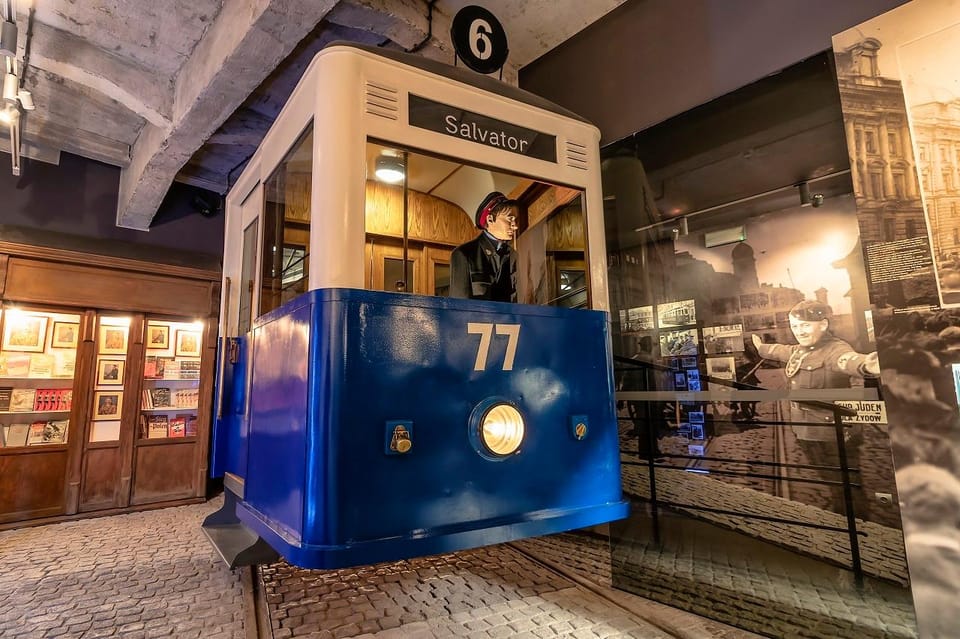
This tour is built like a one-two punch: first you get the museum framework, then you step outside and match that framework to the geography. In about three hours, you’re covering both big themes (Nazi occupation and survival networks) and specific locations (ghetto boundaries and memorials).
Because the plan is compact, you’ll get more value if you go in ready to listen. You don’t need to know the whole story already. The guide’s job here is to give you a clear timeline and help you understand why each stop matters.
If you hate group pacing, this may test your patience a bit. But if you like tight, purposeful touring, this one fits well.
You can also read our reviews of more guided tours in Krakow

Schindler’s Factory Museum: where the exhibition gives you context
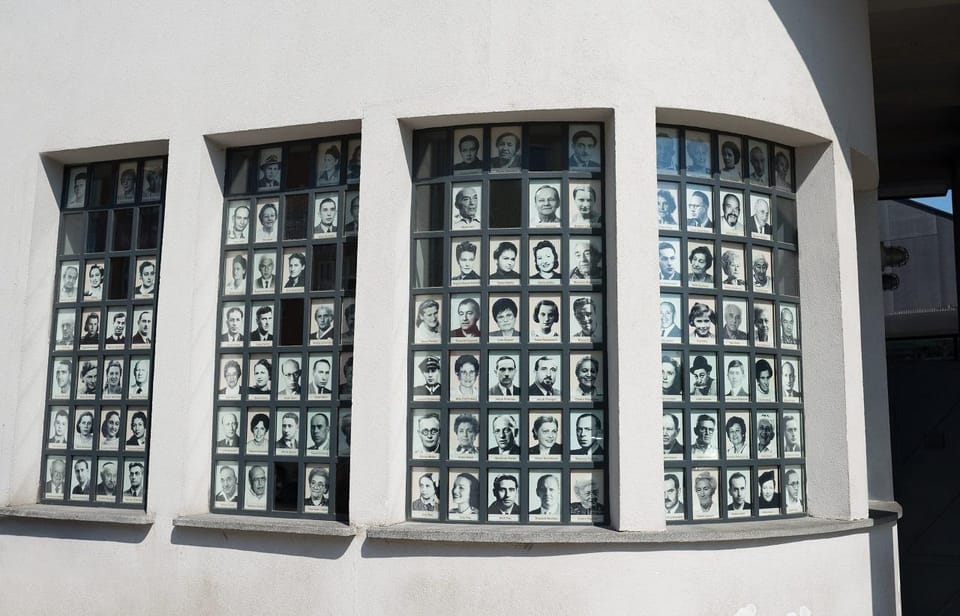
You meet the guide at the main entrance to Schindler’s Factory Museum, looking for the excursions.city sign. From there, the big advantage is that you get museum entry and a guided walkthrough as part of the package, including tickets and skip-the-ticket-line access.
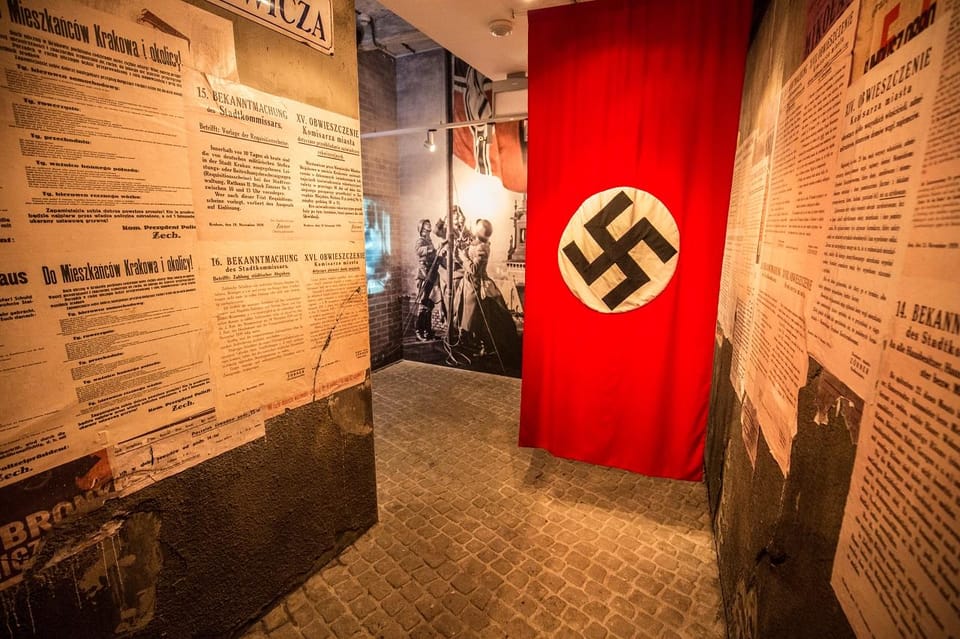
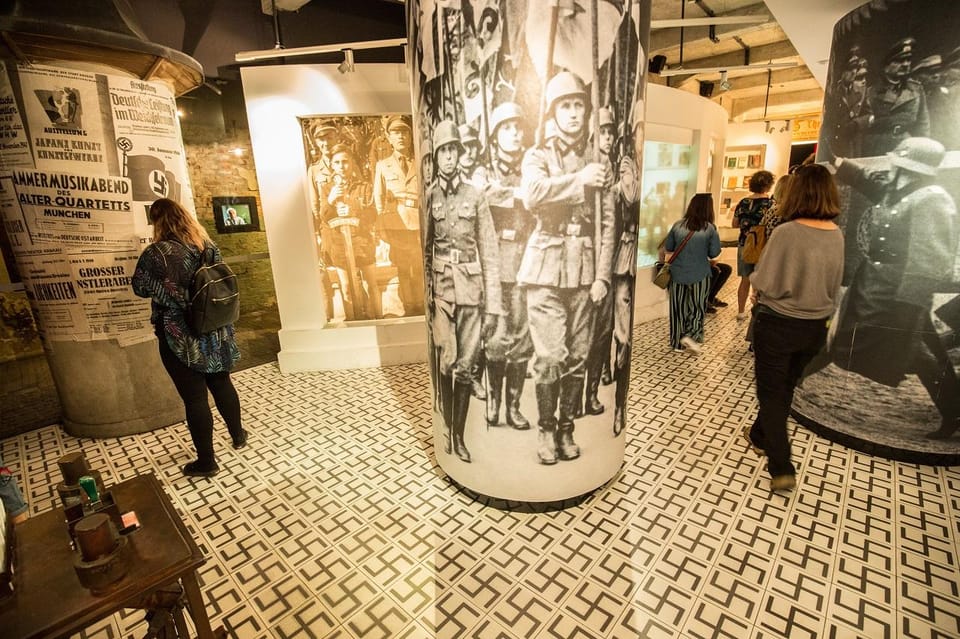
Inside, you’ll focus on Oskar Schindler’s Factory Museum and the exhibition titled Krakow Under Nazi Occupation. The point isn’t just to learn the headline facts. The guide helps you connect the exhibition themes to what life looked like for Jews in Krakow under Nazi control—restrictions, fear, forced displacement, and the constant need to find ways to survive.
I like this approach because it prevents a common problem with Holocaust-related sites: you can end up staring at artifacts without understanding the “why” behind them. A good guide turns a visit into a guided reading experience, where you learn how the museum organizes the story and what details to pay attention to.
Walking Podgórze: the ghetto story becomes a map you can follow
After the museum, you step into Podgórze, the district where so many wartime events left visible, walkable traces. The tour doesn’t just mention “the ghetto.” You actually get to see a segment of the preserved ghetto wall and visit nearby areas associated with the former residences where thousands of displaced Jews once lived.
This is the part of the tour I think you’ll remember most, because it changes your perspective. In a museum, you’re stationary. On the streets of Podgórze, your brain naturally starts asking questions like: How close were homes? Where would people have moved through? What did boundaries feel like day to day?
The tour also frames these places in terms of daily life under occupation. That’s important. It’s easy to focus only on the dramatic moments, but occupation is mostly routine fear and restriction. Walking through the neighborhood helps you feel that weight in a practical way.
If you prefer a lighter tone, you may find this section emotionally intense. But it’s also where the experience earns its “guided” label—your guide keeps the story clear and tied to what you’re looking at.
The pharmacy stop: Under the Eagle and why it matters
One of the tour’s specific highlights is the famous Under the Eagle pharmacy. It’s a striking landmark name on paper, but on the ground it works as an anchor. Your guide connects it to the wartime setting of the ghetto and helps you understand why a recognizable public place like this became part of the lived reality of those weeks and months.
I like landmarks like this for a simple reason: they’re memorable. You’ll walk away able to picture the stop even if you forget every exhibition date. That matters when you want your Krakow visit to stay with you after you leave the museum doors.
It also helps the tour avoid becoming purely academic. You’re not just learning history in abstraction. You’re matching the story to real points on the city.
Heroes’ Square and the Empty Chair Monument with 68 chairs
The tour also includes Heroes’ Square and the Empty Chair Monument, marked by the symbolic 68 chairs. This isn’t a background sight you’ll casually pass. It’s a memorial you stop at, look at, and let land with you.
Monuments can be hard to “read” if you don’t know what to look for. Here, the guided format matters again. Your guide’s framing gives those chairs meaning in relation to the broader story of loss and remembrance.
I found this kind of stop particularly useful after the museum. The first part helps you understand events. The memorial helps you understand how memory works in public space—and how Krakow chooses to keep certain names, absences, and questions present.
If you’re someone who prefers action and less reflection, this may feel like a slower moment. But it’s brief, and it closes the loop in a way that sticks.

Price and value: what you get for about $58
At $58 per person for roughly 3 hours, this tour is priced like a guided museum-and-walk package rather than a simple walking tour. What makes it feel more worthwhile than the bargain end of the market is that it includes the museum tickets plus a professional guide, and it’s designed so you aren’t wasting time figuring things out on your own.
A few value points you should care about:
- Tickets to Schindler’s Factory Museum are included
- You get skip-the-ticket-line convenience
- The itinerary combines two major blocks (museum + ghetto-area walk) without you hunting for connections
Is it “cheap”? No, not in the way a free city tour can be. But if you want the museum explanation and the ghetto-area context tied to real locations, it’s reasonable. For many people, the guide’s interpretation is what turns a visit from “I saw things” into “I understood why those things mattered.”
Language options: when “professional guide” actually helps
The tour is led by a live guide available in Italian, French, English, Spanish, and German. That matters because this is not a topic where you can rely on vague comprehension and hope the story connects itself.
I’ve also learned that guide style changes the energy. If your guide is Margherita, for example, you’re likely to get a very engaging, prepared delivery—clear, human, and easy to follow. If you end up with Phill, you may notice a more information-heavy approach paired with high enthusiasm. Either style can work well, as long as your guide keeps the timeline understandable.
One practical thought: the group pacing is real. A prior experience with this format ran a bit long (around 3.5 hours rather than exactly 3). If your evening plans are strict, plan a little breathing room.
Practical notes: meeting point, what to bring, and food reality
This is a walking tour with the museum visit built in. There’s no hotel pickup or drop-off, so you should plan to arrive at the meeting point on time.
- Meeting point: in front of the main entrance to Schindler’s Factory Museum, with the excursions.city sign
- Duration: about 3 hours (starting times depend on museum scheduling)
- Food and drinks: not included
I’ll say it plainly: don’t count on grabbing a meal during the tour. If you need to eat, eat before you go. Once you’re in museum mode and memorial mode, hunger can be more distracting than you expect.
Important entry requirement from Jan 1, 2026
From Jan 1, 2026, times are approximate and can shift due to Schindler’s Factory Museum scheduling. Also, the museum uses personalized tickets. That means you must provide full names for all participants when reserving and bring a passport or ID for entry. Without that, entry can be denied.
Even if your trip is sooner, it’s smart to keep the same habit: use the names exactly as on your ID, and have your ID ready.
Who should book this tour (and who might want a different style)
This tour suits you best if you:
- want a structured guided museum visit and not a self-paced scramble
- like walking tours that show wartime geography, not just explanations
- are comfortable with serious subject matter and want context for what you’re seeing
You might choose something else if you:
- don’t handle emotionally heavy topics well
- want a mostly scenic or light sightseeing focus
- need a very exact time window with no flexibility
One more note: the walking portion means you’ll be on your feet for the neighborhood stops. It’s not presented as an activity with special transport, so you’ll want regular walking comfort.
Should you book Schindler’s Factory and the Podgórze Ghetto tour?
I’d recommend booking this tour if your goal is understanding, not just ticking off sights. The combination of Schindler’s Factory Museum with Podgórze street-level remnants is the main reason it works. You get the story in the museum, then you see the city shape that story still has.
It’s also strong value for the time because you’re not piecing together separate tickets and guidance. At $58, you’re paying for a professional guide to connect the dots between exhibition themes and real-world locations like the Under the Eagle pharmacy and Heroes’ Square’s Empty Chair Monument with its 68 chairs.
Book it if you want a guided, respectful route that helps you make sense of what you’re looking at. Skip it (or consider a different format) if you prefer self-paced touring or you can’t handle the emotional weight of this chapter of history.
FAQ
How long is the guided tour?
The tour duration is 3 hours.
What does the tour include?
It includes tickets to the Schindler’s Factory Museum, a professional tour guide, and a walking tour.
Is food or drinks included?
No. Food and drinks are not included.
Where do I meet the guide?
Meet the guide in front of the main entrance to the Schindler’s Factory Museum, with the excursions.city sign.
What languages are available for the live guide?
The live tour guide is available in Italian, French, English, Spanish, and German.
Do I need to bring a passport or ID?
For entry to Schindler’s Factory Museum, you must bring a passport or ID. The tour also requires full names for all participants when reserving.
Can I skip the ticket line?
Yes, the tour includes skip-the-ticket-line access.
Is there free cancellation?
Yes. You can cancel up to 24 hours in advance for a full refund.