REVIEW · KRAKOW
Krakow: A Magical Walking Tour of the Old City – 120 min
Book on Viator →Operated by Krakow Tour - Segway, E-scooter, Bike, Walking Tours in Krakow · Bookable on Viator
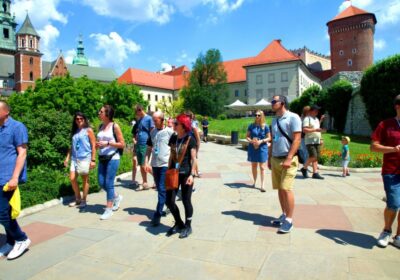
Krakow’s Old Town moves fast, so you need a guide. This 2-hour walking tour strings together the city’s biggest landmarks, from Rynek Glowny to Wawel, with clear explanations and story-driven stops along the Royal Way. I like that it feels like a guided “map you can walk,” not a lecture, and I especially like the legend element at places like the Wawel dragon and St. Mary’s.
One thing to consider: meeting points can be a little tricky for newcomers. Wiślna 4 is the start (and the tour ends near Adam Mickiewicz at Sienna 2a), and in one account the guide’s reaction to difficulty locating the group was not pleasant—so arriving early matters.
In This Review
- Key Highlights You’ll Feel Right Away
- Walking Krakow’s Old Town, Stop by Stop
- Price and Timing: Why 120 Minutes Works in Krakow
- Where You Start and Where You End (And Why It Matters)
- Stop 1: Rynek Glówny Central Square and the Story-Layer
- Stop 2: The Royal Way (Droga Krolewska)
- Stop 3: Ulica Kanonicza, One of Krakow’s Oldest Streets
- Stop 4: Church of St. Peter and St. Paul
- Stop 5: Wawel Royal Castle and the Kings-and-Queens Theme
- Stop 6: The Wawel Dragon Monument
- Stop 7: Okno Papieskie (The Pope’s Window)
- Stop 8: Plac Franciszkański
- Stop 9: Franciscan Basilica (Bazylika Franciszkanów z Asyżu)
- Stop 10: Jagiellonian University Area and Planty Park Views
- Stop 11: Barbakan and the Museum of Krakow
- Stop 12: St. Mary’s Basilica and the Twin-Tower Curiosity
- Stop 13: St. Florian’s Gate, Krakow’s Wall in One Piece
- The Guides: What to Expect From Human Style
- Who This Tour Fits Best
- Small Practical Tips That Pay Off
- Should You Book This Krakow Old City Walking Tour?
- FAQ
- How long is the Krakow Old City walking tour?
- What language is the tour in?
- Is there a mobile ticket?
- Where do I meet the guide?
- Is the tour suitable for most people?
- What happens if the weather is bad?
Key Highlights You’ll Feel Right Away
- A tight 120 minutes covering many of Krakow’s must-see Old Town sights
- Story-first stops like the Wawel dragon and St. Mary’s basilica legends
- Royal Way and the oldest street vibe, including Kanonicza Street
- Major landmarks on foot: Wawel, St. Florian’s Gate, and the Franciscan area
- Small-ish group size with a max of 50 people
- Mobile ticket and English for easy day-of use
Walking Krakow’s Old Town, Stop by Stop
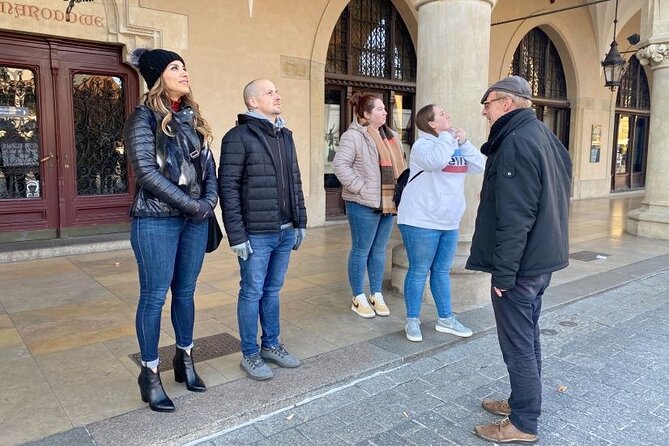
Krakow is one of those cities where walking feels like the point. In about two hours, this tour threads together the core “old city” sights you’d normally chase around on your own. The difference is that you’re not just seeing stone and towers—you’re getting the why behind the names, the layout, and the legends people still repeat.
The pace is brisk but not rushed. Each stop is short, which keeps you moving through Rynek Glowny and the surrounding streets without turning the whole evening into one long wait. If you like getting your bearings fast, this is built for you.
Price-wise, $36.09 per person sounds reasonable for a guided walk that hits a lot of landmark ground. It also helps that the stops listed are marked as free admission in the itinerary, so you’re not constantly hunting for entrance fees mid-walk.
You can also read our reviews of more walking tours in Krakow

Price and Timing: Why 120 Minutes Works in Krakow
Two hours is a sweet spot in Krakow. You get the big hits—square, churches, castle area, gate—without spending your whole afternoon or evening locked into one plan. It’s also enough time to hear stories that make the place feel connected, instead of isolated photos.
The average booking window is about 19 days in advance, which is a clue that popular time slots move quickly. You don’t need to panic-book the moment you arrive, but do check dates early, especially if you’re traveling during peak season.
The tour is in English and uses a mobile ticket. That combo matters because it reduces hassle day-of—less time figuring out paper confirmations and more time walking.
Where You Start and Where You End (And Why It Matters)
The meeting point is Wiślna 4, Kraków, and the tour ends at the central square area near Adam Mickiewicz, around Sienna 2a. That means you’re not stuck far from the main pedestrian zone by the end.
Practical tip: plan to arrive a bit early and take a moment to check you’re in the right cluster. One negative experience described a participant having trouble finding the meeting spot and the guide responding poorly. You can’t control everything, but you can control timing and your readiness to locate the group.
Also, the tour is noted as near public transportation. That’s a real advantage if you’re mixing plans—old town walk now, dinner later, quick ride in between.
Stop 1: Rynek Glówny Central Square and the Story-Layer
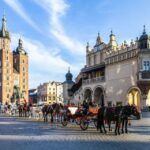
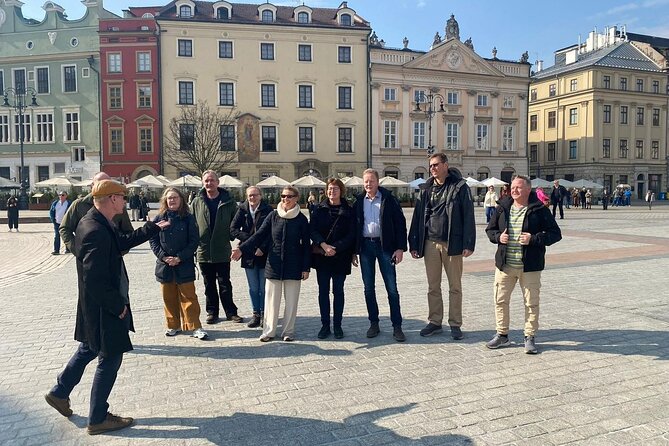
Rynek Glówny is Krakow’s “center of gravity.” This first stop sets the tone by explaining the square itself and what you’ll see around it. It’s a smart opener because it gives you a frame: from here, the rest of the Old Town makes more sense as a connected system instead of separate sights.
You’ll also hear local legends tied to St. Mary’s Church and the Cloth Hall. Even if you’ve seen photos before, it’s the meaning behind what you’re looking at that makes the square feel less generic.
A small drawback: because this is the starting hub, it can feel like the group is gathering energy while you’re already trying to lock onto information. If you’re sensitive to crowds, keep your headphones off and let the guide settle everyone before you fully absorb.
Stop 2: The Royal Way (Droga Krolewska)
Next comes the Royal Way, a street-route with a name that signals importance. The tour explains why it’s called the Royal Way and what that suggests about Krakow’s past—especially how certain routes carried status and ceremony.
This stop is short, but it’s valuable because it turns a simple walking stretch into a living piece of city planning. When you understand that roads like this were built for more than daily errands, the street feels more intentional.
If you’re the kind of traveler who likes “how cities grew,” this is a highlight even though it’s only a brief segment.
You can also read our reviews of more city tours in Krakow


Stop 3: Ulica Kanonicza, One of Krakow’s Oldest Streets
Ulica Kanonicza (Kanonicza Street) is where the Old Town starts feeling really historic in your legs. The tour focuses on the street’s history and positions it as the oldest street in Krakow.
Short stops can sometimes feel like a quick photo and move on. Here, the value is that you’re hearing the street’s role before you reach the next major site, so your brain files it correctly.
This is also a good moment to slow down your pace slightly. The group moves as a unit, but you can still take in the street character between explanations.
Stop 4: Church of St. Peter and St. Paul
This church gets called out as one of Krakow’s most beautiful, and the tour tells you what to pay attention to. Even if you don’t memorize architectural terms, this kind of stop helps you recognize why a building draws attention.
One practical point: with a stop this short, you’ll get more out of it if you pause at the right angle. If you’re taking photos, do it quickly, then return your attention to what the guide is pointing at.
If churches aren’t your thing, you’ll still get enough story context to make it feel like part of the bigger puzzle.
Stop 5: Wawel Royal Castle and the Kings-and-Queens Theme
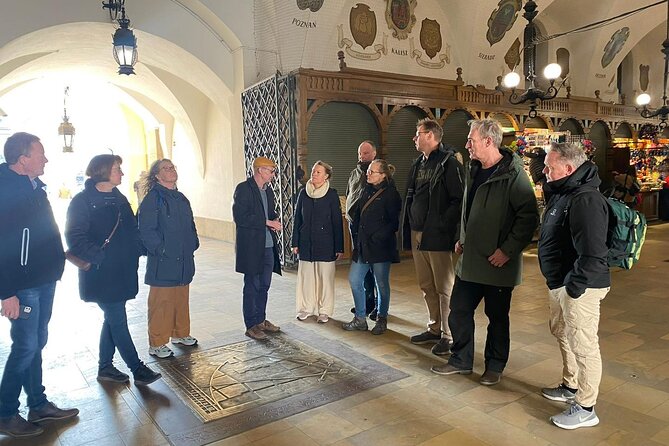
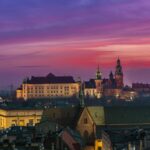
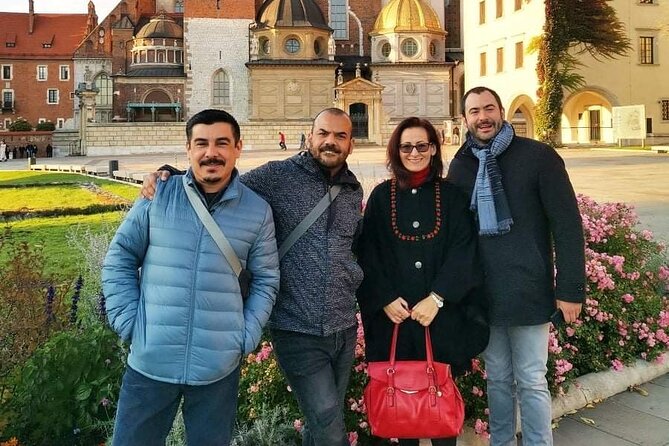
Then you hit Wawel Royal Castle, with stories about the kings and queens of Poland. Even with a brief stop, you’ll likely leave with a clearer sense of why Wawel has such symbolic weight.
What I like about including Wawel here is the sequencing. Earlier stops prepare you for city layout and royal route logic; now you see the power center tied to it.
Small caution: Wawel is a magnet. If the area is crowded when you arrive, the group can feel a little squeezed. Still, that’s normal for Krakow’s top landmark zone.
Stop 6: The Wawel Dragon Monument
This is where the tour turns playful. You’ll hear the legend of the Krakow dragon, which is popular with children and has spread as a story across Poland.
It’s a smart contrast after heavy historic themes. A legend stop gives your brain a break and also makes the city feel personal, not only formal and official.
If you’re traveling with kids (or just a kid-at-heart), this is usually the most memorable stop in the 2-hour window.
Stop 7: Okno Papieskie (The Pope’s Window)
Okno Papieskie is a name with built-in curiosity. The tour explains why this place is called that and adds a few more interesting stories along the way.
Stops like this are why guided walking works. On your own, you might see a sign or a landmark and keep moving. With guidance, you connect the name to a specific meaning and a reason people reference it.
Because the time is limited, you’ll want to actually listen here rather than multitask. This one can be easy to treat like a quick photo stop.
Stop 8: Plac Franciszkański
Plac Franciszkański is next, and the tour brings facts and local legends into focus. This is one of those places where surroundings matter, because the square feels like a hub rather than a standalone object.
The value here is atmosphere. By now, you’ve already heard about royal routes, oldest street history, and Wawel. This stop shifts you to a different power source: religious life and the Franciscan sphere.
Stop 9: Franciscan Basilica (Bazylika Franciszkanów z Asyżu)
The basilica gets a dedicated stop, again with facts and local legends. It’s another “slow moment” in the walking rhythm, and that helps you reset before more major landmarks.
If you’re a photo person, you’ll probably find angles quickly. If you’re more of a story person, focus on what the guide tells you to look for, because that’s where the time stays useful.
Stop 10: Jagiellonian University Area and Planty Park Views
You’ll walk along Planty Park, which surrounds Krakow’s Old Town. The tour frames it as the beloved park by Cracovians, then ties you into the Jagiellonian University – Collegium Medicum.
Even without going inside buildings, this stretch matters. Planty Park is a breathing-space ring around the core, and it helps you understand how the city wraps old walls with everyday life.
This stop also makes the tour feel broader than “just churches and castles.” It gives you a sense that Krakow is lived-in history, not only museum scenery.
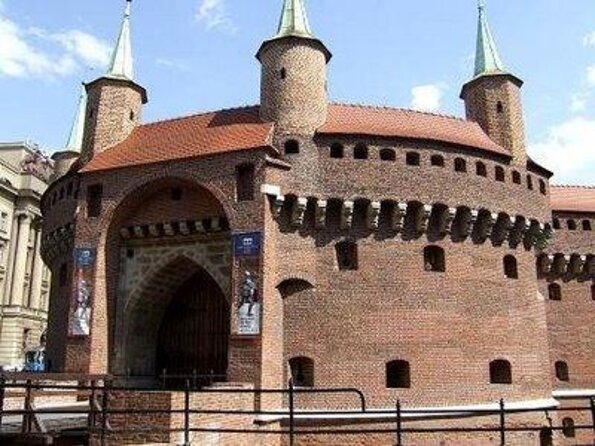
Stop 11: Barbakan and the Museum of Krakow
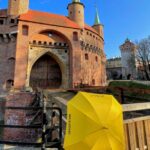
The Barbakan comes next, with stories about how Krakow was defended and how Krakow changed after the partition of Poland.
If you’re trying to understand Krakow beyond postcards, defense-and-change is the pivot point. It turns the city from “pretty buildings” into a place shaped by real political pressure.
This is also a useful stop even if you’re not a museum person, because it provides a framework for what you’re about to notice at other fortification-related sights.
Stop 12: St. Mary’s Basilica and the Twin-Tower Curiosity
St. Mary’s Basilica is a major Krakow icon, and the tour explains why it has towers of different heights and other legends linked to the site.
This is one of those details that changes your entire viewing experience. Instead of saying, “Oh, that church is pretty,” you’re thinking, “Wait, why is it like that?” That question turns your photos into memory, not just images.
If you arrive and the area is crowded, your best move is to keep your eyes up and listen for the specific points the guide mentions.
Stop 13: St. Florian’s Gate, Krakow’s Wall in One Piece
The walk finishes at St. Florian’s Gate, described as the last remaining fragment of Krakow’s wall. The tour closes this arc by explaining what happened to the wall and what you can find on the inner side.
This stop gives you a final “city shape” understanding. After castle, churches, squares, and legends, you’re left with the physical boundary idea—how Krakow protected itself and how those barriers ended up changing over time.
Ending near Adam Mickiewicz at the central square is convenient. Once you’re done, you’re back where you can easily pivot to food, a nighttime stroll, or another self-guided stop.
The Guides: What to Expect From Human Style
The tour is run by Krakow Tour – Segway, E-scooter, Bike, Walking Tours in Krakow. Group size is capped at 50, which is small enough for a walking experience to stay organized, but big enough that you’ll need patience at crowded stops.
One positive note from past guides: Vlad is mentioned by name, and his delivery was described as excellent on Polish history and Krakow itself. Another person described a guide speaking very good French and keeping things funny, with room for questions.
At the same time, a negative account described a rude, arrogant interaction tied to difficulty finding the meeting point. That’s rare, but it tells you something: show up on time, double-check the meeting location, and be ready to solve the tiny logistics fast so your tour starts smoothly.
Who This Tour Fits Best
This walking tour is a great choice if you want:
- A structured Old Town route without spending hours building one
- Legends and names explained in plain language
- Big “Krakow hits” in a short window
It’s also a good option if you’re traveling solo or as a couple and want your plan to feel guided without committing to a full day.
If you hate walking or struggle with crowds, you might find the short stops in busy zones a bit tight. But for most visitors, it’s an efficient way to get grounded in Krakow’s center.
Small Practical Tips That Pay Off
- Wear shoes you can move in. Two hours in historic streets adds up.
- If you’re relying on your phone for navigation, be gentle about it early. The tour expects people to find the group.
- If the weather turns rough, the experience can be canceled and refunded or rescheduled. So keep an eye on conditions, especially in shoulder seasons.
Should You Book This Krakow Old City Walking Tour?
I’d book it if you want a fast, story-based way to orient yourself in Krakow. The route hits the essentials—Rynek Glówny, the Royal Way, Wawel, the dragon legend, St. Mary’s Basilica, and St. Florian’s Gate—so you’ll leave with a connected mental map, not a pile of separate attractions.
I’d hesitate only if you’re very sensitive to interpersonal style or if you know you might arrive late and feel stressed about meeting up. In that case, build in extra buffer time so the start isn’t chaotic.
FAQ
How long is the Krakow Old City walking tour?
It runs about 120 minutes (around 2 hours).
What language is the tour in?
The tour is offered in English.
Is there a mobile ticket?
Yes. The tour uses a mobile ticket.
Where do I meet the guide?
The start location is Wiślna 4, Kraków, Poland, and the tour ends near the central square around Sienna 2a (near the Adam Mickiewicz monument).
Is the tour suitable for most people?
Most travelers can participate.
What happens if the weather is bad?
The experience requires good weather. If it’s canceled due to poor weather, you’ll be offered a different date or a full refund.