REVIEW · KRAKOW
Kazimierz Jewish Quarter Walking Tour
Book on GetYourGuide →Operated by INTERCRAC Ltd. · Bookable on GetYourGuide
Kazimierz has a way of slowing you down. This 90-minute Kazimierz Jewish Quarter walking tour takes you through Kraków’s historic Jewish neighborhood, from Szeroka Street to the lively square of Plac Nowy, with stops that explain how everyday life, faith, and neighbors shaped the district.
I especially love the way the route connects major sites with lived-in streets and old townhouses. You also get a clear sense of Jewish customs and everyday routines through the guide’s storytelling, not just a list of landmarks.
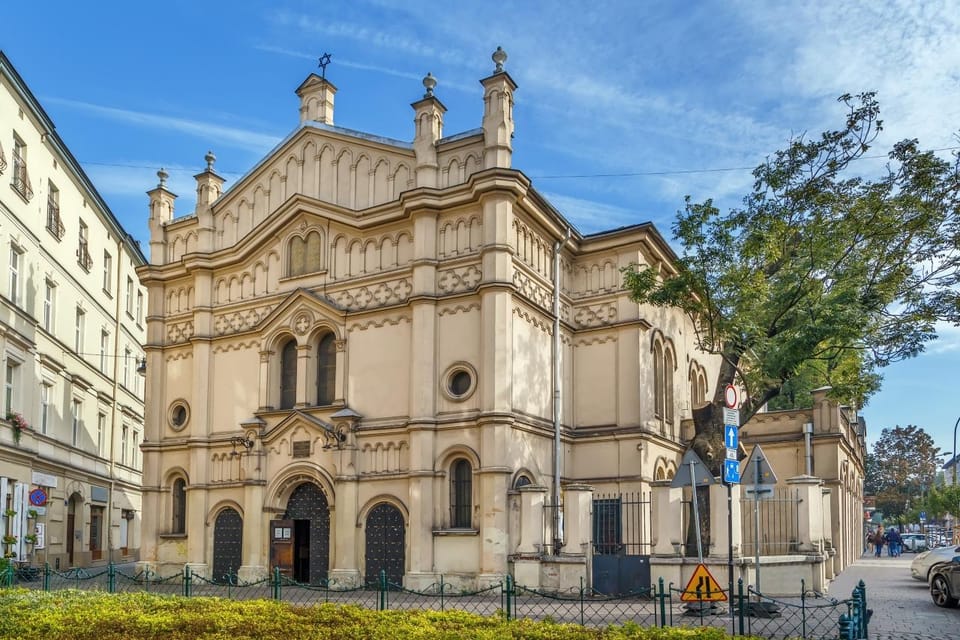
My second favorite part is the stop-by-stop pacing: you’ll visit places like the Old Synagogue (today a museum), Remuh Synagogue and Cemetery, and the Tempel Synagogue that still serves as an active cultural hub. One possible drawback to factor in: the tour ends back in the neighborhood’s main hangout area, so it’s best if you’re comfortable mixing with cafés and market activity after the walking portion.
In This Review
- Key Highlights You’ll Actually Feel On This Walk
- First Steps In Kazimierz: Szeroka Street And The Old Synagogue
- 90 Minutes Of Meaning: How Your Guide Makes The District Coherent
- Old Synagogue: Poland’s Oldest Preserved Synagogue And What That Means
- Remuh Synagogue And Cemetery: A Religious Site With Weight
- Kupa Synagogue: Connecting Architecture To Community And Class
- Tempel Synagogue: Historic Roots With An Active Cultural Role
- Plac Nowy Finish: Cafés, Markets, And A Convenient End Point
- Price And Value: What $27 Buys You In Kazimierz
- What To Bring (And How To Dress So You Enjoy It)
- Who Should Book This Tour (And Who Might Want Something Different)
- Should You Book The Kazimierz Jewish Quarter Walking Tour?
- FAQ
- Where is the meeting point for the Kazimierz Jewish Quarter walking tour?
- How long is the tour?
- What languages are available?
- Is food or drinks included?
- What should I bring for the tour?
- Does the tour run in bad weather?
- What is the cancellation policy?
Key Highlights You’ll Actually Feel On This Walk
- Szeroka Street start: the historic heart of Kazimierz, lined with older townhouses from the 16th–18th centuries
- Old Synagogue visit: the oldest preserved synagogue in Poland, now functioning as a museum of Jewish history
- Remuh Synagogue and Cemetery: one of Poland’s most important Jewish religious sites
- Everyday-life context: you’ll learn Jewish customs, traditions, and daily rhythms, not just big dates
- Tempel Synagogue today: a historic site still used as an active center of cultural life
- End at Plac Nowy: an easy, fun landing spot for a drink or snack after the tour
First Steps In Kazimierz: Szeroka Street And The Old Synagogue

The tour begins on the steps of the Old Synagogue, where your guide holds a Kazimierz Guided Tour sign. If you arrive about 10 minutes early, you’ll get settled before the group sets off, and you won’t be stuck watching the departure point from the sidewalk.
From there, you walk into Szeroka Street, which feels like the district’s historic front door. This is where you’ll notice the mix of old structures: traditional townhouses dating back to the 16th–18th centuries, plus the atmosphere that comes from being surrounded by places tied to prayer and community. Kazimierz doesn’t just show you architecture. It shows you how a neighborhood can be built around faith and daily routines.
At the Old Synagogue area, the tour’s tone becomes clear. You’re not rushing past a photo spot. You’re learning what the building represents—today it functions as a museum of Jewish history, which gives you an anchor point for everything else you’ll see later. This is a smart way to start: it helps you understand the difference between what’s preserved, what’s changed, and what still carries meaning in modern Kazimierz.
You can also read our reviews of more walking tours in Krakow

90 Minutes Of Meaning: How Your Guide Makes The District Coherent
A walking tour lives or dies on interpretation, and this one is designed around guided context. You’ll learn Jewish customs, traditions, and everyday life, which matters because Kazimierz can feel mysterious if you only view it as a set of sites.
Here’s what the structure accomplishes for you: each stop adds a layer, so the district starts to make sense as a whole. Instead of memorizing names, you connect themes—community life, religious practice, and the way streets, synagogues, and courtyards carried those routines across generations.
Language support also helps you settle in. The tour runs with live guides in English, Spanish, French, German, and Italian, so you can pick a language that lets you focus on the story rather than struggling to keep up. If you’ve ever done a “headline history” tour, you’ll appreciate this format more: it’s meant to explain the connections you’re walking through.
Old Synagogue: Poland’s Oldest Preserved Synagogue And What That Means
The Old Synagogue is the kind of stop that changes how you read the street. It’s described as the oldest preserved synagogue in Poland, and it currently operates as a museum of Jewish history. That museum role is important: you’re not just looking at a historic exterior. You’re seeing why preservation matters and how the story gets communicated.
For you, this translates to a better sense of scale. When you later pass other synagogues and related sites, you’ll understand the progression—how different communities, traditions, and time periods can live side by side in one neighborhood.
Practical note: since this is a walking tour and the duration is tight, the guide’s explanations help you avoid feeling like you’re spending your only time on logistics. The payoff is that you walk away with names and reasons, not just “I saw a synagogue.”
Remuh Synagogue And Cemetery: A Religious Site With Weight
Next comes Remuh Synagogue and Cemetery, one of the most important Jewish religious sites in the country. Even if you’re not a history expert, cemetery and synagogue areas tend to come with a different gravity. This stop is where the tour’s focus on faith and tradition becomes more than background.
What I like about including the cemetery alongside Remuh is that it turns the tour into a real-life snapshot. Places like this are not just architectural landmarks; they’re part of ongoing cultural memory. The guide’s explanations help you understand why visitors often feel more reflective here than they do on typical sightseeing routes.
Because this tour is only 90 minutes, the key is to keep your attention steady at these stops. If you’re the type who likes asking questions, this is a good moment to do it—this kind of tour is built for interaction, not just one-way talking.
Kupa Synagogue: Connecting Architecture To Community And Class
Then you’ll pass the Kupa Synagogue, once serving the poorest residents. That detail does real work. It gives you a human angle: it’s easy to think of historic synagogues as uniform, but community institutions often formed around different needs and social realities.
For you, this helps build a more accurate picture of Kazimierz. The district wasn’t only about major landmarks. It was also where ordinary people lived, worshiped, gathered, and supported each other. When your guide points out Kupa’s role, the neighborhood stops being a museum-like backdrop and starts feeling like an actual social system.
If you tend to enjoy social history—how daily life functioned—this stop is likely to be one of the more memorable parts.
Tempel Synagogue: Historic Roots With An Active Cultural Role
The walk continues past the Tempel Synagogue, described as now an active center of cultural life. This is a different kind of meaning than the museum-style Old Synagogue or the solemn Remuh/Cemetery area.
Why it matters for you: it shows Kazimierz isn’t stuck in the past. Historic religious spaces can shift roles over time while keeping a connection to community identity. The guide’s explanation of the synagogue’s current function helps you see how culture and heritage keep moving, even when the world changes.
If you’re planning your day around Kraków’s neighborhoods, Tempel Synagogue is also useful as a pivot point. After religious and remembrance-focused stops, an active cultural site is a natural change of pace before you hit Plac Nowy.
Plac Nowy Finish: Cafés, Markets, And A Convenient End Point
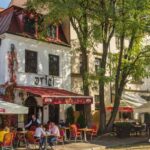
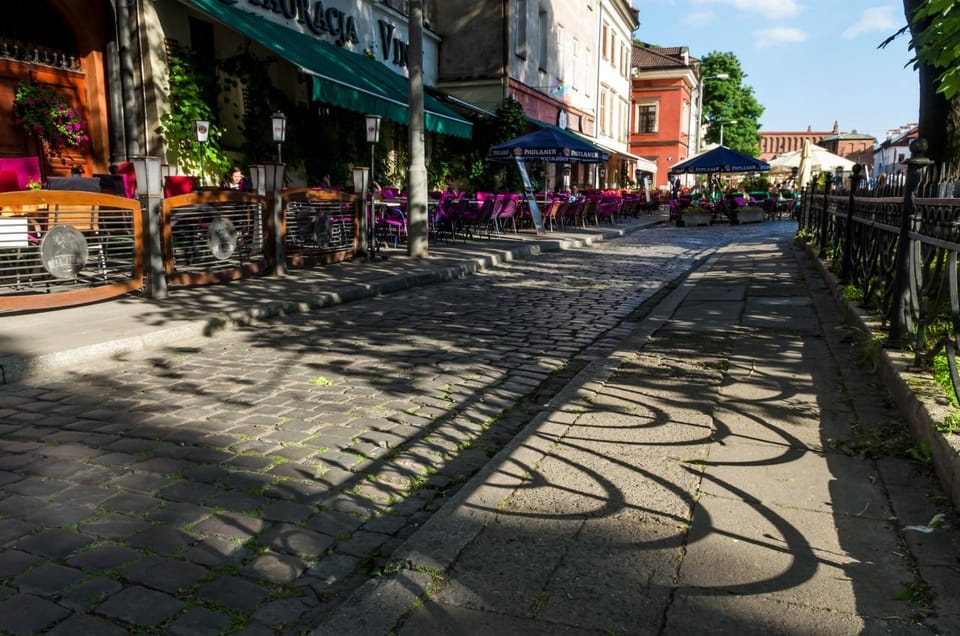
The tour concludes at Plac Nowy, a lively square with cafés, markets, and local art. This is a practical choice: it gives you an easy place to reset after 90 minutes of walking and listening.
And it’s not just convenience. Ending here lets you connect the stories you learned to what the neighborhood looks like now. You can grab a drink, browse the market atmosphere, or simply people-watch in a square that still serves as a social center.
Since food or drinks aren’t included on the tour, you’ll likely want to plan a post-tour stop. Plac Nowy is the obvious place to do it without needing transit or extra planning.
Price And Value: What $27 Buys You In Kazimierz
At $27 per person for 90 minutes, the real question is value: are you paying for walking, or paying for understanding?
Here, you’re paying for a licensed guide plus a structured route through major synagogues and neighborhood landmarks. The value comes from the way the tour connects sites that would be confusing on your own—like knowing why Kupa Synagogue’s former role matters, or why Remuh/Cemetery is singled out as significant.
If you’re short on time in Kraków, this format is efficient. It’s also better than picking random sites because you get context before and after each stop, which makes the streets feel less like background and more like an intentional story.
What To Bring (And How To Dress So You Enjoy It)
You’ll do real walking, so start with comfortable shoes. Then dress for the weather: the tour takes place as planned in all weather conditions, so check the forecast and plan accordingly. Rain gear can be the difference between tolerable and miserable if the sky turns.
This is one of those tours where “small comfort details” help a lot. You’ll be standing and walking through courtyards and streets, and you’ll want to keep your energy for listening.
Who Should Book This Tour (And Who Might Want Something Different)
This Kazimierz walk is best for you if you want:
- Jewish heritage and cultural context in a short time
- A guided path through multiple key synagogues and the cemetery area
- A better understanding of how Kraków’s Jewish and Christian histories developed side by side
It may be less ideal if you only want entertainment or quick photo stops. The tour is built for learning and careful attention to meaning. Also, since food isn’t included, you’ll want to plan your own snack or meal before or after.
One other small consideration: the experience depends on how the guide leads. In one case, a guide was reported as very engaged and able to answer questions even when they went beyond the main topic. In a separate case, a guide was described as less firm in explanations and the tour ended early to start another activity. That’s not enough to dismiss the tour, but it’s a reminder to choose a time when you’re not rushed later in your day.
Should You Book The Kazimierz Jewish Quarter Walking Tour?
If you’re in Kraków and you want a focused, meaningful walk through Kazimierz, I think this is a strong choice. You get a licensed guide, a route that hits major landmarks like the Old Synagogue, Remuh Synagogue and Cemetery, and the Tempel Synagogue, plus an ending at Plac Nowy so you can keep enjoying the neighborhood afterward.
Book it if you like your travel with context. Don’t book it if you’re hoping for a casual “wander and guess” experience. This tour is designed to help you understand what you’re seeing, step by step.
FAQ
Where is the meeting point for the Kazimierz Jewish Quarter walking tour?
Meet your guide on the steps of the Old Synagogue. The guide will hold a Kazimierz Guided Tour sign.
How long is the tour?
The tour lasts 90 minutes.
What languages are available?
The live tour guide is available in English, Spanish, French, German, and Italian.
Is food or drinks included?
No. Food or drinks are not included.
What should I bring for the tour?
Bring comfortable shoes and dress in weather-appropriate clothing.
Does the tour run in bad weather?
The tour takes place as planned in all weather conditions, so dress for rain or cold as needed.
What is the cancellation policy?
You can cancel up to 24 hours in advance for a full refund.