REVIEW · KRAKOW
Jewish Quarter Kazimierz Guided Walking Tour in Krakow
Book on Viator →Operated by excursions.city · Bookable on Viator
Kazimierz feels personal when you walk it. I love how this tour strings together real places like Szeroka Street and the synagogue museum, with a guide who keeps the story moving and answers your questions. One thing to keep in mind: synagogue admissions aren’t included, so if you want lots of indoor time, you may spend more of the tour outside than you expect.
This is a 1 hour 30 minutes to 2 hours guided stroll through Krakow’s Jewish Quarter, designed for an easy pace and a group cap of 25. It runs in English, and you get a mobile ticket after booking, so you can show up ready to go.
You’ll meet at Szeroka 24 and end at Lipowa 4, and the walk goes on in rain or shine. Arrive about 10 minutes early, because once the group leaves, latecomers can’t join and tickets aren’t refunded.
In This Review
- Key Things To Know Before You Go
- Entering Kazimierz: Starting on Szeroka 24
- Szeroka Street: The 16th–18th Century “Big Picture” View
- Stara Synagoga (Old Synagogue) and the Museum Experience
- Remuh Synagogue: Sacred Symbolism in Kraków
- Kupa Synagogue: The Poor Synagogue Story
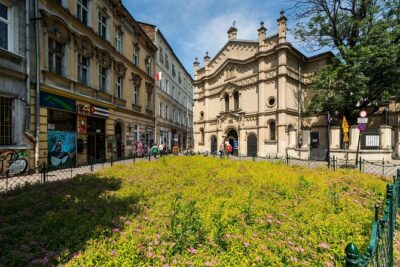
- Tempel Synagogue: 19th-Century Architecture with a Living Role
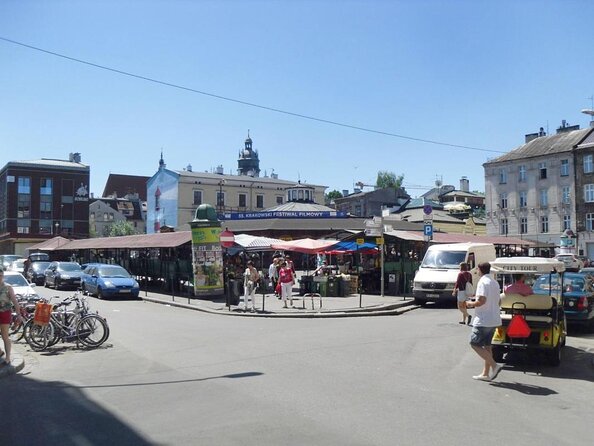
- Plac Nowy (Market Square): Where Kazimierz Becomes Normal Life
- Corpus Christi Church: Golden Interiors as a Counterpoint
- How the Guide Makes the Walk Click
- Price and What It Covers (and Doesn’t)
- Timing, Group Size, and Staying Flexible
- Who This Tour Is Best For
- Should You Book This Kazimierz Guided Walking Tour?
- FAQ
- How long is the Jewish Quarter Kazimierz guided walking tour?
- Where does the tour start and end?
- Is the tour offered in English?
- Are admission tickets included for synagogues and other sites?
- Will the tour run in bad weather?
- What time should I arrive?
- Can I cancel for free?
Key Things To Know Before You Go
- Szeroka Street sets the tone with 16th–18th century townhouses and the feeling of old Jewish Krakow.
- Stara Synagoga (Old Synagogue) is the oldest preserved synagogue in Poland, now a museum of Jewish heritage.
- Remuh and Kupa add contrast—sacred symbolism at Remuh, and the story of the Poor Synagogue at Kupa.
- Tempel Synagogue connects past to today as a 19th-century site that’s used for Jewish culture and concerts.
- Plac Nowy and Corpus Christi give you a clear before/after contrast between Jewish heritage and the surrounding Catholic city.
Entering Kazimierz: Starting on Szeroka 24
The tour begins at Szeroka 24 in Kazimierz, right where the neighborhood starts to feel like a living archive. Szeroka Street is lined with long-familiar facades—synagogues in the mix, plus elegant townhouses from the 16th to 18th centuries that make the whole area feel layered.
At this first stop, your guide’s job is to help you see the street instead of just walking it. You’re not asked to sprint from one viewpoint to the next; you get time to orient yourself and understand how Kazimierz works as a district, not just a checklist of buildings.
Also note that admission isn’t included for the stops along the way, including this one. That doesn’t make the stop less meaningful, but it does affect what you can expect in terms of entry. If your dream is to go inside every sacred space, plan on buying tickets separately.
You can also read our reviews of more walking tours in Krakow
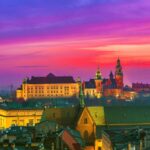

Szeroka Street: The 16th–18th Century “Big Picture” View
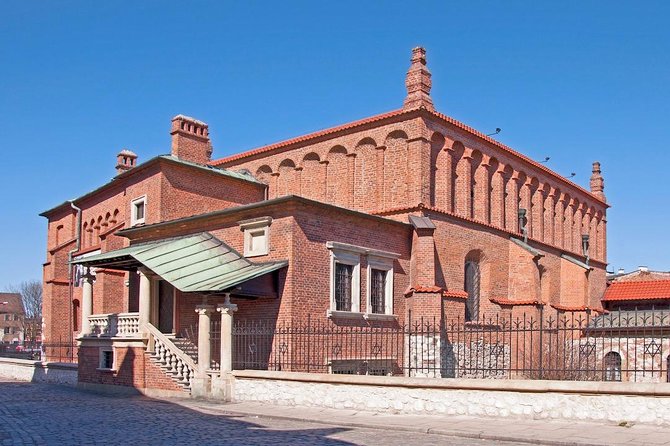
This is where you start learning the neighborhood’s rhythm: street scale, building placements, and the way synagogues relate to the surrounding streets. Even if you’re only looking at exteriors, the guide’s running commentary helps you connect shapes and locations to what happened here.
I like starting here because it gives you context before you hit the heavier stops. You’ll likely feel more grounded when you arrive at the first museum site, instead of treating it like a random building in a random corner.
Stara Synagoga (Old Synagogue) and the Museum Experience
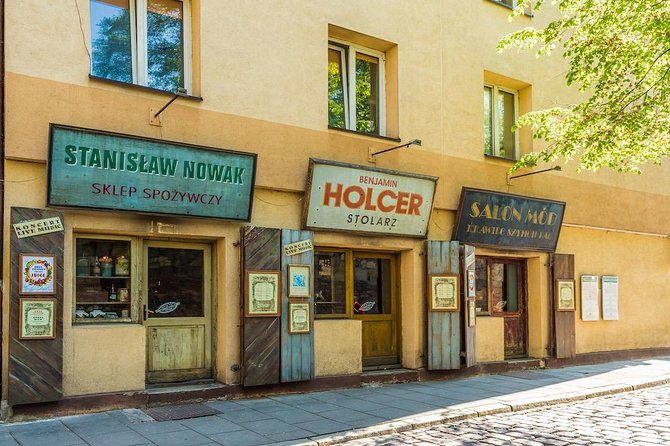
Next up is Muzeum Krakowa – Stara Synagoga, described as the oldest preserved synagogue in Poland. That alone sets expectations: this isn’t just a pretty stop, it’s a place meant to hold memory and keep it present.
The synagogue now houses a museum of Jewish heritage, so the visit is about more than architecture. You get a sense of how the space is used to tell stories, and you can expect the guide to connect what you’re seeing to the broader idea of preservation.
Because admission tickets aren’t included, you should be ready for the reality that your time here may be more about viewing and orientation than full museum browsing. If you want deeper museum time, consider budgeting extra for entry so you’re not rushing through in order to keep the walking pace.
Remuh Synagogue: Sacred Symbolism in Kraków
After that, you’ll move to Remuh Synagogue (Synagoga Remuh), presented as one of the most sacred Jewish sites in Poland. The guide frames it as a powerful symbol of Kraków’s spiritual heritage, which matters—this stop isn’t only about history dates, but about why people treat certain places with extra reverence.
Practically, this is one of those stops where it helps to slow down your brain a bit. Even if you’re not going deep into interior access (and admission isn’t included), the surrounding cues—location, stillness, and the way the guide explains the site—help you understand the tone.
If you’re the type who likes thoughtful pauses and photo moments without turning it into a photo sprint, Remuh is a good match. And if indoor access is limited by separate admission, don’t let that ruin the stop: your guide’s commentary is meant to carry a lot of the value.
Kupa Synagogue: The Poor Synagogue Story
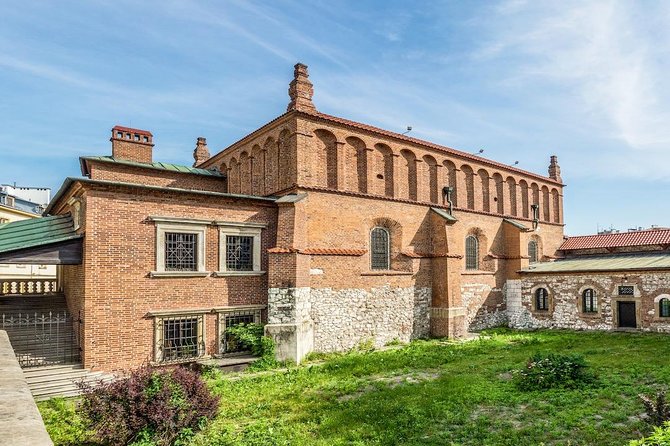
Then comes Kupa Synagogue (Synagoga Kupa), also known historically as the Poor Synagogue. The tour’s framing is clear: it’s described as the last synagogue built in the Jewish town, so you get a sense of how the community’s story changes over time.
This is a stop where context makes a difference. If you simply look at the building, you might miss what makes it important. The guide’s walkthrough is there to help you connect meaning to the physical space so you’re not just ticking off another stop name.
As with the other synagogue stops, admission tickets aren’t included. So keep your expectations flexible: your best plan is to arrive ready to listen, and only count on indoor access if you’ve purchased the entry separately.
You can also read our reviews of more guided tours in Krakow

Tempel Synagogue: 19th-Century Architecture with a Living Role
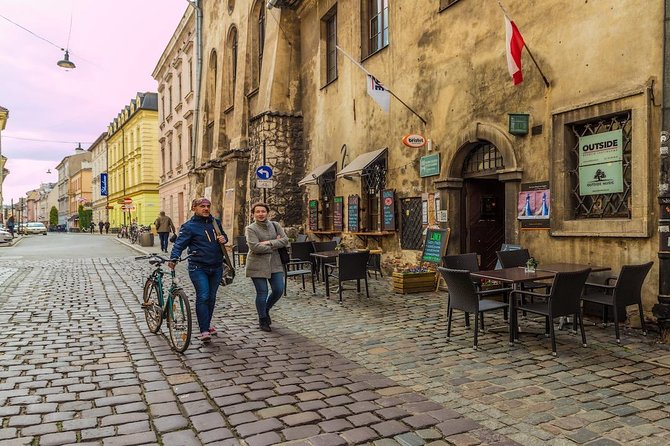
One of the more “today” feeling stops is Tempel Synagogue, a 19th-century synagogue now used as a center for Jewish culture and concerts. That’s a big deal because it shifts the vibe from purely historical to active and ongoing.
I like this stop because it reminds you that places of worship and heritage aren’t locked in the past. Even if the tour’s main goal is a walking history overview, the fact that Tempel is used for cultural events gives you a sense of continuity.
Admission tickets not being included still matters here. If you’re hoping for lots of indoor viewing, plan your expectations around separate admission and keep your questions ready for your guide about how the building is used now.
Plac Nowy (Market Square): Where Kazimierz Becomes Normal Life
You’ll then head to Market Square (Plac Nowy), described as a lively square with markets, cafés, and street life. This is a smart switch in pacing. After religious and heritage-focused stops, you get a public-space breather where you can see the neighborhood as something lived in, not only remembered.
For me, this is where the tour starts to feel less like a museum tour and more like a neighborhood walk with meaning. You can look around and imagine how this area fits into everyday life—today—right alongside the older sites you just heard about.
Also, this is a good chance to ask your guide for practical suggestions on what to do next. You may get ideas that connect the tour stops to where to eat or take a slower break afterward.
Corpus Christi Church: Golden Interiors as a Counterpoint
The final heritage/architecture contrast stop is Corpus Christi Church (Kosciol Bozego Ciala). The tour describes it as Gothic-Baroque with stunning golden interiors, which makes it an interesting counterpoint to the synagogue stops.
Even if you don’t go far inside (and admission isn’t included), the guide’s framing helps you appreciate why this kind of church matters in the wider city context. It’s a reminder that Kazimierz sits inside Kraków’s broader religious and architectural story.
If your interests lean toward art and interior decoration, this is the stop that can shift your attention from “who lived here” to “how Kraków expresses faith and design.” Just remember: if you want guaranteed interior time, you’ll need to account for separate admission.
How the Guide Makes the Walk Click
This tour lives or dies on the guide, and the strongest experiences here are very consistent: guests tend to love how the guide stays involved, answers questions, and explains clearly. One of the guides you might hear named in this context is Eva, and she’s specifically noted for being very professional and knowledgeable.
What that translates to for you: you’re not just passing buildings while something generic plays in the background. You’re getting explanations tied to each stop, so the route feels like a connected story rather than isolated landmarks.
I also like that the tour format supports questions. In a district like Kazimierz, it’s easy to have a moment where you want context—why a synagogue matters, what a particular name refers to, what to notice in the area. A good guide helps you turn that curiosity into understanding instead of leaving you to guess.
Price and What It Covers (and Doesn’t)
At $27.69 per person, you’re paying for an English guided walk that takes you through multiple major stops. For the time window—about 1.5 to 2 hours—that price can feel fair, especially if you want someone to connect the dots between sites instead of reading alone while walking.
Here’s the catch you should plan around: admission tickets are not included for the synagogues and church stops listed. That means the total cost can rise if you decide you want to go inside each place rather than focus on exteriors and guide-led orientation.
So the real value question is this: do you want a guided overview that helps you understand what you’re seeing from outside and at entrances? Or do you want full entry and time inside each site? Your answer should decide whether you treat this as your main ticket purchase or as step one of a longer self-paced day.
Timing, Group Size, and Staying Flexible
The tour typically runs 1 hour 30 minutes to 2 hours, with a group size capped at 25. That’s usually a sweet spot: small enough to ask questions, large enough that you’re not stuck in a private-style pace unless you happen to join at a quieter time.
It’s also booked ahead fairly often—on average, you’ll see availability that gets snapped up about two weeks in advance. If you’re traveling in a busy season or during weekends, don’t wait until the last minute.
You’ll want comfy shoes. Even though the pace is a walking tour (not a hike), you’re moving between several key locations. And because it runs in all weather, bring rain gear if the forecast looks wet.
Who This Tour Is Best For
This is ideal if you’re:
- Visiting Kraków for the first time and want a structured way to understand Kazimierz fast
- Interested in Jewish heritage sites, including Stara Synagoga, Remuh, Kupa, and Tempel
- The type who likes questions during the walk, not after you’ve already moved on
- Traveling with friends and want one guide to stitch the neighborhood together
It’s also a good fit for people who prefer an easier cultural format. You get a mix of synagogues and a major church, plus the shift to Plac Nowy for everyday street life.
If you’re the type who expects to step inside every synagogue during the same tour, you’ll want to plan extra spending for admissions, because tickets aren’t included. That doesn’t make the tour bad—it just changes how you should set your day.
Should You Book This Kazimierz Guided Walking Tour?
I’d book it if you want a guided route that helps you understand Kazimierz in a short window, and you’re happy to treat synagogue entry as an add-on rather than a guaranteed included feature. The big strength is the storytelling flow—your guide should help the stops make sense as you move.
I would hesitate if your top priority is maximum indoor access at every synagogue without paying extra. Because admission tickets aren’t included, and time can be affected by what’s available at each stop, you might end up spending more time on the street than you hoped.
If you can keep that expectation in line—comfortable shoes, some flexibility on entry, and a readiness to listen—this is a smart, good-value way to start your Kazimierz day.
FAQ
How long is the Jewish Quarter Kazimierz guided walking tour?
The tour runs about 1 hour 30 minutes to 2 hours.
Where does the tour start and end?
It starts at Szeroka 24, 31-053 Kraków, Poland, and ends at Lipowa 4, 32-051 Kraków, Poland.
Is the tour offered in English?
Yes. The tour is offered in English, and group tours are only in one language.
Are admission tickets included for synagogues and other sites?
No. The stops list admission tickets as not included.
Will the tour run in bad weather?
Yes. The tour goes ahead in all weather, rain or shine.
What time should I arrive?
Please arrive about 10 minutes before the tour begins. Latecomers can’t join once the group departs, and tickets aren’t refundable.
Can I cancel for free?
Yes. You can cancel for a full refund if you cancel up to 24 hours in advance of the experience start time.