REVIEW · MEMORIAL AND MUSEUM AUSCHWITZ BIRKENAU
Auschwitz-Birkenau Skip-the-Line Ticket and Guided Tour
Book on GetYourGuide →Operated by Time4Poland.com · Bookable on GetYourGuide
Auschwitz-Birkenau is not a place for winging it. This guided tour is built to get you through entry faster and then make sense of what you’re seeing, with time set aside for Auschwitz I and Auschwitz II–Birkenau. I like that you get skip-the-line access plus an official museum guide, so you spend more hours looking and listening instead of waiting.
Two things I’d call out right away: the tour includes pre-booked tickets and the day moves with a clear plan (including the transfer between camps). One thing to keep in mind is that the museum sets the pace, so your exact timing and breaks may shift, and late arrivals can’t be accommodated.
In This Review
- Key things to know before you go
- Auschwitz-Birkenau Skip-the-Line: what the ticket really buys you
- Meeting point and group flow: show up with buffer
- Auschwitz I (about 1.5 to 2 hours): what you’ll focus on
- Transfer between camps: why the schedule feels tight
- Birkenau Auschwitz II (60 to 75 minutes): walking, weather, and context
- Guide style, languages, and how to get answers without slowing down
- Price and value at $55: where the money goes
- What to bring, what not to bring, and what to wear
- Accessibility and physical effort: not a mellow walking day
- Who should book this tour, and who should think twice
- Should you book this Auschwitz-Birkenau guided tour?
- FAQ
- FAQ
- Where is the meeting point for the tour?
- How long is the tour, and how is time split between the camps?
- Is skip-the-line entry included?
- Do you travel between Auschwitz and Birkenau as part of the tour?
- What do I need to bring, and what can’t I bring?
- What happens if my tour time changes or I arrive late?
Key things to know before you go
- Skip-the-line entry means you avoid long ticket queues at the memorial.
- Smallish group size (up to 30) keeps the flow manageable for a site this heavy.
- Official guide + headset at Auschwitz I helps you hear the explanations without straining.
- Auschwitz I vs Birkenau timing is split on purpose: about 1.5–2 hours at Auschwitz and 60–75 minutes at Birkenau.
- Outdoor time at Birkenau means weather matters; there’s limited cover.
- Time changes happen and you should stay ready the day before.
Auschwitz-Birkenau Skip-the-Line: what the ticket really buys you
At Auschwitz-Birkenau, time isn’t just a convenience. It affects your whole experience. The biggest practical win here is the skip-the-line ticketing, paired with pre-booked entries for Auschwitz I and Auschwitz II–Birkenau. That means you’re not burning your morning hunting for the right office or stuck in a slow-moving queue while your group stands in cold, damp weather.
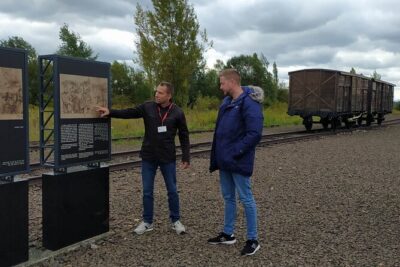
Then there’s the guide. This is a guided visit with an official Auschwitz-Birkenau museum guide, not a casual walking tour. You follow your guide through both camps and you’ll get context on what you’re seeing—plus help turning a confusing mass of buildings, layouts, and exhibits into a story you can hold in your head. In reviews, people consistently point to how a good guide can make the facts clear and the tone respectful; names that come up include Jakob, Mary, Magdalena, Oskar, and Aga.
One more “buying time” detail: the tour includes a headset for listening during the Auschwitz part. If you’re visiting with a group, sound quality can make or break the experience, and a headset makes it easier to catch every explanation while you’re walking.
You can also read our reviews of more tours and experiences in Memorial And Museum Auschwitz Birkenau



Meeting point and group flow: show up with buffer
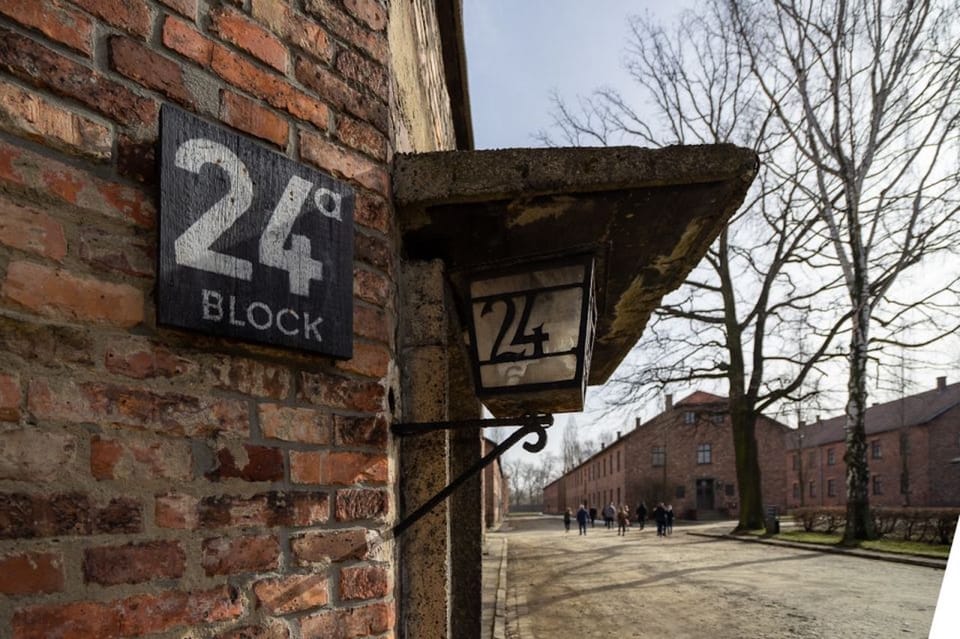
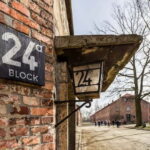
The meeting point is marked by a logo board on the main building. It’s simple, but here’s the real-world tip: arrive early enough to find it without stress. Some people report waiting a bit at the start when instructions weren’t crystal clear, so don’t count on last-minute heroics.
You’ll also meet a local host assistant who helps you get going and then accompanies you to the museum. From there, you’re placed in a group guided by an authorized official guide. The group size is up to 30, which is big enough for variety in languages and ages, but small enough that you’re not lost in a crowd of strangers.
Also plan for the fact that your preferred tour time isn’t guaranteed. If the preferred time changes, the operator contacts you the day before to confirm a new slot, and that change doesn’t qualify for a refund. If you have tight onward travel plans, build in a cushion.
Auschwitz I (about 1.5 to 2 hours): what you’ll focus on
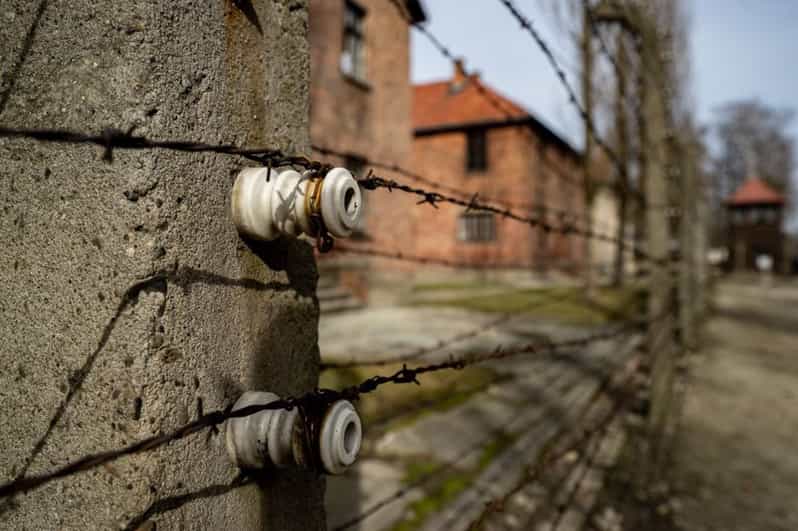
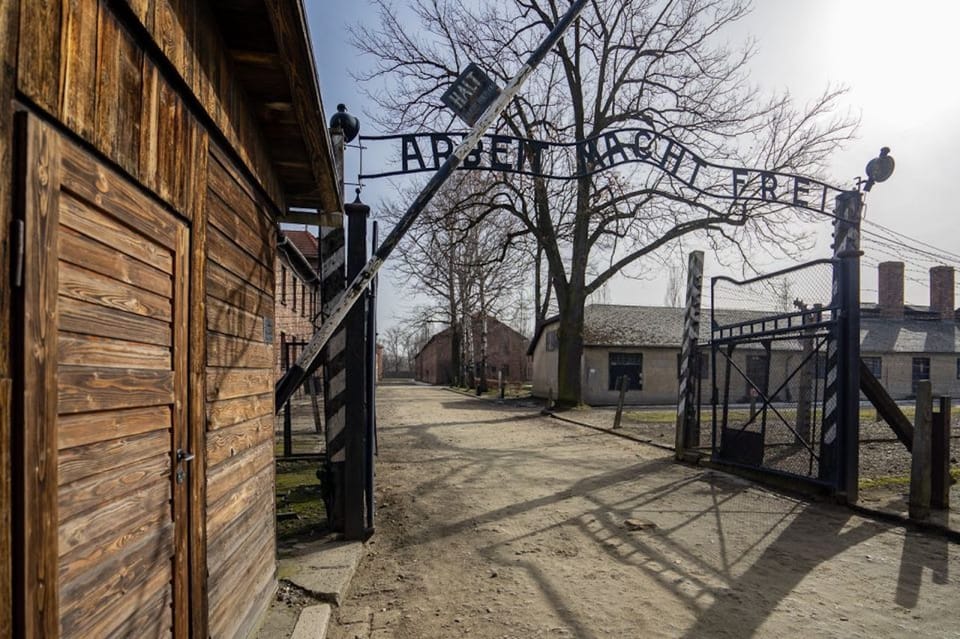
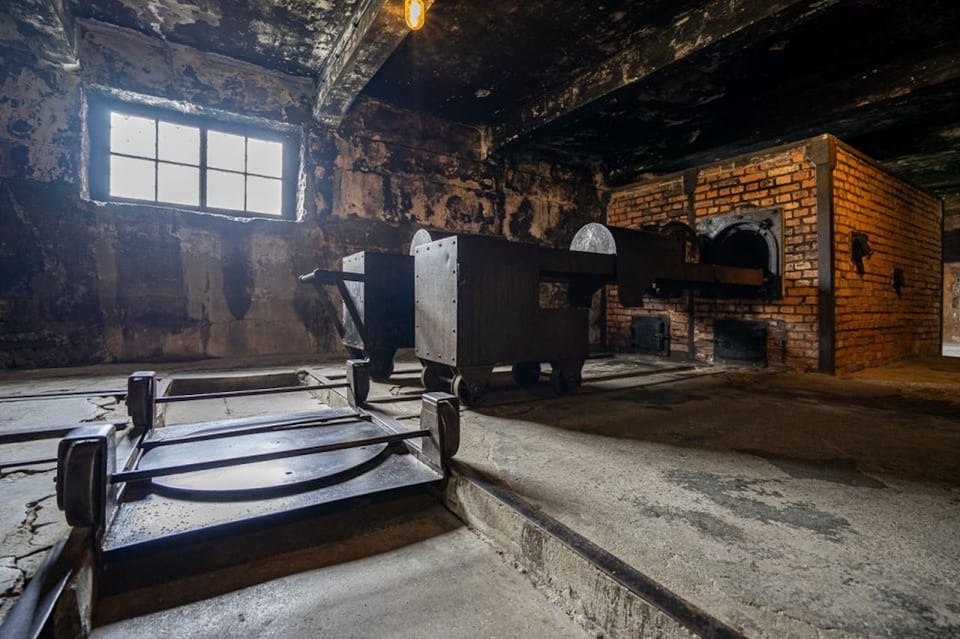
Auschwitz I is usually the part where the site’s history becomes most structured in your mind. You’ll spend about 1.5–2 hours here, and the time is used for a guided walk through the main areas of the camp complex.
The headset matters most here. As you move through buildings and exhibits, it’s easy for chatter and wind to drown out the guide—especially if you’re in a group that’s trying to see everything at once. With a headset, you can stay oriented and follow the story rather than turning your head every few minutes.
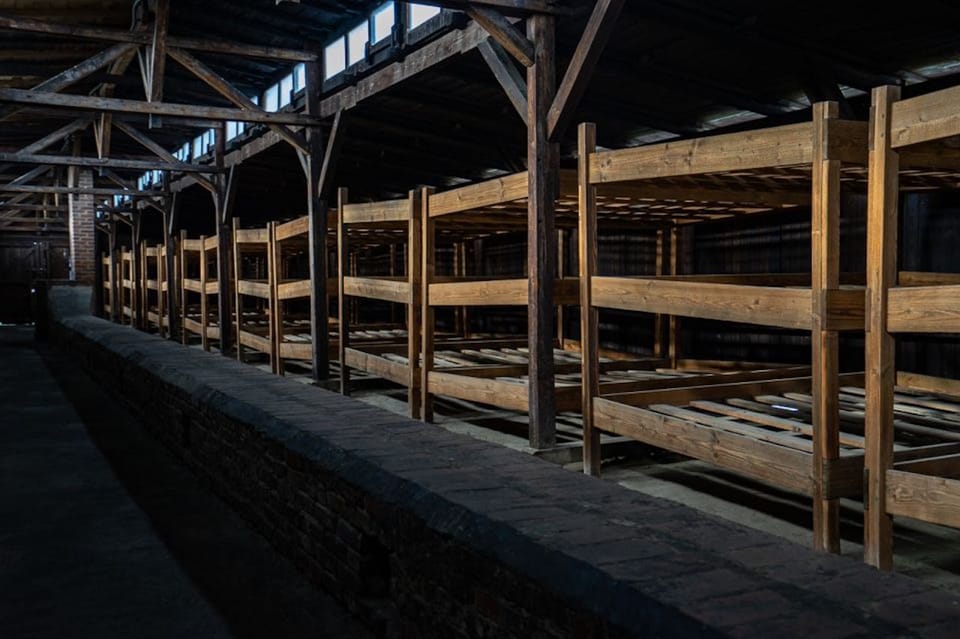
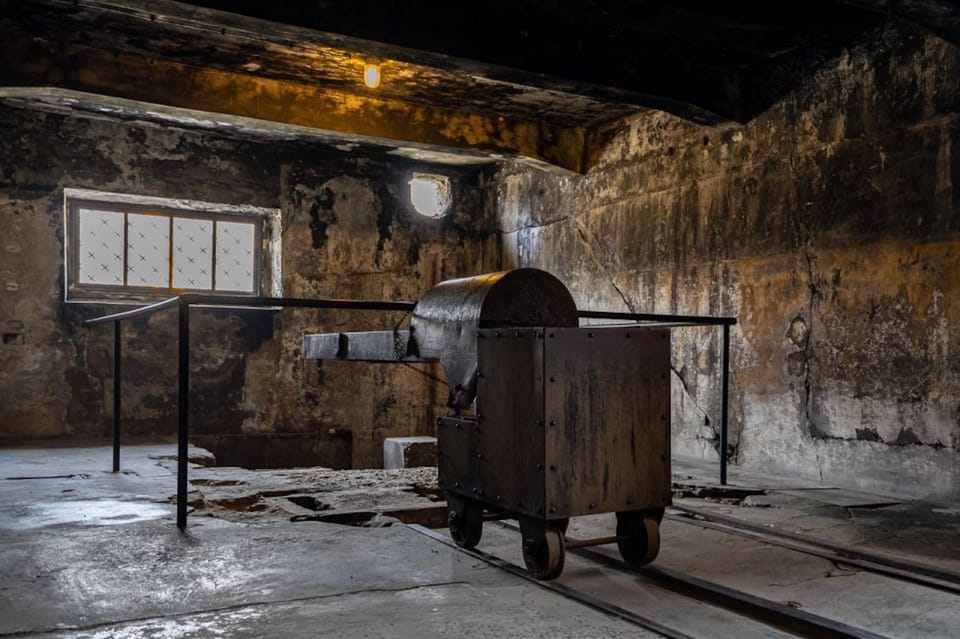
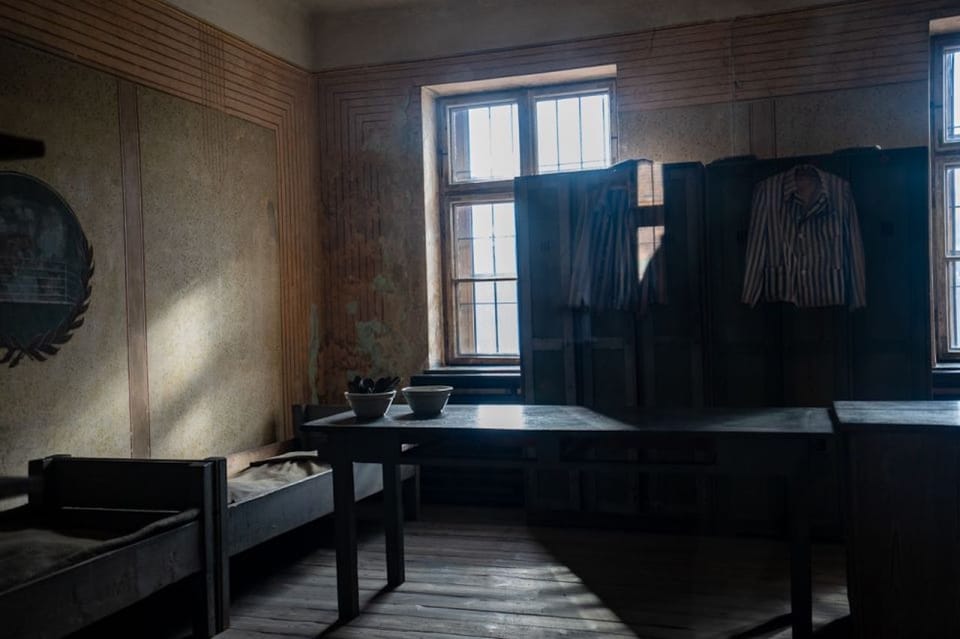
What you should expect from the guide’s job: the explanation isn’t just dates and names. It’s how the camp operated, how persecution and imprisonment unfolded, and how the physical layout connects to the historical reality. In reviews, people mention guides who answer questions and keep the pace steady instead of rushing. The best part of a guided museum visit is that you’re not guessing what matters most.
Here’s a practical note: Auschwitz I is inside and around buildings, which can still be tiring because you’re walking and standing for long stretches. The tour is designed to keep moving, and you should be ready for that rhythm.
Transfer between camps: why the schedule feels tight
Between Auschwitz I and Auschwitz II–Birkenau, you’ll have transportation included. That matters because the memorial locations are not treated like two random stops on a city hop. You want the logistics handled so your group isn’t splitting, reorganizing, and losing momentum.
One thing to understand: break time is limited, and the pace isn’t fully controlled by the tour company. The memorial’s visitor service determines the tour flow and break durations, so you might feel like the day is efficient, not leisurely. Reviews mention a need for a bit more breathing room between the two parts, which is an honest way to put it.
If you know you’ll need a bathroom stop, plan for it early in the Auschwitz I portion, not at the last minute. And if you’re coming with someone who gets overwhelmed easily by crowds or emotion, you’ll want to keep your expectations realistic: this is a walking, listening day with short pauses.
Birkenau Auschwitz II (60 to 75 minutes): walking, weather, and context
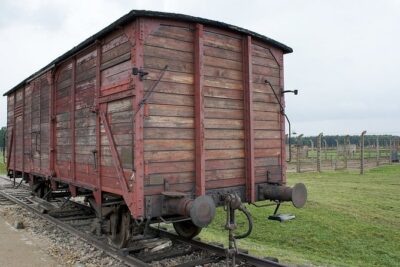
Birkenau is where scale hits you. It’s also more exposed. You’ll typically get 60–75 minutes at Birkenau, and the walk can feel long because you’re covering open areas. There’s no magic trick to make that part comfortable.
Weather is a big deal here. Reviews mention cold days and rain, and also mention how little cover there can be. If you’re visiting in shoulder season or winter, dress for conditions outdoors even if the first part feels manageable. Comfortable shoes help more than you think, because “short” time at Birkenau can still mean a lot of steps.
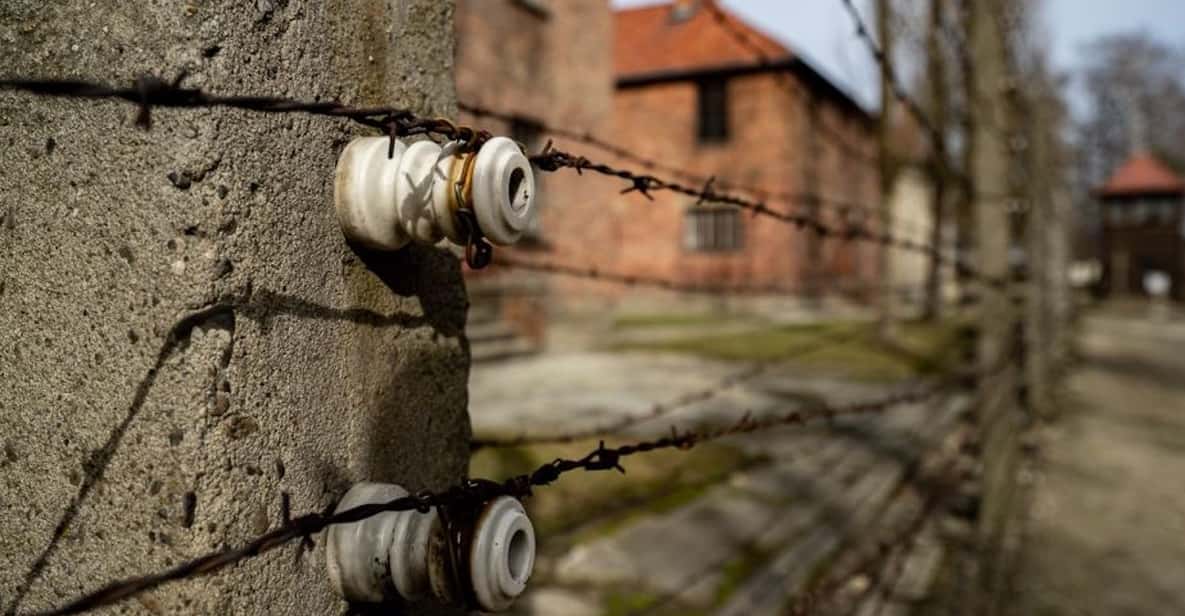
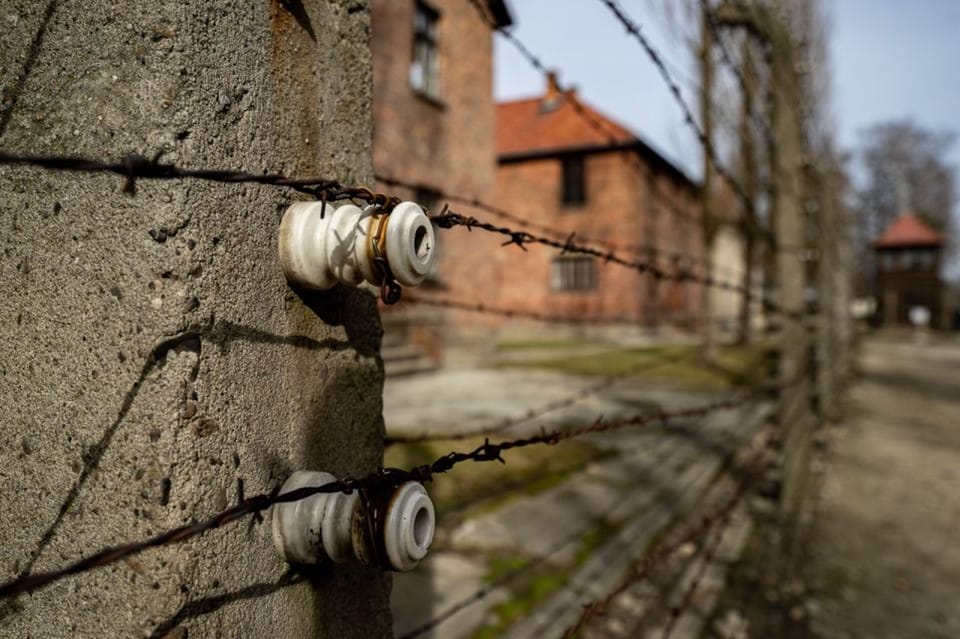
What the guide should do at Birkenau is help you see beyond the emptiness. Rows, ruins, fences, pathways—each has meaning, and the difference between “I saw it” and “I understood it” is often the guide’s framing. People consistently describe guides who explain carefully and keep the discussion respectful.
Also: treat this as a cemetery and a memorial. The rules are about respect and preservation, and they also help keep the experience dignified for everyone in the group.
You can also read our reviews of more guided tours in Memorial And Museum Auschwitz Birkenau

Guide style, languages, and how to get answers without slowing down
This tour runs with live tour guides in French, German, and English. If you’re selecting the language option, pick the one you’re most comfortable speaking in if you plan to ask questions. In the reviews, people praise guides for answering questions and speaking clearly, with at least one person specifically saying the guide spoke slowly and clearly so everyone could follow.
The best guided tours don’t feel like a lecture. They’re more like a structured conversation where the guide keeps you moving while still letting you ask the things you genuinely want to know. That’s especially important in Auschwitz-Birkenau, where your questions may be about what something was used for, why certain layouts exist, or how the timeline connects to what’s still visible today.
And because you’re in a group of up to 30, your guide will also manage pacing so you don’t stall others. If you tend to go quiet when the topic gets heavy, that’s normal. Focus on listening and let the structure of the tour carry you.
Price and value at $55: where the money goes
$55 sounds like a lot for a “museum tour” until you look at what’s included. Here, you’re paying for skip-the-line entry and pre-booked official tickets for both Auschwitz I and Auschwitz II–Birkenau. You’re also getting transportation between the camps, plus a local host assistant and an official museum guide. There’s a headset during Auschwitz I, and there are booking and handling fees built in.
The real value is risk reduction. Without pre-booked tickets and guided entry support, you can waste time dealing with queues, confusion about where to go, and the stress of missing the start time. And missing the start isn’t a small issue here: late arrivals can’t be accommodated.
If you’re traveling with limited time in Krakow or you want to keep the rest of your day flexible, paying for this kind of organized entry usually makes sense. Just remember: you’re not only buying tickets. You’re buying a smoother flow through one of the most heavily visited and strictly managed memorials in Europe.
What to bring, what not to bring, and what to wear
Bring your passport or ID card. The name you provide during booking must match the name on your ID. If it doesn’t match, entrance can be refused.
Dress like it’s an outdoor winter day if conditions are cool. Sleeveless shirts are not allowed, and that rule catches people who pack light for cities and then hit a colder, windier site. Comfortable walking shoes are a must.
Don’t bring weapons or sharp objects. Don’t bring luggage or large bags. Alcohol and drugs are also not allowed. If you’re unsure about bag size, plan on traveling light.
A small planning tip: bring what you need for a long walk, but not so much that you’re stuck managing bags. You’ll have a lot going on in your head already.
Accessibility and physical effort: not a mellow walking day
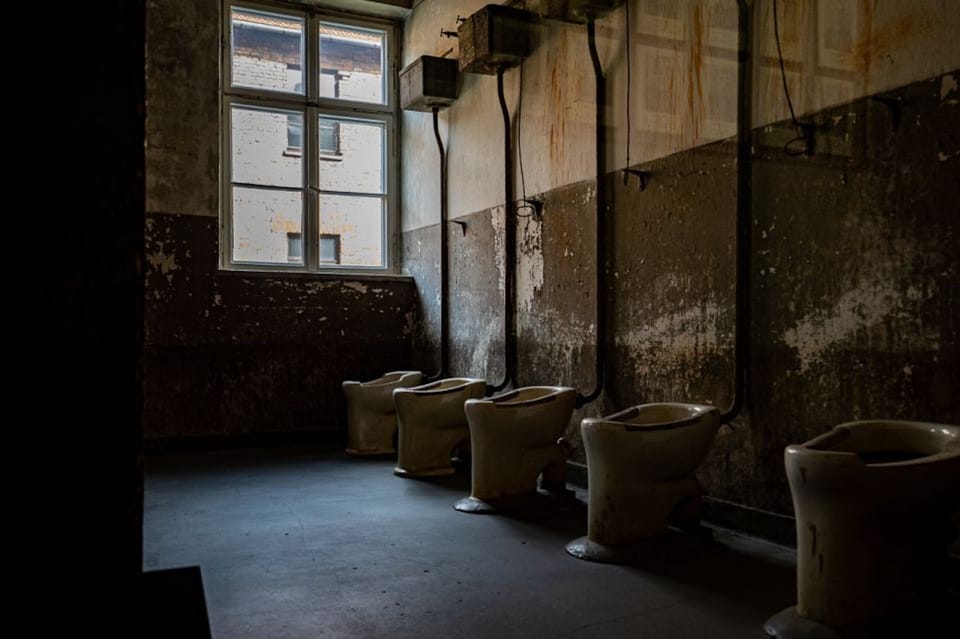
The camps are not adapted for wheelchair use. If you need assistance, go with someone who can help you. Even without accessibility needs, this is physical: you’ll walk considerable distances and spend time standing.
That’s not just about comfort. It’s also about emotional capacity. Some people find the constant walking and the intensity of the story exhausting. If you’re prone to fatigue or you’ll struggle to keep steady pace for hours, consider whether a different format might fit you better. But if you can handle it, the structured timing helps.
Who should book this tour, and who should think twice
This is a strong choice if you want:
- Official guidance from a museum guide
- Skip-the-line entry
- A plan that covers both Auschwitz I and Birkenau in one go, with transport between them
- A headset for the Auschwitz I portion
- A group setting where someone else keeps the logistics moving
Think twice if:
- Your travel schedule is extremely tight and you can’t handle a possible tour-time change.
- You’re sensitive to limited break time between parts.
- You need wheelchair-adapted access.
If you’re visiting with kids, this can be challenging. The tour is respectful and guided, but it’s also long, walking-heavy, and emotionally demanding. For families, you may want to think carefully about age and readiness.
Should you book this Auschwitz-Birkenau guided tour?
I’d book it if your priority is a smooth, respectful visit with minimal waiting and clear historical context. At this price point, you’re getting more than a label on a ticket: you’re getting pre-booked official entry, transport between camps, and the guide support that turns the layout into understanding.
I’d hold back if you don’t want surprises. Tour times may change the day before, late arrivals can’t be accommodated, and the day’s pacing and breaks are controlled by the memorial’s visitor service. If you can handle that, this tour is a practical way to see both camps without losing your morning to logistics.
FAQ
FAQ
Where is the meeting point for the tour?
The meeting point is marked by a logo board on the main building.
How long is the tour, and how is time split between the camps?
The tour duration is about 4 hours overall, with around 3.5 hours of guided visiting time. You’ll typically spend about 1.5–2 hours at Auschwitz and 60–75 minutes at Birkenau.
Is skip-the-line entry included?
Yes. The tour includes skip-the-line tickets to Auschwitz-Birkenau and pre-booked entry for Auschwitz I and Auschwitz II–Birkenau.
Do you travel between Auschwitz and Birkenau as part of the tour?
Yes. Transportation between Auschwitz and Birkenau is included.
What do I need to bring, and what can’t I bring?
Bring your passport or ID card. Weapons or sharp objects are not allowed, and luggage or large bags are not allowed either. Sleeveless shirts, alcohol, and drugs are also not allowed.
What happens if my tour time changes or I arrive late?
Your preferred tour time may change, and the operator will contact you the day before to confirm a new time. Late arrivals cannot be accommodated, so plan to arrive early.