REVIEW · KRAKOW
Auschwitz-Birkenau guided tour & skip the line Tickets & Transfer
Book on Viator →Operated by Auschwitz Tour · Bookable on Viator
Auschwitz starts before sunrise. This Krakow day trip is built around early hotel pickup and English-language guidance inside the camps, so your biggest job is showing up on time and handling your emotions. It also helps that the operator handles your entry paperwork in advance, which means less faffing around when you reach security and ticket checks.
The main catch: the day moves fast. You’ll deal with crowds, security that can feel like an airport, and limited time to stop and read at your own pace. If you need long pauses for reflection or you walk slowly, plan extra patience (and pack water and layers, even in shoulder seasons).
In This Review
- Key highlights at a glance
- Auschwitz-Birkenau from Krakow: what you’re really buying
- Hotel pickup timing: the early start that actually helps
- Air-conditioned transport and shared transfers: comfort with a purpose
- Skip-the-line tickets: what “handled in advance” means in practice
- Auschwitz Main Camp: 1.5 hours that shapes the whole day
- Birkenau: about an hour, plus the reality of crowds and scale
- Walking time and pace: plan for the body part, not just the emotions
- What’s included (and what you must bring)
- Price and value: $28.30 buys organization more than convenience
- Who should book this Auschwitz-Birkenau day trip
- Should you book this Auschwitz-Birkenau tour from Krakow?
- FAQ
- What’s the duration of the Auschwitz-Birkenau guided tour from Krakow?
- Are hotel pickup and drop-off included?
- Is the tour guided in English?
- How do tickets work, and what documents do I need?
- What time is pickup?
- What’s not included in the price?
Key highlights at a glance
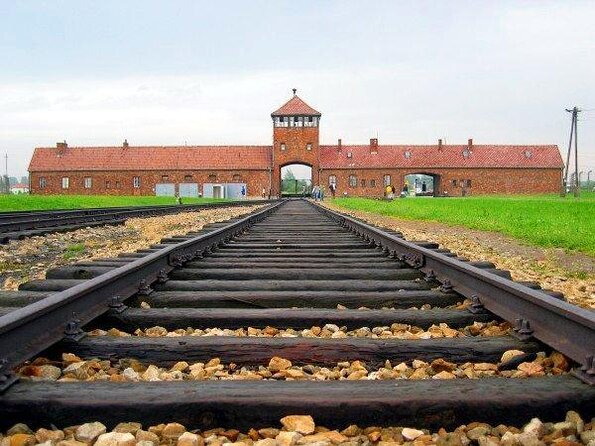
- Door-to-door Krakow pickup and drop-off from your hotel or apartment, in an air-conditioned vehicle
- English museum guide inside Auschwitz and Birkenau, with the tour timing split across the two sites
- Tickets handled in advance, which can cut down the stress at the gate and scanning area
- Small-ish group size (max 25) for a more controlled experience on a very crowded day
- Headsets may be provided so you can actually hear the guide as you walk the grounds
Auschwitz-Birkenau from Krakow: what you’re really buying
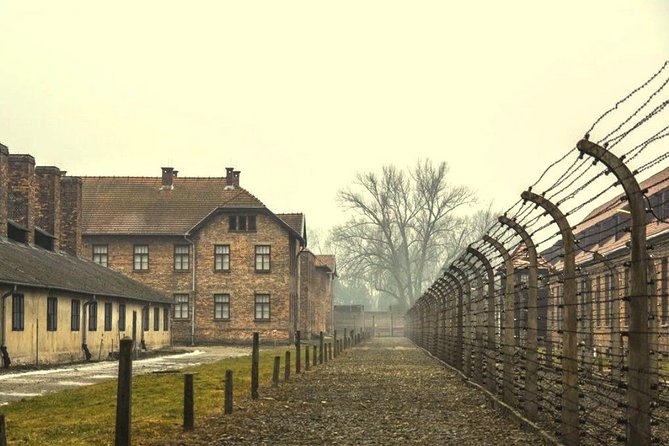
This tour is for people who want a structured day at Auschwitz-Birkenau without turning your trip into logistics. You’re not just paying for a seat on a van. You’re paying for a plan: early transport, museum-led guiding inside both camps, and tickets sorted ahead of time. That matters here because the site is heavily regulated, and the lines can get intense.
Also, you’re not doing this alone in the confusion. Your driver is there to get you through the first hurdles, including security checks and meeting up with the museum guide. Then, once you’re inside, the guide is provided by the Auschwitz museum, in English. That’s a big deal. It usually means you get clearer context and a more respectful, structured approach to a place that doesn’t allow small talk.
The day is emotional, and it’s long enough to feel real rather than rushed. But it’s not a slow meditative stroll. The schedule is designed for getting through both Auschwitz and Birkenau on the same morning-to-afternoon window.
You can also read our reviews of more tours and experiences in Krakow


Hotel pickup timing: the early start that actually helps
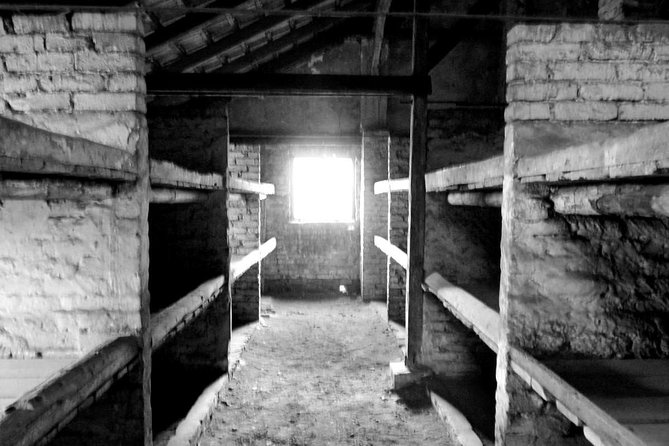
Your day begins with a pickup window that typically runs from 06:50 to 08:00 from your Krakow hotel or apartment. The exact time gets confirmed the day before, around 12:00 PM, because entry times to the Auschwitz-Birkenau State Museum vary by day. On the day before travel, the operator reaches out by text message or email around 2:00–3:00 PM to lock it in.
Why this early start is useful: Auschwitz-Birkenau is a place where waiting around wastes your mental energy. Going early can mean fewer headaches at security and a smoother rhythm once you meet the guide. You’re also more likely to get a slot that keeps the whole morning moving, instead of arriving late and missing part of the planned flow.
One practical tip: set a hard alarm and be ready to leave. This is door-to-door service, but it still depends on you being at the pickup location at the correct time. Also bring your documents the night before so you’re not hunting for a passport at dawn.
Air-conditioned transport and shared transfers: comfort with a purpose
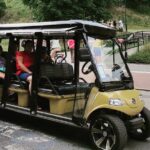
The van ride is part of the value. The tour includes round-trip shared transfer and an air-conditioned vehicle, which matters because the drive out of Krakow is only a slice of the day. Once you’re there, you’ll spend a lot of time walking on uneven ground and standing in groups.
The driver is also described as high-quality and English-speaking, which helps when you have questions before you arrive. In multiple accounts, drivers like Bartek and Pavel were mentioned as friendly, efficient, and good at communicating what comes next. That’s not a luxury detail here—it’s mental relief. If you know where to go and when, you can focus on the experience rather than the logistics.
Group size caps at 25 travelers, and that plays into how the day feels. Smaller groups tend to stay more coherent at check-in and at the handoff to the museum guide.
Skip-the-line tickets: what “handled in advance” means in practice
This is marketed as skip-the-line, and while no one can erase reality at a heavily visited site, the operator does reduce the friction points that annoy people.
What to expect: you bring your document, and tickets are prepared ahead so you’re not trying to sort entry paperwork after you’ve already queued up. One recurring theme is that groups had quicker entry because tickets were collected in advance. When you arrive, you’ll still go through security checks and ticket scanning, and it can feel like an airport.
After that, you get set up to start listening—one review notes that people were given headsets to hear the English guide clearly. That’s very practical. On walking routes, it’s hard to hear over other groups and outside sounds, so headsets turn the tour from guesswork into real learning.
So the smart way to think about this tour: it won’t eliminate waiting. But it helps you avoid the worst kind of waiting—waiting while you scramble for documents, hunt for tickets, or get shuffled around before you can even start.
Auschwitz Main Camp: 1.5 hours that shapes the whole day
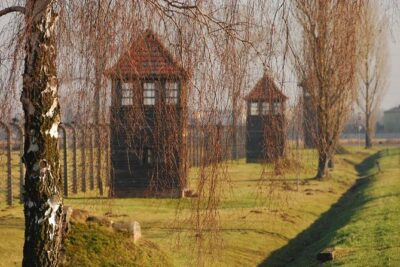
The day’s first museum portion is about 1 hour 30 minutes at Auschwitz. This is the part that gives you the framework: what the camp was, how it functioned, and what happened to prisoners there. The tour is conducted by an English-speaking guide from the Auschwitz museum, which helps keep the story grounded and consistent with how the site is meant to be understood.
You’ll move through key areas at a guided pace. Expect a lot of standing, walking on footpaths, and time spent reading or listening as the guide explains what you’re seeing. The tone people describe tends to be calm and respectful, even when the subject is harrowing. That matters. With a site this intense, you want a guide who can hold the space without sensationalizing anything.
Because the schedule is set, you also have to accept that you may not be able to stop at every information board for as long as you’d like. One concern raised is that the pace can be quick—if you want to linger over written materials, you might struggle to keep up with the group.
My advice: if reading is your thing, go in with a plan. Take in the big picture from the guide first, then circle back where possible later in your own time if the site layout allows.
You can also read our reviews of more guided tours in Krakow

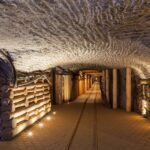
Birkenau: about an hour, plus the reality of crowds and scale
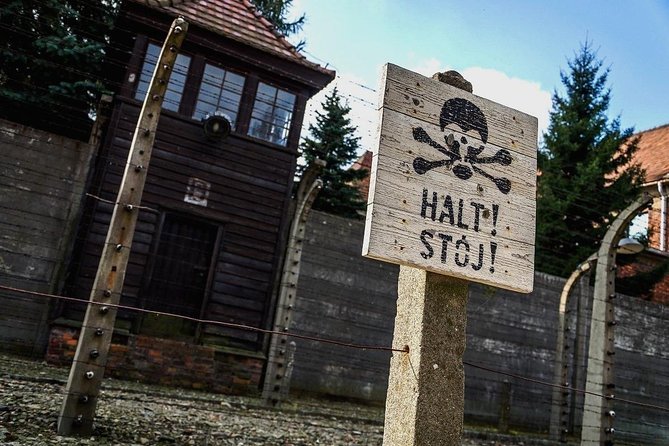
After Auschwitz, you head to Birkenau, with about 1 hour in this second camp portion. Birkenau is the one that hits people with a different kind of shock: it’s bigger, more open, and often feels more exposed to the elements. That’s exactly why it deserves its own time block instead of being treated like a quick add-on.
Even with a museum guide, the experience can feel emotionally overwhelming because the site is spread out and the visual scale hits fast. You’ll keep moving with the group, hearing the guide’s explanation as you walk between areas.
Crowds affect this part of the day. Expect busy foot traffic, and you may find toilets and breaks get complicated due to popularity. One review mentioned overcrowded toilets and not enough time for a quick bite. That’s a reminder that even when your tour is well organized, the site itself is the main bottleneck.
Also, weather changes the experience quickly in Birkenau. In winter, one review specifically warned to dress warmly. In other seasons, it still helps to bring water and comfortable footwear, because even short time blocks can feel long on tired legs.
Walking time and pace: plan for the body part, not just the emotions
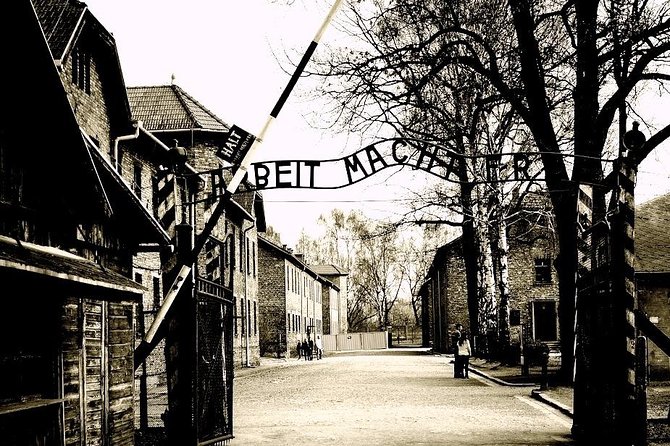
Your total day is around 7 hours. Inside the camps you should expect substantial walking. One review described about 2–3 hours of walking, which matches the reality that you’re not just visiting rooms—you’re moving through sites built for outdoor holding and processing.
Then add the rest: travel time from Krakow, time spent meeting your guide, security and entry checks, and the natural rhythm of a group tour.
The pace is where some people hit a wall. A few reviews pointed out that the tour can feel too quick for anyone who likes to stop and read everything. If you have mobility limits or you prefer a slower tempo, you may feel rushed.
So here’s the practical mindset to use: treat this as an informed visit, not a self-guided documentary marathon. You’ll get context through the guide and see the key areas, but you won’t have total freedom to linger at every point.
What’s included (and what you must bring)
Here’s what your ticket pack does for you:
- Entry/admission fees to the Auschwitz-Birkenau State Museum
- A professional English-speaking guide provided by the Auschwitz museum
- Hotel pick-up and drop-off
- Air-conditioned vehicle transport
- High-quality English-speaking driver
- Round-trip shared transfer
- Mobile ticket
And here’s what you should bring:
- Your ID or passport. Tickets are registered, and you’ll need the document that matches your booking
- Comfortable clothing and layers (winter can be brutal)
- Good walking shoes
- Water and small snacks, because bottled water and snacks are not included
If you want a break that won’t wreck your schedule, it’s worth considering a packed lunch add-on if the operator offers it at booking. One review mentioned a packed lunch for a small additional fee and praised it as worth doing. Even if it’s not available every day, it’s a smart question to ask before you go.
Price and value: $28.30 buys organization more than convenience
The price listed is $28.30 per person, and that number only makes sense when you understand what’s included. This isn’t a bare-bones transfer. You’re paying for the whole skeleton of the day: museum-guided entry to both camps, transport from Krakow, and the admission fees.
Where the value shows up most:
- You don’t have to manage ticketing and museum guiding yourself
- Your driver handles pickup timing and gets you through the first gate steps
- You get English guidance inside the camps, which is the most expensive part to replicate independently
- Headsets are reportedly used, which helps you actually follow the explanation
Could it feel pricey if you compare it to a do-it-yourself plan? Sure. But for Auschwitz-Birkenau, DIY isn’t just harder—it can also be more stressful when you’re dealing with registration rules and security.
That said, the pace isn’t tailored for everyone. You’re not buying a private, slow, reflective session. You’re buying a guided, time-structured visit with transport support. If that matches your style, you’ll likely feel it’s good value. If you want maximum quiet time and unhurried reading, you might find the fixed schedule frustrating.
Who should book this Auschwitz-Birkenau day trip
This tour is a strong fit if:
- You want English guidance from the Auschwitz museum rather than piecing it together yourself
- You prefer door-to-door pickup in Krakow
- You’d rather reduce planning stress and focus on the visit
- You’re comfortable with a structured group pace and walking
It may be a weaker fit if:
- You have trouble walking for extended periods or you need frequent long stops
- You want a slower pace to read every sign and take a lot of time between areas
- You’re easily thrown by crowds and crowded facilities (the site can be very busy)
One more practical note: confirm your pickup time the day before, follow the document instructions closely, and dress for cold if winter travel is on your calendar. Those steps are small, but they stop the day from turning into chaos.
Should you book this Auschwitz-Birkenau tour from Krakow?
I’d book it if you want a well-run day that handles the hard parts for you: transport, registered museum entry, and English guiding inside both camps. The biggest strengths here are the early pickup system, the museum-provided guide, and the way the operator keeps entry and meeting logistics tight.
Skip booking if your top priority is slow, self-paced wandering and deep time at every information board. This tour is built for a set schedule and moving as a group.
If you do book, go in with two goals: listen closely to the guide while you’re in motion, and give yourself room for emotion without expecting tons of extra breaks. Dress for the weather, bring your ID/passport, and keep your expectations honest about pace.
FAQ
What’s the duration of the Auschwitz-Birkenau guided tour from Krakow?
The tour runs about 7 hours (approx.), including transport and time in both Auschwitz and Birkenau.
Are hotel pickup and drop-off included?
Yes. Pickup and drop-off from your Krakow hotel or apartment are included, using an air-conditioned vehicle.
Is the tour guided in English?
Yes. The Auschwitz museum provides the English-speaking guide inside Auschwitz and Birkenau.
How do tickets work, and what documents do I need?
You should bring an ID or passport. Tickets in Auschwitz-Birkenau are registered, so you’ll need your document when entering.
What time is pickup?
Pickup is typically scheduled between 06:50 and 08:00, with the exact time confirmed the day before (around 12:00 PM), based on the museum entry time.
What’s not included in the price?
Bottled water and snacks are not included, so plan to bring what you need or buy on-site if available.