REVIEW · KRAKOW
Krakow: Jewish Ghetto Guided Walking Tour
Book on GetYourGuide →Operated by INTERCRAC Ltd. · Bookable on GetYourGuide
Kraków’s WWII story isn’t trapped in books. It lives in the streets of Podgórze, where you’ll trace how occupation turned everyday places into spaces of fear, resistance, and survival. This Kraków Jewish Ghetto walking tour is short, focused, and led by a licensed expert who gives you context you can actually use while you look at what’s still there.
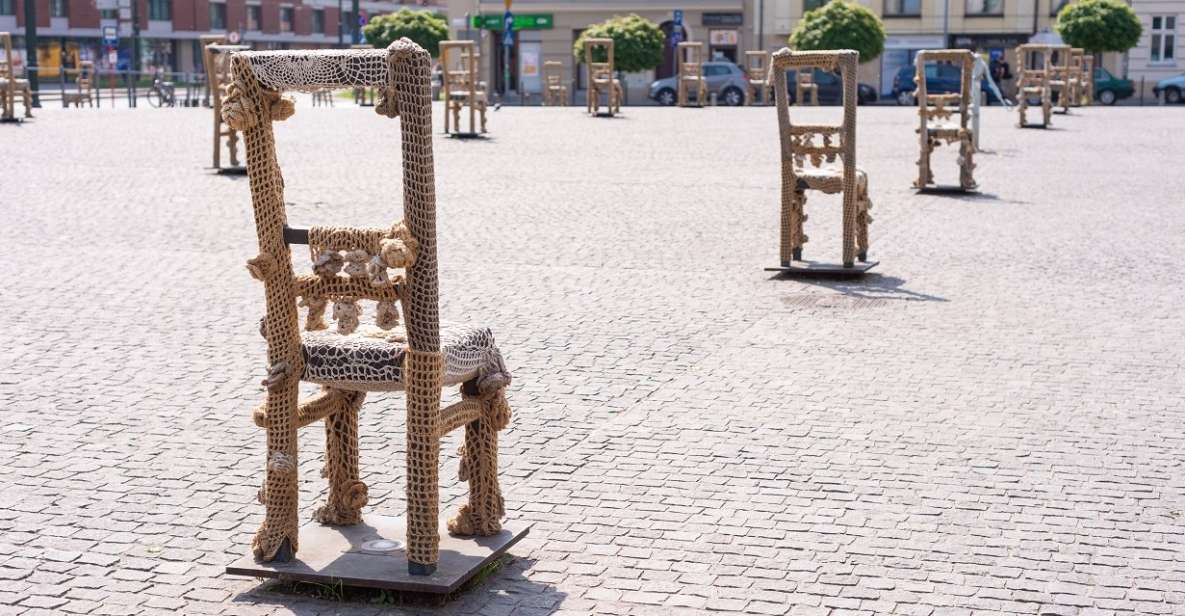
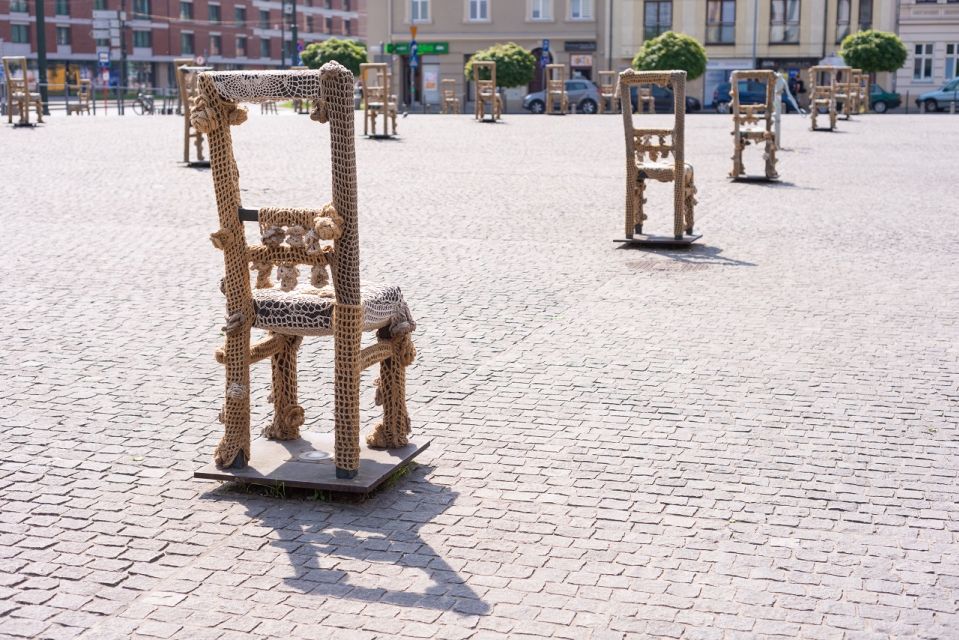
I especially like how the tour points you to real, physical remnants (like surviving wall fragments and wartime street scenes) instead of only talking in generalities. I also like the stop at Ghetto Heroes Square, where the memorial of empty metal chairs helps you grasp the human cost without sensationalism.
One possible drawback: the route is only about 1 hour, so you’ll get strong context more than a full, exhaustive account. If you want every detail of WWII Kraków in one sitting, this won’t feel long enough.
In This Review
- Key highlights to look for
- Entering Podgórze Through a 1-Hour Walking Story
- Starting at Schindler’s Factory: Where Occupation Took Shape
- Remnants of the Ghetto Wall: Seeing Boundaries in Stone and Air
- Ghetto Heroes Square: Memorial Space and a Meaningful Symbol
- Under the Eagle Pharmacy: Stories of Resistance and Moral Choice
- Preserved Streets and Buildings: How Wartime Details Stay in View
- Language, Pace, and What Makes the Guide Matter
- Price and Value: Is $15 Worth It?
- Who This Tour Suits Best (And Who Might Want Something Else)
- Should You Book the Kraków Jewish Ghetto Guided Walking Tour?
- FAQ
- Where does the tour start?
- How long is the Kraków Jewish Ghetto walking tour?
- What’s included in the price?
- Are entrance fees included?
- Which languages are available?
- What will I see during the walk?
- What should I wear or prepare for?
- What’s the cancellation deadline?
Key highlights to look for
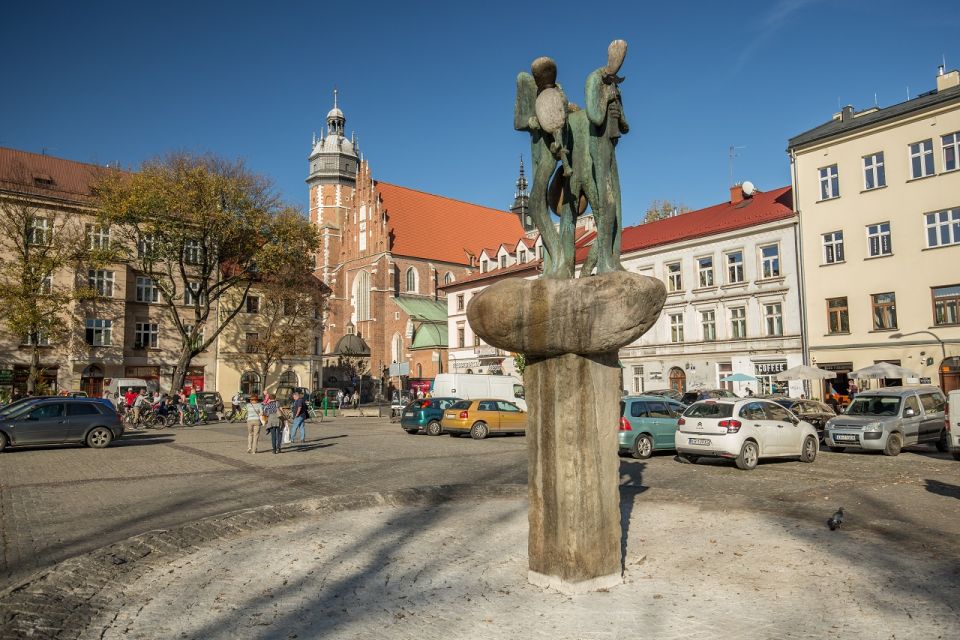
- Schindler’s Factory area context to understand why industry and forced labor overlapped
- Remnants of the Ghetto Wall that show the boundary in a very concrete way
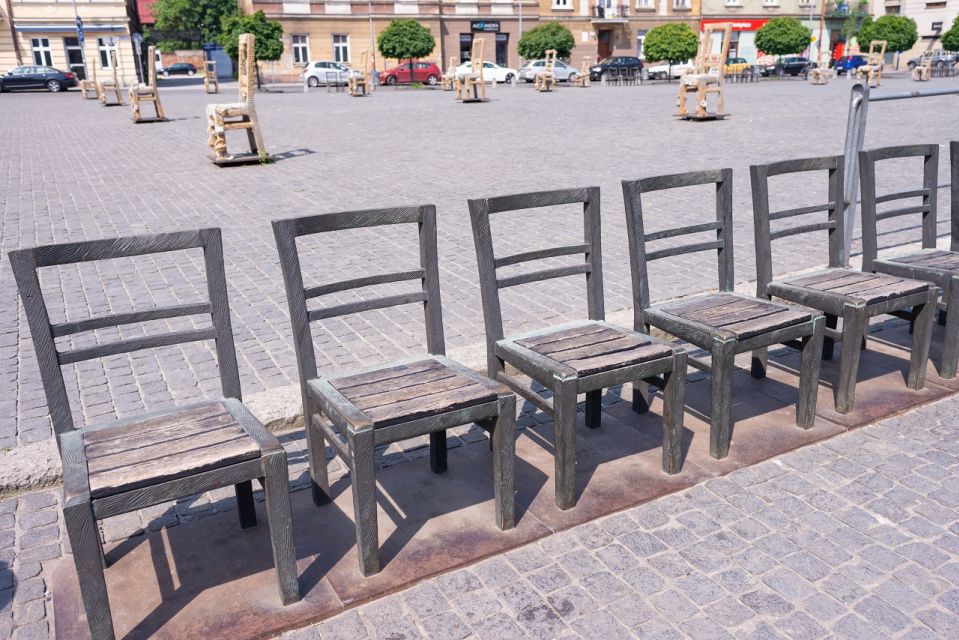
- Ghetto Heroes Square and the memorial of empty metal chairs
- Under the Eagle Pharmacy for stories of assistance and resistance connected with Tadeusz Pankiewicz
- Preserved wartime streets and buildings that help you picture daily life under occupation
Entering Podgórze Through a 1-Hour Walking Story
This is the kind of Kraków tour that works best when you accept one key idea: a “short walk” can still create a long-lasting understanding. In just 1 hour, you cover the most meaningful geographic anchors of the former Jewish Ghetto in Podgórze, and you do it with a licensed guide who keeps the focus on lived experience.
The pacing is simple: you’re not just moving from sight to sight. You’re walking through a sequence of context—occupation, confinement, public memory, and moral choices. That’s why it feels different from a general sightseeing stroll. You’ll leave with a clearer picture of how ordinary streets could become stages for deportations, survival strategies, and resistance.
If you’re the type of traveler who likes “why this place matters,” this tour is made for you. And it’s also made for people who tend to feel overwhelmed by WWII history, because the structure helps you follow the story without getting lost.
You can also read our reviews of more walking tours in Krakow

Starting at Schindler’s Factory: Where Occupation Took Shape
The tour begins at Schindler’s Factory Museum, at the main entrance on the right-hand side, where your guide holds an excursions.city sign. That starting spot matters, because it frames what you’ll see next: the Nazi occupation didn’t just bring violence—it reshaped work, neighborhoods, and daily routines.
As you start walking, your guide sets the scene around this district’s wartime transformation. You’ll learn how industry and forced labor became intertwined with everyday life. You don’t need a degree in history to connect the dots, but you do need someone to help you read the city the right way. That’s exactly what a good ghetto walking tour does: it teaches you how to look.
A practical note: arriving about 10 minutes early helps you get settled before the group departs. Late arrivals aren’t able to join once the tour leaves, and tickets can’t be refunded—so treat that as part of the “how not to miss your moment” planning.
Remnants of the Ghetto Wall: Seeing Boundaries in Stone and Air
One of the most memorable parts is the walk toward the remains of the former Ghetto Wall. These fragments don’t act like stage props. They’re stark, and they force you to understand what a border meant when it was enforced with real power.
Your guide uses these surviving sections to explain separation in a tangible way: the wall wasn’t just a line on a map. It was a physical boundary that confined the Jewish population and separated them from the rest of the city. Standing near those remnants, it’s easier to understand how restriction shaped daily movement, fear, and options.
What I find valuable here is that you’re not meant to rush past. The goal is to slow your mental camera down. Even if you’ve seen photos of wartime walls elsewhere, seeing the fragments here helps you recalibrate what those images actually imply on the ground.
Potential drawback: because these sites are spread through the area, you’ll need to stay attentive even during the in-between walking segments. The guide’s narration is what turns “normal streets” into the wartime landscape you came for.
Ghetto Heroes Square: Memorial Space and a Meaningful Symbol
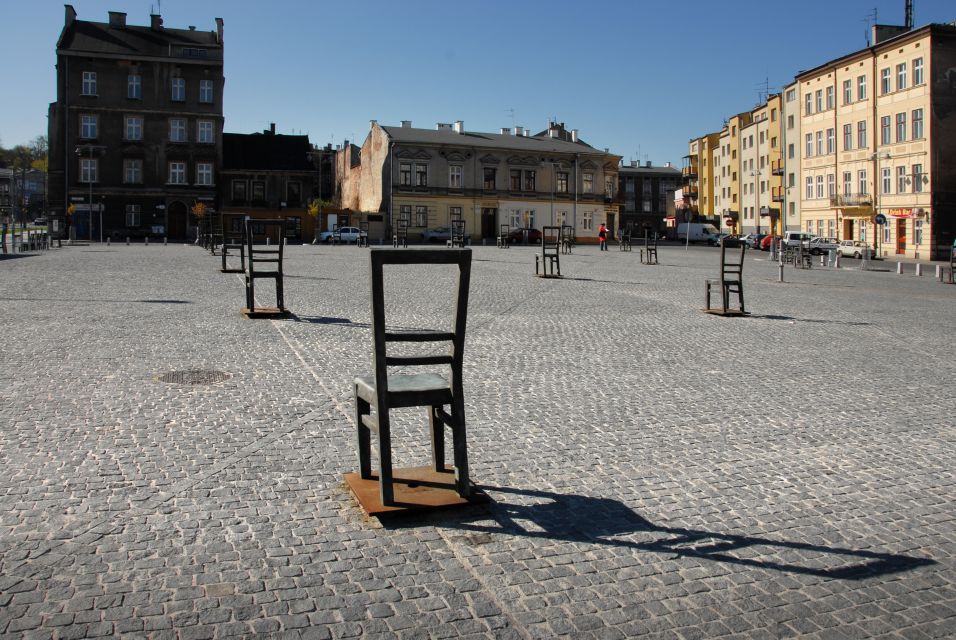
Next comes Ghetto Heroes Square, described as a former center of the Kraków Ghetto and connected with deportations. Today, it functions as a remembrance site—and your guide helps you connect the square’s former role to what you’re seeing now.
The memorial detail is powerful: empty metal chairs. It’s a visual idea that’s simple enough to understand quickly, but it sticks with you longer than you expect. Instead of focusing only on dates or slogans, the chairs point you back to the most basic question history can’t answer for you: who should have been sitting there?
As you listen, you’ll also understand why this square matters beyond its symbolism. It’s the kind of place where context transforms your reaction. Without guidance, you might interpret it as a memorial and move on. With guidance, you start recognizing the square as part of the machinery of persecution—while still being anchored in human loss.
If you’re planning your emotions for this stop, do it. Bring a few quiet minutes of respect with you. This is one of those places where your posture changes your thinking.
Under the Eagle Pharmacy: Stories of Resistance and Moral Choice
Across the square, you’ll see the historic Under the Eagle Pharmacy. This stop is about more than architecture. It’s tied to resistance and to help given to ghetto residents by Tadeusz Pankiewicz and his staff.
Your guide will explain how compassion and courage could exist inside a system designed to crush them. You’ll hear about the practical reality of survival—how moral choices played out in everyday work—and how assistance could be both risky and lifesaving.
This is also where the tour’s tone becomes especially human. It’s not only about confinement and violence; it’s about the people who found ways to act anyway. That matters because many WWII tours risk turning people into background scenery: victims, perpetrators, dates. Here, you get to see a narrower slice of what assistance and resistance could look like.
One consideration: if you’re sensitive to heavy themes, this segment may feel intense, even though it’s only part of a short walk. Still, it’s often the most hopeful part of the itinerary, because it shows choices, not just catastrophe.
You can also read our reviews of more guided tours in Krakow
Preserved Streets and Buildings: How Wartime Details Stay in View
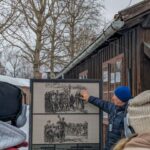
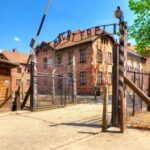
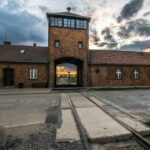
A good ghetto walking tour doesn’t just hit “top sights.” It teaches you to notice. On this walk, you’ll explore preserved wartime streets and buildings, and your guide uses them to explain daily life and survival during WWII.
The value here is interpretive. When you see a building that still looks recognizable, it becomes easier to picture how people moved, worked, waited, hid, and endured. You stop thinking of WWII as something that happened somewhere else, long ago. You start thinking of it as something that happened here—on these corners, behind these facades.
This is also where the licensed guide earns their keep. They help you read the area without turning the walk into a lecture. You’ll get just enough detail to connect geography, history, and human behavior.
If you’re the type who likes to take photos, do it, but keep your eyes up. The best moments often come right after your guide points out what you’re looking at. That’s when the street stops being scenery and starts being evidence.
Language, Pace, and What Makes the Guide Matter
This tour runs with a live guide in German, Italian, French, Spanish, or English, so you can choose what you’ll feel most comfortable following. You’ll be walking for about an hour, so clarity matters. You want narration you can keep up with without straining.
From what you might experience with different guides, the biggest difference is pacing and responsiveness. For example, guides like Elena are noted for being friendly and making the ghetto feel understandable rather than just foreign. Another guide named Renata is mentioned for clear explanations and availability.
You’ll also get more out of the tour if you ask questions during natural pauses. This kind of walking tour works best when you treat it like a conversation with a local expert—not a one-way audio track.
Bring comfortable shoes. The route is a walk through an urban district, and weather can affect comfort. The tour runs in all weather conditions, so dressing for rain, cold, or heat is part of doing the experience right.
Price and Value: Is $15 Worth It?
At $15 per person for 1 hour, the value comes from what’s included: a professional licensed guide and a walking route through the former Nazi Jewish Ghetto in Podgórze. That’s not just entertainment—it’s guided interpretation of sensitive, high-impact places.
What’s not included is entrance fees to attractions. Practically, that means you should treat the tour as a guided walk-and-learn experience, not a bundled museum day. In other words: you’re paying mainly for the guide and the route, not for ticketed access.
For me, that price feels reasonable because the tour targets the exact kind of places that benefit from context. Without a guide, some memorials and street remains can read like generic landmarks. With guidance, they become a connected story with emotional and historical meaning.
If you’re budgeting your time in Kraków and want one focused WWII experience that doesn’t eat your whole day, this hits the sweet spot.
Who This Tour Suits Best (And Who Might Want Something Else)
This tour is a strong fit for you if you:
- want an organized, context-first introduction to the former Kraków Jewish Ghetto in Podgórze
- like walking tours where the guide teaches you how to read the landscape
- prefer human-scale stories—survival, assistance, resistance—over a purely “date-and-event” approach
- need something manageable when you only have a small window of time
You might want a longer or more specialized experience instead if you:
- want a full, deeply detailed chronology of WWII in Kraków in one session
- expect the tour to be centered on ticketed museum interiors (entrances aren’t included)
- need a break from emotionally heavy themes (this is history with real stakes, even when the walk is brief)
Should You Book the Kraków Jewish Ghetto Guided Walking Tour?
Yes, you should book this tour if you’re looking for a focused way to understand how occupation changed daily life in Podgórze. The combination of ghetto wall remnants, Ghetto Heroes Square, and Under the Eagle Pharmacy gives you a strong geographic storyline in just one hour—and the licensed guide keeps it understandable, not vague.
It’s also a good choice when you want value. For $15, you’re paying primarily for expert narration and meaningful on-site context, not for lots of extra paid stops. Just be ready for weather, plan to arrive on time, and keep your attention on the guide’s cues as you walk.
FAQ
Where does the tour start?
Meet your guide in front of the main entrance to the Schindler’s Factory Museum, on the right-hand side. The guide will hold an excursions.city sign.
How long is the Kraków Jewish Ghetto walking tour?
The tour lasts 1 hour.
What’s included in the price?
The price includes a professional licensed guide and a walking tour through the former Nazi Jewish Ghetto in Podgórze.
Are entrance fees included?
No. Entrance fees to any attractions are not included.
Which languages are available?
The live tour guide is offered in German, Italian, French, Spanish, and English.
What will I see during the walk?
You’ll see remnants of the Ghetto Wall, visit Ghetto Heroes Square and its memorial, and learn about resistance at the Under the Eagle Pharmacy. You’ll also explore preserved wartime streets and buildings.
What should I wear or prepare for?
Dress for the weather and wear suitable footwear. The tour takes place as planned in all weather conditions.
What’s the cancellation deadline?
You can cancel up to 24 hours in advance for a full refund.