REVIEW · KRAKOW
Krakow: Auschwitz-Birkenau Shared English Tour and Transfer
Book on Viator →Operated by Legendary Krakow · Bookable on Viator
Auschwitz-Birkenau is one of those days you never forget, and this trip makes the logistics simpler. You get a guided visit focused on Auschwitz I and Birkenau, plus round-trip transport from Krakow so you’re not hunting buses or timetables on your own.
I especially like how the day is built around two distinct parts. That split matters: Auschwitz I is where you get the early, organized camp system and physical evidence in place, and Birkenau is the scale shift—leading you from history documents and buildings into the camp’s broader reality.
One thing to consider: it’s a long day with lots of walking and stairs, and the experience can feel fast if your group pace moves quicker than you’d like.
In This Review
- Key things to know before you go
- Krakow to Auschwitz-Birkenau: what this guided transfer gets right
- Pickup, meeting points, and time expectations in Krakow
- Auschwitz I tour: prisoner blocks, crematorium, and the “first camp” story
- Birkenau (Auschwitz II): the gate moment and a shorter second chapter
- English guide experience: why the wording matters on this kind of day
- Comfort and practical prep: clothes, bags, and food on a long day
- Price and value: is about $87 good for this kind of day?
- Should you book this Auschwitz-Birkenau tour from Krakow?
- FAQ
- What is the duration of the Auschwitz-Birkenau tour from Krakow?
- Do I get pickup in Krakow?
- Is the tour offered in English?
- Does the price include an entrance ticket to Auschwitz-Birkenau?
- How long do you spend at Auschwitz I and Birkenau?
- What about food during the tour?
- What should I wear?
- How big can my bag be?
Key things to know before you go
- Round-trip transfer from Krakow: hotel pickup options or convenient meetup points keep the day moving.
- Two-part memorial visit: Auschwitz I first (about 2 hours), then Birkenau (about 1 hour 15 minutes).
- English-speaking licensed guide: the tour runs in English with a real guide, not just audio.
- Ticket-covered tour option: your package can include the Auschwitz-Birkenau State Museum entrance ticket, redeemed on site.
- Plan for modest dress: expect rules aligned with the memorial’s solemn character.
- You’ll be walking all day: moderate fitness is recommended, and comfort matters.
Krakow to Auschwitz-Birkenau: what this guided transfer gets right
This is a straightforward Auschwitz-Birkenau trip from Krakow with transport handled and an English guide in charge. That combo is more valuable than it sounds. On a day this heavy, you want your energy for the places themselves, not for figuring out how to get there.
The format also helps you understand the site better. Auschwitz is not one “thing” you pass through once—it’s an evolving camp system. This tour’s sequence starts with Auschwitz I, then shifts to Birkenau with its camp gate meeting point, which makes the transition feel clear rather than confusing.
Finally, the tour runs with a cap of up to 30 travelers, which tends to keep the group experience more manageable than the biggest bus-style tours. You’ll still feel like you’re in a group. But it usually stays in the “organized visit” zone rather than “herded crowd” chaos.
You can also read our reviews of more tours and experiences in Krakow

Pickup, meeting points, and time expectations in Krakow
You meet near Kraków Old Town, then return to the city centre near Old Town as well. There are pickup options: you can choose a format with hotel pickup, or go with convenient meetup points. If you pick the private transfer option without tickets, the drop-off can be at an address you choose (within allowed areas; no pedestrian-only or traffic-restricted zones).
Here’s the practical reality: the Auschwitz-Birkenau museum ultimately determines the visiting time, and you’ll receive the exact departure time the evening before. The departure time is approximate and may change. So treat this like a “reserve the whole day” commitment, not a precise clock-in clock-out tour.
A few people have run into serious delays or major pickup-time changes on similar day trips elsewhere. This one gets strong overall ratings, but the timing language is still the same: expect updates, and build in patience. If your schedule is tight because you’re flying or doing another tour later that day, this is where you can get burned.
Tip: keep your plans flexible for the entire day, and aim to have breakfast covered before you leave. Reviews also flagged that some days start very early, which can cut into meals.
Auschwitz I tour: prisoner blocks, crematorium, and the “first camp” story
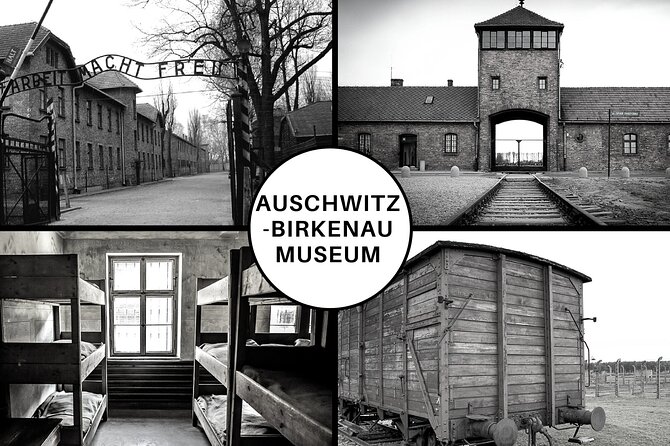
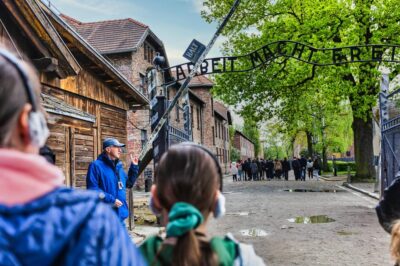
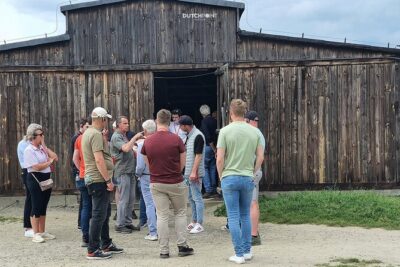
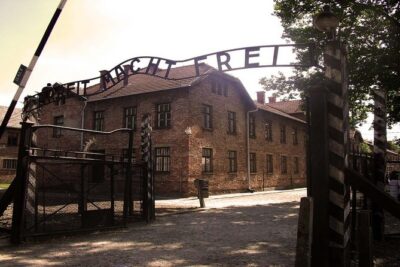
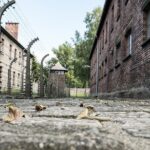
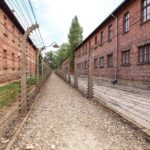
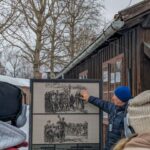
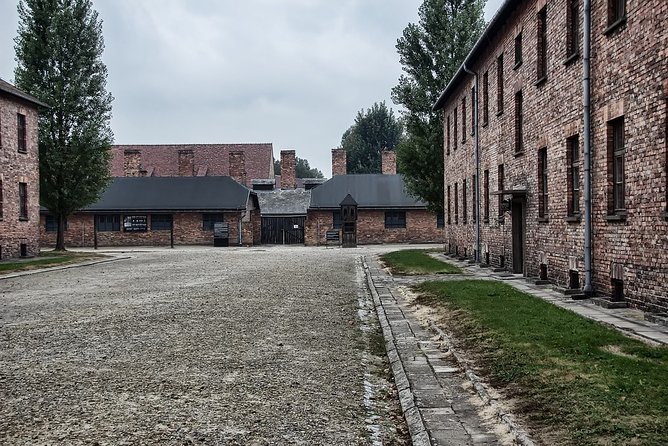
Auschwitz I (the former mother camp) is where the tour lays the foundation. You start with a guide and begin walking through the camp grounds, then move into prisoner blocks. The itinerary also includes a visit to the first crematorium, plus time spent with historical documents, photos, and material evidence displayed in original buildings.
This part is intense in a specific way. Auschwitz I feels like the system’s early blueprint—more enclosed, more focused on structures and documented evidence. When your guide explains what you’re seeing, it’s easier to avoid the trap of treating it like a museum you “walk through” and then forget.
The allotted time is about 2 hours for this first section. That’s enough to cover the core sights with a guide, but it still goes fast. If you like to read every sign slowly, you may want to absorb on your own during the moments when the group pauses.
What I love about how this tour handles Auschwitz I is the emphasis on original buildings and in-place evidence. It makes the history feel less abstract. It’s not theory. It’s rooms, artifacts, and surviving records you’re looking at in the place they belong.
Birkenau (Auschwitz II): the gate moment and a shorter second chapter
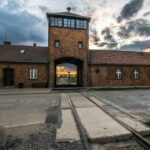
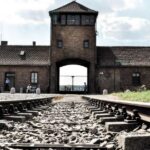
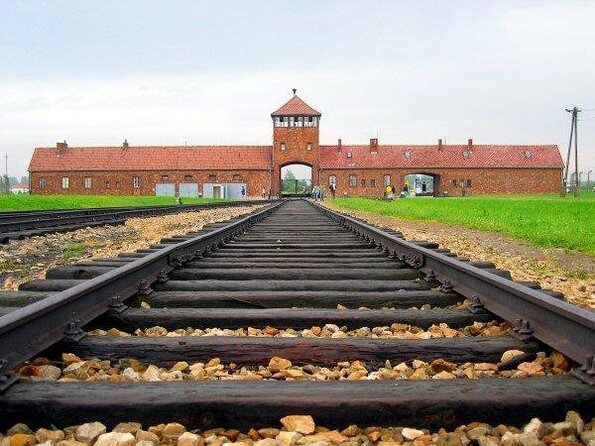
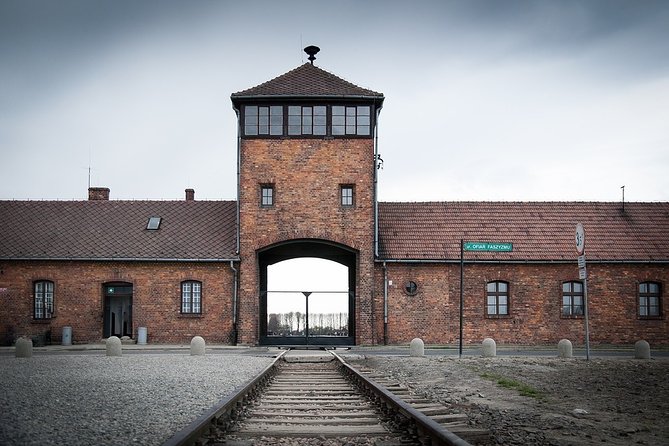
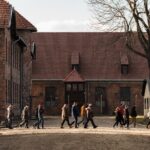
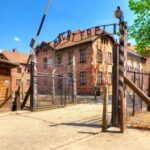
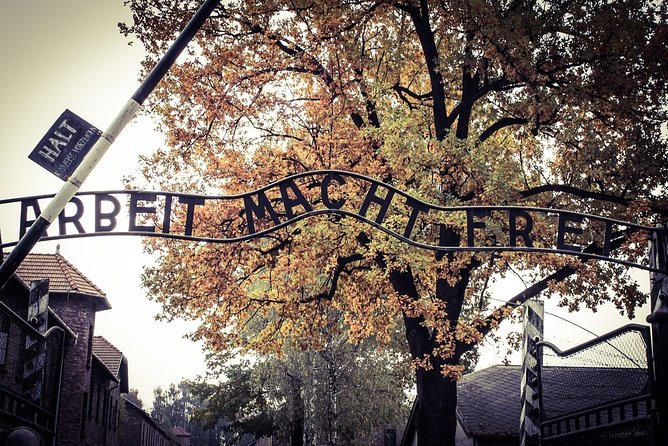
After Auschwitz I, there’s a short break—around 15 minutes—then the driver takes you toward the Birkenau parking area. From there, you walk to the historical Birkenau Gate to meet your guide for the second guided portion.
Birkenau is different from Auschwitz I. It feels larger, more open, and harder to understand without a guide helping you map what you’re seeing. The itinerary sets aside about 1 hour 15 minutes for this portion, which is enough for an overview if the group pace is steady.
One detail worth planning for: there’s walking between parking and the Birkenau Gate, and the day overall tends to include more walking and stairs than people expect. Reviews specifically warned that it can be difficult for anyone who struggles with mobility, even if you’re generally able to move around.
Still, Birkenau is often the part people feel most strongly because it shows scale and displacement. Even with a guided route, it can hit you like a wall. The best approach is to let yourself feel that and avoid rushing ahead mentally.
Practical note: the itinerary lists the Birkenau admission portion as free on this tour format. Your ticket setup for the day is still handled through the Auschwitz-Birkenau museum redemption point, so don’t assume you can ignore ticket instructions.
English guide experience: why the wording matters on this kind of day
This tour is offered in English with a licensed live guide, plus professional English-speaking hosts/drivers. On paper, that sounds like a checkbox. On site, it’s one of the biggest differences between a “saw it” day and a “understood it” day.
Guides can control the emotional tempo. Some guides are described as calm and respectful with soft, clear delivery, like Mark and Marek. Others are described as kind and compassionate, like Thomas and Malek. The common thread across high ratings is a delivery style that keeps you moving without turning the site into a sprint.
If you’re sensitive to loud headsets or fast group pacing, keep this in mind: group tours can sometimes feel rushed. Even when the facts are strong, the pace can limit how long you can linger at photos or signage. I’d treat the tour time as a guided route through the main points, not as your full chance to sit with every exhibit.
A useful mindset: let the guide give you the structure, then use your own time in any brief pauses to slow down. If the group is moving, you won’t win an argument with the calendar. But you can still control your attention once you see what’s important to you.
Comfort and practical prep: clothes, bags, and food on a long day
This is not the day for a fashion experiment. The tour expects modest dress out of respect for the memorial setting. Think covered shoulders and pants or long skirts. Keep it simple.
You also need to pack light. There’s a maximum bag size: 30x20x10 cm (A4 sheet size). If you’re carrying a bulky backpack, plan to leave it behind or switch to something smaller. This matters because camp areas can feel tight, and moving with larger bags gets annoying fast.
Comfort-wise, plan on a lot of walking and stairs. Even people who can handle a typical city day may feel wiped out here. Wear supportive shoes and bring a layer for weather changes. The itinerary doesn’t mention a long sheltered break, so you’ll be exposed at points.
Food and drinks are not included. That doesn’t mean you’re stranded, though. In practice, you’ll likely rely on snack machines on site and whatever you bring with you. Multiple people recommended bringing a packed lunch because there isn’t a scheduled meal stop built into the day. I’d follow that advice. It’s calmer to eat when you want rather than waiting in queues.
Also, the day’s schedule can shift. When early times change, meal timing can get awkward. Having your own food reduces that stress.
Price and value: is about $87 good for this kind of day?
At $87.07 per person, the value mostly comes from what’s included: round-trip transfer in an air-conditioned vehicle, an English-speaking host/driver, and a licensed live English guide. It also includes the entrance fee for the Auschwitz-Birkenau State Museum ticket as part of the tour option.
For a day trip where timing and transportation are the hard parts, this price is often fair. The alternative—figuring out buses, booking timed entry yourself, and trying to coordinate a guide—usually costs more time and mental effort. And on a day like this, time and mental load matter.
That said, the tour is still a group schedule. If you want total freedom to go slowly through every building and photo, a guided group format may feel limiting. You’re paying for structure. If you already know you need maximum flexibility, you may want to consider a different style of visit.
My take: for most first-timers, the balance is strong—transport + guide + ticket option is the right combo for a smooth day.
Should you book this Auschwitz-Birkenau tour from Krakow?
Book it if you want a guided, English-first visit without transportation stress. The two-part structure (Auschwitz I, then Birkenau) helps you understand what you’re seeing, and the transfer makes the logistics feel doable. If you’re going for the first time, the guide is what turns the route into real learning.
Skip or rethink it if you have a tight schedule that can’t handle early departures or time changes. This is the kind of experience where a delay can snowball into missed plans. Also rethink if walking is a major issue for you, because the day involves significant movement.
If you do book: bring a packed lunch or at least snacks, keep your bag within the size limit, wear comfortable shoes, and plan to treat the day as a full commitment—emotionally and physically.
FAQ
What is the duration of the Auschwitz-Birkenau tour from Krakow?
The tour runs about 7 to 8 hours.
Do I get pickup in Krakow?
Yes. You can choose an option with hotel pickup or a convenient meetup point near Kraków Old Town.
Is the tour offered in English?
Yes, the tour is offered in English with a licensed live English-speaking guide.
Does the price include an entrance ticket to Auschwitz-Birkenau?
The package includes an entrance fee ticket to the Auschwitz-Birkenau State Museum, as offered in the tour options. You’ll redeem it at the memorial’s museum ticket redemption point.
How long do you spend at Auschwitz I and Birkenau?
Auschwitz I is about 2 hours. Birkenau is about 1 hour 15 minutes.
What about food during the tour?
Food and drinks are not included. There is no food included in the tour package.
What should I wear?
Modest dress is expected due to the character of the place.
How big can my bag be?
Luggage/bags/purses/backpacks must be no larger than 30x20x10 cm (A4 sheet size).