REVIEW · KRAKOW
Nowa Huta – a guided tour of a utopian socialist city
Book on GetYourGuide →Operated by BestKrakowWalks · Bookable on GetYourGuide
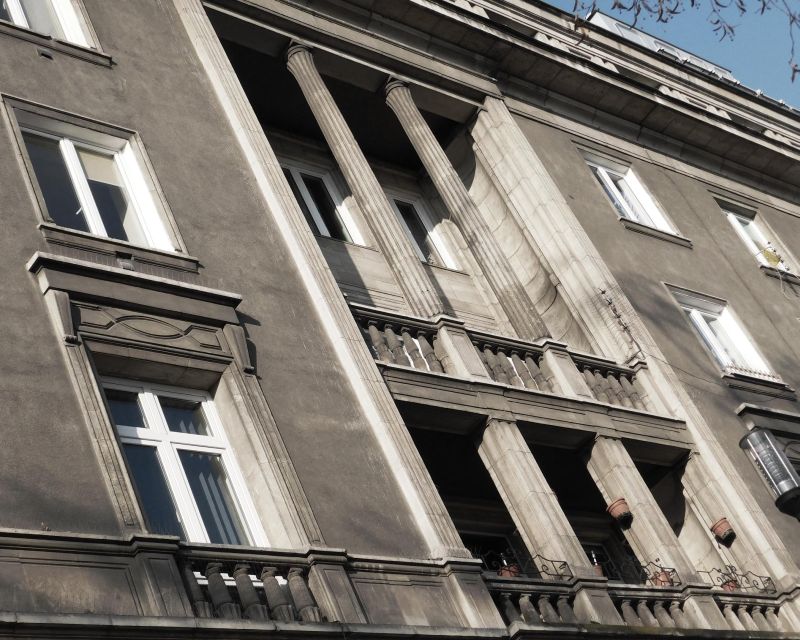
A socialist city built after the war. Nowa Huta is fascinating because you can literally read the ideology in the streets—then see how that plan collided with real people, real faith, and real resistance. I like the way this guided English walk connects big ideas to specific places, and I especially love the neo-classical Stalinist architecture you pass up close. One thing to consider: it’s a political-and-religious story, and it’s also a straight walking route that starts at a specific monument, so plan for timing (transport into the area isn’t included).
You’ll meet the guide by the Pomnik Solidarności Bądź wierny, idź and spend 2 hours moving through Nowa Huta’s central spine: squares, main avenues, a tank monument, a church tied to the early fight, and the Ludowy Theatre. The best part is the contrast the guide keeps showing—planned socialist “utopia” versus the stubborn traditions that didn’t disappear.
In This Review
- Key things that make this Nowa Huta tour worth it
- Nowa Huta means more than a neighborhood
- Starting at Pomnik Solidarności Bądź wierny, idź: your entry point into the story
- Central Square in Kraków: from Lenin’s name to the real argument
- Aleja Róż, the Avenue of Roses: planning made poetic on purpose
- The IS-2 Tank monument: militarism as a public statement
- Our Lady Queen of Poland Church: where the ideology hits faith
- Ludowy Theatre: socialist culture as a tool, not decoration
- Walking value: price, time, and what you’re really paying for
- Who should book this Nowa Huta tour (and who might skip it)
- Should you book? My straightforward take
- FAQ
- How long is the Nowa Huta guided tour?
- How much does the tour cost?
- What language is the tour guide?
- Where do I meet the guide?
- What’s included in the price?
- Is transportation from Kraków’s city center included?
- Are gratuities included?
- Is there free cancellation?
- Can I pay later?
Key things that make this Nowa Huta tour worth it
- A utopian plan you can walk: built around the new steel mill concept after WWII
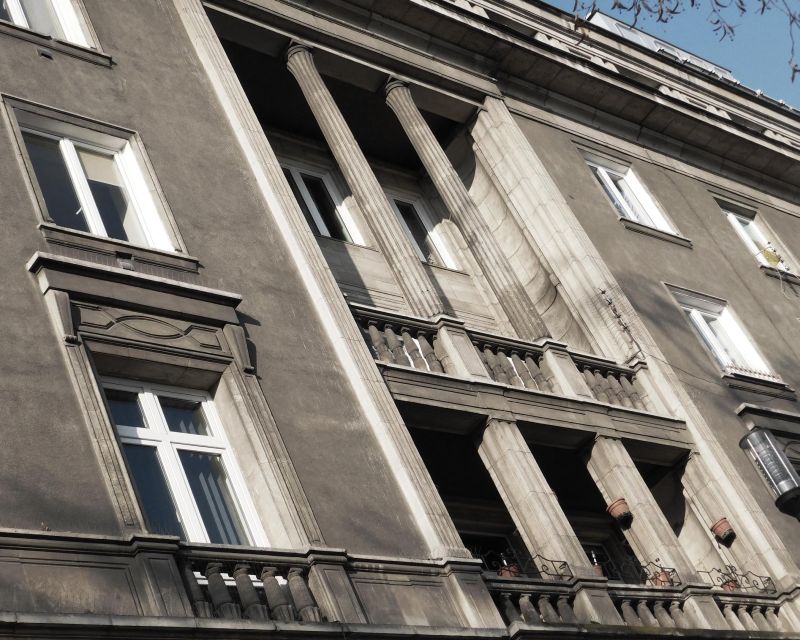
- Stalinist architecture in real scale: monumental neo-classical forms, not theory
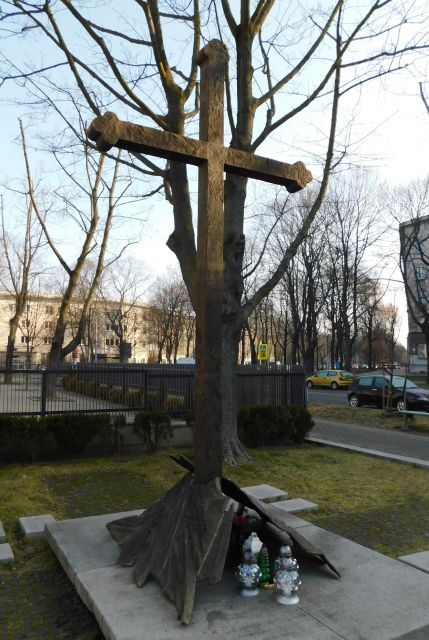
- A faith-versus-communism storyline: the battle for the cross and the first church in the godless city
- Solidarność legacy on the route: strikes and resistance tied to actual sites
- Tight 2-hour pacing: enough time to understand the idea without dragging on
- Licensed private guide: English commentary throughout for clarity and context
Nowa Huta means more than a neighborhood
Nowa Huta translates to new steel mill, and that name is the key to why this tour feels different from the usual “see buildings” walk. This district wasn’t just built—it was built with a mission. After the war, the communist government pushed to create a worker city designed to stand apart from what they viewed as old Kraków: religious life, tradition, and attitudes they considered resistant to socialism.
What I like about this approach is that it doesn’t treat the past as a museum piece. Instead, you see how planning, architecture, and symbolism were meant to shape daily life. Even the street layout and major landmarks are part of the argument: a city built for the new people, described as living without God and trusting the ideals of communism.
And yes, that means you get the clash too. You’ll walk through places associated with the struggle for faith (including the battle for the cross and the first church in the godless city) and through sites connected to the legacy and strikes of Solidarność. It’s a lot of meaning for a short, 2-hour walk—and it’s exactly why this experience works.
You can also read our reviews of more guided tours in Krakow
Starting at Pomnik Solidarności Bądź wierny, idź: your entry point into the story
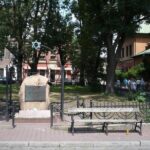
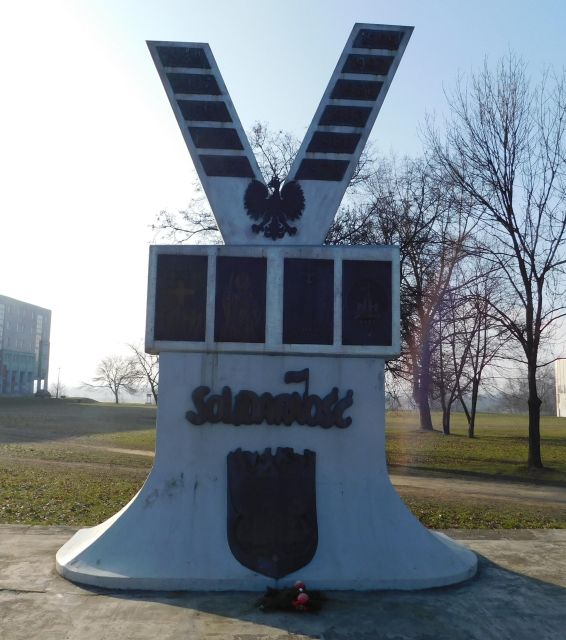
The tour meeting point is right by Pomnik Solidarności Bądź wierny, idź. That matters more than it sounds. You’re not starting at a neutral landmark. You’re starting at a memorial tied to solidarity and resistance—so the guide can frame the whole district through the lens of what happened when a planned ideology met the stubbornness of real society.
Before you even reach the first major stop, you get a sense that this won’t be a dry architectural lecture. It’s about how people pushed back, adapted, and sometimes survived by holding onto identity. And because it’s a walking tour, you’re also learning how to read the city as you go—what you see is tied to why it was built, what it was meant to do, and what it ended up triggering.
Central Square in Kraków: from Lenin’s name to the real argument
Your first big anchor point is Central Square, where the guide spends about 40 minutes. The square matters because it used to be tied to Lenin—so you’re starting in a place marked by communist identity. From there, the tour begins turning symbols into street-level meaning.
This is where you’ll start to understand how Nowa Huta was designed as a counterweight. The goal wasn’t only to house workers for the steel mill. It was to create a whole environment that would pull people away from the religious and cultural rhythms of older Kraków. In practical terms, that means you’ll be paying attention to architecture, emphasis, and how space is meant to direct your attention.
A drawback to keep in mind: if you prefer purely aesthetic sightseeing, this first phase might feel heavy. The theme is overt. Still, even if you’re not into politics, it’s hard to miss the engineering of atmosphere—how the square sets a tone that the rest of the district continues.
Aleja Róż, the Avenue of Roses: planning made poetic on purpose
Next comes aleja Róż, the Avenue of Roses, with about 15 minutes of guided time. Yes, the name sounds gentle. That contrast is part of the point. Socialist cities weren’t only practical—they were also meant to feel like a new dream, a clean break from the old world.
When you walk a major representative avenue like this, you’re seeing how the plan expresses confidence: straight sightlines, designed emphasis, and a kind of ceremony in how movement through the district is organized. The guide helps you connect that “utopian” design mindset to the underlying ideology—how beauty and order were used to sell a worldview.
If you’re curious about why some streets feel like they’re built for displays, parades, or crowd moments, this stretch is a strong example. You’ll come away understanding that a city can be designed to shape behavior, not just accommodate people.
The IS-2 Tank monument: militarism as a public statement
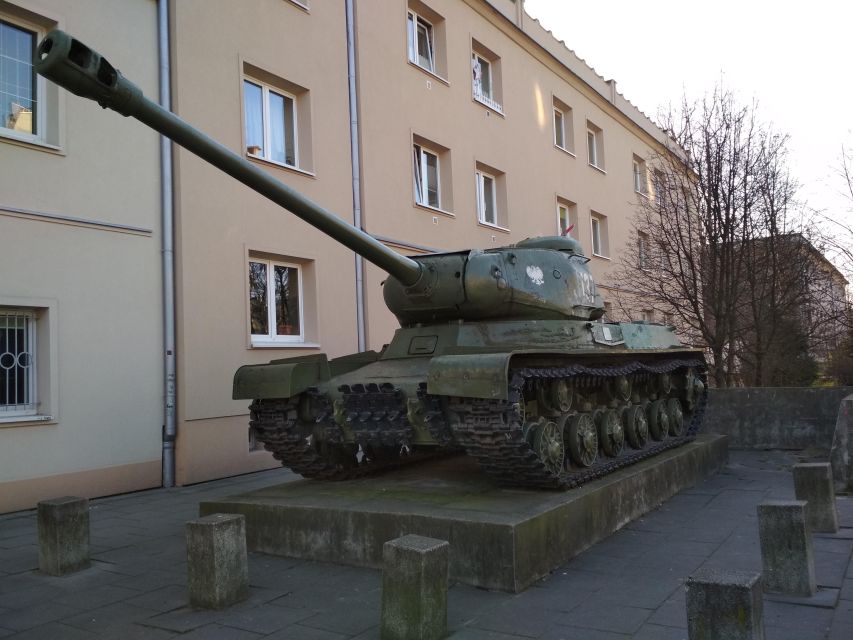
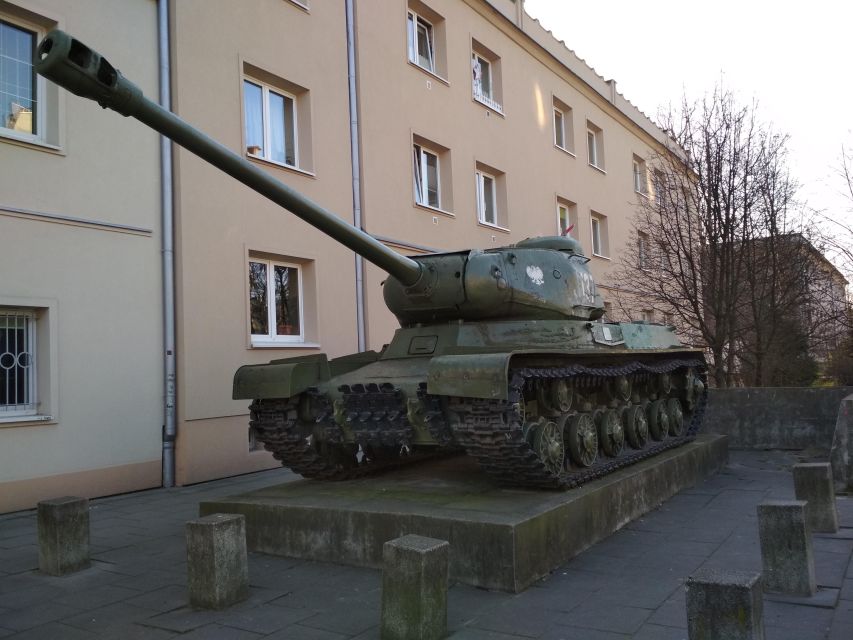
After the avenue, you’ll stop at the Monument of IS-2 Tank for about 10 minutes. This is a short stop, but it’s a loud one. Tanks don’t belong only to battlefields; in a city context, they also become propaganda—visible reminders of power, strength, and the kind of order the regime was willing to enforce.
What’s useful for you as a visitor is that the guide doesn’t leave it as a random object. It fits the larger narrative of a society built under communist rule, where military power sat close to civilian life. Even if you don’t know much about Soviet-era equipment, you’ll understand the message: strength on display, history repurposed as public identity.
You can also read our reviews of more city tours in Krakow


Our Lady Queen of Poland Church: where the ideology hits faith
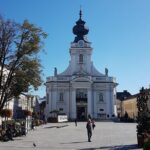
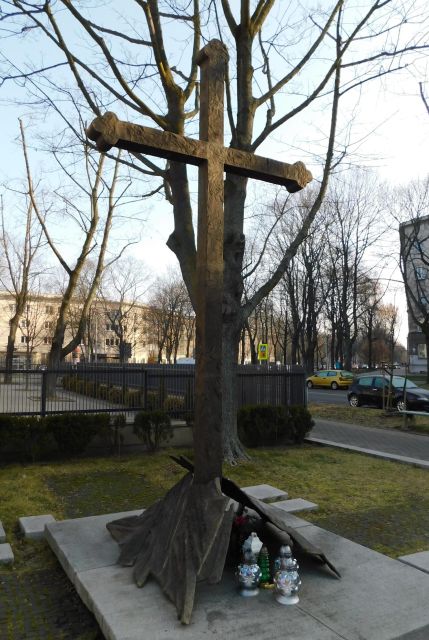
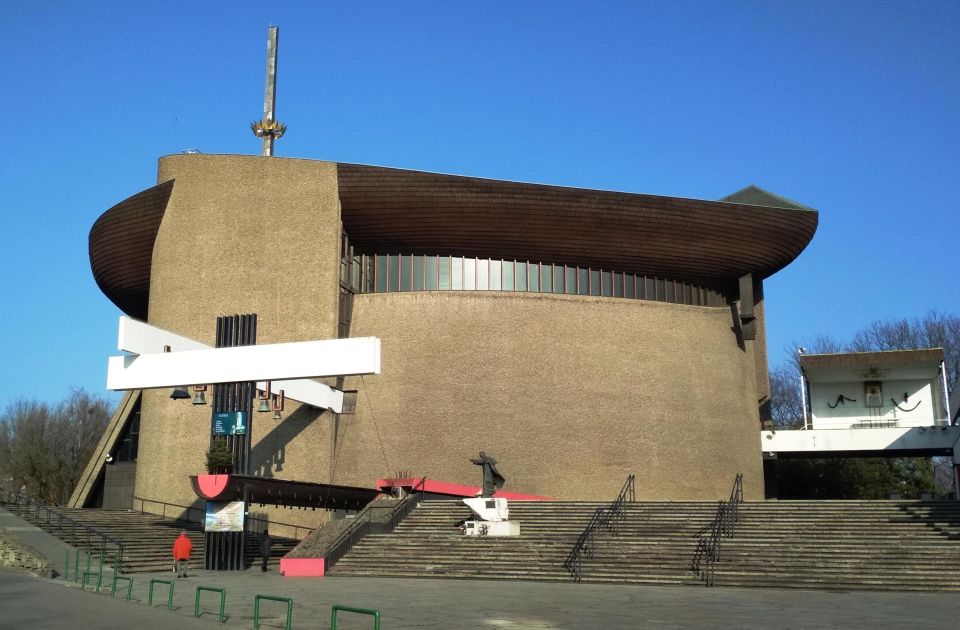
One of the most meaningful stops is Our Lady Queen of Poland Church, with about 20 minutes of guided time. This is where the tour’s religious-versus-communist conflict stops being abstract. You’ll connect this church to the idea of the first church in the godless city, and to the site associated with the battle for the cross.
That detail matters because the tour’s core theme is not just “communism happened.” It’s about how people fought over symbols—especially faith symbols—in a place designed to discourage them. Standing near a church in a district intentionally built as anti-religious shows you the gap between planning and reality.
And here’s the balanced part that I appreciate: you don’t have to take any side to recognize the tension. The guide uses the places themselves to explain how the conflict played out on the ground. For many visitors, this stop is the emotional anchor of the whole walk.
Ludowy Theatre: socialist culture as a tool, not decoration
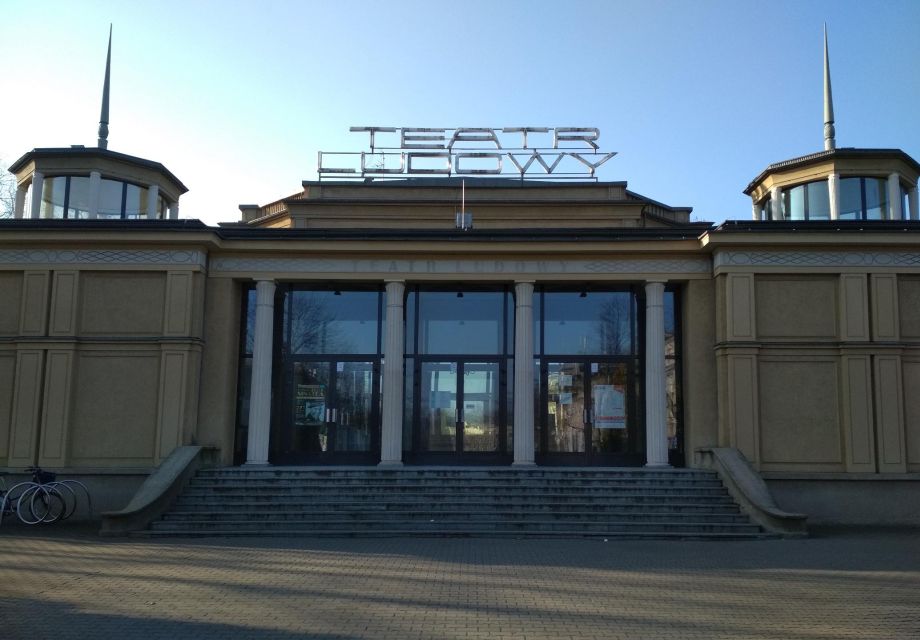
The final major landmark is the Ludowy Theatre, where you’ll spend about 35 minutes. This longer stop suggests it has a lot to carry. Theater buildings in planned socialist districts weren’t just places for entertainment; they were part of a broader cultural strategy—an attempt to shape values, taste, and public life around socialist ideals.
As you look at the building and hear the guide’s interpretation, you’ll get a clearer picture of why the city felt like an experiment. The district was built to form a “new” way of living. That wasn’t only about housing and industry. It was also about what people consumed, celebrated, and discussed together.
Even if you don’t plan to attend a performance (the tour data doesn’t say performances are included), you’ll still get value by understanding the building as ideology in architecture. A theater is soft power made into stone and design.
Walking value: price, time, and what you’re really paying for
The price is $69 per person for a 2-hour English guided walking tour. That sounds like a simple rate, but value here comes from two things you don’t always get on city tours: a licensed private guide and a tight storyline mapped to real places.
At $69, you’re not just buying “someone who points at buildings.” You’re paying for interpretation—connecting the steel mill origin, the purpose-built district concept, and the clash between tradition and communism to specific stops like Central Square, aleja Róż, the IS-2 Tank monument, Our Lady Queen of Poland Church, and the Ludowy Theatre.
Time matters too. Two hours is enough to understand the district’s logic without burning a whole afternoon. And because the tour is walking-based, you’ll see the way the district feels in motion, which is hard to replicate by reading plaques alone.
What’s not included is transportation from Kraków’s city center to Nowa Huta, and gratuities aren’t included either. So you’ll want to factor in how you’ll get to the meeting point by the Pomnik Solidarności Bądź wierny, idź.
Who should book this Nowa Huta tour (and who might skip it)
This is a great choice if you want more than postcard Kraków and you like learning how political systems show up in everyday space. It also suits you if you’re interested in the story of Solidarność and how religious life persisted and fought back in a district designed to remove it.
Book it if you enjoy guided context—when a local guide can connect ideology, architecture, and specific landmarks into one coherent walk. The tone is designed for understanding, and the fact that the guide is English-speaking helps a lot.
Skip it if you’re mainly chasing relaxed sightseeing with minimal politics. The whole experience centers on the clash between tradition and communism, plus church-versus-regime themes. It can still be fascinating, but it won’t feel like a gentle stroll.
Should you book? My straightforward take
If you want a clear, story-driven look at a “planned city” born from postwar communist ambition, this Nowa Huta walking tour is an easy yes. The route is short enough to fit into a trip, and it hits the key landmarks that make the district’s ideology visible: Stalinist neo-classical architecture, symbols like the IS-2 Tank monument, and the faith-and-resistance storyline tied to the battle for the cross and Solidarność.
Just make sure you’re comfortable starting at a specific meeting spot and handling the logistics of getting to Nowa Huta on your own, since transportation from the city center isn’t included.
FAQ
How long is the Nowa Huta guided tour?
The tour lasts 2 hours.
How much does the tour cost?
It costs $69 per person.
What language is the tour guide?
The live guide speaks English.
Where do I meet the guide?
Meet the guide just by the Pomnik Solidarności Bądź wierny, idź monument.
What’s included in the price?
A licensed private guide is included.
Is transportation from Kraków’s city center included?
No. Transportation from the city centre to Nowa Huta is not included.
Are gratuities included?
No. Gratuities are not included.
Is there free cancellation?
Yes. You can cancel up to 24 hours in advance for a full refund.
Can I pay later?
Yes. You can reserve now and pay later.